He was a sailor who knew pain and triumph in equal measure. With half the eyesight and one arm, Horatio Nelson still became the hero of Britain’s greatest naval victory.
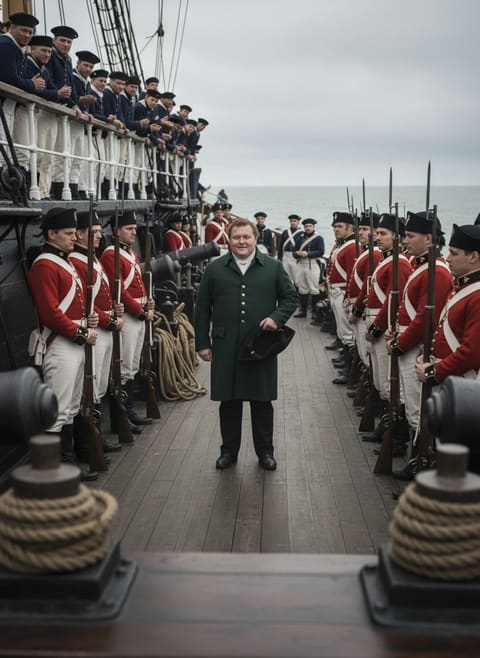
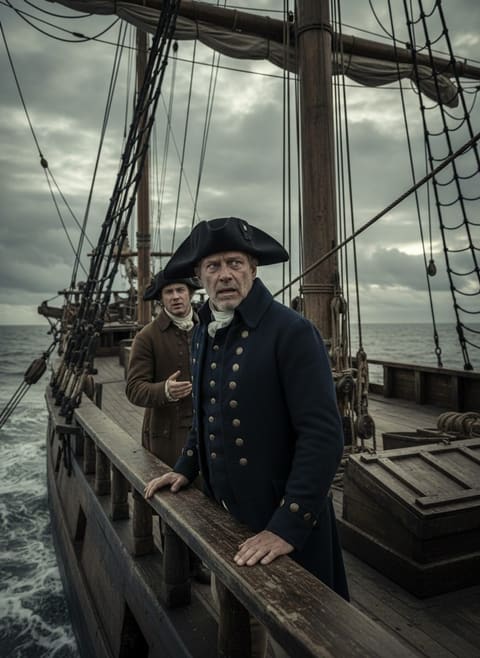
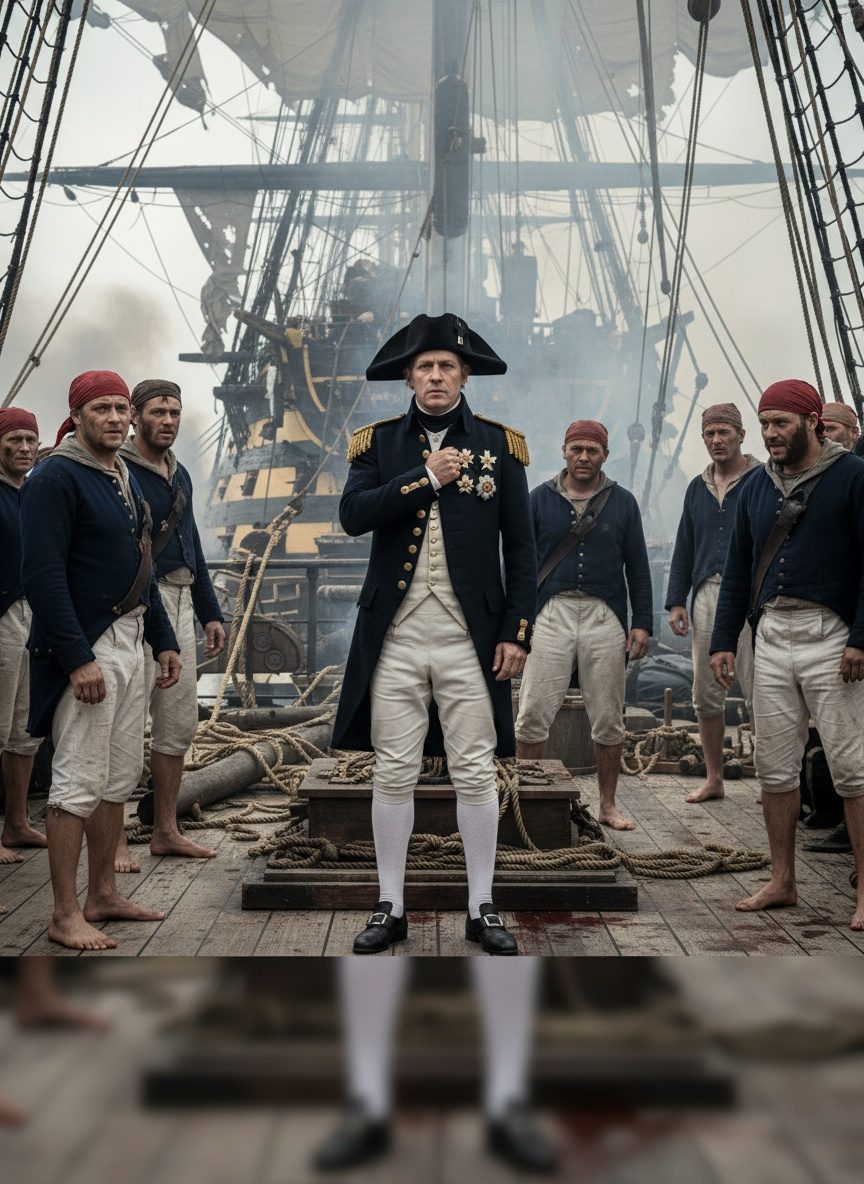
The morning of October 21, 1805, dawned clear and ominous over the Atlantic near Cape Trafalgar. This day would set the stage for a naval confrontation that would echo through history. The British fleet, under Admiral Nelson's command, faced off against the combined naval forces of France and Spain. Nelson, already a seasoned and revered admiral, stood on the quarterdeck of HMS Victory in his full dress uniform, a blaze of gold lace and decorations that marked him as the leader to friend and foe alike. His attire was a defiant statement; his presence, an unmistakable challenge. Yet, that very visibility made him a target for the French sharpshooters who lurked in the masts of their ships. Advisers implored him to change into less conspicuous clothing to protect himself, but Nelson, with characteristic resolve, refused. He would lead from the front, not from the shadows.
It is difficult to understate the audacity of his plan at that moment. Instead of adhering to traditional naval lines of battle, Nelson employed a bold tactic. He ordered his fleet to break through the enemy line in two places, a maneuver meant to fragment the larger Franco-Spanish fleet and turn their numerical advantage into a chaotic melee where British seamanship and discipline could prevail. Nelson's strategy was as much about psychological warfare as it was about naval might. He knew the superiority of his sailors and the quality of their gunnery would shine in the hectic close-quarters combat he engineered.
As the fleets closed in on each other, the air filled with the boom of cannons and the crack of musket fire. Amidst this theater of war, Nelson exhibited both strategic brilliance and personal valiance. The HMS Victory surged forward, preparing to engage the French ship Redoutable. Nelson knew the importance of morale and used every opportunity to rally his men—the dispatch of his famous signal fluttered above the ship: "England expects that every man will do his duty." It was a clarion call that galvanized the British sailors, infusing them with the courage and determination to face the overwhelming guns of their adversaries.
Read next: The Night the British Ate the President's Dinner
The clash was brutal and unforgiving. Overhead, smoke and gunpowder mingled, turning daylight into a hazy twilight. Below decks, the Victory roared with the constant rolling thunder of its cannons. Through it all, Nelson remained on deck, pacing with the energy and intensity of a man preparing to stake everything on a single throw of the dice. Watching and commanding, he was the embodiment of resolve. His presence was a potent reminder of his enduring commitment to king and country.
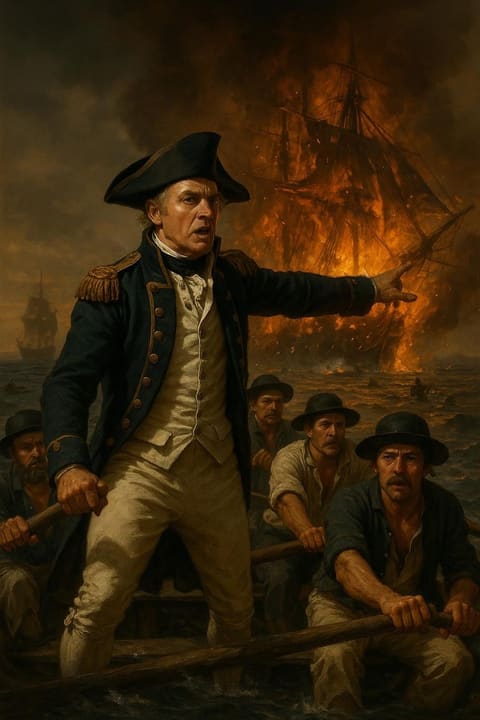
Amid this relentless firestorm, a musket ball found its mark. At twenty past one, an enemy sharpshooter from the Redoutable's rigging shot the single bullet that passed through Nelson’s shoulder and lodged deep into his spine. He fell, carried below decks to HMS Victory’s orlop, the ship's make-shift hospital. In those cramped, dim quarters, amidst the cries of men wounded and dying, Nelson lay serene, whispering words that would become legend.
Despite debilitating pain, his thoughts never strayed from the battle and the men he commanded. As the battle raged above, he asked anxious questions, punctuated by words of encouragement to those bustling around him. Word of his wound and the apparent triumph of the British spread quickly through the fleet. Victory by Nelson's design was achieved even as life ebbed from him. He lived long enough to grasp he had secured the enduring symbol of British naval supremacy. With an unparalleled calmness, he remarked, "Now I am satisfied. Thank God, I have done my duty."
Read next: The Day a One-Eyed Admiral Sailed Into the Line of Fire
By the end of the engagement, the British had decisively defeated the combined fleets of France and Spain without losing a single ship, a remarkable testament to the brilliance of Nelson’s unorthodox tactics. However, it was a victory written in blood, not just with calculations and strategies. Nelson’s life was the final offering on the altar of his nation's security.
The echoes of this victory resounded far beyond the drab coastlines of Trafalgar. With the Franco-Spanish fleet decimated, Napoleon’s hopes of challenging the British at sea were dashed, and with them went the specter of an invasion of Britain. For many years following, British dominance at sea remained unchallenged, and Trafalgar described the balance of power in Europe for more than a century.
The day Nelson won his greatest battle and lost his life marked the passing of one of history's great leaders. It is not just for the tactical genius he displayed but for the emblematic power of his character—a fully human hero who knew fear and overcame it, who stood conspicuously on deck as a target, symbolizing the indominable spirit of the British Navy. Trafalgar stands in history not just as a triumph of strategy and seamanship, but as a testament to courage and sacrifice, revealing that sometimes, the greatest victories demand the greatest costs.