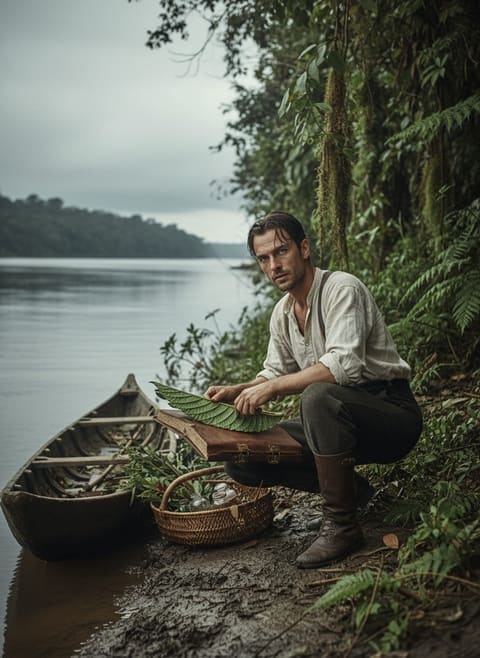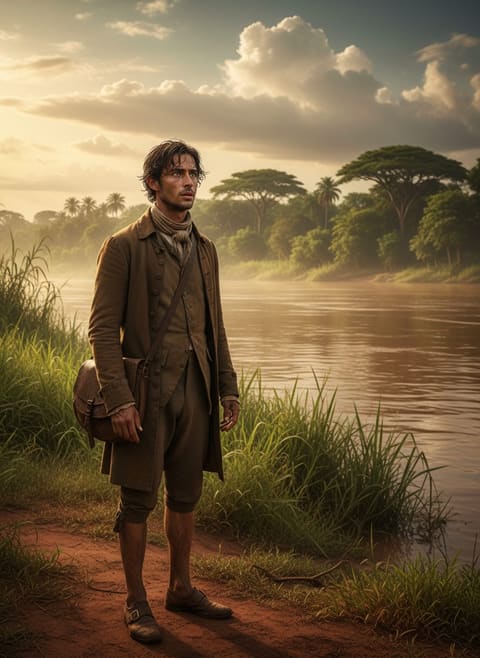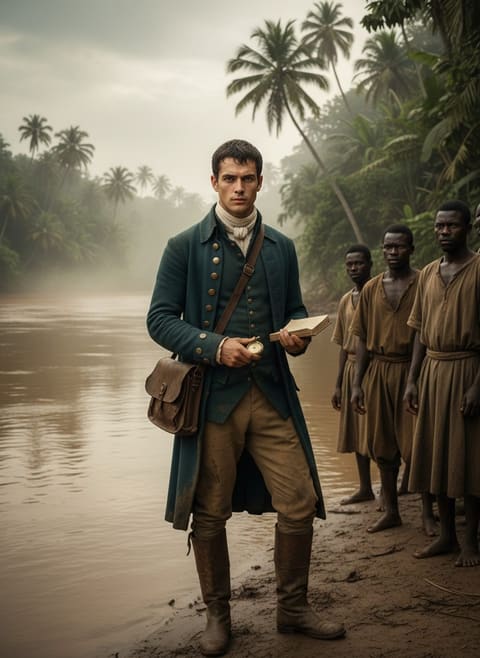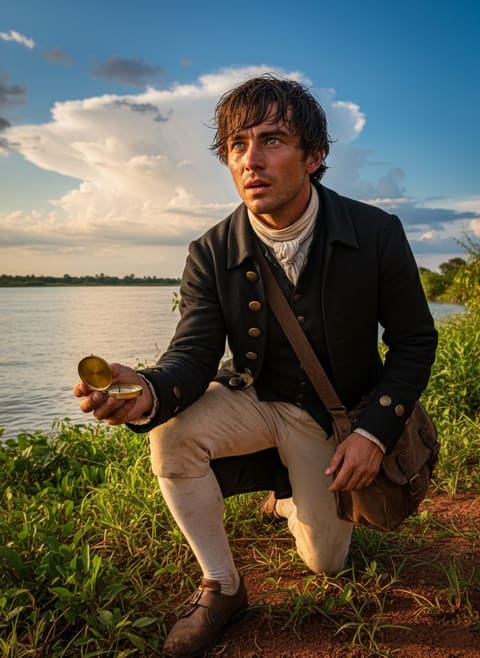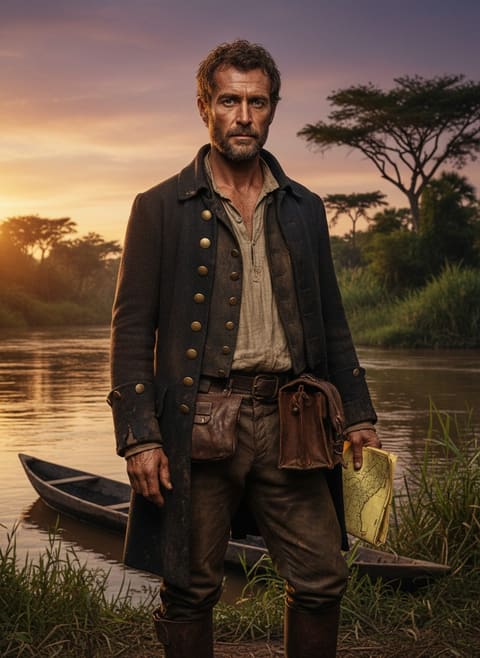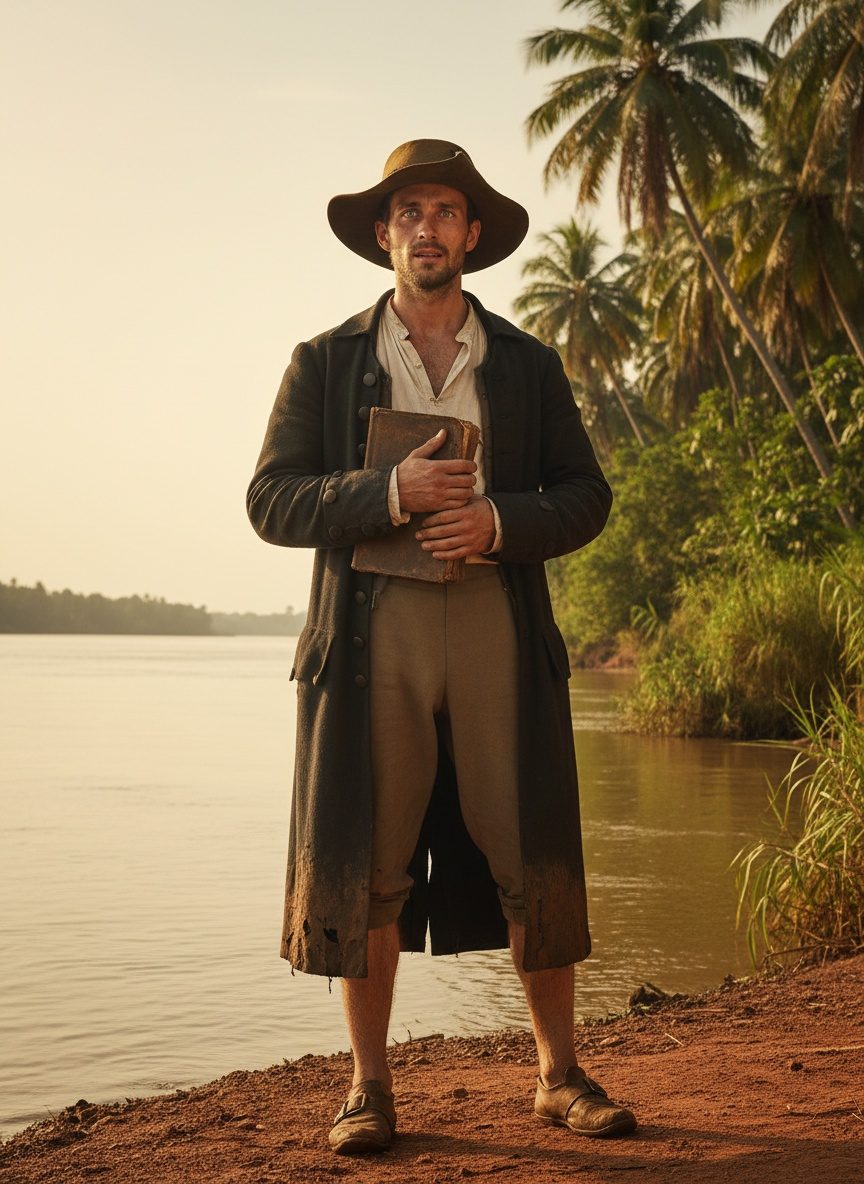
The oppressive heat clung to Mungo Park's skin like a wet shroud as he trudged through the dense foliage. The symphony of the African bush played relentlessly—chirping insects, distant animal calls, the swish of swaying trees—and the rhythmic sound of his boots pushed into the humid earth. Alone and unarmed, he pressed onward, determined to unravel the secrets of the world's mightiest river.
Into the Heart of Darkness
Mungo Park, a young and intrepid Scotsman set off from the comfort of familiarity into the uncharted wilds of West Africa. With no more than his surgeon's kit, some astronomical instruments, and a few trade goods, Park embarked on a journey that would redefine exploration. It was 1796, and the European appetite for knowledge about distant lands was insatiable. Yet Africa, the mysterious continent whose vast interior was shrouded in myth, remained largely unmapped and misunderstood by European cartographers. The Niger River, a colossal waterway, was thought to flow from west to east across the Sahara, then merge with the Nile.
It was an era of adventure and audacity, and Park, armed with his boundless curiosity and indomitable spirit, fit the Georgian mold of a daring explorer. He traveled light, speaking to his belief in the power of human endurance and the kindness of strangers. In a world where explorers often traversed foreign lands with militaristic precision, surrounded by battalions and bristling with weaponry, Park's decision to journey alone was nothing short of remarkable.
The Perils and Promises of Exploration
The road was fraught with peril. From the outset, Park faced monumental challenges. He was robbed repeatedly, only narrowly escaping with his life on more occasions than he could count. In a particularly perilous encounter, Park was imprisoned by a local chief, confined to a mud-walled hut with little hope for escape. Yet, his optimism and charisma won the sympathy of the chief's wives, who secretly brought him food and water—those small acts of kindness kept him alive.
Read next: The Day a Devon Captain Charted the Pacific and Changed the World
Enduring such hardships, one might wonder why Park didn't turn back. But driven by an unyielding quest for discovery, he pushed deeper into the continent. With each village he passed through, he learned about the region's culture, languages, and geography, mapping the unfamiliar territories in his mind. Though he had only rudimentary maps and could barely speak the local languages, Park's gift for connection saw him through. His friendly demeanor and an unshakeable belief in the humanity of those he met opened doors that might otherwise have remained sealed.
The Discovery
Then, one fateful day, after months of tireless trekking, Park finally stood on the banks of the majestic Niger River. Against all odds, he had reached his goal, and what he discovered defied centuries of European assumption and speculation. There it was before him, a massive waterway flowing eastwards, a revelation that would send shockwaves through the cartographic world. Thousands of miles shorter and in the opposite direction than previously thought, the true course of the river was a geographical breakthrough.
Park's heart swelled with triumph as the realization dawned. This unknown land had barred its treasures until now, and he had succeeded without the sophisticated support systems of other explorers. The smell of the river, the expanse of water cutting through the landscape—these powerful sensations reminded him of the importance of his existence out there, driven by sheer will, a surgical kit, and a vision. With this newfound discovery, Park knew he held the key to recharting Africa in the minds of Europeans.
Read next: The Day a Devon Sailor Mapped the Roof of the World Alone
Returning with a Tale Untold
Returning home was another journey in itself—a reverse expedition fraught with many of the same dangers. Yet, with the knowledge of the Niger River's true path firmly rooted in his mind, Park's determination was unshakable. Illness and exhaustion that had haunted him in the African wilderness continued to plague him, but he held on, fueled by an urge to share his findings with the world.
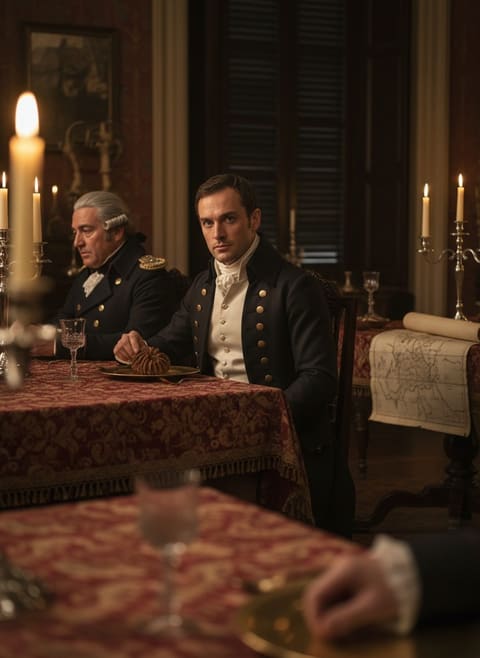
His return to Britain was nothing short of triumphant. Mungo Park had become a living legend, a surgeon from Selkirk who dared to walk into the unknown and rewrite history. The maps of Europe would forever be changed, thanks to the sheer tenacity of one Scotsman. At a time when the world was seeking new frontiers, Park's journey showcased the indomitable spirit of exploration and the profound impact one individual could have on human understanding.
Beyond his contributions to geography, Mungo Park's story serves as a timeless reminder of the value of perseverance, the boundless potential of human courage, and the common threads of humanity that bind us all. In a world that increasingly places barriers before explorers of the mind and soul, Park's adventure stands as a testament to the power of knowledge and the exhilarating thrill of discovery.