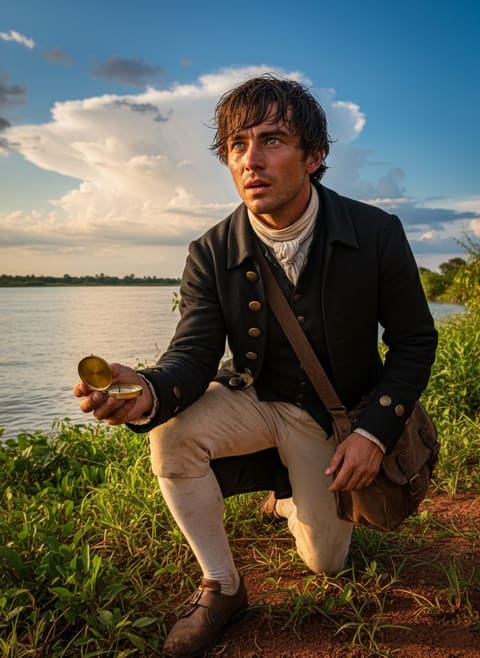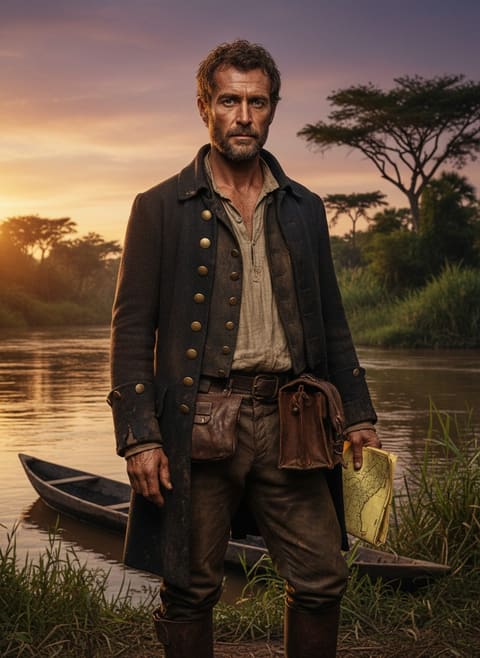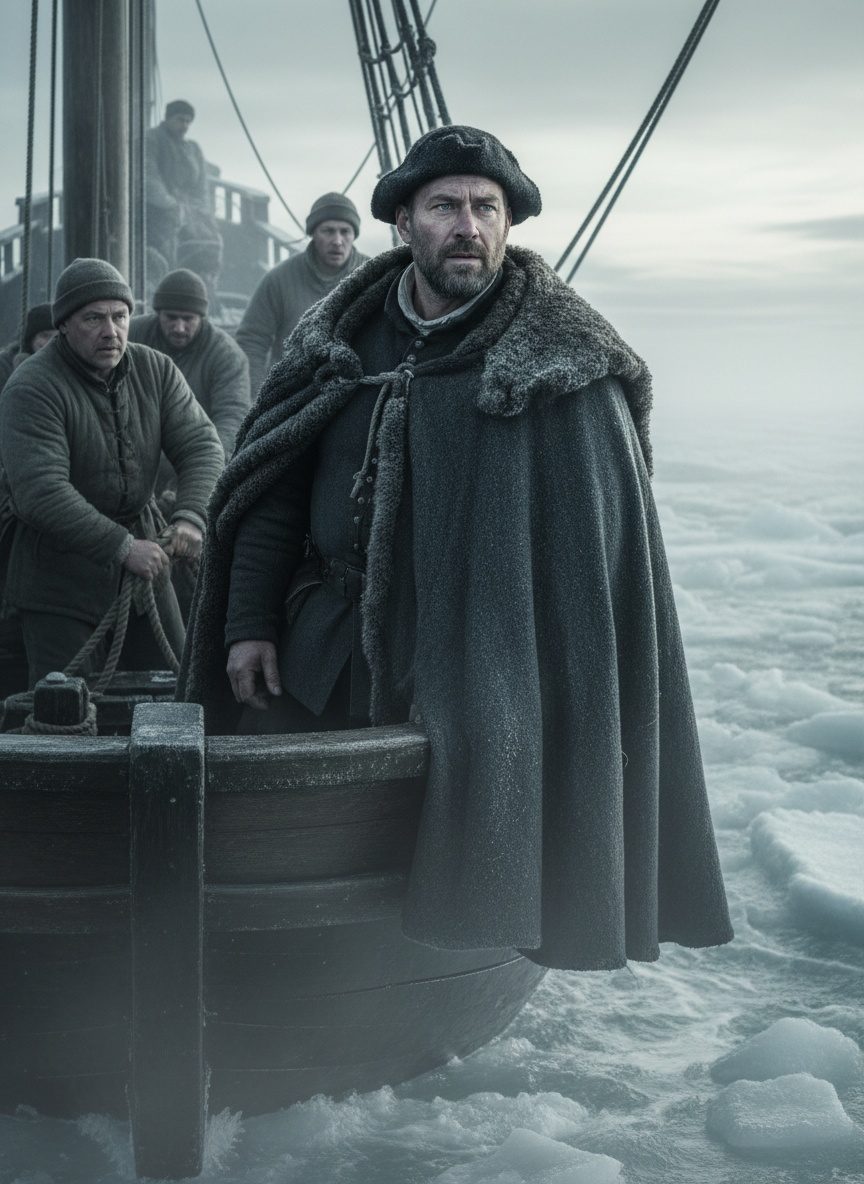
The Arctic is a wasteland of ice and snow. Yet in the summer of 1553, it became the backdrop for one of the most daring voyages of Tudor England.
The Setting Sun of Hope
In August 1553, England stood on the cusp of greatness, eager to expand its influence and reach new horizons. The vision was grand: a Northeast Passage through the Arctic ice, a direct sea route to the riches of China and the Orient. While the promise of silk, spices, and gold glittered in the distance, the reality was cold, uncharted, and daunting. Sir Hugh Willoughby commanded the expedition, a feat of exploration pushing well beyond the limits of Tudor charted waters. He led three ships—the Bona Esperanza, the Bona Confidentia, and the Edward Bonadventure—with daring optimism.
Setting sail from England's shores, the ships were laden with supplies, barrels of salted meat and grains, ready for what was anticipated as months of navigating unyielding terrain. Willoughby and his men, with their woolen cloaks and leather boots, were about to step into the unknown. The plan was simple yet potentially catastrophic: sail north and east, skim the edge of the world, and claim their prize. However, no amount of careful plotting could predict the Arctic’s feral embrace.
The decision to take on such a perilous voyage was not made in isolation but was fueled by a fierce European competition, especially with the well-trodden routes clutched firmly by the Portuguese and Spaniards. England needed its own passage—not just for profit but for pride. The stakes were high, and there was an unspoken understanding among the men that glory or ruin lay ahead.
Read next: The Day a Devon Captain Charted the Pacific and Changed the World
The Frozen Tombs
As the journey progressed deeper into Arctic waters, anticipation began turning into a gripping apprehension. The seas snarled like a beast awakening, soon closing in with cruel inevitability. On a hostile August day, icebergs loomed on the horizon while jagged ice floes menaced the ships, their edges sharp enough to slit the thickest hull. For the Bona Esperanza and Bona Confidentia, fate was chilling: ice frozen deep enough to be their coffins.
Willoughby, refusing to turn back, plunged ahead into the advancing winter, marooned by November on the frozen Lapland coast—a territory wilder than imagination. With no suitable shelter, the crew faced biting winds and creeping frost. Records found years later chronicled their desperate last days—words scrawled in frozen hands, testaments to their grim fate. Cold claimed them with ruthless efficiency, and they perished unknown in what seemed to be the world's ends.
Their demise stands as a stark testament to the merciless nature of the Arctic. However, in contrast, the Edward Bonadventure, under the steadfast command of Richard Chancellor, carved her own fate away from the icy grip that devastated her sister ships. Chancellor, with a deftness born from necessity and a sailor's intuition, maneuvered his ship free and continued his course eastwards, into a bleak and foreboding mist that laid ahead.
A New Dawn for England
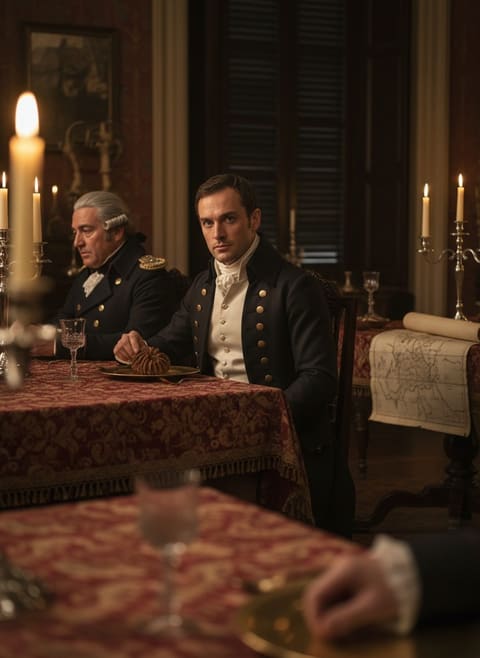
Richard Chancellor emerged from this white void onto the welcoming shores of the Russian city of Archangel, a place marked by its wooden spires and glacial air. Instead of finding the distant lands of the Orient, Chancellor uncovered a connection with Muscovy, altering England's course in history. The Tsar, Ivan IV, known to history as Ivan the Terrible, extended hospitality and intrigue. Chancellor’s diplomatic acumen was as striking as his navigational skills, laying the groundwork for an unprecedented trade alliance between England and Russia.
Read next: The Day a Devon Sailor Mapped the Roof of the World Alone
The possibility of a lucrative trade network blossomed, supplying England with Russian furs and timber, and in turn, the Muscovy company emerged, etching a permanent mark in the annals of commerce and exploration. Chancellor’s return to England in spring, laden not with the silks of Cathay but new maps and rich possibilities, sparked excitement about the endless prospects now within grasp.
Thus, what began as a search for a northern passage achieved quite another end. Chancellor, the quiet hero of this expedition, had not only secured an audience with royalty but had forged a bridge across the frozen expanses, linking two formidable nations. The expedition's enduring legacy wasn't the opening of an Arctic route to the riches of the East but the planting of seeds of a trade empire that would help propel Tudor England to world prominence.
In this bold episode of exploration, we glimpse the intersection of human ambition and nature's indomitable challenges. Winged by dreams of fortune, these early Tudors ventured where few dared, their endeavors marred by tragedy yet tipped with groundbreaking success. As Chancellor's sails filled with the winds of the return voyage, many had fallen, but in those quiet ripples of the Russian seas lay the beginning of England's maritime ascendancy. The trade route, stoked by Chancellor's diplomacy and perseverance, had set sail, navigating not through timeless ice but history itself.