He was 38 years old. His steadfast disregard for protocol was about to change the fate of a nation.
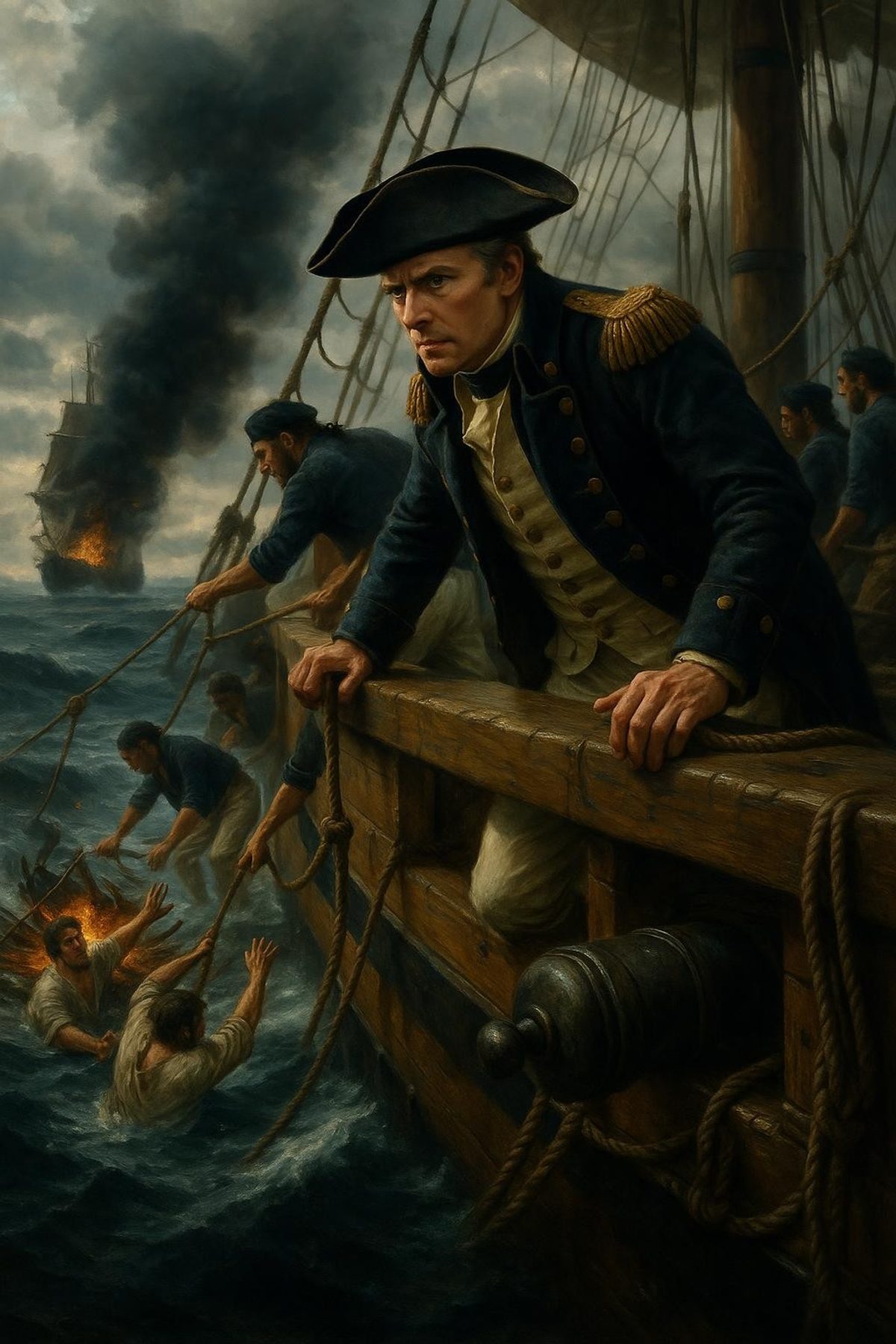
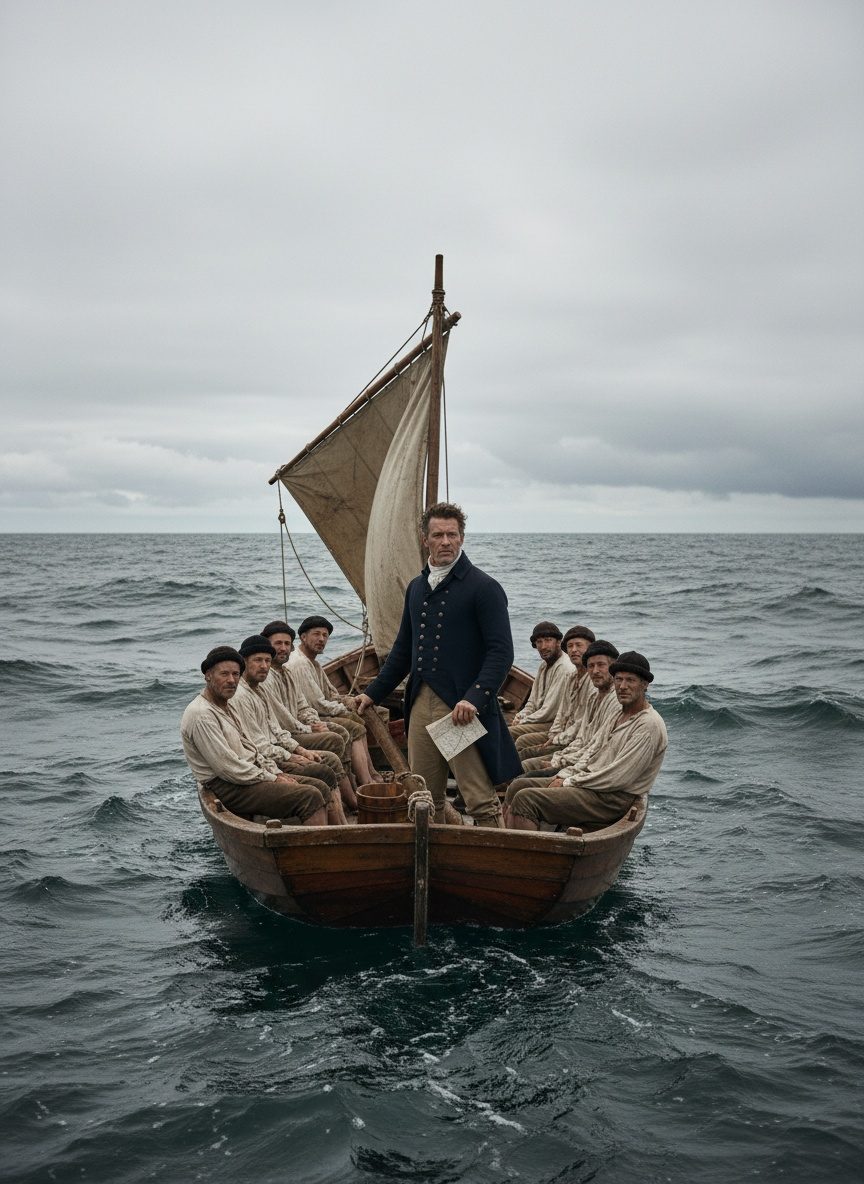
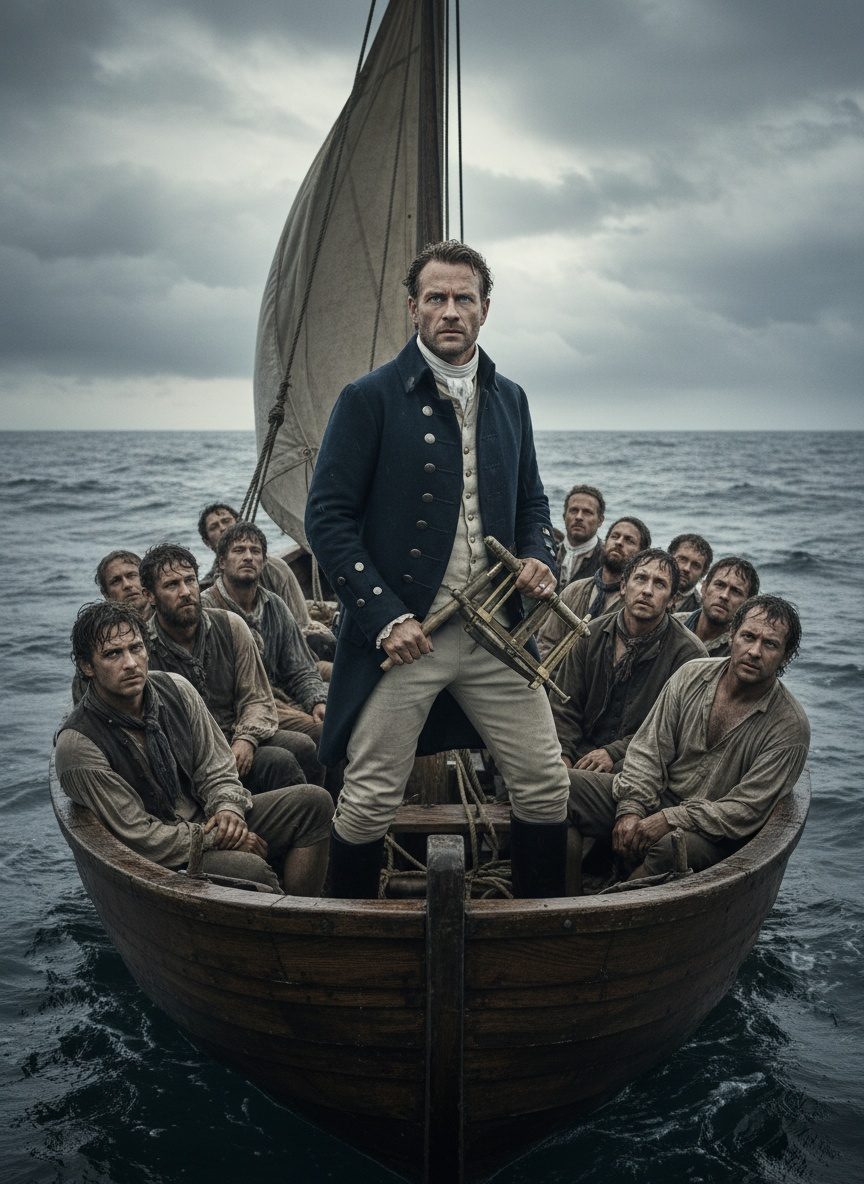
The date was February 14, 1797, a day where Britain's fate hung precariously in the balance. Nelson, the audacious commodore famous for his daring escapades, stood on the deck of HMS Captain, knowing full well the stakes. Britain was on the brink of economic collapse, the Bank of England mere days from declaring bankruptcy. The threat of a French invasion loomed large, whispers of mutiny weaving through the British fleet as morale sank under the weight of protracted war. The forces arrayed against the British Isles were formidable—27 Spanish ships lined up in the azure Atlantic waters off Cape St. Vincent, a sight that could quicken the pulse of the most seasoned sailor. Opposing them, the Royal Navy's fleet numbered 15, a stark numerical disadvantage that painted a grim picture of impending defeat.
Yet, inside this crucible of anxiety and anticipation, Nelson defied expectation. He was not the senior officer on the scene, the respected and cautious Sir John Jervis held that title. But while Jervis poised to engage the Spanish fleet with deliberate precision, Nelson's instincts urged him otherwise. His years of service had taught him to read battles not by the book, but by the heart. Perhaps it was the fiery conditions of the Mediterranean campaigns, where he had made his reputation, that had imbued him with a kind of naval clairvoyance. Or maybe it was the desperation of the moment. Whatever it was, it drove Nelson to commit a bold, unconventional maneuver that historians still marvel at today—he broke the line.
Jervis's fleet was originally moving in a tight formation, the naval equivalent of a chess gambit, playing each move with calculated efficiency. But the sight of the Spanish behemoths—some ships armed with more than 100 guns—changing course to potentially envelop the British line stirred Nelson into swift action. Without waiting for orders, HMS Captain slipped out of formation in what appeared like an act of defiance, heading directly towards the heart of the Spanish line. His intentions were clear, though foresight would make them appear as though carved from madness.
Read next: The Day Napoleon Surrendered to the Ship That Shot at Him
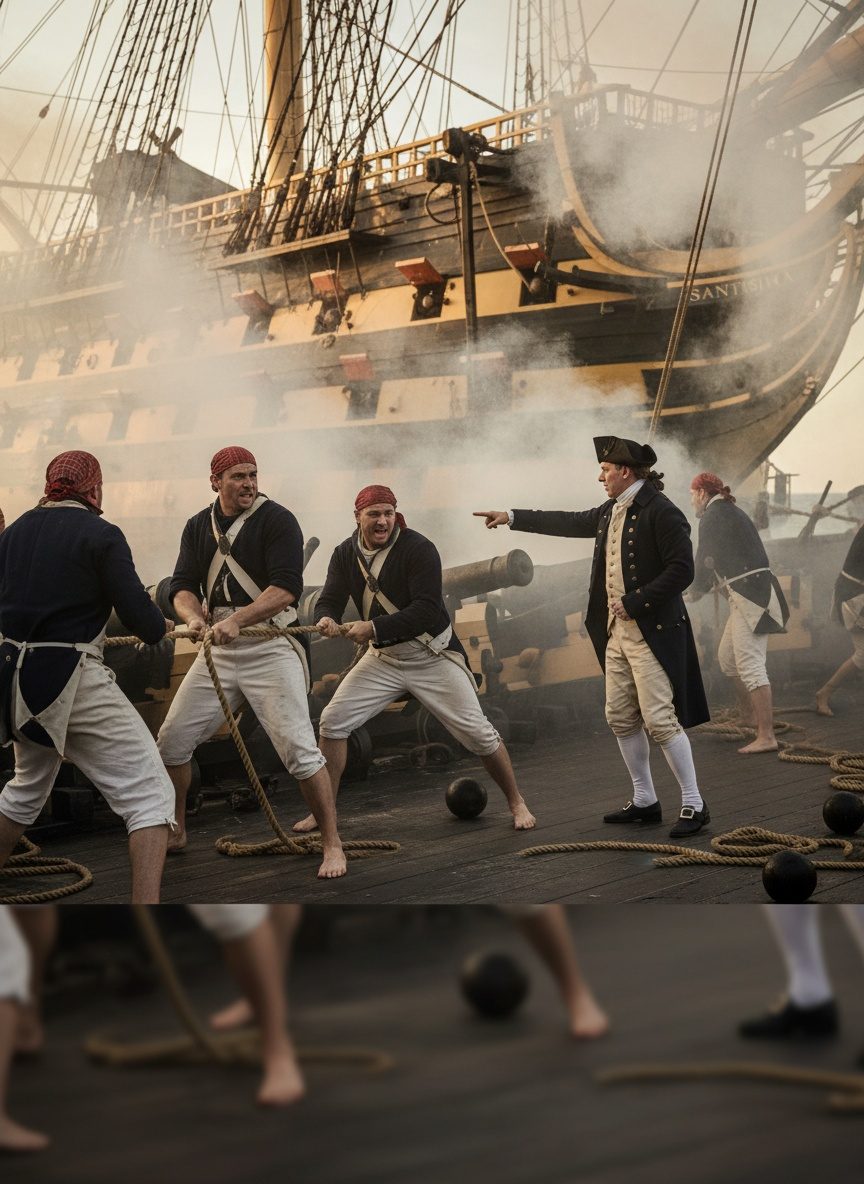
The roar of cannons split the sea air as HMS Captain hurled herself against the Spanish vanguard. Five enemy ships, each towering over Captain like giants, now threatened to reduce her to kindling. The sea warred with thunderous explosions and the acrid scent of gunpowder as Nelson's ship endured a hurricane of shot and shell. What unfolded next was pure tenacity. The commodore's rigorous willpower kept crew and ship intact, even as the world around them stuttered under continuous assault.
Nelson’s gamble paid off in chaos. His impetuous momentum threw the Spanish strategy into disarray, fragmenting the colossal fleet just long enough for Jervis to adapt. With Nelson's attack taking the eyes of the Spanish, Jervis capitalized, ordering his fleet to advance through the gaps Nelson had enforced in their line, turning what seemed an untenable situation into an opportunity for domination.
The British fleet, small but relentless, took advantage of the disorganized Spanish maneuvering to cut swathes through their numbers. The fearsome Spanish armada that had once threatened impregnable might was now faltering, caught off guard by the unyielding offense. As sorties intensified, British seamen boarded Spanish decks in a furious storm of cutlasses and determination. Among those enduring the thick of the melee, Nelson was unyielding, continuing to clash with energy unbecoming of his statuesque rank. The fierce fighting saw the capture of two Spanish ships, the brilliant work of boarders who took example from their steady leader.
By the end of the day, the relentless harassment from the British halted the Spanish advance, turning what might have been catastrophe into an iconic naval victory. While the strategic brilliance of Sir John Jervis garnered many accolades, it was the impulsive yet indispensable audacity of Nelson that tilted the scales. The victory resounded beyond mere military triumph; it was a catalytic event that helped animate an uncertain jolt of confidence within Britain at a pivotal moment.
Nelson's boldness on this fateful day is a reminder of the unpredictable nature of history. For a nation racked with economic quandaries and the haunting shadow of a French invasion, the victory at Cape St. Vincent was more than a tactical success; it was a lynchpin that maintained the thread of Britain's sovereignty amidst a turbulent era. In Nelson, the British found a figure who embodied the spirit of defiance—a singular example of how courage and instinct, often at odds with conventional wisdom, can still alter the course of empires.