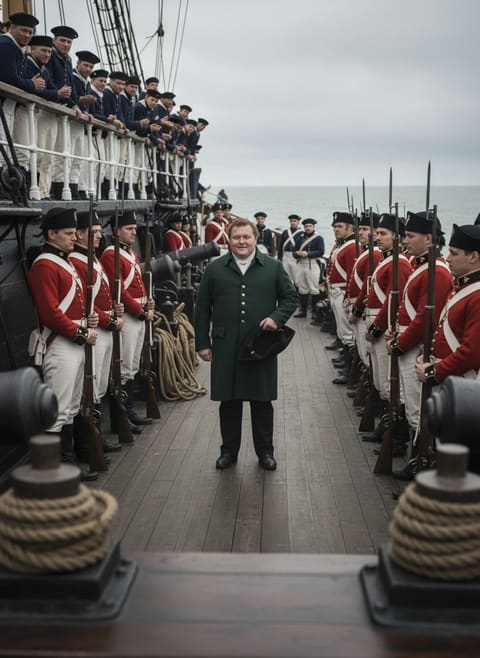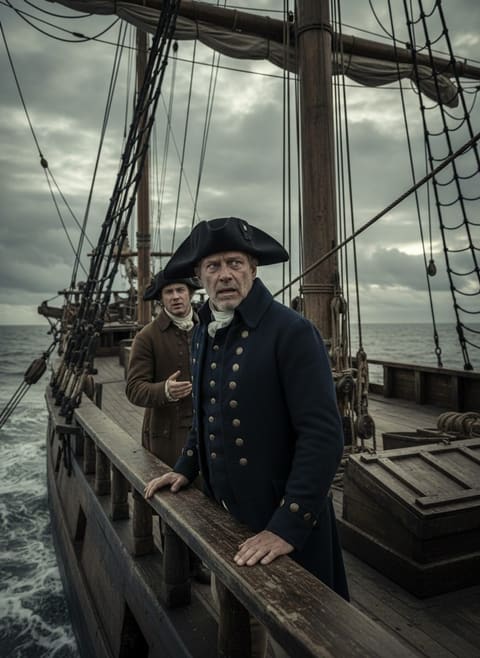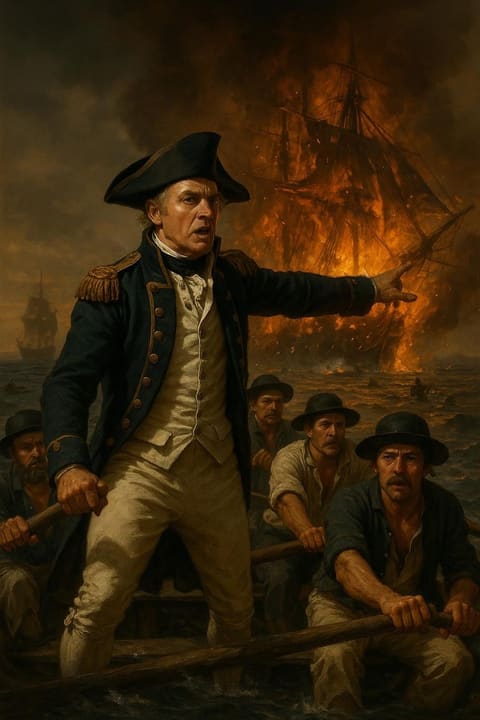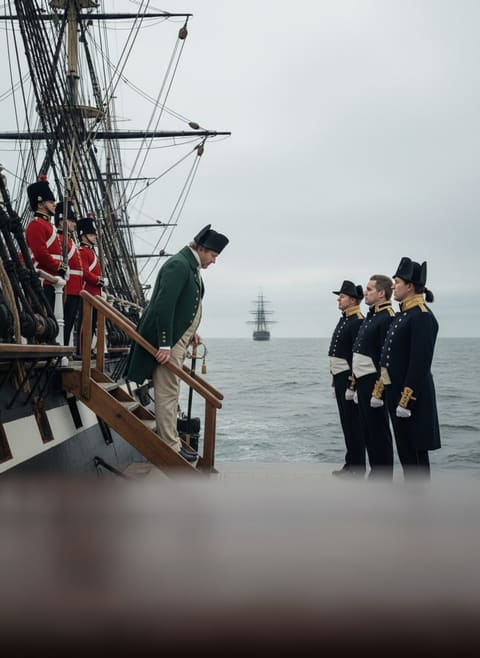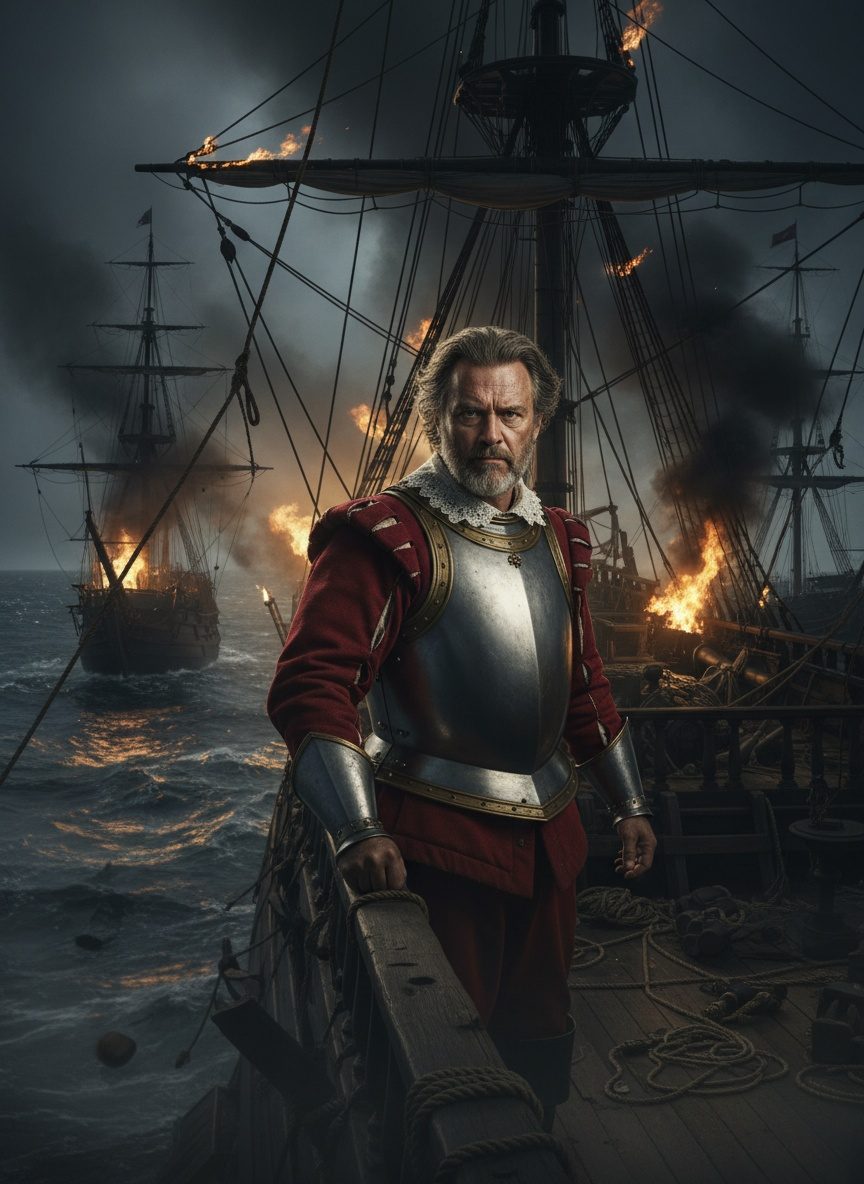
A lone English galleon faced fifty-three Spanish warships. Yet the tale isn't just about numbers, it's about fire blazing through the night.
The Decision That Changed the Voyage
In August 1591, under the vast and unpredictable skies of the Azores, the English fleet found itself in the shadow of an approaching Spanish armada. Amidst the urgency and chaos, Sir Richard Grenville, the captain of the Revenge, made a decision that would become legend. While the rest of his fleet withdrew, Grenville, perhaps motivated by a combination of duty, bravery, and defiance, chose to hold his ground. This single act of defiance set the stage for one of the most lopsided yet fascinating encounters of the age.
Why did Grenville choose to stay? Some speculate it was out of loyalty to the men aboard the English sick ship that needed time to escape. Others argue it was a matter of pride, a refusal to retreat and give the Spanish the satisfaction of an uncontested victory. What is clear, however, is that Grenville's choice transformed an ordinary maritime skirmish into an epic tale etched into the annals of history.
A Dance of Death at Sea
As darkness enveloped the ocean, the solitary Revenge prepared to face its fate against the armada led by Alonso de Bazán. The scene was almost surreal—one ship versus a fleet, the heavy scent of salt mixing with the anticipation of battle. The moonlit waves glistened ominously, ready to bear witness to a ferocious onslaught.
Read next: The Night the British Ate the President's Dinner
Throughout the night, the clash was relentless. The Spaniards, believing they would make quick work of the English ship, attacked in waves. Cannon fire resounded across the water like thunder, and the crackling of musket shots filled the void between the blasts. Yet, for Grenville and his crew, each moment of resistance was a triumph of spirit over sheer numbers.
The deck of the Revenge became a deadly dance floor. Grenville, embodying the image of a warrior-sailor, encouraged his men with cries and commands, his very presence a beacon of resilience. The Spanish attempted to board fifteen times, but each time they were repelled. The determination of Grenville and his crew was nothing short of miraculous.
The Fire That Refused to Quench
By the dawn's early light, the extent of the conflict became clear. The Revenge, battered and scarred, still floated with its colours intact, refusing to be taken peacefully. It was as if the ship itself had absorbed Grenville's fiery spirit, a symbol of defiance amid an ocean of foes.
Grenville, now grievously wounded, faced a stark reality. The opportunity for a noble surrender, pillared by honour, had arrived. But Grenville's thoughts strayed elsewhere. He proposed a final act of defiance—scuttling the ship to deny the Spanish their prize. His suggestion was dismissed by the officers, unwilling to consign themselves to the depths. Instead, negotiation came, and the great ship was finally taken, but not without an indelible mark left upon those who witnessed its fight.
Read next: The Day a One-Eyed Admiral Sailed Into the Line of Fire
Legacy of an Unyielding Spirit
The battle of the Revenge became legend, a testament to courage against overwhelming odds. Grenville's willingness to risk everything reverberated through the annals of naval history, inspiring future generations. His audacious stand encapsulated the fierce determination and unrivaled resilience of the Elizabethan era, a time when the navy was the backbone of burgeoning English power.
For the Spanish, the battle was both a victory and a grim lesson. Even when outnumbered, the English were formidable adversaries, guided by leaders whose resolve could impact the outcome of battles in ways beyond mere numbers. The fight radiated through the corridors of time, becoming a rich tapestry of bravery and tenacity narrated in seafarers' tales, inspiring ballads and poems alike.
Why This Story Still Matters
In an age where strategies and tactics dominate the discourse of military history, the story of Sir Richard Grenville and the Revenge serves as a poignant reminder of the human element in combat. Numbers and technology, while significant, are ultimately wielded by individuals whose choices and characters forge the unfolding path of history. Grenville's refusal to surrender illustrates how a single decision can echo far beyond its immediate impact, challenging future generations to act with integrity and courage even when facing insurmountable odds.
In today’s world, where the odds can still feel overwhelming, the image of a lone ship standing its ground amidst an armada stirs something indispensable within us—an acknowledgment that true valor comes not from guaranteed victory but from the bold defiance against impossible odds. Indeed, the fire of the Revenge burns eternal, kindled in hearts determined to persevere, much like Grenville's enduring legacy.