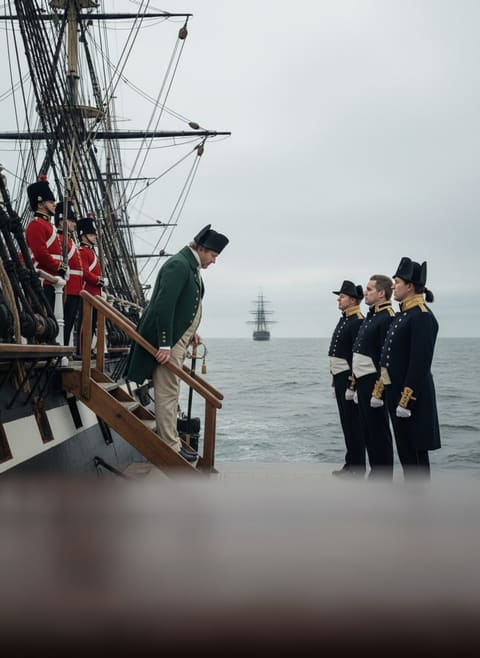
William Bligh's name is synonymous with mutiny. Yet it was his miraculous navigation skills that deserve true notoriety.
The Storm Before the Calm
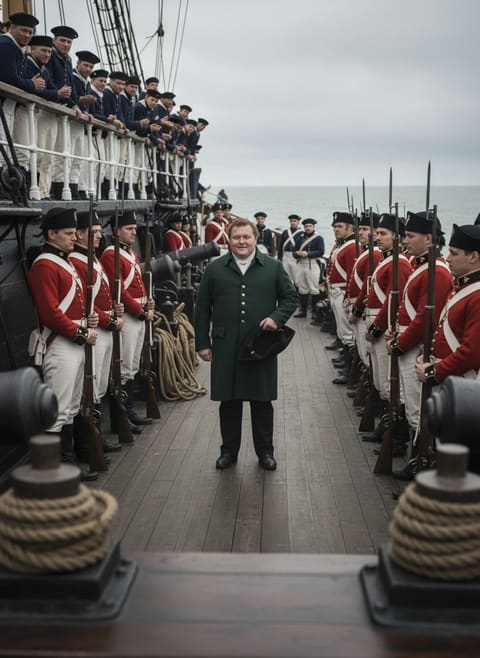
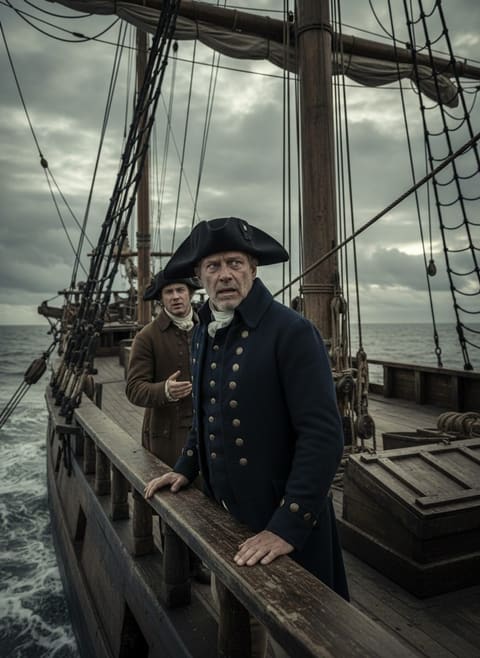
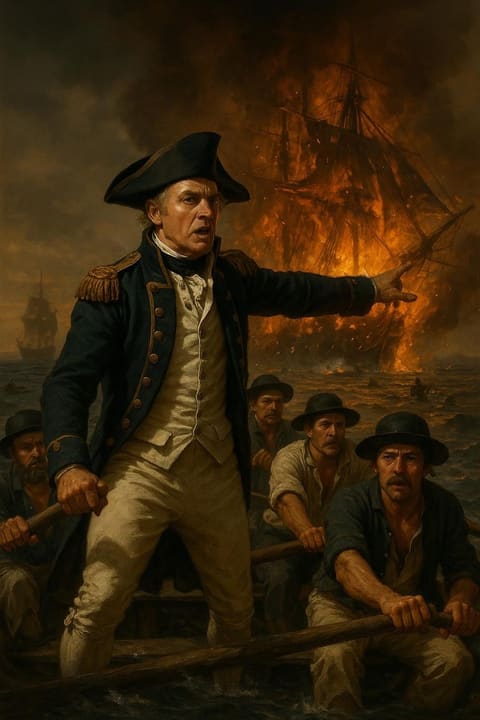
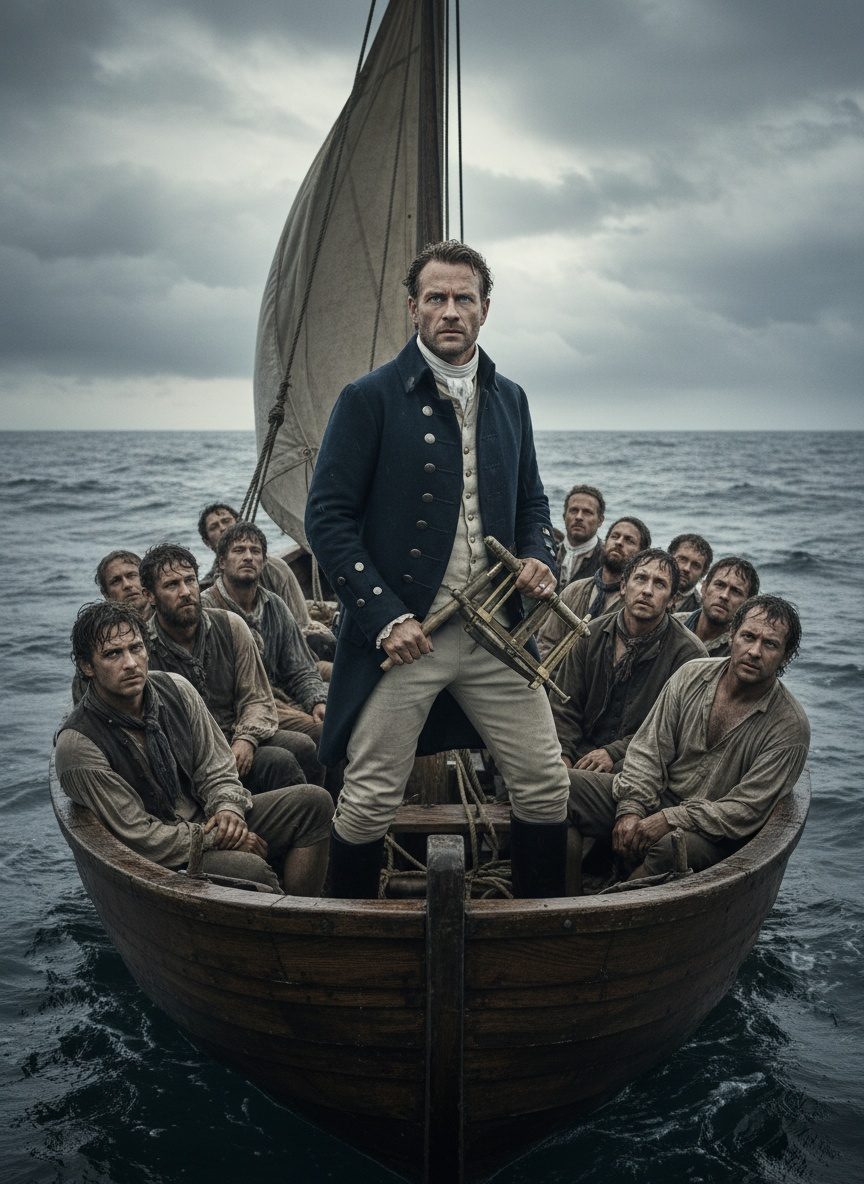
In April 1789, a tense atmosphere hung over HMS Bounty as it drifted through the tropical waters of the South Pacific. Captain William Bligh, known for his strict discipline, commanded a vessel whose crew simmered with resentment. As dawn broke on April 28, that discord erupted in full rebellion. Led by Fletcher Christian, the mutineers seized the ship, casting Bligh and eighteen loyal men adrift in a cramped 23-foot open launch. They were provided only a scant ration of food and water, meagre protection from the elements, and meandering miles of open ocean. Stripped of charts, Bligh was left with a sextant and a pocket watch—mercifully untouched in the mutiny's chaos.
Though the mutiny itself grabs the headlines, it's the journey that followed that reveals the mettle of Bligh. What began as an act of treachery transformed into an epic tale of endurance and leadership, etched in the annals of maritime history.
The Improbable Voyage
Set adrift near the lush island of Tofua, the immediate priority for Bligh's small band of castaways was sustenance and safety. On the first day alone, an ominous starkness greeted them—a single loaf of bread divided among them, the grinding reality of their predicament sinking in. Yet Tofua offered more danger than relief, as the locals there soon turned hostile. Barely escaping with their lives, the men realized any landfall moving forward could spell disaster. The sea was now both their refuge and adversary.
Read next: The Night the British Ate the President's Dinner
Charting a daring course, Bligh aimed for the Dutch settlement of Timor, 3,600 miles away. His task was Herculean: to navigate vast stretches of empty ocean, resist storms, manage dwindling supplies, and maintain cohesion among desperate men. Time was a cruel taskmaster, yet Bligh's limited tools became allies. By sheer skill, he calculated his position with a sextant and monitored their passage with his watch, all while fighting fatigue and hunger.
Provisions were rationed to the brink of starvation—an ounce of bread and a quarter pint of water each day. The psychological weight of such parsimony was immense, yet Bligh's command kept mutiny from festering anew among his men. Understanding the power of morale, he inspired them through routine and communal duty, a tribute to his resilience and strategy.
Calm in Chaos
Despite unforgiving conditions, their journey across the sea's wide expanse joined them in uncanny fellowship. Without the benefit of a full deck or sails, the small boat was at once refuge, prison, and crucible. Here, day and night blurred; endlessly a boundary-less horizon met their gaze. Winds lashed their skin, the sky a shifting canopy of threat and reprieve.
Forty-seven days of this trial challenged every fibre of their determination. Sea spray salted wounds open, and hunger sharpened their very bones. Spirits that faltered were bolstered by Bligh's unfaltering leadership. Despite their gnawing need, he ensured no one was left adrift emotionally; a word of encouragement or a shared story could fend off despair.
Read next: The Day a One-Eyed Admiral Sailed Into the Line of Fire
Their salvation was hard-earned. Land appeared as an almost cruel mirage, whispered of by distant birds long before it was in sight. Yet it was real—landfall on June 14 brought the weary seafarers to Timor's shores. Their odyssey survived, a testament not merely to seamanship but to human endurance against the insurmountable impacts of isolation, starvation, and uncertainty.
The Aftermath and Legacy
For Bligh, reaching Timor's sanctuary was only the beginning of a different kind of journey. Though his navigational triumph remains overshadowed by the shadow of Bounty's mutiny, it cemented his place among Britain's legendary seafarers. Those forty-seven days bore witness to a navigational feat unmatched in the chronicles of the Royal Navy—a tale of survival that defied fate with nothing more than a miniature navigational triumph.
Yet, his subsequent return to England unfolded a contentious reality. While Bligh was lauded for his seamanship, opinion remained divided about his leadership aboard the Bounty. A divided legacy shadows him, balancing courage against cruelty, triumph against rebellion. Nevertheless, his journey from Tofua to Timor remains one thread in the complex tapestry of maritime history—an illustration of the potential for greatness even in the least promising circumstances.
Staring at the heart of leadership woven with human vulnerability, Bligh's tale is an enduring reminder of the thin lines strung between authority and compassion, despair and hope, survival and loss. Through the undulating expanse of hardship lay a truth perhaps more enduring than glory—an indomitable will against the tides of adversity, steering life back toward the shores of salvation.