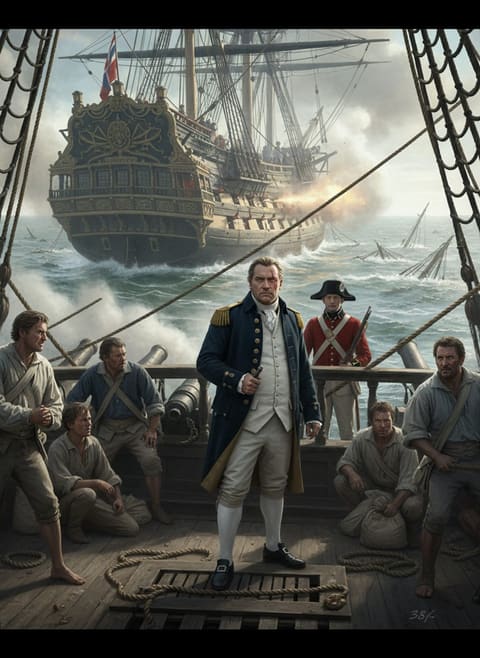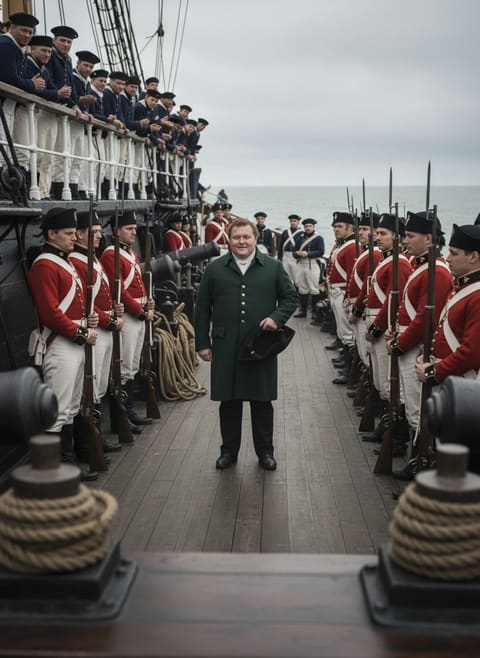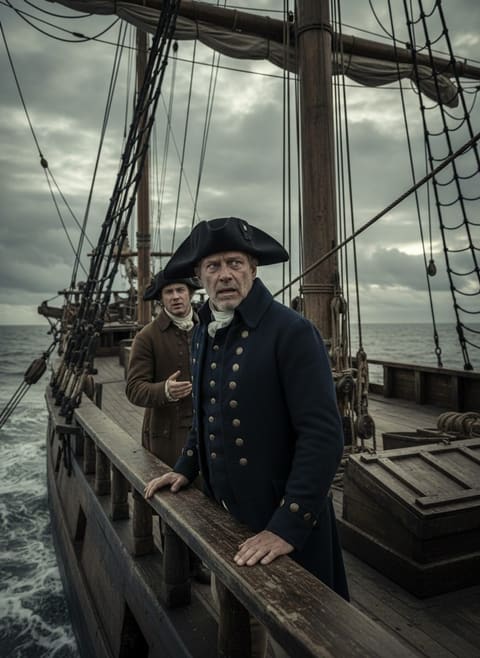
April 28, 1789. The sun peeked timidly over the horizon, casting rippling shadows across the azure expanse of the Pacific Ocean.
The Perils of Paradise
In the annals of history, few events have been recounted with such drama and exaggeration as the infamous mutiny on the HMS Bounty. The small British vessel, sailing under the command of Lieutenant William Bligh, set out from England with the mission to collect breadfruit plants from Tahiti, intended as a cheap food source for slaves in the Caribbean. The Pacific paradise, replete with its tranquil seas and lush landscapes, would soon become the backdrop for a story etched not in ink but in infamy.
Though Bligh's name is often synonymous with tyranny, what is less well-known is his benevolent leadership style that starkly contrasted with many of his contemporaries. Contrary to the villainous portrayal in popular culture, Bligh was a man of remarkable discipline and compassion. Unlike many naval officers of his day, he displayed restraint, maintaining a record of meting out less punishment by flogging than his mentor, the venerated Captain James Cook. His unwavering commitment to his mission and men often buoyed them through the arduous journey, until the seeds of discontent were sown by those around him.
Betrayal on the High Seas
April 28, 1789, would be the day that overshadowed all others in Bligh’s career. Early that morning, a group of disillusioned crew members led by Fletcher Christian took control of the Bounty. Christian, a man whose friendship with Bligh had once been undeniable, was driven by frustration and allure of the tropics. It wasn't the alleged cruelty of Bligh that propelled them to these lengths; it was the intoxicating freedom of Tahiti and dissatisfaction with strict naval life that sowed the seeds of mutiny. Those who followed Christian were entrapped more by the idea of paradise than any maltreatment faced under Bligh's governance.
Read next: The Day William Bligh Faced His Crew and Would Not Break
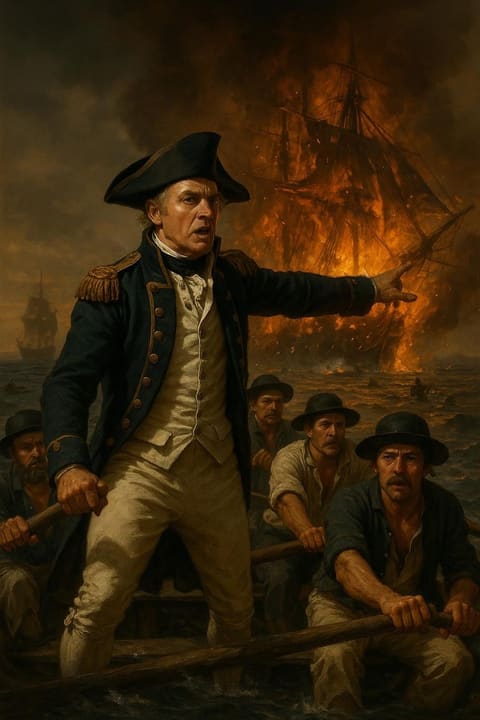
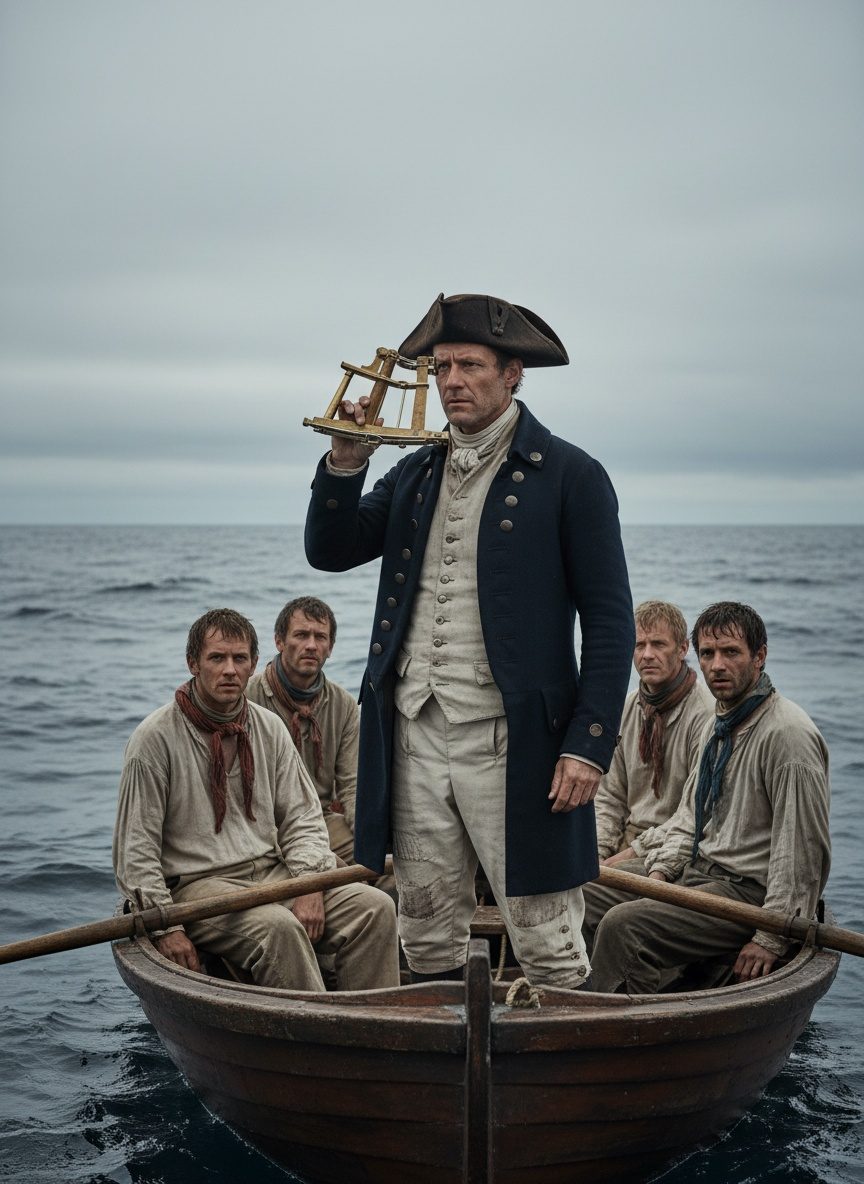
In the face of sudden tyranny from his once-loyal crew, Bligh displayed neither anger nor weakness. Forced off the ship and into a small, overloaded launch with eighteen loyal men, Bligh’s real strength surfaced. The bravery and navigational prowess he would exhibit in the days that followed contradicted the monstrous portrayal painted by history. With scant provisions and without charts, Bligh navigated the open boat a staggering four thousand miles to safety in Timor, a feat that alone should have immortalized him as a hero of the sea rather than a villain of the sails.
The Court-Martial That Wasn't
Upon their return to England, one would expect a man in Bligh’s position to face retribution. Instead, Bligh was summoned to testify in the court-martials of the mutinous crew members who had been captured. Rather than facing condemnation for his own actions at sea, Bligh's testimony highlighted his nautical competence and humane treatment of men, leading to the eventual acquittal of his own misplaced tarnished reputation.
Read next: The Day a British Captain Rowed Into the Dark to Feed His Enemy
The remarkable resilience he demonstrated during the long journey back to civilization and his survival under such dire conditions were more than enough to mitigate any lingering skepticism. Yet, the embers of controversy were fanned long after the mutiny ended, leading Bligh into a career punctuated with continued misunderstandings and misjudgments. Hailed as both hero and villain, Bligh found himself court-martialed three times throughout his naval career. Each acquittal served not only as a testament to his steadfastness but also underscored the precarious reputation with which he contended.
The Legacy of Misjudgment
It is perhaps fitting that the man who would forever be cast as a maritime monster was also the one whose impromptu navigation in tiny vessels saved the lives of loyal men. The officer who suffered betrayal and strife on a voyage misbelieved by many as failure carried on to lead with competence in vulgar mockery of his misnomer.
Fletcher Christian’s dreams died on the jagged rocks of Pitcairn Island, leaving Bligh’s own triumph as a more enduring story of resilience under adversity. In truth, William Bligh’s life serves as a vivid reminder that history is a fickle storyteller, one drawn to drama and myths over sun-baked truths. The image of the tyrant can be both enduring and deceiving. Bligh’s experience cautions us to question the narratives that persist and the dialogue we inherit. His story calls forth a reassessment not only of his own legacy but of the paradigm through which we judge heroism and villainy across time’s vast ocean.