April, 1657. The morning sun was a glistening promise over the undulating waves of the Atlantic.
The Unapproachable Bastion
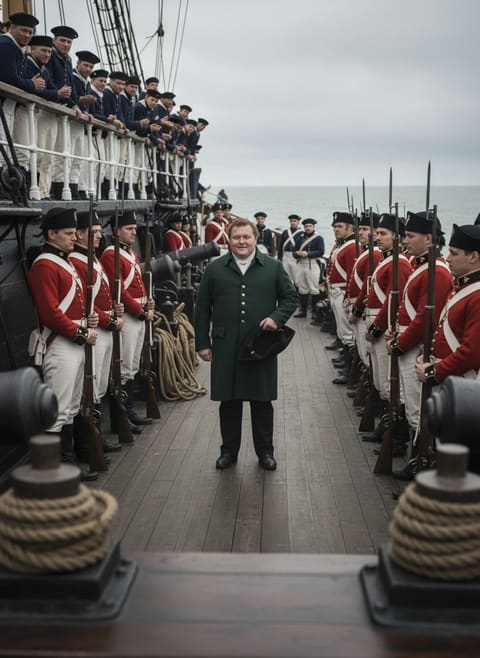
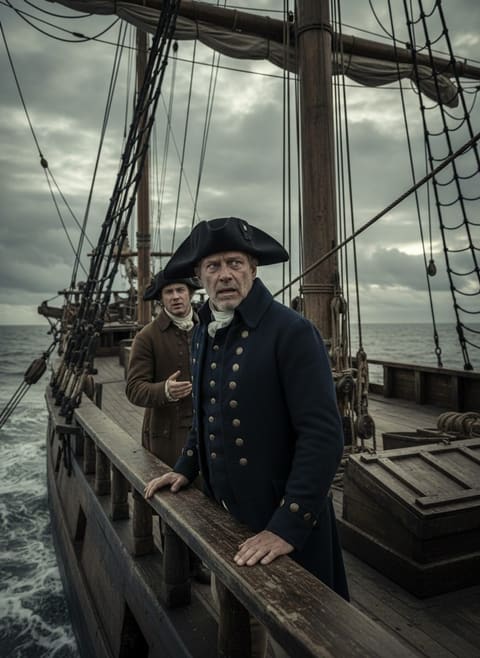
As dawn cracked open the sky, the small yet formidable fleet of English frigates, their sails taut with the brisk trade winds, crested the horizon of the Canary Islands. Under the command of Admiral Robert Blake, a man whose name echoed through the ranks of the Commonwealth's Navy like a beacon of daring tactics and ingenious naval warfare, these twelve ships were headed for Santa Cruz de Tenerife. On paper, the Spanish bastion seemed impregnable. The deep harbor of Santa Cruz, nestled into the curve of the island, was a fortress in the truest sense. Encircled by three defensive lines and bristling with cannon atop each battlement terrace, the Spanish had every reason to believe their port immune from enemy aggression.
In the eyes of many, the design of Santa Cruz de Tenerife was intended to be a deterrent—a constant, looming threat that signaled invulnerability to any maritime adversary. With scores of musketeers lining the shores, reinforced breastworks, and the grounding presence of fortified castle guns, any foreign fleet attempting an assault would be either foolhardy or, for those who cut their teeth on the unpredictable seas of the 17th century, otherworldly in their courage. Yet, this bastion soon proved to be nothing more than a paper tiger in front of Blake's audacious strategy.
With a history of tales spread wide across the Vestiges of Old Europe, the Spanish fleet nestled in the deep harbor of Santa Cruz. The ports were bustling, treasure ships laden with precious cargoes from the New World. It was rumored that a bounty worth nations lay within those hulls; gold, silver, and riches that could sway the tilt of power across seas and continents. But the thought of such riches hardly crossed Blake's mind. He was driven by duty, a staunch Puritan determination, and a vision born out of strategic genius. The harbor defenses, formidable as they were, stood as little deterrent to Blake. His maneuvers were calculated risks, his strategies honed through years of battle scars and victories that painted his legend.
Read next: The Night the British Ate the President's Dinner
The Extraordinary Clash
As the frigates silently crawled along the coast, the glittering brocade of the Spanish morning showing the way, Santa Cruz's true power became apparent. Ships lay at anchor in tight formation, their presence testament to the fortunes of an empire. Yet, Blake's men did not waiver. Aware of the Spanish empire's might and their infamous Tercios, these were soldiers who had survived the crucible of the Atlantic, faces hardened by salt sprays and spirits buoyed by an unyielding trust in their commanding Admiral. At a distance, Spanish cannons thundered, their guttural roars vibrated through the sea air—a defiant symphony of metallic warnings thumping in the morning light.
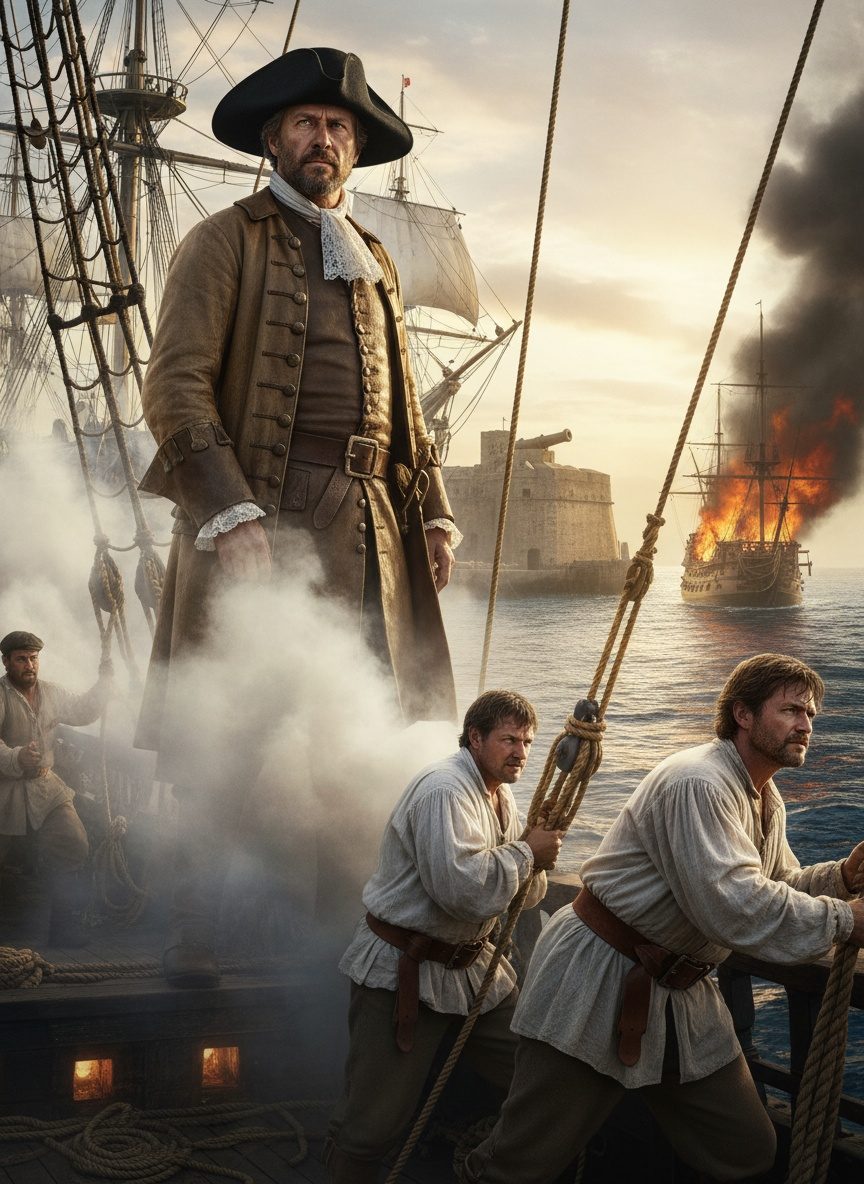
The encounter was a dance between earth and sea. Twelve English frigates versus the Spanish armada, their guns blazing with the morning's fury. The first shots were greeted by the chorus of returning gunfire, iron balls slicing through air and water. Yet, in what unfolded, English gunners displayed the skill and precision of a master craftsman in his moment. Blake had anticipated this: the chaos of the initial blast, the swirl of cannon smoke, all part of a choreography he crafted cautiously in the cold nights. The English frigates drove firm into the fray, their cannons tearing into Spanish hulls, rupturing the illusion of an untouchable harbor.
Read next: The Day a One-Eyed Admiral Sailed Into the Line of Fire
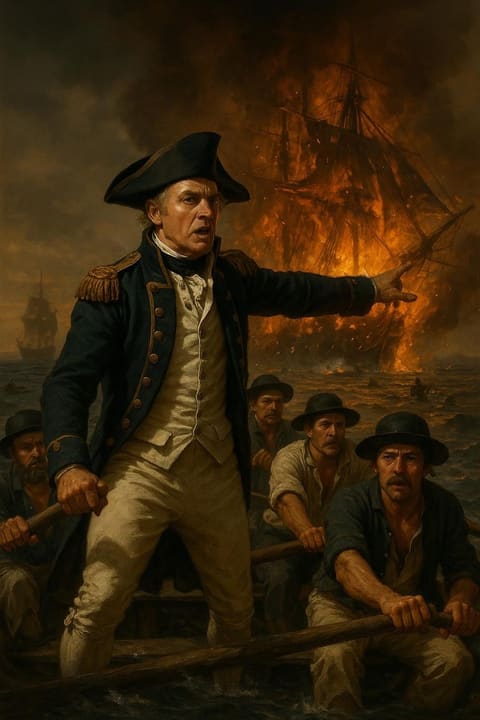
As the sun rose higher, the Spanish fleets, those formidable guardians of the Santa Cruz harbor, one by one fell to the might of English firepower. With the calm precision of a battlefield artist, Blake ordered successive broadsides, cutting down masts, penetrating decks—turning the water's edge into a conflagration that raged through the hours. Spanish sailors flung into the water, sought refuge amongst the swaying carnage as their treasure fleet crumbled beneath English might. By three in the afternoon, the echo of battle had dwindled to the crackle of fires that consumed the remnants of the once-proud Spanish armada.
The Unsolved Enigma
Amidst the victorious cries of Englishmen, Blake remained a silhouette against the gleaming sea, a watchful eye as the smoke unfurled into the afternoon air. None of Blake's men had been lost in a feat that defied logic, much like the mythical Atlantis steering itself from the shadowed depths of the ocean to the sunlight. Word of the seemingly impossible victory against seemingly unbeatable odds traveled like wildfire, a dagger thrust into the heart of Spanish imperial dominance across the seas. It was a revelation of masterful maritime doctrine, an art of naval warfare that dared to challenge an era's greatest enforcers of oceanic authority.
As Blake and his fleet sailed homeward, destiny bore a bittersweet gift. His life, much like his legend, was a fleeting yet poignant existence. Before reaching the English shores he longed for, Blake departed this world; a man whose final maneuver on the impossible battlefield still sparks tales of wonder and awe. Why does this venture into the impossible harbor stay embedded in the annals of untold history? Perhaps it is an emblem of perseverance against tide and terror, a silent reminder of how bravery, on occasion, bests seemingly unassailable barriers. In retelling this unheralded tale, Blake's harrowing chase of the impossible serves as an invitation for the world to unlock the stories hidden in the folds of time. Such moments, once buried in the shadow of formidable walls and fortresses, teach us that courage, against all odds, remains eternal.