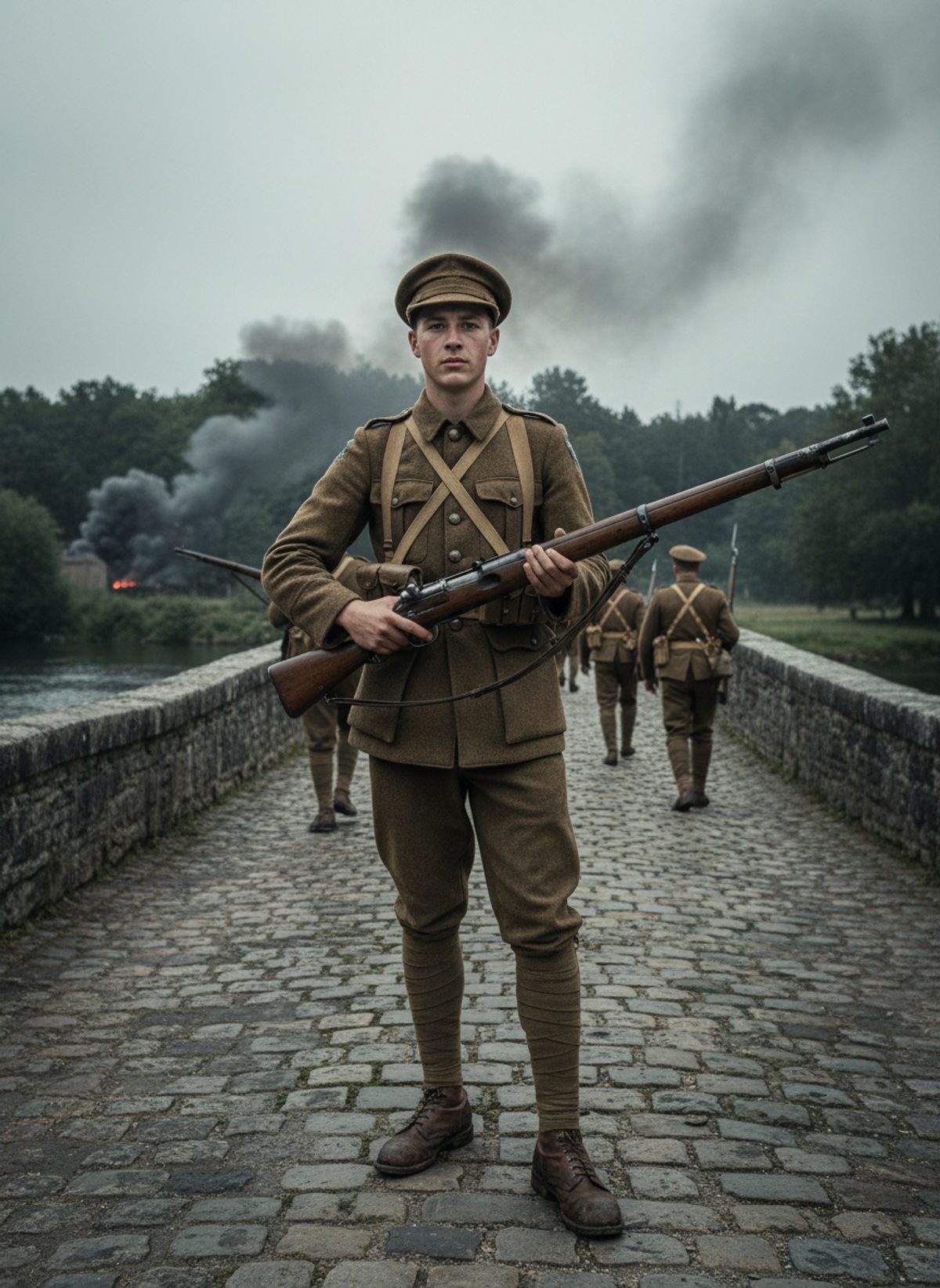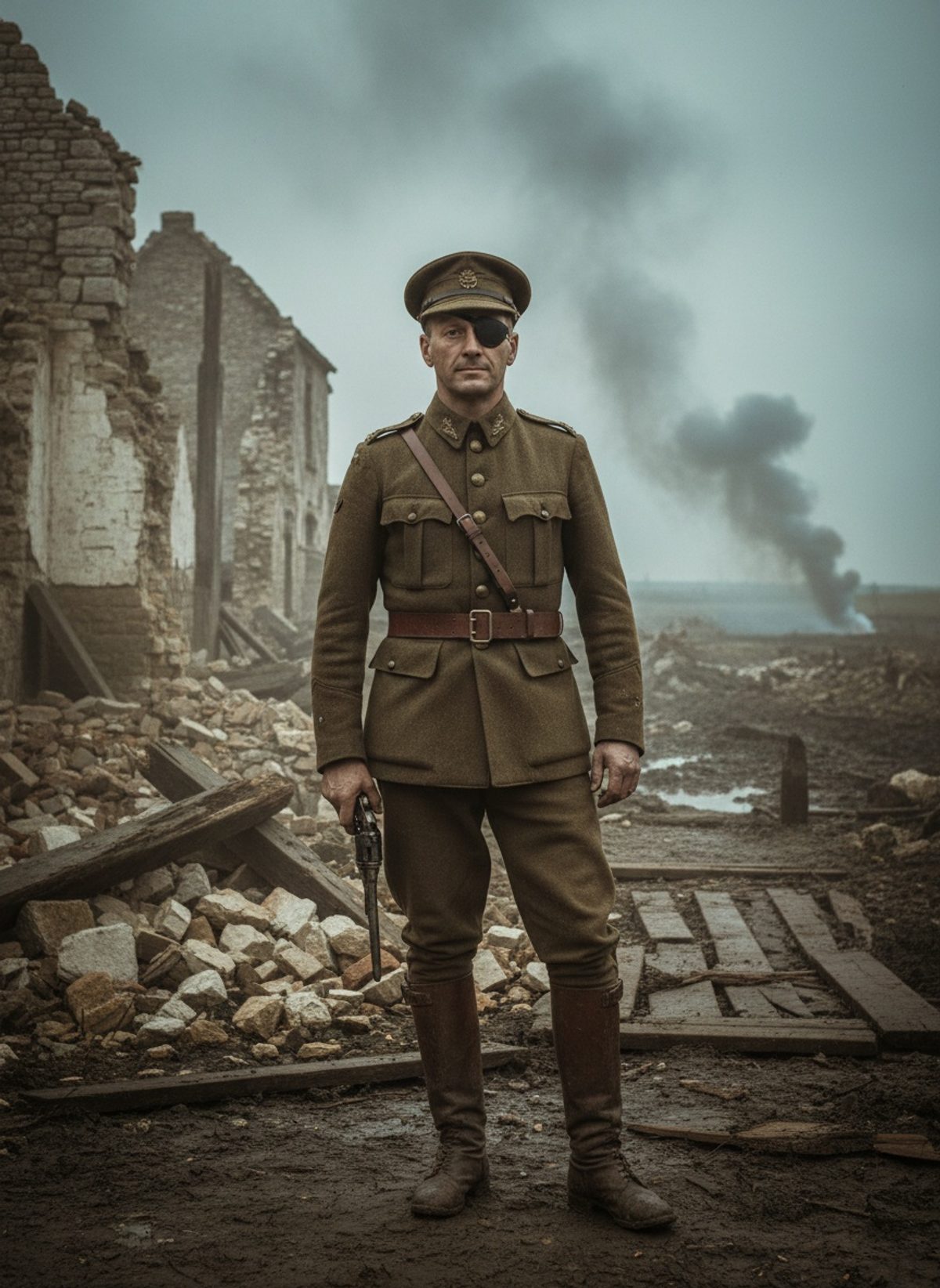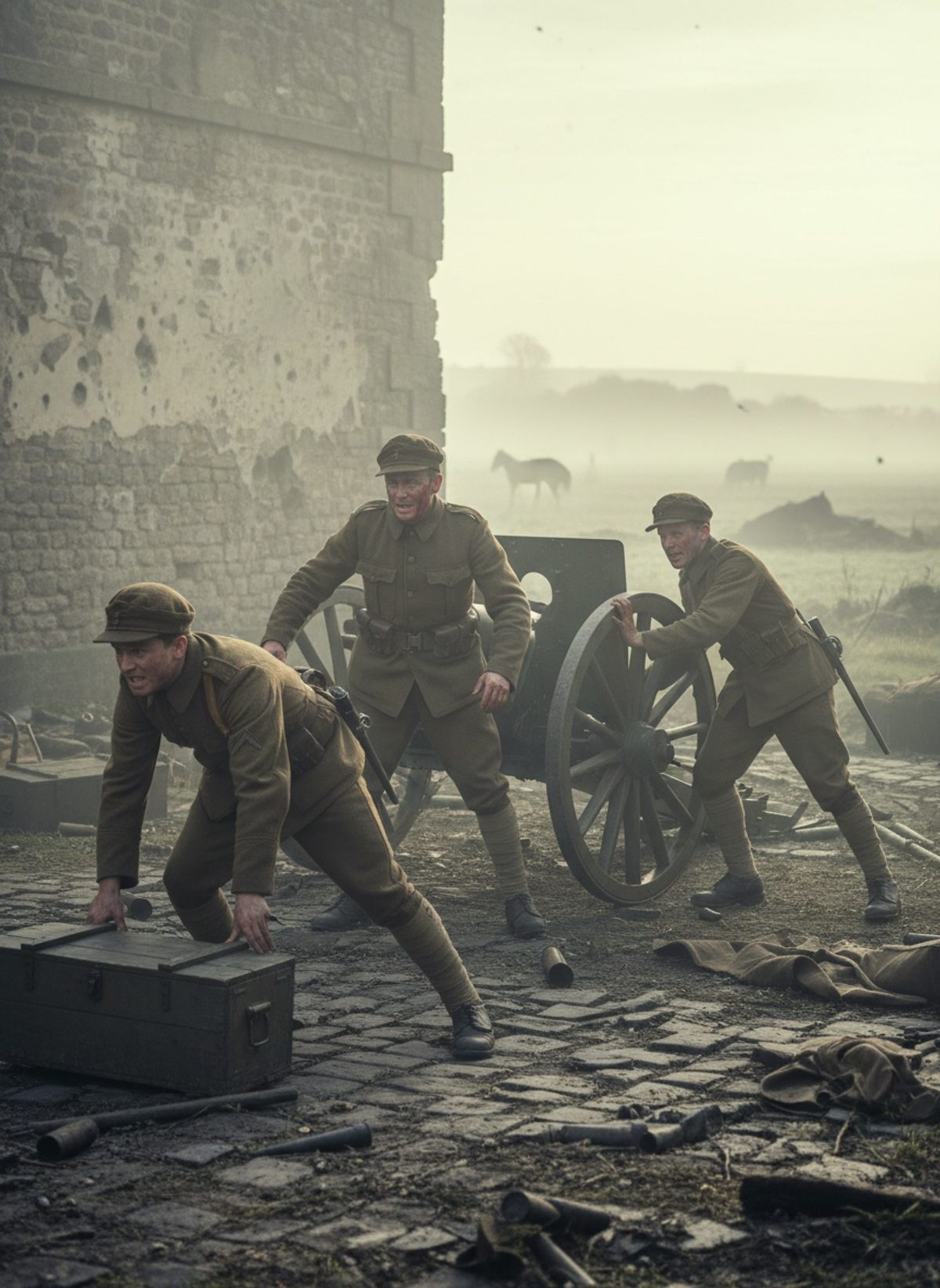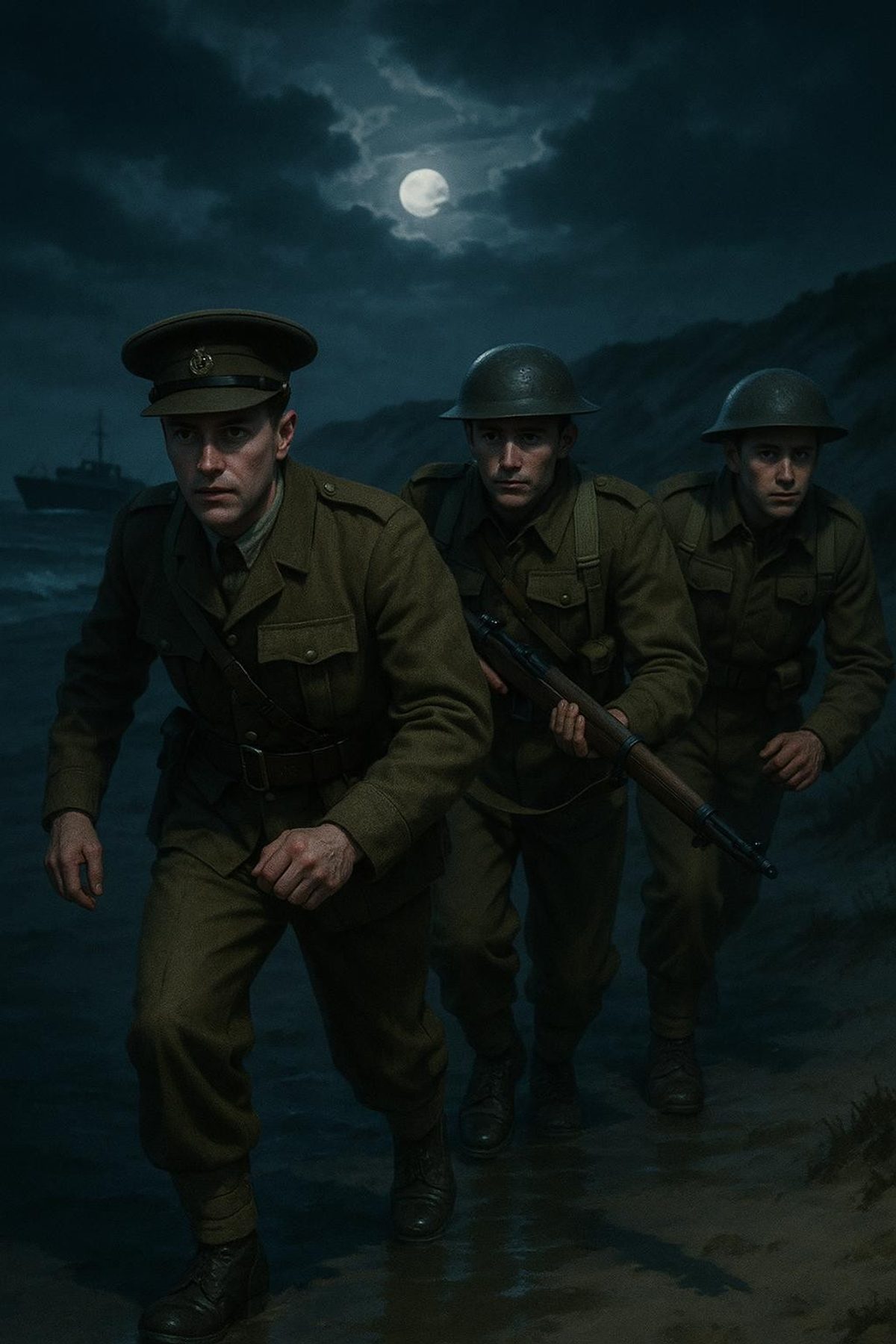
The gust of chill air rushed against their faces as the small craft sliced through the waves under the cover of darkness. The tang of salt spray tingled on their lips, while the dull roar of the engine vibrated through their bones. One hundred and fifteen men, each a silhouette against the moonlit sea, steeled themselves for the mission ahead. The Channel sprawled vast and intimidating, yet tonight, it was simply a barrier to the enemy shore. Just three weeks after witnessing the near annihilation at Dunkirk, they had only one goal: to strike back and send a message not of retreat, but of relentless defiance.
The Men with No Name
The unit had no official title; it was more concept than command, drafted hastily on a single sheet of paper. Born out of necessity and urgency, these volunteers were a motley crew drawn from various regiments. Some saw them as a hint of desperation, others a spark of hope. Despite the lack of pomp or formal recognition, what they represented was bold ingenuity. Little did they know that their soon-to-be foes, once adversaries on South African soil, provided the moniker that would define them: Commandos.
It seemed fitting that these trailblazers of British wartime audacity wore an identity borrowed from Boer tactics. Just like their historical counterparts, they sought to destabilize, surprise, and retreat; a far cry from the previous defensive posture seen in France. Without hesitation, these men took on the dangerous task with the kind of courage that comes not from formal directive but the simple ethos of never surrendering in the face of darkness.
Landing in Enemy Territory
The coastline loomed out of the night, a shadowy sentinel lined with German ordinance. The moment the men set foot on the sand, the air filled with an electric mix of anticipation, fear, and purpose. The operation had demanded secrecy and silence; now, all depended on the swift efficiency of their task. The hiss of the tide provided a natural cover for the soft thuds of boots, as the men dispersed to their targets like ghosts vanished into the ether.
Read next: The Night a Ulster Regiment Held the Somme With Empty Rifles
The German-occupied beaches of 1940 were no welcoming stretch. Yet, the British were to turn this bleak stretch of coast into a theatre of disruption and demolition. With limited knowledge of what lay ahead, they operated on a razor’s edge, knowing full well any misstep could result in capture or worse. Determination was their shield, and risk their constant companion as they dared to strike where the enemy felt most secure.
The Moment a Life Was Saved by Irony
Among the night’s many uncertainties, one incident stood out—a single bullet’s fateful trajectory that could have rewritten history in blood. A German soldier, alerted by the noise, fired into the darkness aiming for the shadowy forms of the intruders. One officer felt the sting, a searing heat erupting near his heart. Yet, Fate or Fortune was in his favor—a cigarette case deflected the deadly round, recasting a moment of potential tragedy into a tale of incredulous survival.
Moments like this were reminders of the fragility of life hanging in the balance, underscoring the unpredictable nature of warfare. This miraculous turn not only preserved a life but also boosted morale, reinforcing the thin line between life and destiny that each man walked that night.
A Signal Sent Across the Channel
The retreat from Dunkirk was fresh in British military minds, a near-catastrophic collapse saved by little more than grit and determination. Tonight, however, was a statement of reclamation. By daring to land and wreak havoc on German operations, these men sent a message echoing across the waters: Britain would not remain passive, licking its wounds. Instead, the nation would mount audacious operations, continuing the fight on their terms.
This raid, small in scale yet significant in symbolism, laid the groundwork for future operations that expanded the scope of what the British military could achieve. It was the first ripple of a raiding doctrine that would grow ever more sophisticated, eventually culminating in operations on a global scale. For the enemy, it was a wake-up call that the sea, oft considered a barrier, was now a conduit for retaliation.
The Reverberations of Resolve
The June 1940 channel raid stands as a testament to more than just the grit of one hundred and fifteen intrepid soldiers. It marks the evolution of British wartime strategy, a transformation from a defensive war-weathering nation to a proactive force striking at the heart of their occupier. As the men returned across the Channel under the cloak of victory, they carried with them the unyielding spirit of a nation rebounding from crisis.
In recounting this episode, we peer into a moment when the fires of adversity gave birth to an unyielding resolve. These nameless, faceless soldiers epitomized the fierce determination of a Britain that would not be subdued. Their actions on that stormy June night continue to echo through corridors of history, inspiring generations with the quiet, steadfast conviction that even in the darkest times, courage lights a path forward.