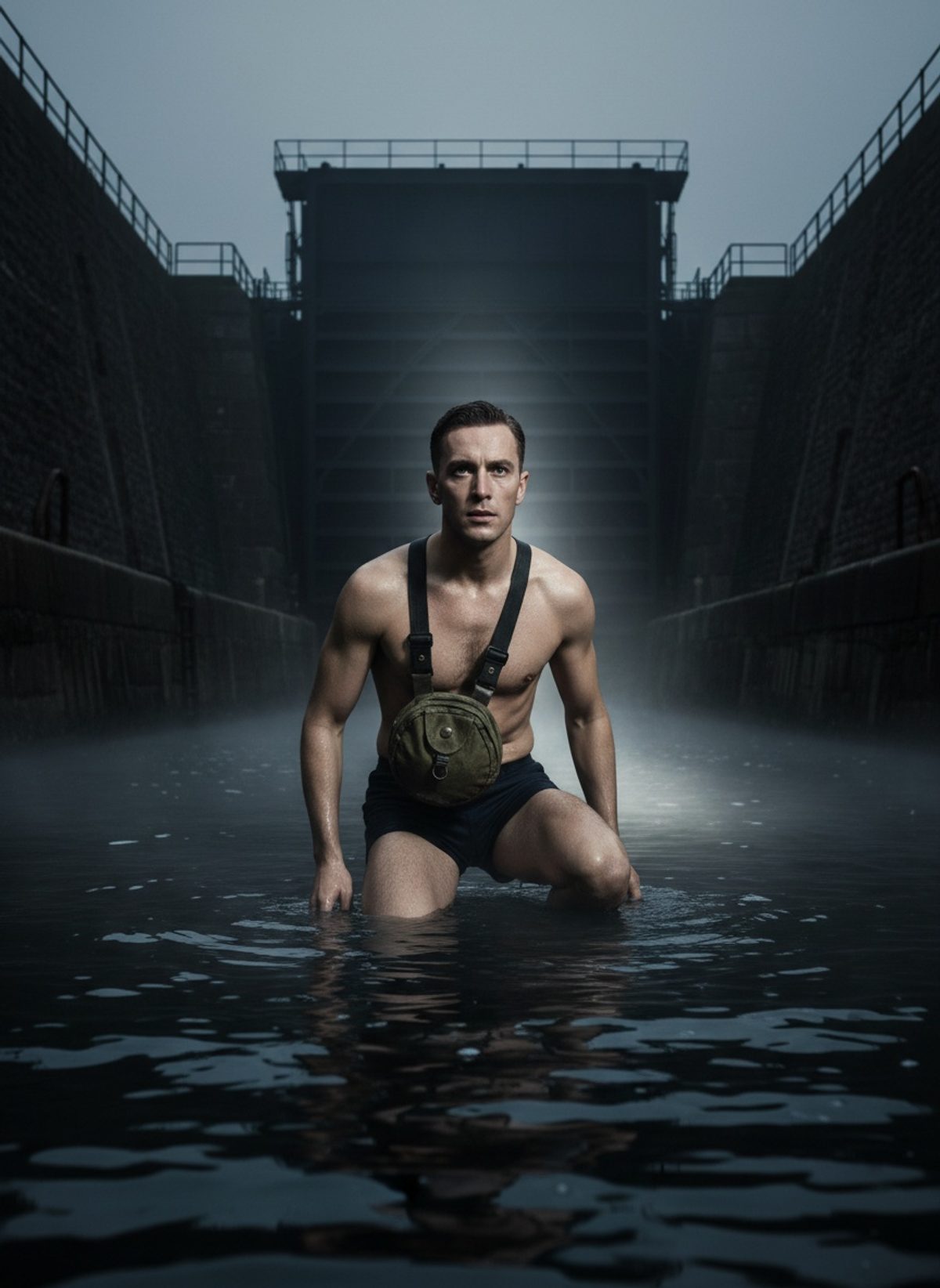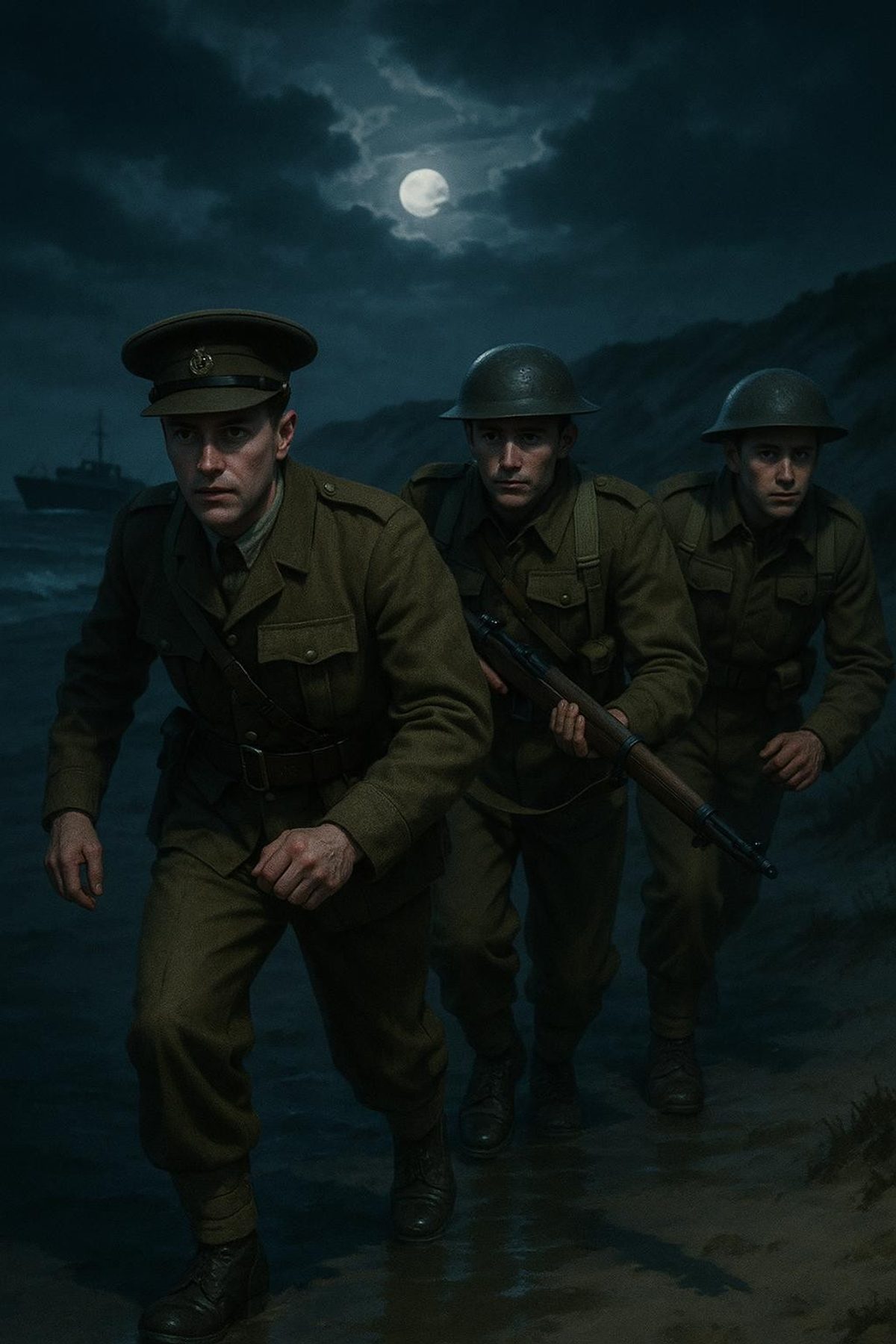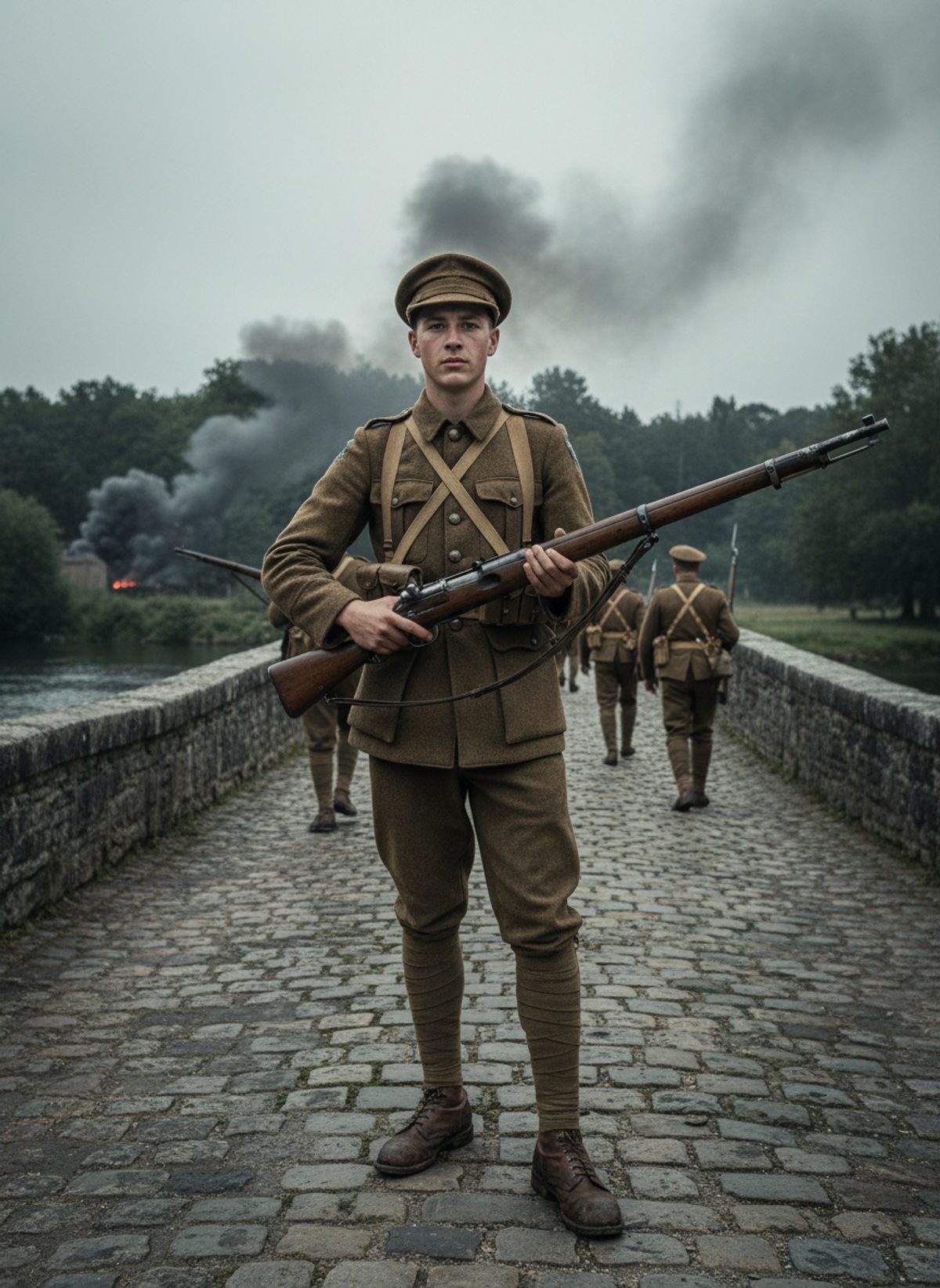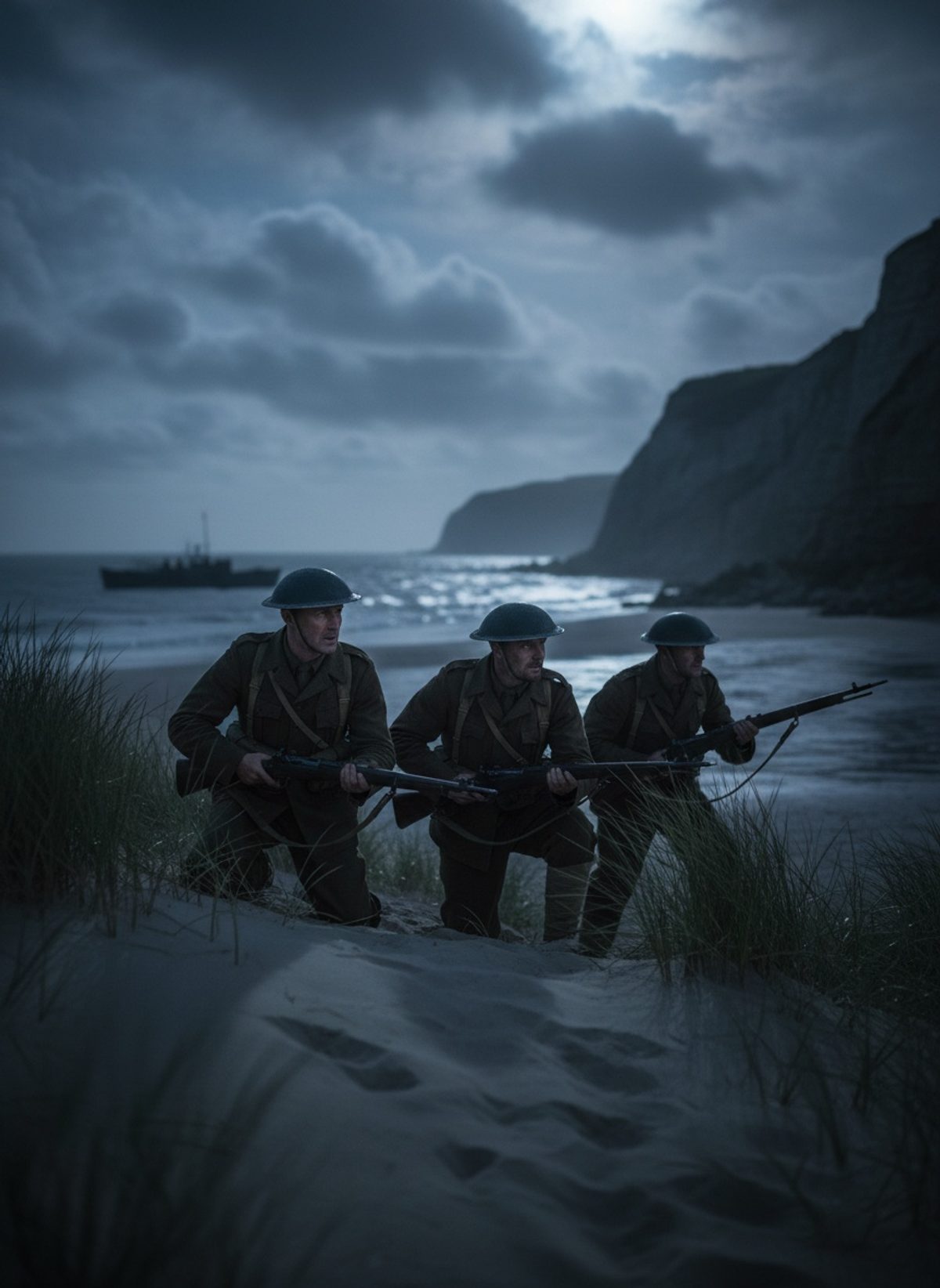
The summer air of 1940 was thick with the acrid smell of desperation and gunpowder. Near the rugged shores of Dunkirk, where waves whispered over the remnants of battered military equipment, the sun barely crept over the horizon. Its gentle glow fought to pierce through the diffuse clouds hanging low in the sky, casting a dim golden light across the sand dunes. In these moments before dawn, a group of one hundred and fifteen resolute British soldiers made their perilous journey across the Channel, the salty spray of the sea mingling with the adrenaline that coursed through their veins. It wasn't just the oppressive humidity or the remnants of war scattered along the coast—they felt history weighing on their shoulders. For not only were they embarking on a daring mission, they were bearing a name unexpectedly borrowed from the annals of Britain's oldest adversaries.
Just weeks before, the British Expeditionary Force had faced a humiliating retreat at Dunkirk, as wave upon wave of German forces pushed them back to the sea. Equipment was left abandoned, seemingly lost to the enemy. Morale was low as London grappled with the grim realities of warfare. Yet amid the chaos, within the hallowed corridors of the War Office, a Lieutenant-Colonel named Dudley Clarke was quietly charting a course that would transform military operations forever. Known for his innovative thinking, Clarke conjured a plan that dances in the interstice between audacity and brilliance. His sketches illustrated not just a blueprint for a new type of warfare but a shift in the very mindset of military strategy. What made his plan particularly daring was its title—a name steeped in the shadows of historical ignominy.
The name Clarke chose to christen this mission belonged to a clandestine order known in legend and fear, as those elusive night raiders from early British history: the Commandos. Originally a term used by America's foes—the Boers in South Africa—during the Boer Wars at the turn of the century, "commando" aptly embodied both stealth and impact. Clarke's decision to resurrect this term from an erstwhile British adversary was nothing short of radical, signaling a nod to the past to forge a formidable present. Just as the Boers employed unconventional tactics to harass and baffle the British Empire, so too would Clarke’s newly formed unit of commandos. With every covert operation, their existence taunted Germany with unpredictability, marking a rebirth of intrigue in warfare.
Aboard RAF rescue launches flung upon the tumultuous Channel, the Commandos were now en route to French soil. Their task—disrupt, disorient, devastate. The strategic paradox was elegant in its simplicity; a small group creating an outsized reputation. Onlookers in Berlin had underestimated the impact of Britain's new strategic—and name-branded—venture, and within London, doubts loomed, casting shadows upon Clarke’s bold suggestions. Yet in those nascent hours of the Second World War, Ludley Clarke's vision signified Britain's resolve to evolve and fight back using ingenuity over brute force. It was warfare reimagined.
Read next: The One-Eyed Belgian Who Became Britain's Bravest Soldier
As dawn broke over the French dunes, fading darkness masked the soldiers’ clandestine approach. Soft whispers among them synchronized with the rhythmic hush of the castle-like waves, a piece of nature perfectly in sync with human tenacity. This marked the beginning of a new epoch in military engagements. Unpredictable. Ingenious. Irrepressible. None truly foresaw how effectively these small units, inspired by guerrilla warfare tactics, would adapt and wreak myriad disruption from behind enemy lines. While Europe was watching the skies for bombardments and their beaches for amphibious assaults, this cadre of commandos' daring ingenuity would rewrite the script.
The psychological impact of the Commandos was profound. In constant war, actions and names carry an aura far beyond the physical damage done. Stories quickly circulated—not just among the ranks, but on the home front and enemy trenches alike—of their exploits, riddled with intrigue and success that invited both fear and respect. Germany, fierce and seemingly unassailable, found itself defending against the specter of the unknown—a small, silent threat that sowed uncertainty among the regimented might of its military. This unexpected shift in dynamics forced the Germans to reallocate resources disproportionately, grappling notably with the scars of unpredictability.
In dawn raids and nocturnal infiltrations, the British Commandos turned their borrowed name into a banner of national pride, evoking the very spirit of resilience that gave Britain hope during her darkest hours. Dudley Clarke's gamble paid off—by appropriating the nomenclature from Britain's past combatants and turning it into a rallying cry; he had stitched a new tapestry of warfare. One of smaller, mobile units capable of strategic subversion of larger oppressive forces, it redefined asymmetrical warfare and held broader implications for the tactics of nations worldwide.
As the war trudged on, the success of these Commandos would act as a beacon, inspiring the development of elite units across the various theatres of war—from America's Navy SEALs to Russia’s Spetsnaz. A legacy forged through ingenuity, wrapped in the echo of an old menace turned ally. The fearless quiver of anticipation and evolution brewed within the heart of International warfare forever altered by the initiative of that one night. The Commandos, while only part of a vast wartime tapestry, showcased what a single inspired thought could achieve. Through offensive agility, adaptable strategies, and a name that still commands a whisper of fear, they remain the legendary trailblazers left out of so many history lessons.
Reflecting on that pivotal moment when Lieutenant-Colonel Dudley Clarke sketched his page, we are reminded of the essence of human ingenuity in the face of calamity. In warfare, as in life itself, how we choose to rewrite narratives from past defeats can redefine the trajectories of future battles, ensuring names borrowed in derision echo not with enmity, but with the quaking resonance of victory.