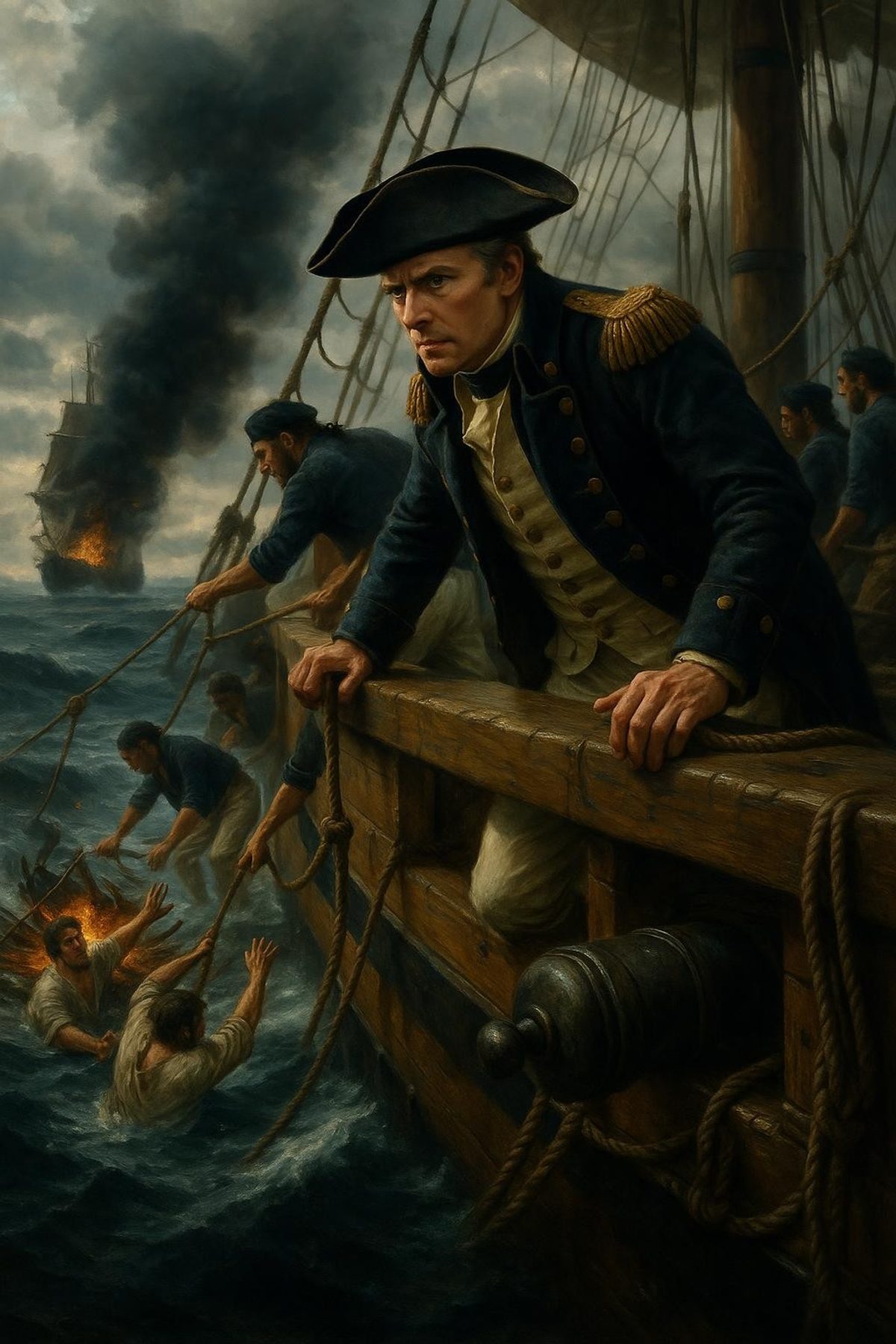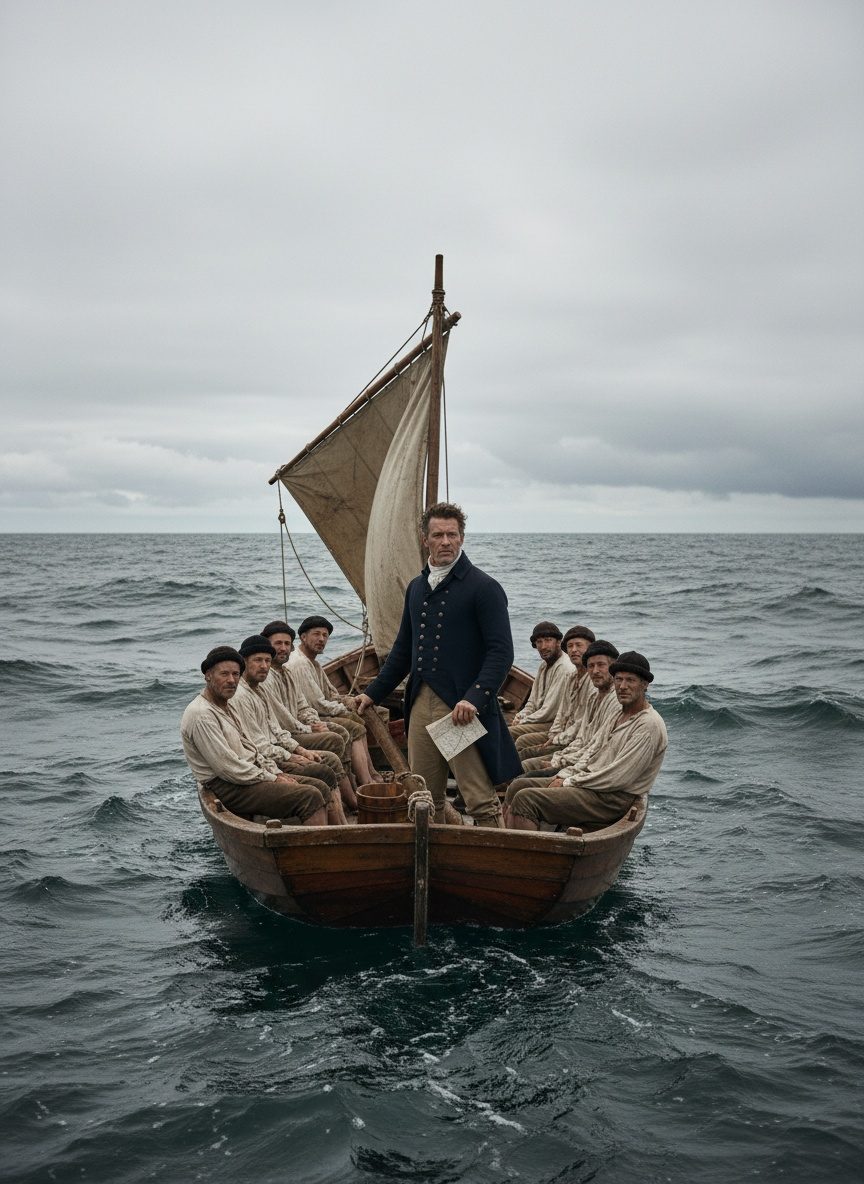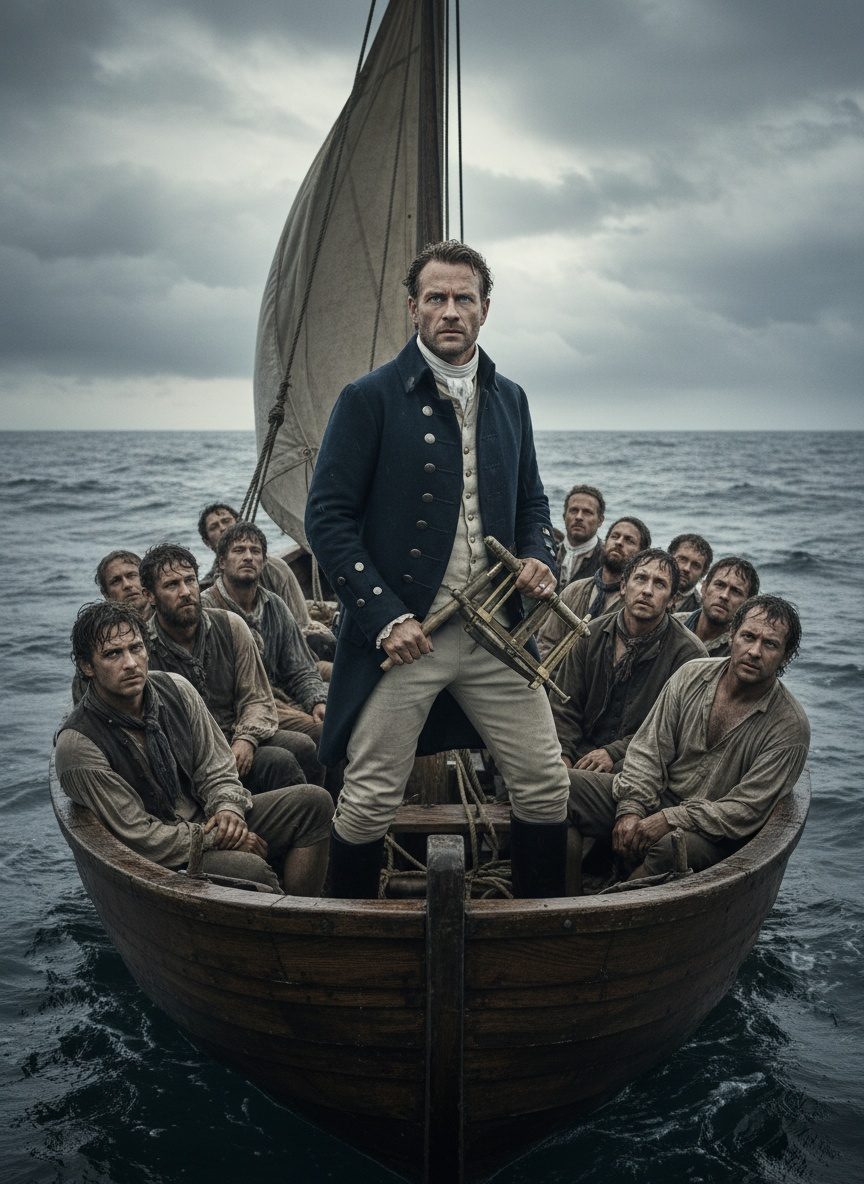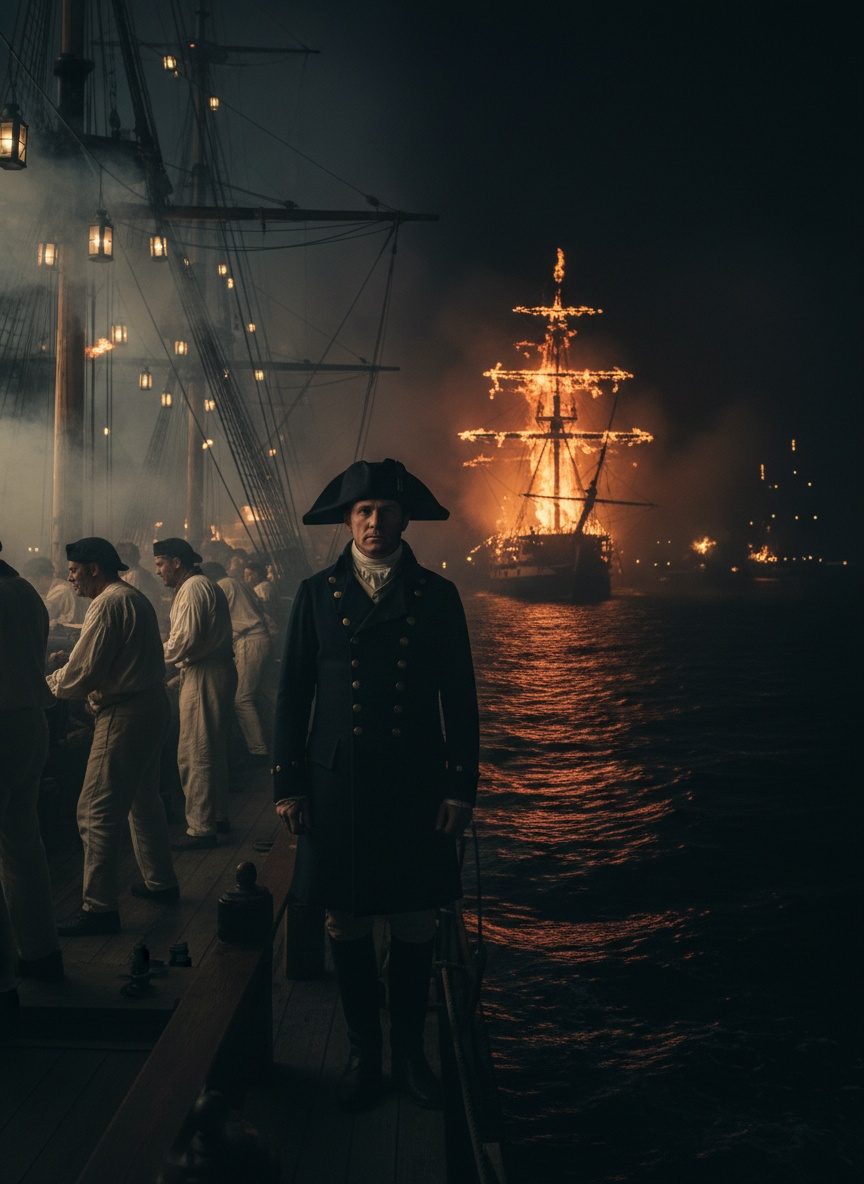
The night air was thick with the tang of salt and gunpowder, the horizon a smear of angry oranges and purples as Admiral Horatio Nelson watched the French fleet bob motionless in the serenity of Aboukir Bay. Under other circumstances, this could have been a picture of peace—a silhouetted row of stately ships against the dusk. But peace was nowhere on the agenda. The deck under Nelson’s feet trembled, and the sound of drums and artillery fire punctuated the whispers of hesitant waves lapping at his vessel's side. Lanterns bobbed aboard the French ships, careless shadows dancing over the decks as if the battle had already been decided. It was a strategic certitude Napoleon Bonaparte could rely on—knowing that no navy would dare break the unspoken rule of naval warfare to attack after sundown. Or so he thought.
Horatio Nelson was not just any navy man—audacity and strategy courses through his veins like the very sea itself, and tradition held little sway when intuition demanded action. It was August 1, 1798, and the stakes could not be higher. Napoleon's ambition had brought him to Egypt with a grand dream of establishing an empire that stretched to the east, capturing the romantics of the Orient. His Armée d'Orient, though landed and ready, relied heavily on their lifeline—the warships anchored in Aboukir Bay. Without them, dreams of eastern glory would crumble like castles made of sand.
Nelson's plans unfurled with the evening. The French, under Vice-Admiral François-Paul Brueys d'Aigalliers, had followed conventional wisdom to anchor their ships in a singular line, formidable yet vulnerable. The night was his shield, and Nelson knew well the element of surprise would tip the balance in his favor. He had noticed, as the polished brass of his telescope caught the dying light, how the French had anchored their ships close to the shore. But there was an oversight. There was no thought given to an attack from their seaward side, leaving a precious gap between the vessel line and the shore.
With deft command, Nelson directed his forces to attack both the near shore and seaward sides simultaneously. The British fleet split into two columns—coursing with resolve—as stars blinked into the firmament above. The French, minds unprepared for such audacity, found themselves caught in a trap of their own making. The British attack caught them between an anvil and a hammer, the tide carrying English ships unseen to the weak side of these majestic floating battlements.
Read next: The Day Napoleon Surrendered to the Ship That Shot at Him
The blow that broke Napoleon’s ambitions came as the French flagship, L’Orient, seethed in the maelstrom. The largest warship afloat at the time, it sat proud beneath a banner of sheer power, gleaming with a bitter supremacy that promised triumphs yet unwon. As British cannonballs showered the decks and the air hummed with deathly melody, a glancing blow to a powder magazine proved fatal. In the cacophony of warfare, the bang that followed was of an order entirely new—heard forty miles away, as if the sky ripped open to swallow the sea.
Above Aboukir Bay, the heavens lit with fiery brilliance, a testament to losing faith in luck and underestimating one's enemy. The blast annihilated L’Orient, its ruin staggering in its completeness and horror. Debris rained down; flames licked the sky as echoes bounced off water and wood, marking a gasp heard round a world on the brink of change. When dawn stretched out her arms over the battleground, the cost was laid bare: Napoleon’s legions were cut off, marooned in alien lands without the means or hope of retreating back to France.
Nelson's victory at the Battle of the Nile, as the confrontation came to be known, didn’t merely capsize ships; it ripped the seams of French ambition, splintering it against Egyptian sands. In waves of disbelief, Paris recalibrated a future without an eastern empire. Britain shrank the globe through dominance on waters; France's near-mythic triumph was whittled at the bay where rules were defied at twilight.
For Nelson, the battle brought not just strategic laurels but solidified him as a daring figurehead in Britain's self-image. The mere name "Nile" conjured visions of imperial victories and signaled the empire’s rising tide. Yet the unsung hero in this tale, a simple fact often glossed over, was the boldness of striking against centuries of accumulated naval dogma. It was a moment pat impact than any cannon, rewriting the commandments of maritime combat with daring ingenuity.
As history leafs onward, pausing to glance back at Nelson’s triumph at the bay, we uncover truths about audacity, courage, and the tightrope of strategy, reminding us that even the smallest oversight can unravel empires. Night descends, battles is reborn, sailing into destiny uncharted, where legends are forged in flashes brighter than sunlight—built of men who dared disturb the universe with valor impossible to ignore.