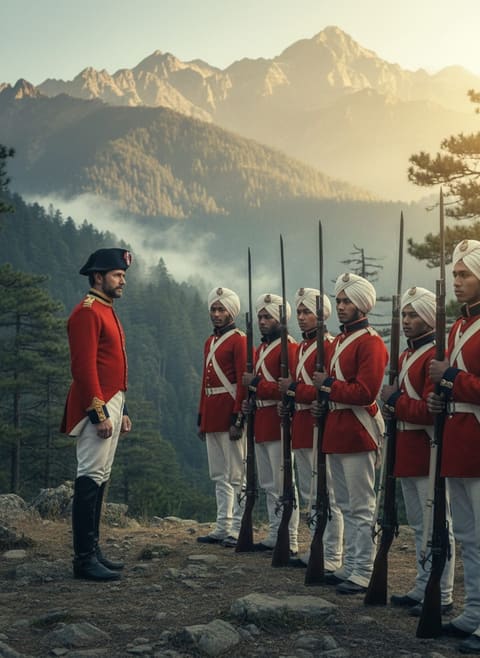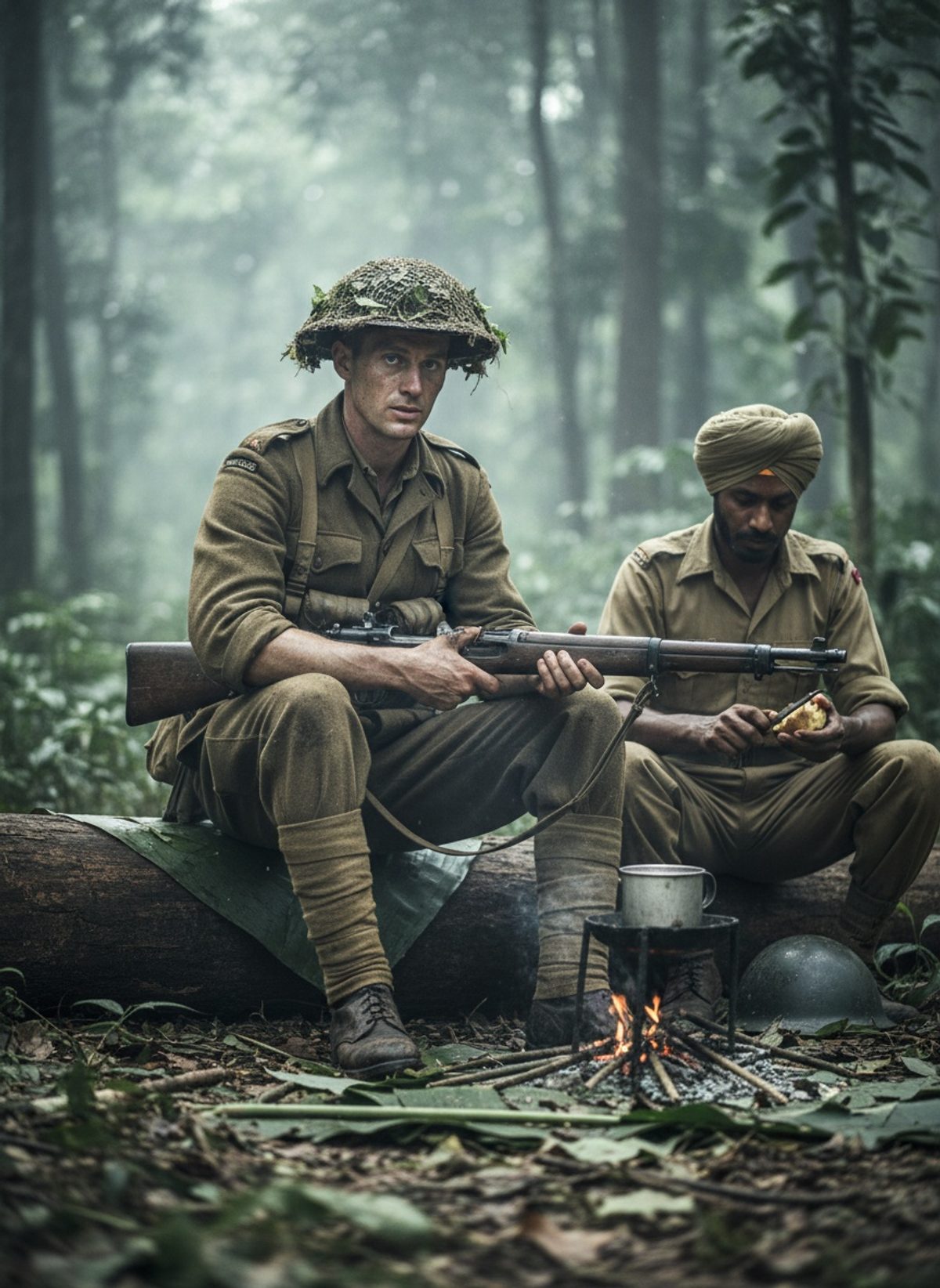
August 14, 1944. The air was thick with humidity, pressing down on every living thing within the endless expanse of Burmese greenery.
The Forgotten Jungle
While the world focused its gaze on the dramatic theaters of World War II—the storming beaches of Normandy, the vast deserts of North Africa—a different kind of battle was fought amidst the dense jungle canopies of Burma. Here lay the stage for forgotten legends, engulfed not by the bombast of tactical brilliance, but by the relentless and suffocating embrace of nature itself. The men of the so-called "Forgotten Army," comprised primarily of British and Indian soldiers, faced a hidden adversary far more insidious than the Japanese fighters they had anticipated. It was the jungle, with its thick foliage teeming with venomous creatures, fever-inducing mosquitoes, and an unyielding monsoon season, that really tested their endurance. Survival here was an art, painted not just in acts of valor, but in the mundane struggle to eat, drink, and simply remain alive.
Desperate Measures
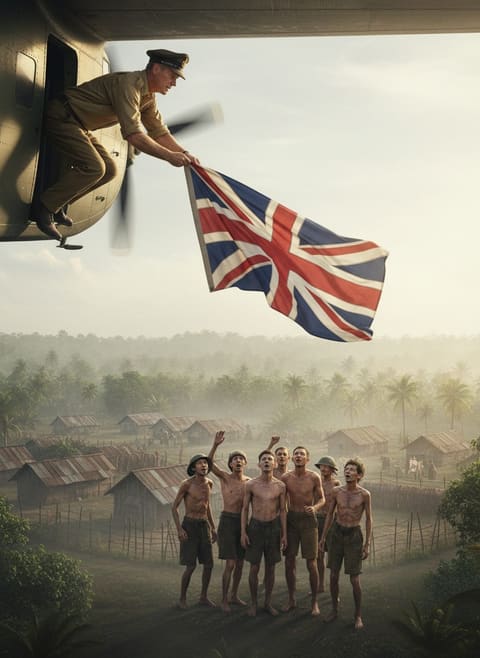
Food was scarce in the depths of the jungle, and conventional rations came and went as whims of fortune. Supplies dropped from above often missed their mark, swallowed whole by the verdant maze below. Close quarters with the enemy meant foraging under fire, turning light-footed soldiers into vulnerable foragers in hostile terrain. In these times, the roots and foliage underfoot ceased to be mere scenery; they became salvation. The jungle's offerings were meager yet crucial—a pale tuber here, a fibrous stem there—each one holding the precious promise of another day.
The men learned to identify the nutritious, if unsavory, wild yams and ginger roots that dotted their perilous path. Filtering water through cloth to remove the omnipresent dirt, leaves, and leeches became a routine of survival. These acts of culinary desperation brought a grim camaraderie to the men, striving to decipher what was edible amidst the poison-lined offerings of Mother Nature. Detailed notes from those who survived tell tales of consuming everything, from the inoffensive yet bland sago palms to the more treacherous tapioca, which could be fatal if not prepared correctly.
Read next: When Rick Jolly Ran a Hospital Beside Two Unexploded Bombs, 1982
Chances of No Return
Beyond the constant hunger, disease became an ever-present specter haunting the soldiers. The unsanitary conditions turned paper cuts into festering wounds, while any opening in the skin was an invitation for rot and decay. Without modern medical supplies, ancient remedies from the indigenous people, preserved through oral traditions over centuries, became the soldiers' healing salve. Bitter neem leaves, for example, were used to repel insects and treat the malaria-induced fevers that mowed through ranks as ceaselessly as enemy machine-gun fire. Some soldiers rubbed tobacco or kerosene into their legs to deter leeches—an inadequate solution but often the only option.
The men slept on the ground, where the jungle itself crept into their dreams. The never-ending patter of rain, an oppressive drumbeat, was a constant reminder that nature was judge, jury, and often executioner. Nevertheless, in stolen moments of silence, beneath an umbrella of stars momentarily freed from the clouds, these soldiers might have paused to marvel at the vibrant phosphorescent fungi—a breathtaking trick of the ecosystem they inhabited. Such sights provided a rare balm, a fleeting beauty amidst brutality.
Read next: When the War Detectives Named the Dead of Polygon Wood
The Human Spirit Unbroken
Yet, even in the heart of this green abyss, where earth seemed to conspire against man, the soldiers' resolve remained unbroken. Stories circulated of miraculous recoveries, of soldiers surviving odds insurmountable, and finding paths back to civilization against all likelihood. These tales were the true riches carried home, earning these soldiers a place in history's shadowy coves—the unseen gladiators in a war less chronicled.
The forgotten legends of Burma remind us that history is carved not just in glorious battles but in the silent resilience of those fighting unseen wars. Today, as we glimpse the luxuriance of ancient jungles from the safety of armchairs, let us cherish the knowledge gleaned here, taught by sweat and hardship, that where life can outlast despair, humanity, too, can find its way through darkness. These are the real roots of survival, lessons entwined within the legacy of the human spirit, swelling ever upward, even from beneath the densest shroud of green.