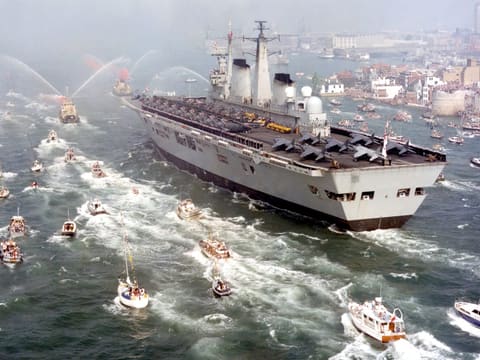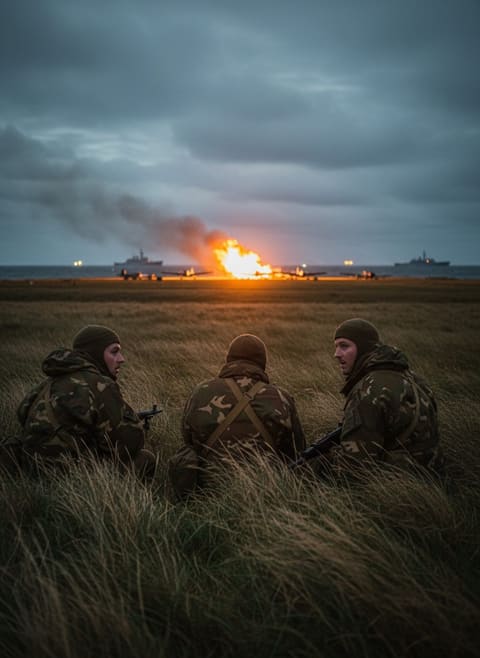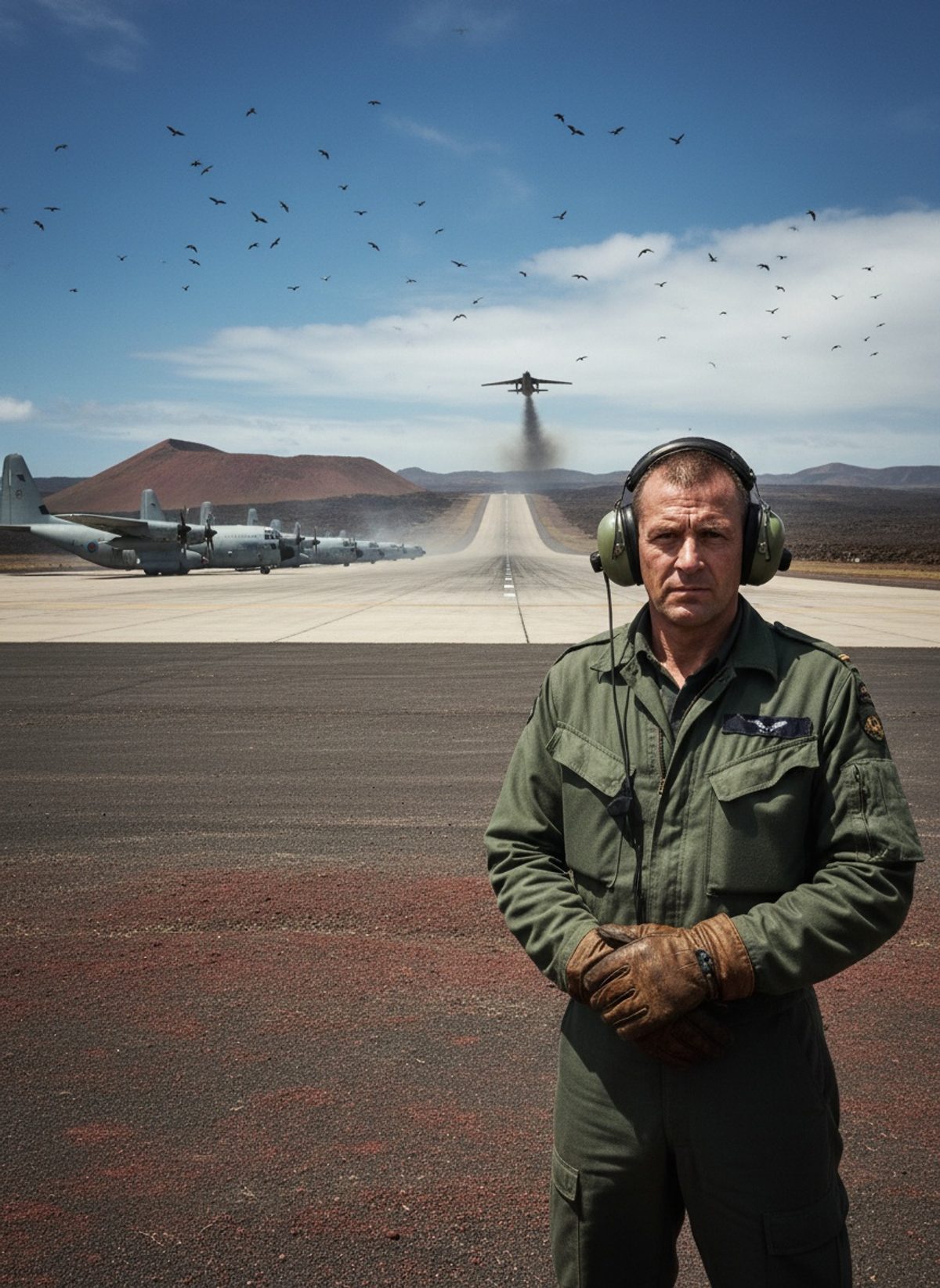
The Atlantic stretches vast and unyielding, a deep cerulean expanse interrupted only by a speck of land. Ascension Island, shrouded in constant trade winds and kissed by an unrelenting sun, teeters on the edge of nowhere. Underneath its baking sky, a cacophony of sooty terns — the "wideawakes" — fills the air, lending the airfield their name. In the predawn darkness of late April 1982, those seabirds shared their clamor with the roar of jet engines, poised on the edge of history.
The Unlikely Staging Ground
Ascension Island, forgotten yet indispensably positioned, straddles a line equidistant between two continents, Africa and South America. Its strategic value had been recognized in World War II when the American military constructed Wideawake Airfield in 1942, carving a lifeline through the then-unfathomable distances of the Atlantic. Over 25,000 aircraft found refuge and refueling on this volcanic outpost during those desperate years.
Decades later, though its wartime hustle had waned, Wideawake served quietly, supporting rocket launches from Cape Canaveral. Then, in the spring of 1982, geopolitical currents shifted violently. Argentina's invasion of the British Falkland Islands demanded a remarkable military response from the United Kingdom, and Ascension, its American-built airfield operated under postwar agreements, was suddenly thrust into the spotlight.
The island, British territory with an American-built airfield run in close partnership with the RAF, became the linchpin in Britain's response to the distant South Atlantic. On April 18, the island's rural tranquility was shattered as the first of an eventual cadre of 14 RAF Victor tankers descended onto the runway, the number swelling to accommodate the demands of Operation Black Buck and other military operations. These massive aircraft, all funneling through a sliver of concrete, transformed the remote airfield into the throbbing heart of British air logistics.
Read next: When Flight Sergeant Kane Dropped a Flag Into the Dark, 1945
Operation Black Buck
In the pitch-black night of April 30, Wideawake erupted into action. The precarious ballet of modern warfare saw 11 Victor tankers align with two Vulcan bombers. Their mission — bomb Stanley Airfield in the Falklands and return — was a daunting gamble of endurance and precision, as the entire operation balanced on the fragile infrastructure of Ascension. Each takeoff was paced precisely one minute apart, ensuring each aircraft had access to the necessary aerial refueling in a nerve-wracking mid-air relay.
The Vulcan bombers, relics of a bygone era and nearly decommissioned prior to this, took on what was one of the longest operational sorties in the annals of aerial warfare. The Victors played the dual roles of lifeline and guardian angel, refueling not just the bombers but also each other, extending their reach deep into the South Atlantic. With every fuel transfer, the stakes heightened, as a single mistake could unravel the mission's meticulous choreography.
This particular operation underscored the island's pivotal role — a role steeped not in the glamour of aerial acrobatics but in the gritty, relentless logistics that characterize successful military endeavors. Ascension's strategic importance, underscored by a piece of neglected wartime infrastructure, thus became the linchpin behind one of the most audacious bombing campaigns to undertake in modern times.
The Relentless Pace of War
Beyond Black Buck, Ascension became a frenetic hive of activity. With the staunch support of the U.S. tracking station, the island balanced military logistics with its continued role in monitoring space launches. Warships passed through, refueling before plunging south into conflict waters. The Atlantic Conveyor, loaded with helicopters that would become crucial for the land campaign in the Falklands, sailed for Ascension on April 25, weaving the island even more tightly into the fabric of the conflict.
Life on Ascension was anything but comfortable. Its barren landscape offered no natural harbour, no trees and no fresh water to speak of. Supplies from every discipline essential to modern warfare were funneled through its limited facilities. While lacking the lush allure of better-known airfields, Wideawake thrived — its very existence a testament to flexibility and international cooperation.
This relentless intensity saw Wideawake crowned, if briefly, as the busiest airport on the globe. Other vaunted titans of air travel — Heathrow and JFK among them — could not boast the same concentration of military might, of life distilled into the mission at hand, focused and unwavering.
Read next: When the First Gurkha Regiment Marched Into a British War, 1815
Legacy of a Hidden Giant
Once the dust settled from the conflict, the island receded again into obscurity, its temporary status as the heart of wartime logistics swallowed by time. Yet, just as Ascension's geography is immutable, so too is its place in history. The very specters of its past remained omnipresent within its quiet resurgence. In 2022, with the runway resurfaced, normal flights resumed and the airfield continued to serve as the refuelling point for flights between Britain and the Falklands, retaining its joint British-U.S. operations.
Ascension's tale is a reminder of the weight an undersized island can carry. It speaks to the unseen structures that cradled entire military theaters: spur-of-the-moment improvisations, colonial echoes, and breathtaking feats of planning that tributaries of war often neglect in favor of frontline heroism. By supporting the logistics underpinning the Falklands War, Wideawake showcased a facet of conflict that few consider — the backstage essentiality, often voiced by those same wideawakes, the sooty terns, that gave it name and voice. For a foreign audience and history enthusiasts alike, this is a reminder of how corners of empire can become crucibles of global consequence.
Earlier this month, British troops rehearsed a landing on the Falklands, the first landing exercise there in years.
Part 11 of 24: One Falklands story a day until Remembrance Sunday