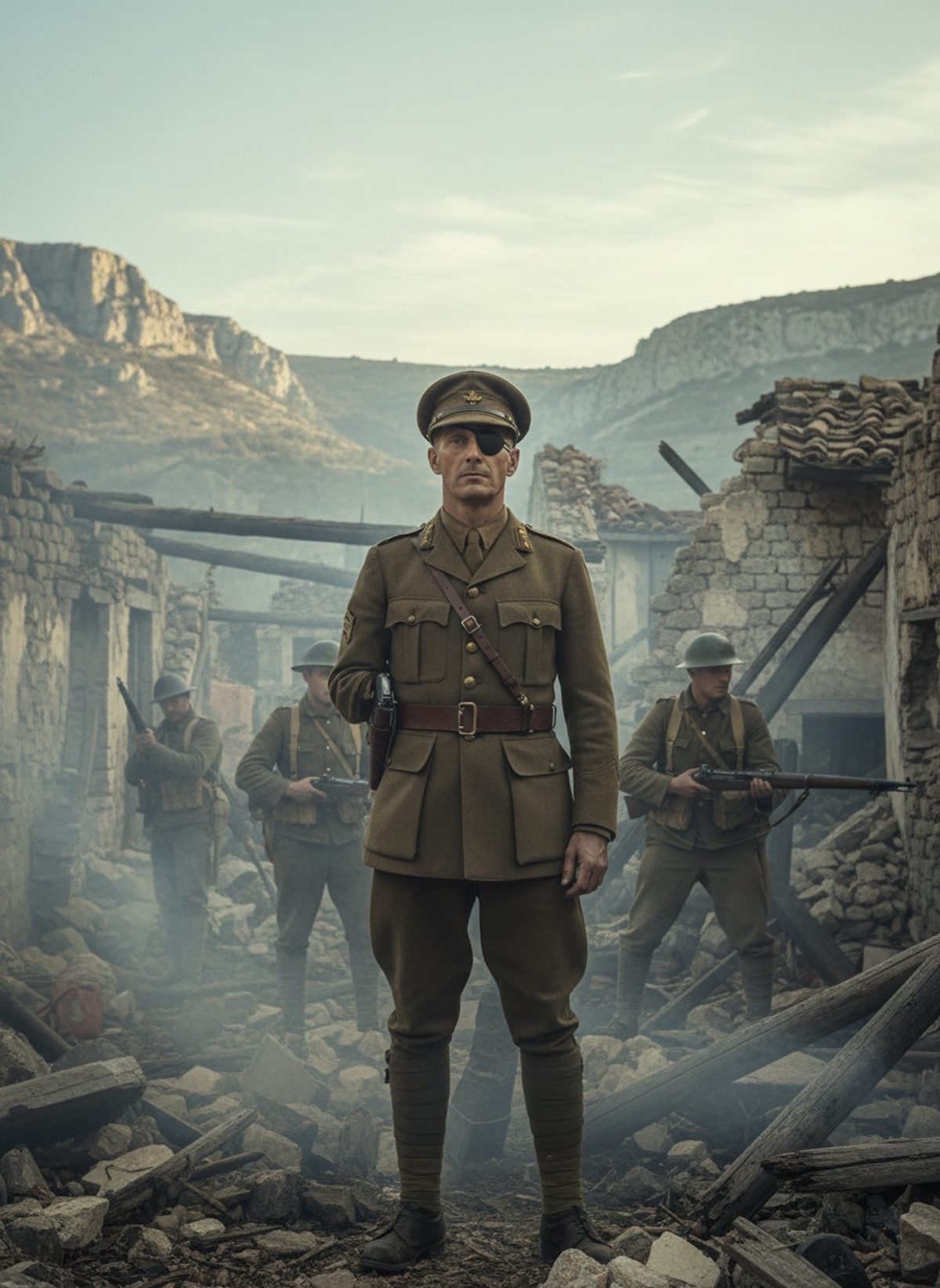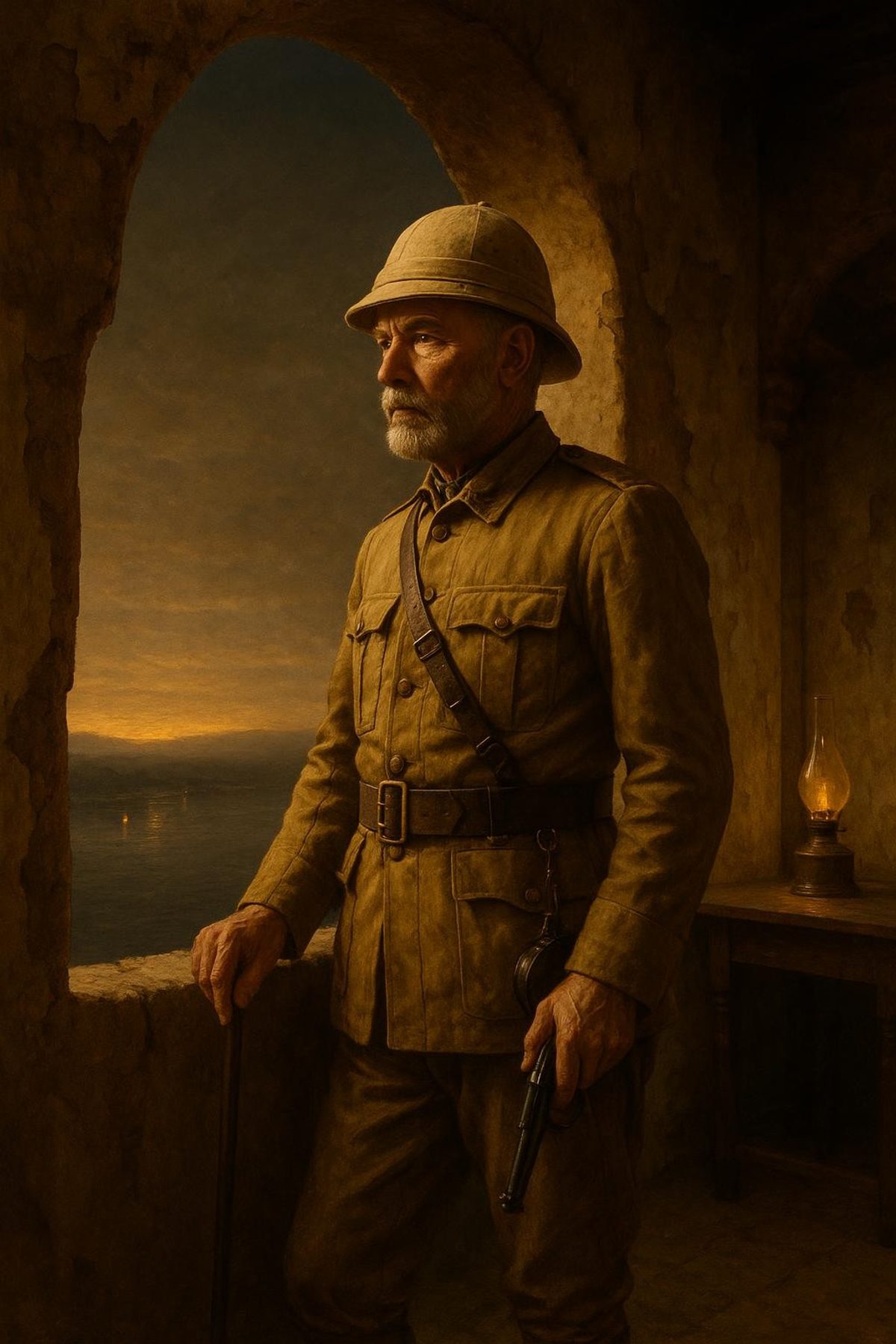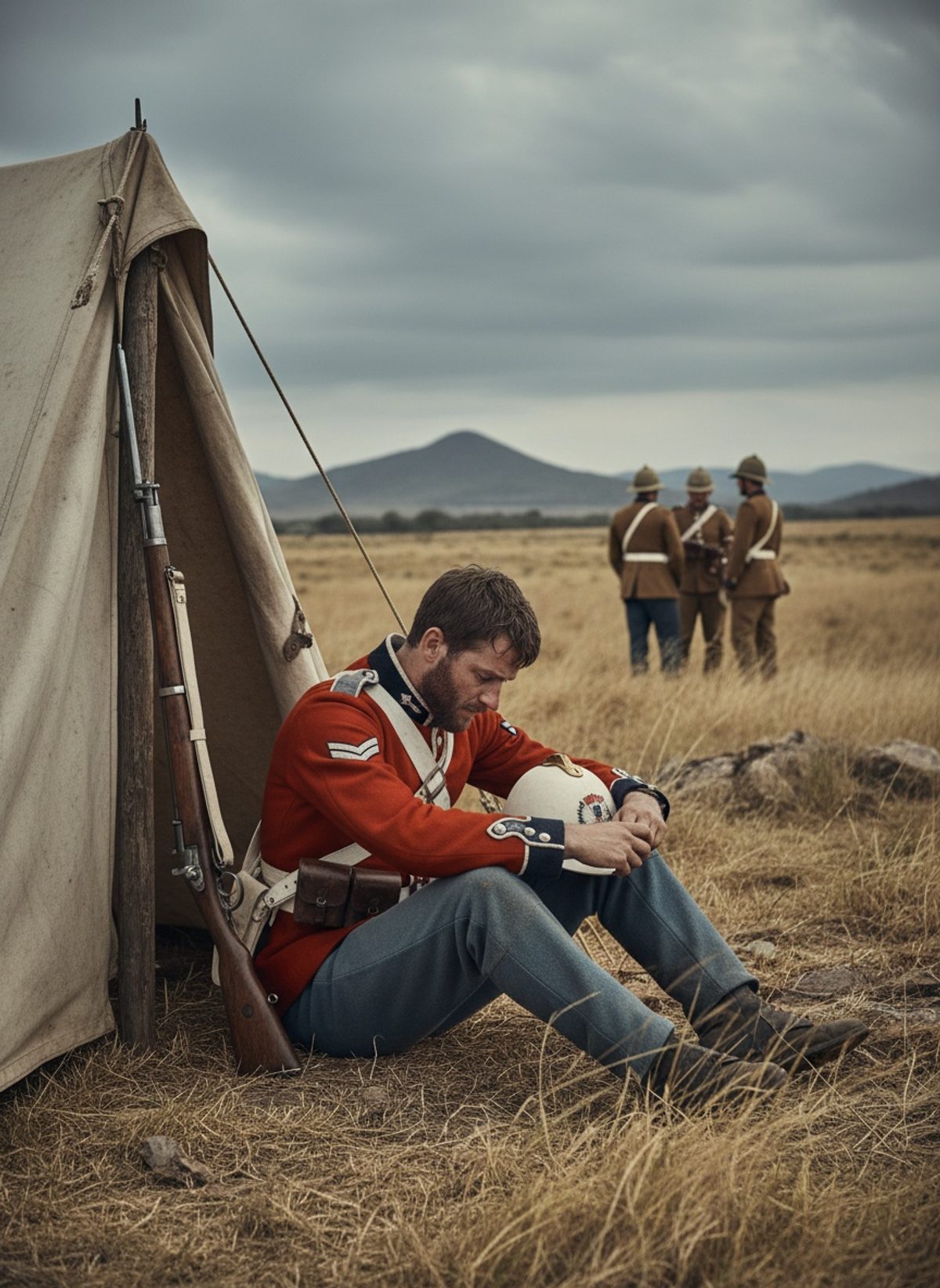
The sharp crack of rifles echoed like thunder across the rolling hills of Zululand. Private John Francis barely had time to register what was happening before the Zulu warriors, silhouetted against the burning African sun, descended upon the encampment with terrifying speed. Surrounded by chaos, the British soldiers scrambled to form lines, musket balls whizzed past, the air alive with shouts and cries. Amidst the confusion, one man would eventually bear the burden of this disastrous day—a sacrificial scapegoat for flawed decisions made far above his rank.
The Precarious Divide
The morning of January 22, 1879, seemed like any other for British forces stationed at Isandlwana. Under the command of Lord Chelmsford, the confident troops believed in their superior firepower and battle strategies against what they deemed primitive opposition. But Chelmsford, a man of ambition perhaps overshadowed by hubris, had decided to split his column. Pursuing what appeared to be a promising lead, he led a significant portion of his force away, underestimating the threat of the Zulu forces encircling the isolated camp.
While many condemned Chelmsford's decision as reckless, the notion of a general facing accountability was unthinkable. His plans, shrouded in the fog of war and miscommunication, left Lieutenant-Colonel Henry Pulleine in charge of defending Isandlwana. Pulleine, aware of orders to "draw up in a line of defense," was offered little guidance on how to hold what would soon become a killing ground for over a thousand men.
The Storm of Spears
As the midday sun reached its zenith, an ominous stillness descended. Then, like a lion emerging from the tall grass, the Zulu impis erupted with astonishing force. Pulleine's men, hastily arranged in defensive positions, were ill-prepared for the Zulu horns of attack that broke their flanks with devastating efficiency.
Read next: When a Royal Engineer Stepped Into a Live Mine Field, 1900
Amidst the pandemonium, Private John Francis fought desperately alongside his fellow soldiers. While the rattling of sustained rifle fire echoed, the reality became chillingly apparent: the British lines were overrun. Warrior cries and the clash of assegais—the Zulu short spears—and shields filled the air. Each soldier fought not only for survival but against the dawning realization of betrayal by their own command.
Aftermath and Accusation
When the dust settled and vultures circled the fields of Isandlwana, the disaster stood as one of the greatest humiliations of British imperial history—a grave miscalculation that left an indelible mark. But, in the empire's quest to preserve its reputation, a scapegoat was needed to divert blame from the strategic blunders of its leaders.
Several surviving soldiers were eyed with suspicion, yet it fell to a court martial to pick an unfortunate target. Private John Francis, traumatized by the battle, found himself in the spotlight. Despite compelling testimony regarding the inadequacies in orders and preparation, Francis was ensnared by an insidious net of military bureaucracy. The verdict was swift—an unfortunate exemplar of military might turned in on itself to maintain its façade of invincibility.
Invisible Hand of Injustice
The trial of John Francis illuminated the cruel machinations often intrinsic to nineteenth-century military justice. It was a system designed less to ascertain innocence or guilt and more to pacify the morale of an empire by feeding its insatiable demand for accountability without challenging authority.
As the gavel fell, condemning Francis, high-ranking officers maintained their posts, their ambitions unscathed by the tragedy. Chelmsford himself, viewed through the lens of British pride, weathered the storm of criticism and continued his military career. Such ironies were not lost on those who witnessed the fall of Isandlwana—a spectacle of sacrifice devoid of reason.
A Legacy of Reflection
The sobering events of that January day in 1879 remain a testament to the dangers of misjudged leadership and the devastating consequences of unchallenged authority. As history looks back on Isandlwana, the narrative often glosses over the plight of men like Private John Francis—their stories eclipsed by the grandeur of imperial ambition.
This story is not just about the futility fought at the outpost beneath a South African sun, but a cautionary tale about responsibility and the human costs of conflict. In remembering Private Francis, we remember all those who paid the true price of their leaders' ambitions—footnotes in the discipline of history, footfalls on the path of time.