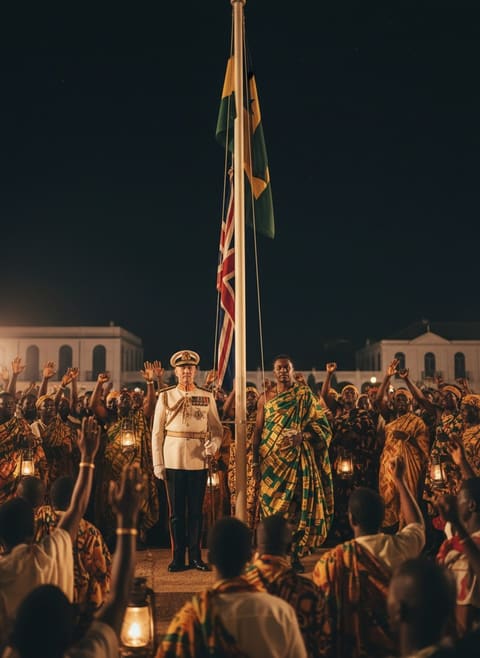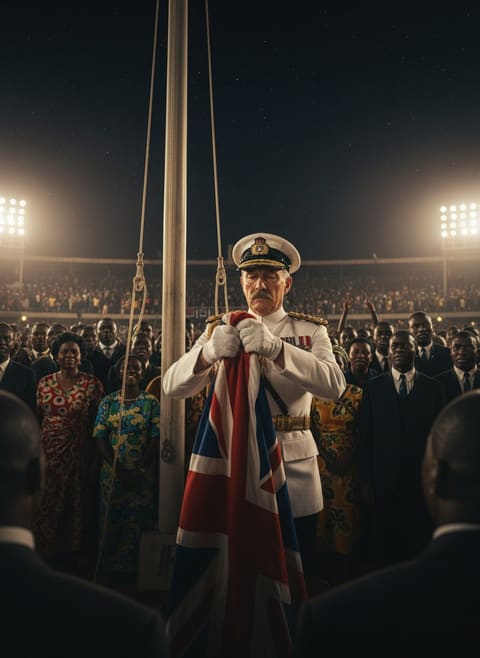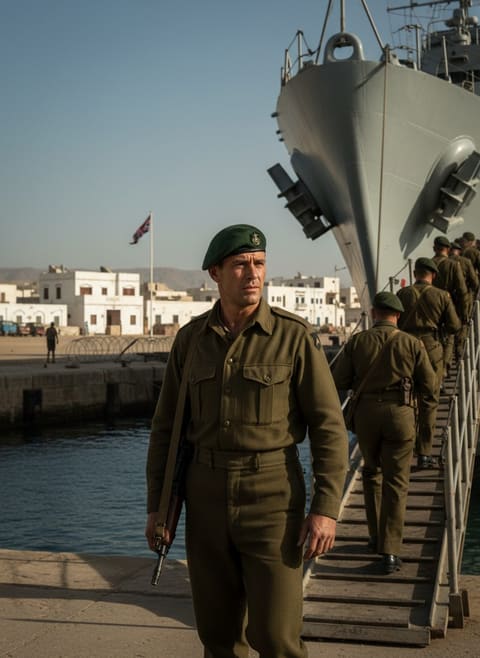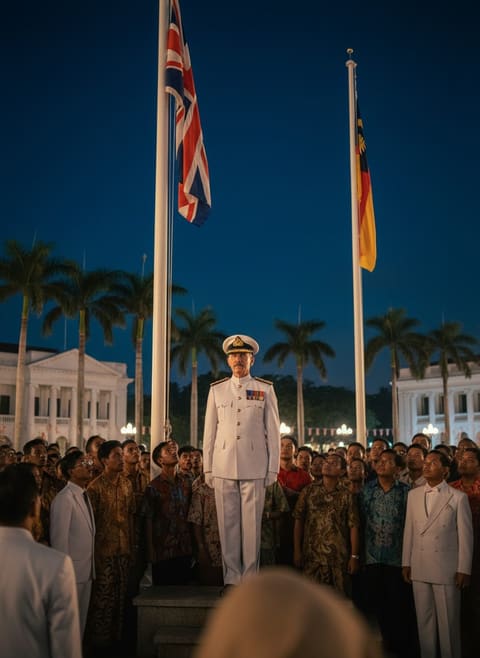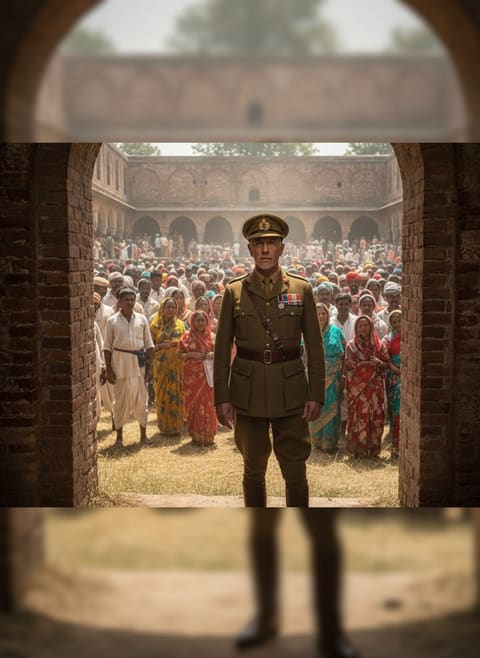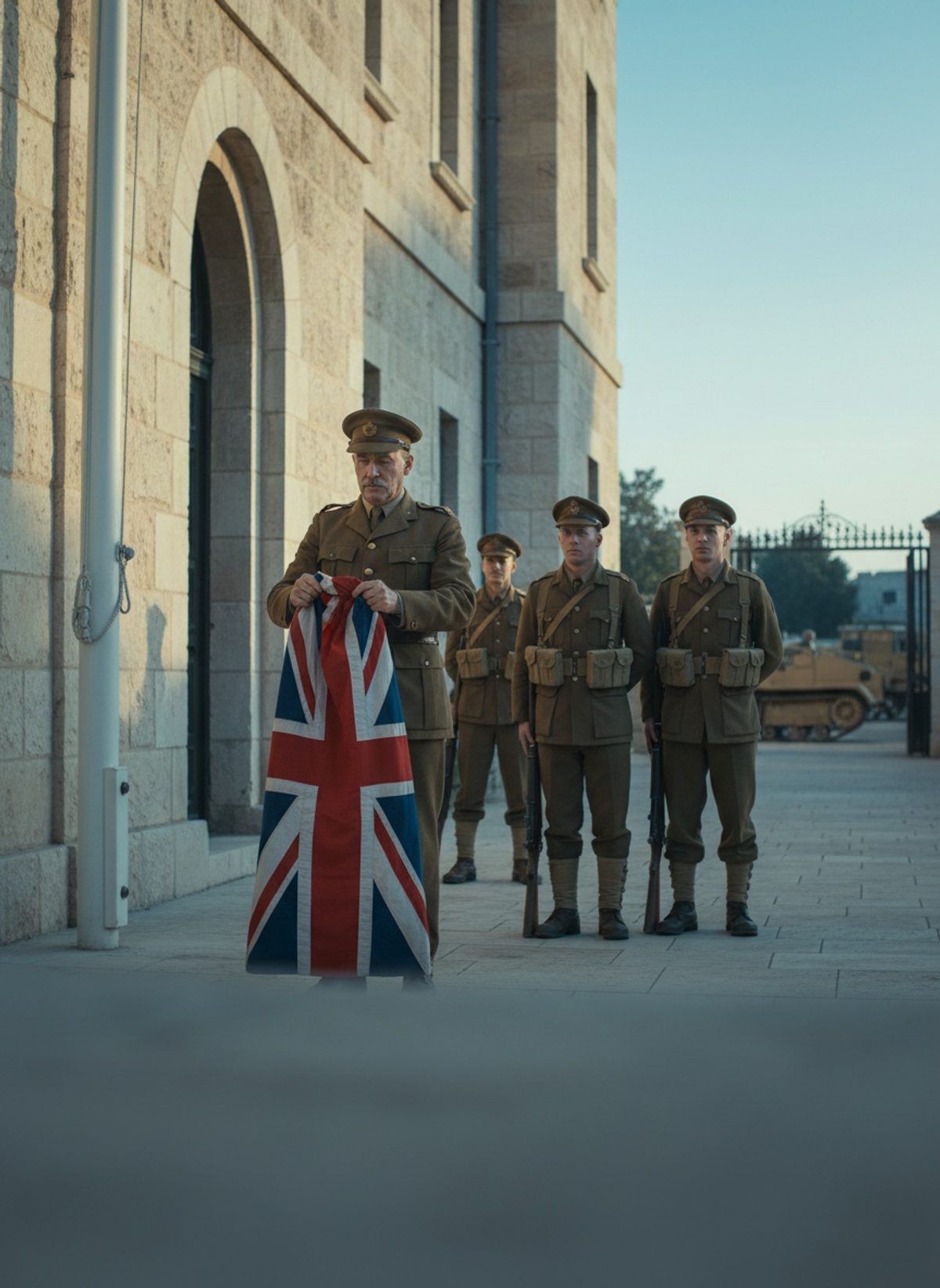
The British Empire was a master of ceremonial exits. But in Palestine, it slipped away in silence.
The Shrouded Departure
In the pre-dawn hush of May 1948, as the last vestiges of night yielded to the tender light of dawn, British authorities executed a discreet exit from Palestine. No trumpets heralded their retreat; no words commemorated the end of an era. Instead, the British High Commissioner quietly descended the stone steps of Jerusalem, a spectral figure flitting amid the austere architecture stilled by the impending break of day. It was an exit as muted as a whisper fading into tomorrow, evocative of a nation enacting the final scene of a complex, often torturous, drama both unwanted and unended.
No other moment in the vast chronicle of the British Empire quite mirrored this silent departure. Historically, British withdrawals had been marked with the pomp and poignancy of last speeches and handovers, a deliberate acknowledgment of duties transferred. But here, in this most contentious of lands, the Union Jack fell without fanfare, leaving behind a mosaic of communities teetering on the precipice of conflict. In its stead was a vacancy where order should have been—an unsaid legacy of two decades of turbulent rule.
A Mandate Crumbles
For three years leading up to this quiet exodus, Palestine was entwined in barbed tension. The British Mandate, an international decree spun from the wreckage of World War I, had promised order. However, fraught with conflicting nationalist aspirations, the mandate slowly became a tinderbox of clashing allegiances. The past three years were steeped in tumult—embroiled in impossible violence that stained the soil beneath the feet of Jewish and Arab communities alike.
Read next: When the Last Gunner Left Gan and Switched Off the Lights
No longer able—or willing—to navigate this discord, Britain faltered under the weight of unenforceable policy. Events continually slipped beyond its grasp until the decision became inevitable: withdraw and relinquish a land riven with animosity. Yet, unlike the aftermath of prior imperial disengagements, no successor government remained to receive the reigns of power. The mandate disintegrated without genesis for the administrative legacy often left in its wake. In this twilight state of administrative purgatory, the British commander offered nothing—no strategy, no words, not even a farewell address to the multitudes submerged in uncertainty.
The Land Awaits a Voice
As the British retreated under the cloak of quietus, a question loomed over the cities and villages of Palestine: To whom did this land now belong? Left adrift in the imperial wake were people scarred by distrust and wracked by the persistent cacophony of militant ambition. From Hebron to Haifa, the landscape braced for the inevitable fracture befitting a place so immersed in complex identities and histories as old as time itself.
Read next: When Britain Handed Aden Its Flag and Left in Silence, 1967
Amid these undulating hills and sacred sites lay eons of profound legacies—of prophetic footsteps and fabled narratives spanning centuries, woven tenderly into the heartstrings of many a nation. But in May 1948, ghosts of antiquity fell silent, offering no solace nor solution for burgeoning modern mythologies of statehood and territory. That these stones once echoed the footfalls of kings and prophets only heightened the profound silence now gripping the land with eerie passion.
The Echo of Silence
The aftermath of Britain's quiet abandonment was destined to echo far beyond the shifting boundaries of the Near East. As if in defiance of such a muted farewell, a clash of arms erupted, unleashing the pent-up fervor for self-determination that had simmered beneath the surface of Britain's ostensibly unifying presence. In war, society writhed to redefine itself; this time, the stage was Judea, and the stakes were biblical.
This story, the story of May 1948, wanders far more than a mere footnote in history. It marks a transformative moment when once-familiar imperialisms crumbled into the nebulous ashes of nascent nationalisms. Britain left without song or ceremony, but what it abandoned was not merely land. It was the elemental silence—a profound quiet magnifying the voices now struggling to be heard amid the chaos it knowingly left to foster untold destinies.