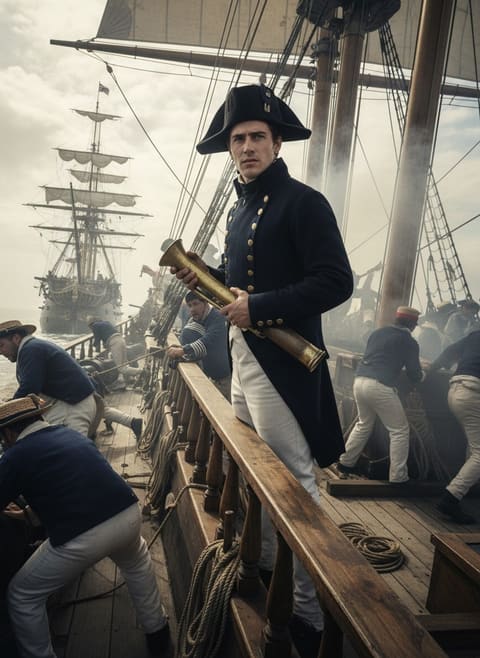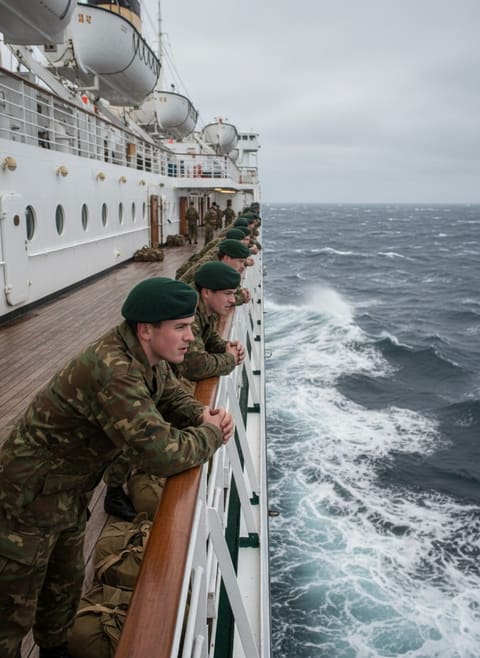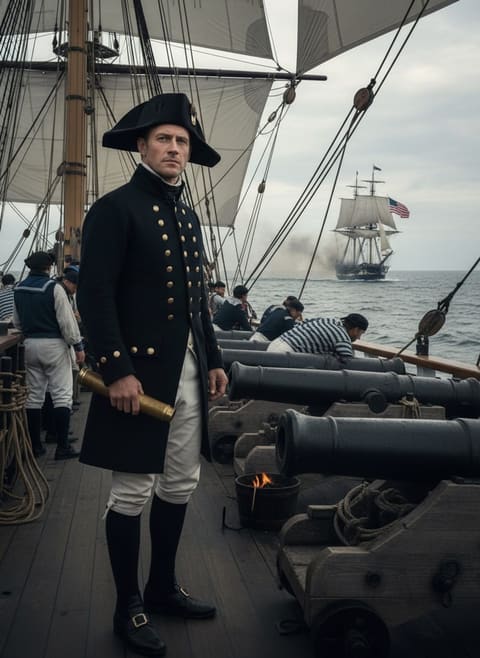
The Atlantic squall that whipped across Boston's outer harbor on June 1, 1813, was only just settling when the action commenced. Though the waters foamed and churned beneath anxious skies, there was a fierce quietude aboard HMS Shannon. Silence held sway, save for rigging stirring in the wind. This moment of stillness hid the storm of battle about to break—and the fate of two nations poised in fragile balance. In the grip of war, the sea was a stage upon which reputations were forged and dreams dashed, and on this day, the USS Chesapeake would have her aspirations tested against the battle-hardened prowess of the Royal Navy.
The Approach: Setting the Stakes
From the decks of the USS Chesapeake, the faint silhouette of the HMS Shannon drew near, cutting through the crisp New England morning. The Chesapeake was fresh from a defeat of the HMS Leopard and hungry for another victory. Under the command of Captain James Lawrence, her crew brimmed with youthful confidence, ready to challenge their adversaries in a duel that they believed would only enhance their burgeoning naval repute. It was, after all, a time when American frigates had won several notable engagements against the British, injecting a sense of invincibility into the fledgling United States Navy.
But nearby on the Shannon, Captain Philip Broke was preparing something far more formidable than bravado. Having captained the Shannon since 1806, Broke drilled his men so relentlessly and thoroughly that his ship boasted the capability to fire up to two broadsides in less than four minutes with clockwork precision. It was an expertise that escaped the regular gunnery training of Royal Navy vessels in that epoch. Broke's crew were not just sailors; they were an extension of a well-oiled maritime machine.
Where on other ships confusion ran riot following the first salvo of real battle, Broke cherished order. Under the pall of a light fog, he set about crafting the sequence of the coming clash, ensuring each man was a perfect puzzle piece in the Shannon's deadly symphony. As such, the Shannon advanced, not as a mere ship, but as a disciplined embodiment of British naval might, aimed headlong toward destiny and perhaps, immortality.
Read next: When HMS Ardent Took Wave After Wave of Jets in Falkland Sound, 1982
The Battle: Clash and Conquest
The first blast of the Shannon's starboard guns shattered the brief anticipation. A staggering broadside crashed into the Chesapeake, catching her crew off guard and leaving sails rent and hull threatened. In the initial staccato of violence, men fell, lifeless and bloodied, as the ship lurched violently. Captain Lawrence, wounded but defiant, urged his men with immortal words destined for history: "Don't give up the ship!"
Yet within minutes, the Chesapeake, enveloped by smoke and screams, heaved on the verge of surrender. The gunnery exchange left her rigging in tatters, her deck awash in disarray. None could fault her spirit, but the precision of the Shannon's assault was unequivocal. In eleven minutes of relentless combat, the deck to deck disparity was apparent. The crack of musketry echoed as Broke set his sights wider than mere victory—on the personal honor due a naval captain who had seen nothing but repeated defeat for his nation at sea.
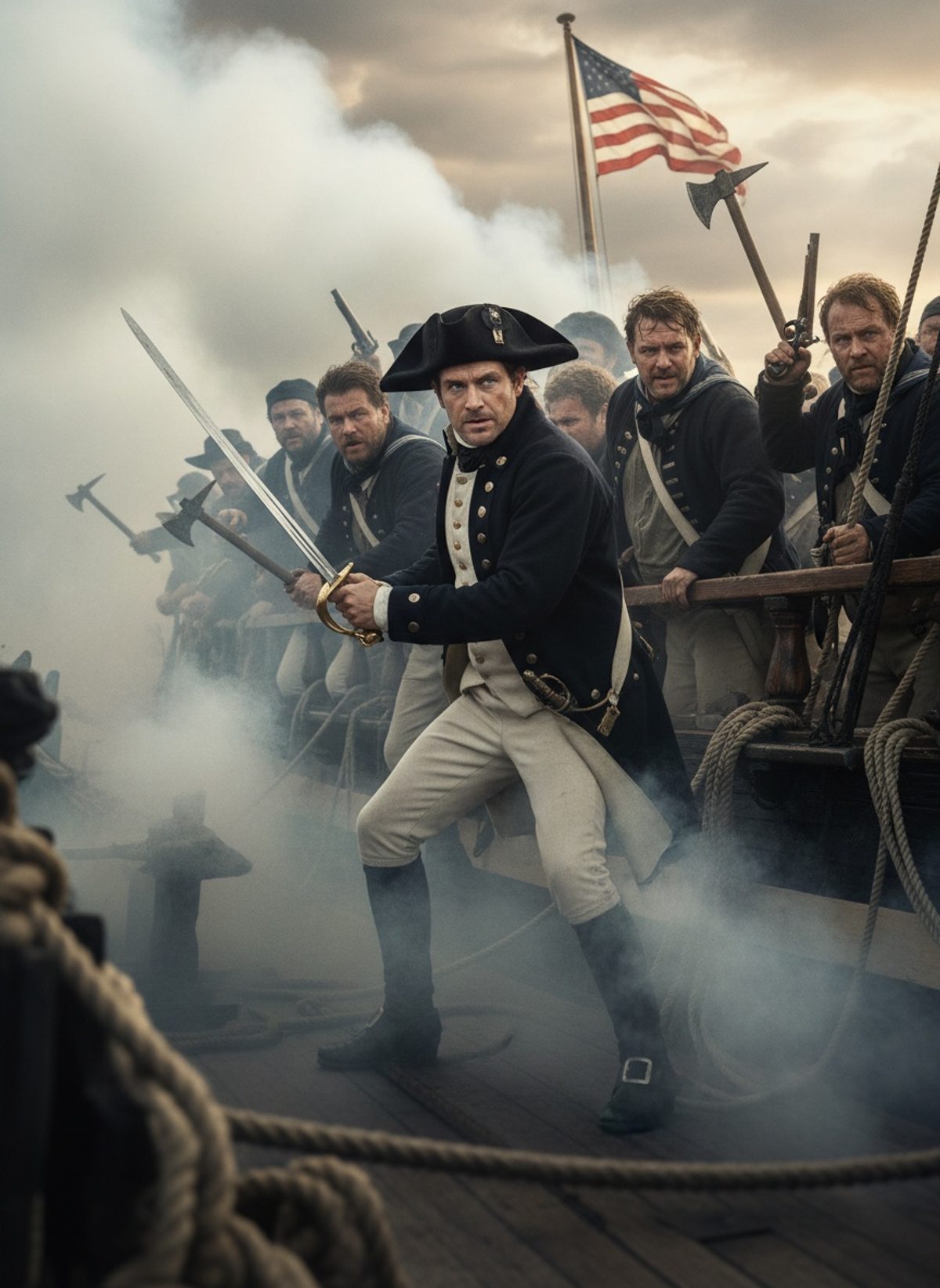
Then, in a scene that seemed torn from epic naval lore, Captain Broke led his men in boarding the Chesapeake. Armed with a saber, he personally vaulted onto her deck. The confrontation that ensued was close, frenetic, and devastatingly effective. Broke, embodying the spirit of Nelsonic courage, cut his way through the American defiance with calculated ferocity. The engagement, already doomed for the Americans, met its close swiftly as Broke's relentless advance stifled any possible resurgence. Soon, the Union Jack fluttered triumphantly above the captured Chesapeake and the once-boundless American optimism was forced to concede temporary supremacy.
The Aftermath: A Duel's Legacy
News of the Shannon's victory rippled across the Atlantic and stirred Britain from its gloom. For a fleeting week, cheers resounded from naval yards to Parliament, a sound sweeter than any score marked on paper. Britain, clutching eagerly to its proud maritime pedigree, found solace in a victory hard-earned against an audacious new rival—a reminder that its once-unchallenged naval hegemony could still flex formidable muscle.
Read next: When HMS Euryalus Brought the Fleet Home After Trafalgar
Yet, the engagement at Boston Harbor wasn't merely a single battle waged on waters, but the apex of a transformative moment. For the Royal Navy, it was a critical restoration of pride amid the unrelenting pressure of the Napoleonic efforts across Europe. For the US Navy, despite the defeat, the encounter underscored the value of having formidable training and preparation, lessons eagerly absorbed for future conflicts.
Captain Broke, grievously injured in the melee, would wear the laurels of his victory with the dignity of a warrior king crowned by his own might. The Chesapeake-Shannon duel marked an inflection point in naval warfare and the broader war—a duel that begged to be remembered not just for its tactical unfoldings, but as a fervent assertion of human daring, discipline, and the undeterrable quest for mastery over the waves.
In the enigmatic embrace of history, some stories echo louder than the clamor of sea battles. They serve as reminders not just of past conquests, but of the long reach of legacy into the spine of national identity. The tale of HMS Shannon and USS Chesapeake continues to ripple through the annals, a stark testament to the mercurial fortunes that war can bestow and the undying valor that men at sea display when the world tilts unnervingly within their grasp.