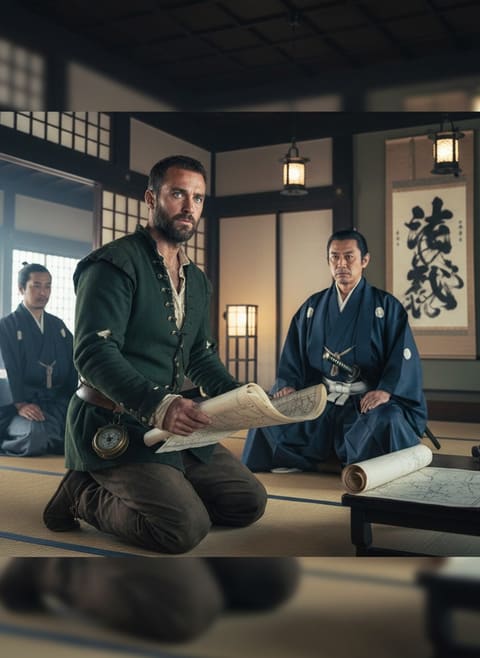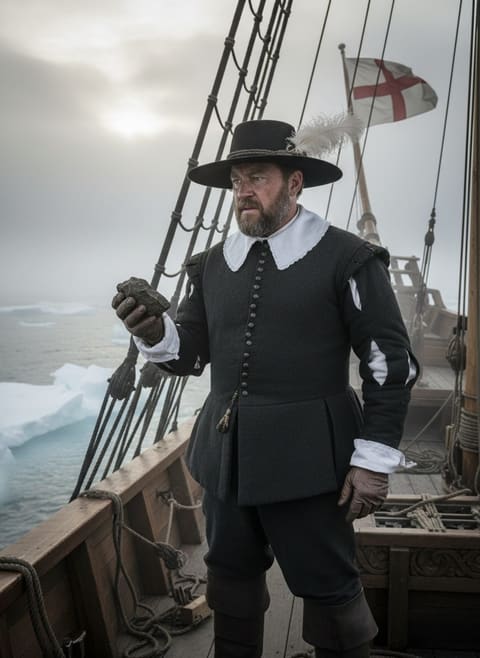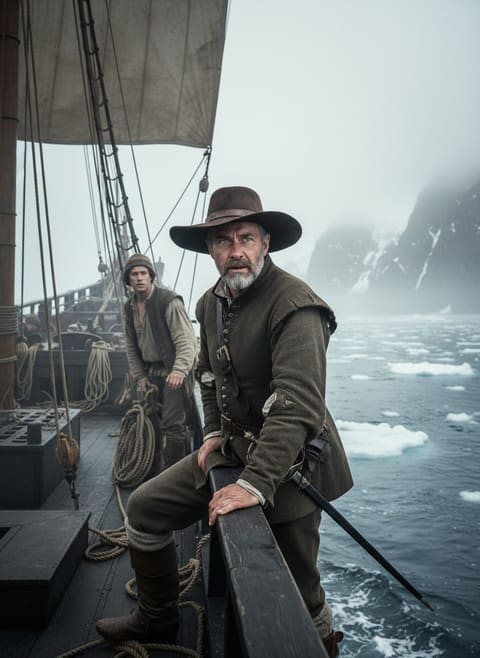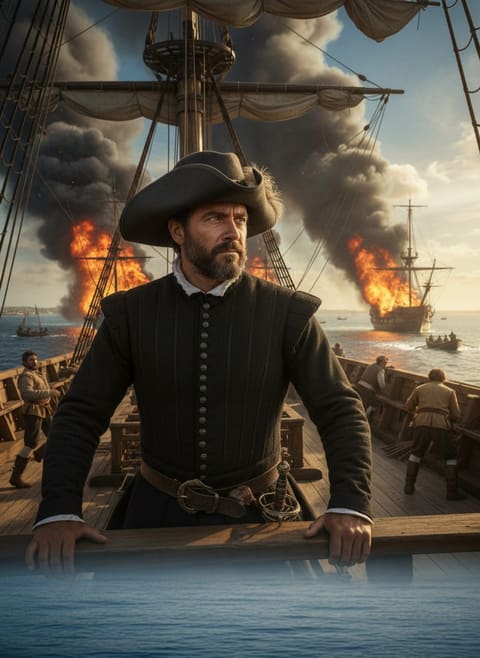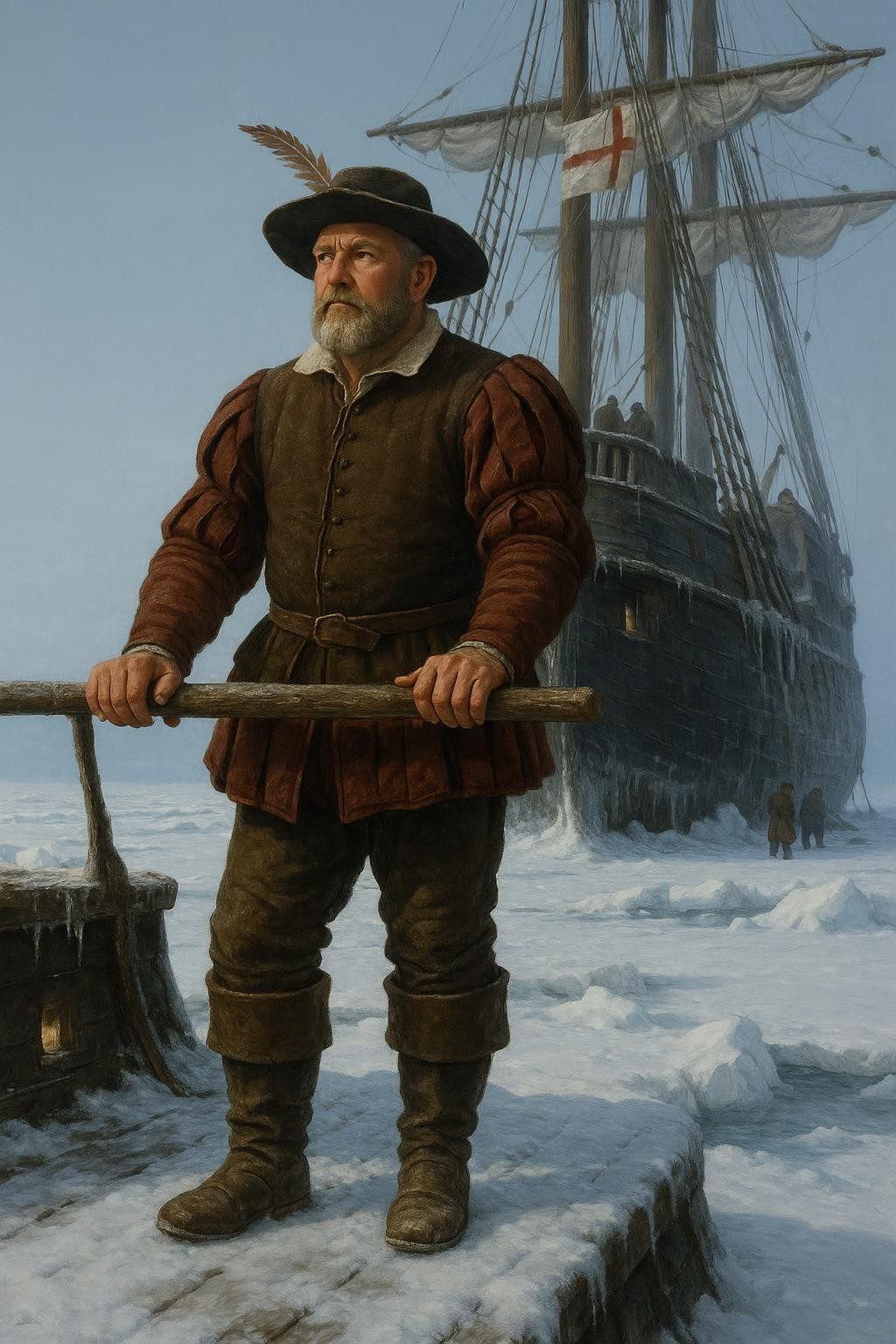
He had never ventured into icy waters before. Sir Hugh Willoughby was a soldier with no prior sea captaincy experience, yet he would lead an expedition into one of the most treacherous environments known to man.
The Bold Gamble for Glory
As the Tudor reign sailed toward modernity, England was desperate to find new paths to prosperity. In a gamble that could elevate the kingdom to match the likes of Spain and Portugal, a venture was launched to discover a viable northern sea route to China. This bold stride forward in 1553 was tasked to Sir Hugh Willoughby, a man whose qualifications could be questioned but whose daring spirit was admired. Yet, what made Willoughby an odd choice for such a perilous mission? While his military background painted him as a man of discipline and bravery, he scarcely understood the capricious nature of the northern seas.
Backed by the Muscovy Company, England's first major joint-stock company, the mission was to open trade with the distant lands of the East. The stakes were colossal, and the success of this foray could transform England's fortunes. To lead the expedition, Richard Chancellor, a competent navigator, accompanied Willoughby. He was appointed pilot major, but it was this unusual duality in leadership that would soon face its first trial against northern leviathans—the elements themselves.
Into the Great Unknown
The journey began as many great adventures do: with fervor and high spirits. As three ships steered northeast, leaving the familiar shores of England behind, they sailed toward mysteries painted on old mariner charts. Cannonball-shaped clouds rolled across the sky, casting shadows over the curious explorers. The gentle sway of the sea was a deceit, for ahead lay endless tumult and icy peril.
Read next: When Hugh Willoughby Sailed Into the Arctic and Never Came Back
Willoughby and his men were to discover what no Englishman had before—a navigable route through the Arctic circle—but the journey itself became an odyssey. The ships managed to weave through the North Sea, reaching the northern ports of Norway. However, beyond the Scandinavian clasp, as the vessels ventured further, an unexpected foe struck: the White Sea's merciless frost.
Separated by a storm, Willoughby pushed forward despite the loss of contact with Chancellor's ship, the "Edward Bonaventure." His determination was relentless but uncontainable. As the winds howled and icebergs bore down, the environment proved a terrifying foe, whispering a warning that went unheeded.
The Silent Damnation
The Russian Arctic's embrace had a cruel lesson for the eager Englishmen. As winter tightened its grip, the seas twisted into a cacophony of jagged ice. The two ships under Willoughby's command, embattled by the cold, halted near the River Arzina, desperately clinging to the hope of spring.
The months crawled by, and the sun’s presence dwindled to a thin glow on the arctic horizon. With supplies dwindling and the biting frost consuming flesh and spirit, Willoughby and his men succumbed. In numbing eerie silence, they froze at their posts, enshrined by the very elements they had hoped to conquer.
It wasn't until the ice thawed that Russian fishermen happened upon the ghostly vessels. This tableau of tragic stillness chilled the heart; the entire crew remained locked in their positions, an open logbook capturing the finality of their struggle, a half-finished sentence suspended eternally beside frozen hands still clutching quills.
Read next: When Francis Drake Knelt in a Stolen Ship, 1580
Whispers from the North
The fate of Willoughby and his men shocked Europe. The thought of brave explorers encased in a silent arctic tomb mesmerized and frightened those who dreamed of plundering new worlds. Details of their struggle traveled back with the returning ship captained by Chancellor, who had safely reached Moscow and secured new trading prospects—with the landlocked Russian tsardom rather than China.
The news inspired fear as much as curiosity. The perilous attempt was turned into cautionary tales, yet it did nothing to dim the English ambition. Willoughby's mission, however doomed, acted as a forge, emboldening future voyages determined to map unknown realms.
A Legacy Cast in Ice
The disgruntled expedition of Hugh Willoughby crumbled, buried beneath sheets of ice, yet the daring endeavor inflamed the annals of exploration. It introduced a boldness that would steer future English exploits—unwavering, no matter what perils lay in wait. Though his tenure at sea ended tragically, Willoughby’s venture announced that England would no longer linger behind its European contemporaries. Cloth-covered charts were drawn, re-charted, and navigators revisited tales of the voyages that were never supposed to end.
This haunting saga is a telling reminder that history rarely dances to the whims of human design. The enveloping silence that the Russian fishermen discovered was not just of cold and quiet but one of unveiling. No longer could men merely conquer and assume; they had to listen, learn, and respect the forces unconquered. When Sir Hugh Willoughby sailed north, he sought a passage through ice, yet found only the timeless mystery that every explorer faces—the uncertain edges of the world. What was lost in frost found permanence in legend, a reminder of the relentless pursuit of horizons unseen.