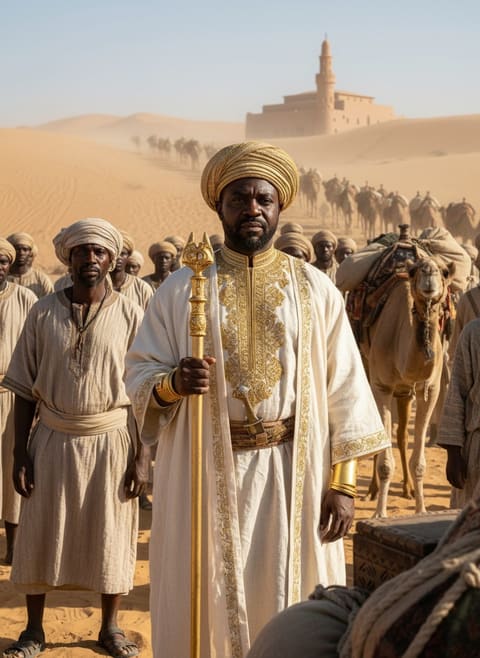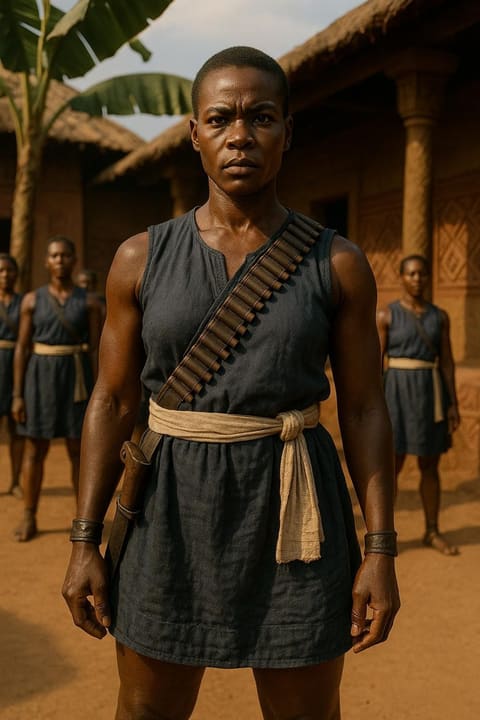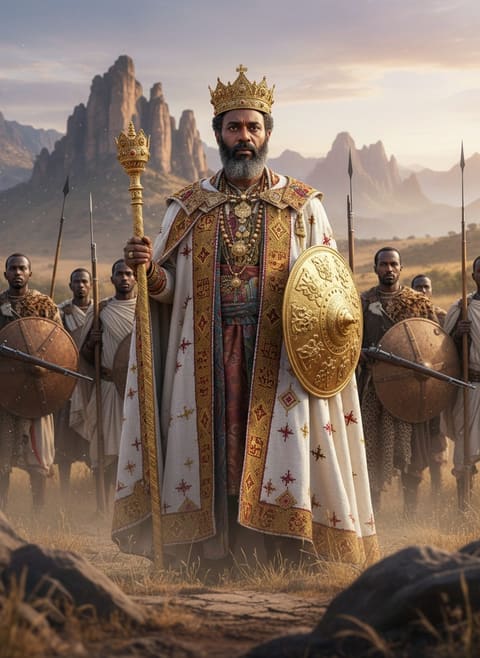
Queen Amanirenas had lost her left eye. Yet, she stood unwavering before the Roman emissary in 24 BC.
The One-Eyed Queen and Her Kingdom
The Kingdom of Kush, nestled along the Nile just to the south of Egypt, was under the formidable rule of Queen Amanirenas during the late 1st century BC. This fierce queen, one of the Candaces—a title for Meroitic queens—was more than just a ruler. She was a warrior, a diplomat, and a symbol of resilience. Aesthetically, Kush was known for its pyramids and sophisticated ironwork, but it was their queen who added an indelible mark on history that surpassed the architectural marvels of Meroe.
In the face of imperial expansion, Augustus, the first Roman Emperor, sought to extend his reach into Nubia. In 25 BC, the Romans under the command of Gaius Petronius invaded, capturing the city of Napata, the royal Kushite city. Yet Amanirenas, possessing a will of iron despite her injury, stood defiant. Her decision to lead her warriors from the front lines was not just symbolically powerful; it was literally disarming to their enemies. Known for her strategic acumen, Amanirenas spearheaded a counterattack driving the Romans out, a feat not widely recorded in Rome's historical annals. This was more than conquest; it was a fierce declaration of autonomy.
A Resistance Rooted in Culture
The tale of Amanirenas goes beyond warfare. It dwells on a culture that cherished powerful women and recognized their potential to lead. In the Kingdom of Kush, the Candaces were no mere ceremonial figures. They wielded great power, co-ruling alongside kings, sometimes surpassing them in influence. The Meroitic society embraced this matriarchal linchpin with open arms.
Read next: Ahmad Baba Was Chained. He Taught From His Prison Cell.
Kush, known for its close interactions with Egypt, had a history of women rising as regents and warriors. This deep-seated respect afforded by their societal structure provided Amanirenas the legitimacy and support required to confront Rome. By delivering a peace treaty on her terms, she effectively preserved Kushite sovereignty. Her influence extended a shield over the cultural integrity and the economic independence of her people, maintaining trade routes and diplomatic exchanges with territories extending beyond the immediate threat of the Roman Empire.
The Meeting that Defied an Empire
When the dust settled post-battle, an extraordinary meeting was called in 21 BC in the Roman camp at the border. On one side sat the intimidating Roman envoy, sent by an emperor who had subdued nations across the known world. On the other stood Amanirenas, undaunted and armed with the scars of her resistance. In her hands, she bore a potent symbol—a quiver of arrows, which she cast at the feet of her adversaries.
The message was as unconventional as it was unmistakable: these were the arrows of battle, and she offered them in exchange for peace. Yet, the symbolism was as two-edged as her own spear; if Rome chose aggression, these arrows would be aimed back at them. The Roman representatives, perhaps unfamiliar with this depth of defiance from what they deemed an inconsequential state, understood the prowess and resolve with which they dealt.
Read next: He Stood Before the Sultan. He Refused to Kneel.
The negotiations culminated in a treaty wherein both parties agreed on matters that astound historians to this day. Rome pulled back its forces to the shores of the Aswan, relinquishing control over territories it had aimed to integrate. Amanirenas had secured a truce unheard of between Rome and an African entity, demonstrating how negotiation commanded through strength secured a future without further Roman incursion.
The Legacy Beyond Borders
The legacy of Queen Amanirenas is not etched merely on the steles of Kush, but lives on in the lessons she provided the world. The tale of a monarch who stood against an empire teaches that courage coupled with wisdom can alter the trajectory of history. It is a story about an African kingdom whose walls were made of perseverance, which outlasted the ambitions of the world's mightiest forces.
As empires rise and fall, Amanirenas' legacy is a stark reminder of the power inherent in standing unyielding, the importance of self-determination, and the defiance in confronting systemic aggressors. Her victory lies not only in battle but in the indomitable spirit she willed upon her people, crafting a defined identity that echoes into the narrative of strong women throughout history.