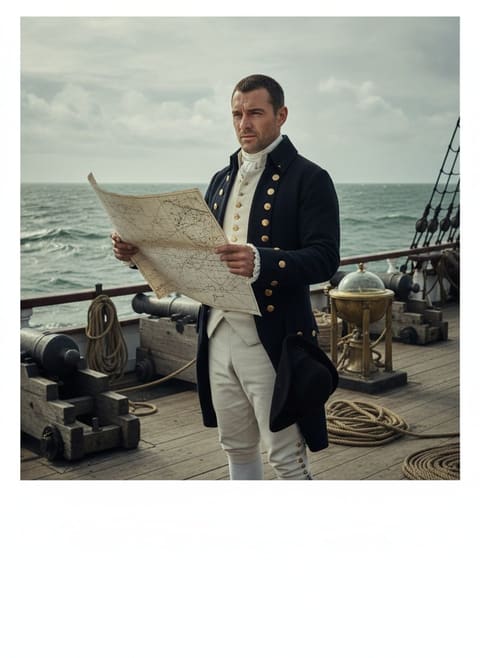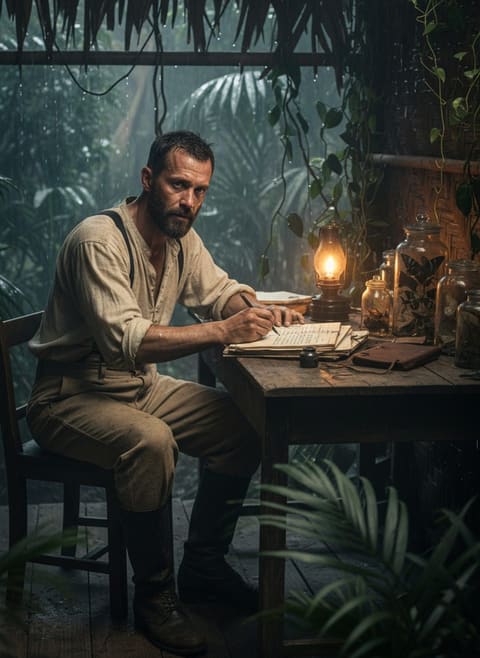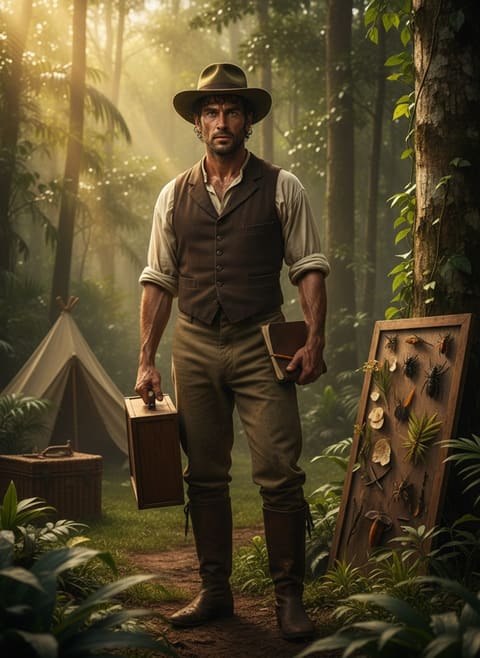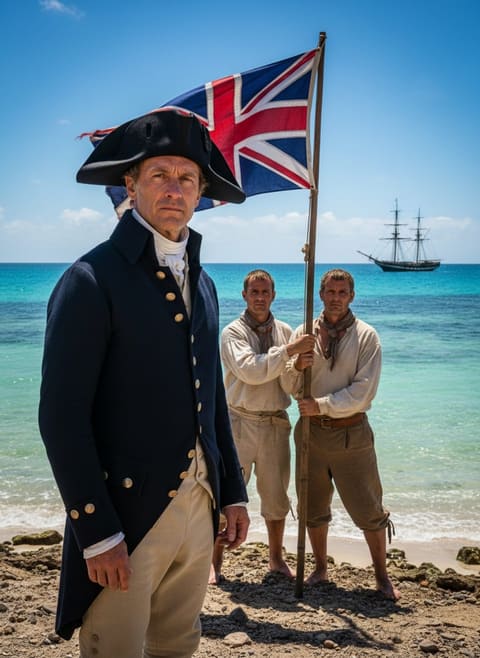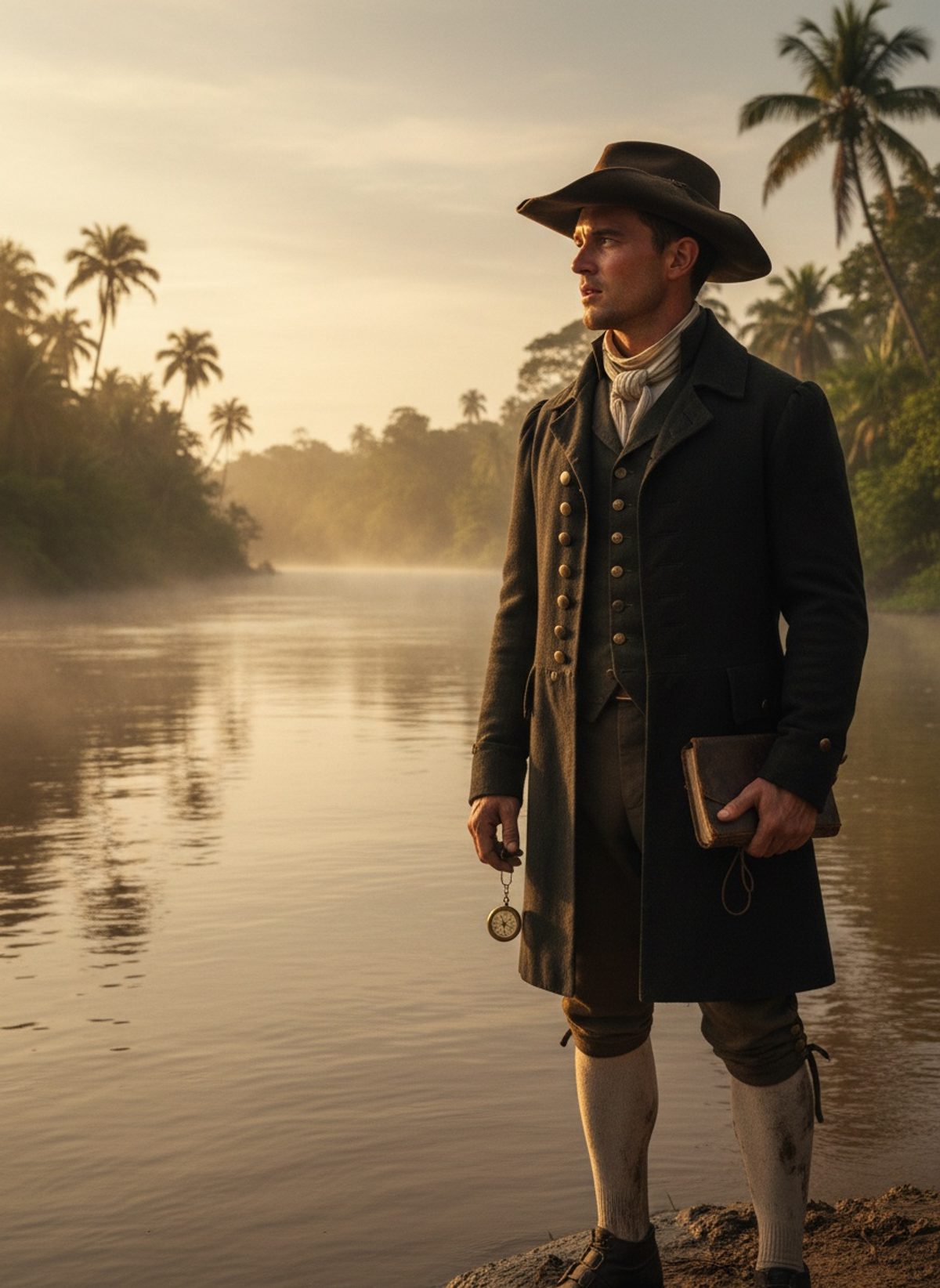
The coast of Scotland, rugged and unforgiving, reflected a somber sky; its vastness stretched into the foggy distance, where the North Sea waited in steely grey repose. In the garden of a modest Selkirkshire home, a young Scotsman stood, his breath visible in the chill autumn air. The village sounds of the morning — the clatter of hooves on cobblestone, the distant bleat of sheep — seemed a world away from the wild dreams threading through his mind. He fingered the edges of a plant he’d picked, eyes narrowing in contemplation. Mungo Park was just seventeen, and by simple chance, or perhaps destiny's nudge, this morning's botanical curiosity would sew the seed of audacity that led him to resolve the greatest geographical mystery of his age: the true course of the Niger River.
The Preparation: A Young Mind in Search of Discovery
At seventeen, Mungo Park was still tethered to Scotland by the ties of family and obligation. But the limits of Selkirkshire's familiar pastures, bordered by the ever-present hum of the conventional life, only infused his heart with a restless yearning. Most of his peers dreamed of modest roles within their homeland; Park dreamed of Africa. It was a longing not born from stories of grandeur or illusions of wealth that characterized the era's adventurers, but a profound curiosity about the unknown.
By 1795, the tapestry of exploration was threaded with tales of derring-do and debunked myths. Yet Africa remained, to Europe, a continent drawn in broad, uncertain strokes, its mysteries guarded by tales of lethal fevers and hostile terrains. Specifically, the origin and course of the Niger River tantalized the greatest geographical minds of Britain. Scholars and seasoned explorers alike conjectured, theorized, but none dared confirm the river’s trail. Into this void stepped young Park, audaciously alone.
His preparations were minimal, yet not careless. Park knew the value of adapting, of reading the land and its people, skills that he sharpened under the tutelage of surgeons and botanists. The practical knowledge of medicine and sustenance would prove essential, but wisdom lay in his approach. Rather than attempting to conquer, Park chose to understand. He secured a compass, a horse, and a will to meet the people of Africa with respect and curiosity. He commanded no army, carried no privilege of force — only the slender shield of knowledge.
Read next: The Day a Norfolk Captain Mapped the Edge of Antarctica
The Journey: Steps Into the Unknown
Setting forth in 1795, Park’s solitary trek into the African interior defied the prevailing paradigms of exploration. Most would rely on official expeditions, aided by gunpowder and imperial backing, but Mungo walked a different path. He was no emblem of colonization; he was but a humble traveler with unquenchable curiosity.
Swallowed by the immensity of the African landscape, Park experienced a spectrum of natural wonders. The rustle of the savannahs beneath fierce, unyielding suns, the serenades of unseen wildlife, and the hallowed silence under star blankets were his guides. He forged through merciless deserts and storm-fed rivers, reaching villages where few Europeans had ventured before. His journey was not without trials — his German-born guide perished early, leaving Park isolated but undeterred. A punishing fever lay him low more than once, and still, luck or tenacity saw him through.
Yet not all his encounters were hostile. Park’s diligence and respect won him allies among the nomadic Fulani and meticulous Mandinka. These people became his network, extended family in a land untamed and beautiful. Listening to their stories, learning their ways, Park fashioned himself a bridge between worlds while remaining a foreigner.
The day he stood at the bank of the Niger, cresting at the forefront of the known world, Mungo Park was not a conqueror but a humbled learner, witnessing a flowing truth of his age. He penned his observations, inscriptions of awe at the river's silent power, and sent them back to astonish the classrooms and coffee houses of Britain.
Read next: The Day a Devon Sailor Charted a Continent From the Sea
The Return: Revolutionizing the Perspective
Park returned from the brink of the world, not a wealthy man but richer in wisdom than many could claim. His accounts, brought back to the echoing lecture halls of England, bore stories of a ribboned river glistening under patient suns, of civilizations where Britain saw voids. His words reshaped ignorance into knowledge, a catalyst for curiosity and respect in place of fear.
His recollections — transcribed into a narrative both scientific and humane — unveiled African cultures in startling detail. Britain learned not only of the Niger’s true course but of the thriving societies that flourished along its banks, defying assumptions of a simple, savage interior. Mungo Park, that unassuming Scots surgeon, became the vessel of a message as timeless as the currents he mapped: the Earth and its people held more wonder than fables could ever frame.
The lessons of Mungo’s journey resonate still, echoing across the centuries to our modern understanding of exploration. His story unfolds a truth often forgotten — discovery needs not an empire's flag, nor a trail of force, but a heart open to wonder and a mind ready to learn. Mungo Park stands less as a figure of colonial ambition and more as an early voice for mutual respect between all Earth's peoples. His journey to the end of the known world changed Britain's perspective, hinting that perhaps boundaries are but figments of imagination, waiting to dissolve in the light of discovery.