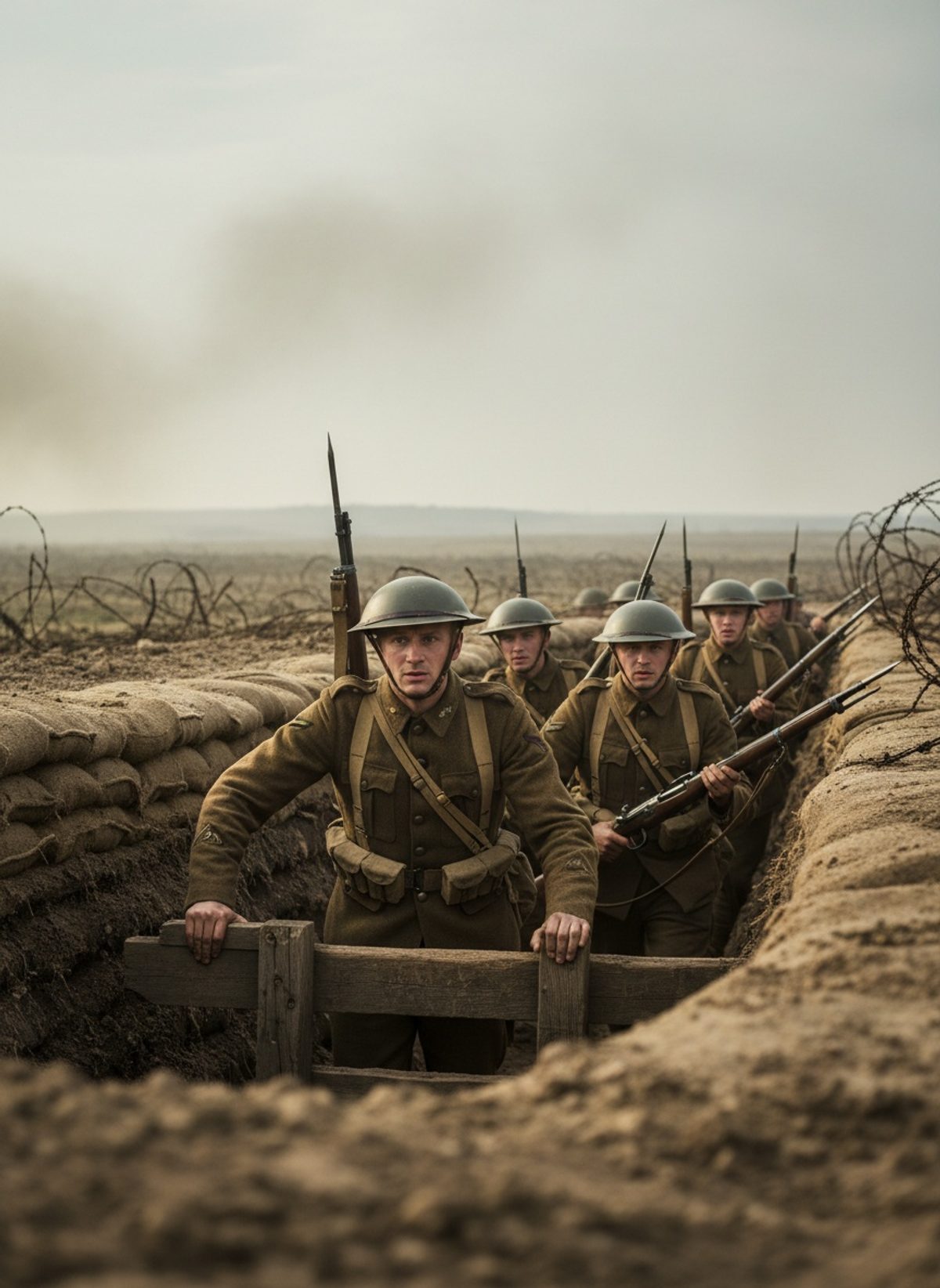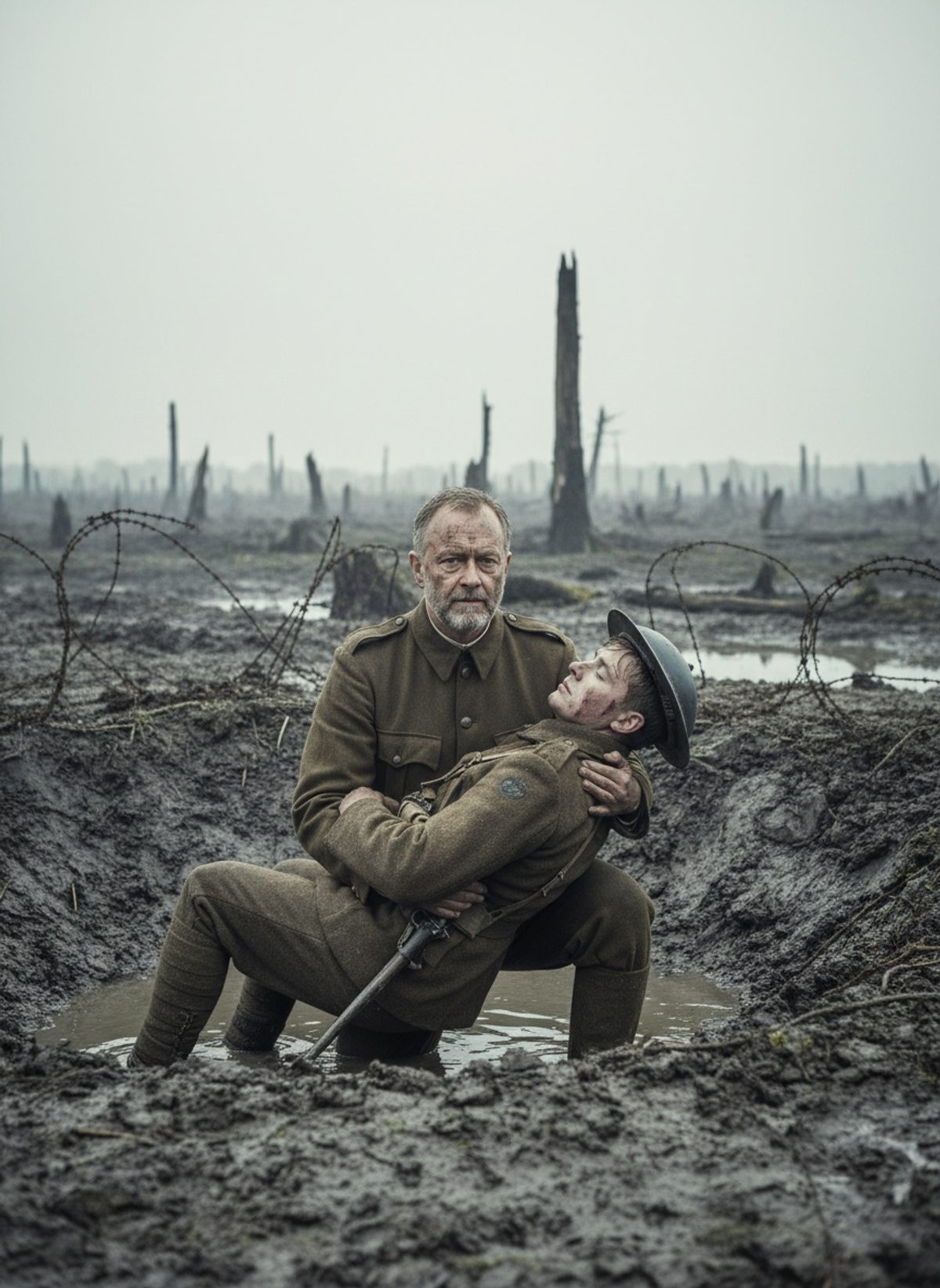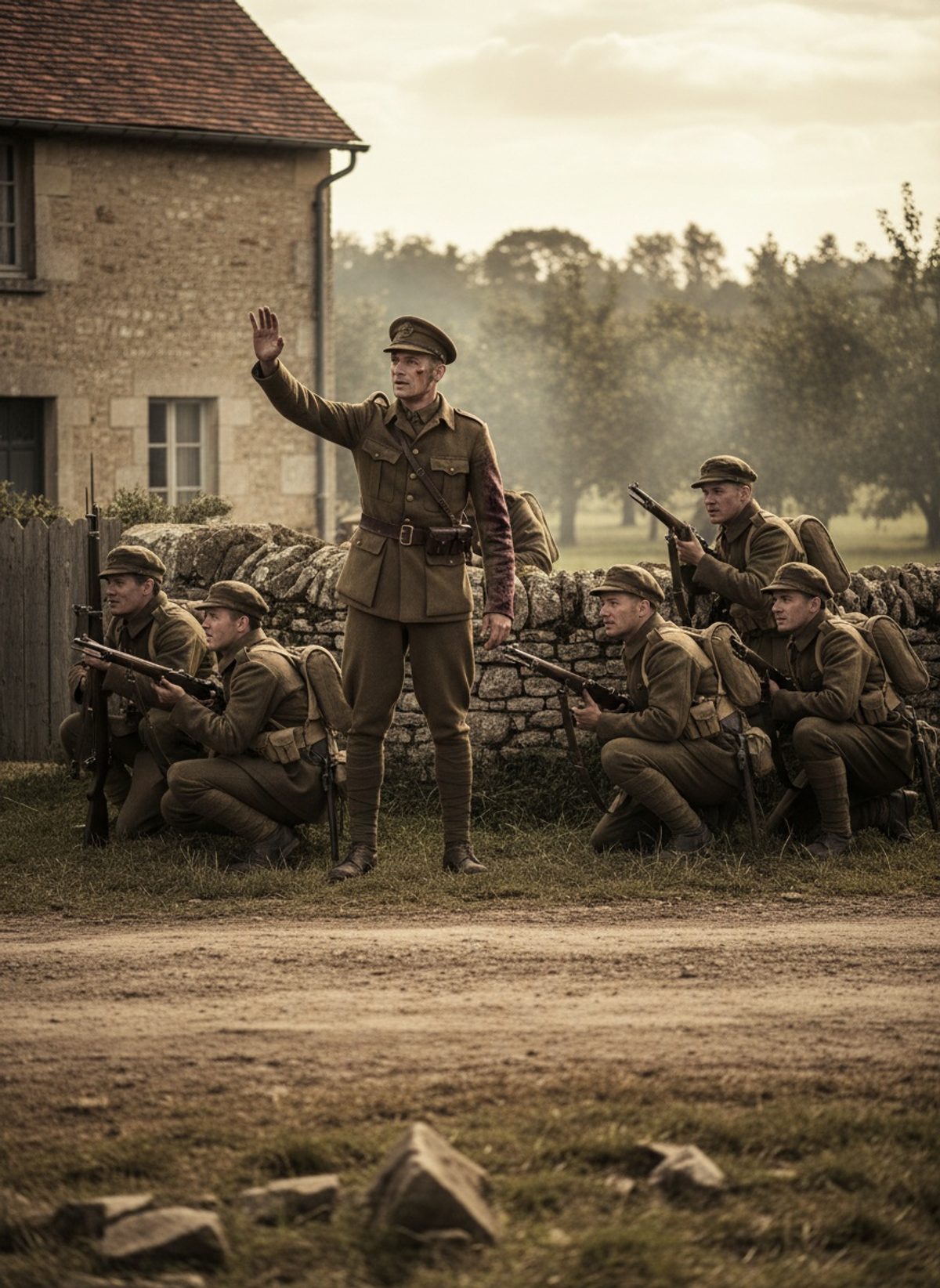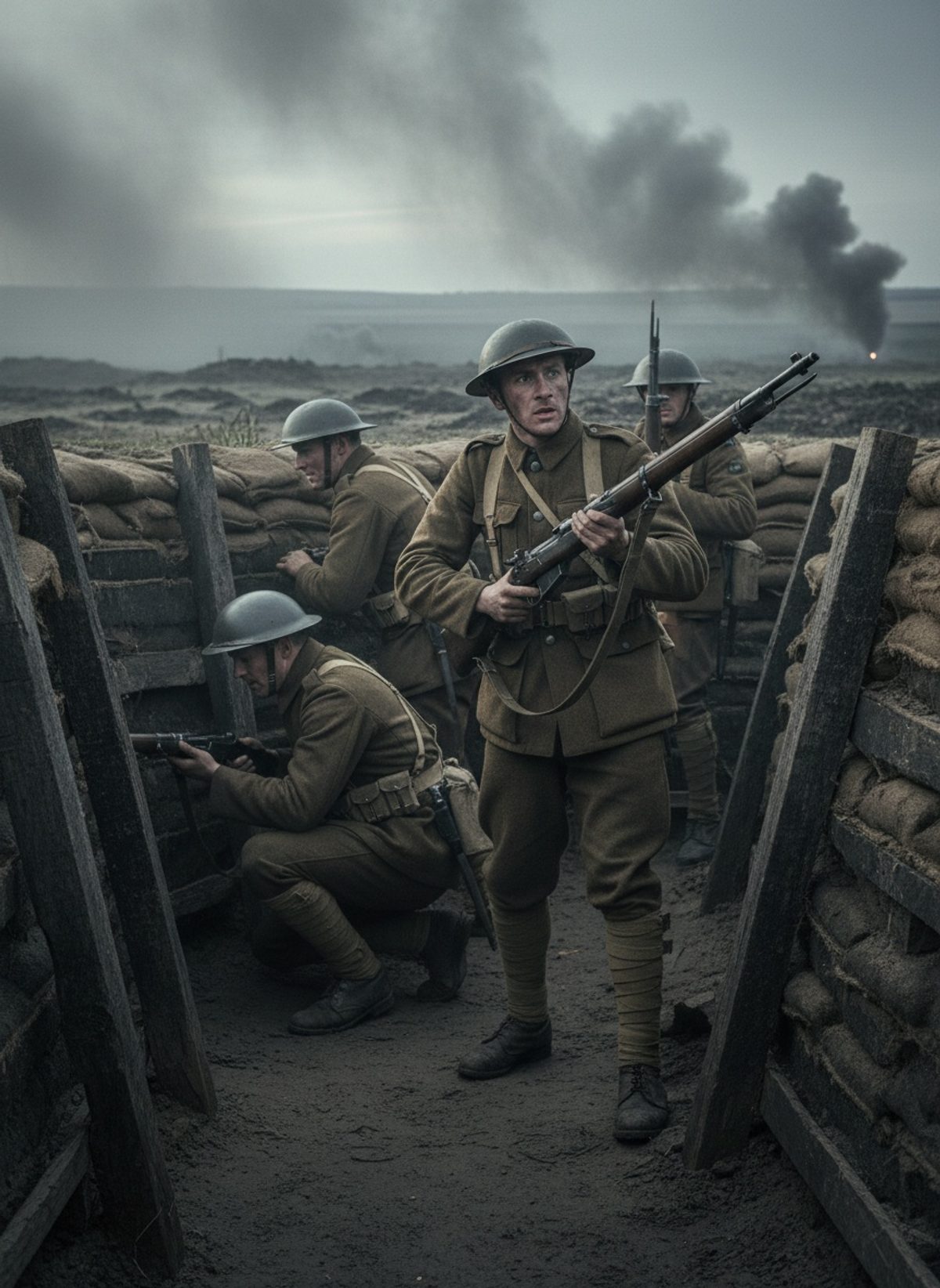
July 1, 1916. The earth trembled beneath the boots of thousands of young men.
The Dawn of Devastation
The morning sun rose over the trenches of the Somme, casting long shadows on landscapes battered by months of artillery. This was to be the day when the Allied forces would make a significant push against German defenses. Among the countless regiments preparing to go over the top was the 36th Ulster Division, made up largely of men from Northern Ireland. These soldiers, fueled by determination and a sense of duty, faced the dawn with a mix of trepidation and fierce resolve.
The Schwaben Redoubt, a heavily fortified German position, stood defiantly against the horizon. It was a pivotal point in the German defensive strategy, bolstered by machine guns and a network of deep trenches. As the barrage ceased, the Ulstermen advanced, driven by a combination of discipline and raw courage. Through no-man's-land they charged, the air thick with the acrid smell of gunpowder and earth.
In one of the war's rare glimmers of success, the 36th Division broke through. Their tenacity and doggedness paid off as they overran the forward German lines, penetrating deep into enemy territory. The capture of the Schwaben Redoubt was a momentous achievement, yet as cheers rose in triumph, the harsh reality set in. The divisions that were supposed to advance on either side had faltered, leaving the Ulstermen isolated in a sea of entrenched hostility.
Read next: The Day a Stretcher-Bearer Walked Into a Gas Cloud for a Stranger
Surrounded but Unyielding
With a fresh vantage point, the men of the 36th Division looked out across the grueling, cratered landscape, only to realize a horrifying truth: they were surrounded. Deprived of support on their flanks, they faced the daunting prospect of holding their position as German forces regrouped to counterattack. Ammunition ran low, and the men found themselves with empty rifles in their hands.
Yet, the Ulstermen held firm. They repelled wave after wave of counterattacks, using bayonets, shovels, and whatever scraps of artillery they could muster. The courage displayed by these men, many of whom were answered the call from small towns and rural communities in Ulster, was nothing short of legendary. Tales of their steely determination spread like wildfire, etching their deeds into the annals of history.
Reports from the time remark on the grim endurance of the 36th Division as they fortified their precarious hold. Despite the overwhelming odds, their morale remained unbroken. They sang, prayed, and stood shoulder to shoulder, exemplifying a potent blend of camaraderie and defiance, deeply rooted in their shared identity.
Echoes of the Past
As the day wore into night, reinforcements finally arrived, allowing the beleaguered 36th Division to extricate themselves from their perilous position. The cost was devastating; thousands lay dead or wounded, and the division itself was severely depleted. But their sacrifice was not in vain. The successful capture and temporary holding of the Schwaben Redoubt by the Ulster Division provided invaluable intelligence on German tactics and fortifications, contributing to future advances.
In Ulster, the valor and sacrifice of these men became part of a legacy that would echo through generations. Despite the grand narrative of the Battle of the Somme often highlighting the loss suffered by the Allies, the story of the Ulster Division stands as a singular account of success in an otherwise catastrophic day. It serves as a poignant reminder of the fortunes of war, where triumph and tragedy are separated by the thinnest of margins.
The night the Ulster Regiment held the Somme with empty rifles is a testament not just to military strategy but to the power of human spirit in times of unimaginable adversity. It is a chapter they left out of the textbooks but remains etched in the heart of a land and its people. This is why their story still matters—a bridge connecting past generations' courage to our collective identity today.