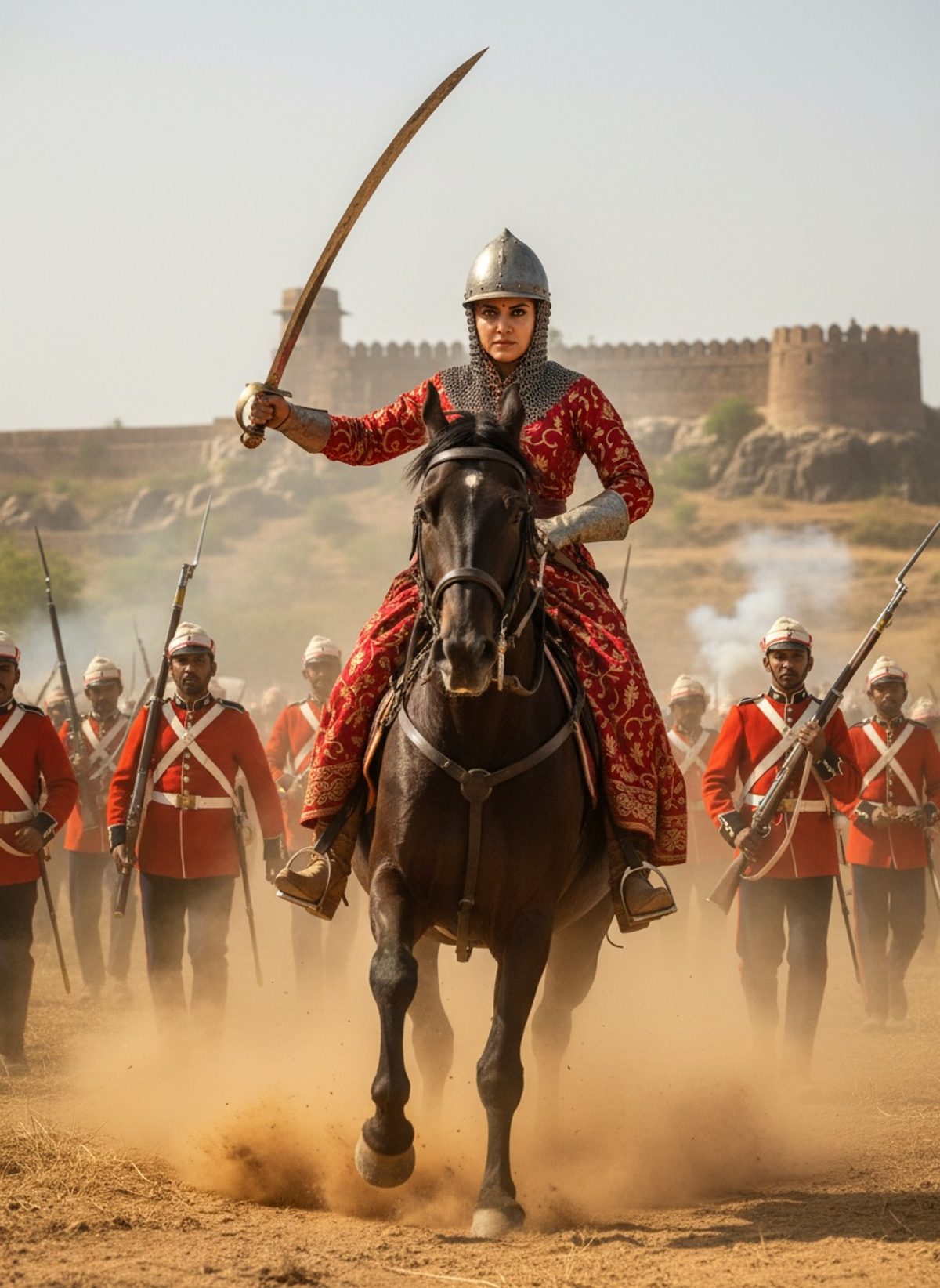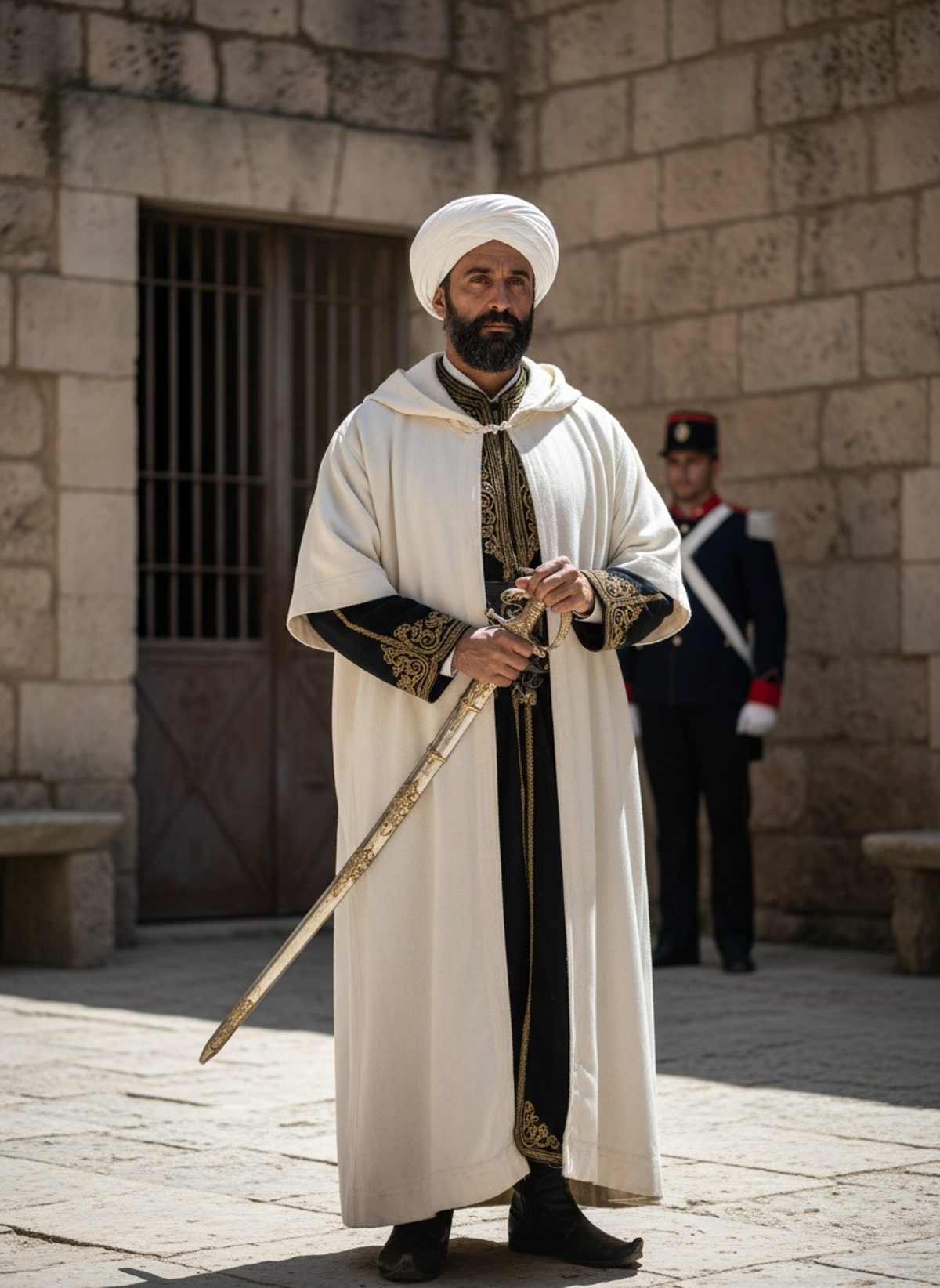
Algeria in 1847 was a land draped in resistance, the emerald of its highlands and the ochre of its desert sands mingling under a sun that beat unrelenting. The clamor of horse hooves and the far-off murmur of prayers filled the air, as if the very earth reverberated with the struggles that had stained its grounds for fifteen years. Here, among the peaks and valleys of this North African frontier, a man named Abd el-Kader became more than just a leader; he became a legend. His was a defiance that rallied tribesmen and believers, and his image loomed over the French colonial ambitions like an indomitable shadow.
For over a decade, the heart of Abd el-Kader fortified Algerian resolve against the encroaching advances of French imperial ambitions. His strategies were as sharp as the unforgiving winds that swept through the Atlas Mountains, where he maneuvered like the elusive desert fox he was said to emulate. From the citadel of his fortified caves and avoidant strategies that puzzled the French at every turn, Abd el-Kader's resilience frustrated an empire, his name whispered with equal parts reverence and trepidation across the dining tables of Paris and beyond.
Yet even the most steadfast warrior understands the tides of battle. The unyielding pressure of the French forces, coupled with resource deprivation, inevitably shifted the sands upon which Abd el-Kader's struggle stood. With an eye still steeled on the essence of survival and dignity, he extended a hand not in resignation, but in tactical acquiescence. Abd el-Kader surrendered, but not without one condition – safe passage for himself and his loyalists to an Arab country of their choice. The promise was explicit, a testament supposedly inscribed with the integrity worthy of nations. Abd el-Kader, in an act transcending mere surrender, chose the hope of future over the grim certainty of the present.
But the ink of treaties is only as permanent as the honor of those who sign them. The French, seeing an opportunity to bring this weary chapter of their colonial expansion to a victorious close, reneged on their promise. Abd el-Kader and his entourage found themselves not delivered to a land of chosen refuge but rather ensnared by the looming iron bars and stifling confines of a French prison. It was a betrayal sung in the annals of history with the metallic clang of chains that did not bind a man, but faith itself.
Read next: When Boudica Burned Roman London to the Ground, 60 AD
This folly did not go unnoticed. The capture and imprisonment of Abd el-Kader reverberated beyond the Algerian borders, a cause célèbre that ignited sympathies even among France's great rival, the British Empire. In a gesture rare and profound, Queen Victoria of the United Kingdom, herself no stranger to the trappings of imperial rule, extended a token imbued with the very honor the French themselves had lost – a sword. Its blade was not just metal forged to cut, but an emblem of the respect Abd el-Kader had garnered even from enemies. It glittered defiantly under the European skies, a sharp, unsheathed acknowledgment of Abd el-Kader's valor and the principles he fought to embody.
The world's gaze was now firmly fixed on France, scrutinizing its faltering pretense of justice. For a man who had defended his homeland with nothing but limited resources and deep convictions, the confines of a cell could not diminish him. If anything, his imprisonment became an inadvertent podium on which the greater cause of liberty and faith was elevated for the world to ponder.
Indeed, the echoes of Abd el-Kader's spirit refused to be silenced. The legend that he was shone brighter in the hearts of many who yearned for freedom, louder than the clangor of his French-made chains. It was an echo that resonated into the Victorian parlors of the British Isles, where tales of his noble bearing guided conversational tapestries towards themes of ethics and imperial conduct.
An empire's honor was called into question, rekindling a fragile introspection amidst the age of imperialism. Abd el-Kader, by the very virtue of his tribulations, shed light upon the hypocrisies of colonial enterprises, making manifest the intricate dance between power and integrity that nations are forced to navigate. The sword, a symbolic gesture from a queen, stood testament to the universal truth transcending national divides: honor, once lost, begged for redemption.
So, why remember Abd el-Kader's story? Why elevate the tales of promises broken and legends made? Because they remind us that the true measure of a person, or indeed, an empire, is revealed not in moments of conquest, but in the integrity of promises kept. The legend of Abd el-Kader endures, a narrative of resistance and honor that serves as a stark reflection on the core values underpinning human society. In the end, it challenges us to reconsider the legacies we forge and the true price of power within the chronicles of history.