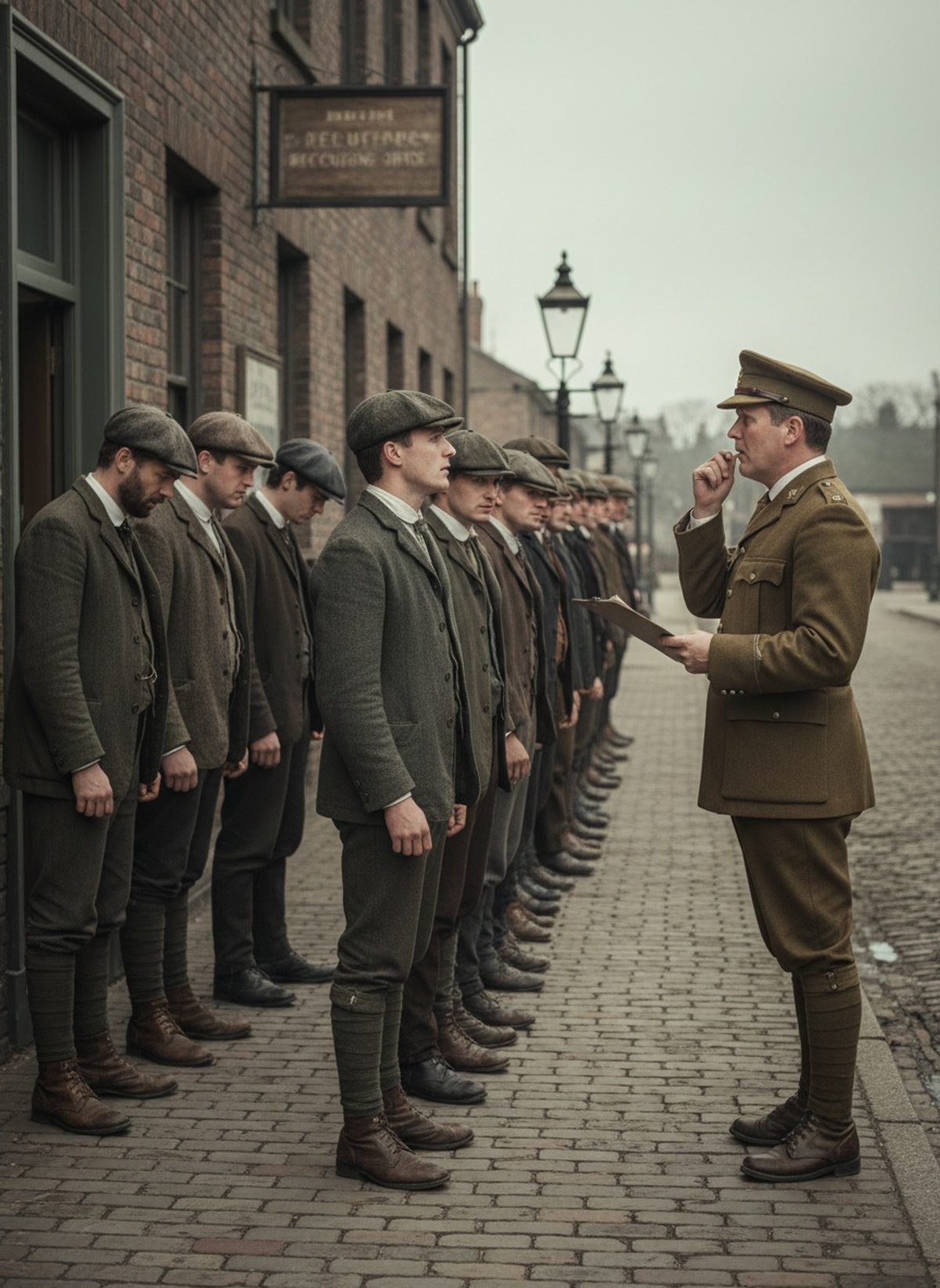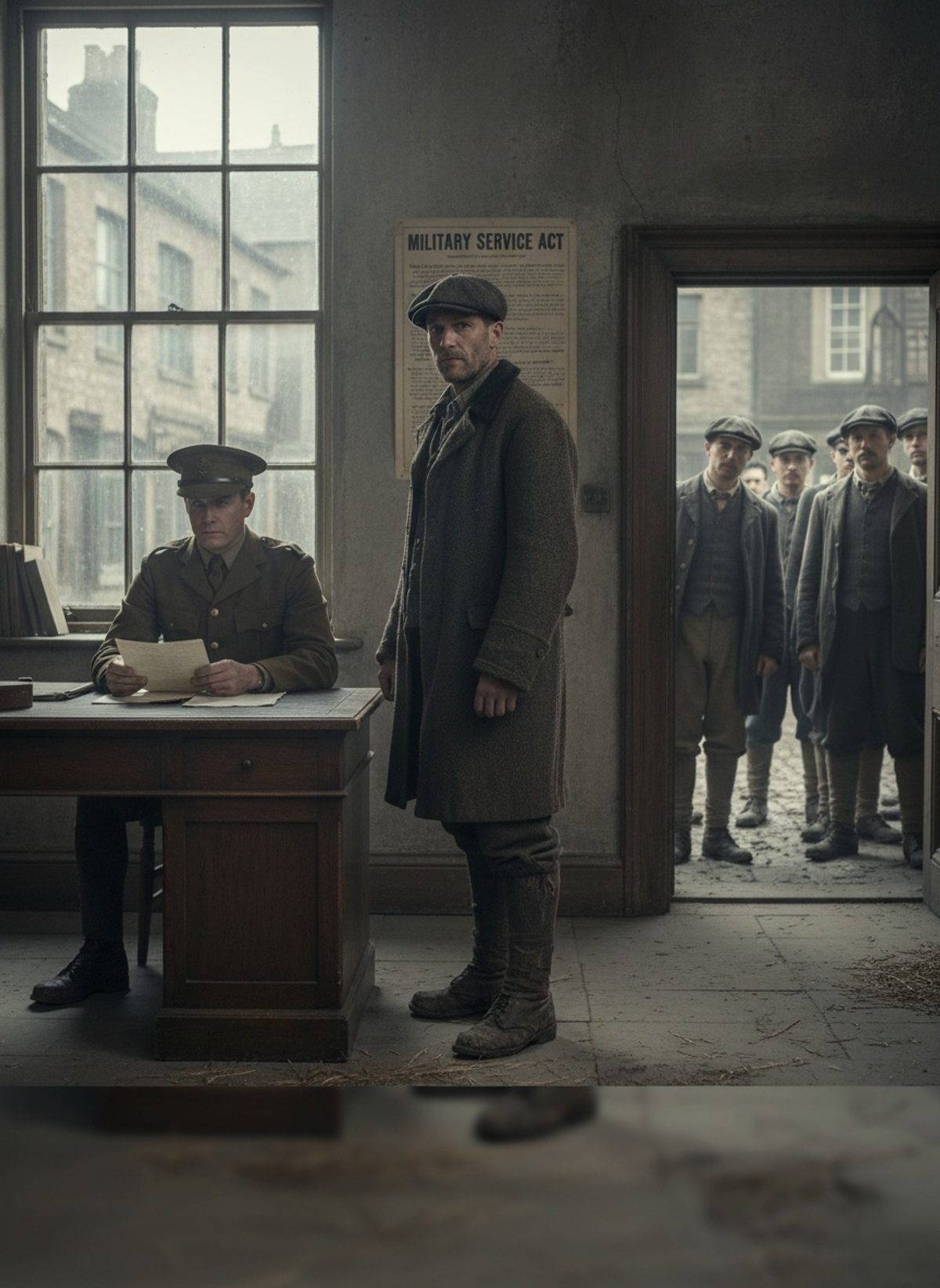
August 23, 1914. The clouds hung low and grey over the English Channel, their shadows stretching across the waters as one of the most dramatic rescues of the early 20th century unfolded. This was the day that saw the first wave of a vast human exodus as a quarter of a million Belgians, fleeing the relentless advance of German forces, sought refuge on British soil. Among them was a unique group destined to create a piece of living history — a Belgian town inside Britain.
The Exodus Begins
The grim tide of World War I swallowed Belgium abruptly in August 1914, as German troops executed their invasion plan with swift brutality. In a desperate bid for safety, the people of Belgium—families, workers, grandparents, and children—poured towards the coast, catching overcrowded ferries to the nearest sanctuary: Britain. As the tides of war washed over their homeland, these refugees were embraced by the British public. Yet, amidst this mass movement of humanity, a distinct group of skilled munitions workers found themselves set apart. The strategic importance of this cohort was recognized, and the wheels were set in motion for a novel kind of settlement within the English countryside.
Building a Belgian Haven
With the war machine's insatiable demand for artillery and ammunition, Britain needed skilled hands to augment its munitions production. Recognizing the expertise of Belgian workers, plans were drafted to build a dedicated settlement. Thus, a plot near Birtley in County Durham was chosen for this groundbreaking project. Over 6,000 Belgian workers and their families would eventually call this place home, in a community intended to echo the comforts and culture of their native land.
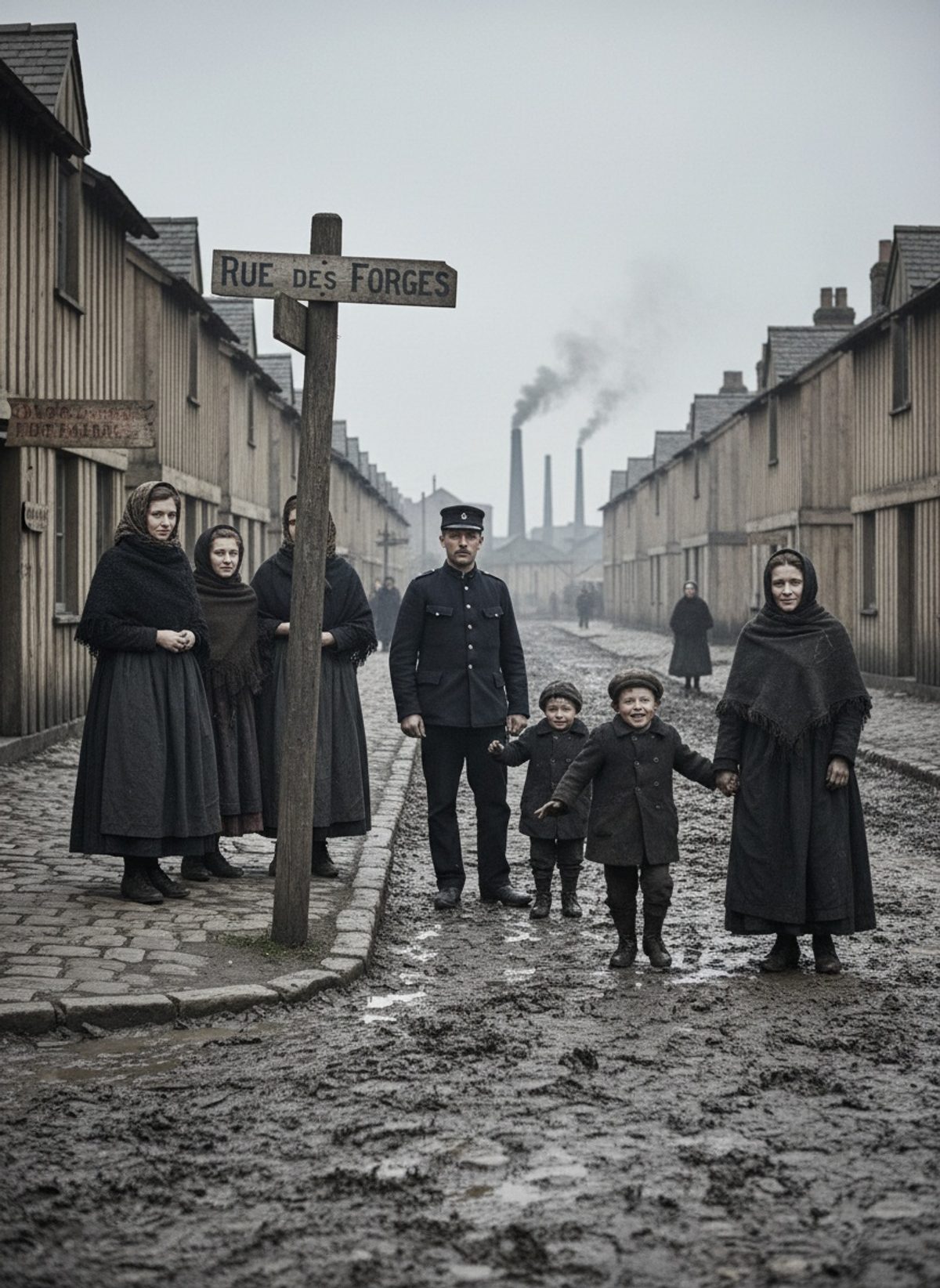
This settlement, known as 'Elisabethville,' after Queen Elisabeth of Belgium, was not merely a temporary shelter. It was a fully-fledged town complete with rows of brick houses, schools, shops, a hospital, and even its own church. The town operated under Belgian law, a rare sovereignty within another nation—a testament to the enduring respect between the two allied countries. Belgian police patrolled the streets named after their lost homeland's towns and heroes, ensuring that life in exile maintained a semblance of the life they had been forced to leave behind.
Read next: When Bill Biggart's Camera Captured the Unthinkable, 1857
Daily Life Under Belgian Law
In Elisabethville, the soundscape was a blend of two worlds: English pastoral silence punctuated by the rhythmic hammering and clanging from the munitions factory. Inside, the streets bustled with the chatter of French and Flemish—a vivid contrast to the surrounding English countryside. Life here was governed by a unique legal framework. Belgian law reigned supreme, administered by Belgian officials, lending a familiar structure to what was otherwise an alien environment.
The town boasted its own municipal court where disputes were settled, a distinctly Belgian touch that reinforced the community's identity. Even schooling was conducted in their native languages, with children learning about their heritage from Belgian teachers. A semblance of normalcy was maintained as residents celebrated national holidays and observed traditional customs in this unexpected enclave.
Challenges and Triumphs in Exile
Though Elisabethville provided physical safety, the psychological toll of war and separation lingered heavily. The initial fervor of setting up a new life gradually gave way to homesickness and a yearning for the war's end. Meanwhile, British locals viewed the settlement with mixed emotions—curiosity mingled with concern for their own economic hardships during wartime austerity.
Yet, the bonds forged in this shared adversity were profound. As the war endured, relationships blossomed between the Belgians and their British neighbors, bridging cultural divides. Joint efforts in charity events and war relief solidified these connections, demonstrating that humanity transcends national borders.
A Symbol of Solidarity
By the war's conclusion in 1918, many of the refugees returned to a war-torn Belgium to rebuild their lives. Still, the legacy of Elisabethville lingered—a powerful narrative of resilience, adaptability, and international camaraderie that the textbooks tend to overlook. The settlement was dismantled, its once-lively streets quieted, yet its history remains a testament to the compassion that endures through the darkest of times.
In recounting the story of when Belgium built a town inside Britain, we uncover a remarkable symbol of solidarity amidst the chaos of war. Elisabethville was not just a temporary refuge; it was a defiant preservation of national identity. As we reflect on this unique chapter of history, it challenges us to consider the boundaries of nations and communities, reminding us that in the face of adversity, unity can create havens where once there were none.