The sharp crackle of static echoes through the wireless room, every operator's hand poised, ears straining against the hum of anticipation. As the airwaves finally clear, a collective breath hangs suspended, only to shatter as the announcement comes through: Japan has surrendered. It's September 2, 1945. The war that bled the world dry for six relentless years is over. The air inside the room seems to shift, thousands of miles away from the USS Missouri where the official papers are being signed. There, in Tokyo Bay, the scars of war seek closure beneath the looming guns of the Missouri. Across Britain, a different battle unfolds — one entangled with grief, relief, and an uncertain future.
The Shadow of Loss
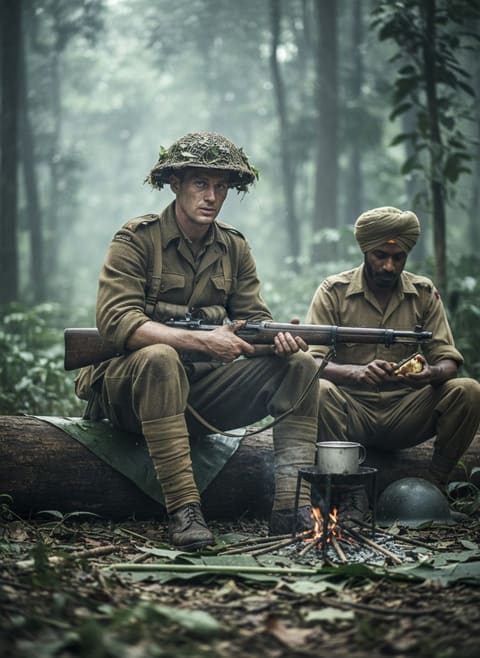
The victory that arrives with VJ Day is tangible, but so too is the shadow it casts. For over 90,000 British families, victory serves as a cruel reminder that relief has come too late. Each death in faraway jungles still echoes in homes from Cornwall to the Scottish Highlands. The British Empire had stretched its manpower and its resolve to fight not only in European theatre but against Japan in the East. From the blood-soaked beaches of Singapore to the dense canopies of Burma, British and Commonwealth soldiers faced an unforgiving foe.
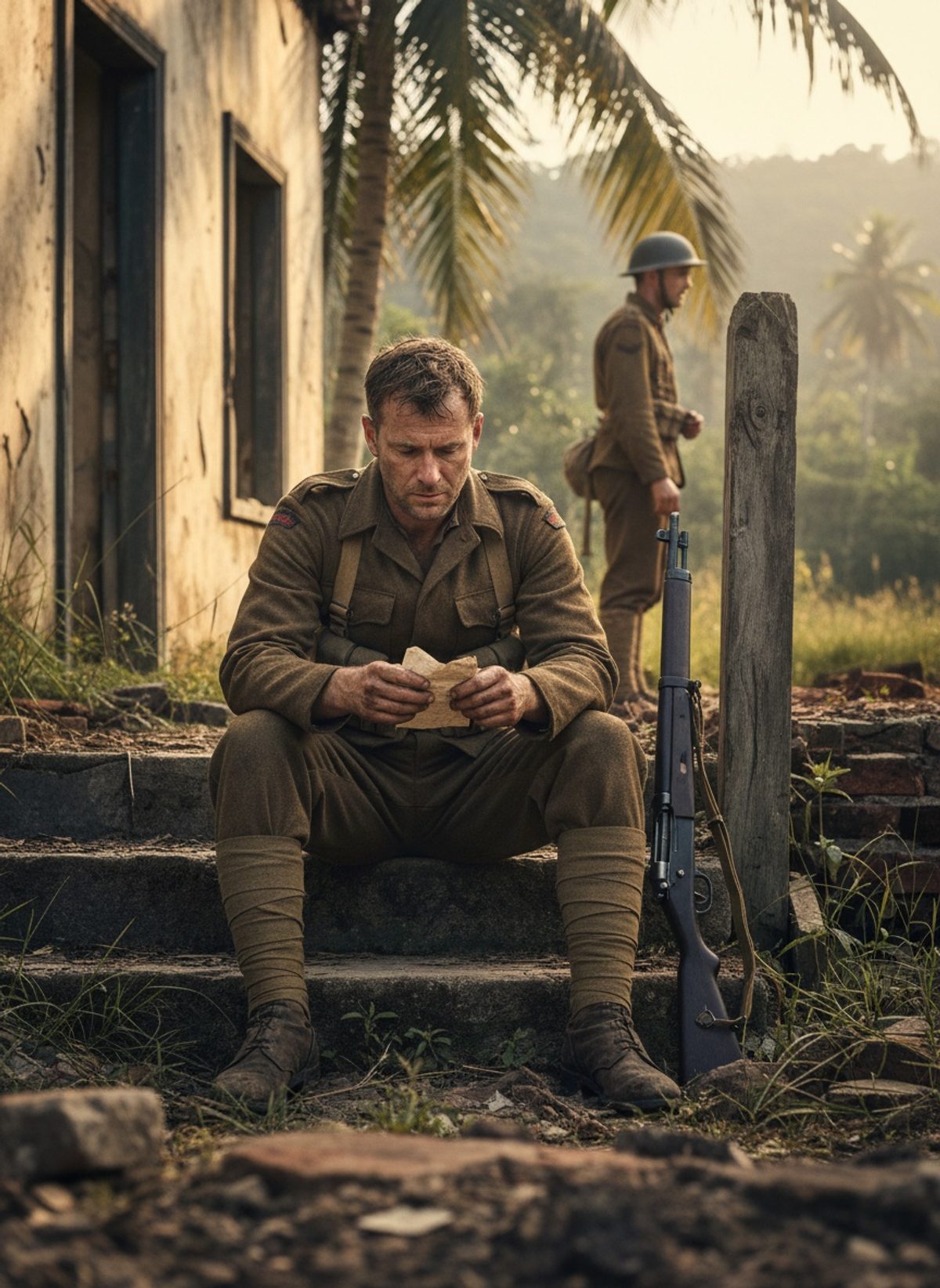
Families who've clung to hope through desperate months now navigate a new terrain of grief. Letters from the front line touch their palms like blades of grass over a soldier's grave. Even George the Postman hesitates on his daily round, wary that each envelope he carries could shatter a life. Stories that went untold — of sons and brothers lost, of daughters who signed up, drove ambulances, trained as nurses, bearing witness to the unfathomable — begin to trickle from conversations into shared history.
Waiting and Wandering
The end of the war signals another beginning for thousands of British servicemen and women scattered across distant lands. For them, VJ Day does not signal a ticket home but the start of a waiting game whose rules are written in logistics, demobilization rules, and the slow unraveling of war's bureaucratic red tape. As the surrender documents are etched onto parchment onboard the USS Missouri, many troops bask under a different sun, caught between continents.
Read next: When 2 Para Went Back Into Battle at Wireless Ridge, 1982
Stations across India and Burma throng with servicemen and women waiting for ships to carry them back. At home, their families mark time by collecting snippets of updates — sailing lists and troop ship manifests checked in the papers daily, names searched for in long columns of print. Mothers squint at their knitting, wondering if today will be the day they see their boy's boat inching into the English Channel. Yet for many, the hope of return stretches into interminable delays, their reunions postponed by months.
Empire's Twilight
As Britain celebrated, its empire felt the intricate ripples of victory and defeat. Many of its colonies had provided troops and resources throughout the war. The end of hostilities left a patchwork of colonies teetering towards decolonization. For countries like India and parts of Africa, the tremor of post-war independence movements built to a crescendo. Soldiers who marched home found a changed world — one where lines in the sand would soon be redrawn, often through revolt and resignation.
The tales from colonial regiments stationed away from the front lines—Australian, Indian, African—begin to weave into the narrative of the war. They return not just to the embrace of their families but to the awakening of nationhood, their sacrifice catalysts for their countries’ calls for sovereignty.
In places like Singapore, Hong Kong, and Malaya, rebuilding efforts and decisions on governance and citizenship loomed large. Japanese occupation had left not only a physical toll but had instigated shifts in political consciousness that would challenge British rule imminently.
Read next: When Sidney Smith Held a Wall and Broke Napoleon's Dream
Beneath the Celebrations
While Eisenstaedt's iconic photograph captures an American moment of spontaneous relief in Times Square, Britain's moment on VJ Day is one of stoic reflection. Bonfires flicker cautiously, their flames scattered by the autumn breeze, candle-lit vigils countering more elaborate displays. There is elation, without question, yet every cheer carries a note of restraint, acknowledgment of a future unsettled and a past still keen on silencing its ghosts.
This historic day, vivid in its triumph over adversity, threads through the fabric of families across the British Empire with varied pigments: joy, sorrow, hope, and an ambiguity that would color the peace to come. It matters not just for the lives claimed by conflict but for the enduring lessons it taught about the cost of war and the fragility of peace.
When the burden of war lifted, it unveiled new battles woven into the strands of a collapsing empire, battles for independence, identity, and restitution. As flags waved and church bells pealed, Britain and its once-vast empire stood at the precipice of change, breathing in the sharp air of freedom and loss. The empire that soldiers fought to protect now heaved under the weight of its own unraveling. In this moment, 1945 represents more than the end of a world war; it's the air held in a breath that would reshape the world entire.