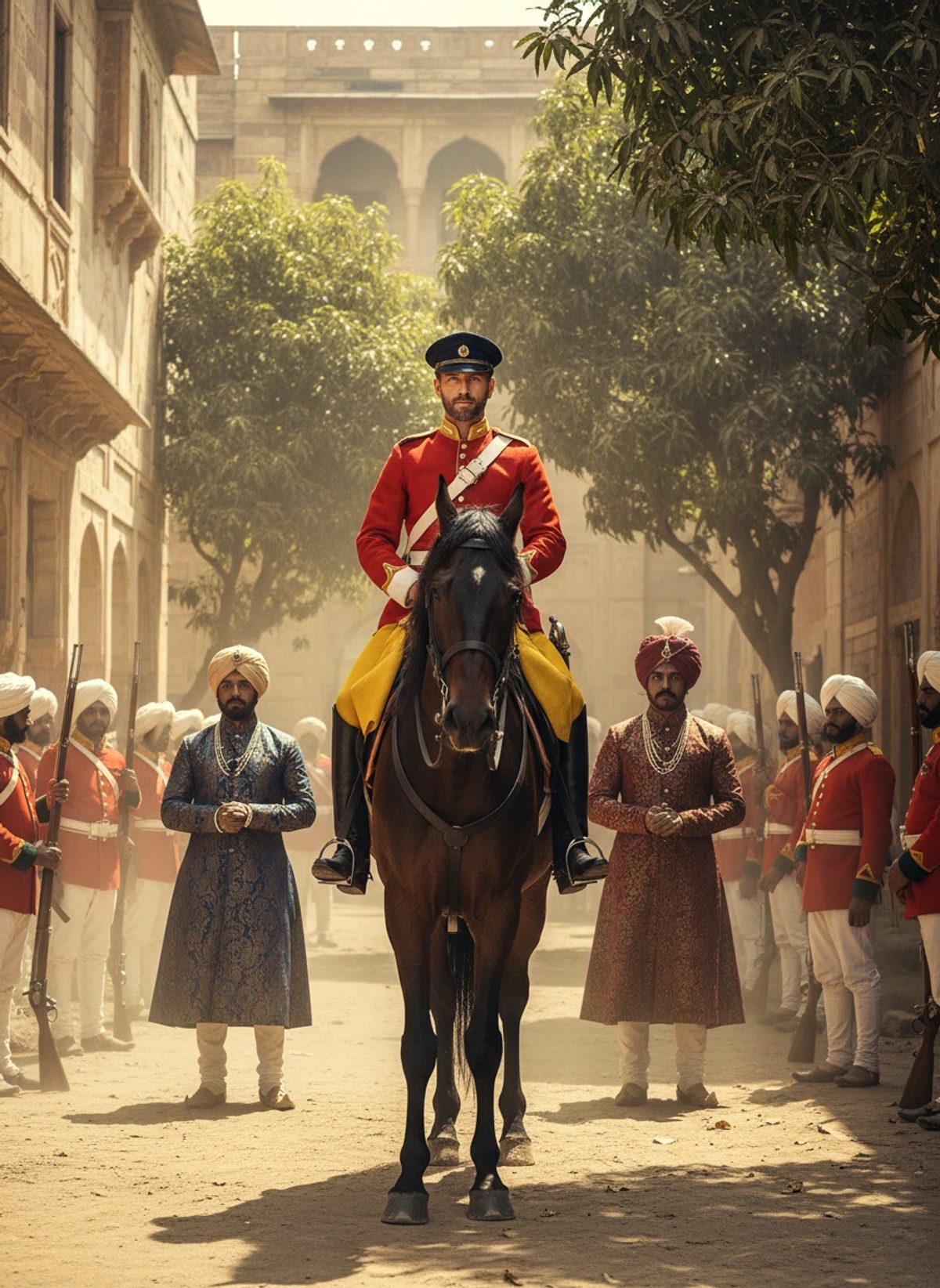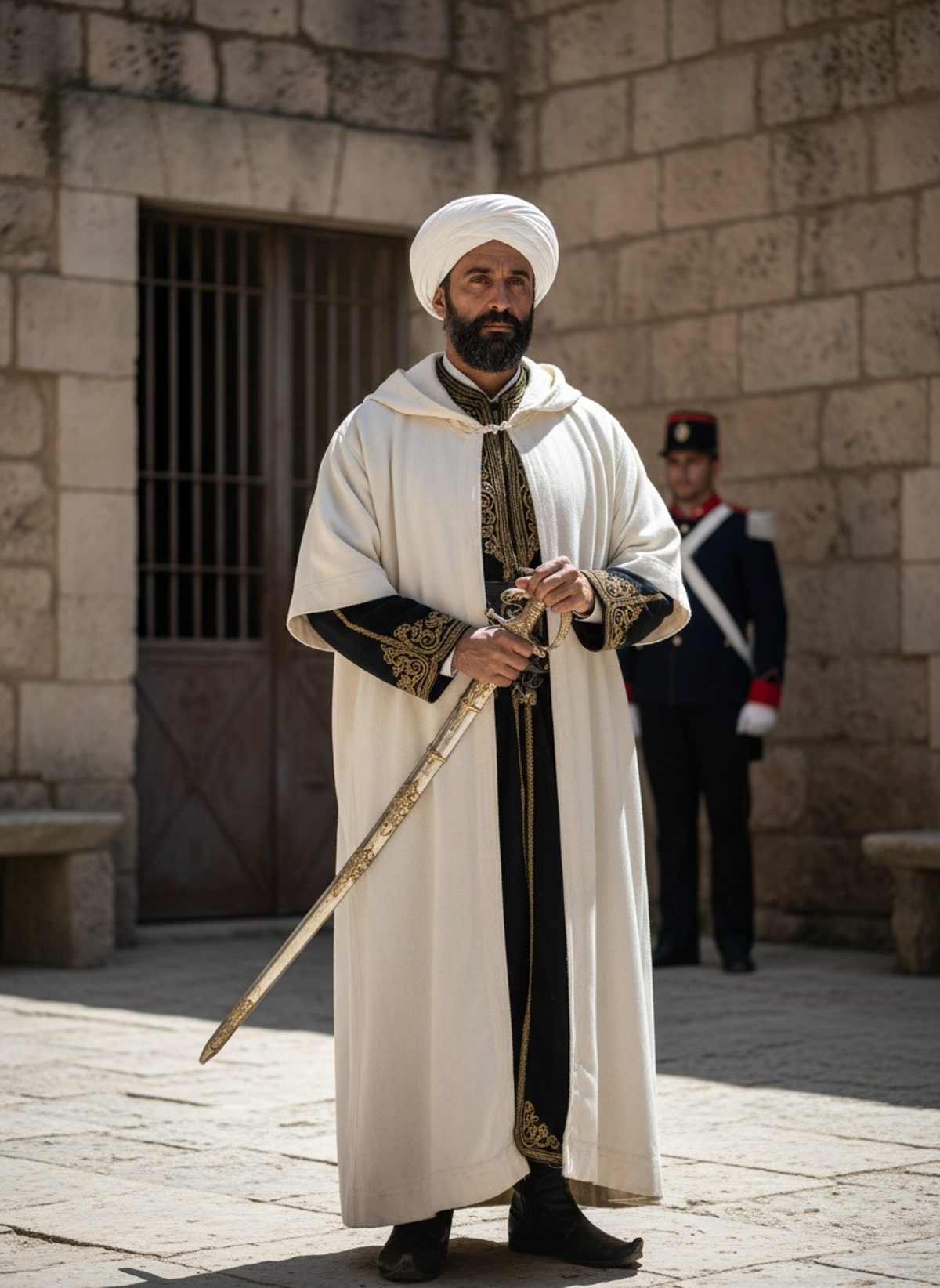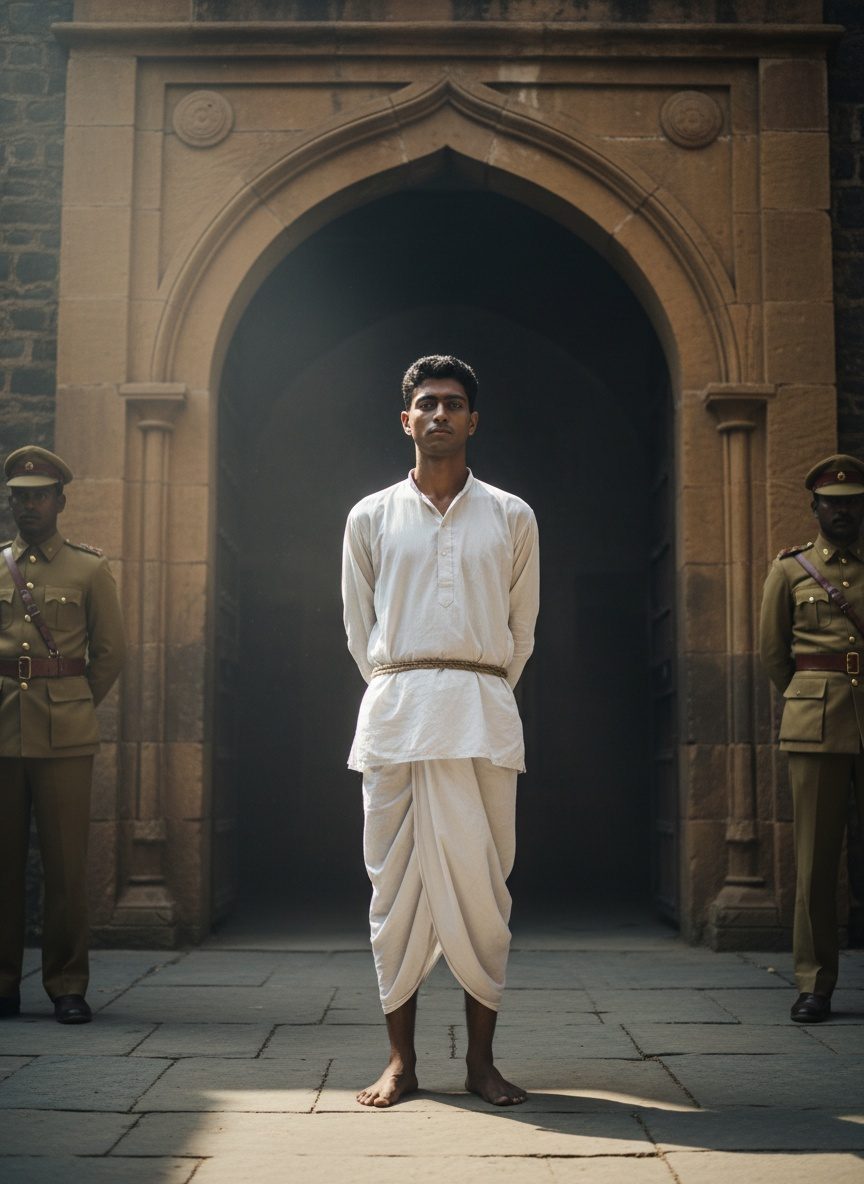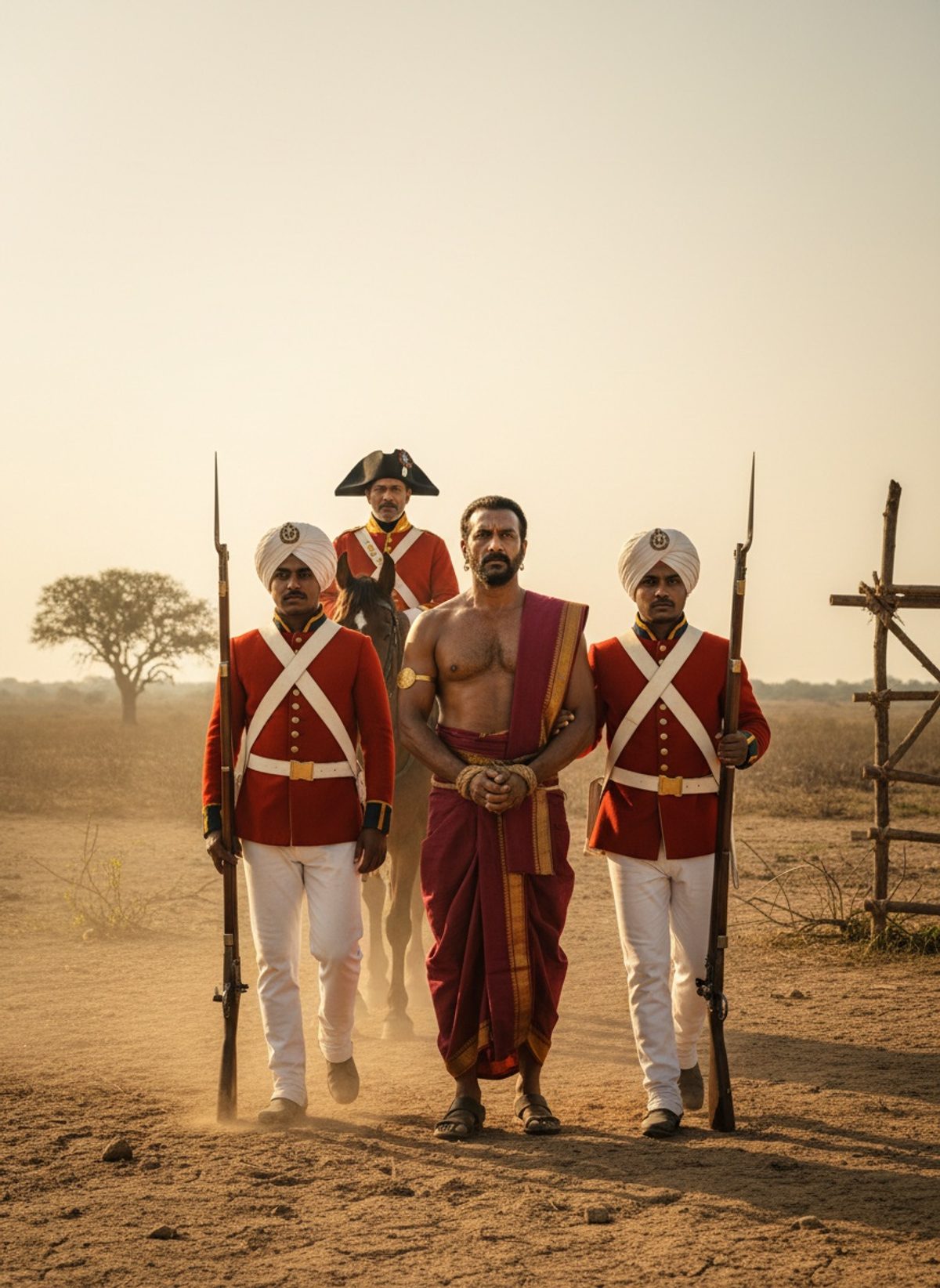
The dusty plains of Tamil Nadu lay under a searing October sun in 1799. The air was thick and unforgiving, as if nature itself conspired with fate for what was about to unfold. In the village of Kayathar, the anticipation was palpable, carried on the dry wind that whispered through the swaying palms. This was not just a public execution; it was a stage set for defiance, the culmination of a struggle between an indomitable spirit and an empire eager to extend its iron grip. As Veerapandiya Kattabomman mounted the gallows, the tense silence of the gathered crowd contrasted with the defiant rhythm of his heart. Here, in the shadow of his own death, the Polygar chieftain would not bow.
The Rise of a Rebel Chief
In the late 18th century, the British Empire's influence spread like wildfire across the Indian subcontinent, consuming territories and subjugating rulers. Yet, in the arid expanse of southern India, a bastion of resistance burned brightly—Veerapandiya Kattabomman. A descendant of a long line of local chieftains, Kattabomman was the ruler of Panchalankurichi, a small yet strategically significant principality. The East India Company, greedy for power and resources, demanded tributes from local leaders to strengthen its commercial empire. Many acquiesced, but Kattabomman, resolute in his sovereignty, refused to yield.
Kattabomman's defiance was more than a simple refusal. It was a clarion call to the polygar system of warrior chiefs, rooted deeply in the traditions of Tamil Nadu. This proud lineage stood as custodians of the land, and Kattabomman's legacy was one of the staunch protectors. He saw the tribute demand not just as an economic burden but as an affront to their autonomy and dignity. The unfolding clash was inevitable, as two worlds collided—one seeking to dominate, the other determined to resist.
A Battle for Independence
As months turned into years, Kattabomman's defiance transcended a mere act of rebellion; it became a symbol of independence. His refusal to submit to the British led to a series of violent confrontations, infamous among them was the Battle of Panchalankurichi. Against the might of the East India Company’s forces, Kattabomman’s warriors fought valiantly, using the land's rugged terrain to their advantage. His leadership was fearless, his strategies clever enough to outwit the company's better-equipped forces on more than one occasion.
Read next: When Hugh Rose Broke the Rani's Last Fortress, 1858
The British, however, were relentless. They saw Kattabomman not just as a local nuisance but a threat to their burgeoning empire. His continued resistance could inspire other local chiefs to cast off the yoke of British demands. This realization fueled their determination to capture him. The battles that ensued were brutal, marked by Kattabomman's unyielding spirit and indomitable will. His courage inspired his people and sowed fear in the hearts of the British commanders—a testament to the power of a single man’s conviction.
The Turning Point
The turning of fortunes came with betrayal. A dire twist of fate on this grand chessboard of power saw the British lure Kattabomman into an ambush. Captured after a relentless pursuit, the British commanders believed they had won not only a military victory but a psychological one as well. Yet, the man standing before them was anything but broken. Despite the chains and the distress of captivity, Kattabomman's spirit remained unbroken, his pride untouched.
On October’s crisp morning, the British had hoped to see their captive's will waver. Instead, they encountered a wall of ironclad resolve. His silence spoke volumes, a refusal to acknowledge their power. Even as they prepared to drag him to trial—the trial of a man who had defied an empire—Kattabomman stood tall, his eyes unyielding as they bore into the heart of an empire that had underestimated the spirit of a polygar chief.
A Defiant Legacy
The public execution at Kayathar was meant to be a final act of deterrence, a warning to other would-be rebels of the futility of opposing British rule. Instead, it transformed Veerapandiya Kattabomman into a martyr, embedding his struggle and steadfastness into the collective consciousness of a people yearning for freedom. On the gallows, he denied the empire its ultimate victory, spitting defiance even in his last moments.
Kattabomman’s legacy lives on, not just as a tale of rebellion but as a powerful reminder of the struggle for self-determination. His courage continues to resonate, inspiring generations who draw strength from his story of resistance. In a world where the struggle between oppressor and oppressed rages, his narrative illuminates the path of those who dare to defy. As the heat of October sun beat down on Kayathar that day, Kattabomman's final stand whispered a truth that resisted the test of time—no chain can fetter a spirit committed to freedom.