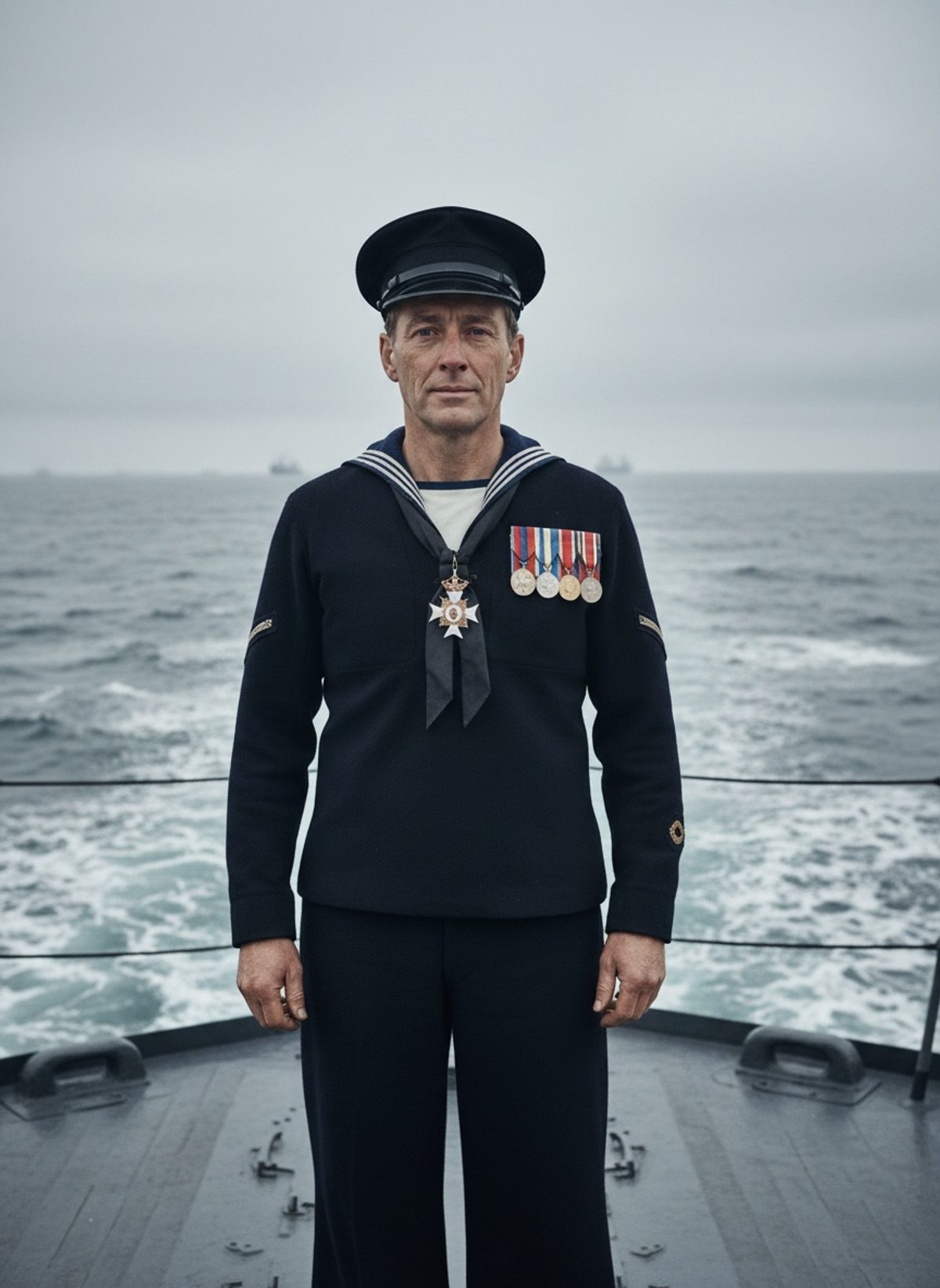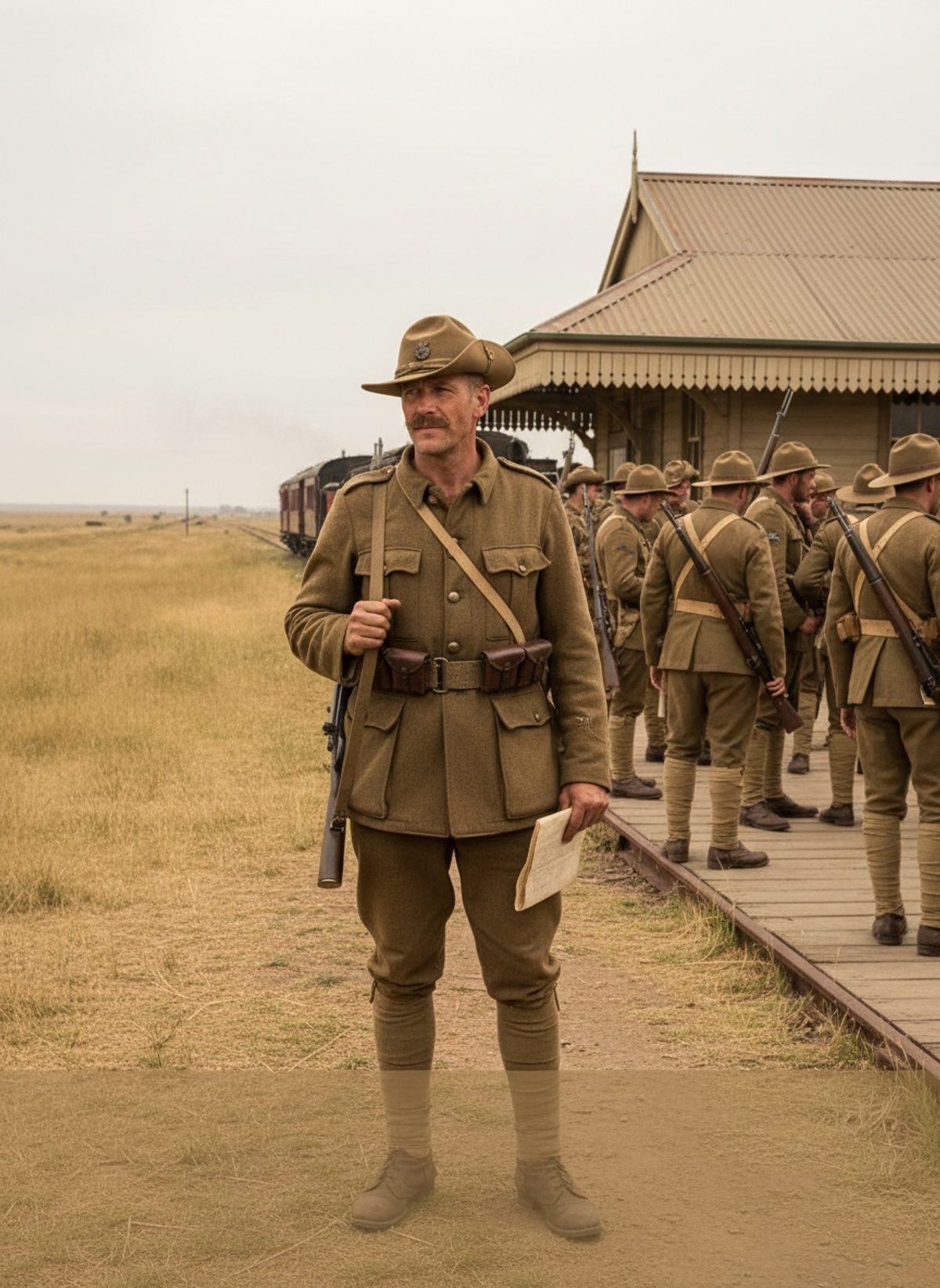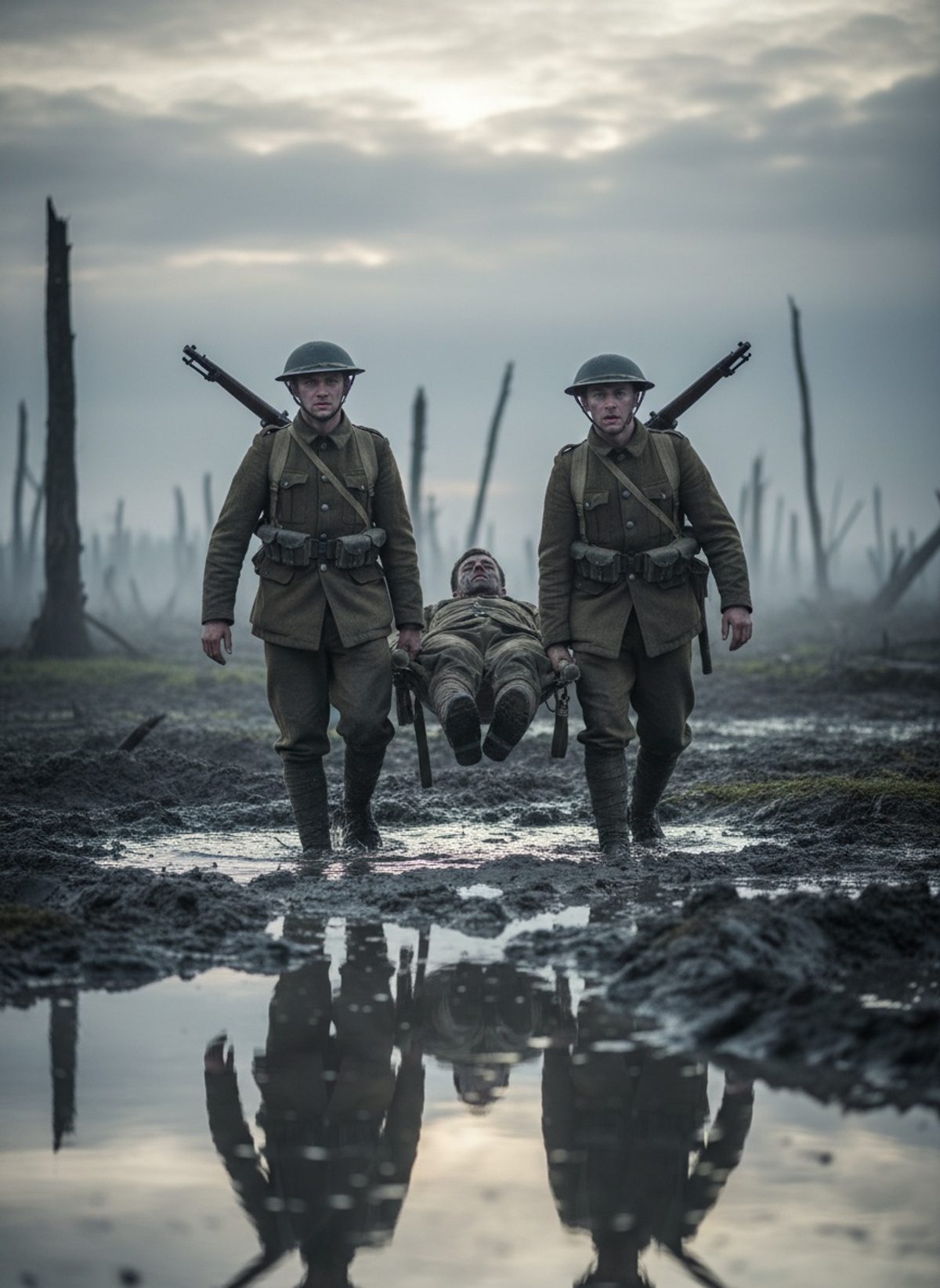
Rain mottled the landscape of Flanders on that fateful morning of July 31, 1917. The dawn sky was thick with slate clouds, an ominous herald of what was to come. As the first light dimly flickered over the war-torn horizon, the stillness was broken by the distant rumbling of artillery, echoing like a mournful plea across the churned earth. Fields that once whispered tales of harvest and hope had long since become a desolate expanse, littered with the skeletal remains of trees standing sentinel over a land marred by war. The air was heavy with the scent of damp soil and cordite, a fusion of nature and conflict, hinting at the tragedy that would soon unfold. Beneath this uneasy tranquility, British and Empire troops awaited orders to advance into the quagmire of Passchendaele, a name that would soon become synonymous with futility and sacrifice.
The Deluge
The initial artillery bombardment ceased as the troops prepared to move forward, the calm before the storm. The pause was like an intake of breath, a moment suspended between anticipation and terror. Commanders had promised a swift advance, the top brass convinced that victory was within grasp. But the landscape, shredded by months of relentless shelling, had other plans. The artillery, while meant to pave the way, had obliterated the intricate network of dikes and ditches that kept the water table at bay, leaving the land unable to absorb any rain.
And rain it did. With biblical vengeance, the heavens opened, unleashing torrents that transformed the battlefield into a morass. Soldiers waded through rising waters that quickly became an all-consuming slurry of mud. Rifles and boots were swallowed whole, and men struggled to extract themselves from the mire that clung with a tenacity unmatched by any enemy force. Movement became laborious, breathless exertion; every step forward was met with the earth's pull downward, a relentless halting that drove men to their knees.
The rain did not discriminate; it drenched every man equally, blinding all with the sting of its force. The cacophony of rain, artillery, and shouts of commands and cries for aid all fused into a singular, disorienting symphony. In the chaos, lines blurred and units floundered, each man fighting his own battle against nature's wrath. The true enemy was not the German lines they sought to breach, but the battle against drowning in the very land they fought to defend.
Read next: When Belgium Built a Town Inside Britain, 1916
The Muddy Abyss
The terrain of Passchendaele was now a living entity, consuming men whole. Some floundered helplessly, reaching out for comrades whose own hands were bound by the same mucky grasp. It wasn't uncommon for soldiers to perish, not from gunfire, but from the suffocating embrace of mud that turned even the simplest movement into an exhausting struggle.
Tales of unimaginable misery circulated among the ranks. Soldiers were stripped of their dignity as they succumbed to the elements, unable to respond when comrades called out in desperate search. Trenches filled with water became tombs, bodies floating in stagnant pools while those still living clung desperately to the few solid patches of ground. Supplies failed to reach the front lines, mired in their own muddy voyages. The promise of a rapid assault lay drowned beneath feet of mud, the enemy quietly observing, scarcely needing to fire a shot as the treacherous landscape did much of the work for them.
Conditions condemned not just men, but also strategies. The generals, distanced in their war rooms, persisted with plans crafted in misunderstanding of the misery below. Maps marked with lines and arrows bore little relation to the reality of troops mired in hellish conditions. Communication broke down as carrier pigeons and runners found themselves equally hindered by the bog that stretched endlessly across no man's land. Coordination devolved into chaos, putting into stark relief the fragility of human ambition in the face of nature's raw power.
The Toll of Tragedy
As the muck of Passchendaele continued its pitiless claim, the visions of glory that had spurred the campaign's onset were buried alongside so many men. Over 250,000 British and Empire troops would become casualties, a staggering toll that paid homage not just to the strategic missteps but to the merciless environment that entrapped them. Despite the attrition, the raw courage on display spoke of extraordinary human endurance. Men resigned themselves to fate, finding solidarity in shared suffering—a brotherhood forged in the crucible of despair.
The legacy of Passchendaele exists as a brutal reminder of the limits of human agency when pitted against the inexorable force of nature. The name itself conjures images of sacrifice mired in futility, where valor met an indifferent landscape in a war that forgets victors and vanquished alike. The story illustrates the complex tapestry of war—a confluence of ambition, hardship, and the unpredictable might of the elements. It defies understanding, yet compels reflection.
In the mud of Flanders Fields lies a cautionary tale, a stark lesson hewn from the earth itself: that the impersonal grip of nature transcends borders and battles, weaving itself into the very fabric of human history. The story of Passchendaele challenges us to remember the forgotten landscapes of conflict, to walk the marshy grounds of our collective past, and to acknowledge those who marched onwards, only to be swallowed by the mire.