The salt-laden wind whipped furiously as Admiral Walter Cowan clutched the edge of the wooden lifeboat, his eyes narrowing against the glare reflecting off the choppy Mediterranean. An involuntary thrill coursed through him, not unlike the one he experienced decades ago during his early naval days. Ahead, the sleek silhouette of an Italian destroyer loomed larger, its gunmetal hull cutting effortlessly through the waves. At sixty-eight, long past the typical age for such audacious endeavors, Cowan was poised to do what few had imagined possible: board the enemy vessel in the midst of the Second World War.
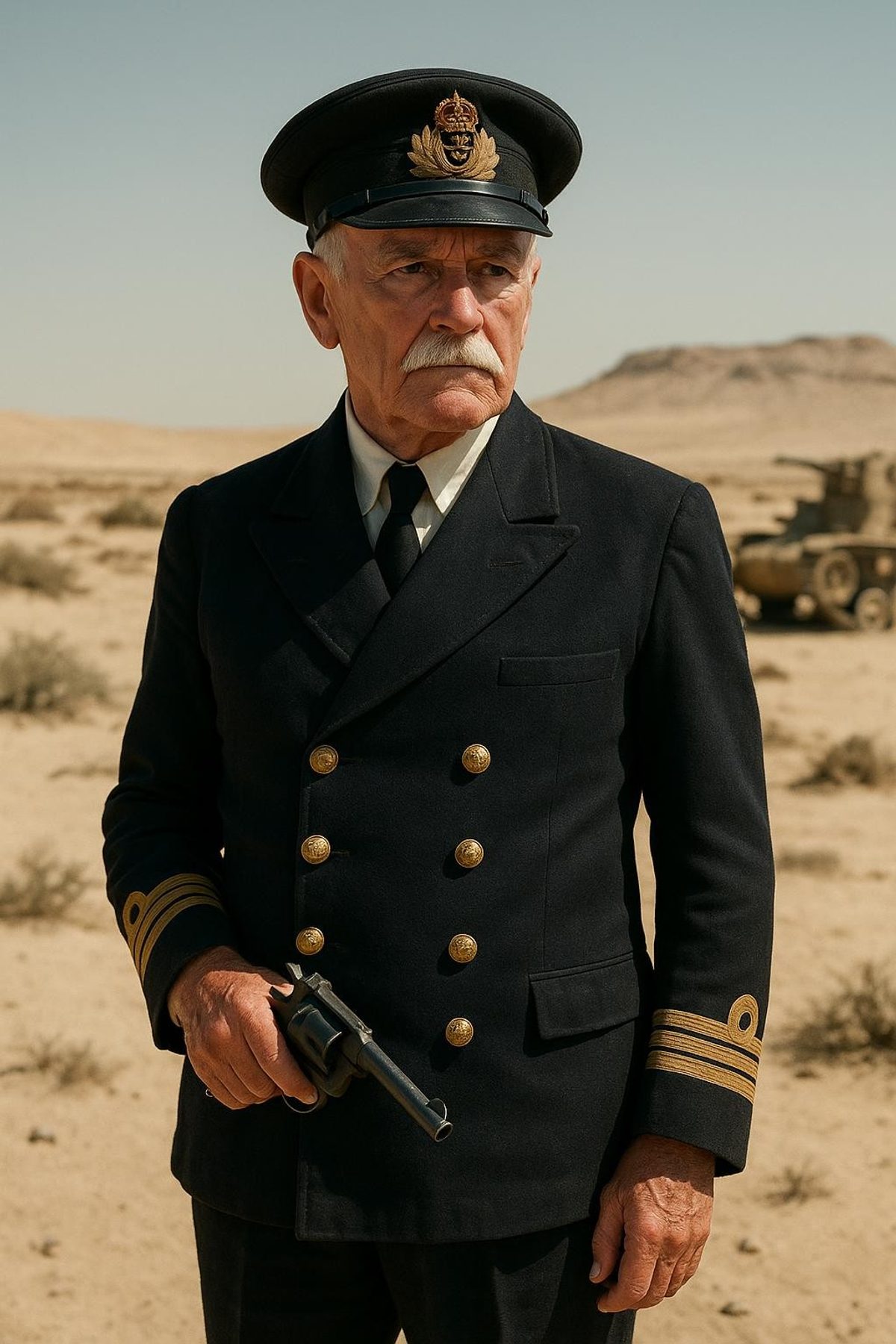
Just two decades earlier, Cowan had retired from his storied career in the Royal Navy, his name already etched into naval lore for his service in World War I. Yet here he was, in the Western Desert of Libya, far from any official command. He was driven by an insatiable sense of duty and adventure, a trait that had never deserted him. As bullets whizzed past, he drew a deep breath, tightened his grip on the pistol by his side, and prepared for the audacious assault.
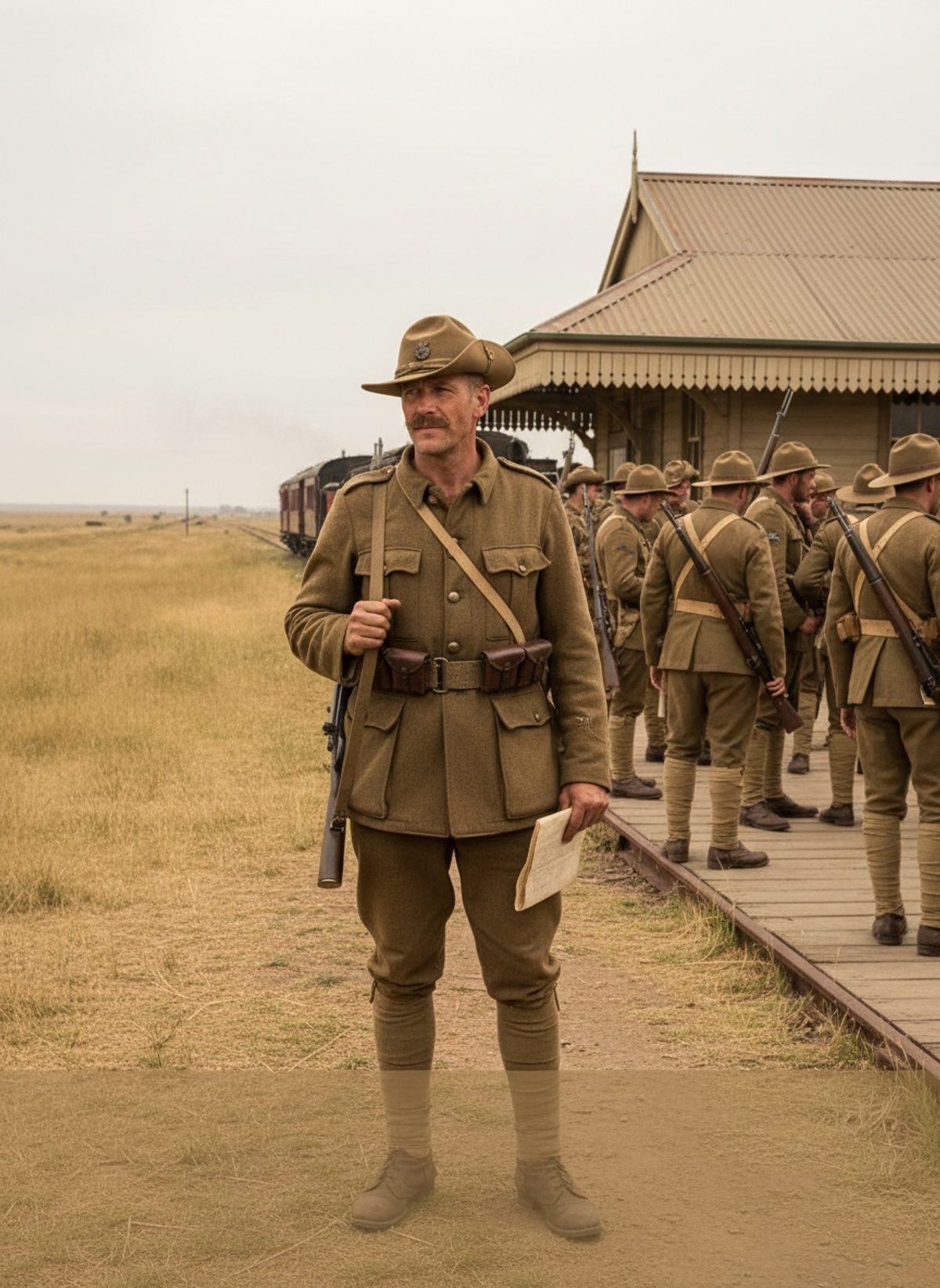
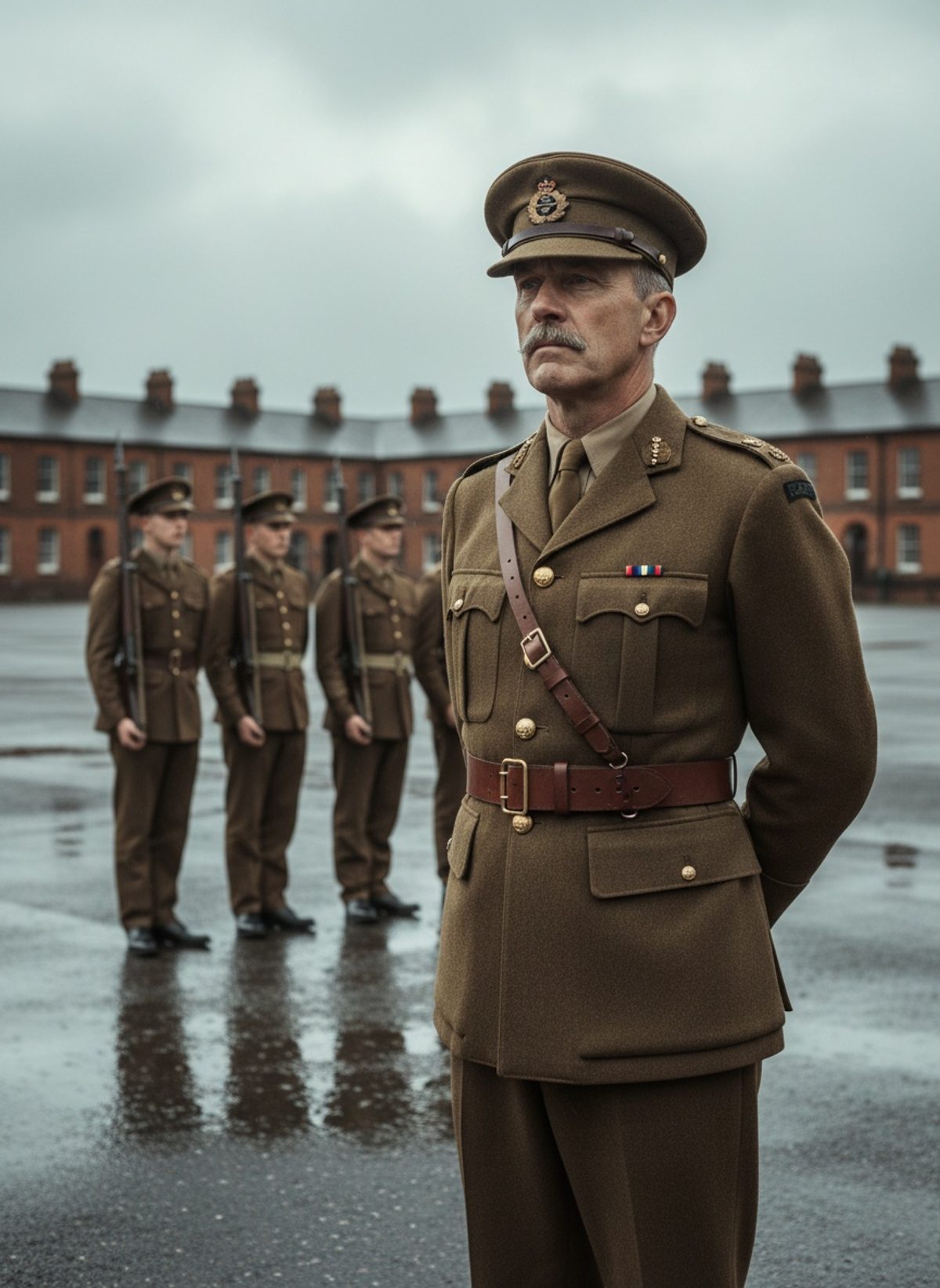
Adorned in the olive drab of the old uniform, Cowan's mind was a symphony of disciplined focus and the chaotic unpredictability of war. When Cowan's makeshift reconnaissance team had spotted the Italian destroyer, a part of him lit up at the opportunity to strike a decisive blow. This was no ordinary task. He understood that leading a boarding party required a level of resolve few possessed, and fewer still could maintain at his age. The moments blurred as the small craft smashed against the destroyer’s hull. With practiced agility belying his years, Cowan clambered up the ropes, landing deftly on the enemy deck.
His appearance—hair wild in the wind, sidearm glinting in the relentless sun—must have sent waves of disbelief surging through the Italian crew. For a few precious seconds, there was a lull, the surprise of an enemy within their ranks overshadowing their instinct to retaliate. In those fleeting moments, Cowan was the embodiment of venerable British defiance, a ghost of wars past, come to challenge the young lions of the Axis forces.
Read next: When the British Army Turned Away Its Own Men, 1914
Inevitably, noise erupted as shouts of alarm ricocheted across the ship, and the reality of battle ensued. Cowan was a blur of motion, his training kicking in as he exchanged fire with the nearest sailors. Yet bravado could only hold out against numbers for so long. Reality hit with the force of a full broadside — Cowan was outnumbered. Overpowered, the Italians seized him, their respect begrudgingly claimed by the geriatric warrior's tenacity.
As he was escorted below deck as a prisoner of war, one might think the old admiral's tale was nearing its last verse. Instead, a curious twist of fate—one that could only exist in such stranger-than-fiction war stories—awaited. Word of Cowan's capture reached Allied ears and made its way up to the highest echelons of British command. It was not long before the news crossed the desk of Prime Minister Winston Churchill. A fellow veteran of the Great War and a man who knew a kindred spirit when he saw one, Churchill was not about to leave a legend in the clutches of the enemy.
In a move reminiscent of clandestine diplomacy and strategic bravado, Churchill orchestrated Cowan's release. Perhaps aware that such exploits were the heartbeat of morale — the kindling of courage on which the fires of victory were stoked — Churchill made it known that the services of Admiral Cowan were not yet concluded. Upon his return, Cowan was offered a chance to retire with accolades befitting his daring. Unwavering, he declined. His spirit was an anomaly of persistence, refusing the comfort of retirement while his country called.
Cowan continued his rear-guard action in North Africa, serving with honor and gathering the esteem not as a relic of the past but as a living testament to the indomitable human spirit. Soldiers who fought alongside him on these dusty fronts saw neither an old man nor just a retired admiral but rather a bridge between epochs — the past marching into present conflicts with the wisdom of experience and the courage of youth.
In the annals of military history, figures like Cowan are rare. They refuse to be contained by the annals of the past, bursting forth to forge new legends in the crucible of present tribulations. Tales of his boarded skirmish spread, not as sanctioned military strategy but as folk legend and fierce encouragement to those who needed a rallying cry in the beleaguered Theatre of the Second World War. These stories, often left out of textbooks, remind us that the fabric of history is woven as much from unyielding character and audacious gambits as it is from conventional tactics and strategies.
The aging admiral's twilight assault illuminates perhaps the most profound truth about courage: it is an unrestrained force, summoned by necessity rather than age, status, or duty. In those windy, sun-baked Mediterranean moments, as artillery thundered and humanity's darkest hour raged on, Walter Cowan strode from story to legend, ensuring that, in the chronicles of Empire Untold, his was a legend never left for dust in forgotten archives but one echoing through the ages, vibrant and alive.