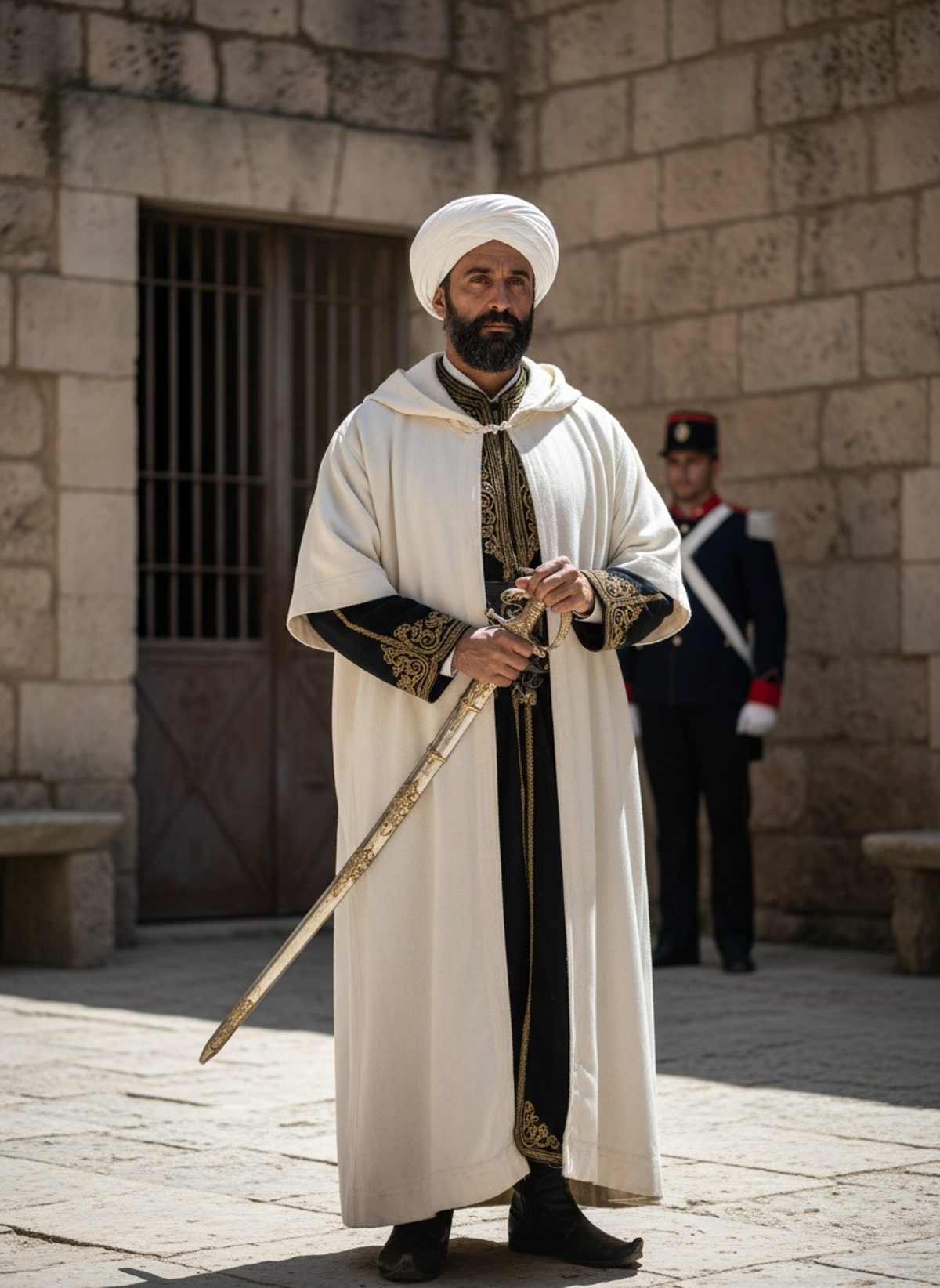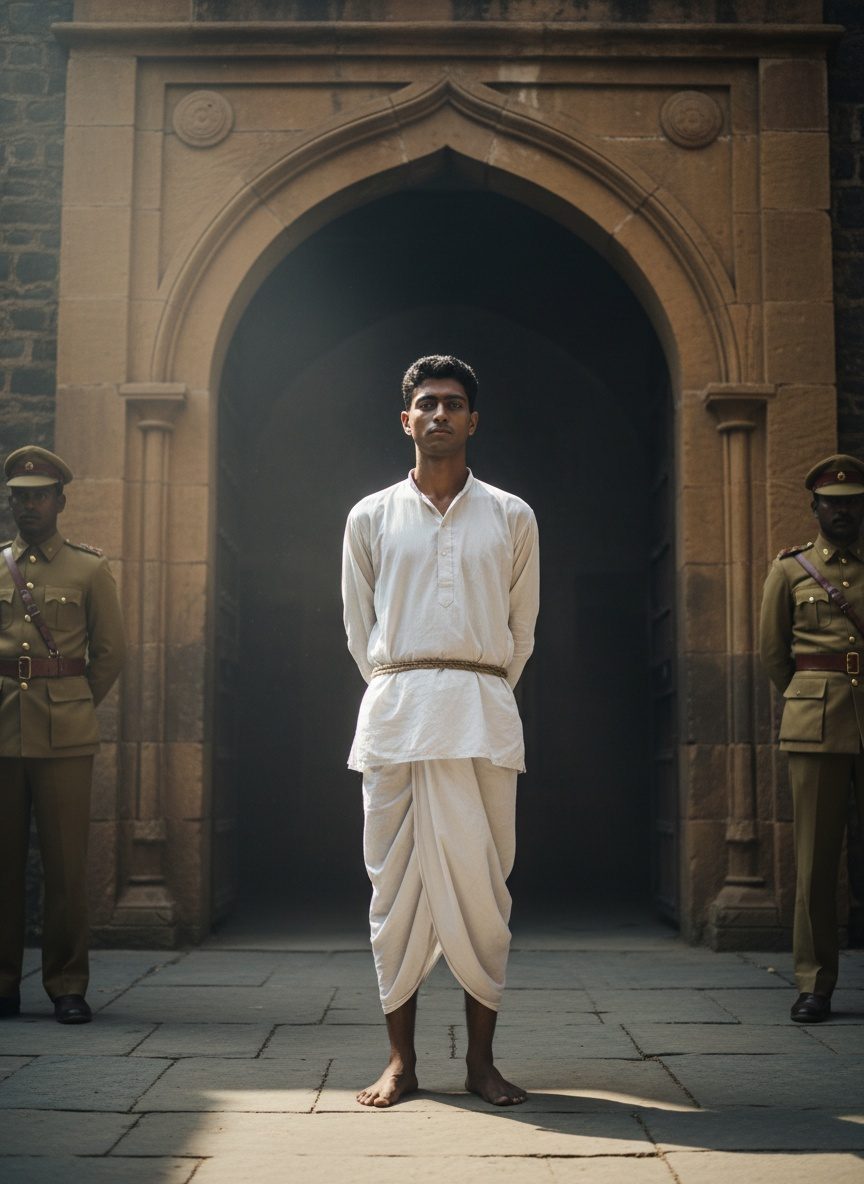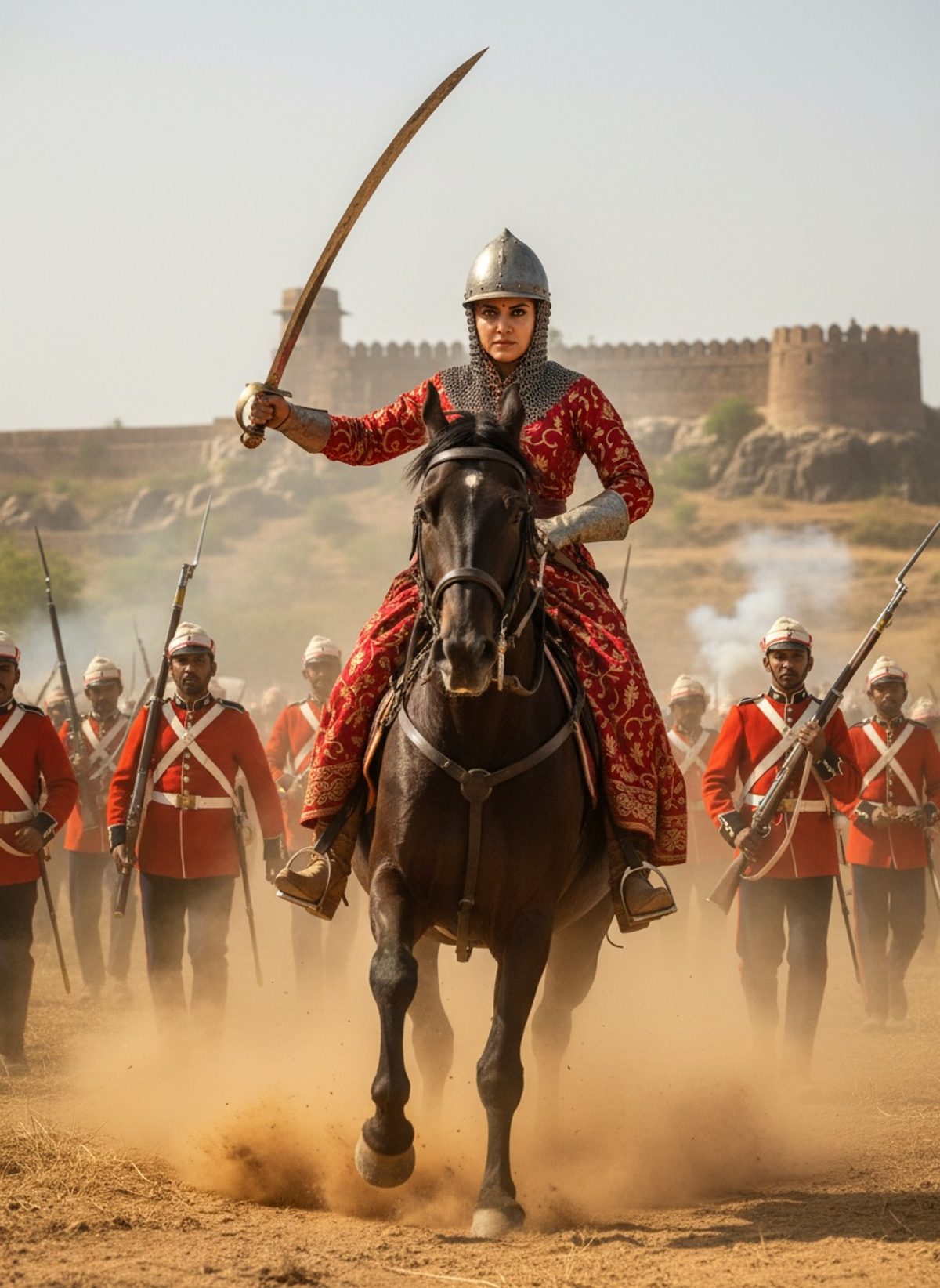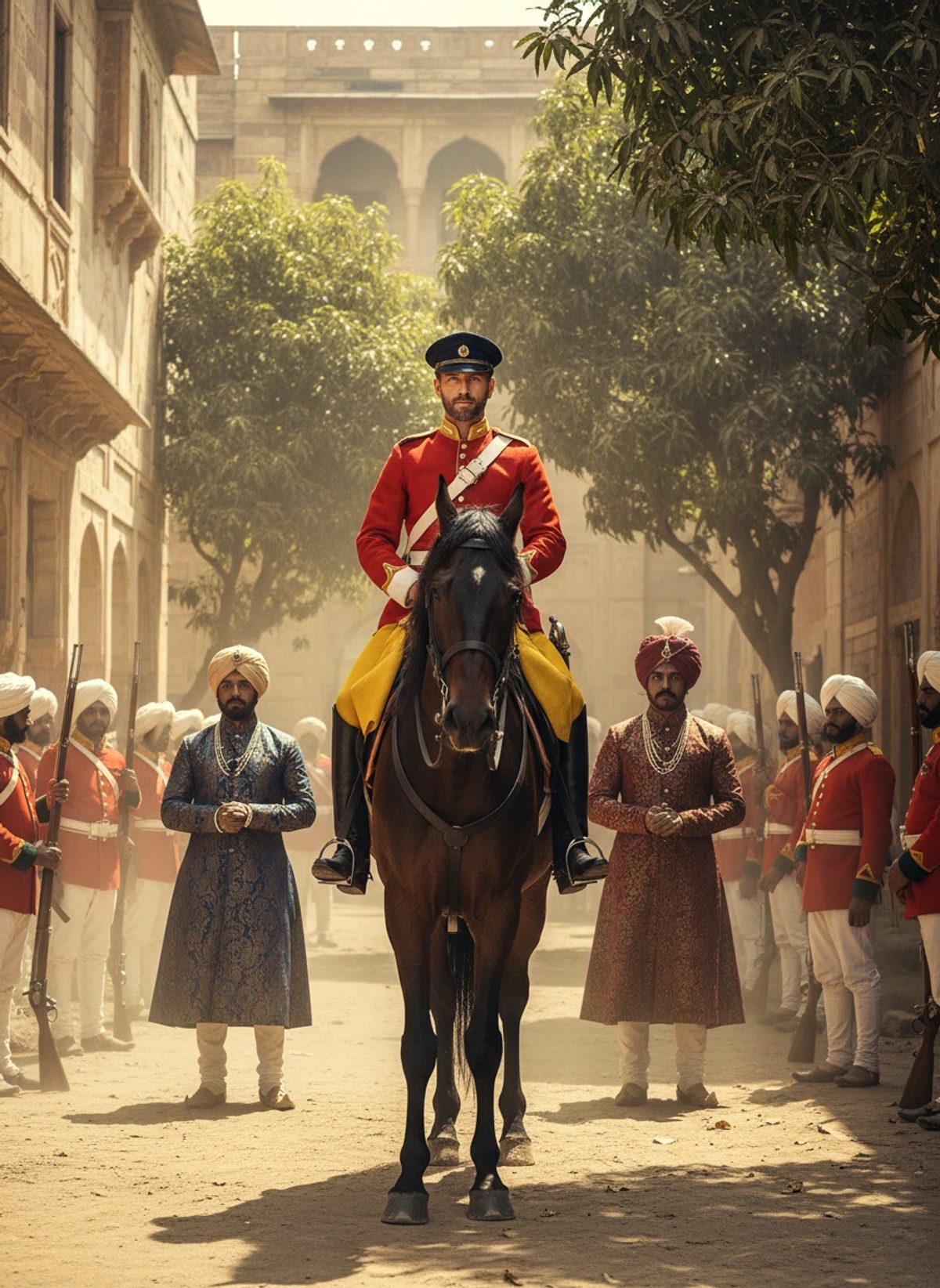
William Hodson was a hero. Or perhaps he was a murderer. The narratives of heroism and brutality are often intertwined when the stage is set against the backdrop of rebellion and empire, and nowhere is this more evident than in the spectral echoes of the Indian Mutiny of 1857.
It was a time of rippling unrest. The British East India Company, a sprawling, quasi-governmental entity, had tightened its grip across the vast expanse of India, agitating discontentment into a ferocious uprising that would challenge the Company's teeth. In Delhi, the epicenter of Mughal glory, the last embers of the empire flickered weakly. Although now mainly a symbol of a bygone era, the Mughal throne still held a spectral weight that demanded British attention.
Amidst this turmoil, British forces recaptured Delhi in September 1857, symbolically and strategically squashing one of the most potent flames of rebellion. Near the remnants of his once-magnificent court, the last Mughal Emperor, Bahadur Shah Zafar, was captured. The ruler, more a poet than a sovereign at this stage, watched as his dynasty’s power evaporated like the morning mist. Yet the real story unfolded in the felonious plans that entwined him and his kin.
The emperor's sons, however, had not yet been seized. They represented the lingering spark of Mughal resistance and inspiration to those still fighting. Here enters William Hodson, a man with a maverick reputation, leading the infamous Hodson's Horse. His mission was singularly decisive: apprehend the princes—alive if possible, but utterly disarmed of any threat. Characteristically self-assured, with a staunch belief in his duty to subdue rebellion, Hodson set out to fulfill this volatile task.
Read next: When Cetshwayo's Messenger Walked Into the Lion's Den, 1878
With the majesty of the Mughal Empire decayed into a ghost of its former glory, capturing the emperor’s sons seemed a formality at best. But history, existing at the mercy of individual decisions, can be capriciously unpredictable. On that humid day, Hodson executed a decision that spiraled into legend and infamy. After a brief carriage ride under the pressing sky, with little pomp and no ceremony, the princes were apprehended. They were paraded through the streets of Delhi—an intentional display aimed to crush moral and symbolic resistance.
Yet methodical protocol soon gave way to chaos, a flashpoint in the dusty streets of the ancient city. Fearing an uprising from a gathering crowd and with no clear directives aside from containment, Hodson made the call that would reverberate through the annals of colonial history. In forty minutes—the time it takes for memory to imprint forever—Hodson demanded the princes remove their shirts, stripping them of their regal symbolism. With scarcely a decision's pause—a stark, powerful image of imperialism’s reality—he shot them dead in the broad light of day.
The bodies laid while the sun set in the turbulent redness of an empire in turmoil. Each bullet shattered not just life but the continuity of a historic dynasty. That act of calculated severity left a lingering question: was it an act of necessity for the preservation of an order, or was it a cold-blooded execution driven by overreaching power? Historians and commentators have debated over whether Hodson’s actions were those of a military hero quelling a spark of insurrection, or those of a murderer ending a royal bloodline summarily.
The implications of Hodson’s decision rippled outward. Some celebrated Hodson as a hero whose swift actions neutralized what might have been a resurgent threat and asserted British dominion over Delhi unequivocally. An empire reliant on perception and the infallibility of its governing image found utility in narratives exalting firm resolve in quelling rebellion. Others, in hushed whispers, condemned the brutality and the ethical chasm of identity that such an act exposed, suggesting a breach that transcended soldiery tradition and honor. The elephants of the empire paraded on, but those spectres haunting the roads of Delhi refused to be forgotten.
Hodson’s act now stands as a stark reminder of the volatile intersection of war, colonialism, and morality. It questions the cost of empire—a figure not merely calculated in political sway or territorial expansion, but in lives ended, legacies destroyed, and histories reframed. The regalia of the princes now spins a somber tale of survival clashing with legacy. This episode, buried in the folds of a grander historical narrative, demands examination of the power and peril inherent in decisions made under empire’s daunting pressure. As the histories of nations shift, the wail of those lost princes amidst the roar of empire endures, echoing across the ages, asking us to weigh the scales of justice, even now.