112 stories
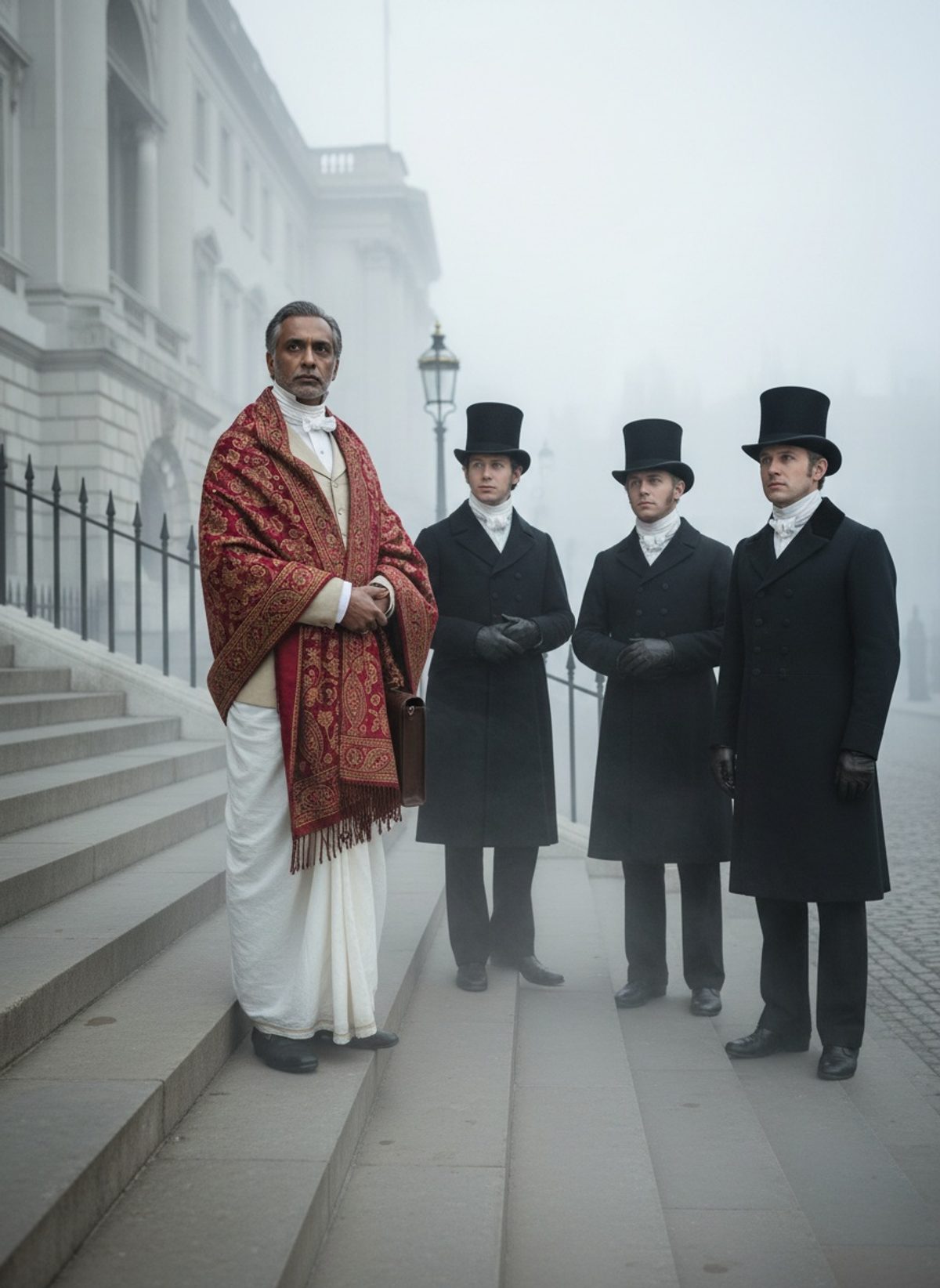
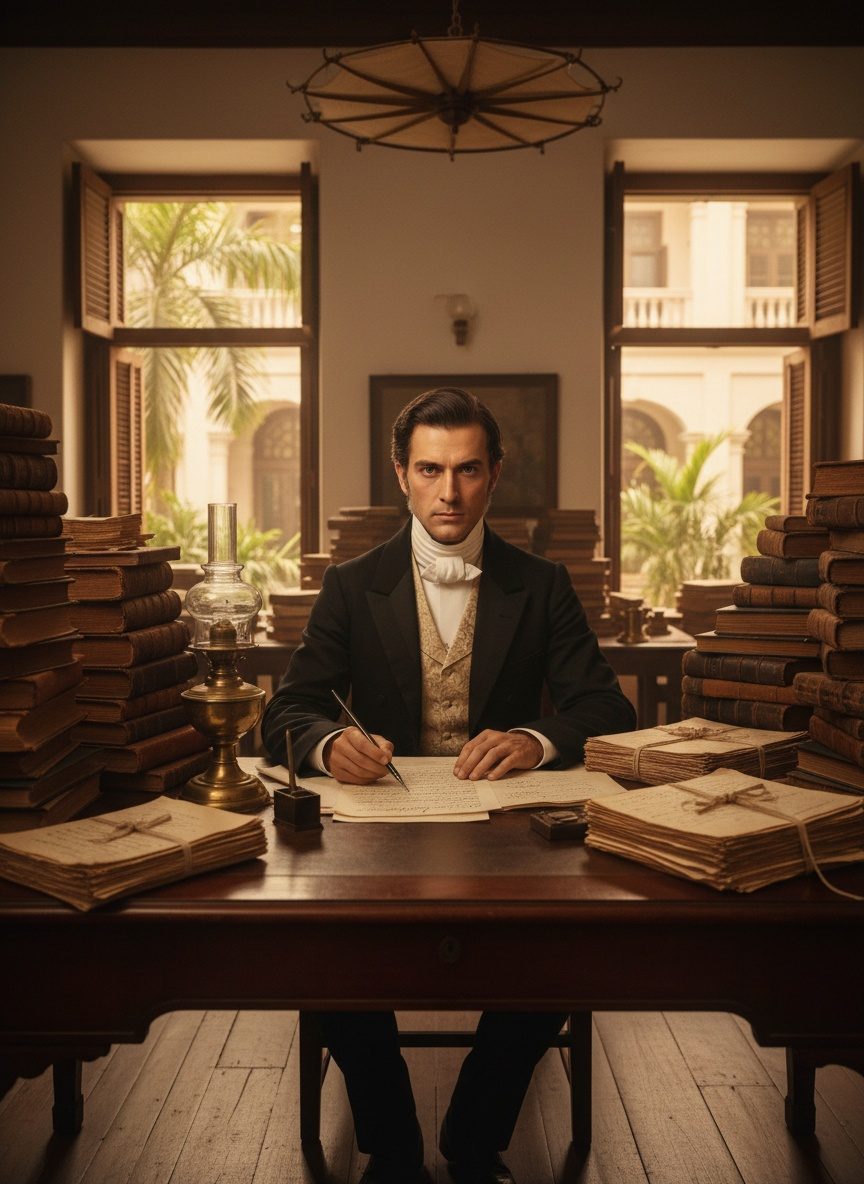
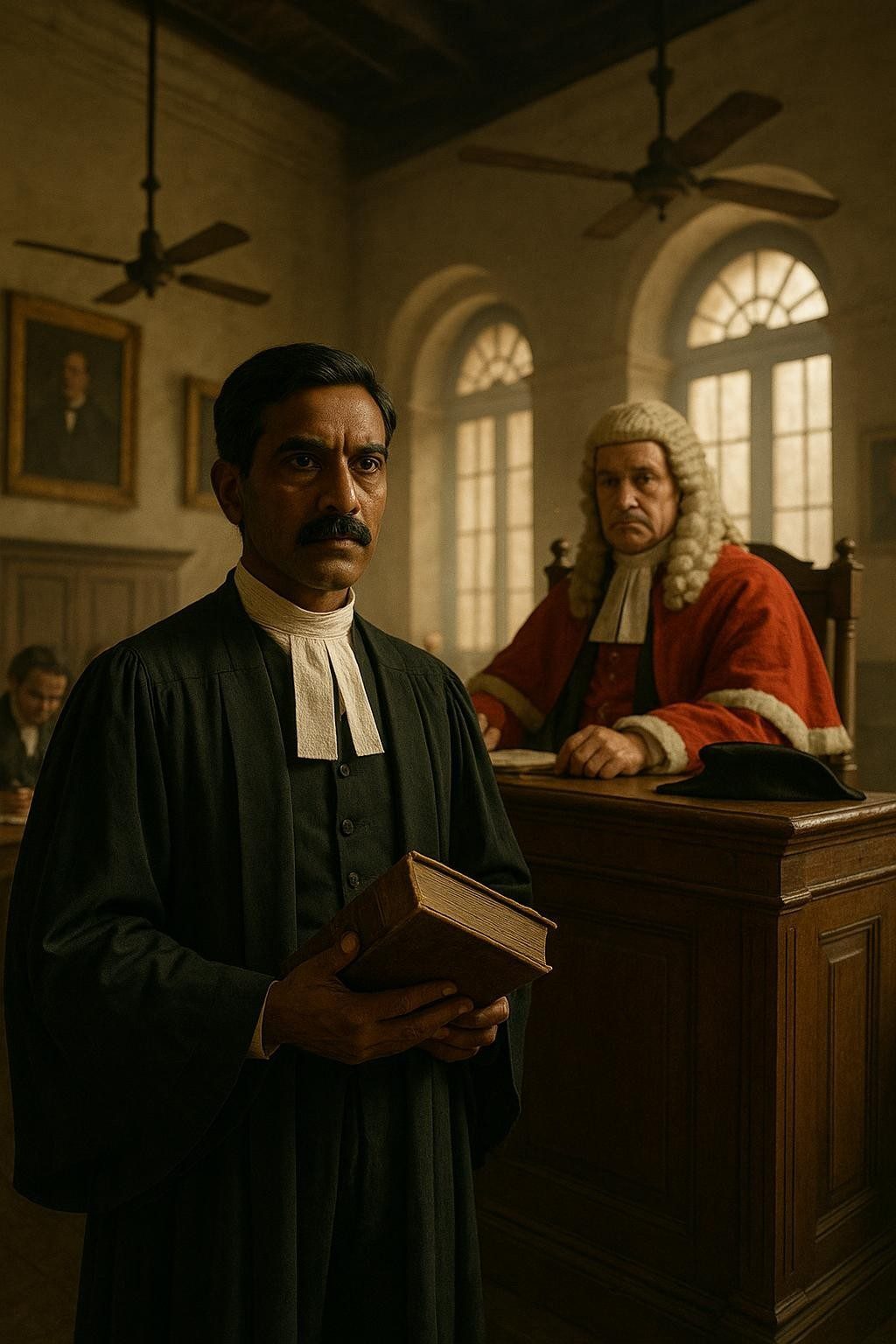
He was born in Bengal. He spoke six languages. He arrived in London in 1831 as the first Indian to petition Parliament directly. And Britain had no idea what to make of him.
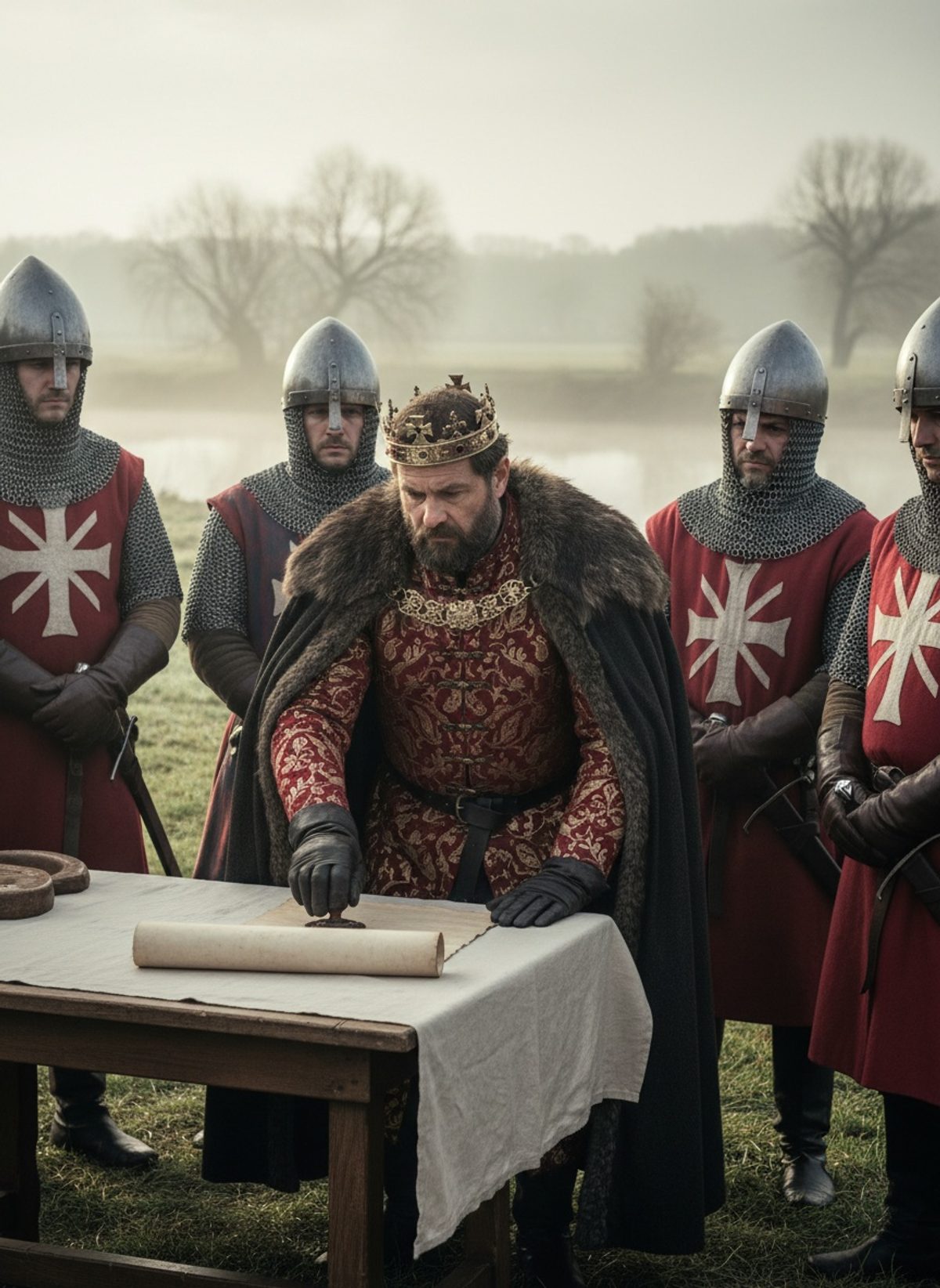
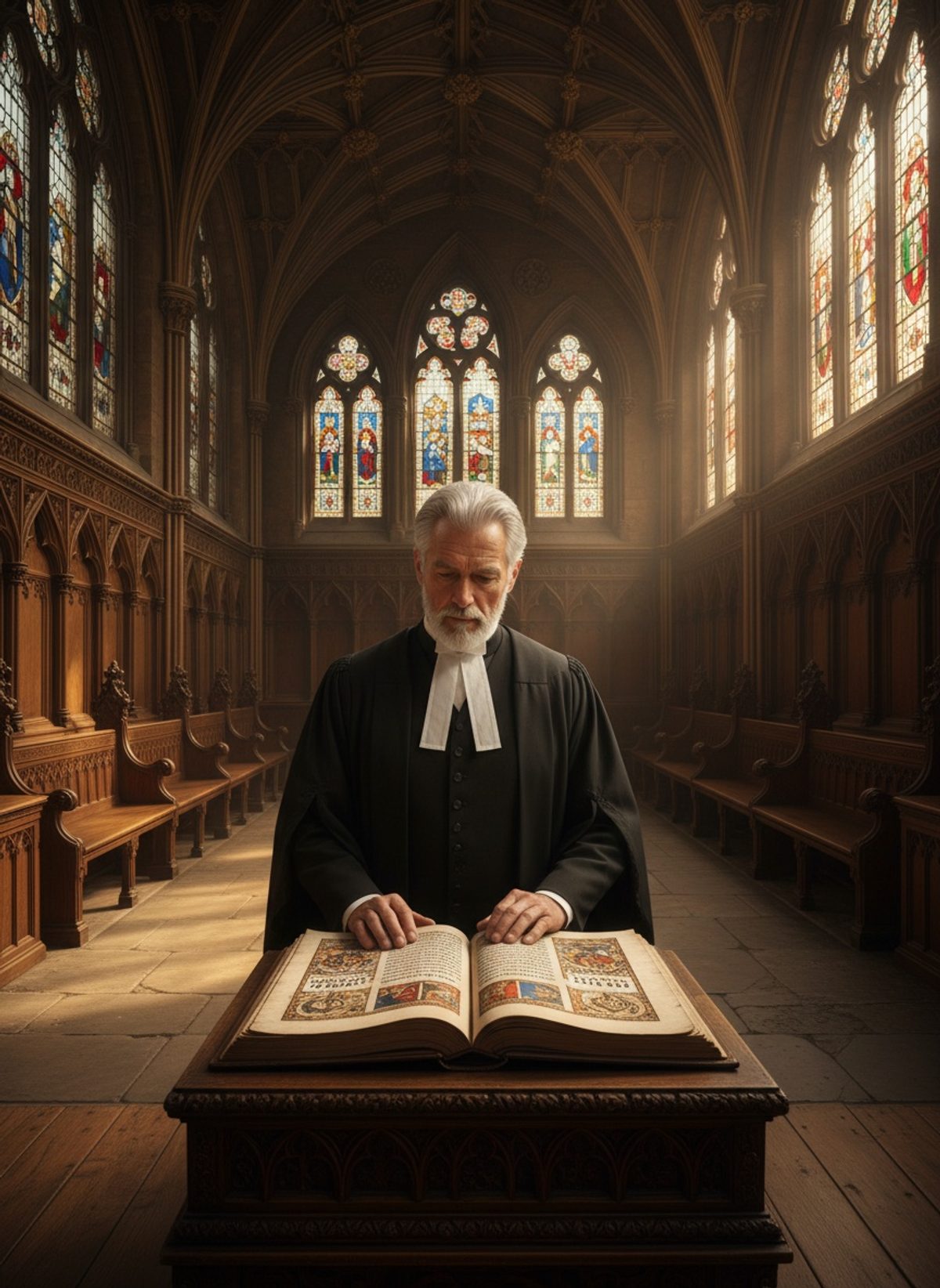
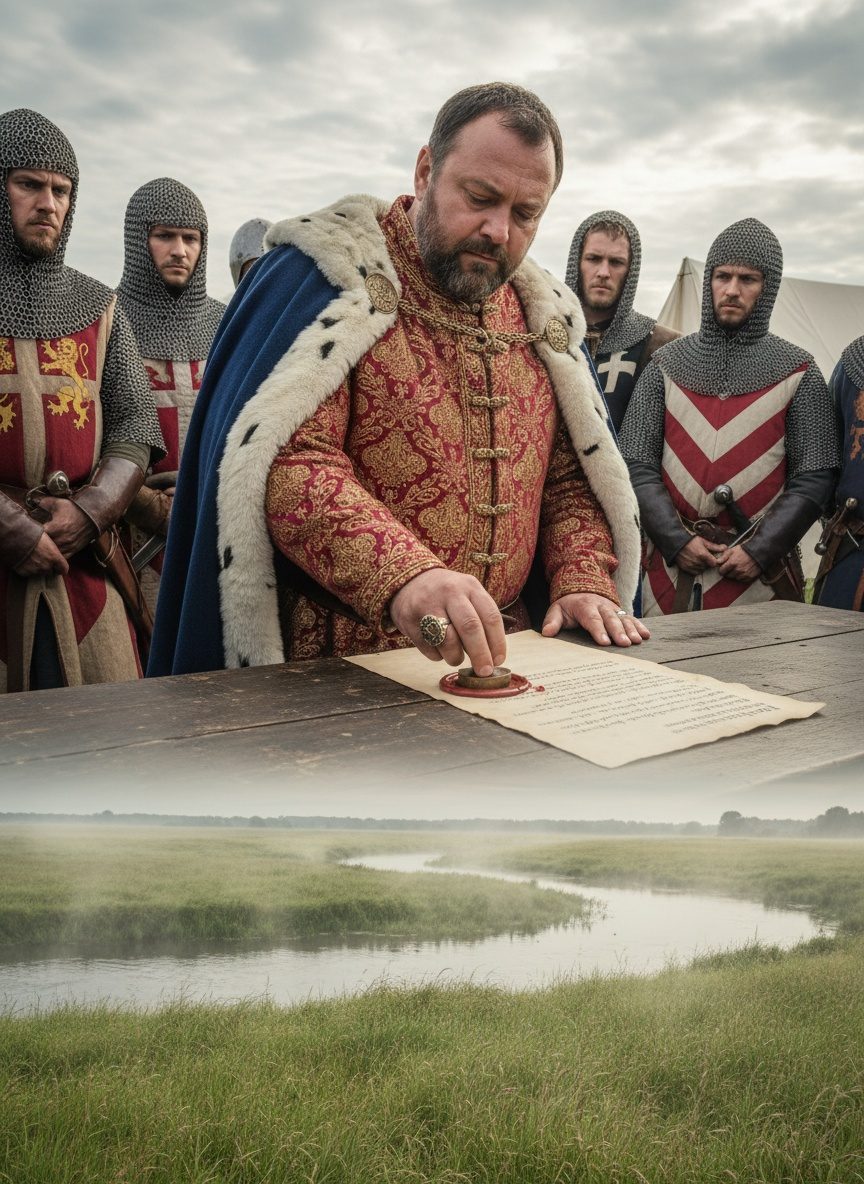
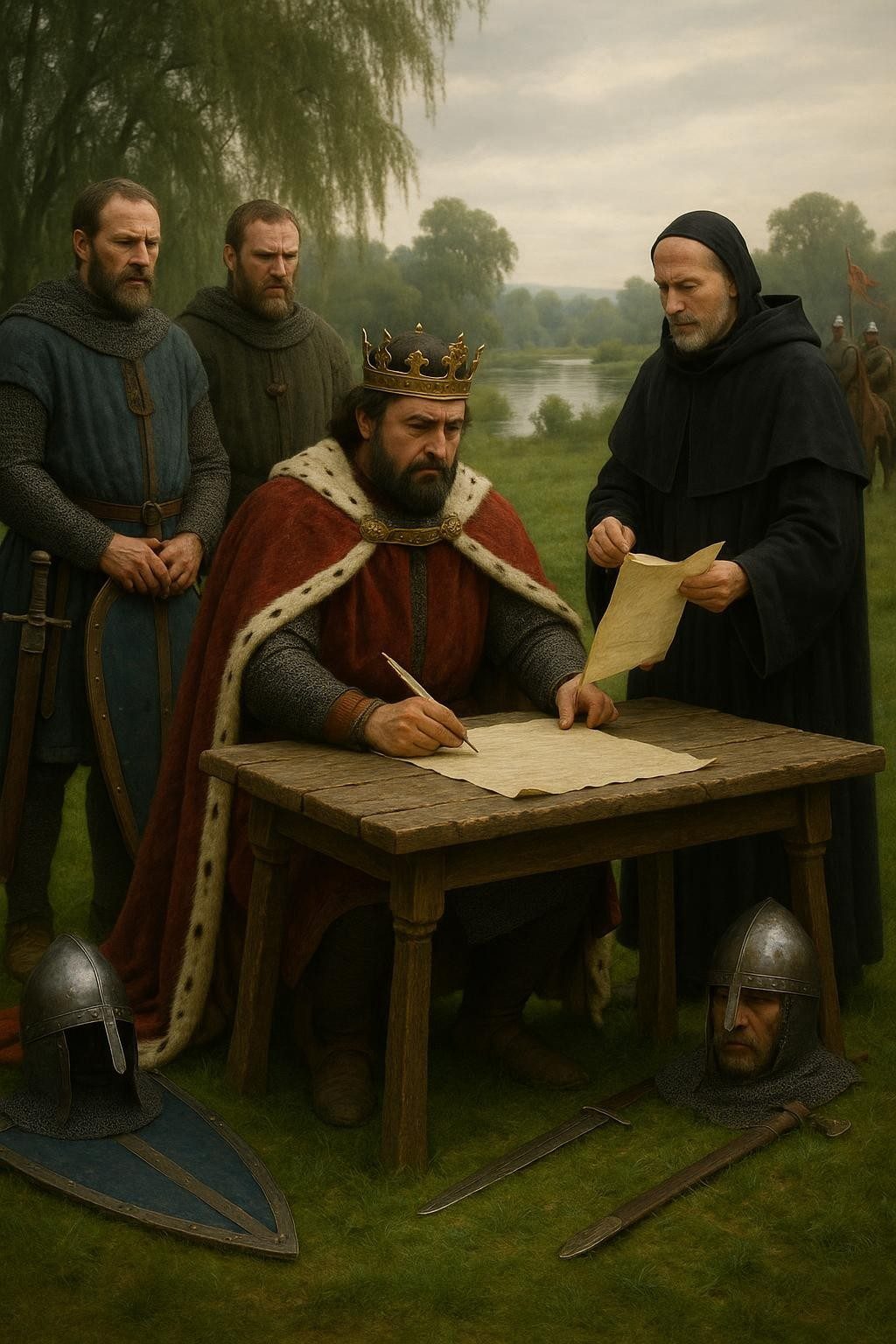
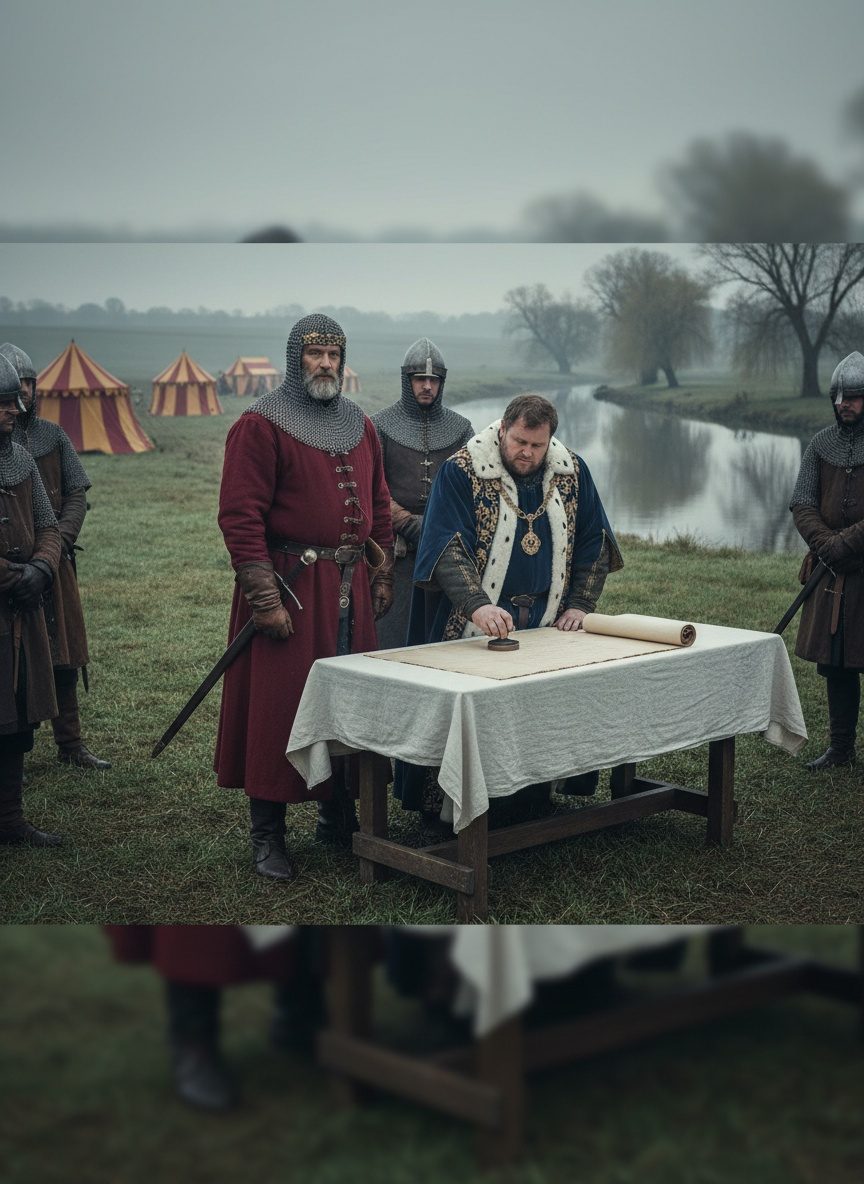
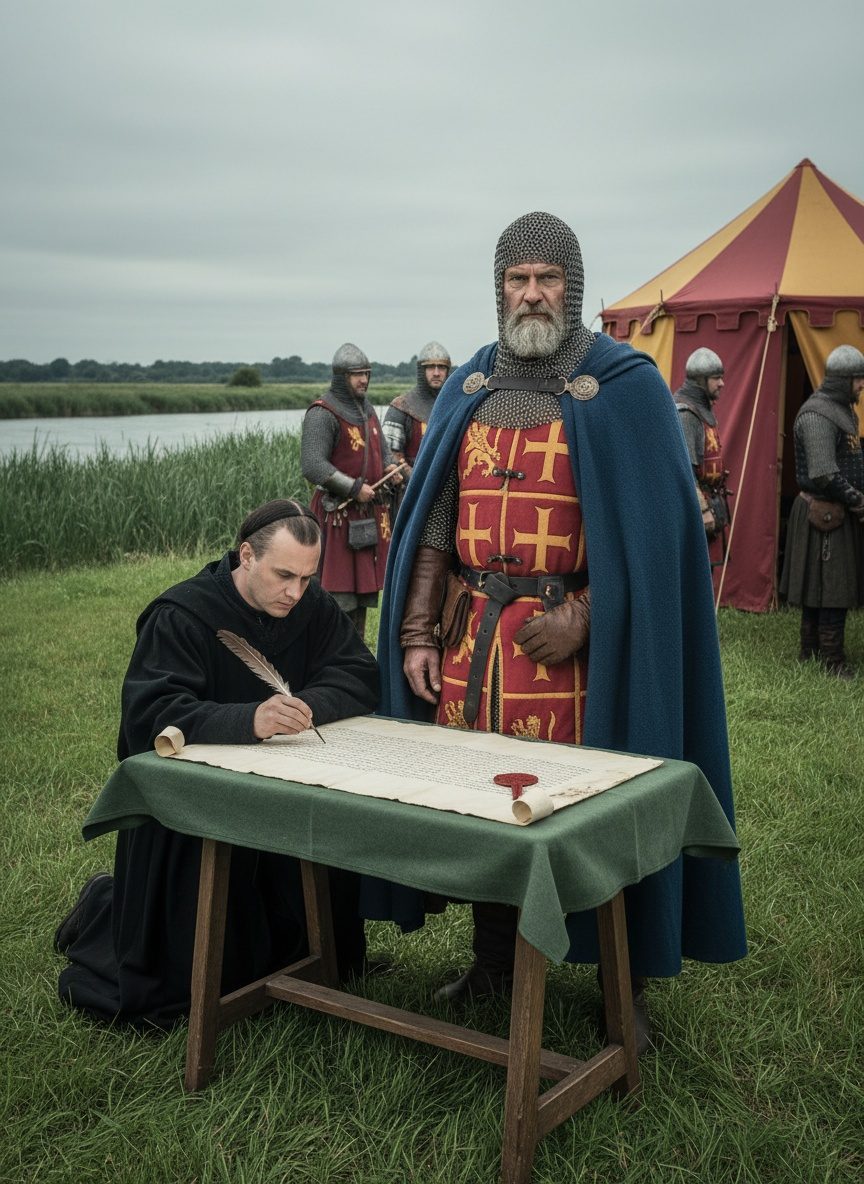
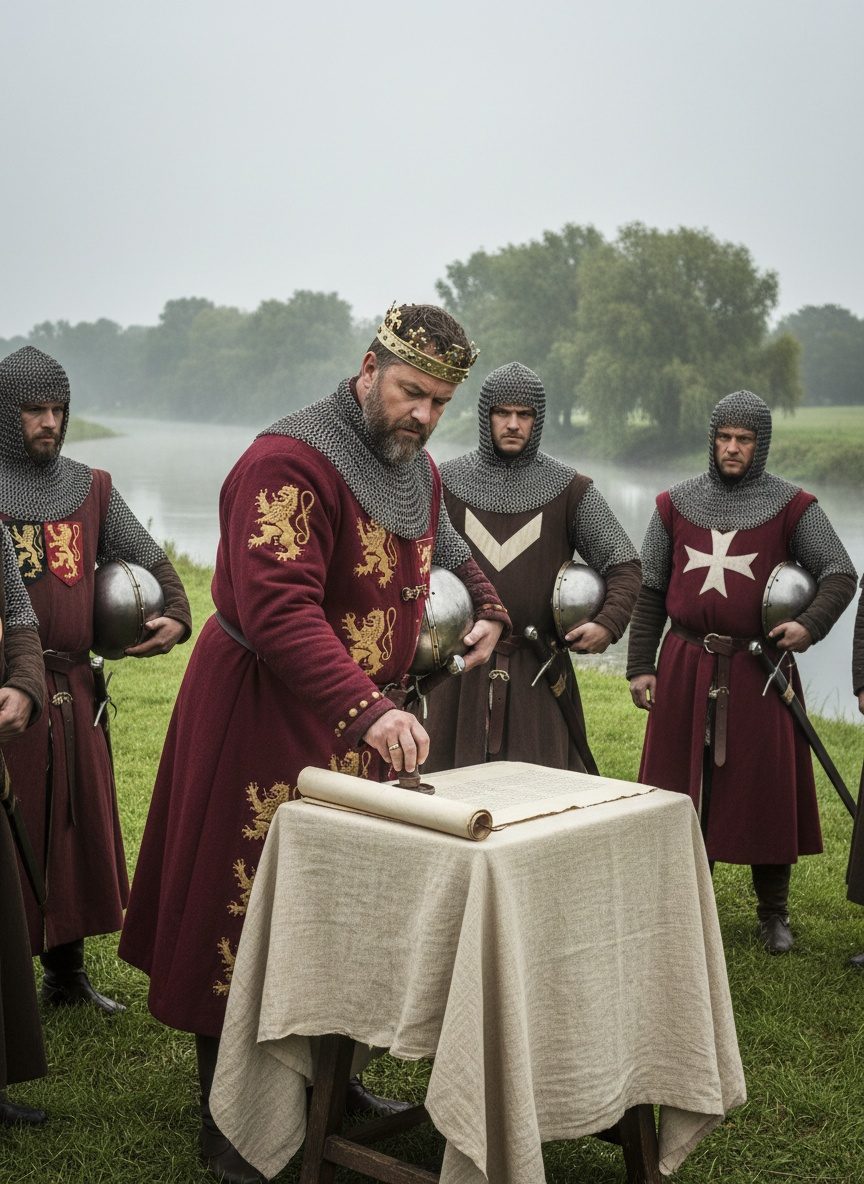
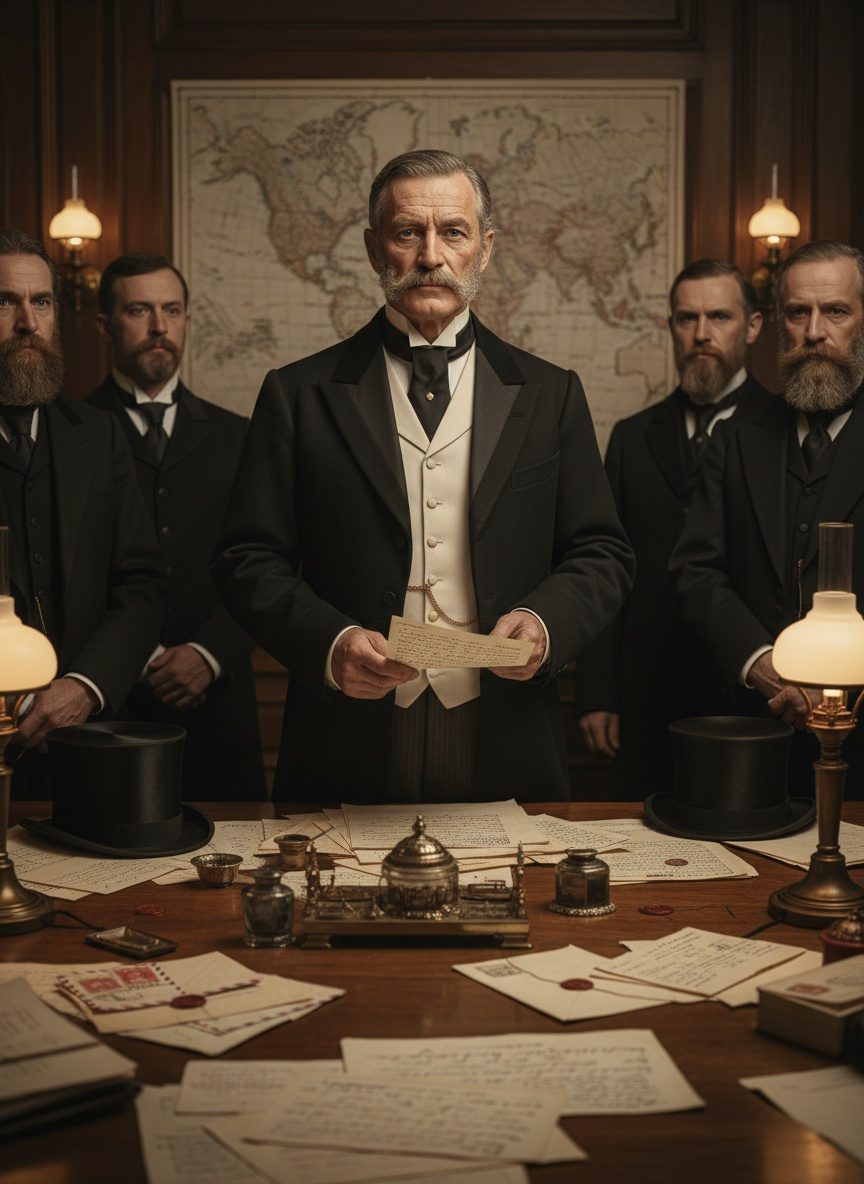
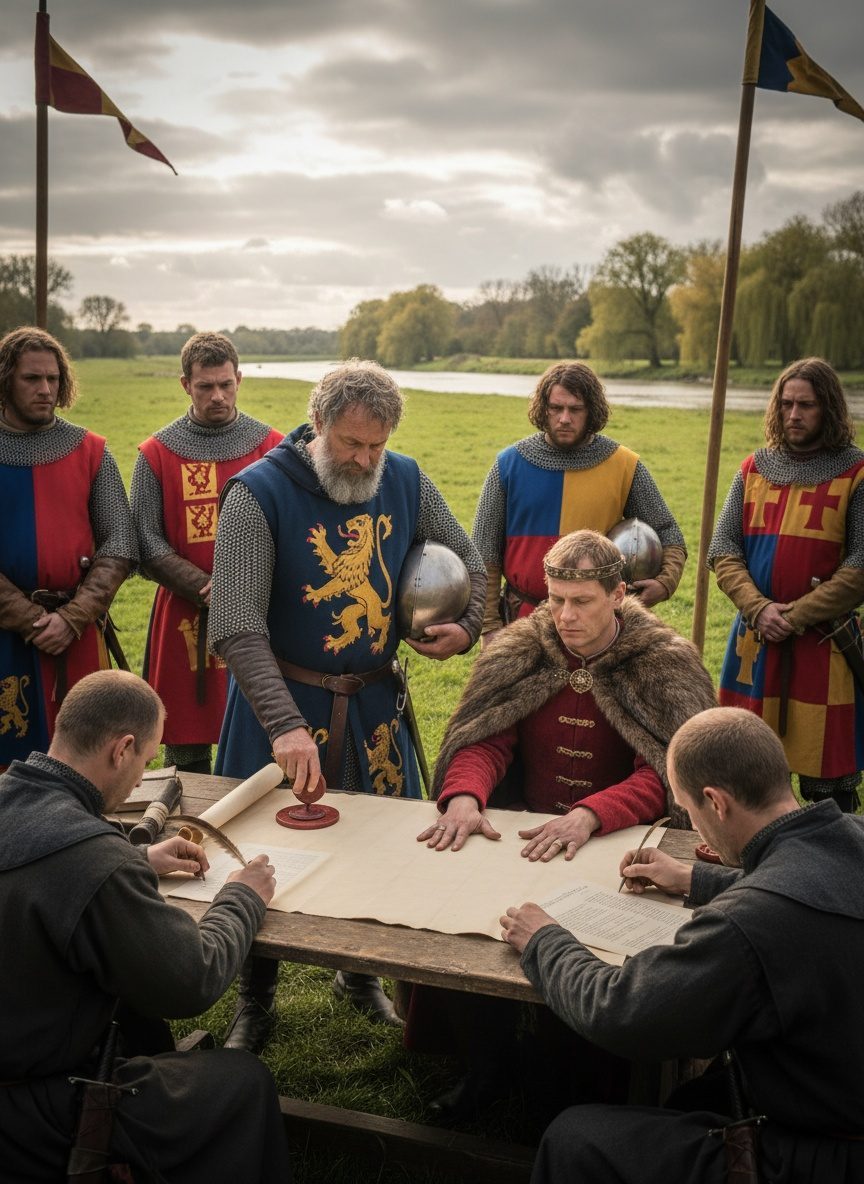
June 1215. A king pressed his seal into parchment. He did not know what he had done. Eight centuries later, courts on six continents still open with the words he was forced to sign. One meadow. One document. One world changed.
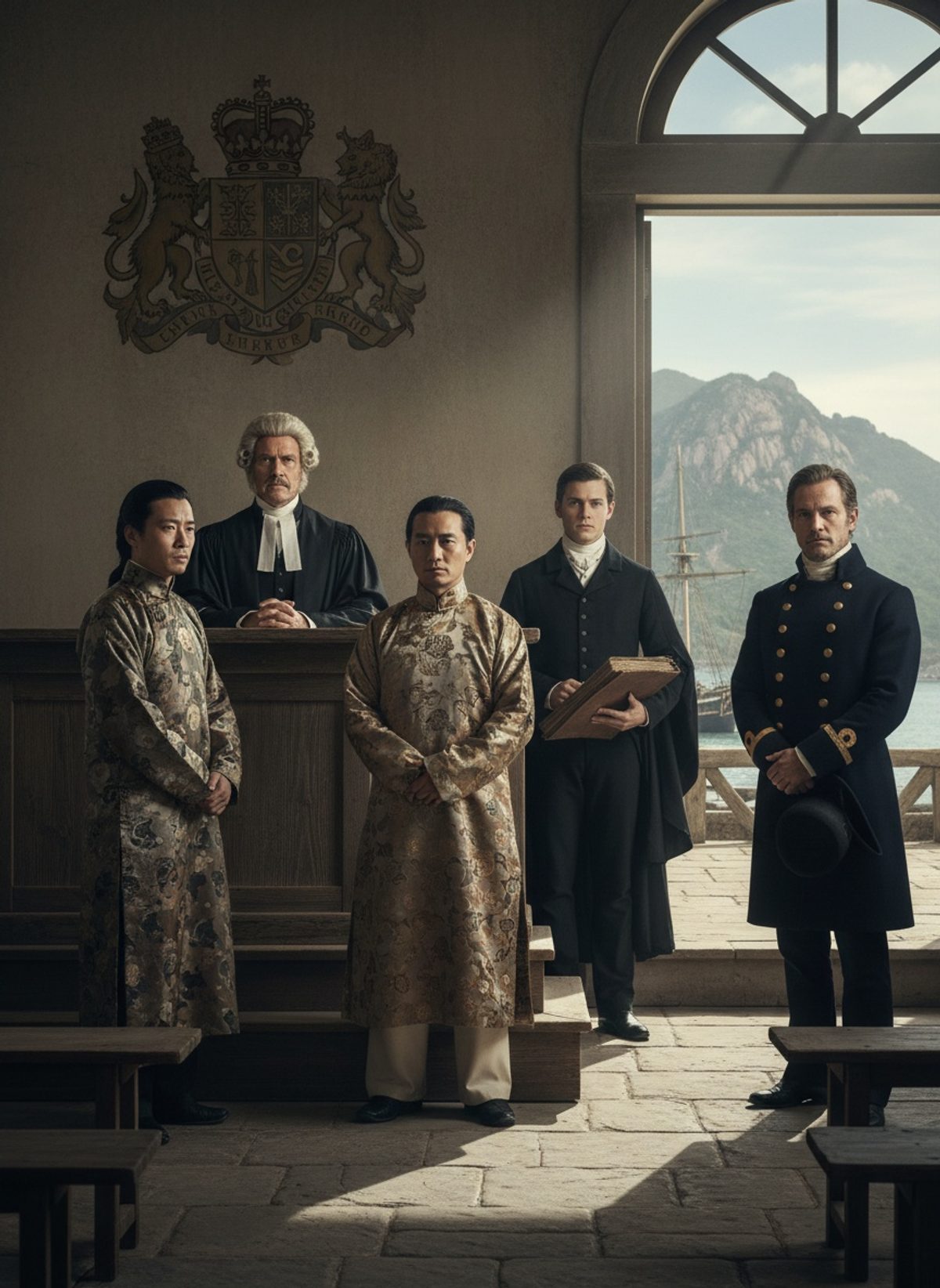
1842. Britain signed the Treaty of Nanking. Hong Kong was ceded to the Crown. Within months, English courts opened on the island. One legal system took root. It would outlast the empire itself by decades.
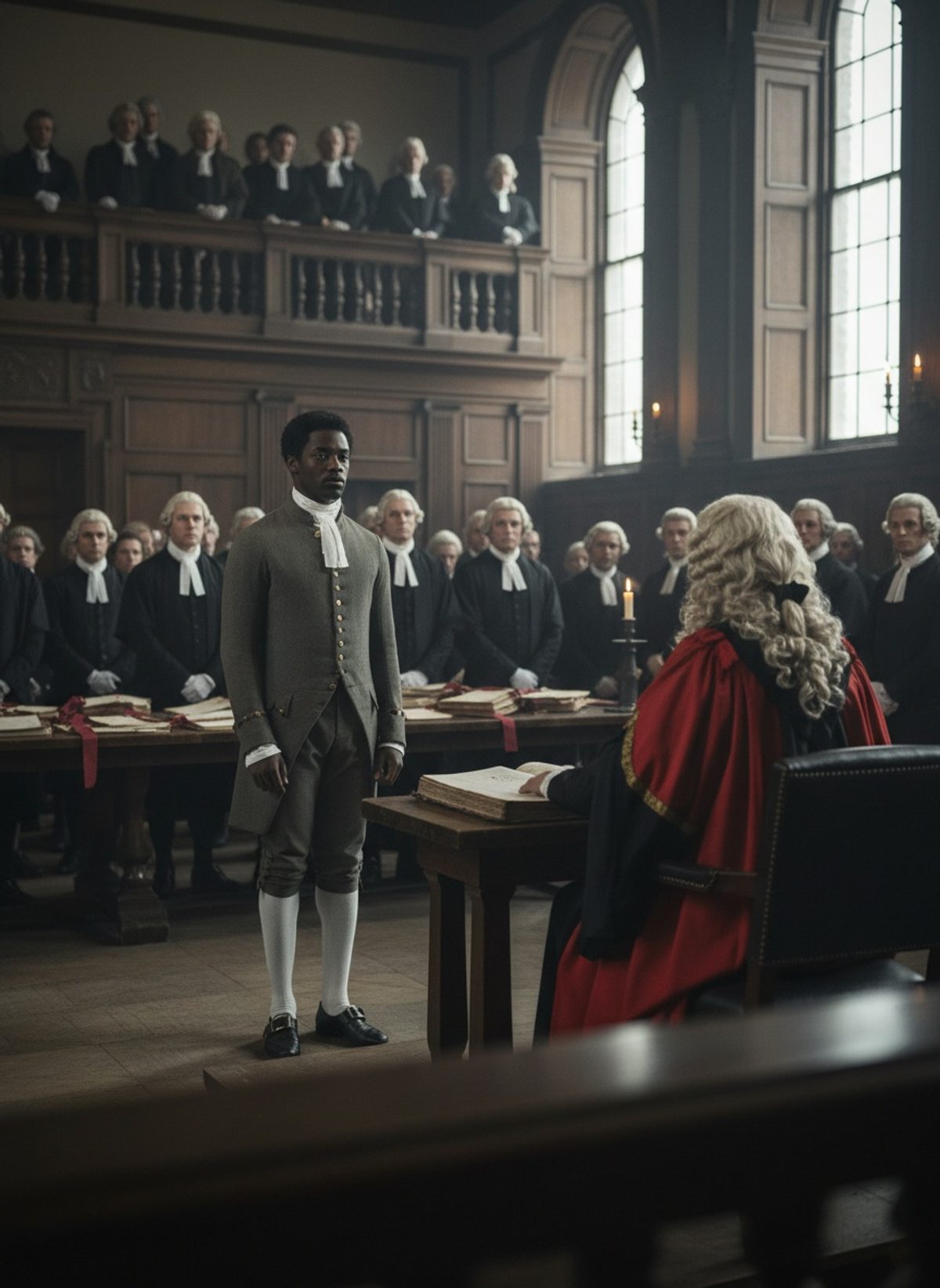
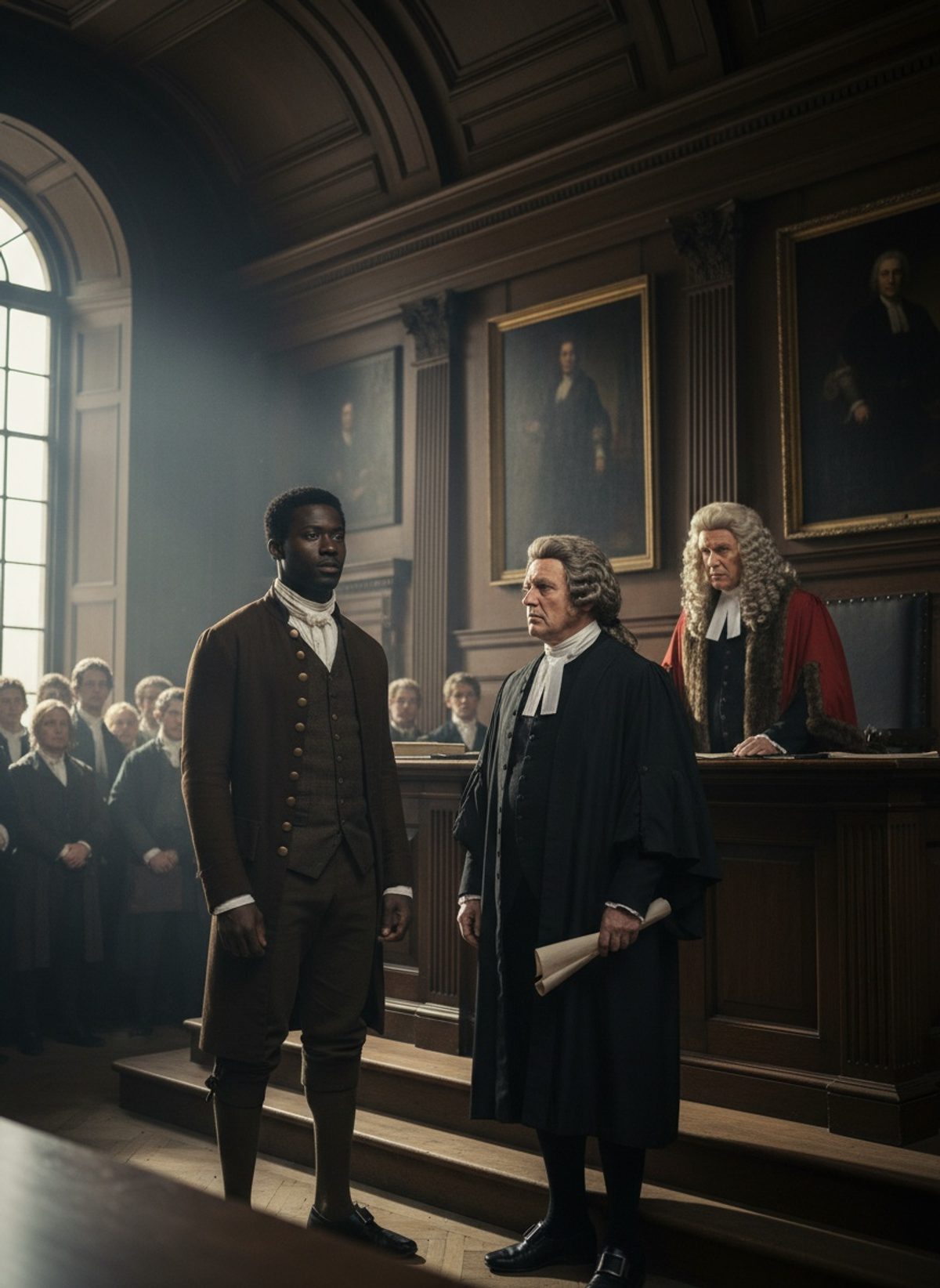
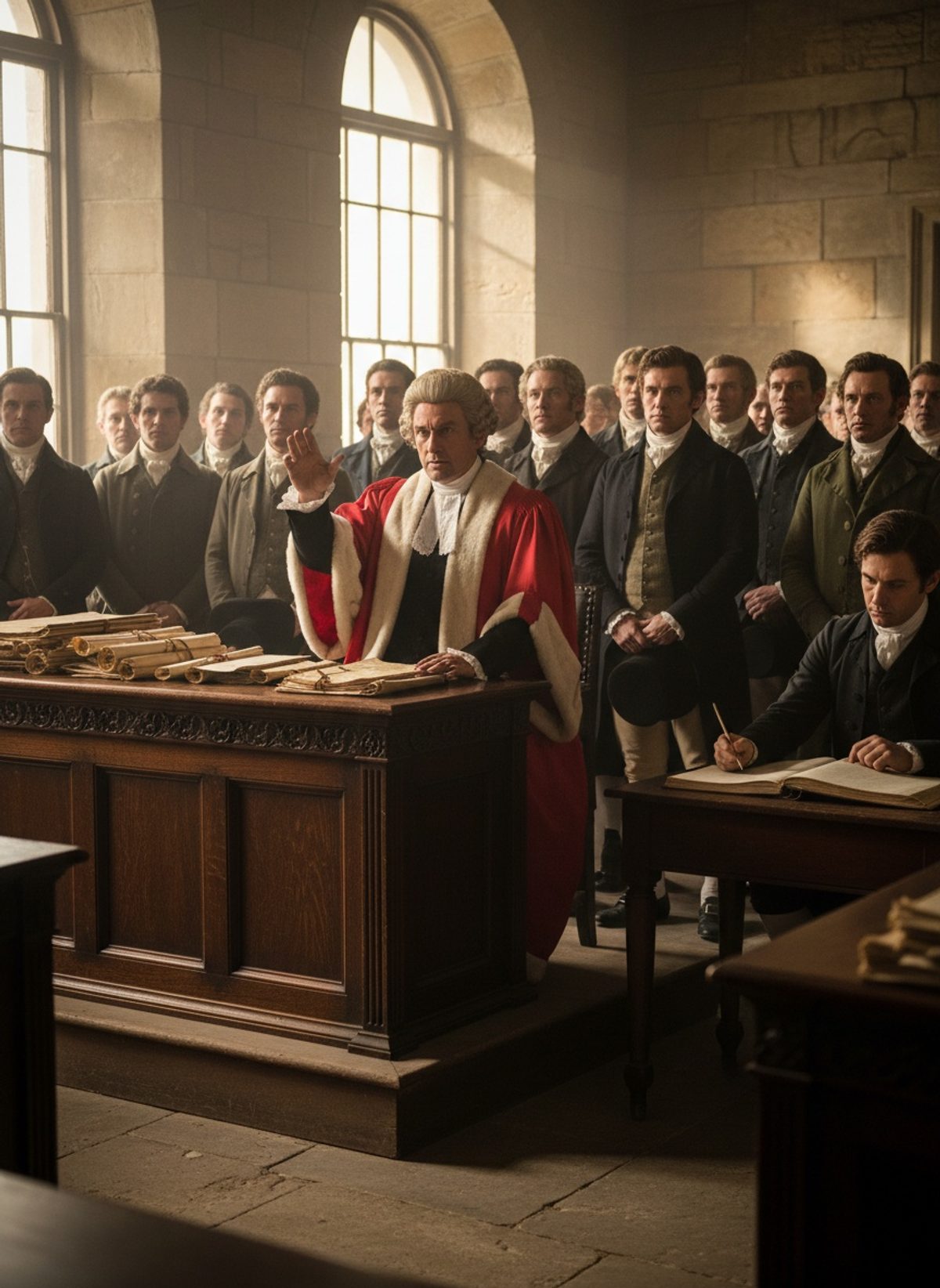
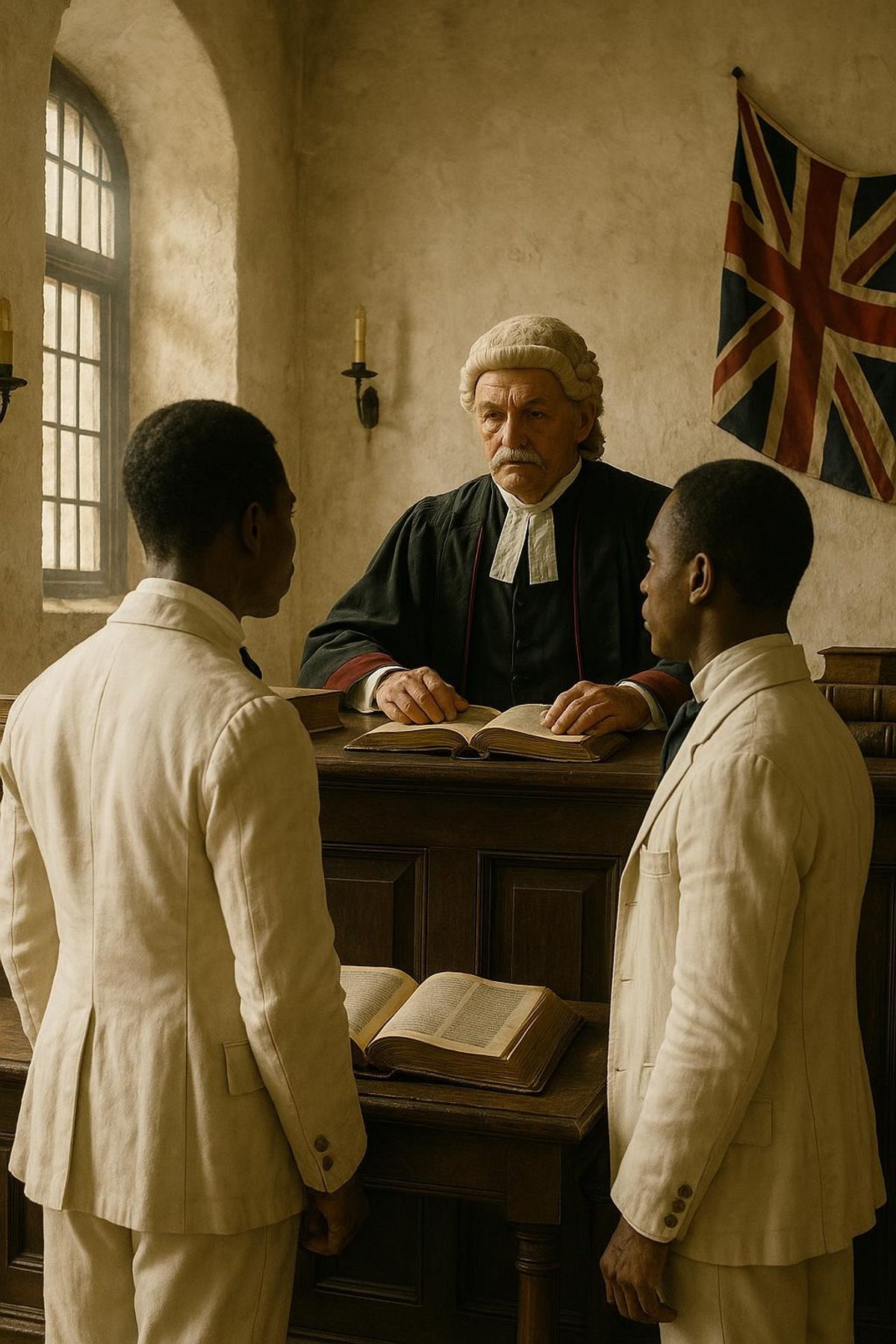
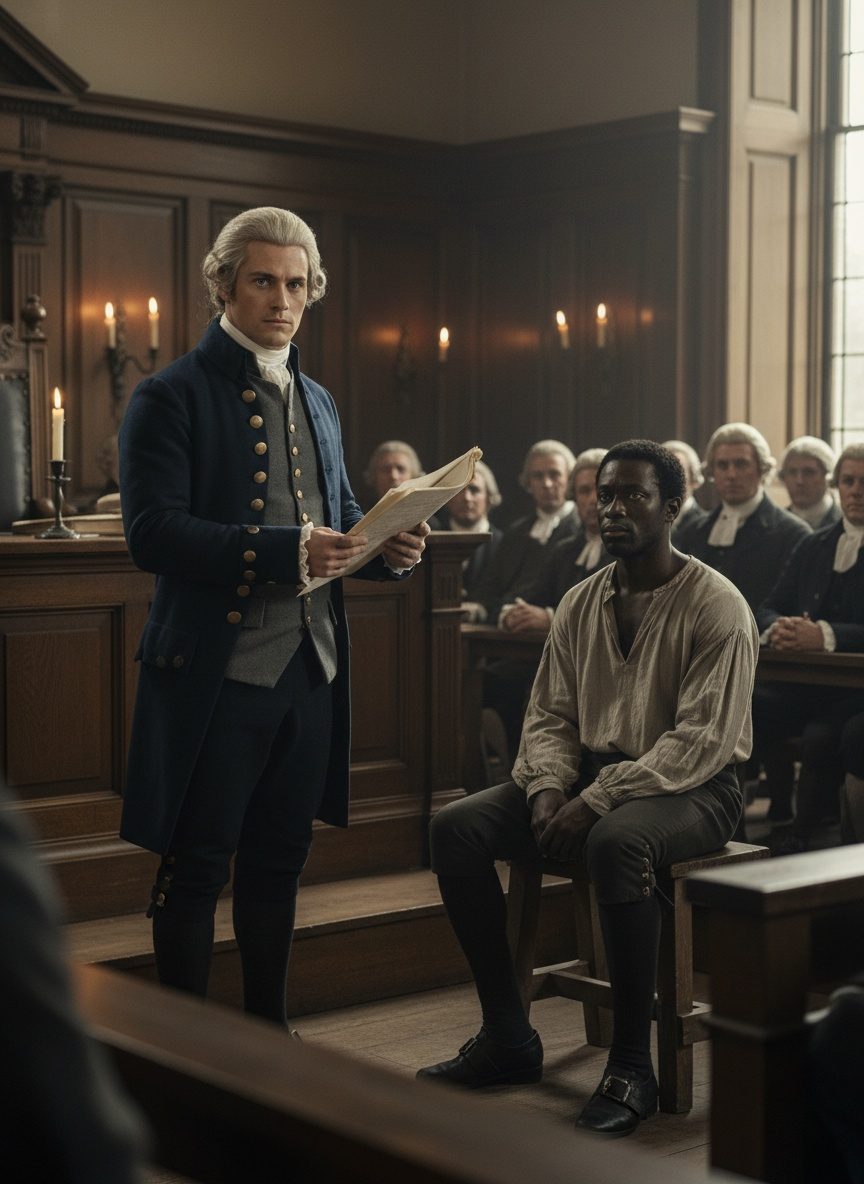
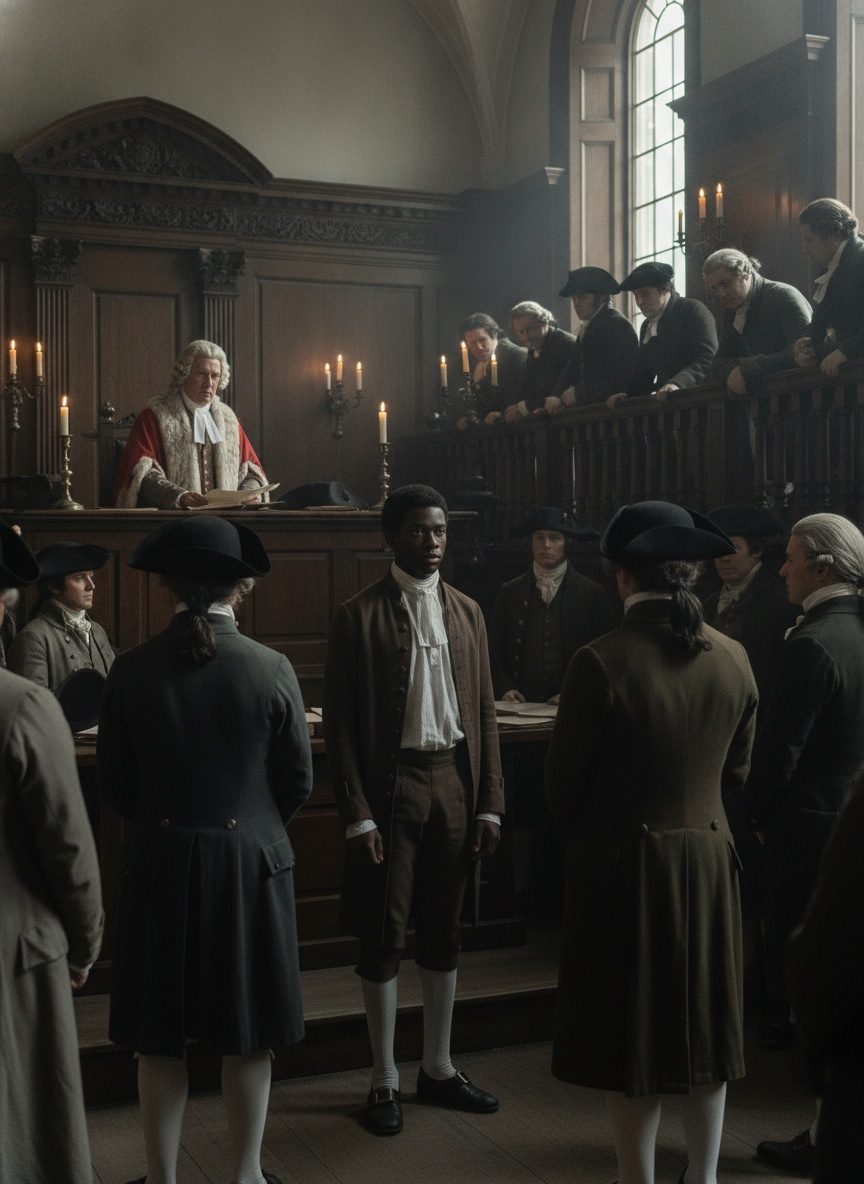
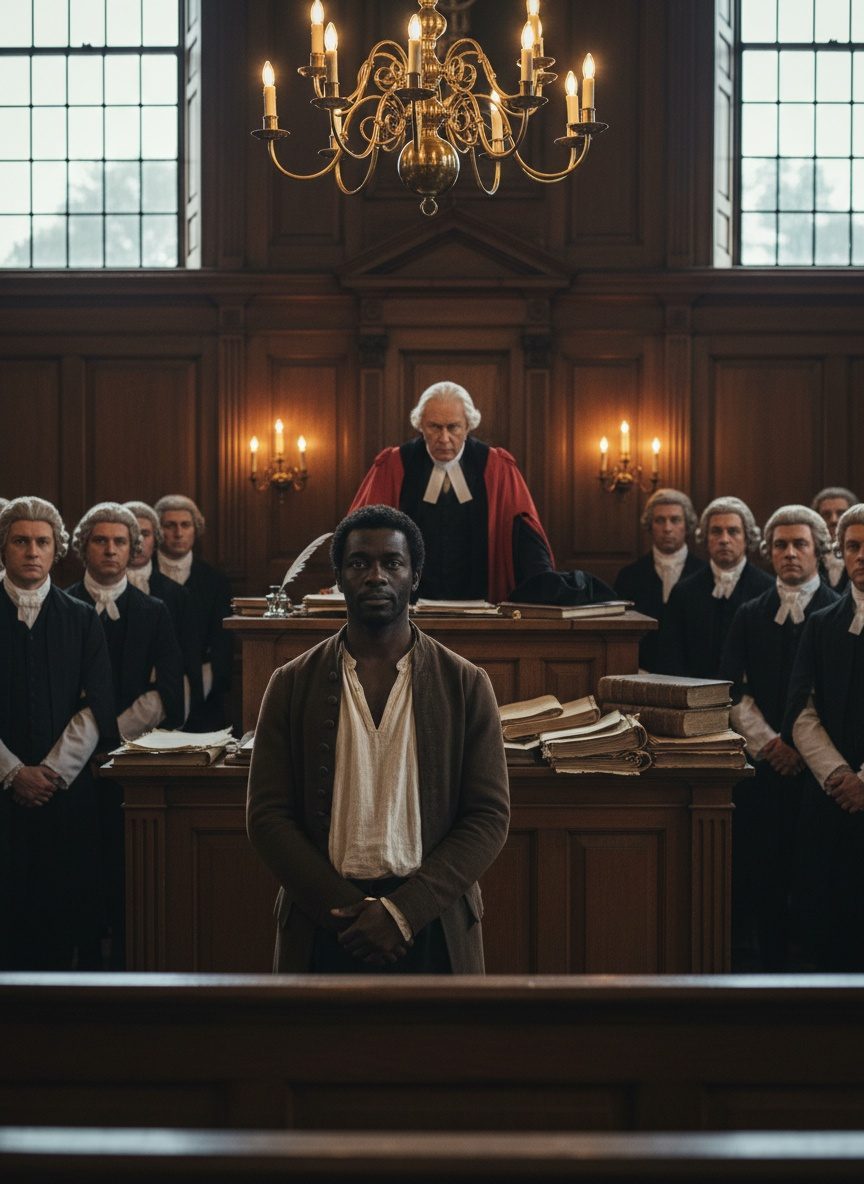
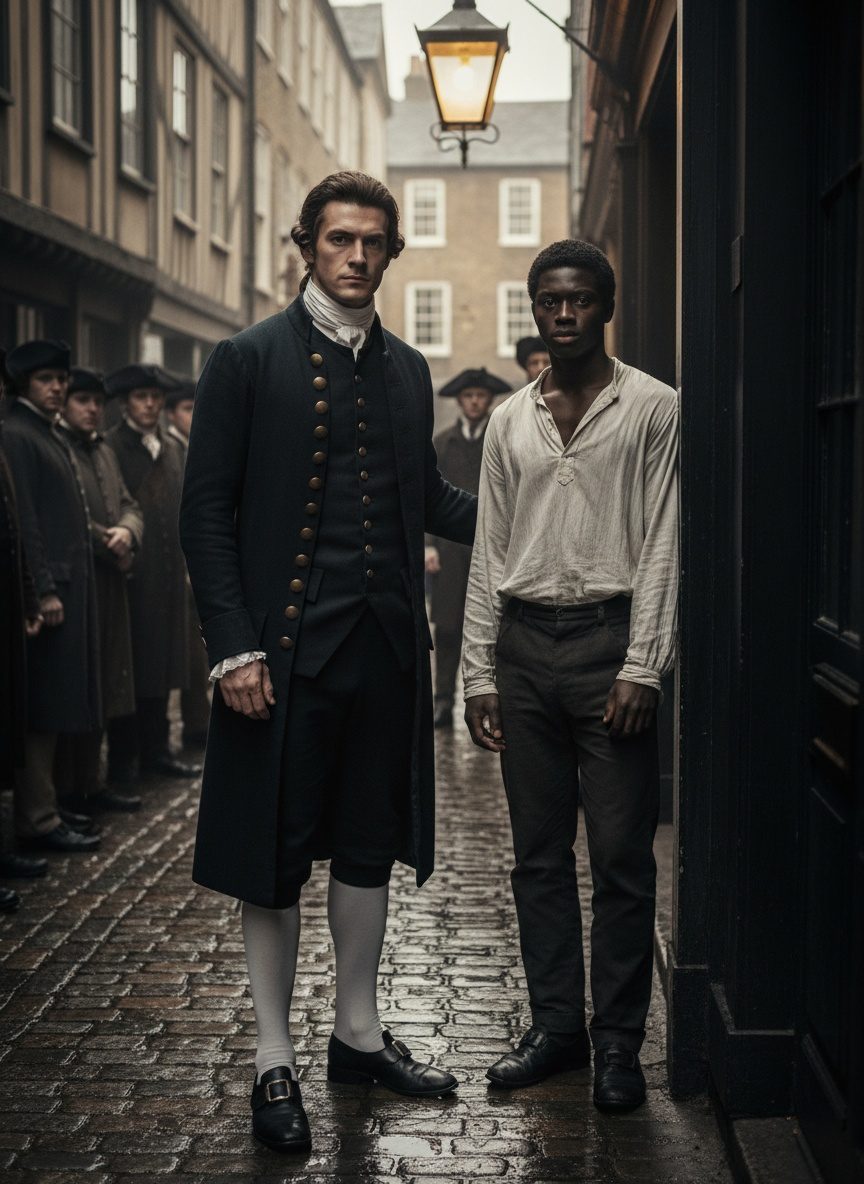
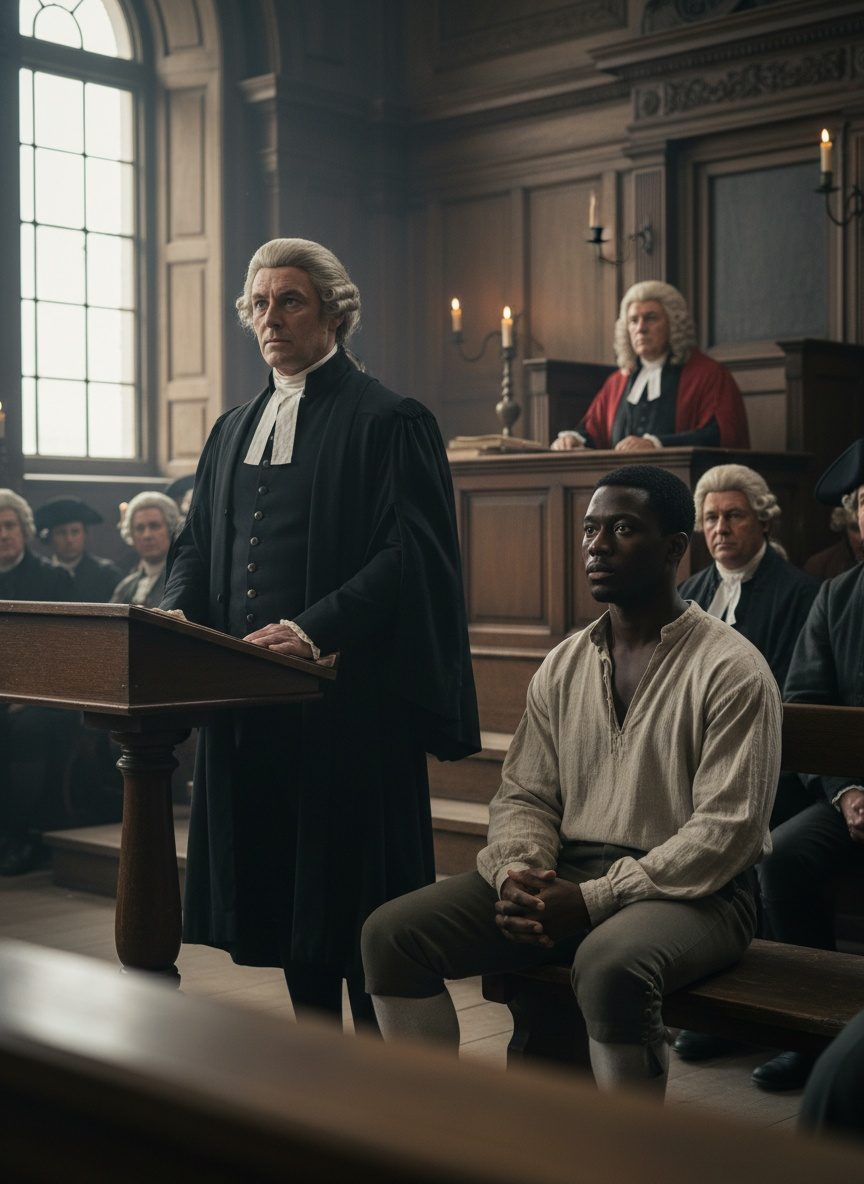
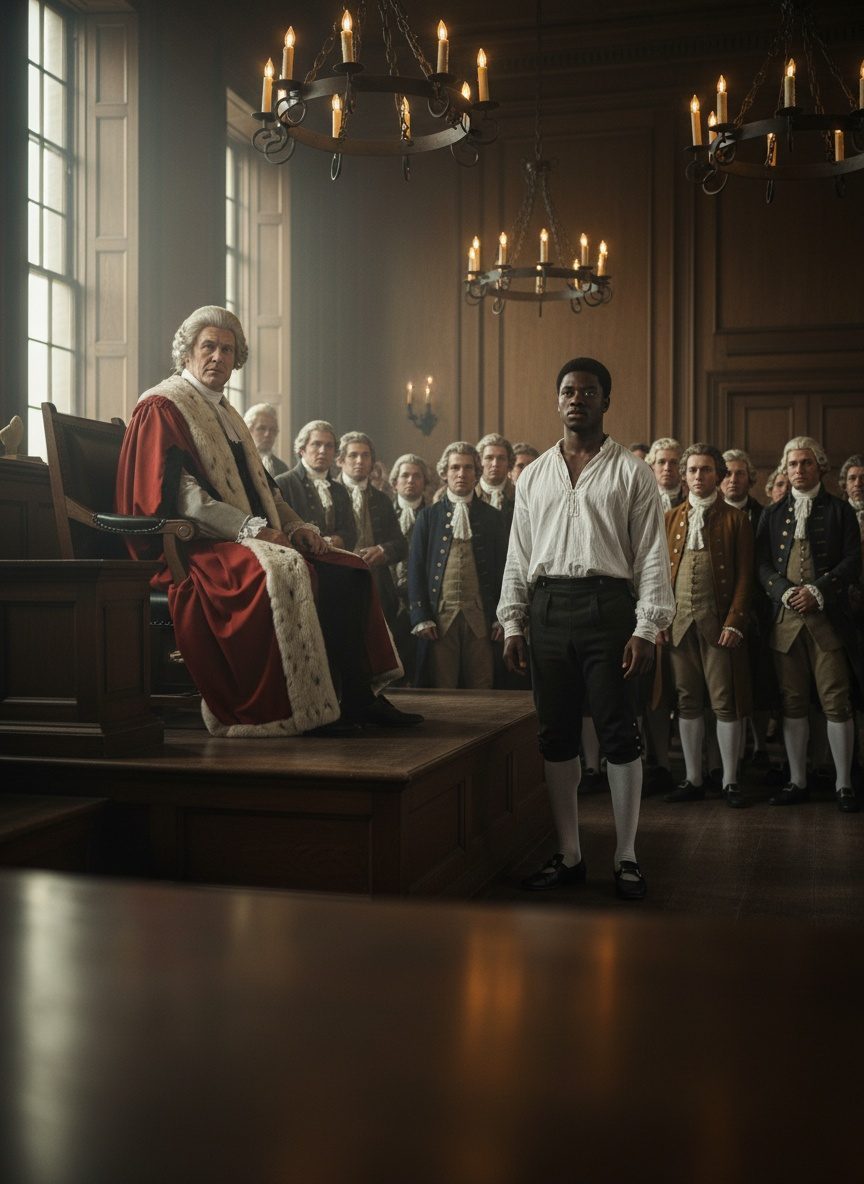
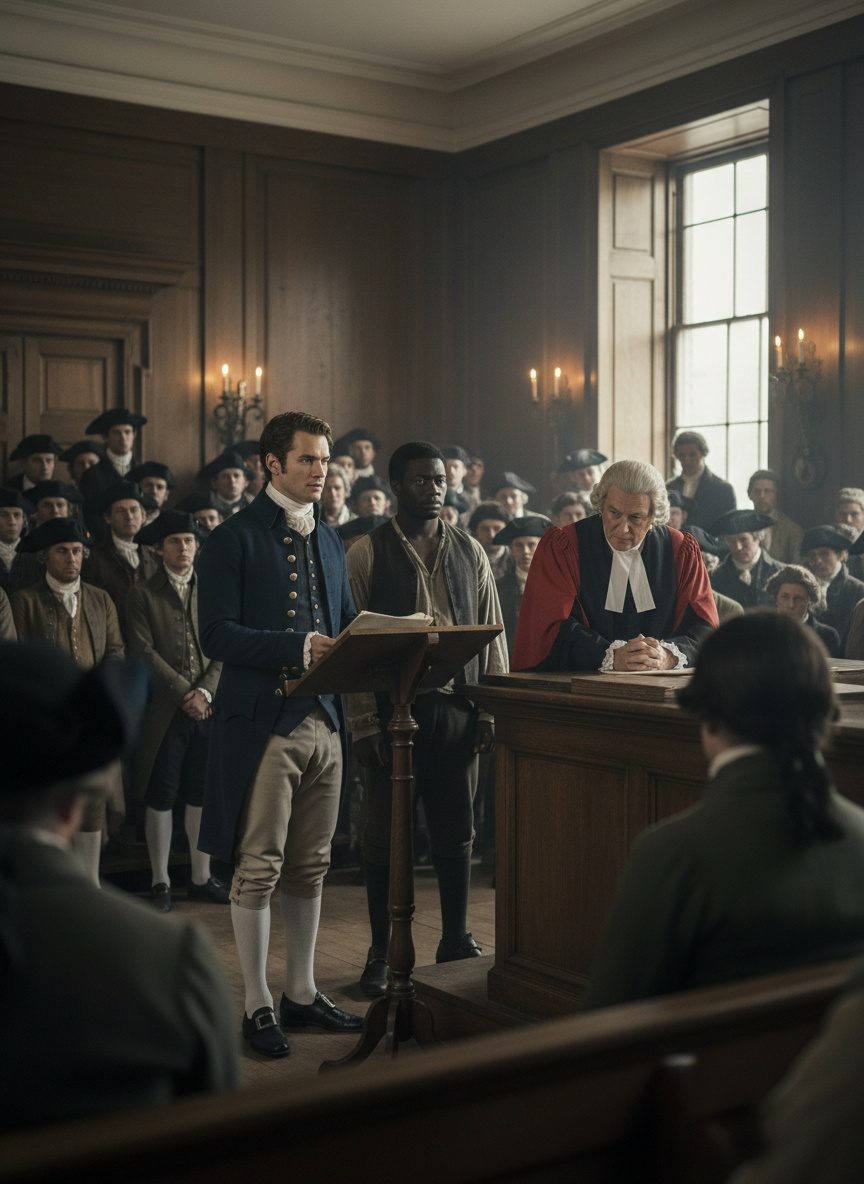
London, 1772. James Somerset was a slave. He had escaped. His master wanted him shipped to Jamaica in chains. Lord Mansfield opened his court. He heard the case. Then he spoke. No man could be enslaved on English soil. Somerset walked free.
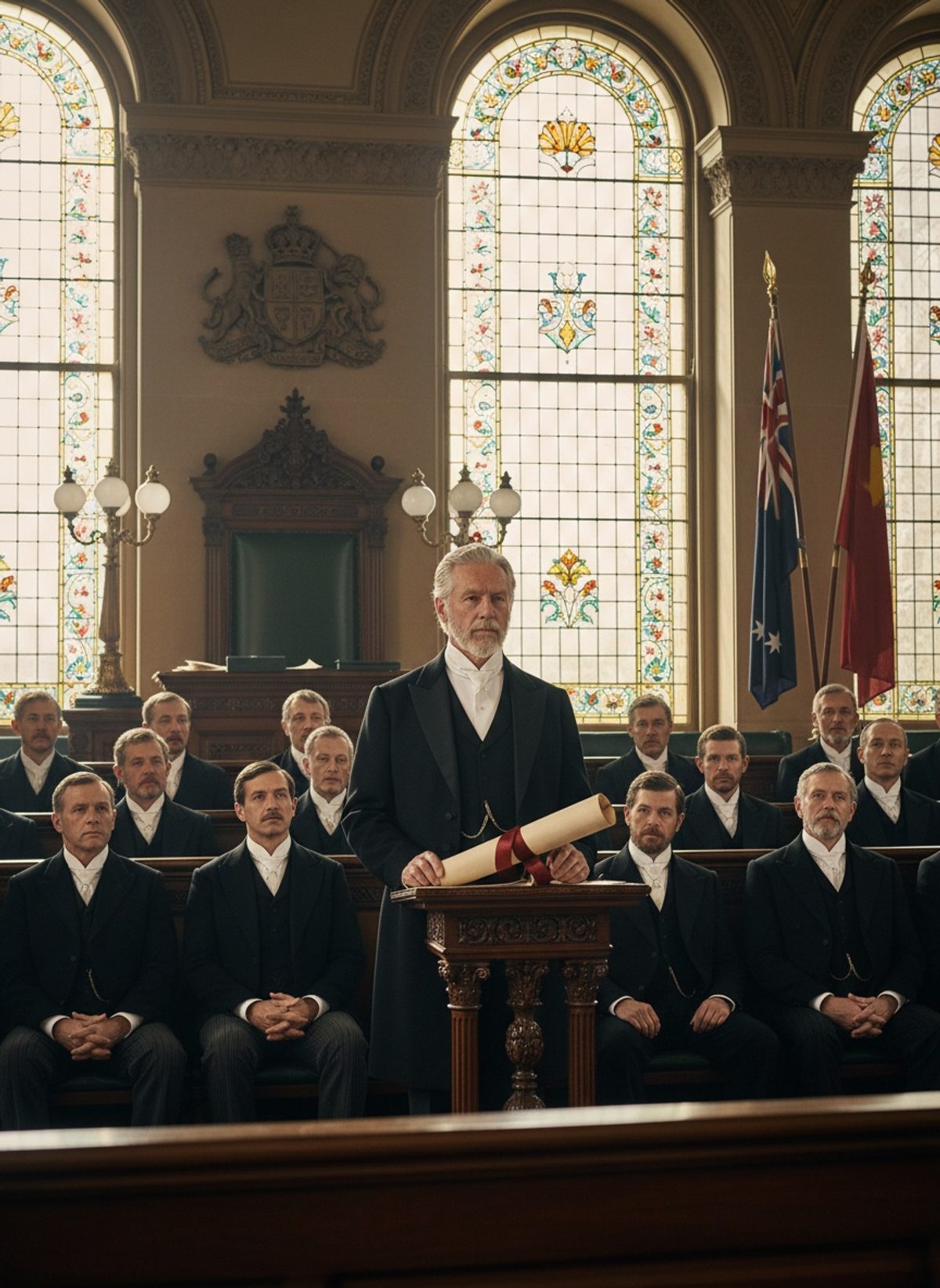
January 1, 1901. A new nation was born. Australia's founding document drew directly from Westminster. English common law became its spine. A continent built on British courts, British procedure, British rights. The empire's greatest export was not cotton. It was justice.
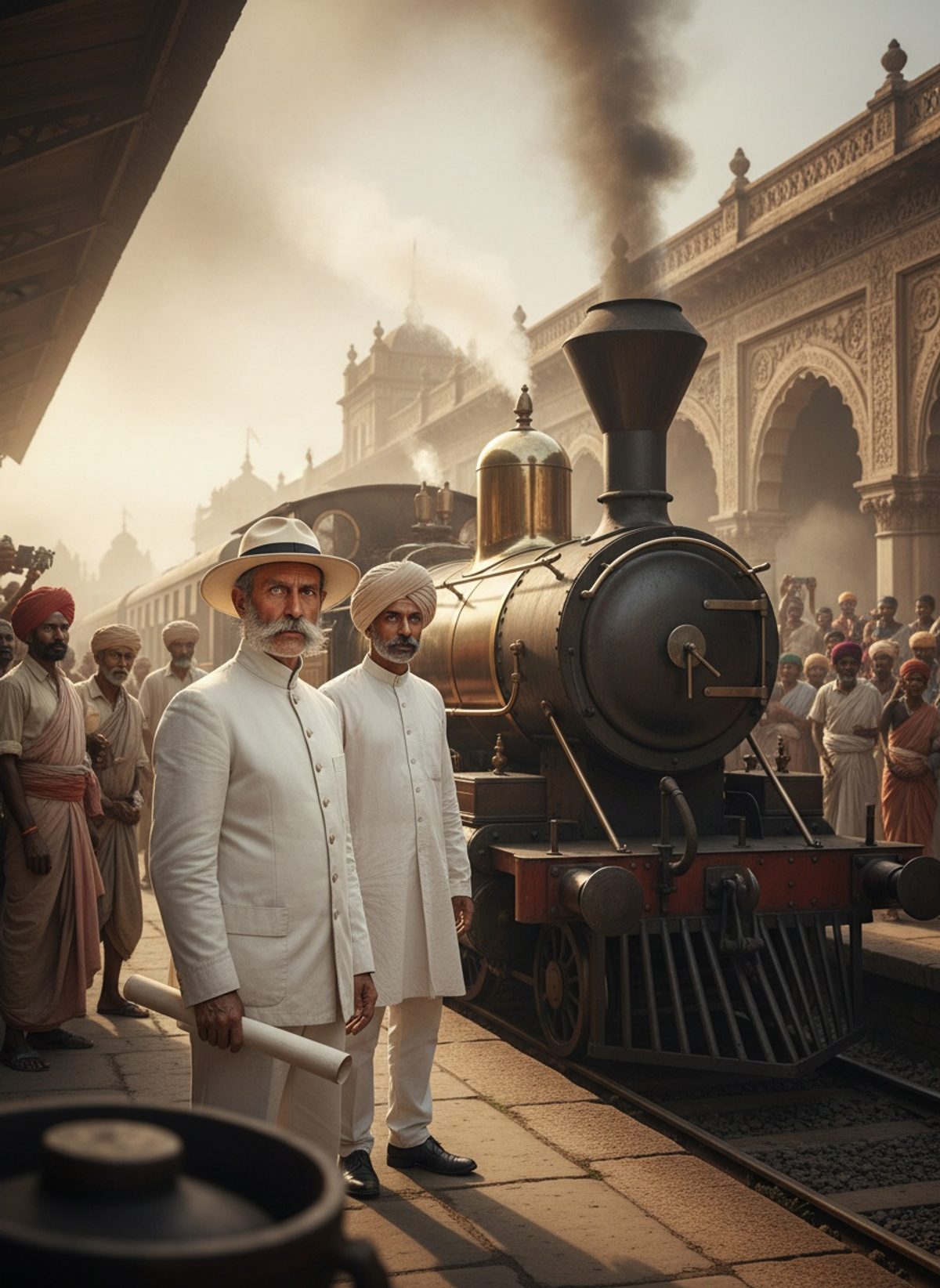
April 1853. The first passenger train in India left Bombay. It ran on tracks surveyed by British engineers. Governed by contracts written in English law. Those tracks still carry 23 million passengers every day.
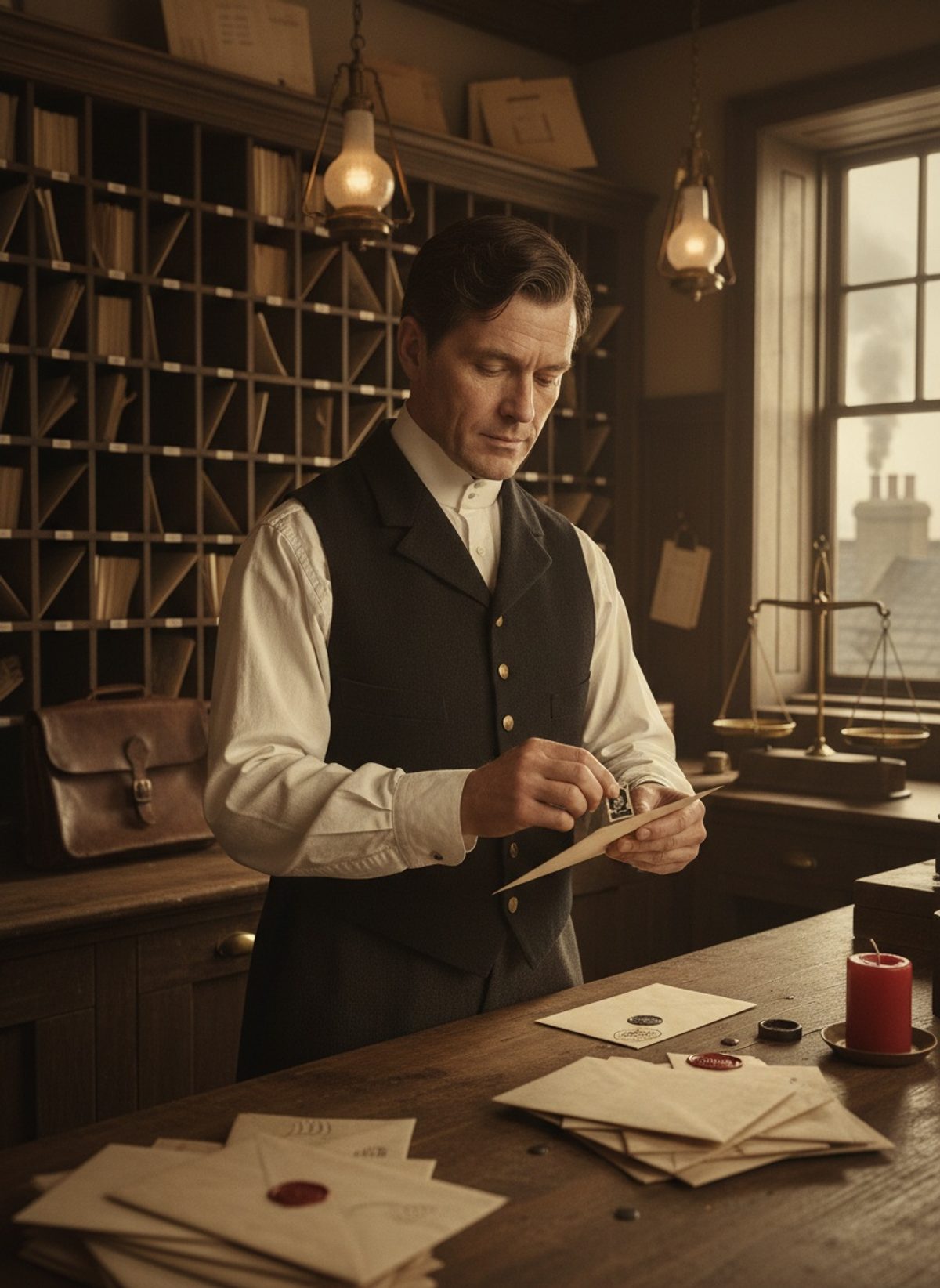
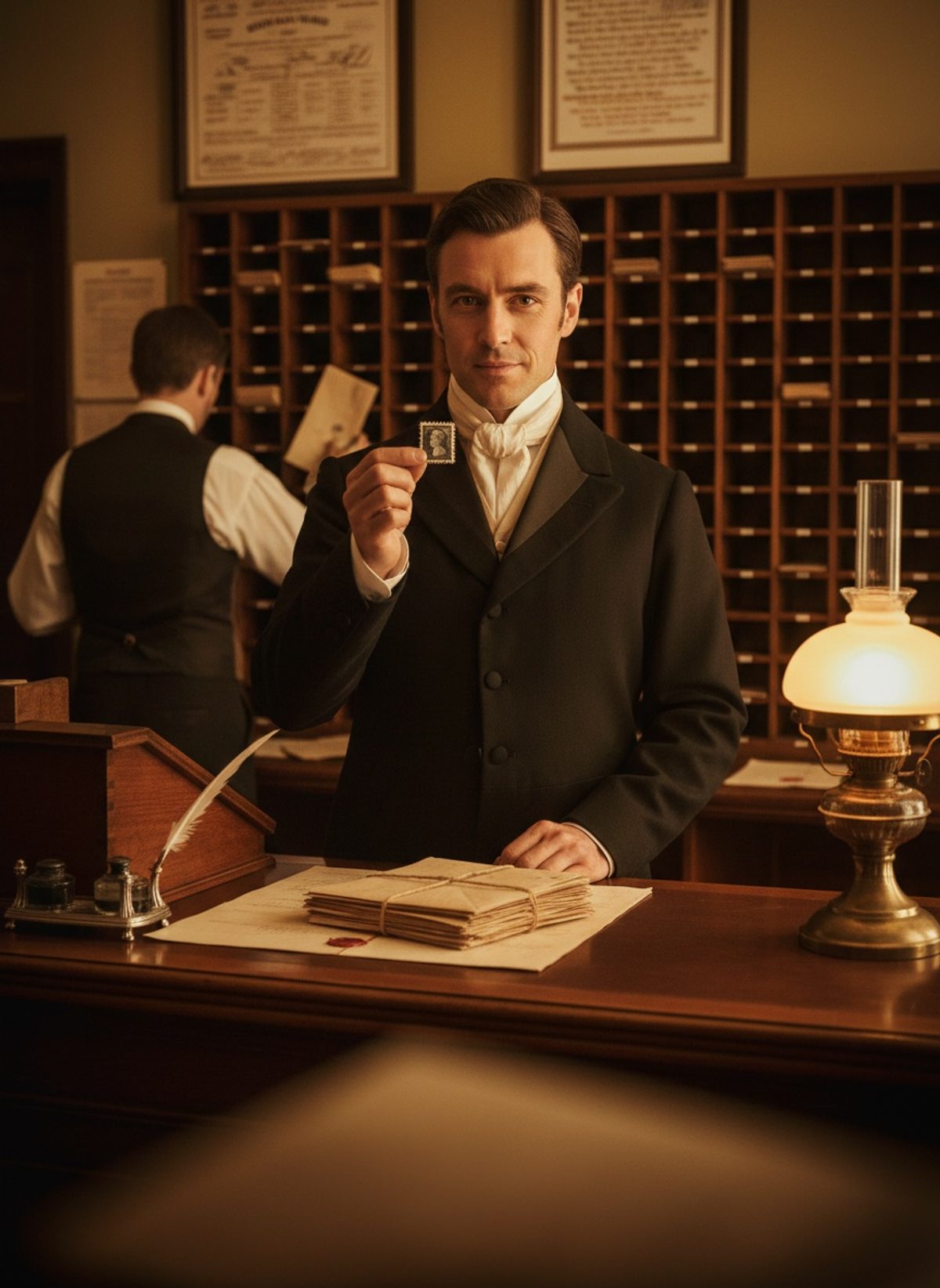
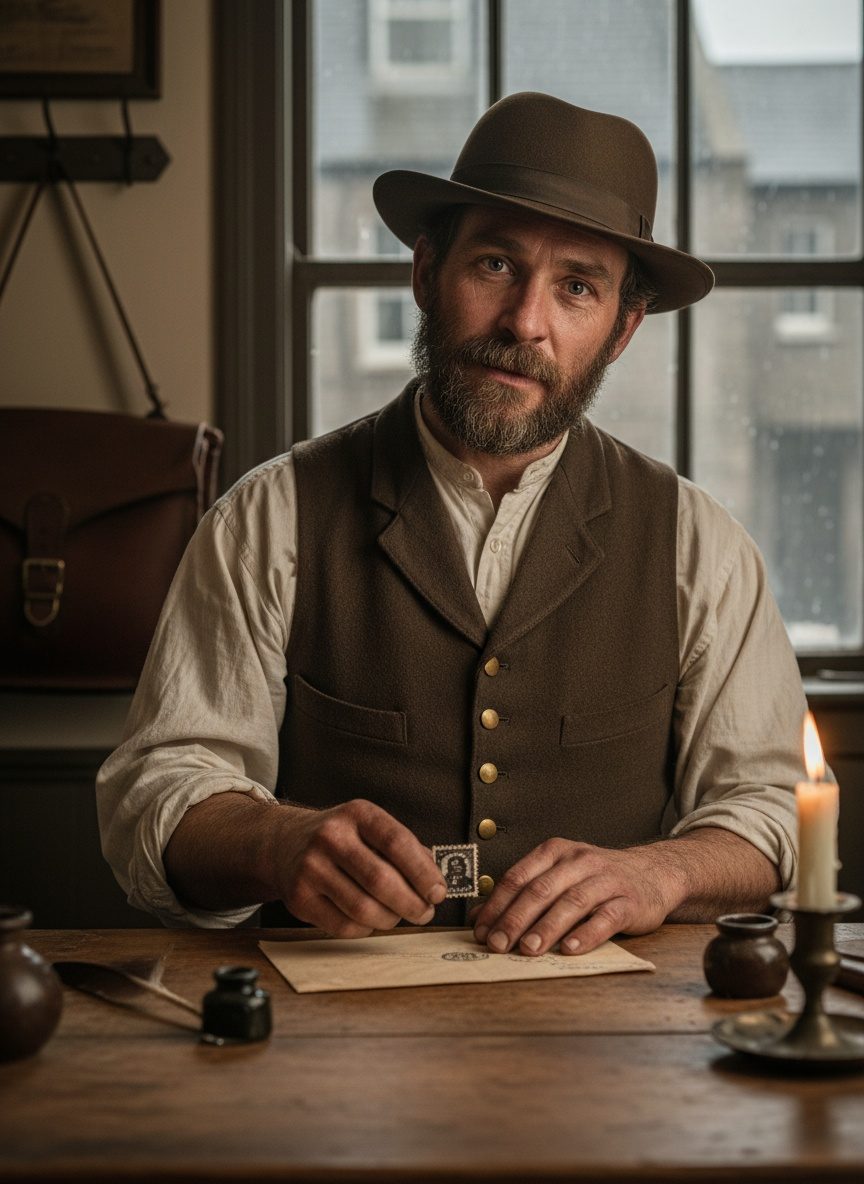
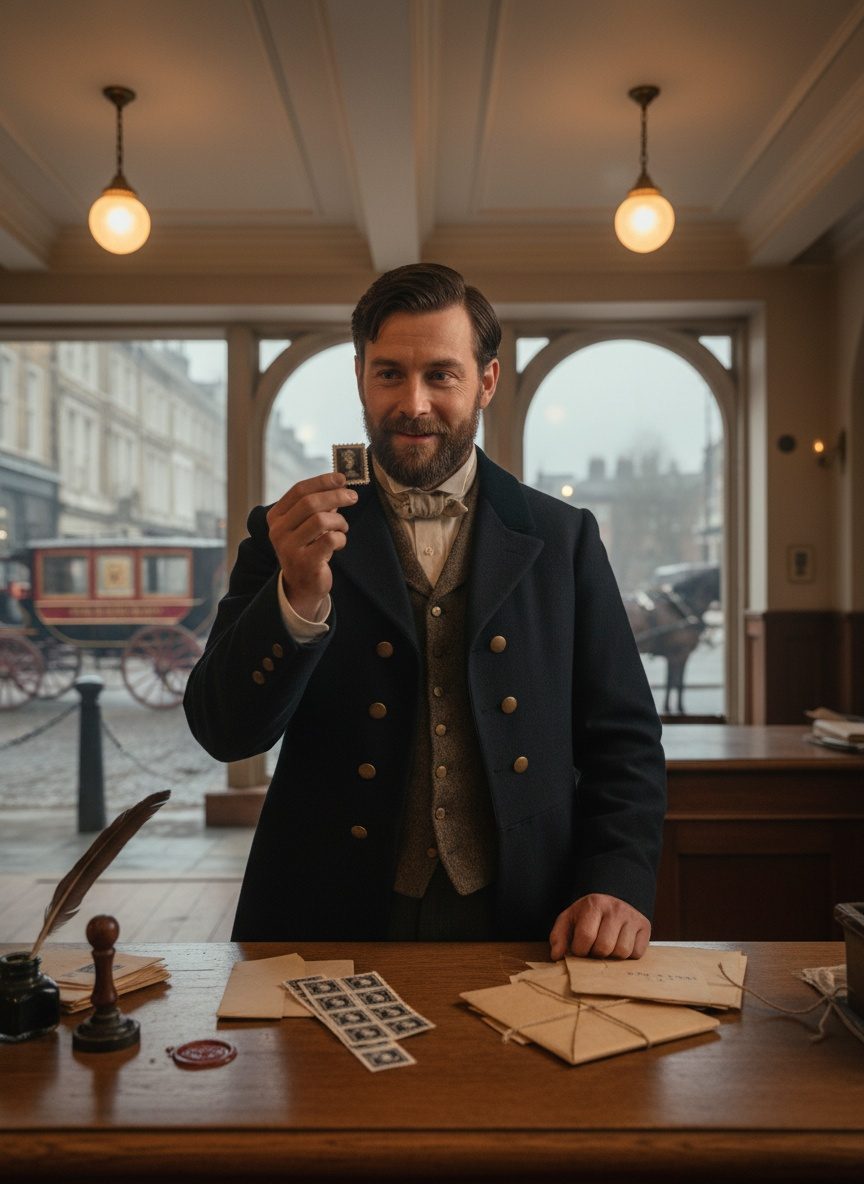
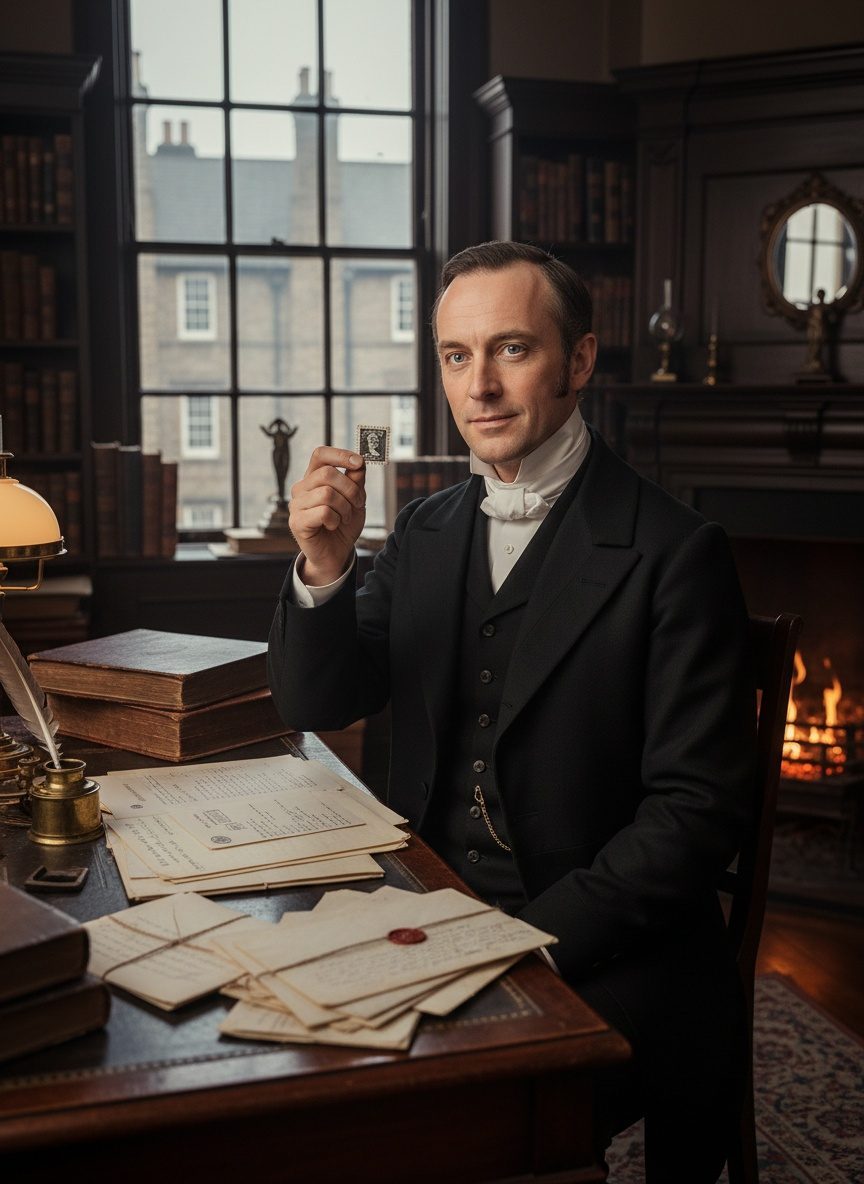
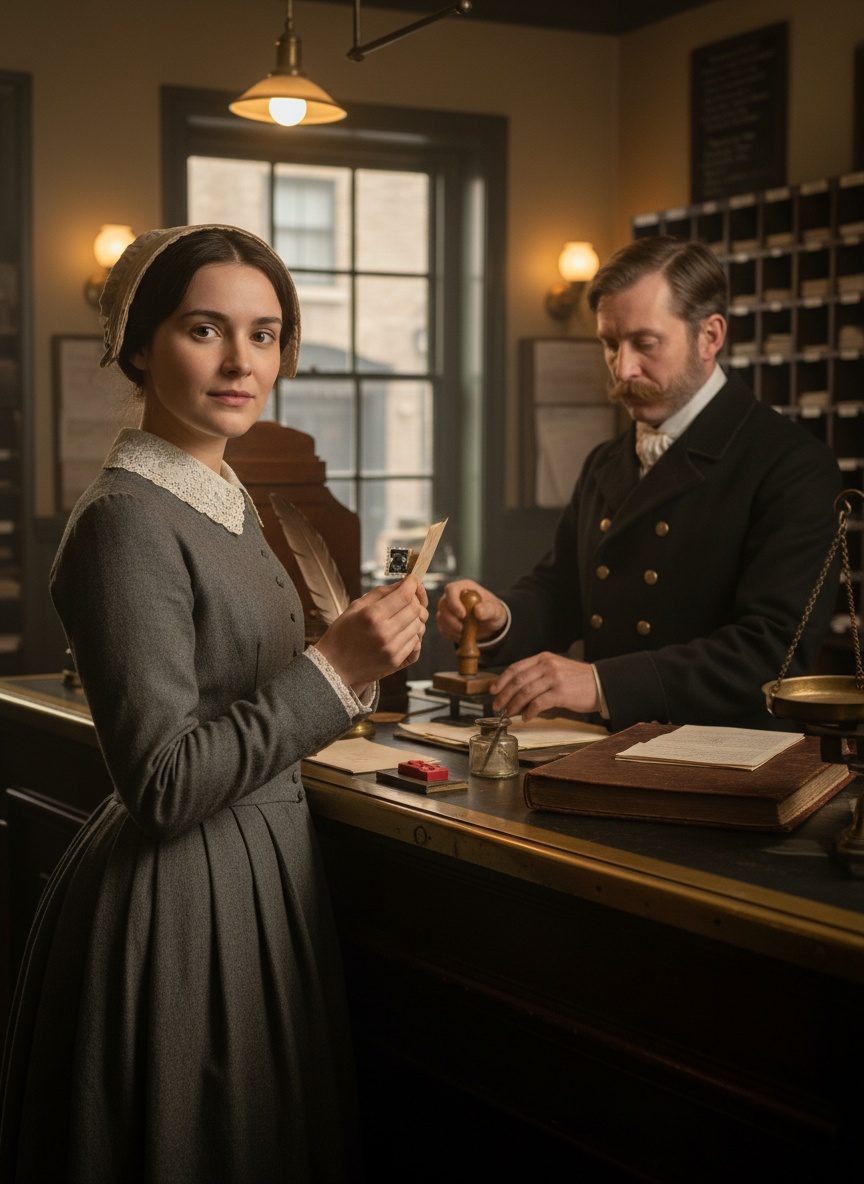
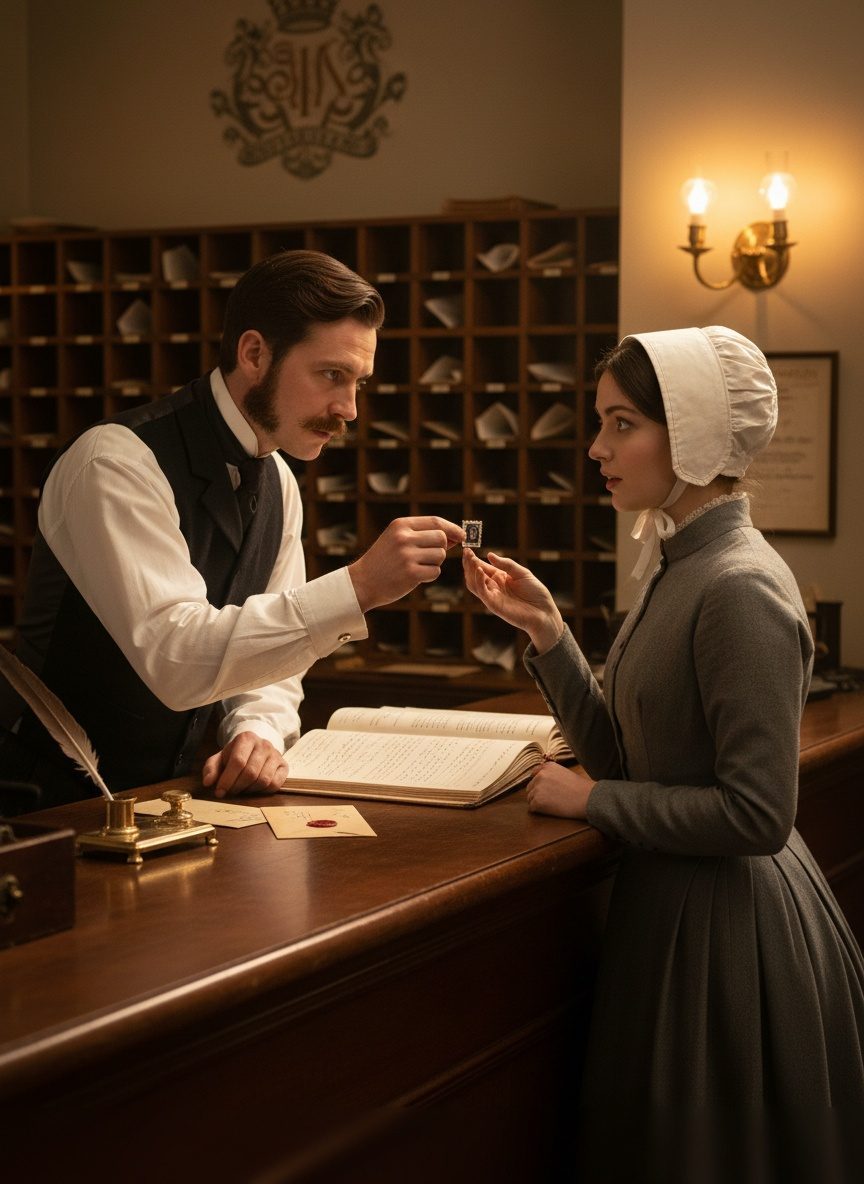
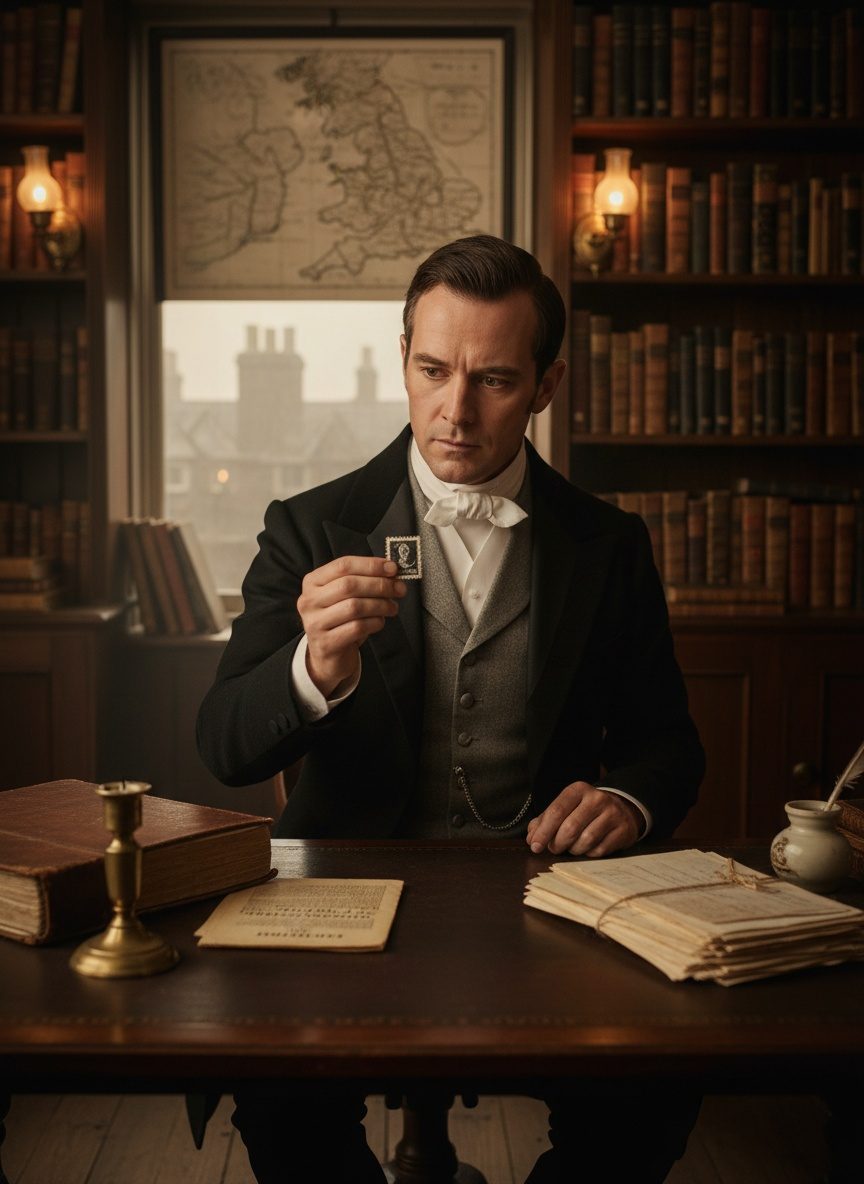
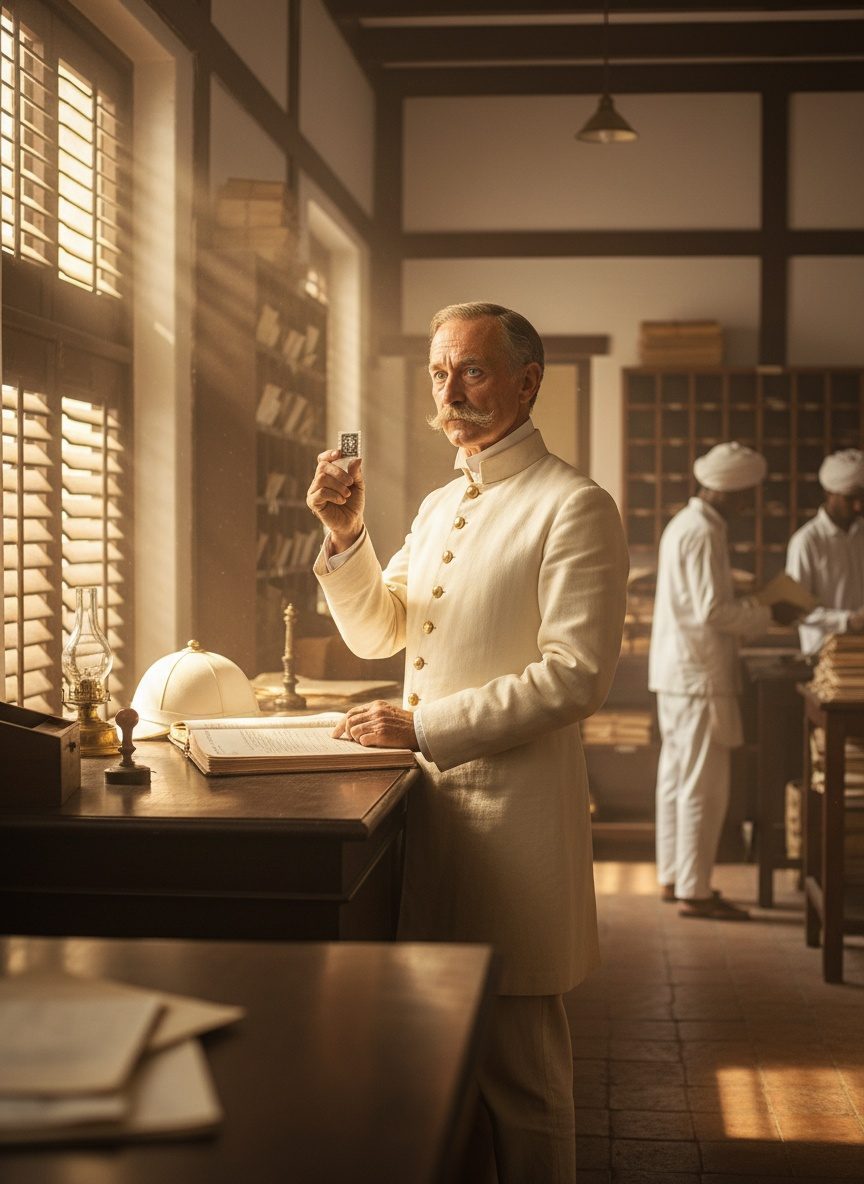
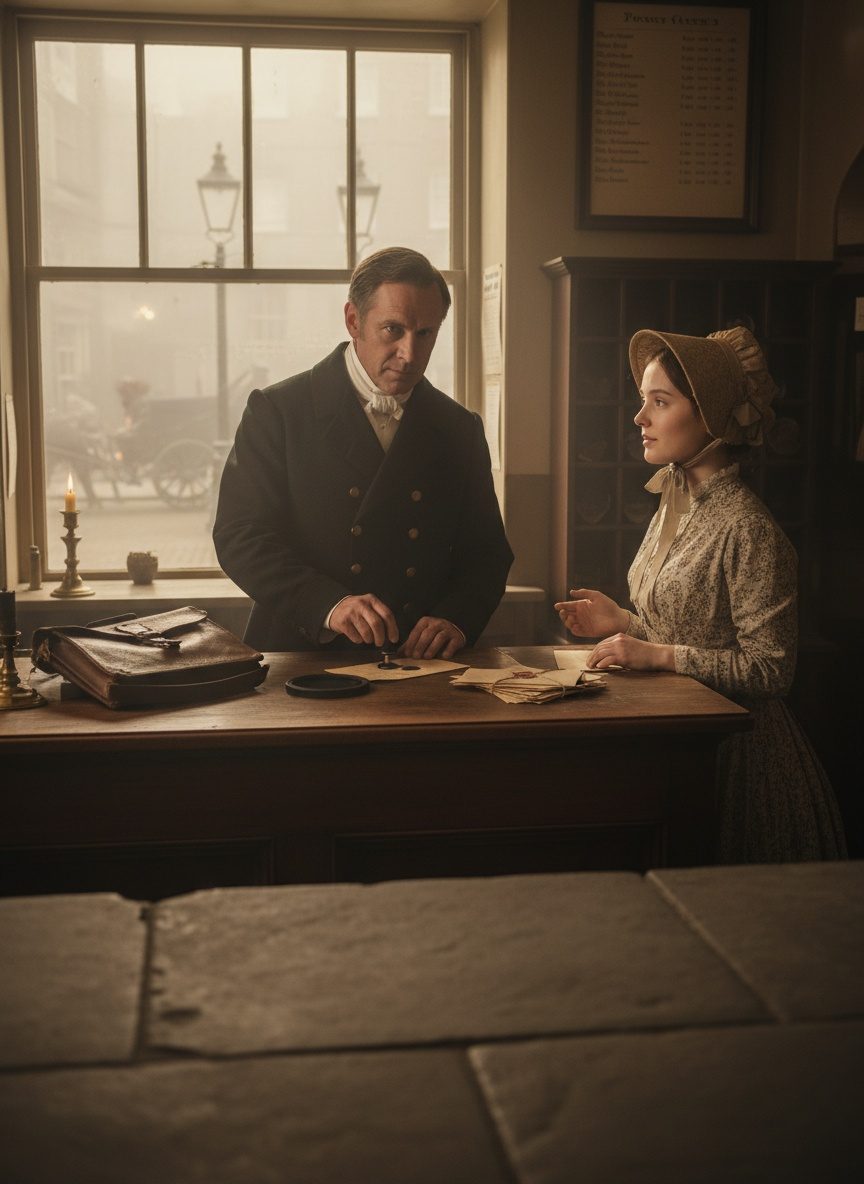
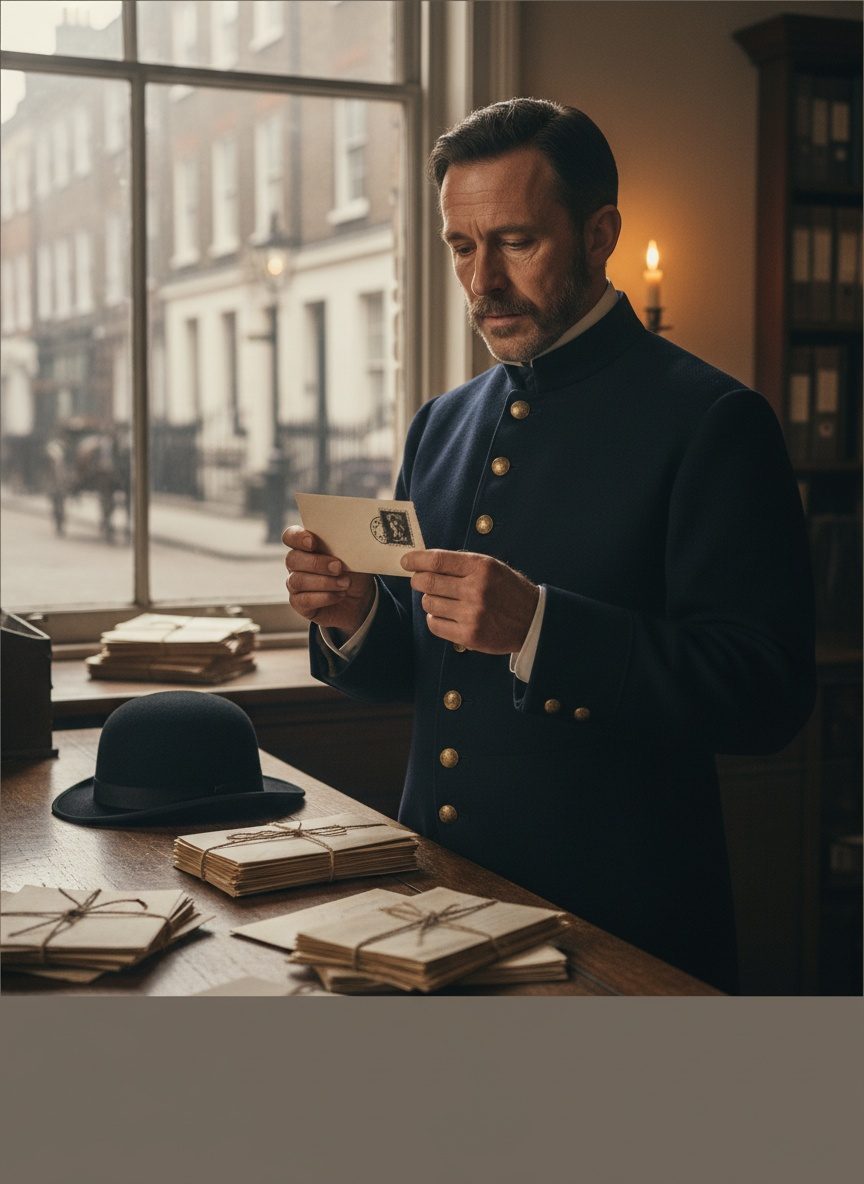
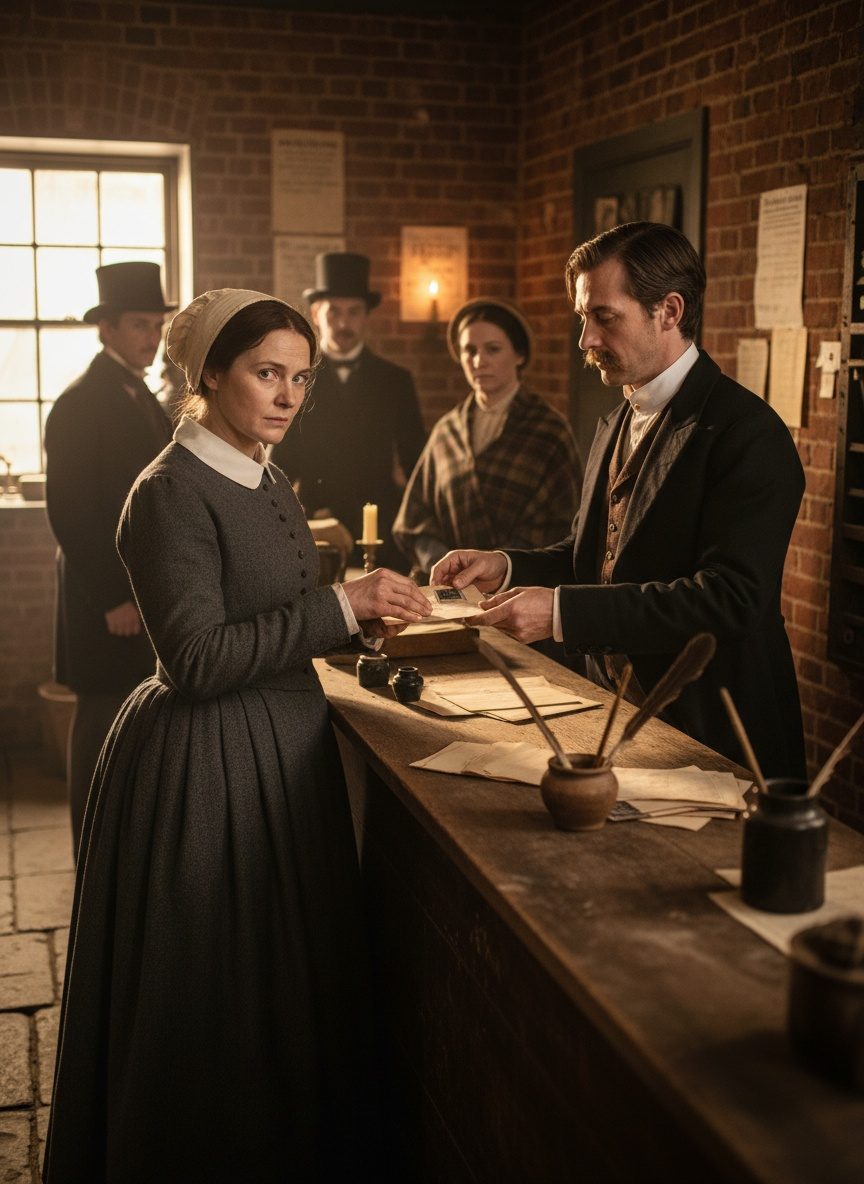
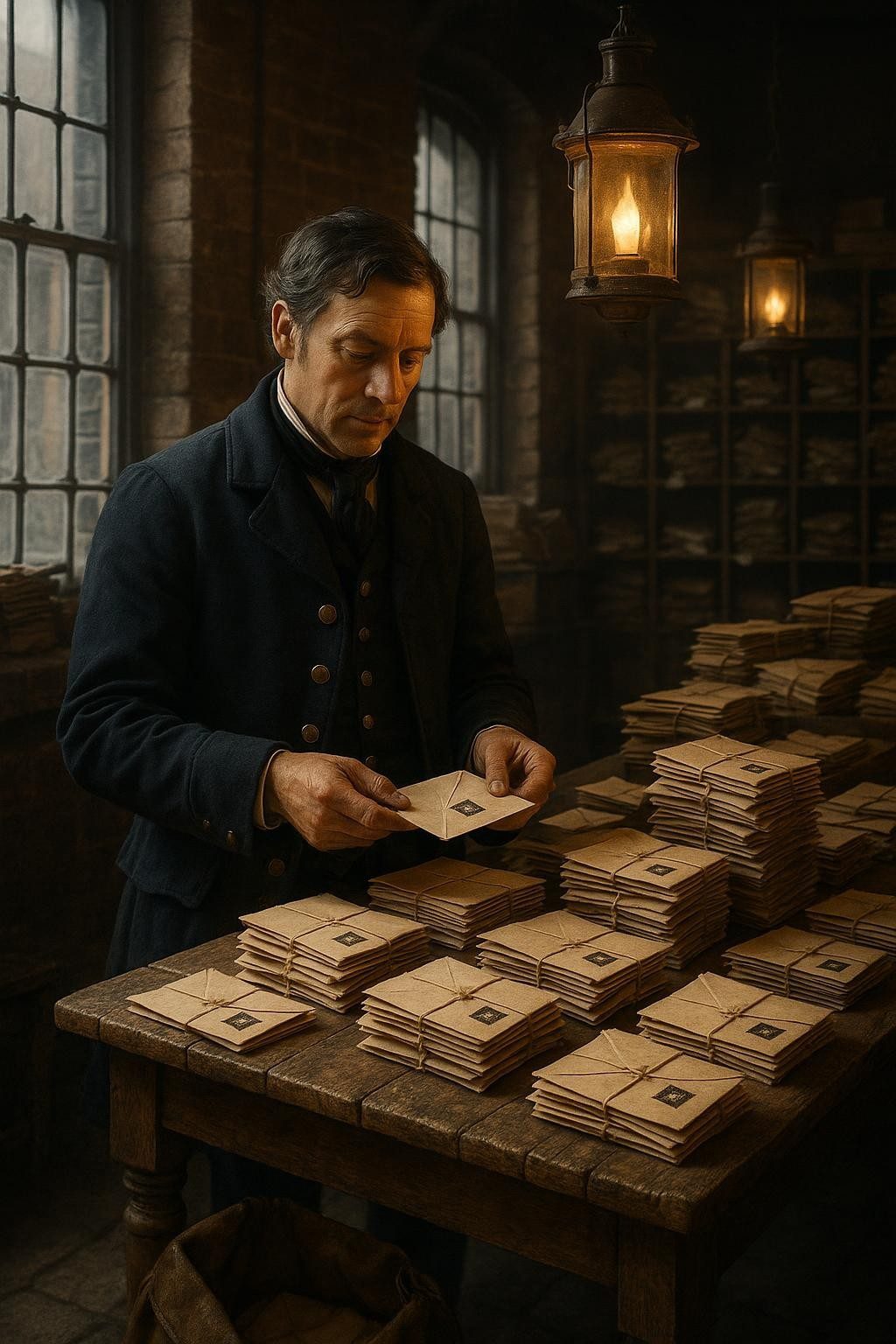
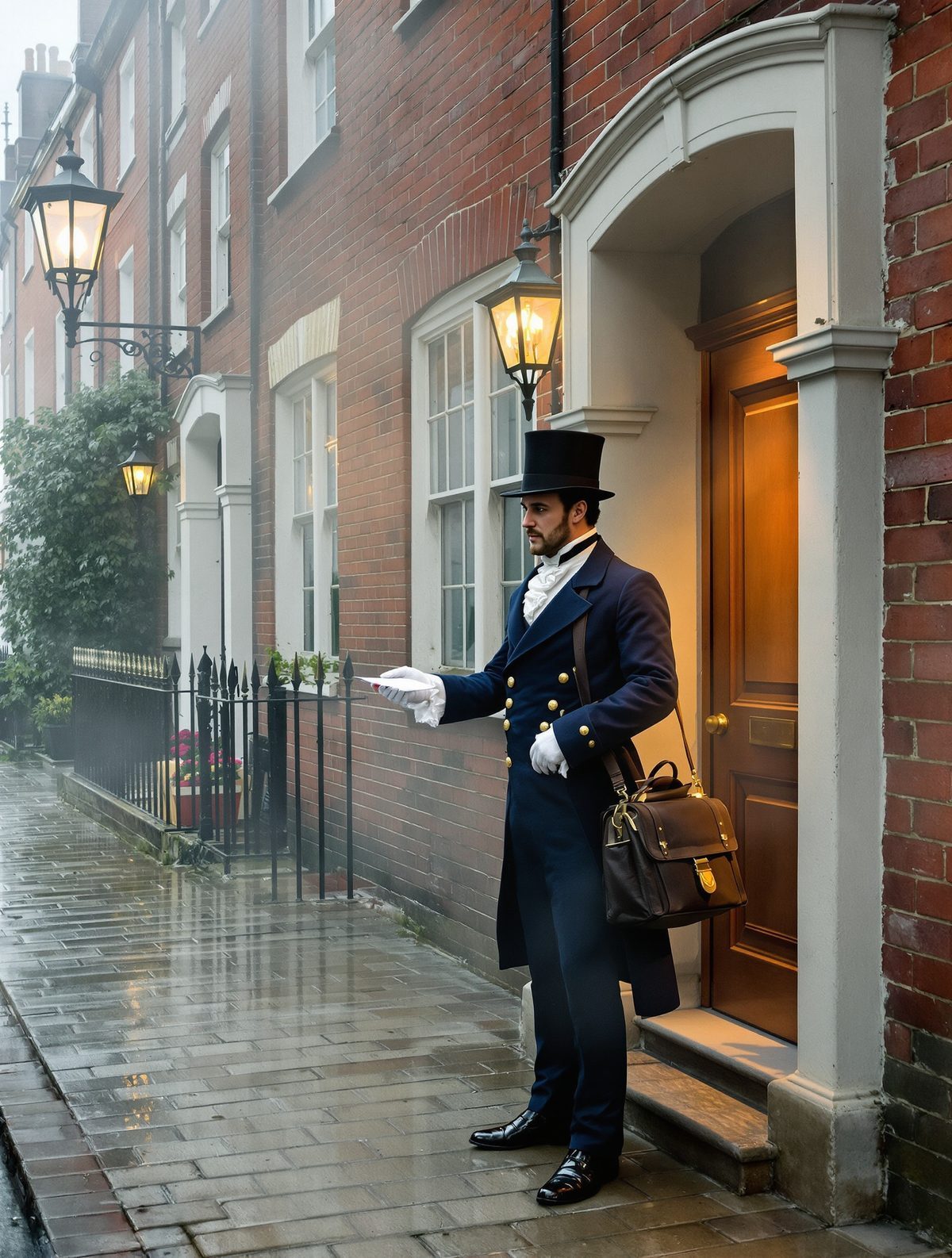
January 1840. A London postal clerk pressed a penny stamp onto an envelope. One small square of paper. It connected a fisherman in Cornwall to a soldier in Calcutta. The world had never been closer.
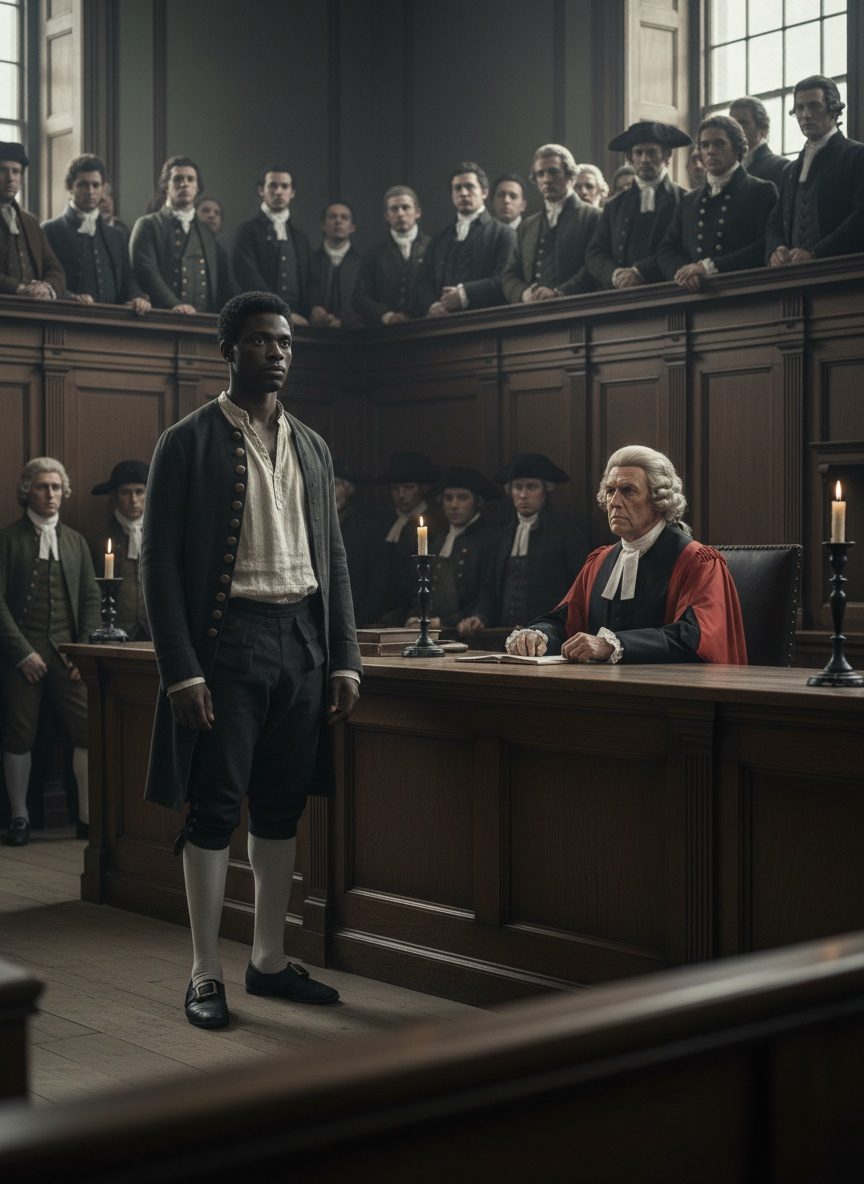
London. 1772. A Black man named James Somerset stood before the Lord Chief Justice. He had been a slave. His master wanted him back. Lord Mansfield ruled. No man could be held a slave on English soil. Somerset walked free.
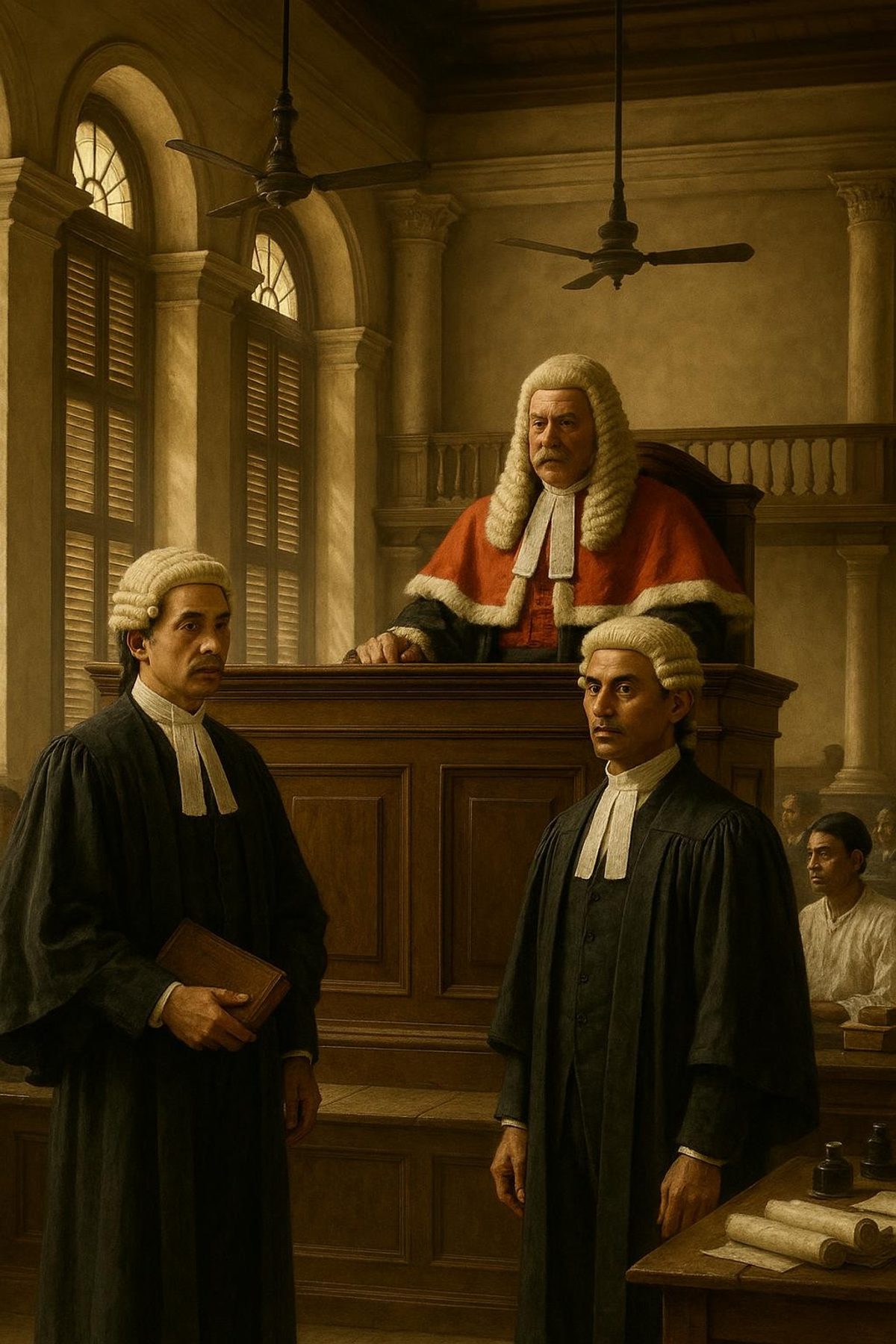
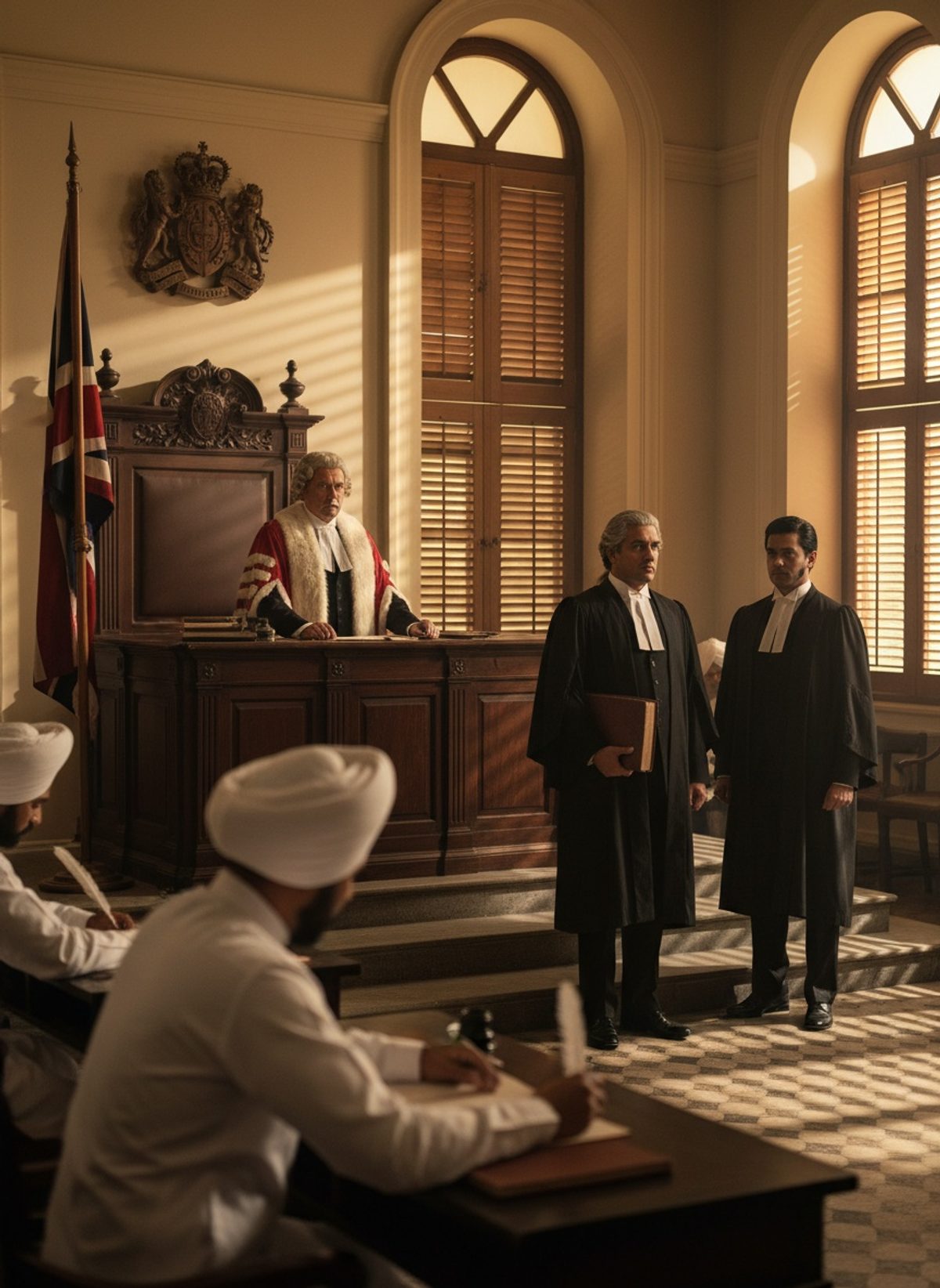
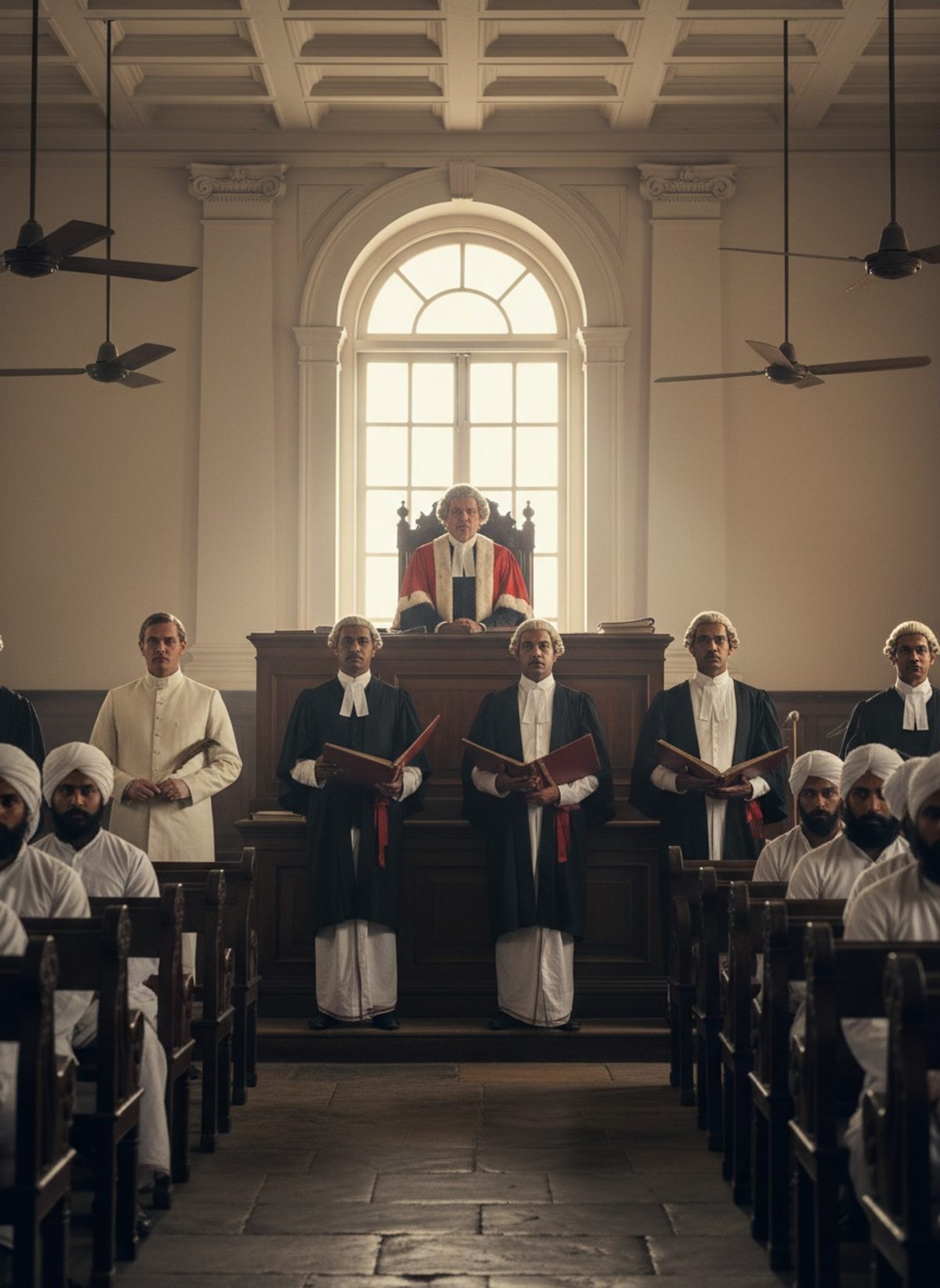
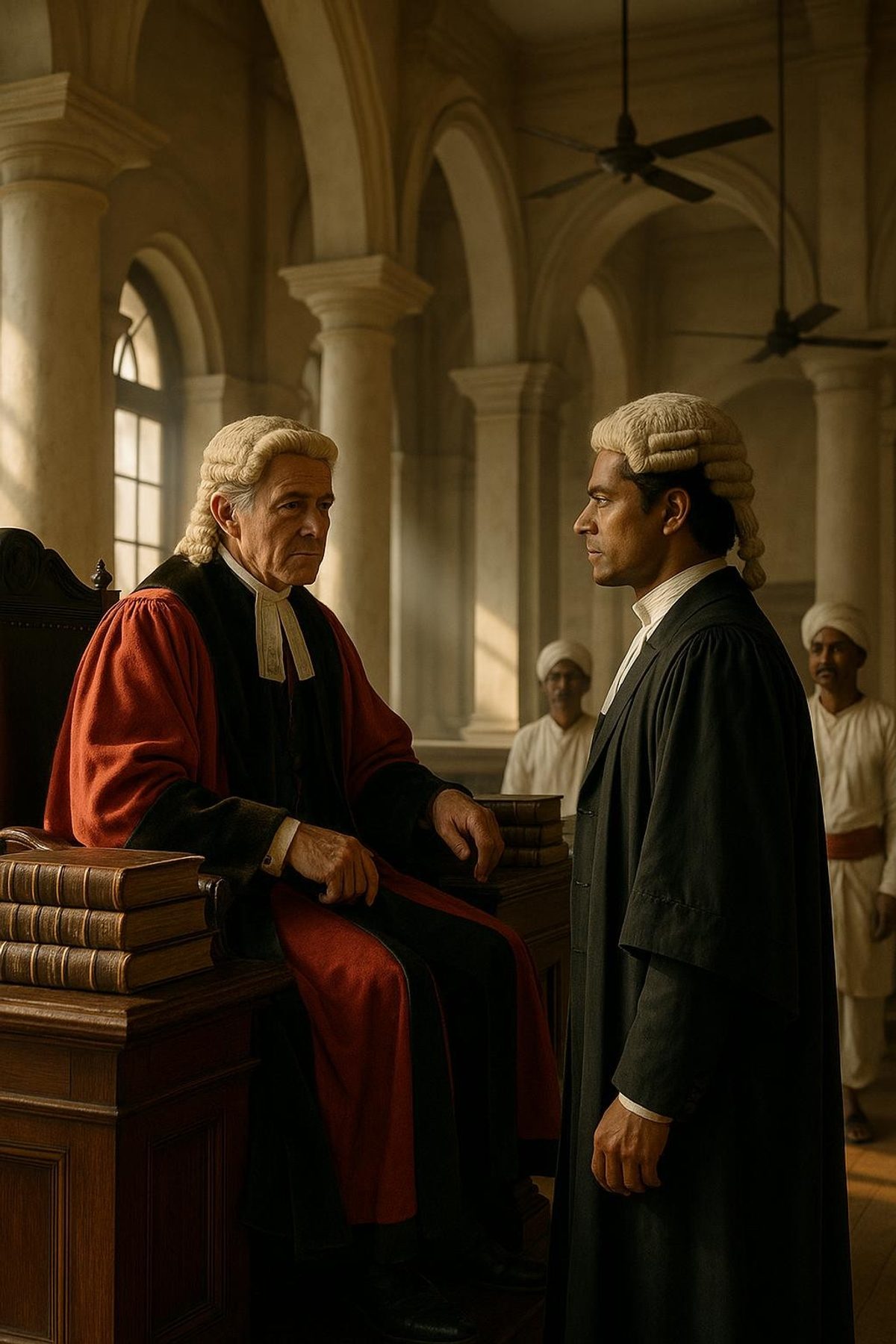
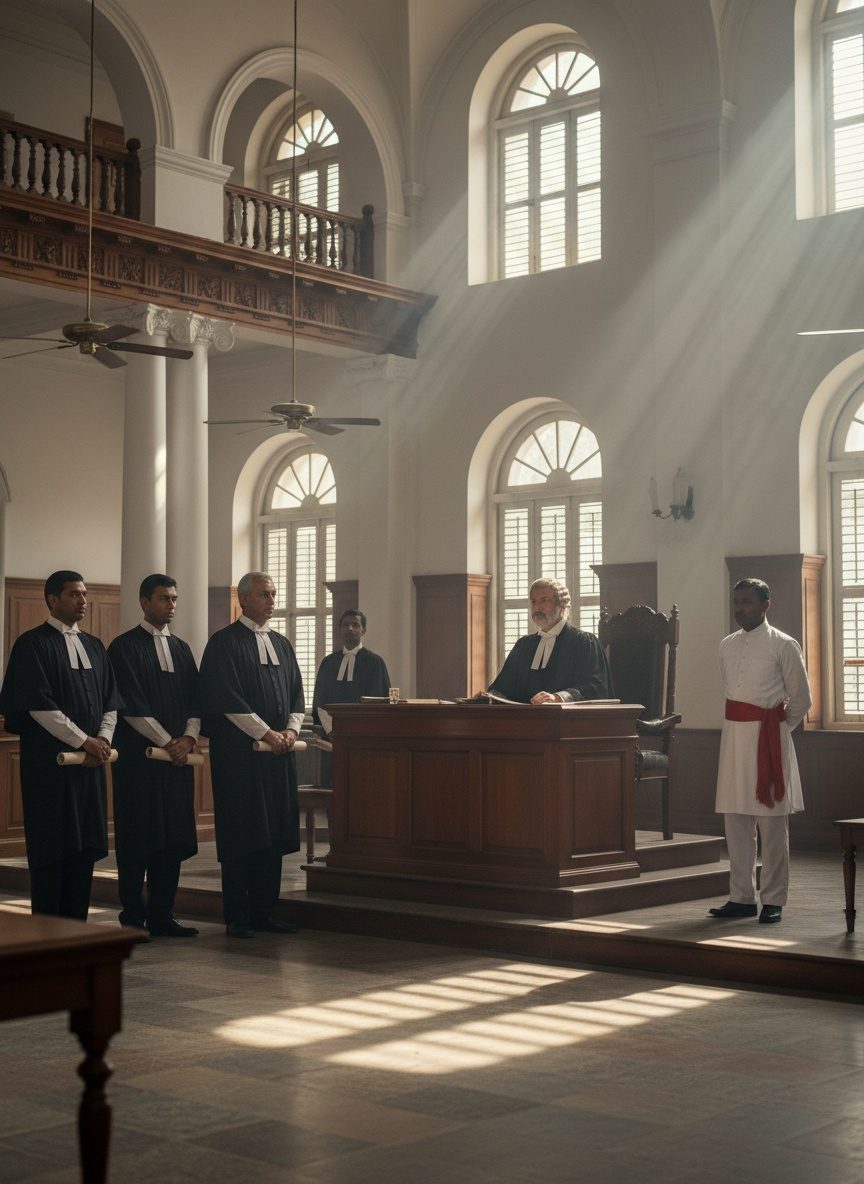
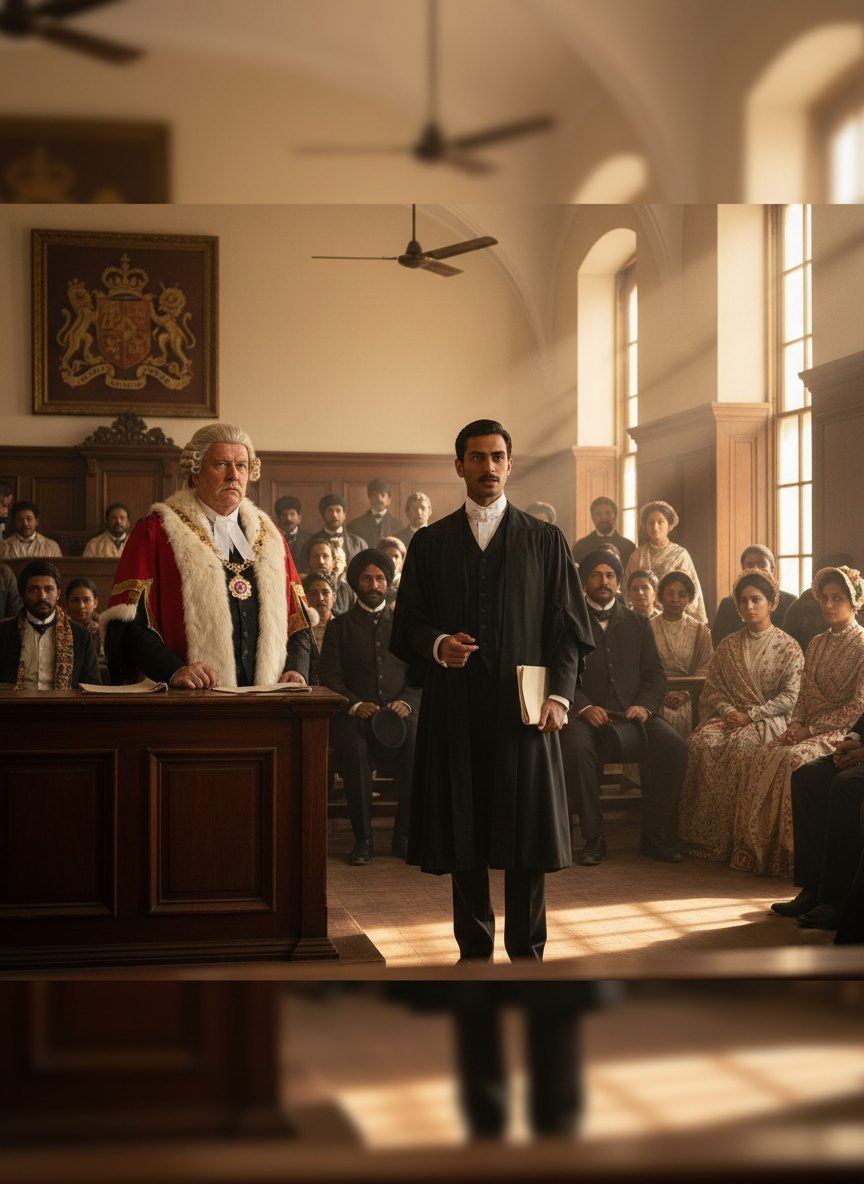
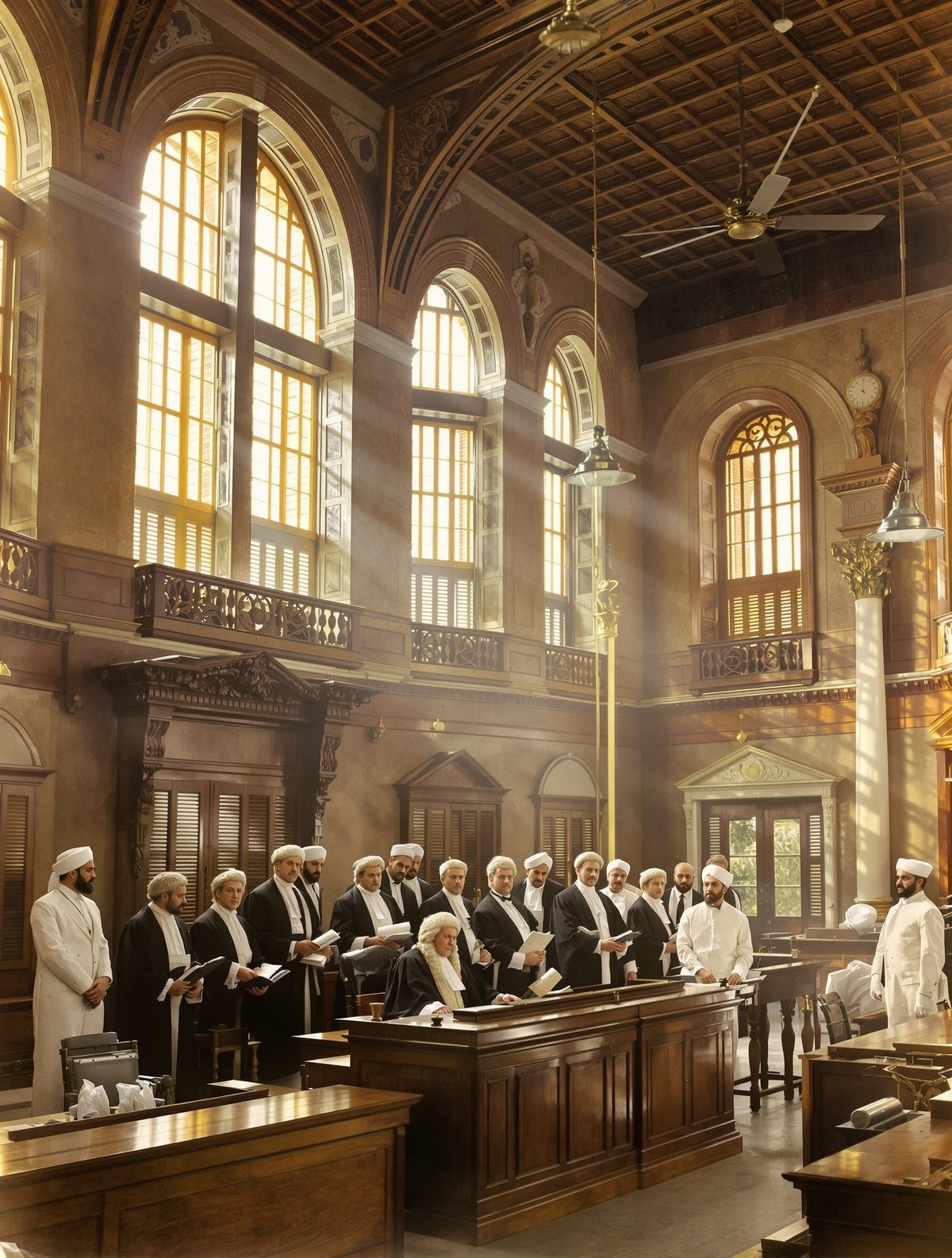
1861. Britain was reshaping an empire. Parliament passed one act. It planted three High Courts across India. Calcutta. Bombay. Madras. Those courts still stand. Still rule. Still deliver justice in English.
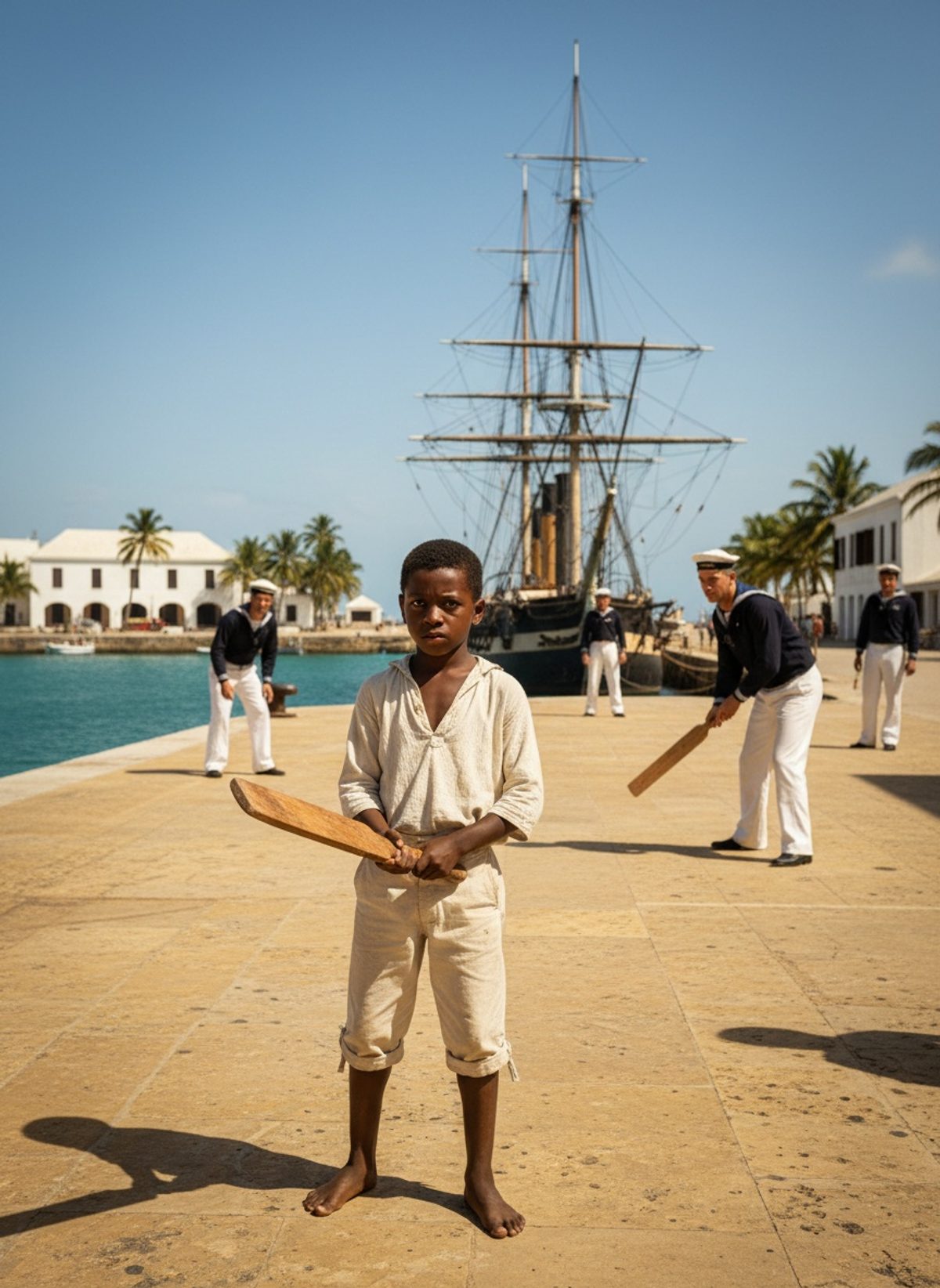
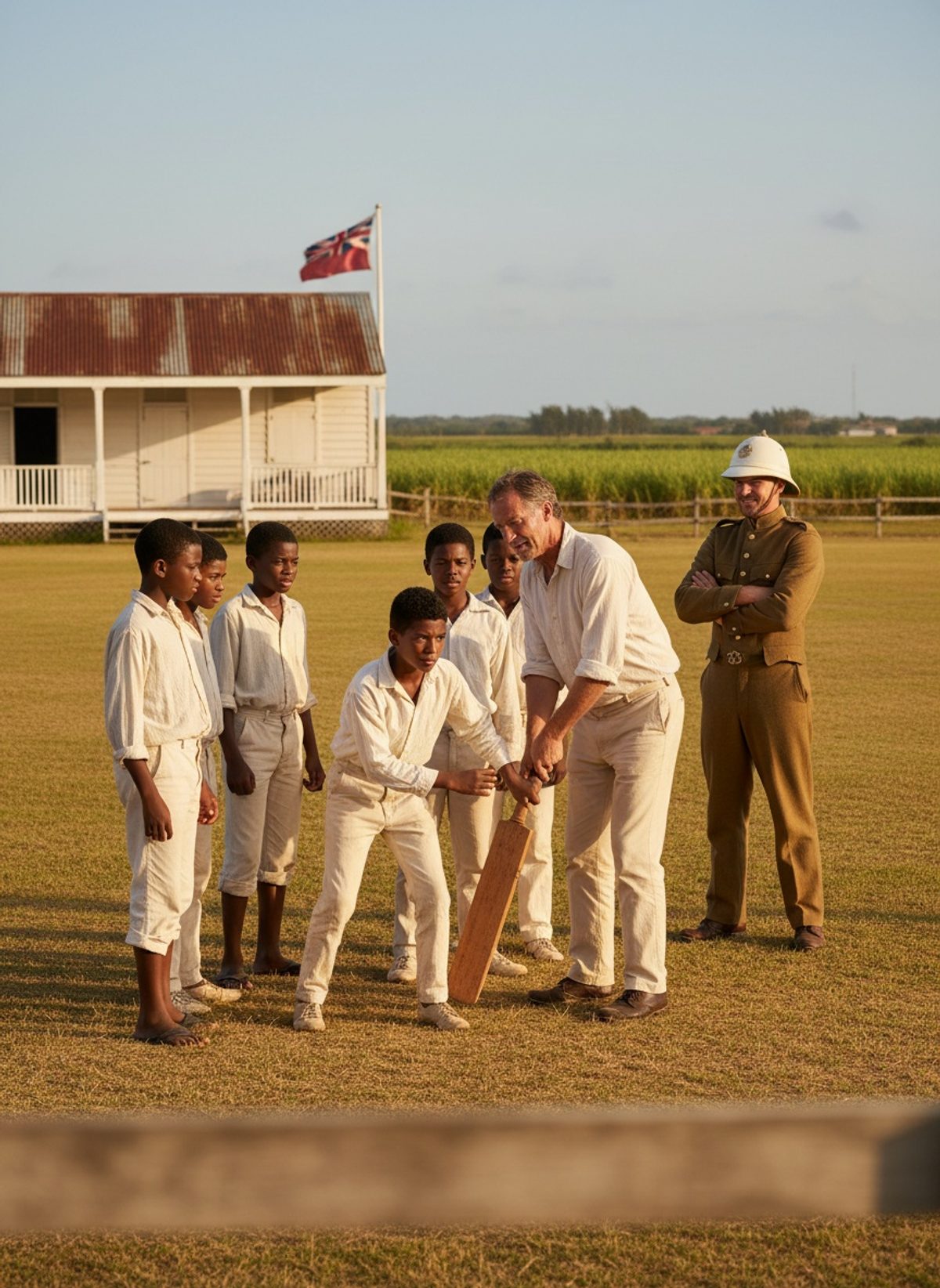
Bridgetown, Barbados. 1900. A barefoot boy watched English sailors play cricket on the quayside. He picked up a stick. He copied every stroke. A century later, the West Indies would beat England at their own game.
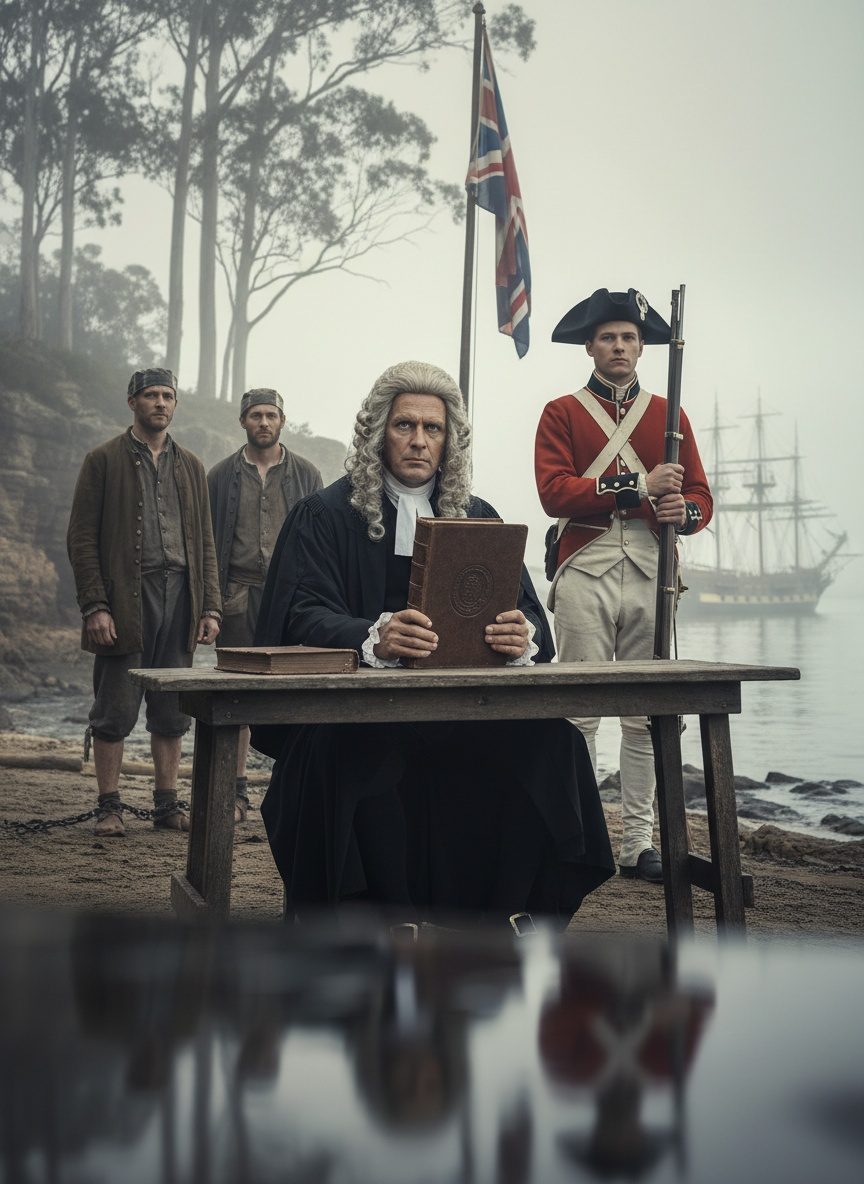
Sydney, 1824. For thirty-six years, convicts had no right to a jury. One judge changed that. Francis Forbes insisted. London backed down. The courtroom where it happened still stands.
1858. The Crown took India from the Company. British judges carried their law into every court. A thousand years of English precedent. Now the foundation of a nation of a billion people.
1874. Britain annexed the Gold Coast. A single colonial courtroom opened in Cape Coast Castle. Local men studied its procedures. Memorised its principles. Within a generation, they argued cases before British judges. The common law never left.
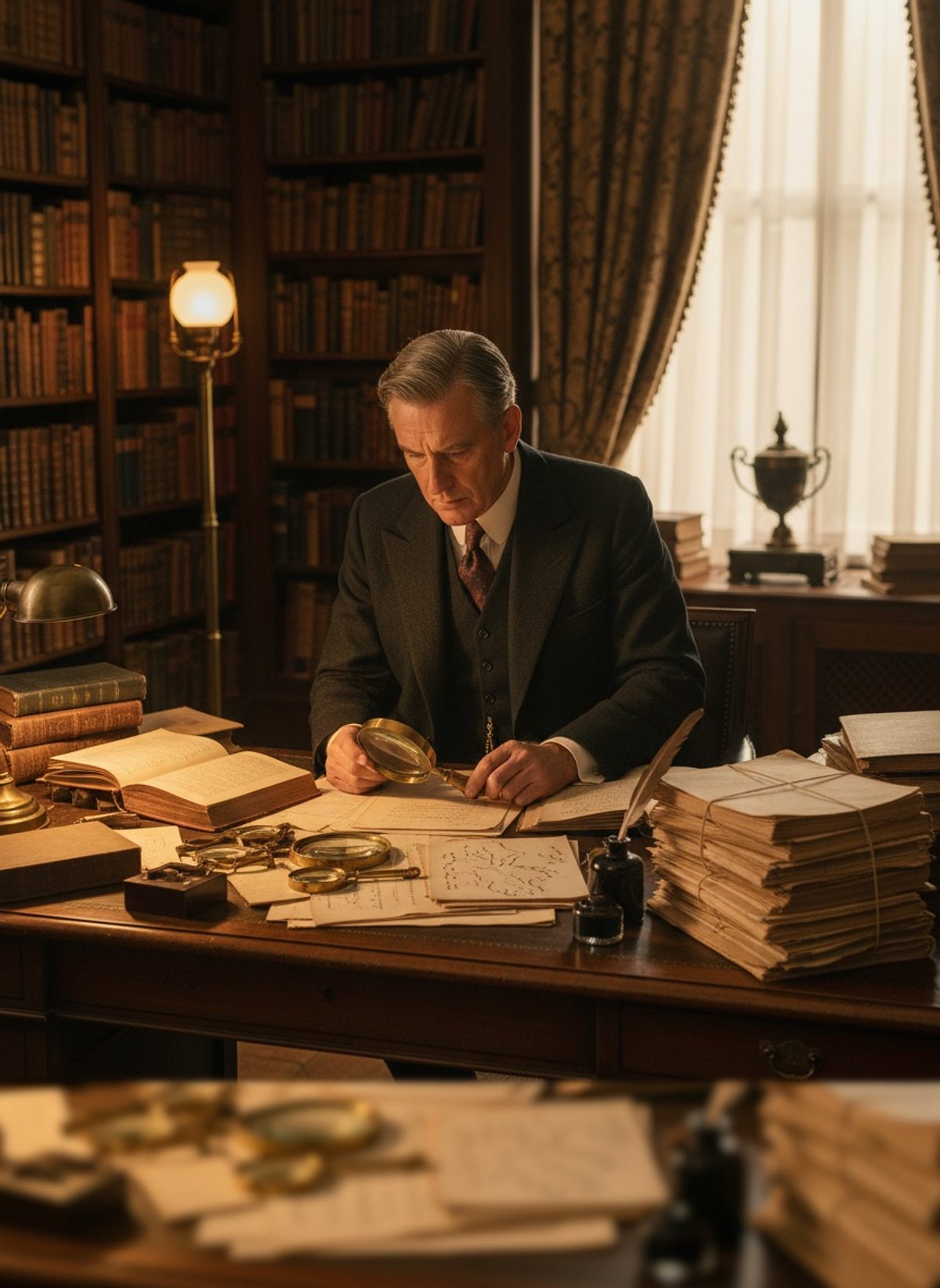
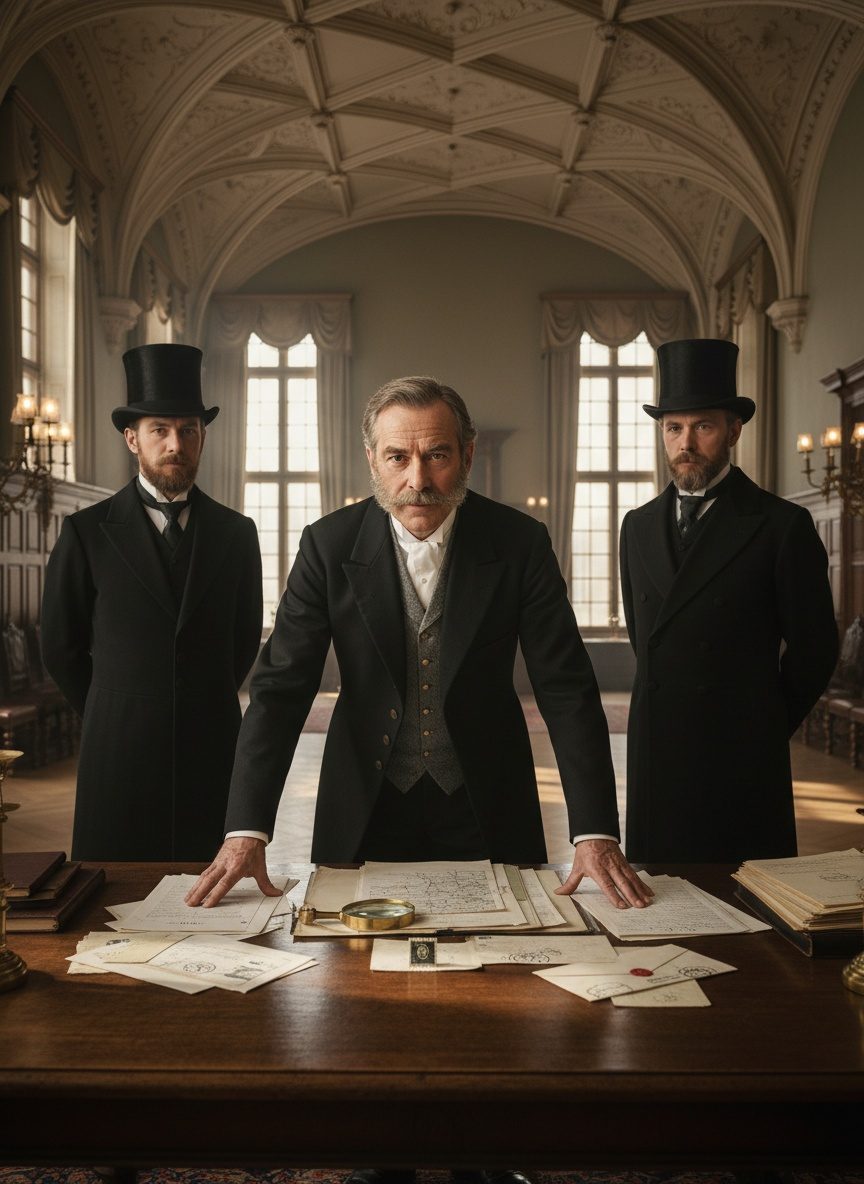
He was Britain's most celebrated book collector. For decades, Thomas Wise forged and plundered rare first editions. Then two young librarians matched the paper. Every wormhole gave him away.
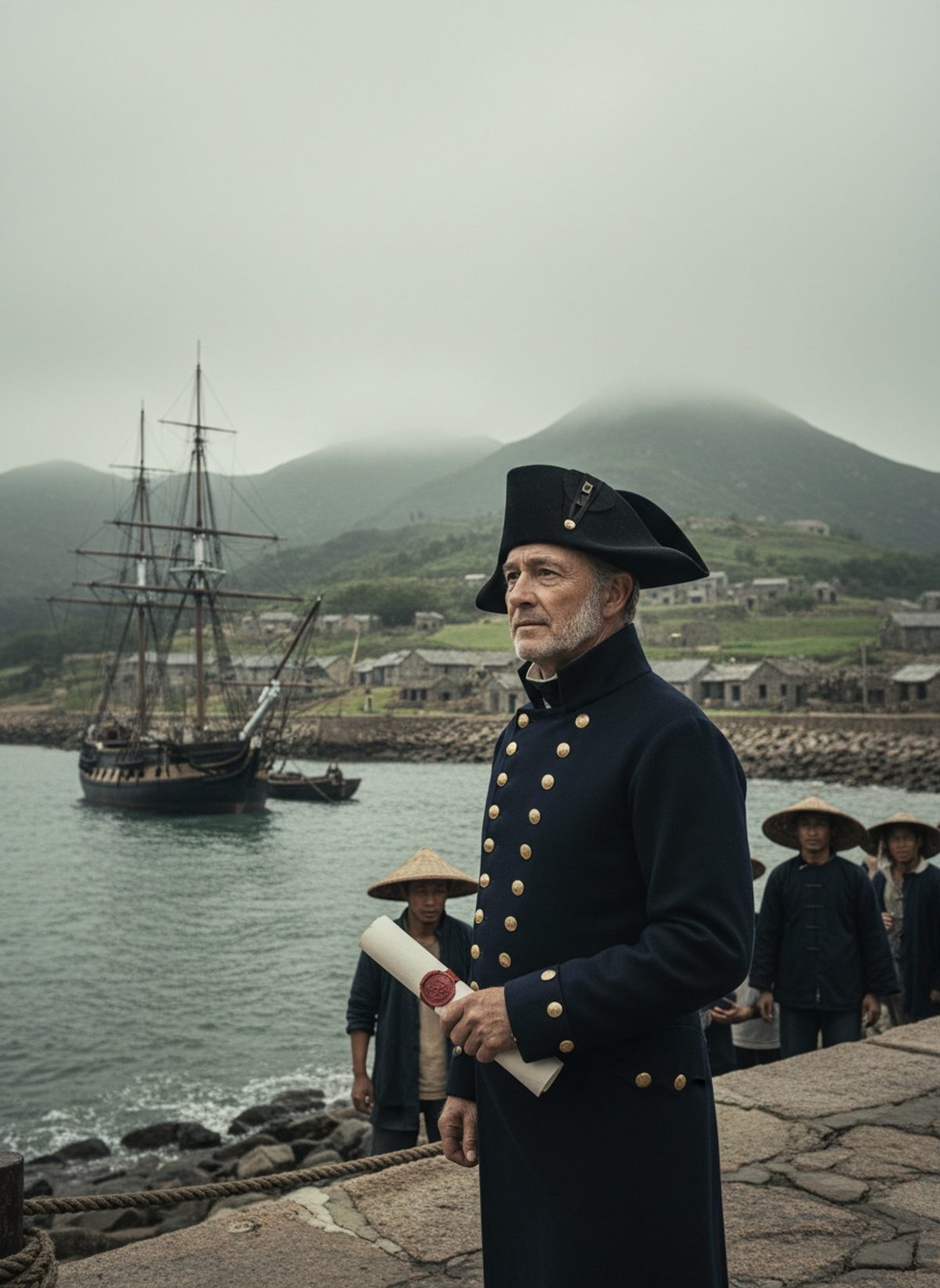
1841. A British officer stepped ashore at a barren rock. He carried no army. No fortune. He carried a legal code. One hundred and fifty years later, that code still stood. Hong Kong's courts still run on it today.
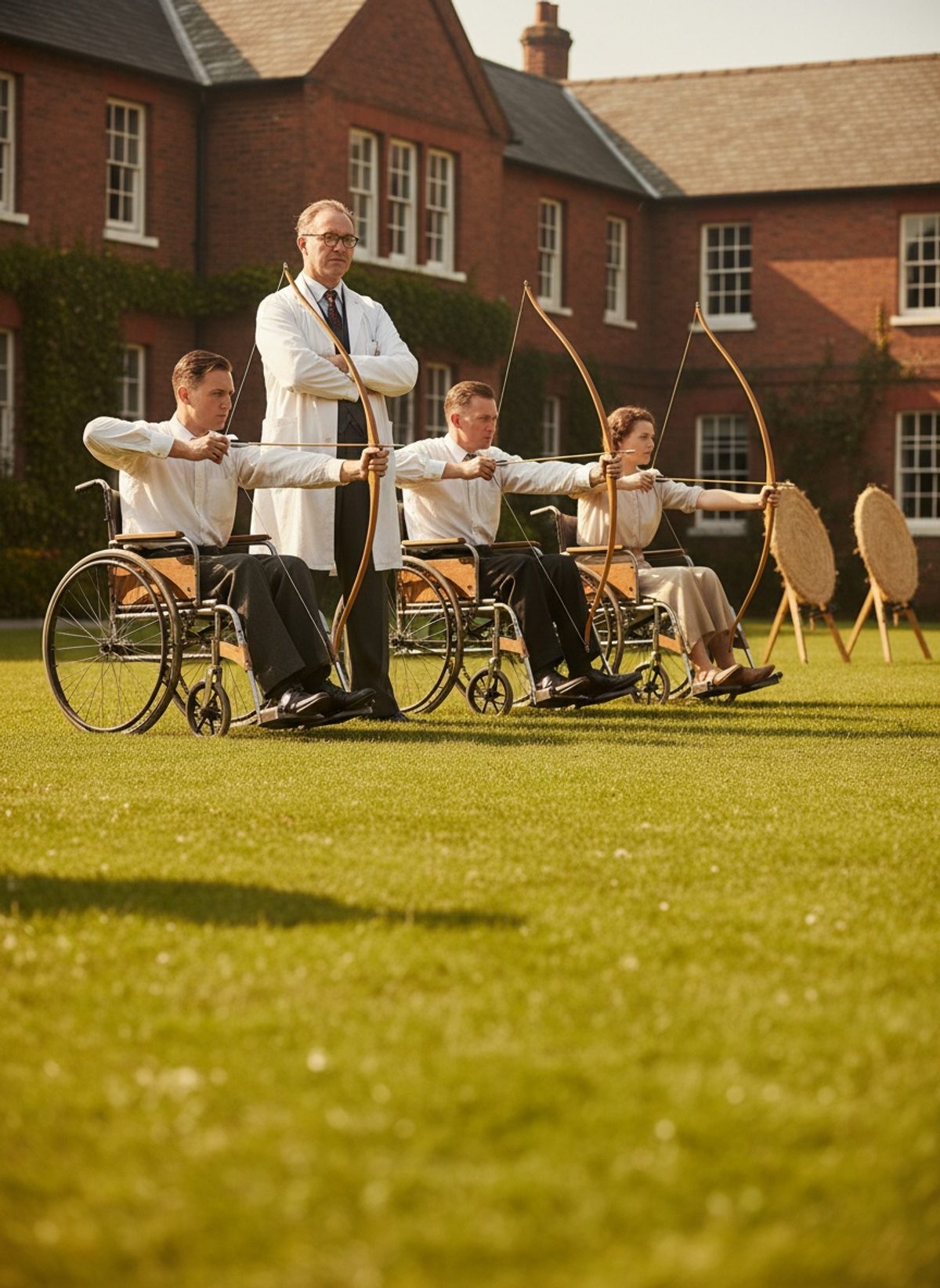
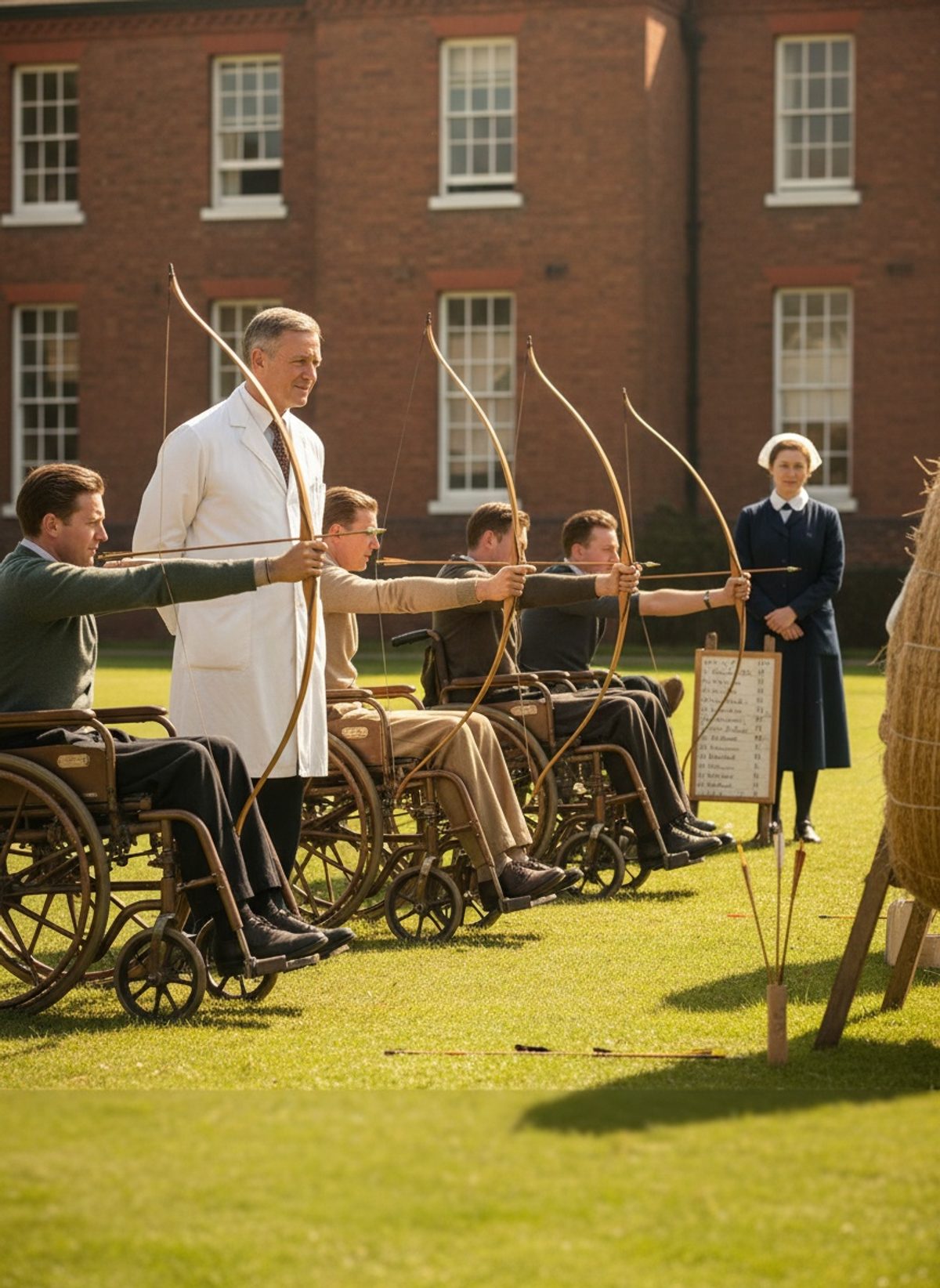
A Jewish refugee doctor the Nazis had discarded arrived in Britain with nothing. The government gave him a ward of paralysed veterans everyone else had written off. He refused to accept their prognosis. What he built on a hospital lawn changed sport forever.
A Jewish doctor in Nazi Germany admitted 64 arrested men to his hospital. Illegally. Then stood face to face with the Gestapo and argued each case. 60 men walked free. He fled to Britain. And changed sport forever.
1861. Britain passed the Indian High Courts Act. Ancient subcontinent. One legal framework. Calcutta. Bombay. Madras. Three new High Courts opened their doors. The same rights. The same rules. A legacy still standing today.
January 1840. Britain invented something no empire had tried. A single penny. Any letter. Anywhere in the kingdom. Within a generation, the world copied it. Today, every postal stamp on earth traces back to that one British idea.
1861. Britain planted a single legal seed across a subcontinent. One code. One court system. One standard of evidence. A billion people would one day inherit it. The world's largest democracy still argues in its shadow.
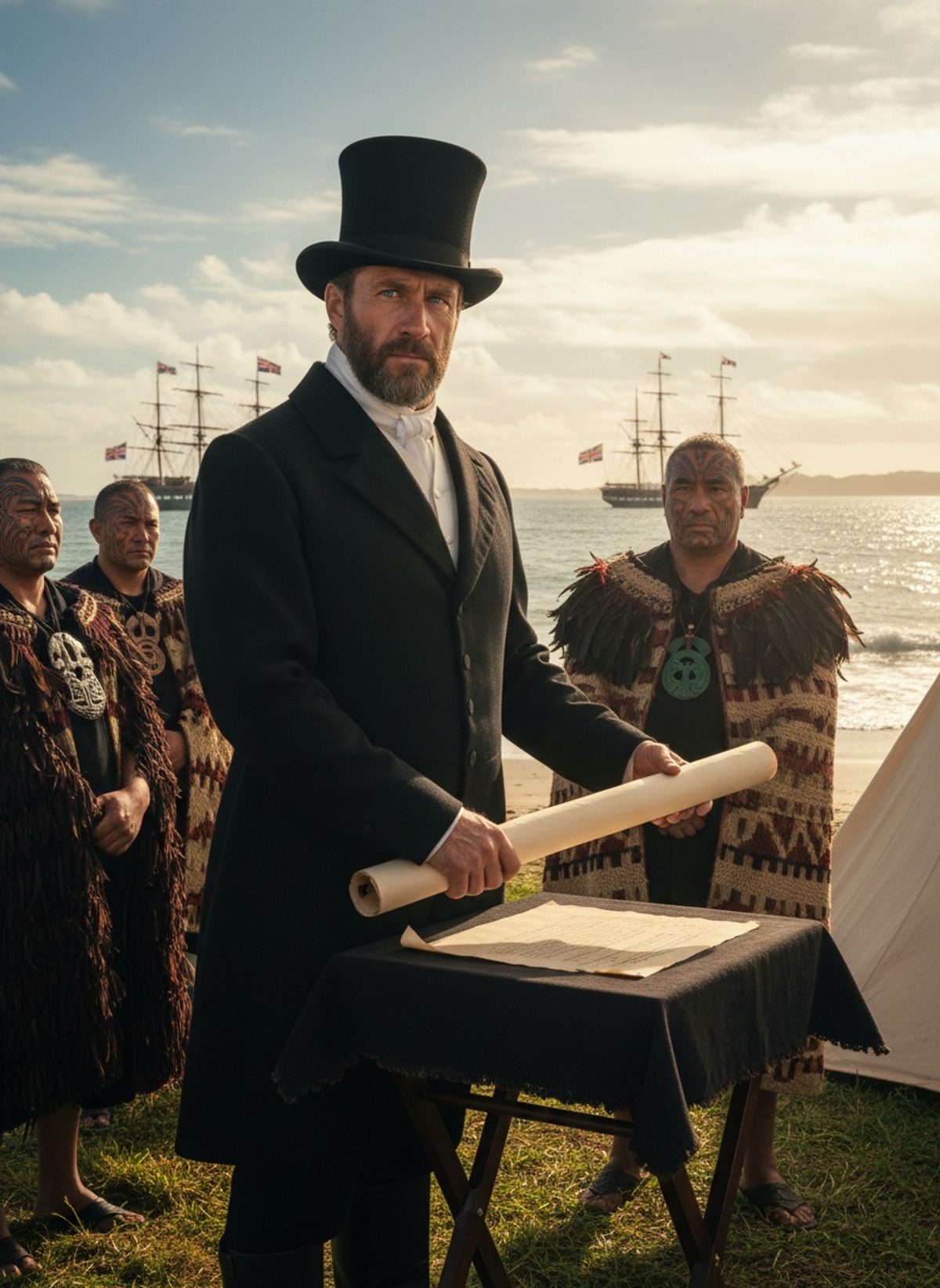
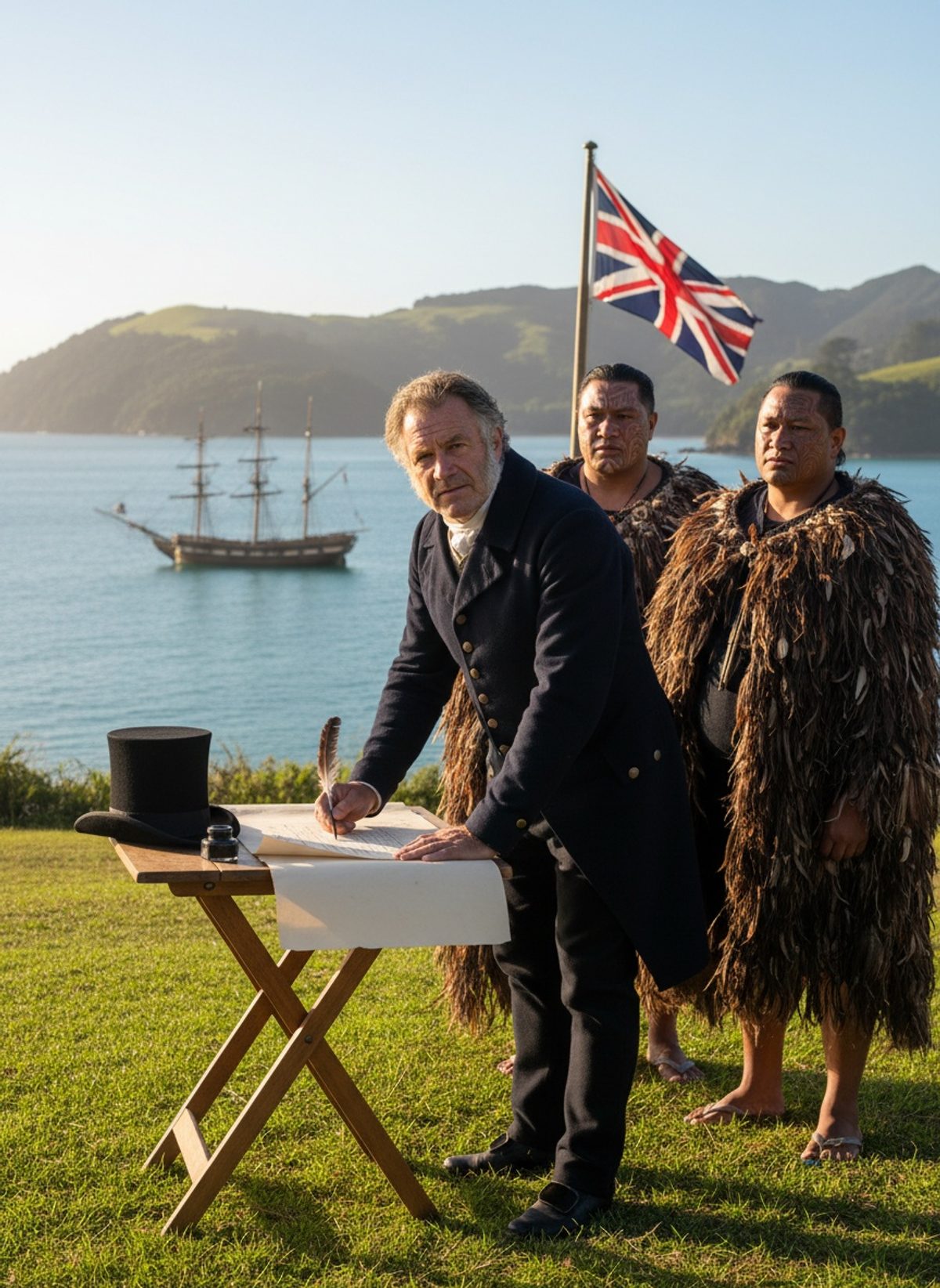
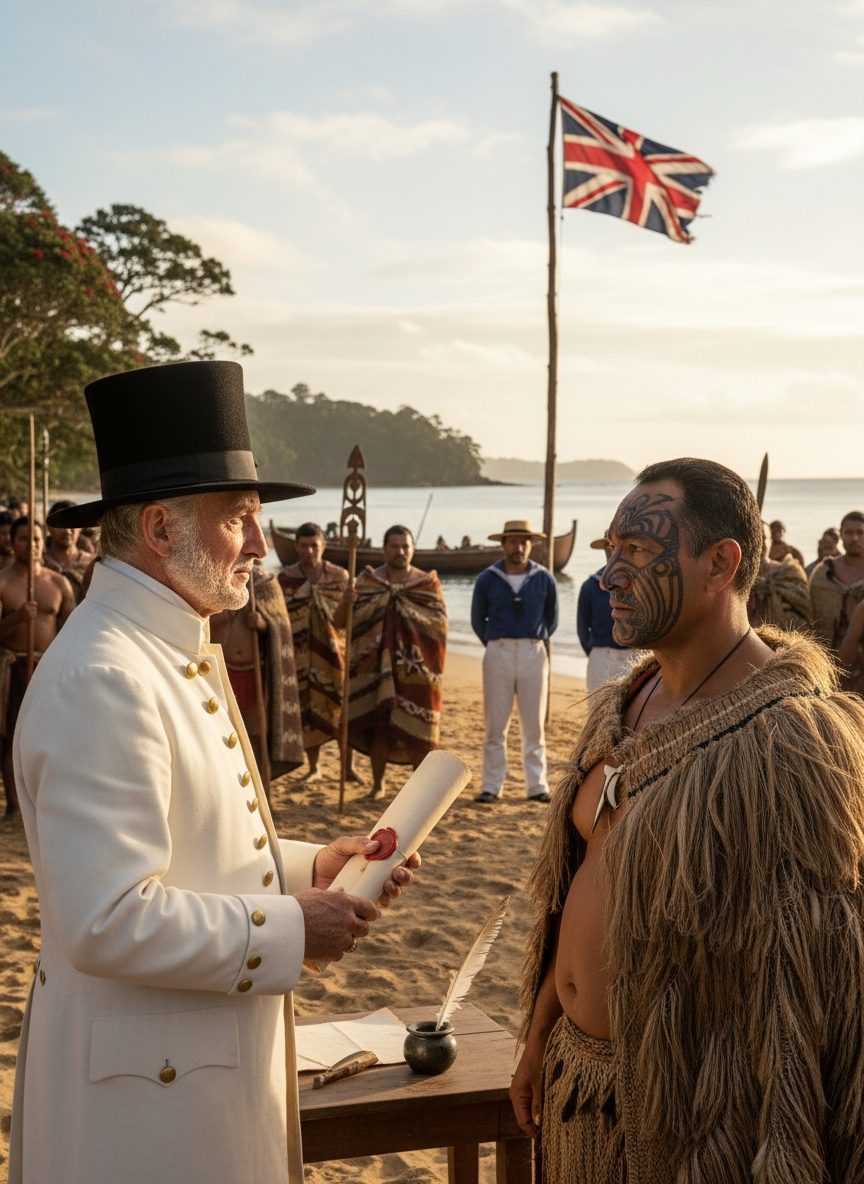
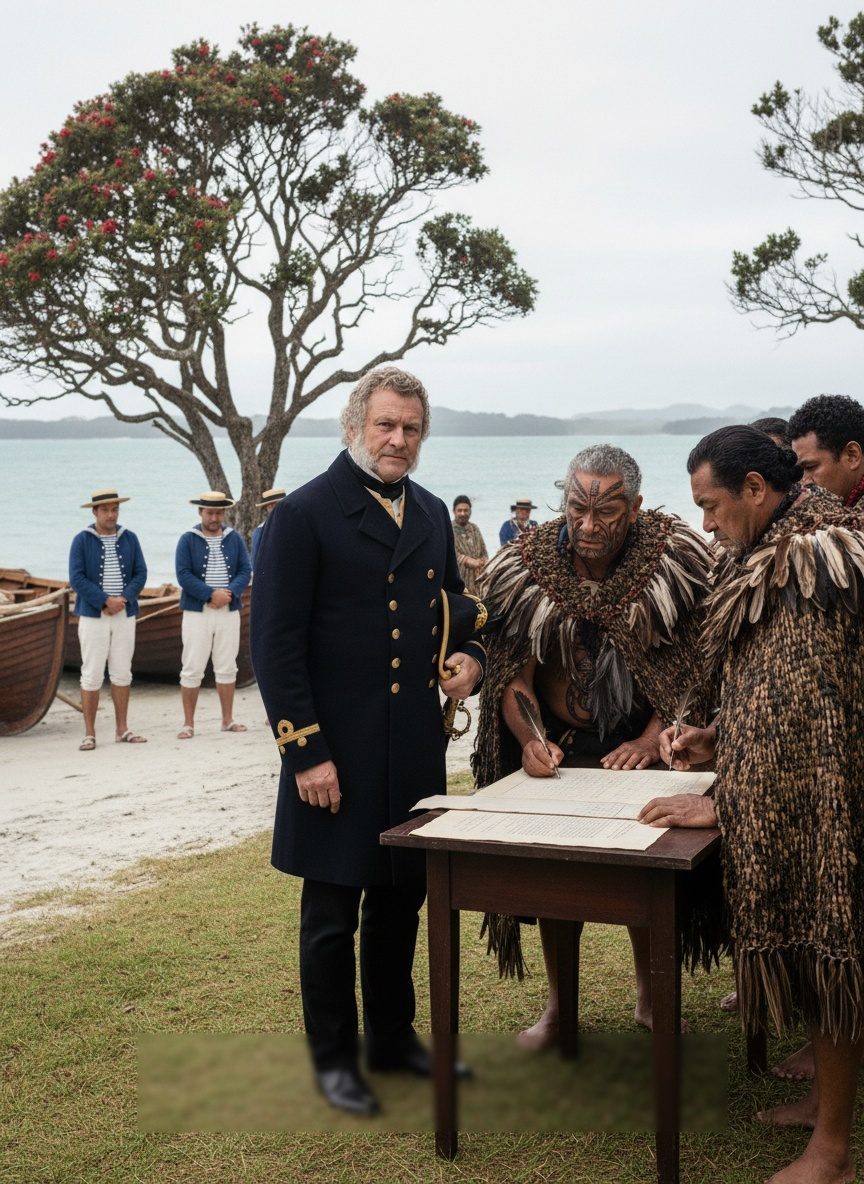
February 1840. A tent on a beach at Waitangi. A British official unrolled a document. Chiefs gathered. They pressed their moko to the page. In that moment, English law crossed the Pacific forever.
1900. A dusty ground in Barbados. Boys with bare feet and home-carved bats. They played the empire's game. Then they made it their own. A century later, they were the best in the world.
1861. Britain passed the Indian High Courts Act. Ancient Mughal courts were replaced. English common law took root across a subcontinent. Those courts still stand. Still decide. Still deliver verdicts in English.
London, 1772. A dying man named James Somerset lay in chains. One Englishman refused to walk past. Granville Sharp took his case to the highest court in England. Lord Mansfield ruled. No slave could be held on English soil.
1840. A single document signed in New Zealand carried words written in London centuries before. Those words became the bedrock of a nation. They still are today. The common law travelled further than any army.
1215. A king knelt in a meadow. He signed. The words spread. Today 2.5 billion people live under laws born in that field. One document. One moment. The whole world changed.
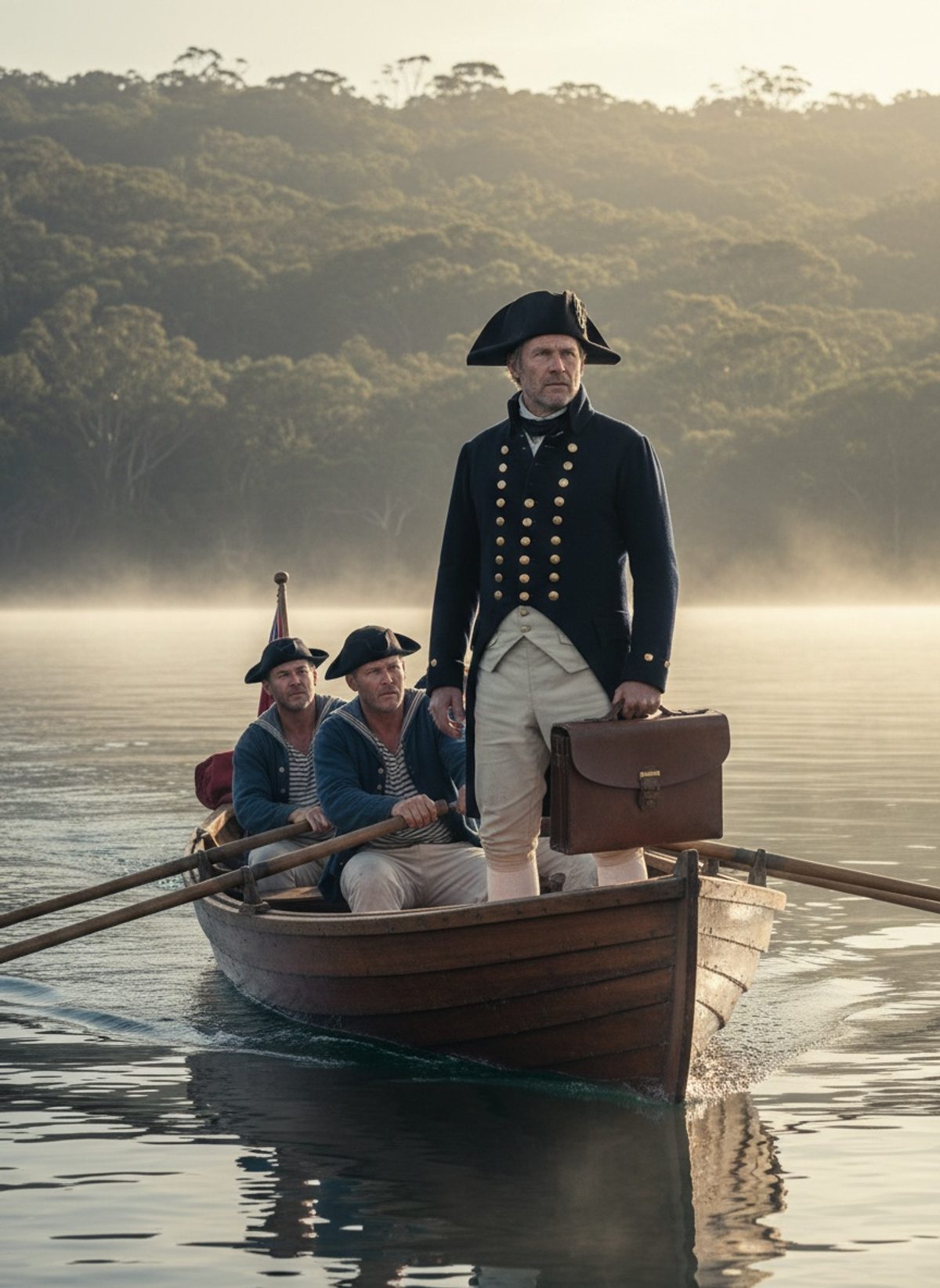
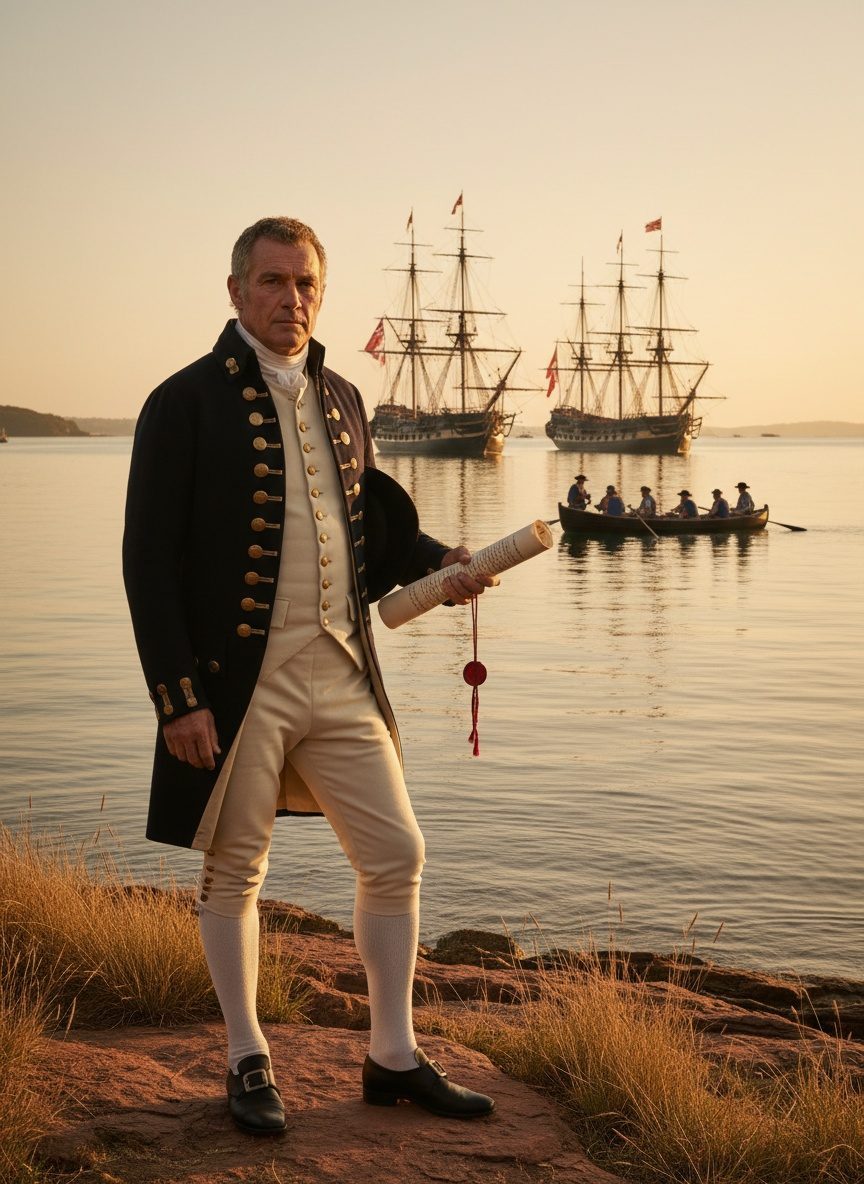
January 1788. A fleet of eleven ships anchored at Sydney Cove. With them came something no cannon could fire. English common law. Planted in Australian soil that day. It still grows there now.
January 1840. A single penny. A small black stamp. It changed everything. For the first time, any letter. Any person. Any corner of Britain. One price. The world copied it. Every nation followed. The Penny Black never left.
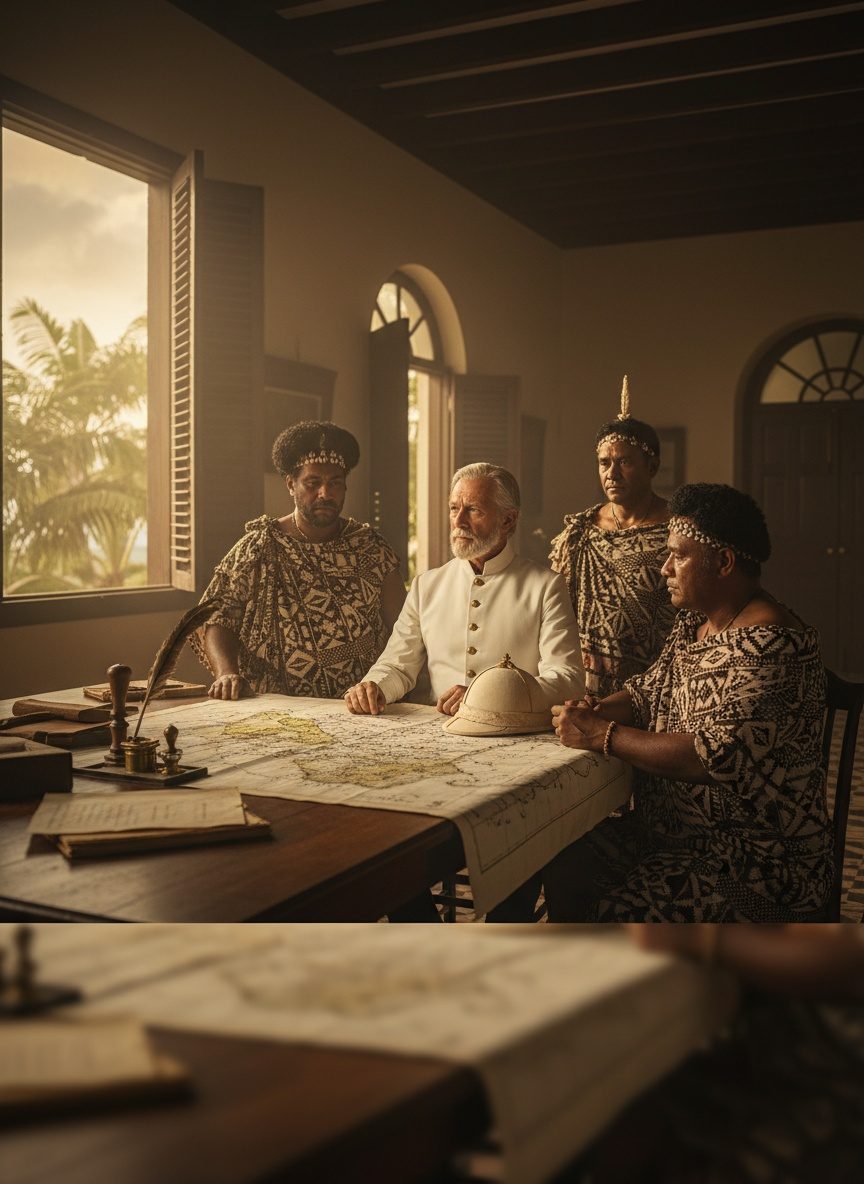
1875. Fiji had just become British. Governor Arthur Gordon faced a smallpox epidemic killing thousands. He chose to govern with Fijian chiefs, not against them. That decision shaped a nation still standing today.
1840. A single stamp. One penny. For the first time, any person in Britain could send a letter anywhere for the same price. Rowland Hill's idea had changed how the world communicated. Every empire that followed copied it.
1861. Britain passed the Indian High Courts Act. Calcutta, Bombay, Madras. Three new courts opened. They used English law. They still do. Half a billion cases a year. Decided by rules written in London.
June 1215. King John knelt at Runnymede. Barons surrounded him. He pressed his seal into wax. One document. Eight hundred years later, its words still live in the courts of fifty nations.
1772. A slave named James Somerset stood before a London court. His master demanded his return. Lord Mansfield paused. Then ruled. No man could be enslaved on English soil. One verdict. One free man. A world changed.
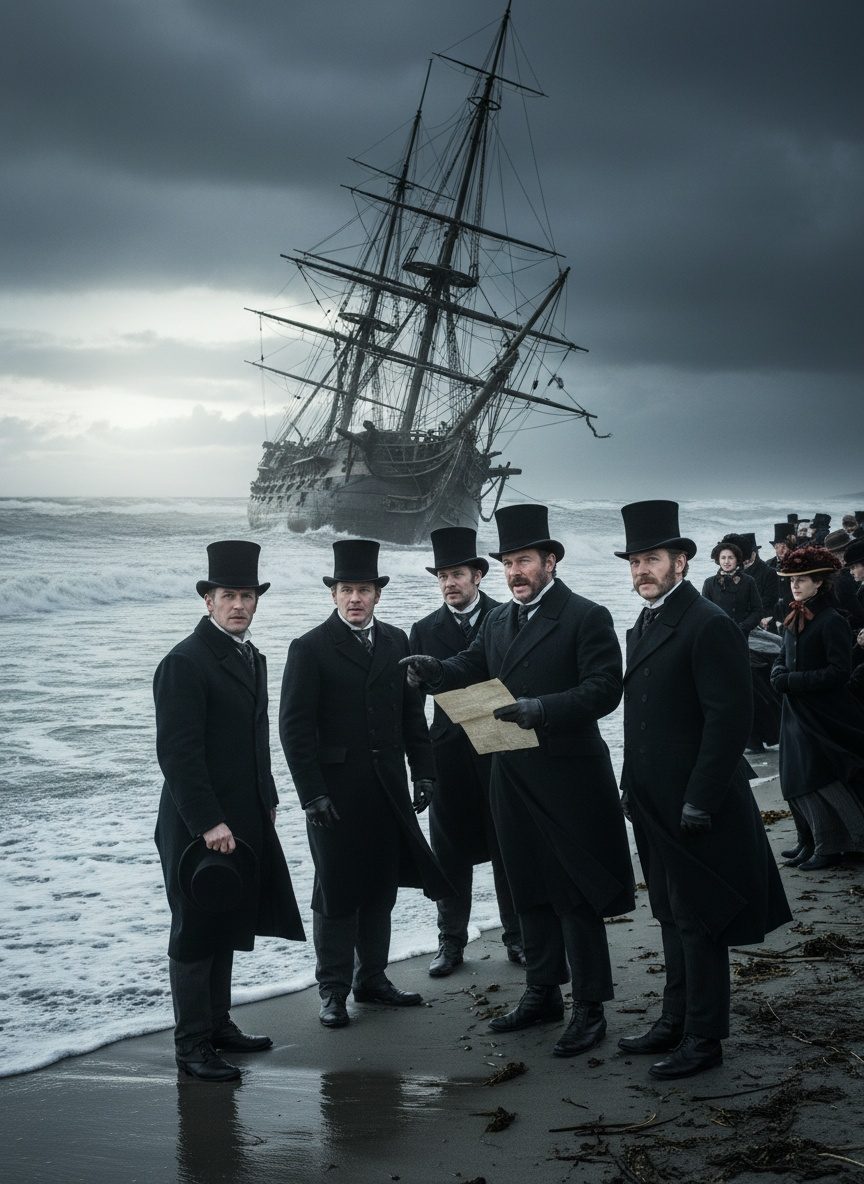
Nelson's old flagship HMS Foudroyant was a tourist attraction. Then a storm off Blackpool wrecked it in hours. Dealers bought the wreck for £250. A bookcase made from its timbers just sold for £41,000.
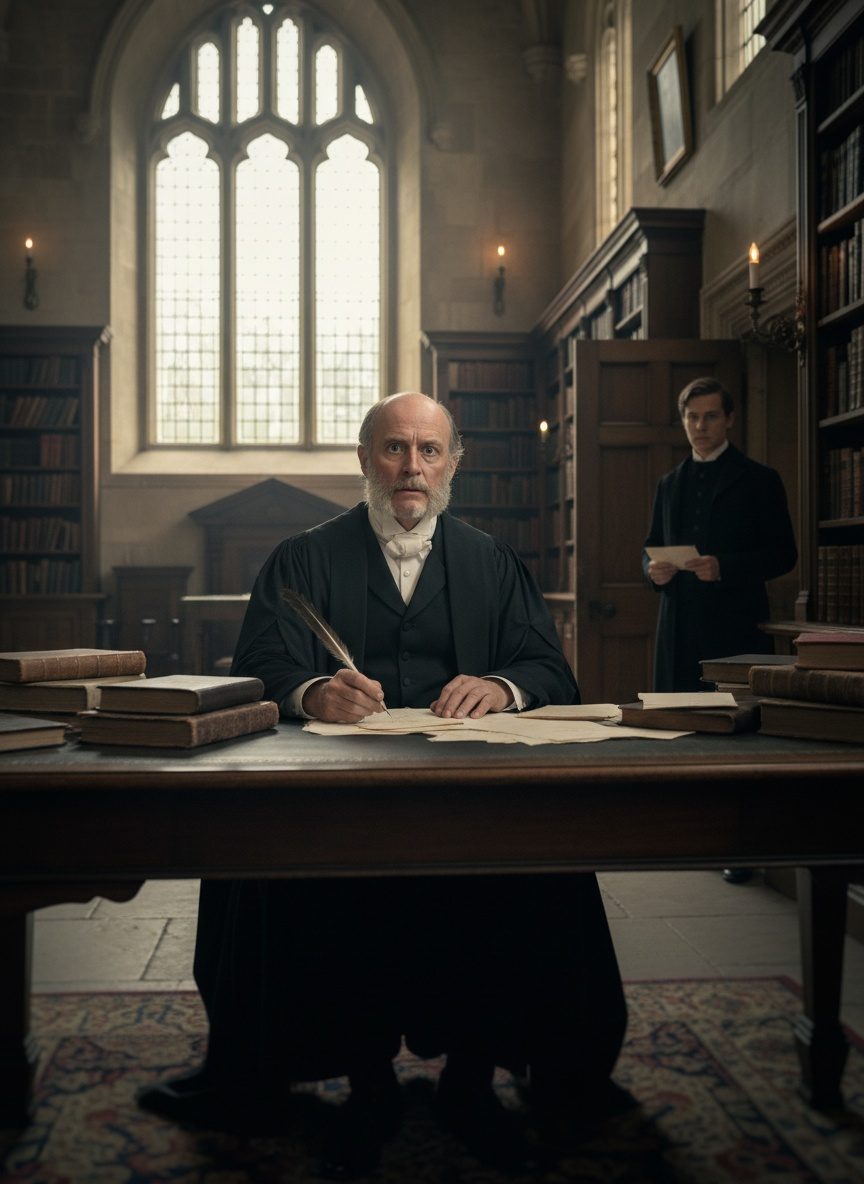
Cambridge. The greatest name in British scholarship. But in 1857, it handed a fellowship to a man whose only qualification was his connections. The scandal that followed exposed how patronage — not merit — had long ruled the empire's finest minds.
1840. New Zealand. A Maori chief pressed his mark to a page. The Treaty of Waitangi was signed. British law arrived on a Pacific island. That document still governs a nation today.
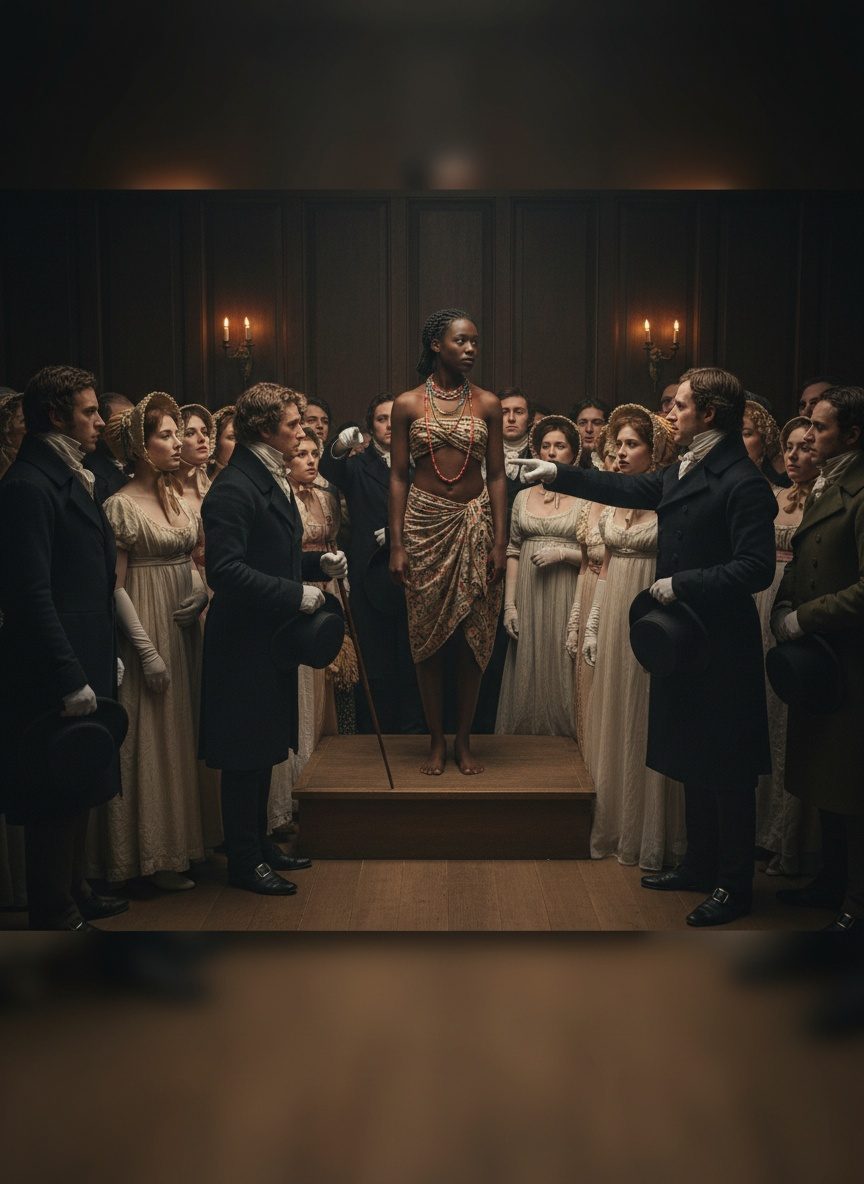
She was brought from the Cape Colony to London and exhibited in a Piccadilly show as a curiosity. She died at 26. Then France took her remains. They were displayed in a Paris museum until 2002.
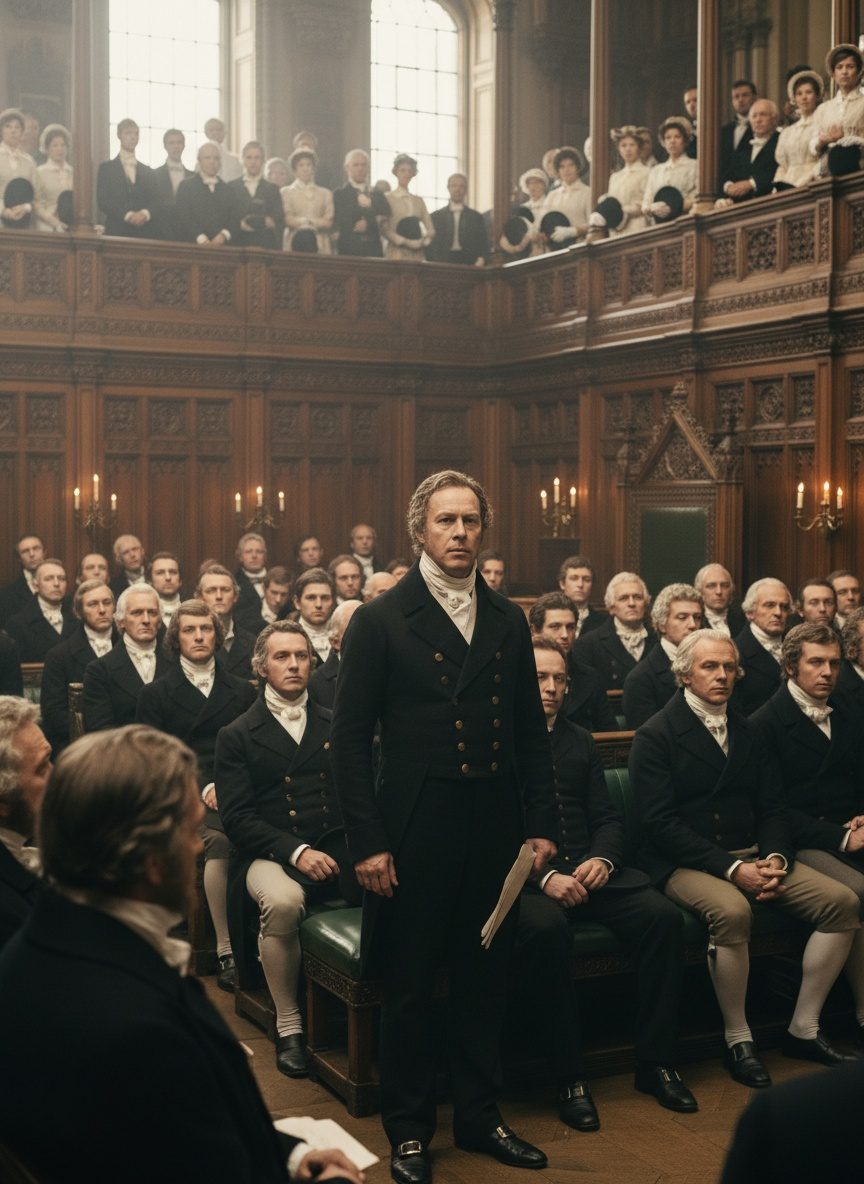
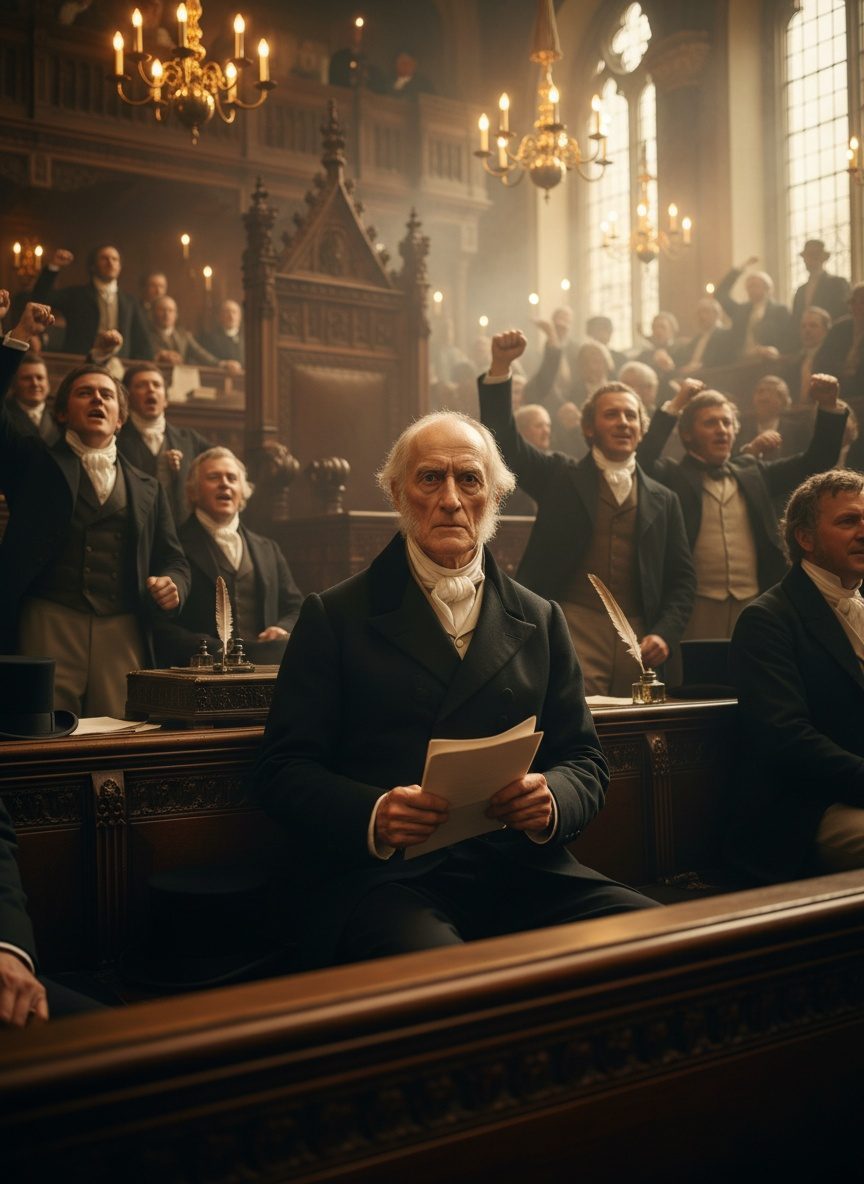
August 1833. Thomas Fowell Buxton rose in the Commons. He read the bill aloud. 800,000 enslaved people. Free. One stroke of a pen. The galleries fell silent. Then erupted.
1840. A single penny. Rowland Hill had fought seven years for this. The Post Office said it was madness. Parliament laughed. On January 10th, the first Penny Black was sold. Within a year, the world was copying it.
January 1840. A single penny. A single stamp. For the first time in history, any person could send a letter anywhere in Britain. The poorest factory girl. The loneliest sailor. The world had changed forever.
June 1215. A king knelt to his barons at Runnymede. He signed. No man above the law. Eight centuries later, that single idea underpins the constitutions of over 100 nations. One meadow changed everything.
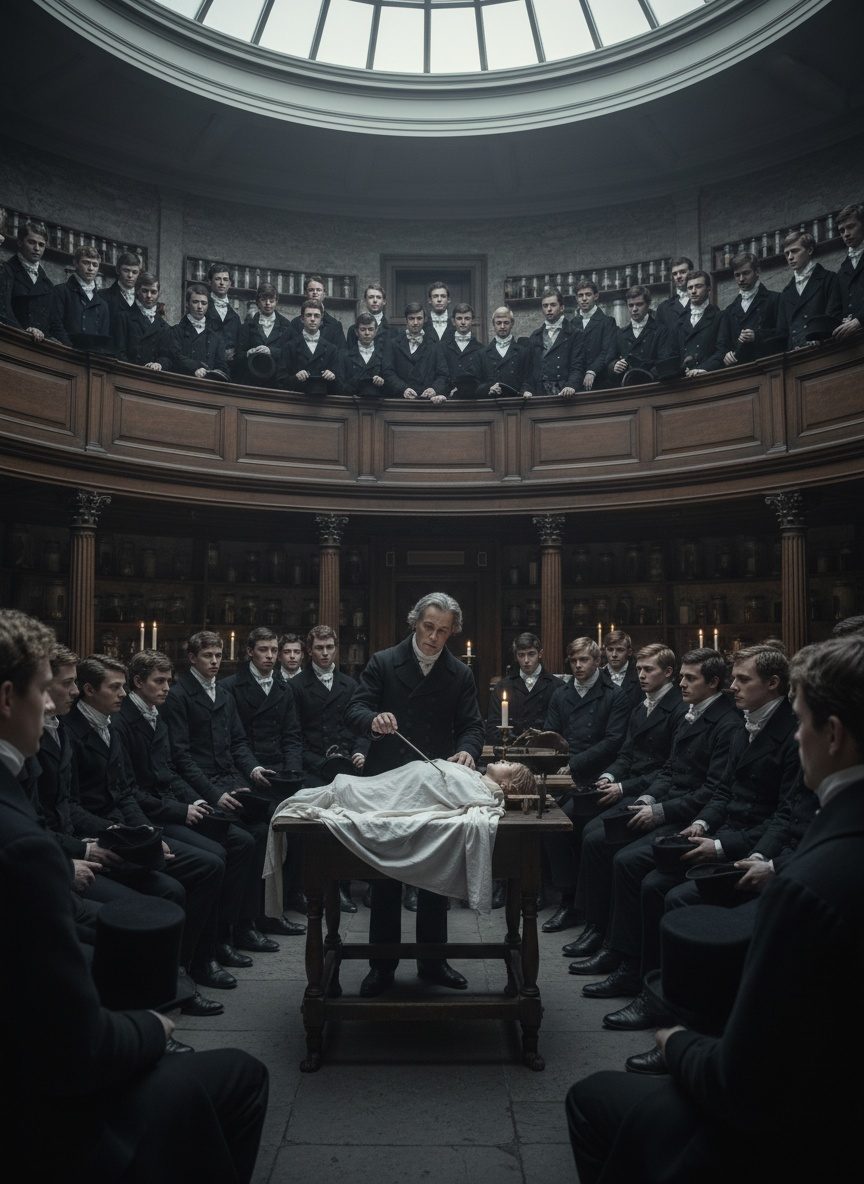
Edinburgh needed bodies. The Empire's medical schools were consuming corpses faster than gallows could supply them. William Burke sold sixteen murders to science — then became the specimen himself.
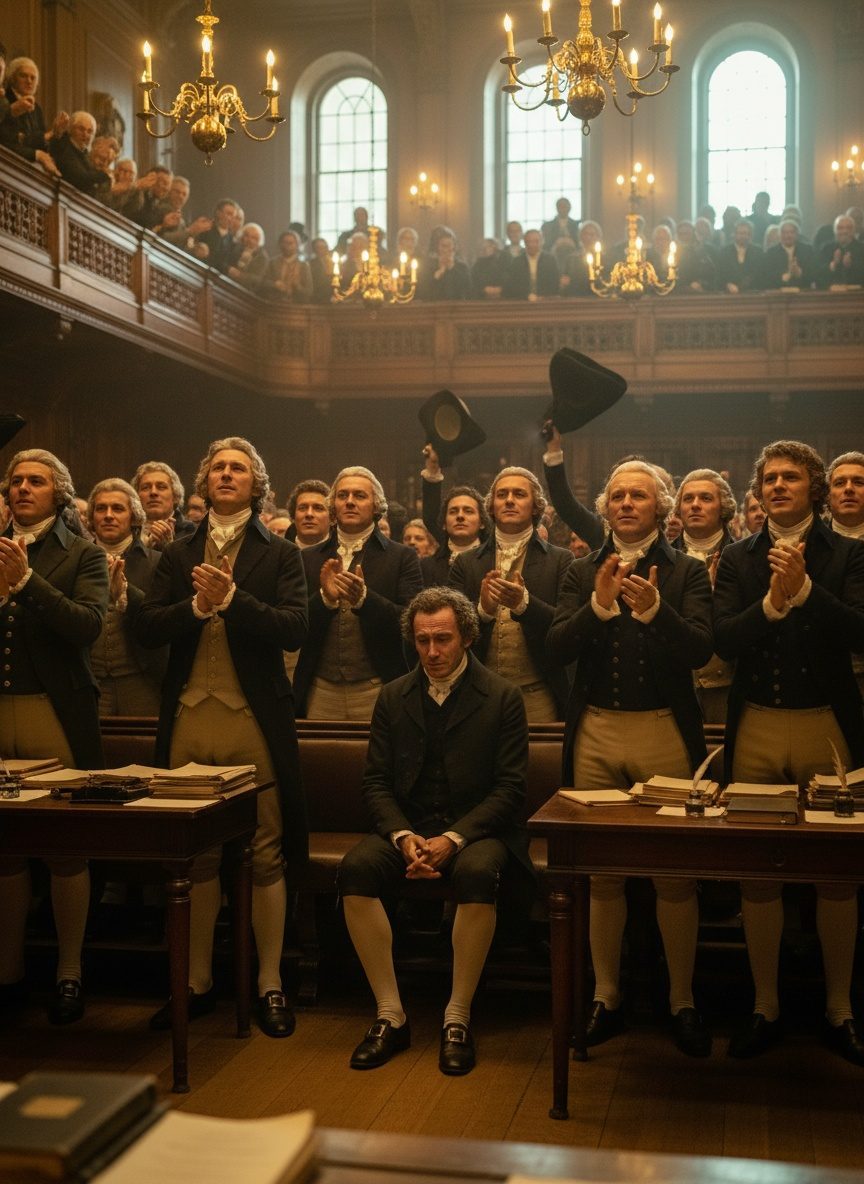
February 1807. Parliament had debated abolition for twenty years. Wilberforce sat exhausted in the chamber. The vote was called. Members rose. They cheered him by name. He wept.
London, 1772. A Black man named James Somerset stood before Lord Mansfield. He had been a slave. His master wanted him back. Mansfield ruled. No man could be enslaved on English soil. One judgment. Fourteen colonies heard it.
London. 1772. A runaway slave stood before England's highest court. His master demanded him back. Lord Mansfield paused. Then ruled. No man could be enslaved on English soil. Somerset walked free. The world was never the same.
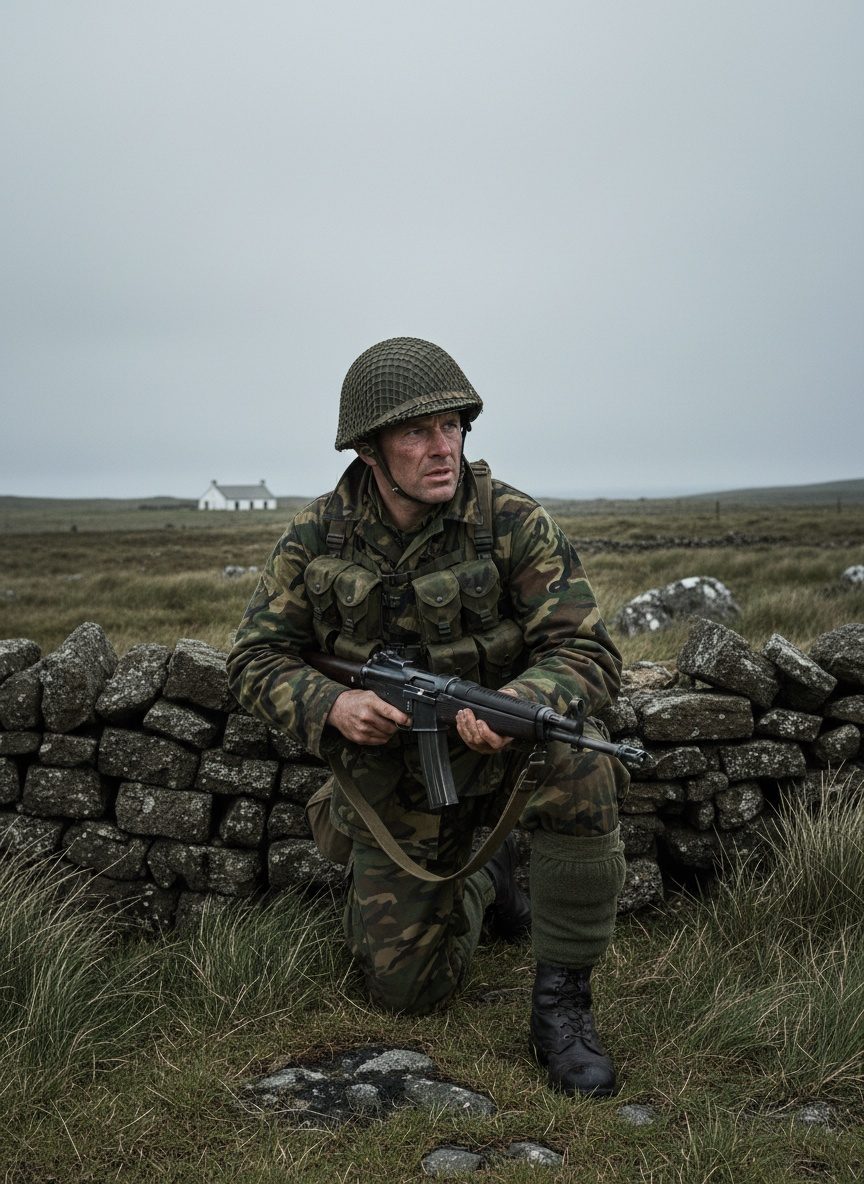
In 1982, a fascist junta that had murdered 30,000 of its own citizens invaded British territory. The islanders had voted overwhelmingly to remain British. Argentina called it liberation. The world called it what it was.
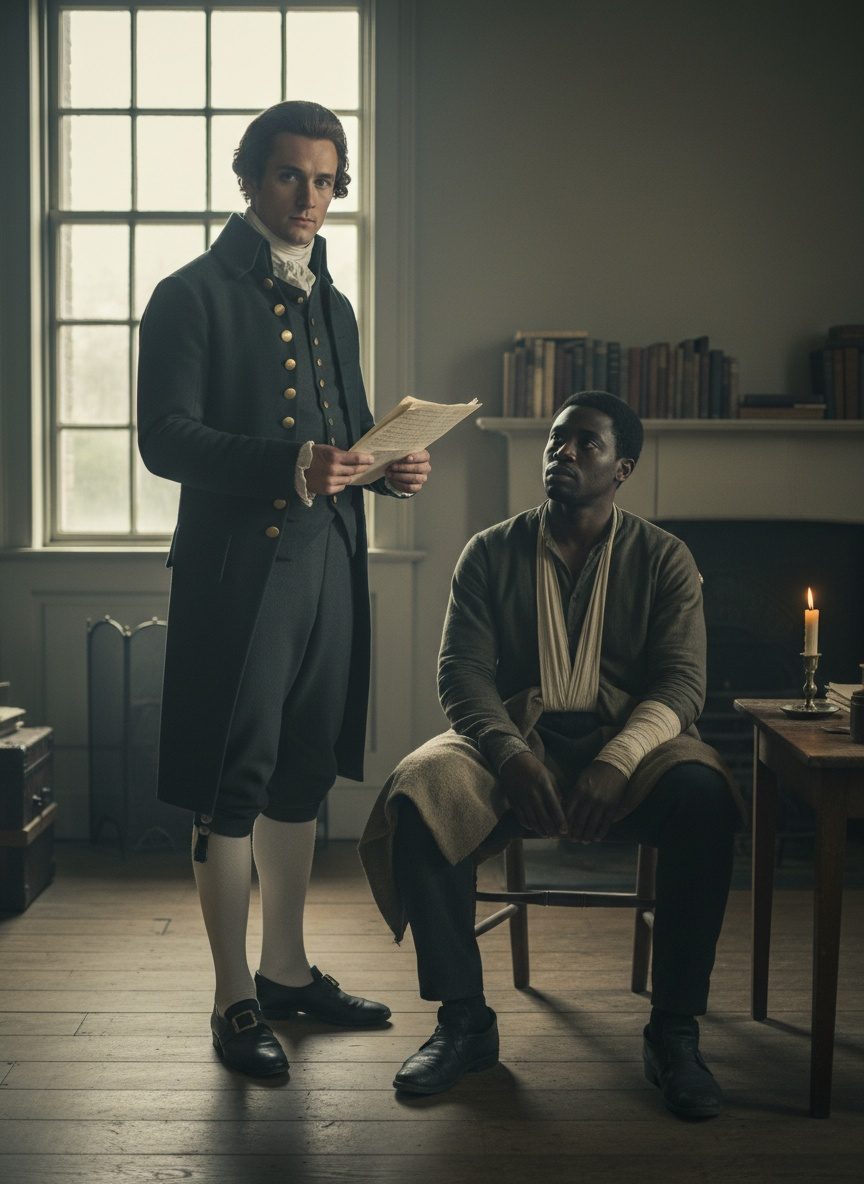
London, 1767. A young enslaved man lay beaten in the street. A clerk named Granville Sharp carried him to hospital. Two years later, his former master came to reclaim him. Sharp stood in the doorway. He refused to move.
August 1833. Parliament passed the Slavery Abolition Act. Eight hundred thousand enslaved people across the British Empire were freed. One law. One empire. One moment that changed the world forever.
February 1840. A British official unfurled a document on a windswept beach. Maori chiefs gathered. One by one they pressed their marks to the page. The Treaty of Waitangi was signed. Its principles still govern a nation today.
London, 1772. James Somerset was a slave. His master demanded him back. One English lawyer stood up in court and refused to let him go. Lord Mansfield ruled. No master could remove a slave from England by force. Every enslaved person on English soil walked free that day.
London, 1772. A Black man named James Somerset stood in chains before Lord Mansfield. He had escaped slavery. His owner wanted him returned. Mansfield ruled. No man could be enslaved on English soil. The world changed.
London, 1772. A clerk named Granville Sharp found Jonathan Strong beaten in the street. He nursed him back to health. His master tried to reclaim him. Sharp took the case to court. Lord Mansfield ruled. No slave could be forcibly removed from England.
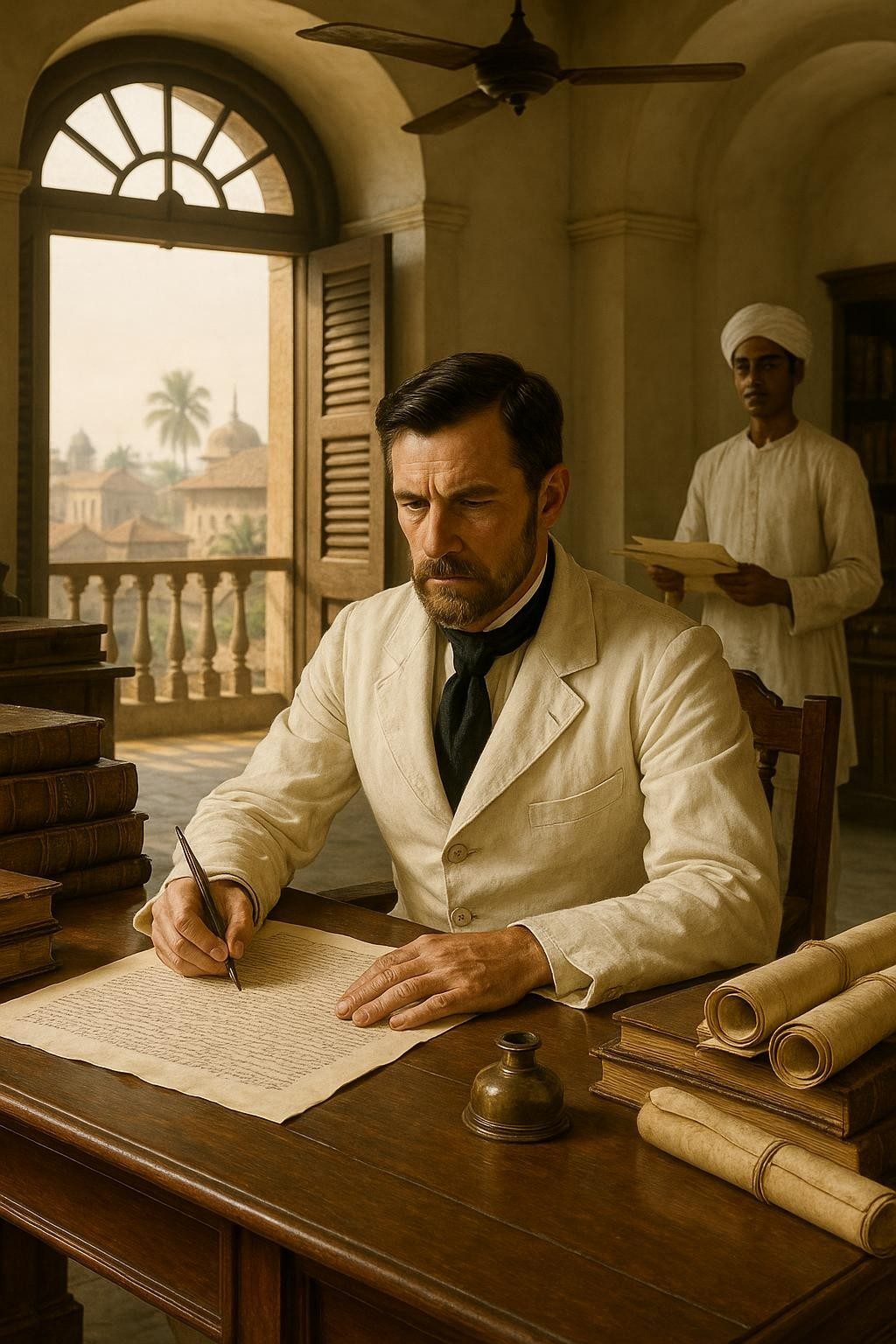
1861. India had no unified law. James Fitzjames Stephen arrived in Calcutta. He wrote a single criminal code for 250 million people. It still stands today.
1840. Thomas Macaulay had returned from India. He carried one idea. That British law should belong to every man. His Indian Penal Code became the foundation for courts across five continents. One mind. A billion lives shaped.
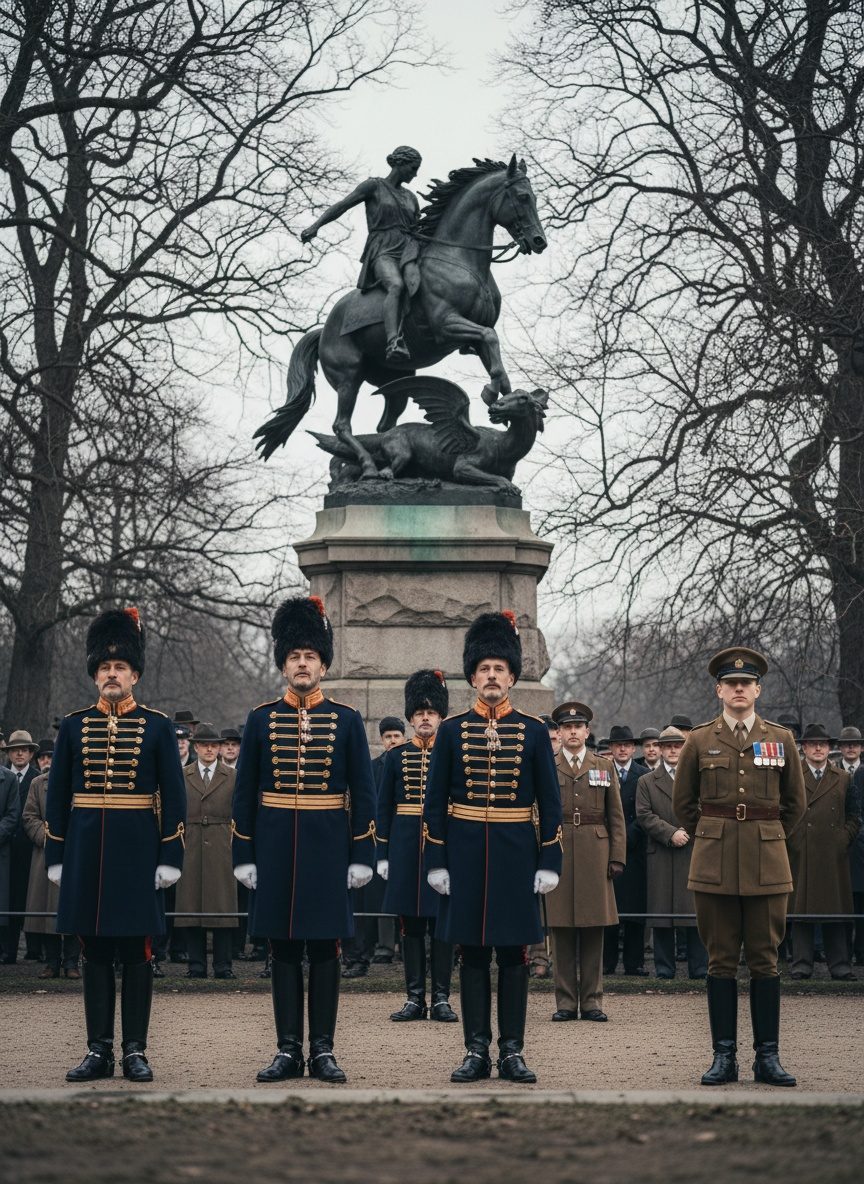
It took four years to build. The bronze came from guns seized in battle. When London finally unveiled it, the men who had charged into those same guns stood and watched in silence.
London, 1840. One penny. One stamp. One letter. Rowland Hill's postal reform had just connected every corner of the empire. The world's poorest could now write to their families. Nothing would ever be the same.
London, 1772. A slave named James Somerset stood in chains before England's highest court. One man had spent six years fighting for this moment. Lord Mansfield ruled. Somerset walked free. England's soil could hold no slave.
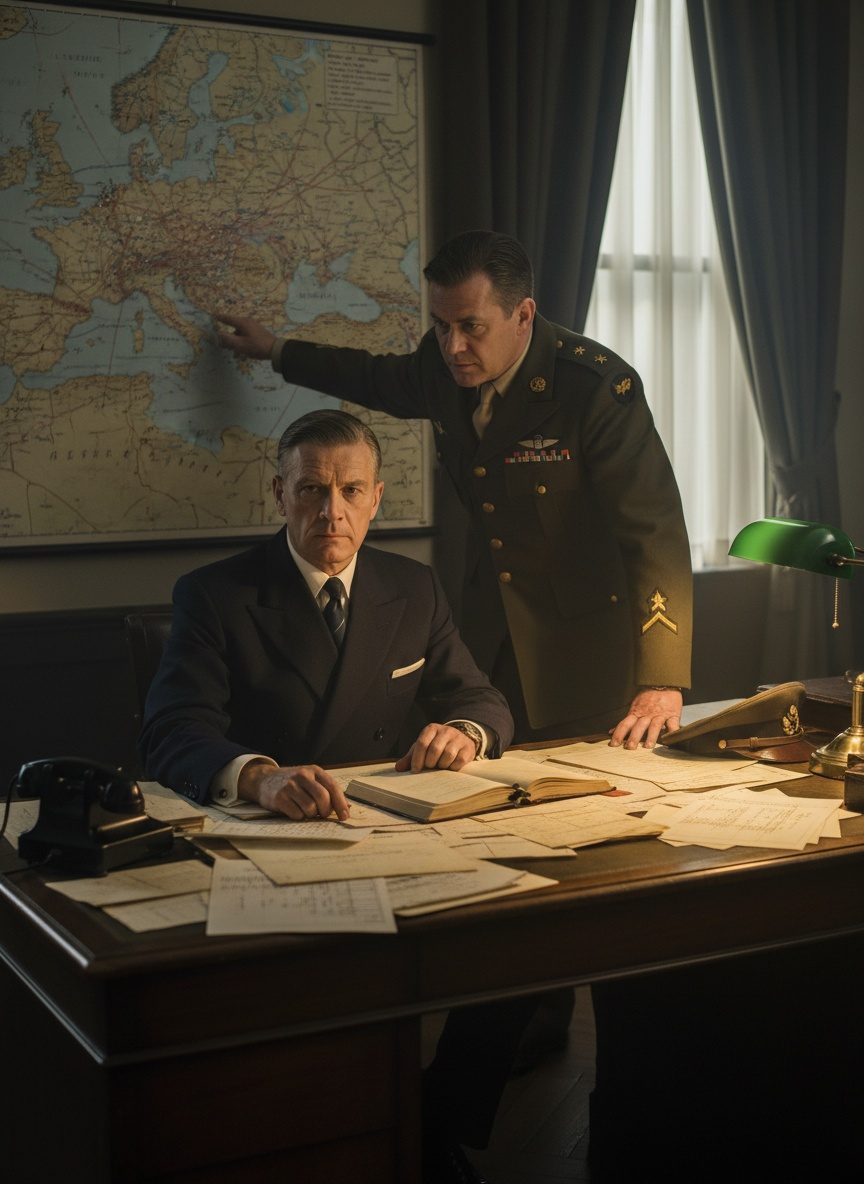
In 1943, Britain and America signed a secret signals deal in wartime Washington. By 1946 it had grown into the most comprehensive intelligence pact in history. No parliament debated it. No public knew it existed.
1840. Britain's Post Office charged by distance. The poor could not afford a letter. Rowland Hill changed everything. One penny. Any distance. The whole world copied it.
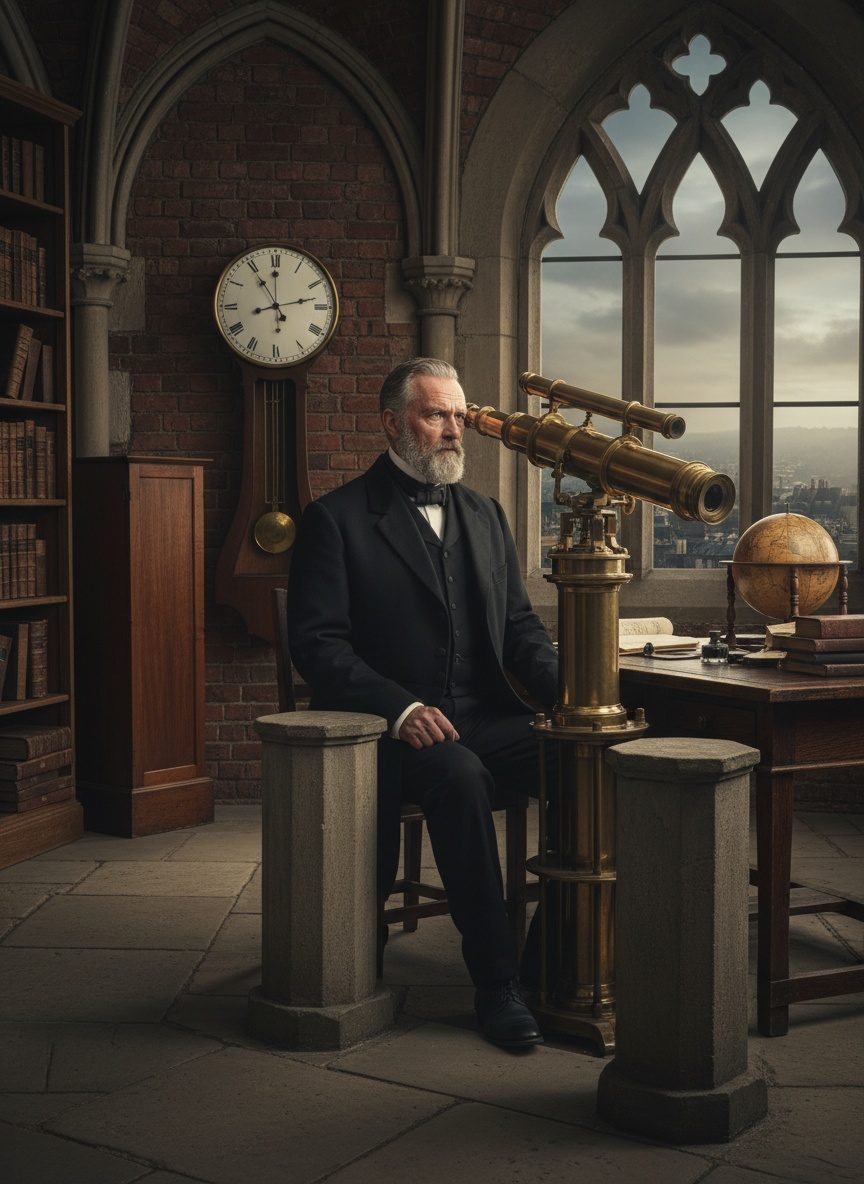
October 1884. Delegates from 25 nations gathered in Washington. They were deciding how the world would tell time. Britain's Greenwich won. Every clock on earth set itself to a London suburb.
1840. A British penny stamp. One tiny square of paper. It crossed every ocean. Reached every colony. Linked every corner of the empire. One stamp. One world.
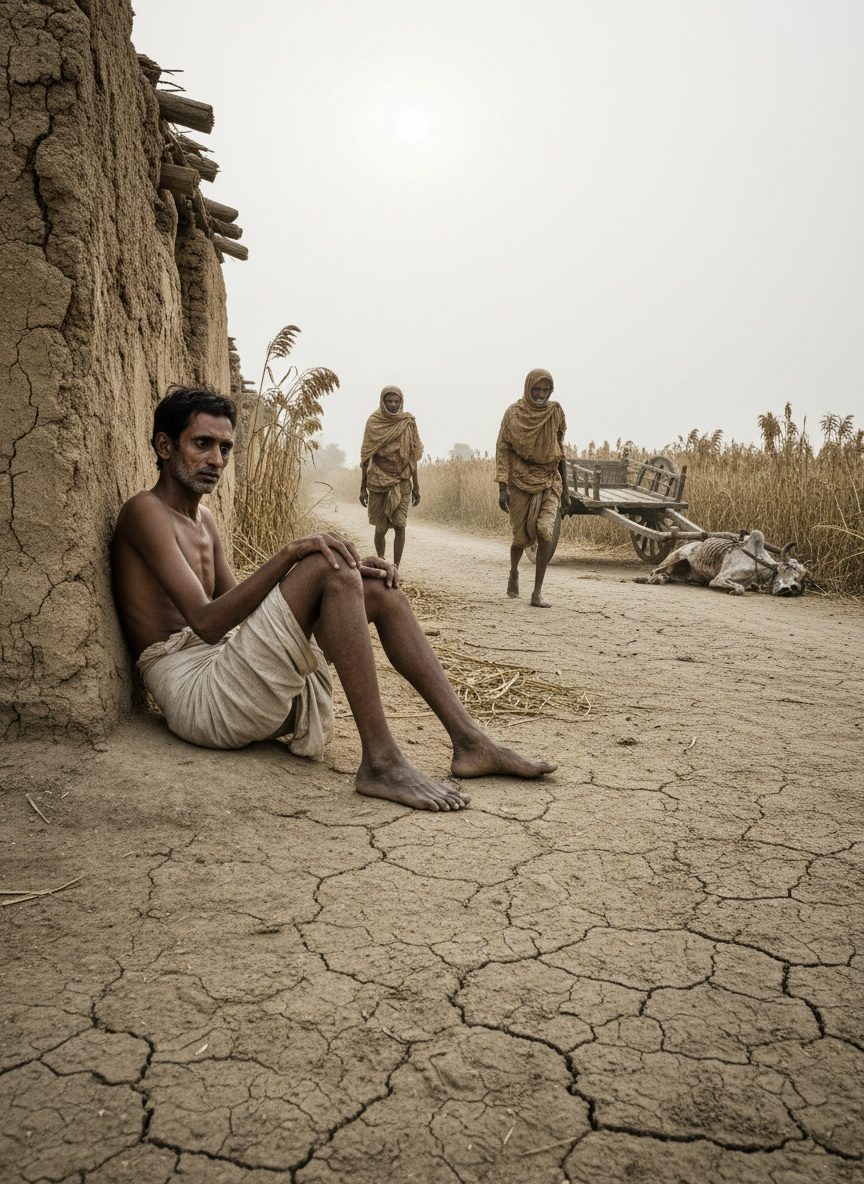
In 1630, two years of failed harvests turned the Deccan into a graveyard. Millions starved under Shah Jahan. No British soldier stood within a thousand miles. History forgot it anyway.
1215. A meadow beside the Thames. King John pressed his seal into wax. Eight hundred years later, those words still govern billions. Every court. Every constitution. Every right.
1840. Britain's penny post had remade the world. Forty years on, nations gathered in Paris. They agreed. One standard. One rate. One system. Built on a single British idea. The empire had given the world its voice.
1840. A single black stamp. Rowland Hill's dream made real. One penny. Any letter. Anywhere in Britain. The Empire's million voices finally had one price to speak.
1788. The First Fleet dropped anchor at Sydney Cove. With it came something invisible. English common law. One legal tradition. It would travel to every continent. Today it governs two billion people.
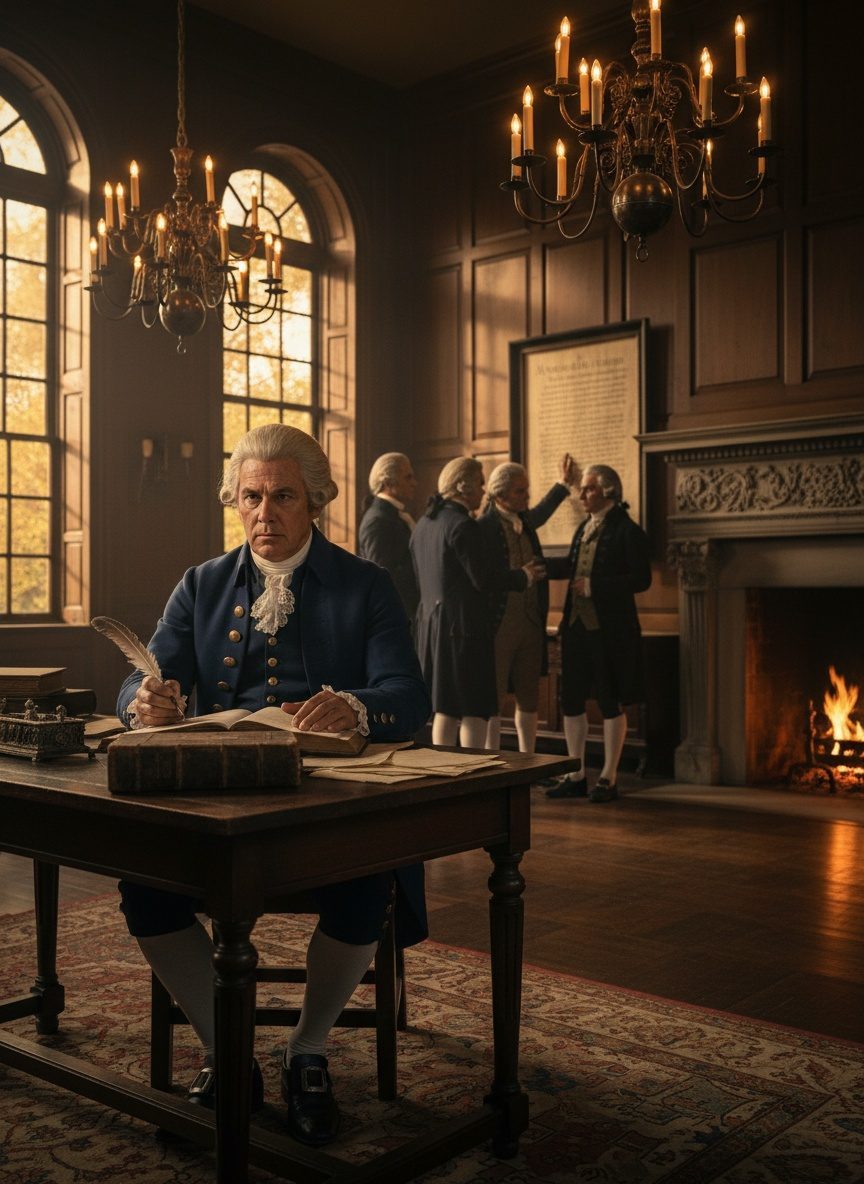
1787. Philadelphia. Men gathered to build a nation from scratch. They reached for the oldest law they knew. Magna Carta. English common law. The words of Blackstone. Britain's legal inheritance became freedom's foundation.
1858. Britain gave India a legal code. Courts. Juries. Rights. Today forty-seven nations govern by laws written in Westminster. A quarter of humanity lives under rules born on one small island.
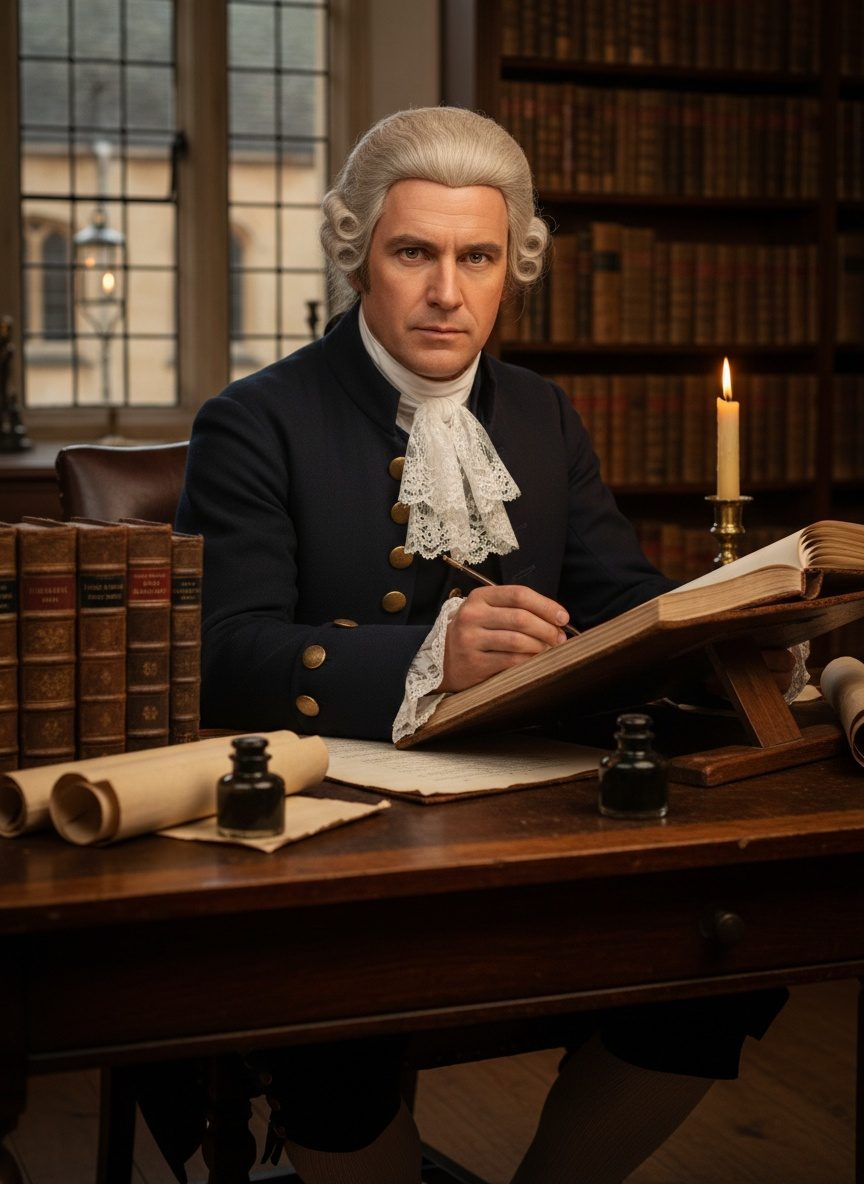
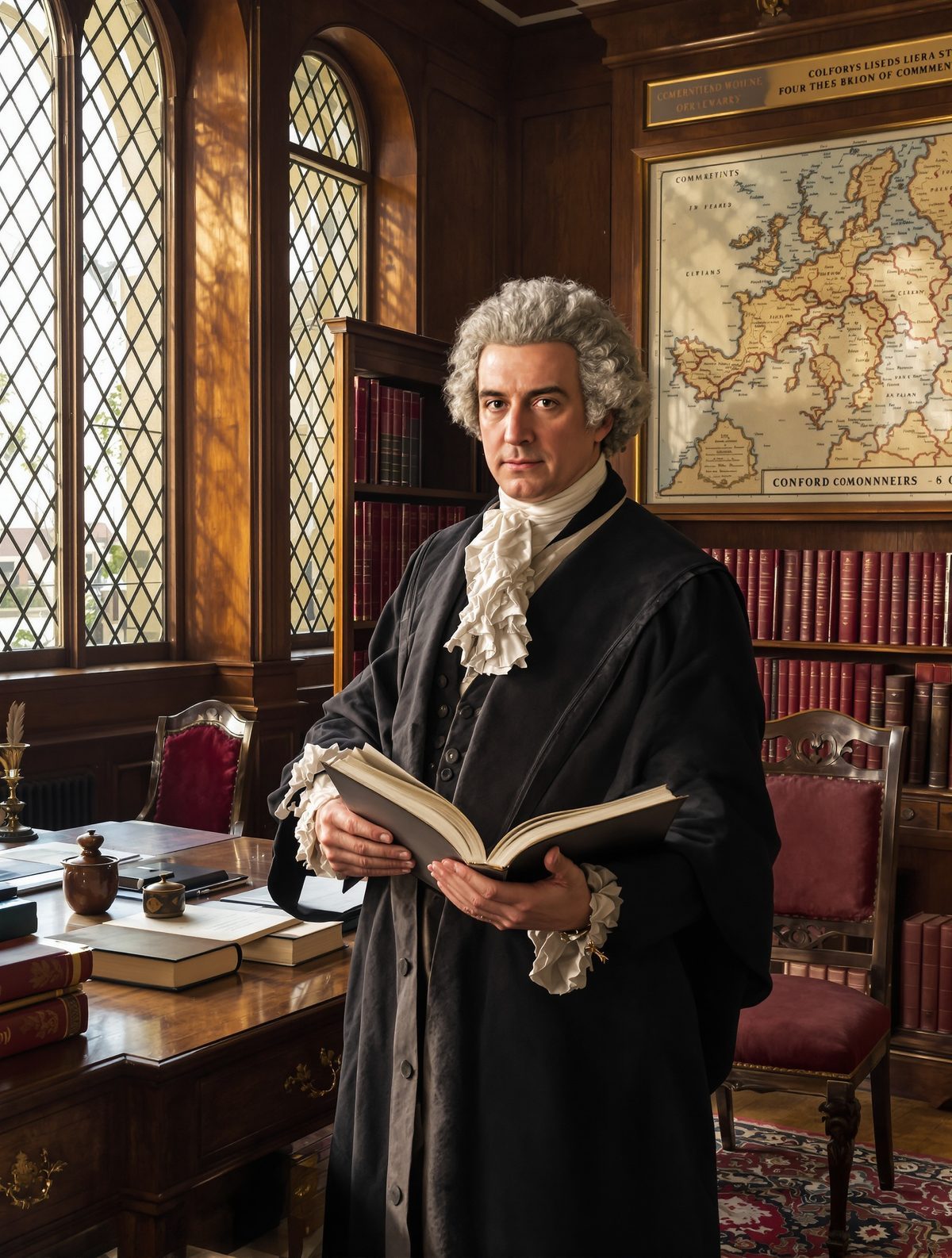
1765. William Blackstone published his Commentaries on the Laws of England. A single set of books. They crossed every ocean. Today they underpin the legal systems of a billion people. One man's pen shaped the world's justice.
1840. A single British penny. A letter in a soldier's hand. For the first time, anyone could write home. The Penny Post spread English across every colony. Today, 1.5 billion people read it daily.
June 1215. A king knelt to his barons on a meadow by the Thames. He signed a document. No king had done this before. That document became the foundation of law for half the world. It still is.
1858. The British Crown took India. With it came something unexpected. English common law. The right to a fair trial. The presumption of innocence. Those courts still stand today.
January 1788. A fleet of eleven ships dropped anchor at Sydney Cove. The soldiers carried muskets. The convicts carried chains. But tucked into the cargo was something stranger. A copy of English law. It would outlast an empire.
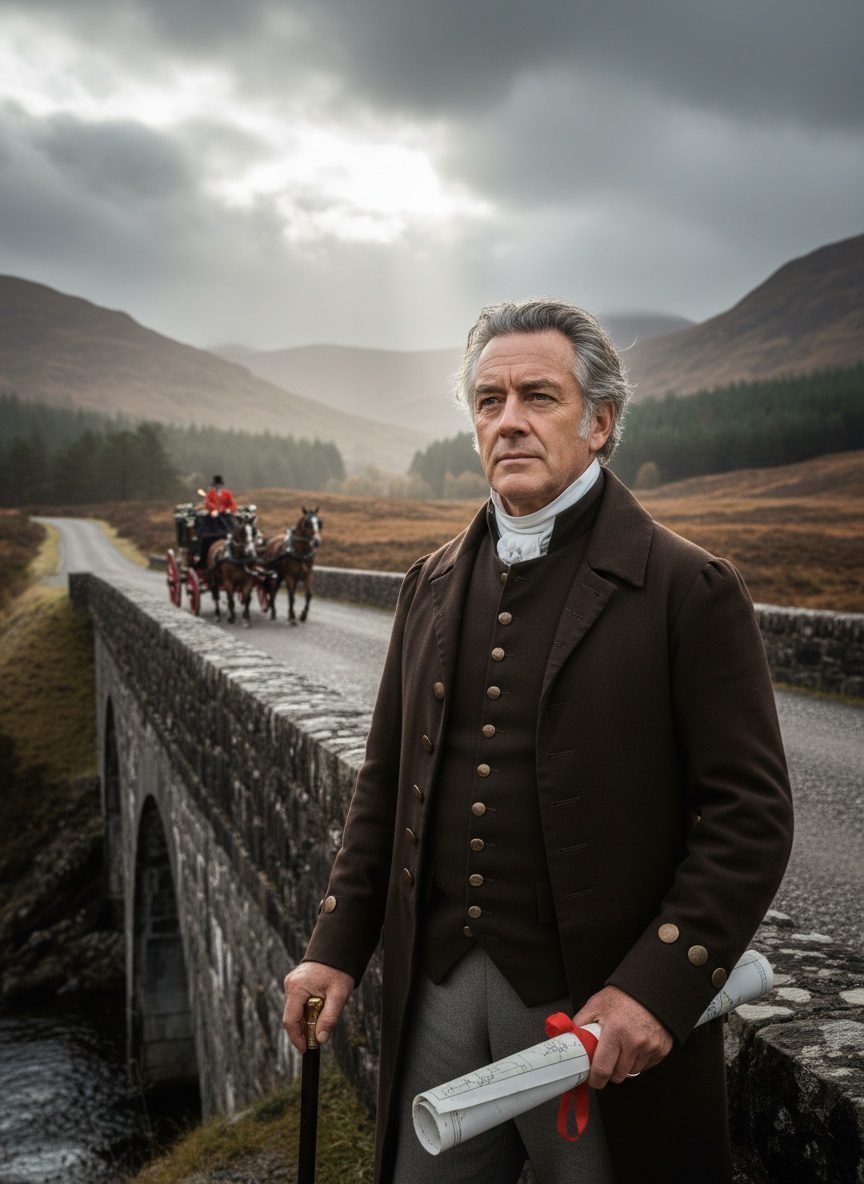
1826. A Scottish stonemason's son had just finished the impossible. 1,100 miles of new road. 1,200 bridges. The Scottish Highlands connected to London for the first time. One man. One hammer. One nation.
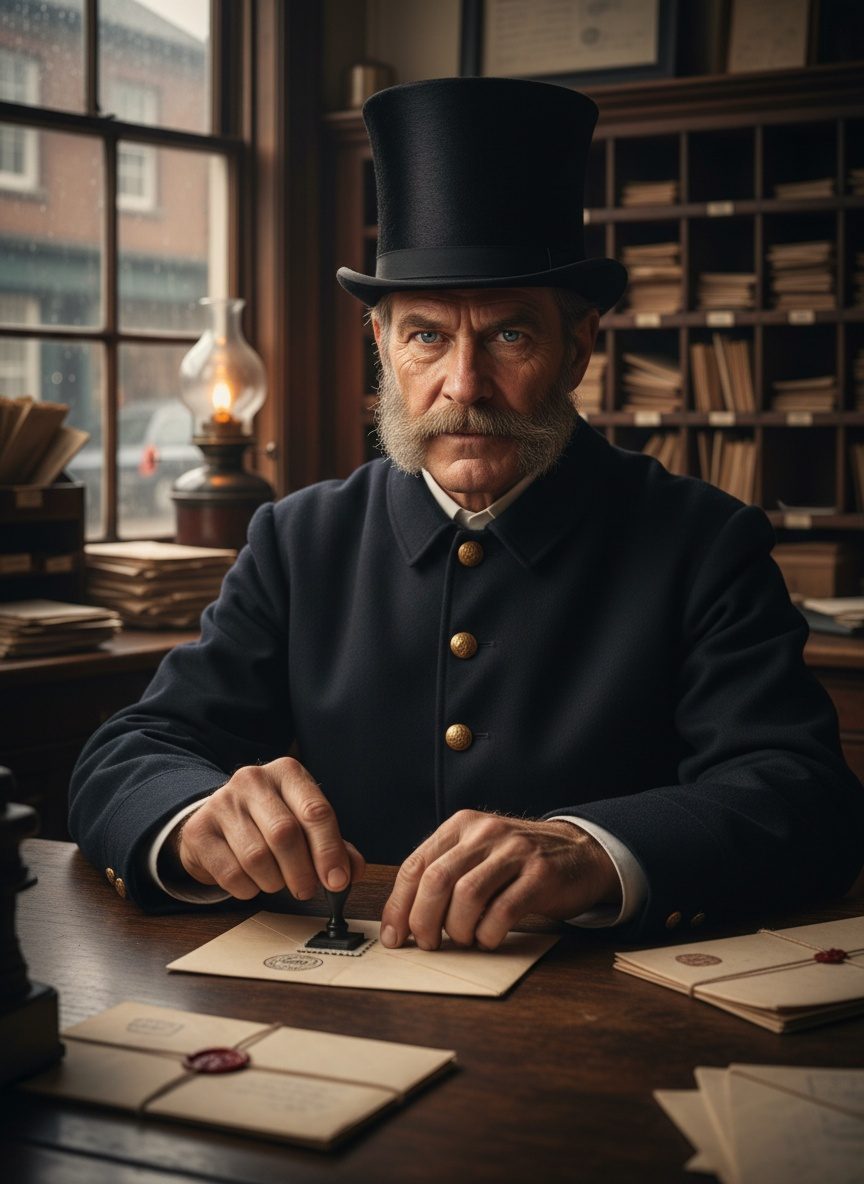
January 1840. A schoolteacher named Rowland Hill had one idea. A stamp worth a penny. Paid by the sender. Not the receiver. That single rule spread to every nation on earth. The world still uses it today.
January 1840. A penny stamp. One coin. Any letter. Any address. Anywhere in Britain. The poor could write home at last. Within a decade the world copied it. One idea changed how humanity speaks.
June 1215. A king knelt to his barons at Runnymede. He pressed his seal into wax. No man could have known. That single document would one day govern billions across every ocean on earth.
1874. Twenty-two nations gathered in Berne. They argued over how letters crossed borders. A British proposal changed everything. One stamp. One price. One world. The General Post Union was born. Every letter that crosses an ocean today follows its rules.
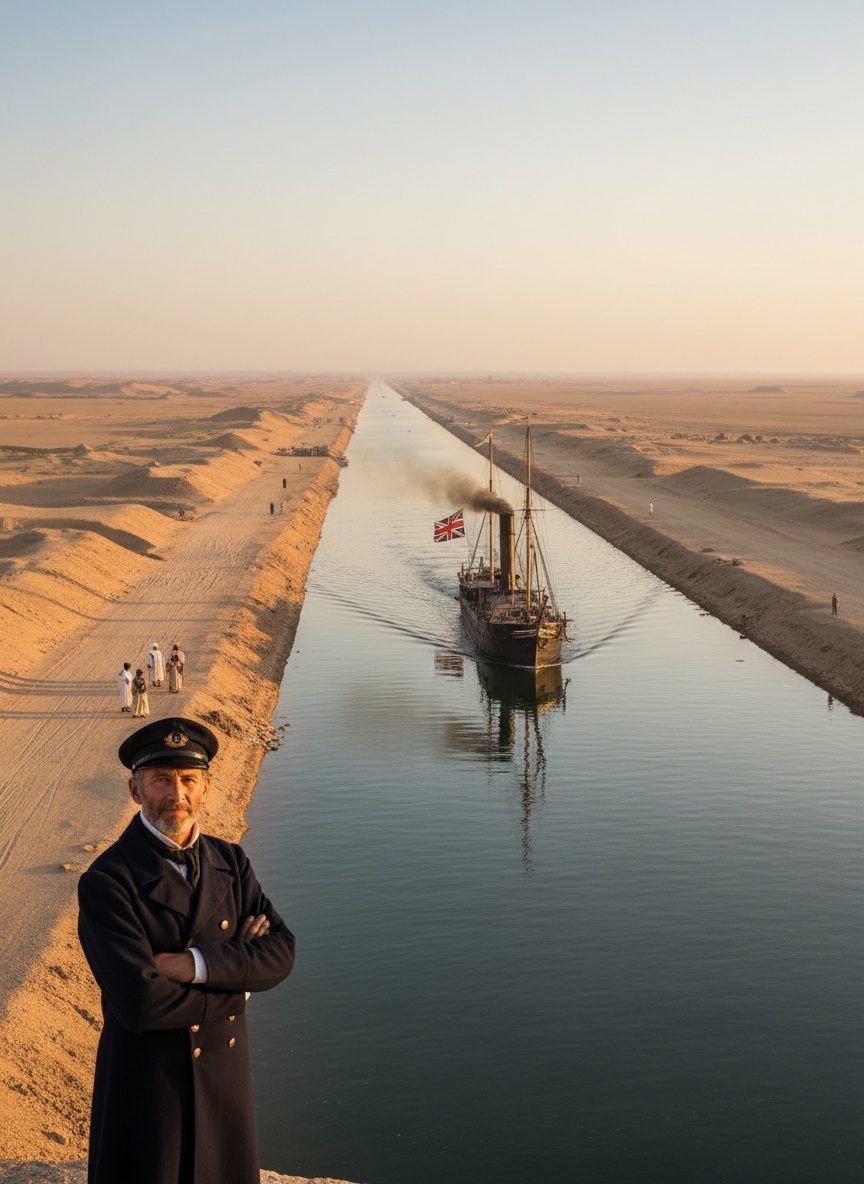
November 1869. The Suez Canal opened. A British engineer named Robert Stephenson had warned it was impossible. He was wrong. Today it carries 12% of all world trade. Built on a Victorian dream. Still moving the world.
June 1215. A rebellious baron pressed a seal into wax. A king had no choice but to sign. Eight centuries later, that single document still guards the rights of billions. One field in England changed everything.
January 1840. Rowland Hill's idea changed everything. One penny. Any letter. Anywhere in Britain. The poor could write to their children. Soldiers could reach home. The world copied it. Every nation on earth still uses it today.
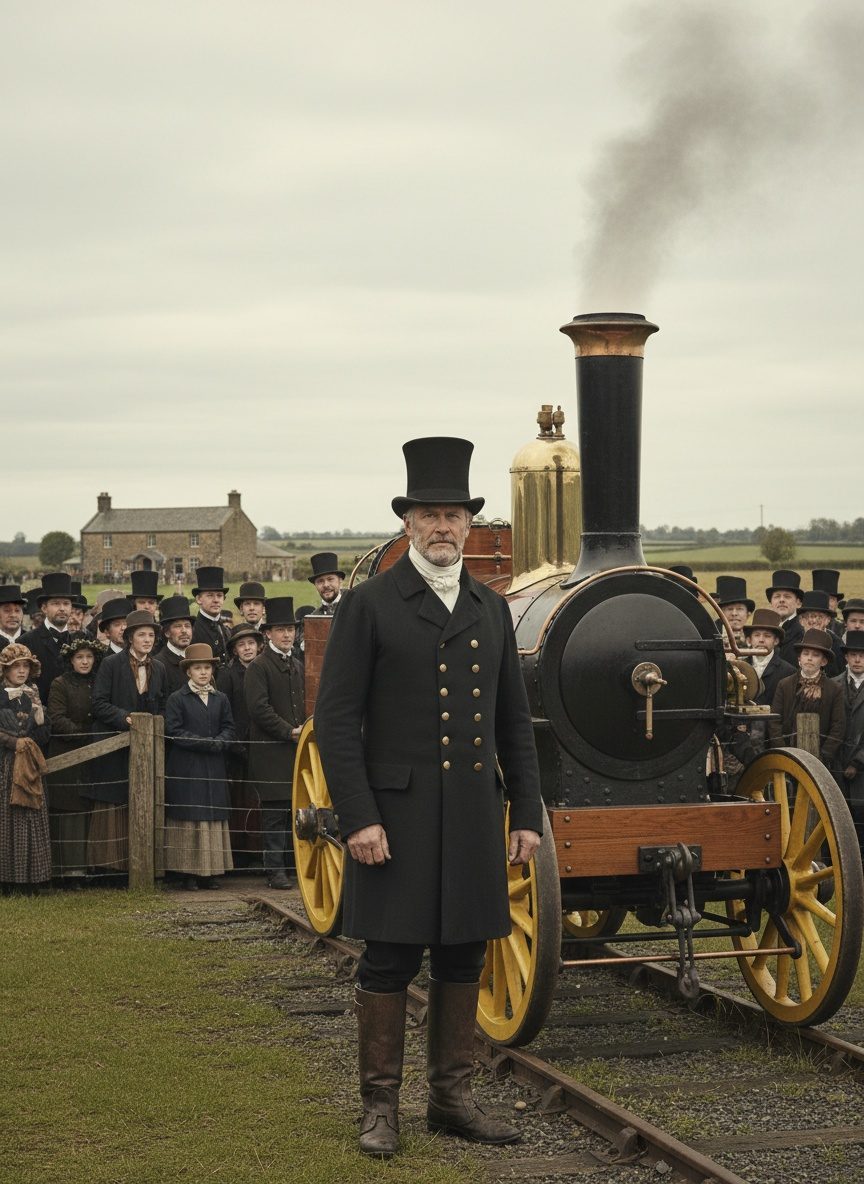
1829. Richard Trevithick had dreamed it. George Stephenson built it. The Rocket reached 29 miles per hour. Crowds wept. The world had never moved so fast. Today every nation on earth runs trains on his principles.
Britain needed rubber. An empire depended on it. A botanist named Henry Wickham smuggled 70,000 rubber seeds out of Brazil in 1876. Kew Gardens grew them. They broke South America's monopoly forever.
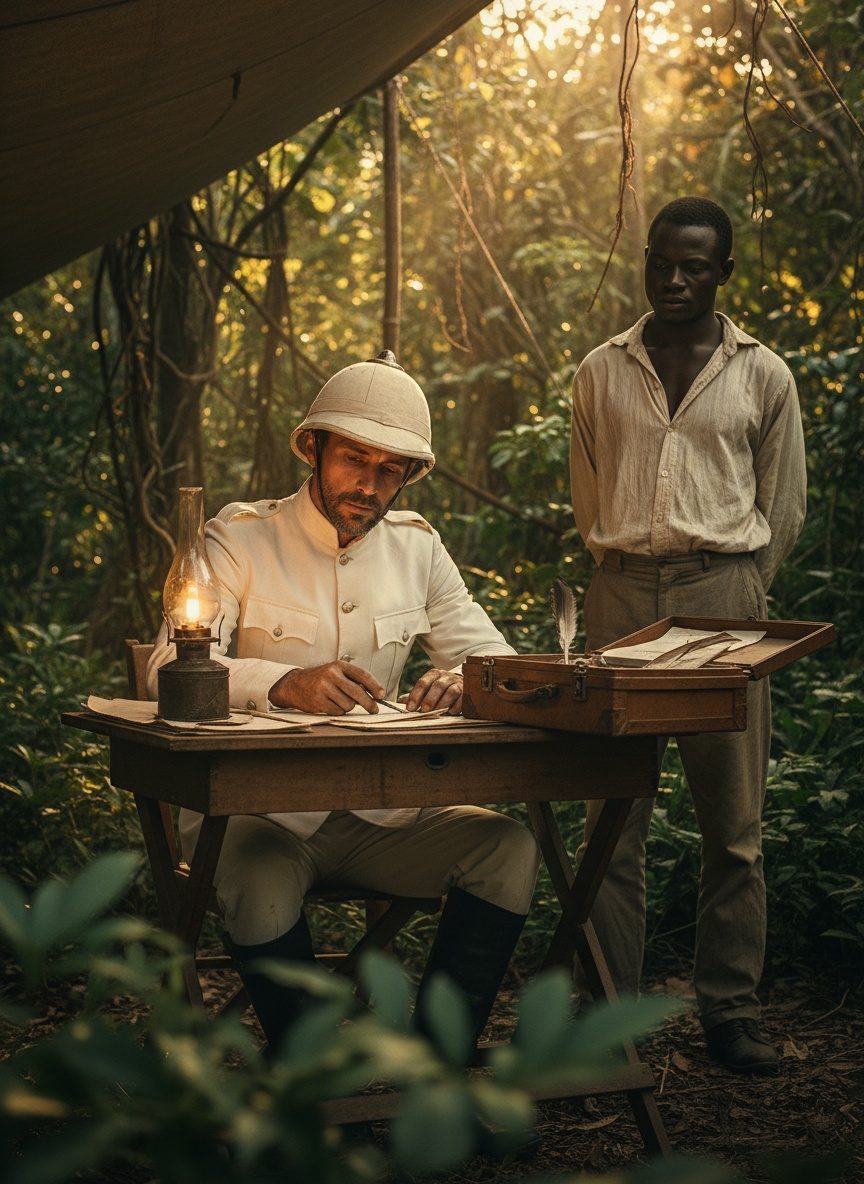
He was sent to write a routine report. What Roger Casement found in the Congo shocked the world. Men with no hands. Children used as hostages. And a European empire built entirely on terror.
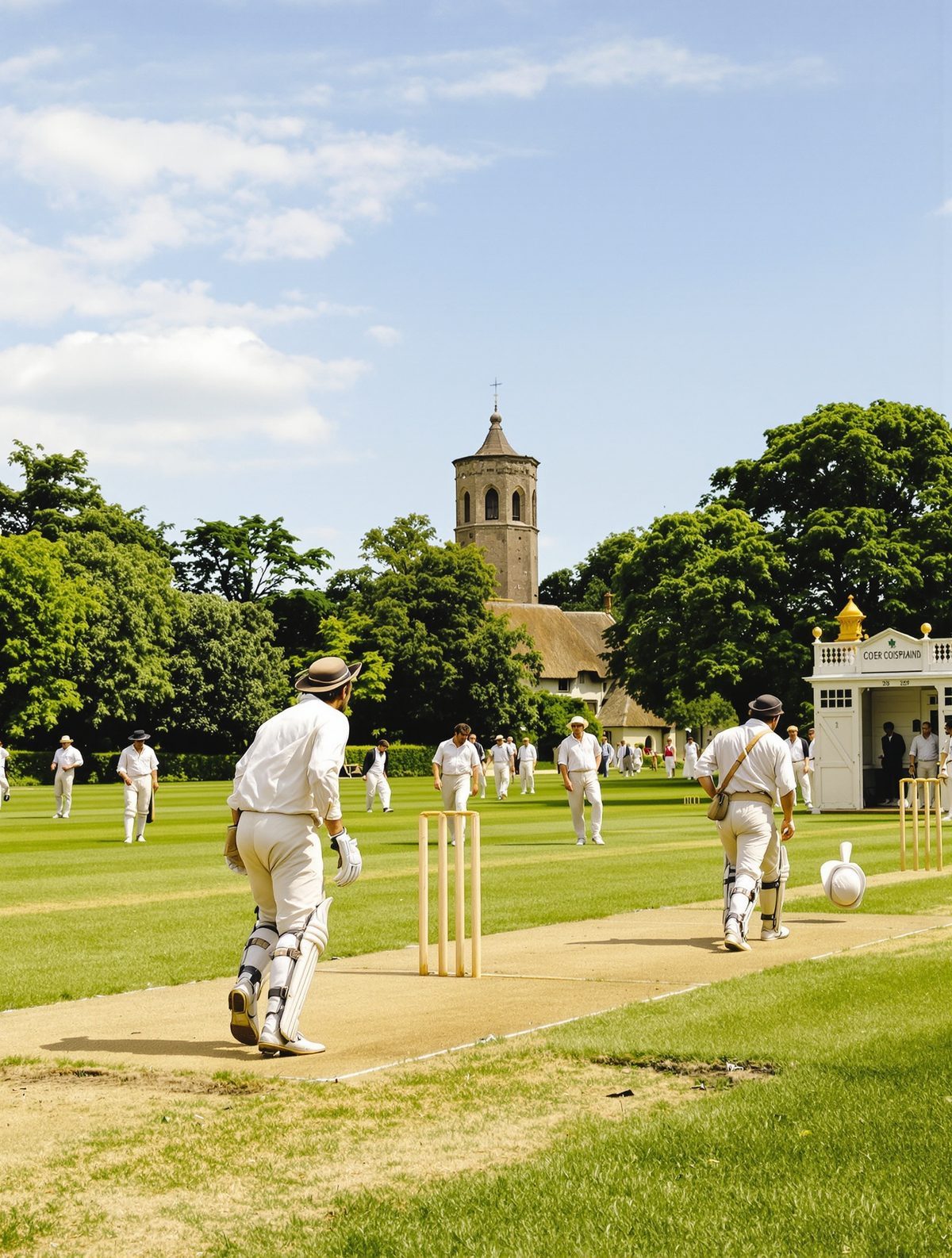
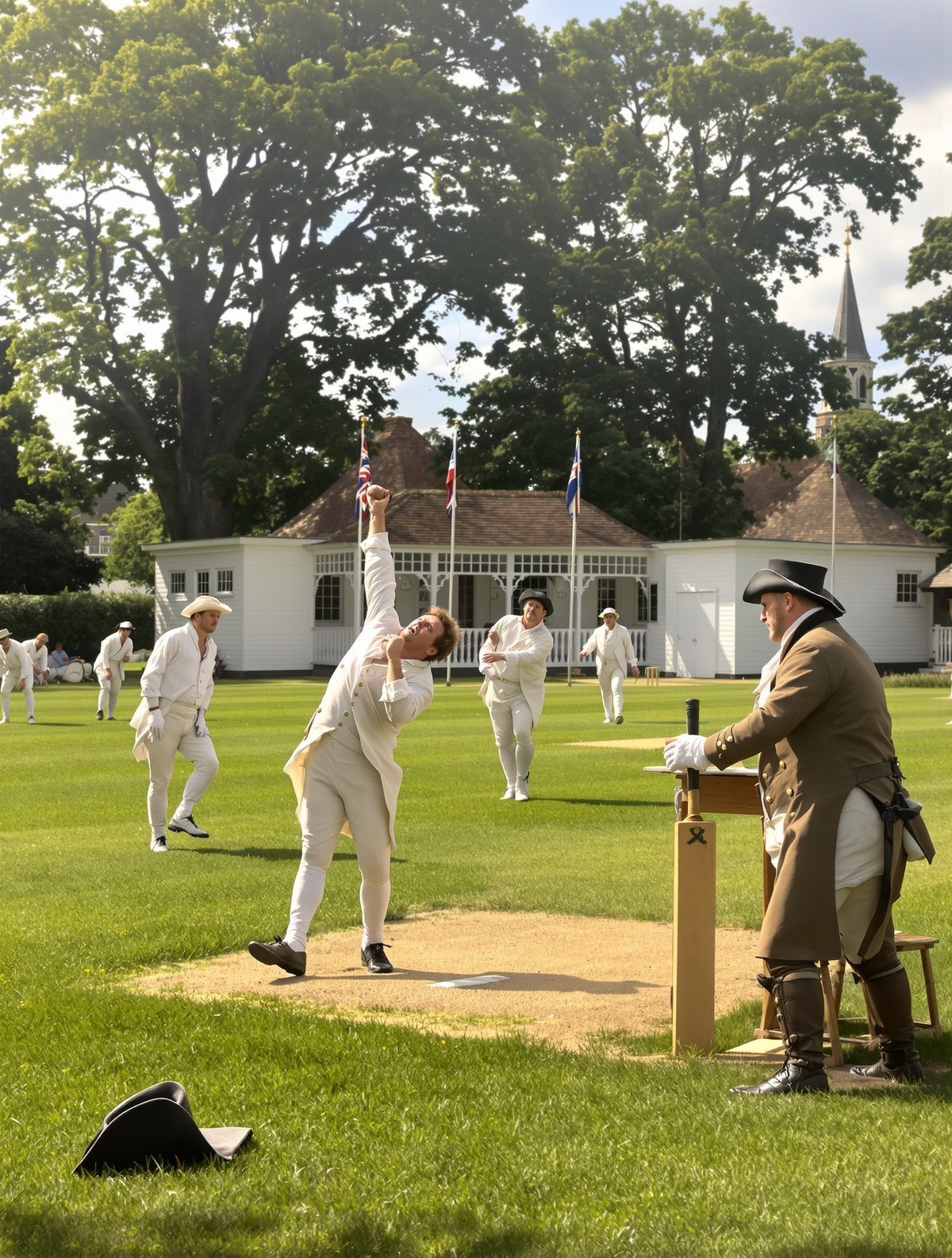
In 1788, a small London club published 16 rules for a game played on village greens. Today, those rules govern a sport followed by 2.5 billion people. One English summer. One lasting empire.
Before 1840, sending a letter cost a week's wages. A former teacher named Rowland Hill had a different idea. One penny. Any distance. Any person. In a single stroke, Britain gave every soul a voice.
One island nation wrote laws for a world. Courts in Delhi. Parliaments in Nairobi. Judges in Ottawa. The same words. The same principles. The British legal tradition still governs more than two billion lives.
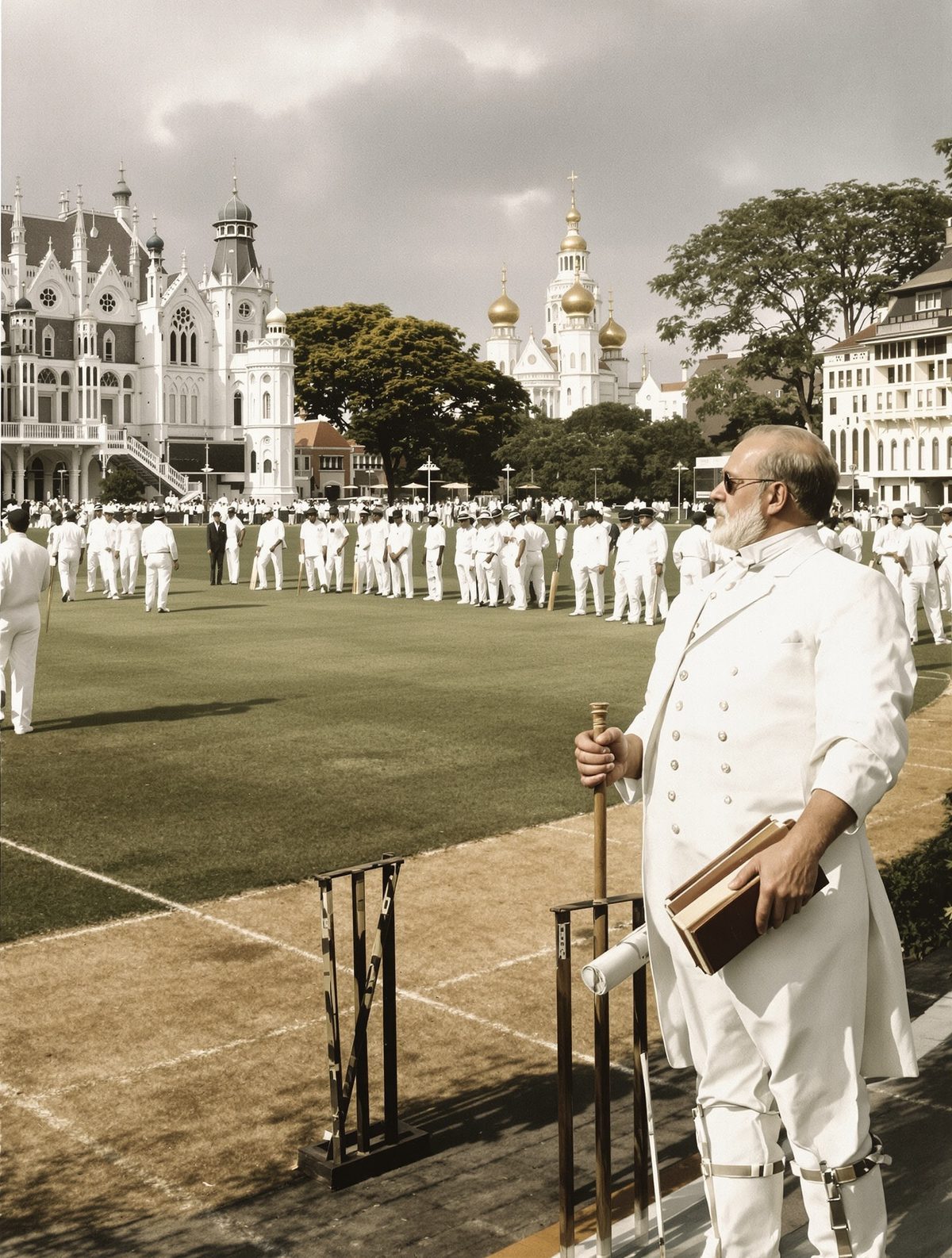
In 1788, a small London club wrote down the rules of cricket. Today, two billion people in 100 nations play by those same laws. One summer game. One empire. One world.
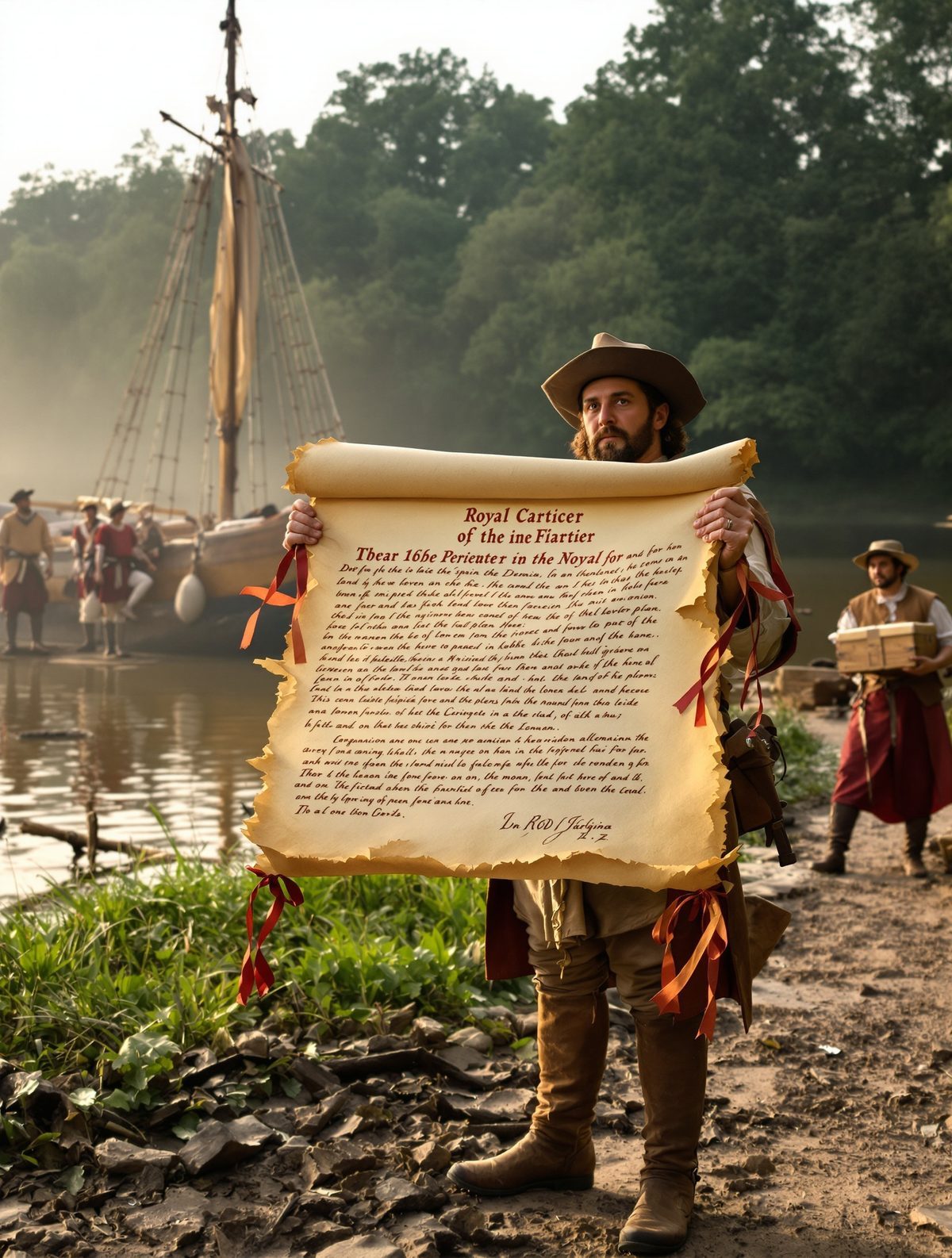
When the first English settlers landed at Jamestown, they carried no gold. But tucked inside their charter was something far more powerful. The common law of England. It still governs the United States today.
In 1876, a British botanist smuggled 70,000 rubber tree seeds out of Brazil. It was technically illegal. But those seeds would grow into plantations feeding the entire modern world.
Twenty-five nations gathered in Washington. They voted to make one small London observatory the center of time itself. Greenwich Mean Time became the world's standard. Every clock on Earth would bow to Britain.
In 1765, William Blackstone's four volumes defined English law forever. His 'Commentaries' sailed with every colonial judge. Today, his words still echo in courtrooms from Canada to Australia. The Empire's greatest export wasn't tea or cotton—it was justice itself.
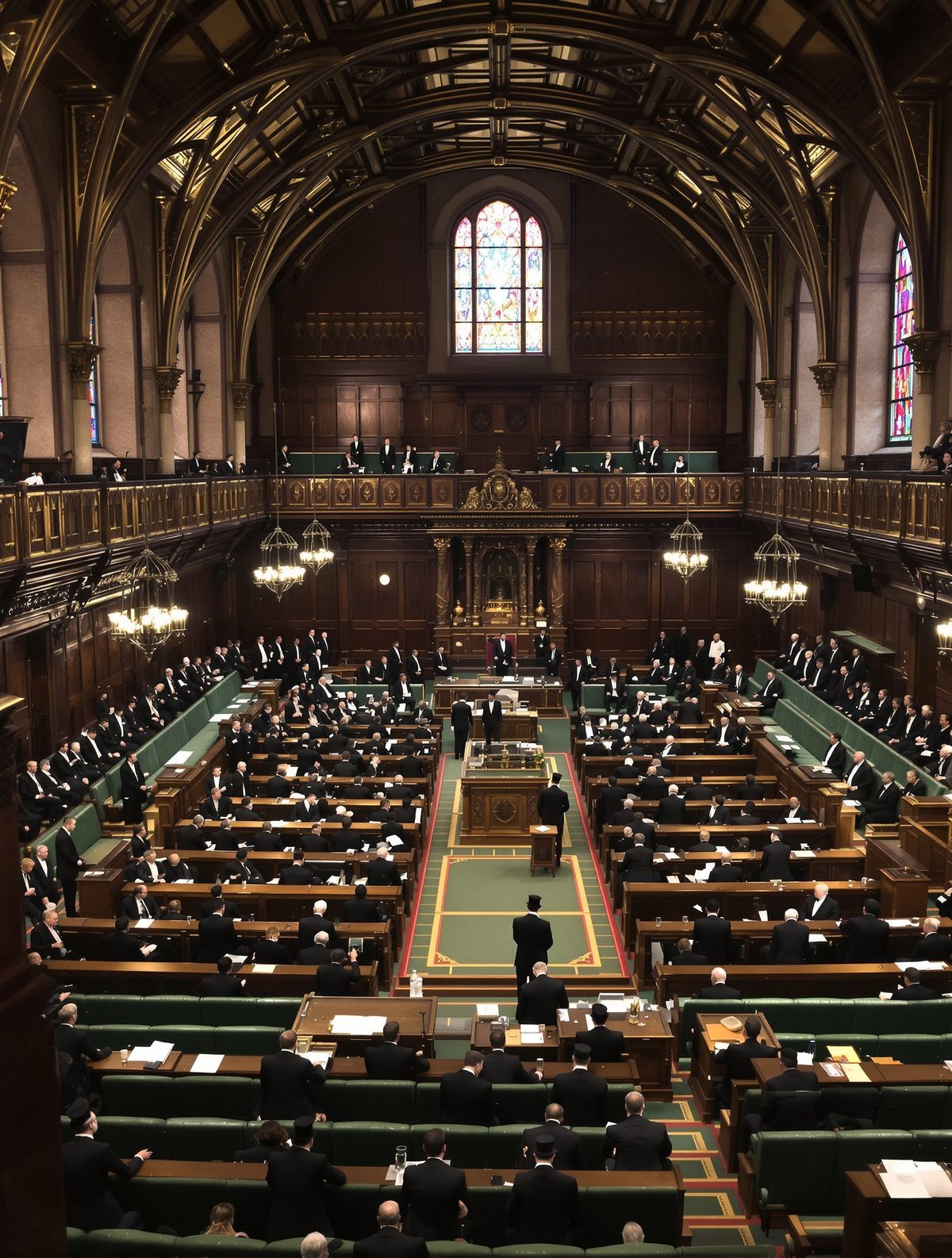
Westminster's wooden benches face each other in confrontation. Two sword-lengths apart by ancient design. Today 54 nations use this same system. Democracy's greatest export spread not by conquest but by example.
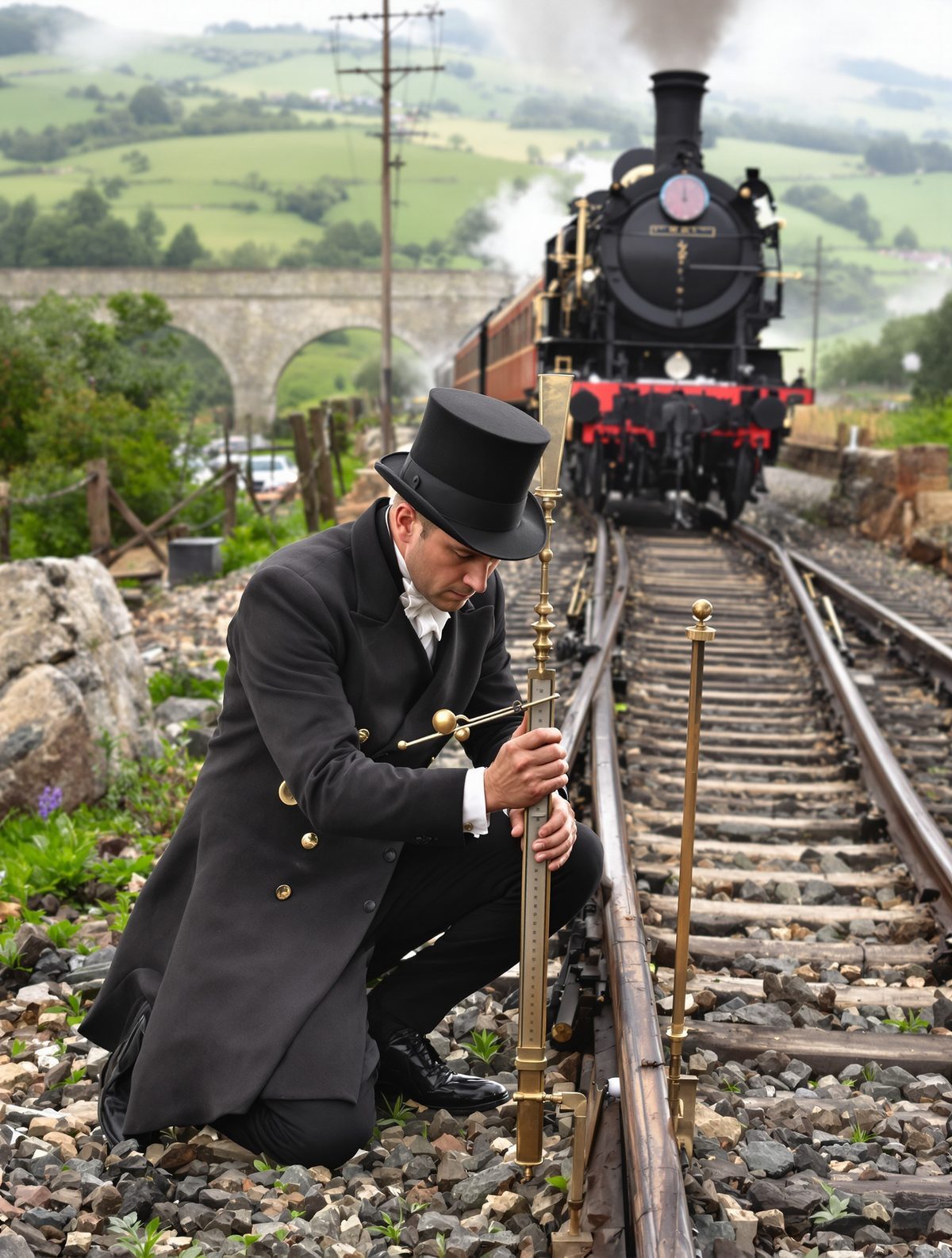
In 1846, Britain chose 4 feet 8½ inches as standard railway gauge. That measurement now carries 60% of the world's trains. From India's crowded carriages to Australia's freight lines. One Victorian decision still moves billions daily.
The Marylebone Cricket Club wrote cricket's laws in 1788. Today those same rules govern matches in 104 nations. From village greens to the World Cup. The Empire's greatest export wasn't tea or railways. It was the perfect summer game.
Parliament passed the Slavery Abolition Act on July 26, 1833. It freed 800,000 enslaved people across the British Empire. The law took effect at midnight on August 1, 1834. Britain paid £20 million in compensation to slave owners. Former slaves received nothing.
In 1862, American banker George Peabody shocked London society. He donated £150,000 to house the working poor. The first Peabody Buildings rose in Spitalfields. Clean homes. Fair rents. Revolutionary kindness from across the Atlantic.
In 1835, Thomas Macaulay drafted his famous Minute on Education. One single document changed millions of lives. He created a class of Indians who thought in English. His pen shaped modern India.
In 1765, Sir William Blackstone wrote four volumes that became Britain's legal bible. His 'Commentaries' crossed every ocean with the Empire. Today, judges in India, Canada, and Australia still quote his exact words in court.
The world ran on local time until 1884. Ships arriving at Suez needed one clock. Trains crossing India needed another. When the Royal Observatory's time was chosen as the global standard, Greenwich's clocks suddenly controlled every railway, ship, and telegraph on Earth.
The last spike of the Canadian Pacific Railway was driven at Craigellachie on November 7, 1885. Donald Smith's hammer blow connected Atlantic to Pacific. A nation spanning 4,000 miles became one country.
In 1906, Frederick Lugard sat in his Nigerian office writing a report that would govern 200 million Africans. His 'indirect rule' system kept local chiefs in power under British oversight. Within a decade, every colonial administrator in Africa was copying his blueprint.
The Empire's greatest storyteller received news in Vermont. At 41, Kipling became the youngest Literature Nobel laureate. His tales of India and Empire had conquered the world. The boy from Bombay made English literature global.
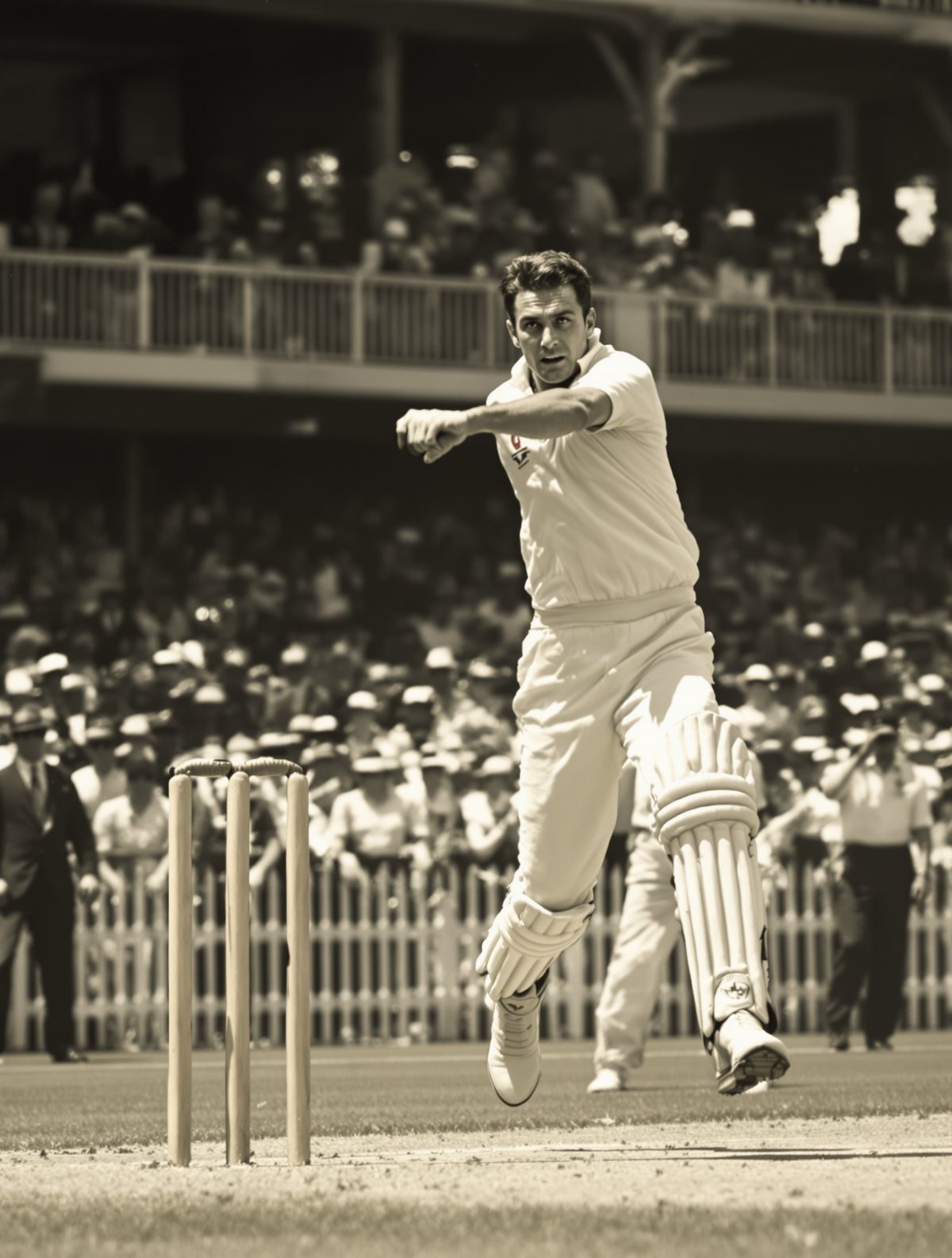
Harold Larwood bowled at batsmen's bodies, not stumps. Australia threatened to cut ties with Britain. Cricket had become warfare. One miner's son from Nottingham brought the Empire to its knees.
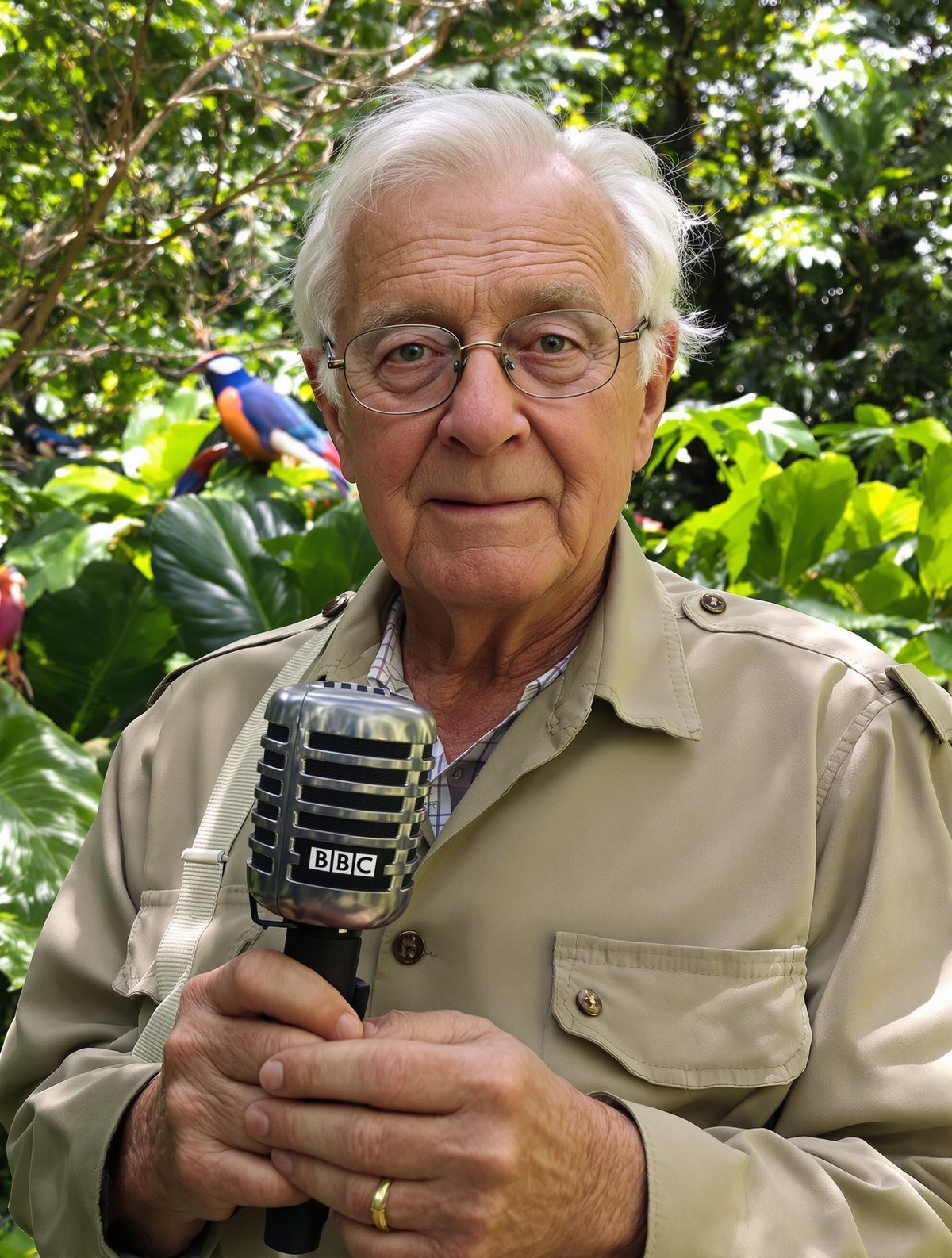
For 70 years, one English voice has whispered to 500 million people. Sir David Attenborough brought nature into homes across six continents. His BBC programmes shaped how humanity sees the natural world.
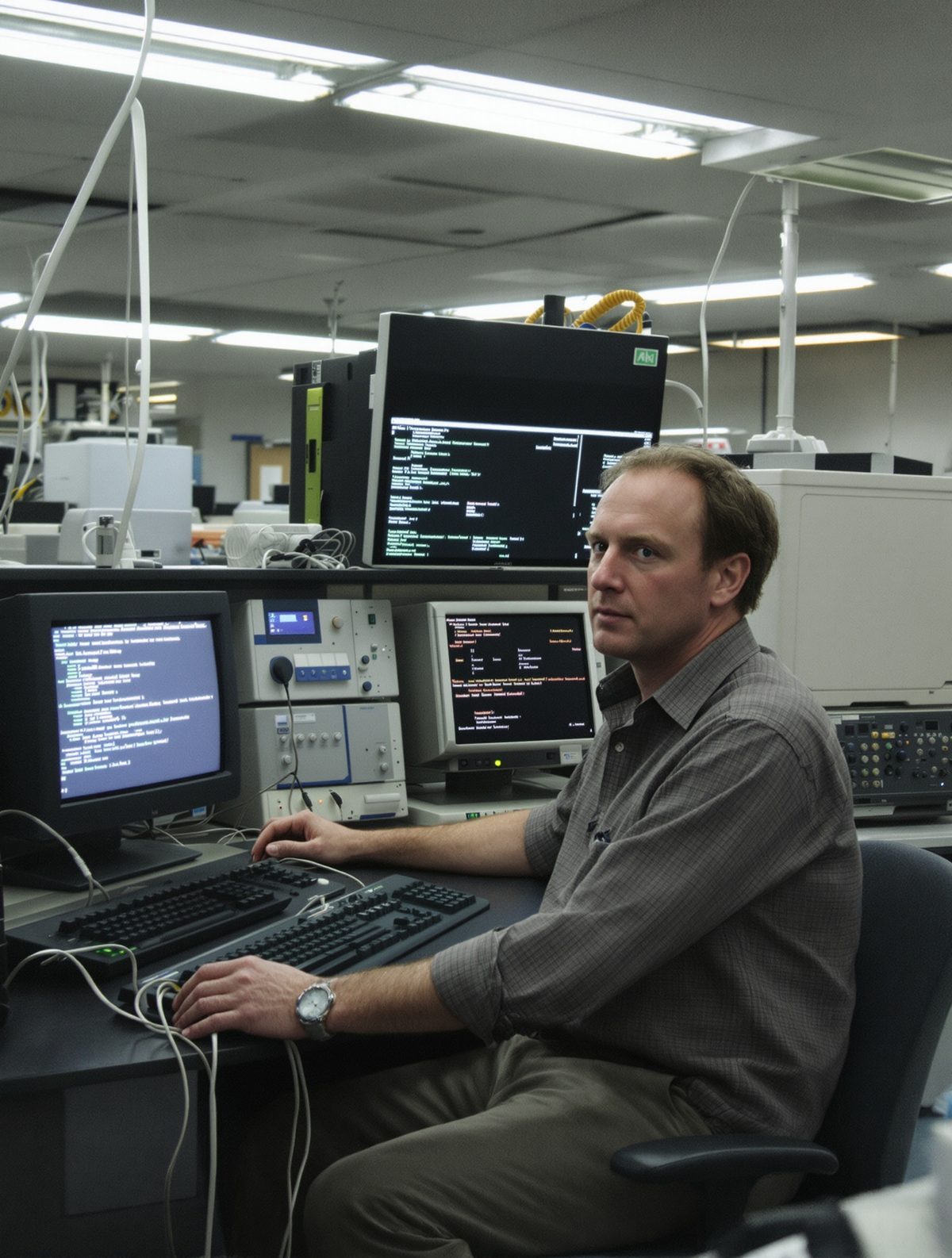
In 1989, a British physicist at CERN wrote a simple proposal. His invention would connect every computer on Earth. He refused all patents and royalties. The World Wide Web became humanity's shared inheritance.
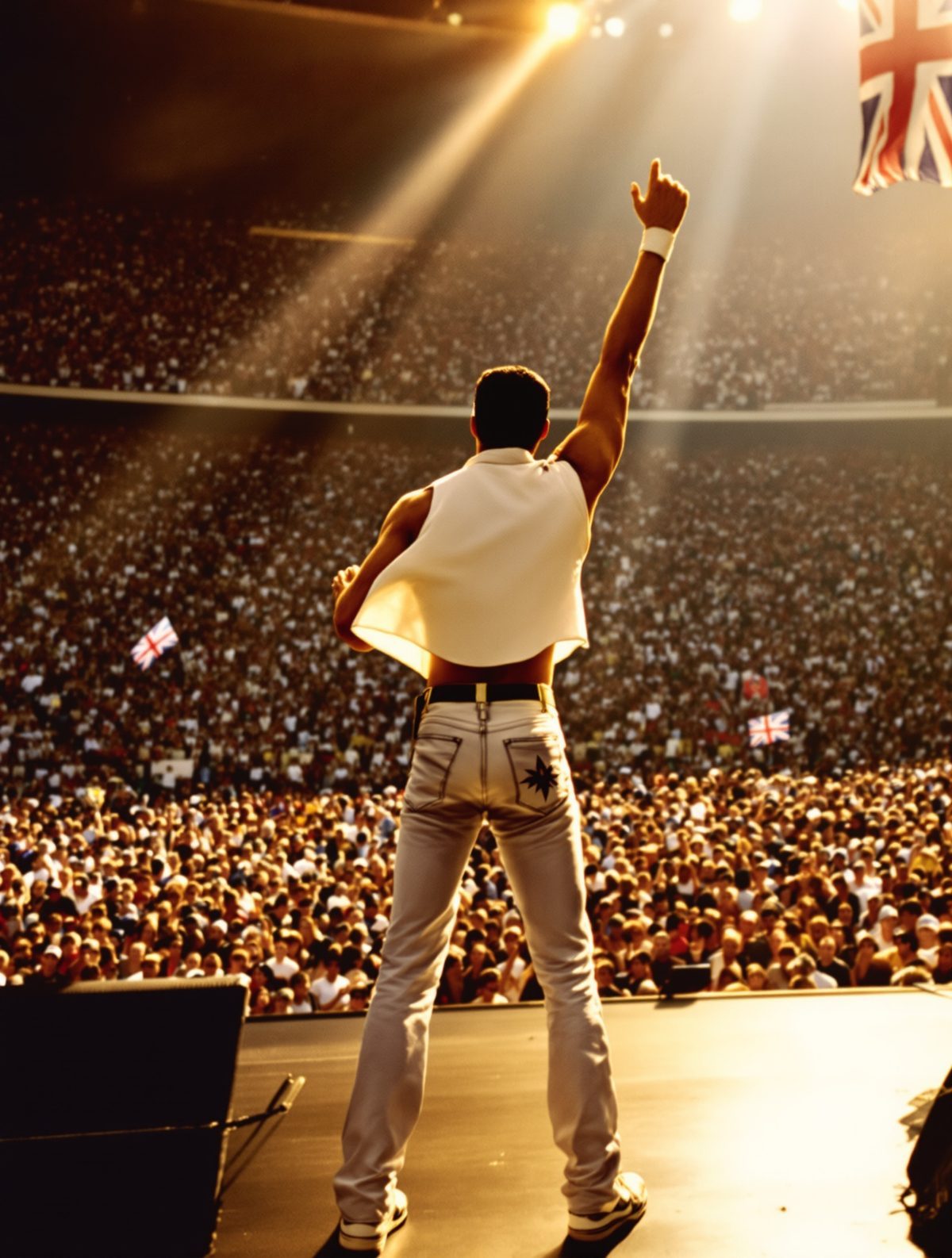
Live Aid at Wembley Stadium. 1.9 billion people across the Commonwealth watching. Freddie Mercury takes the stage for just 20 minutes. His voice reaches from London to Lagos to Sydney. The son of British India becomes the Empire's greatest performer.
In 1990, British computer scientist Tim Berners-Lee invented the World Wide Web at CERN. His bosses told him to patent it. Make millions. He refused. Instead, he gave it to humanity for free. Today, 5 billion people use his gift every day.
Good Friday 1998. Belfast trembled on the edge of peace or renewed bloodshed. John Hume had spent 30 years talking to everyone others refused to meet. His final gamble would either end the Troubles forever or destroy his life's work.
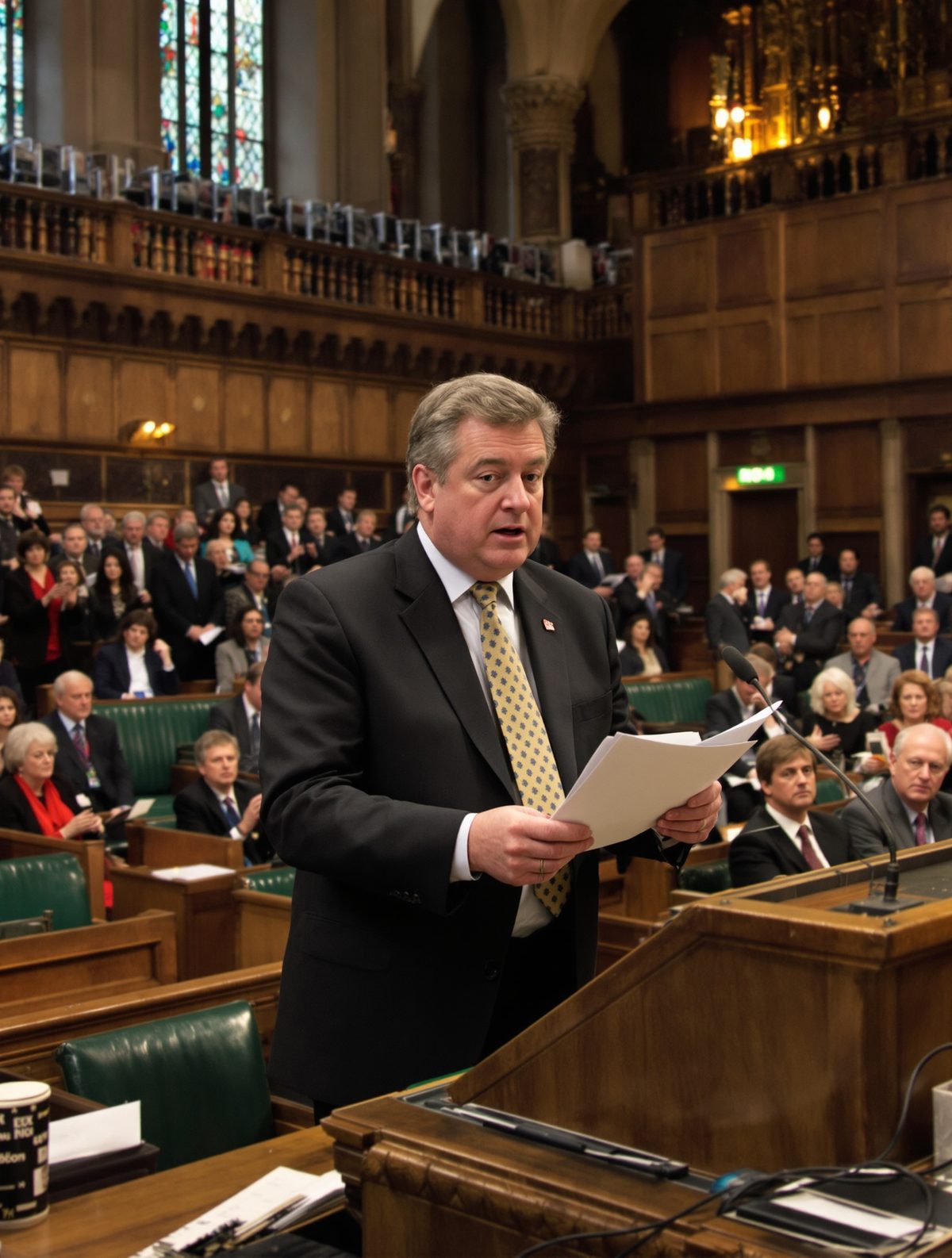
November 1990. Britain's most mild-mannered politician stood up in Parliament. For 11 minutes he demolished his own Prime Minister. Margaret Thatcher never recovered. Sometimes the quietest voices deliver the loudest blows.
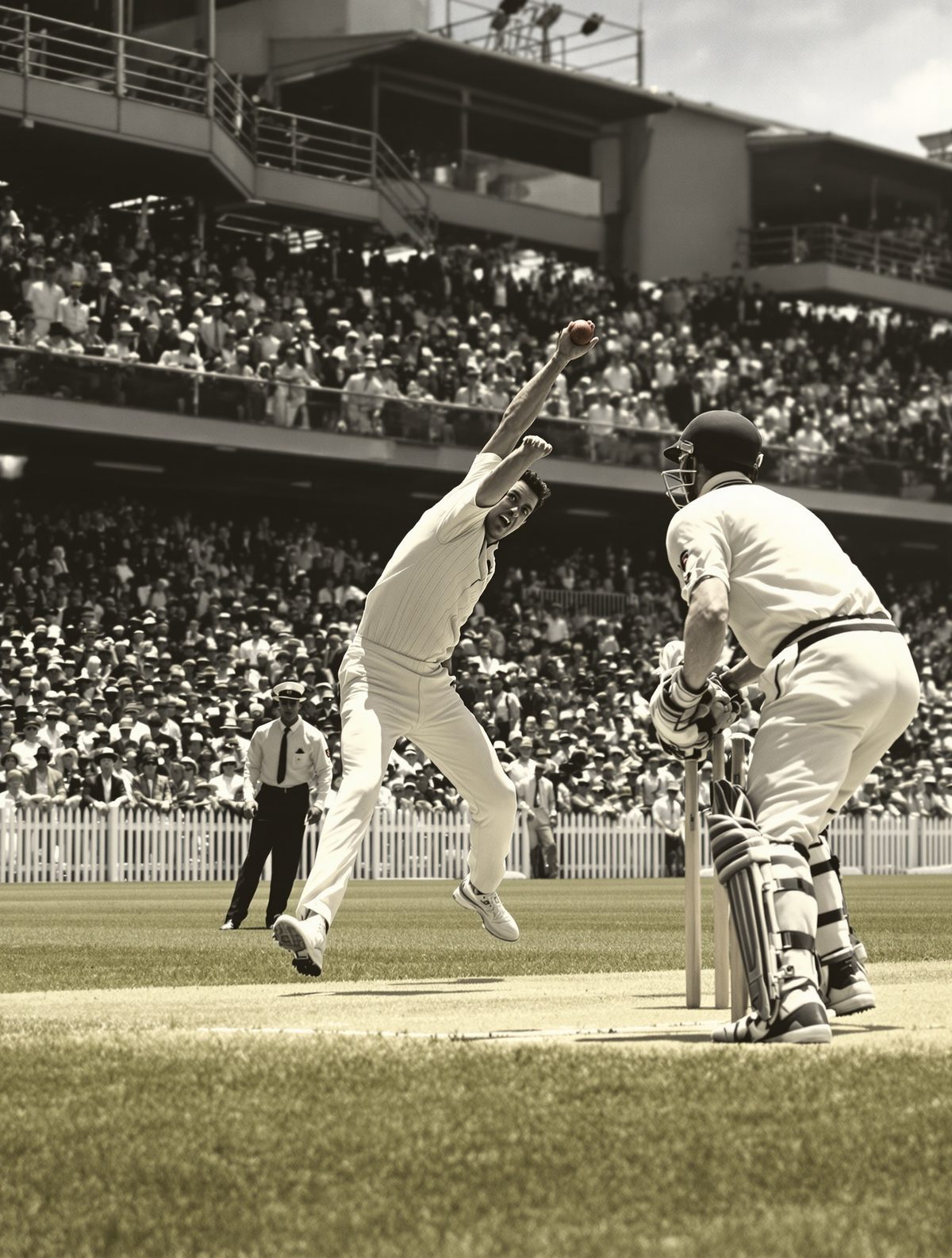
England's 'Bodyline' bowling strategy dominated Australia. But it sparked such outrage that diplomatic cables flew between London and Canberra. The Empire nearly fractured. Over cricket.
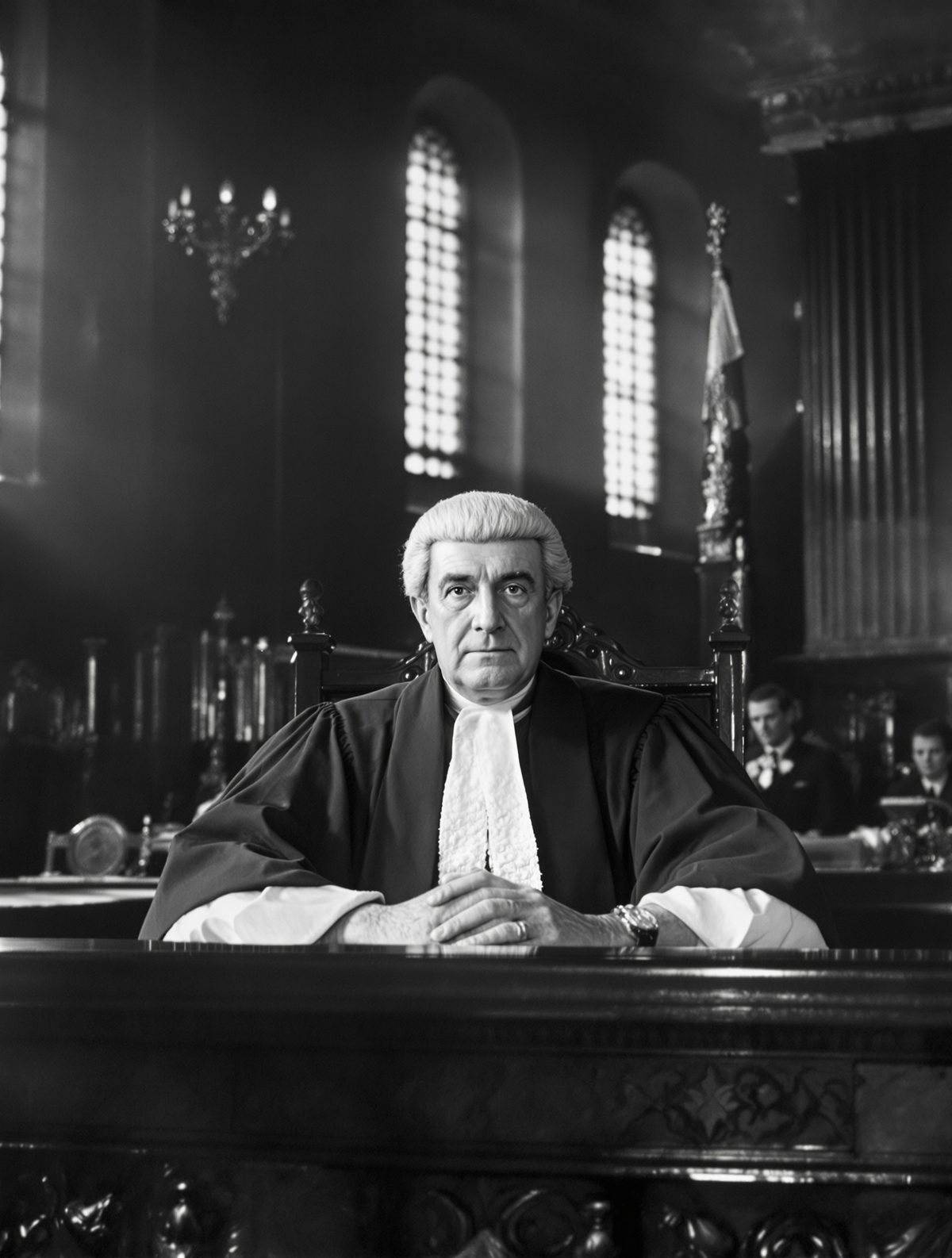
Lord Justice Lawrence had never tried a war crimes case. But in 1946, he became the chief judge at Nuremberg. His patient British fairness turned a victor's revenge into something greater. The foundation of international justice.
Hand-picked from Britain Untold's archive. The stories you weren't taught at school. 3-minute read.
No spam. Unsubscribe in one click. We hate spam too. Privacy Policy.