The British Empire — the forgotten chapters · page 4 of 22
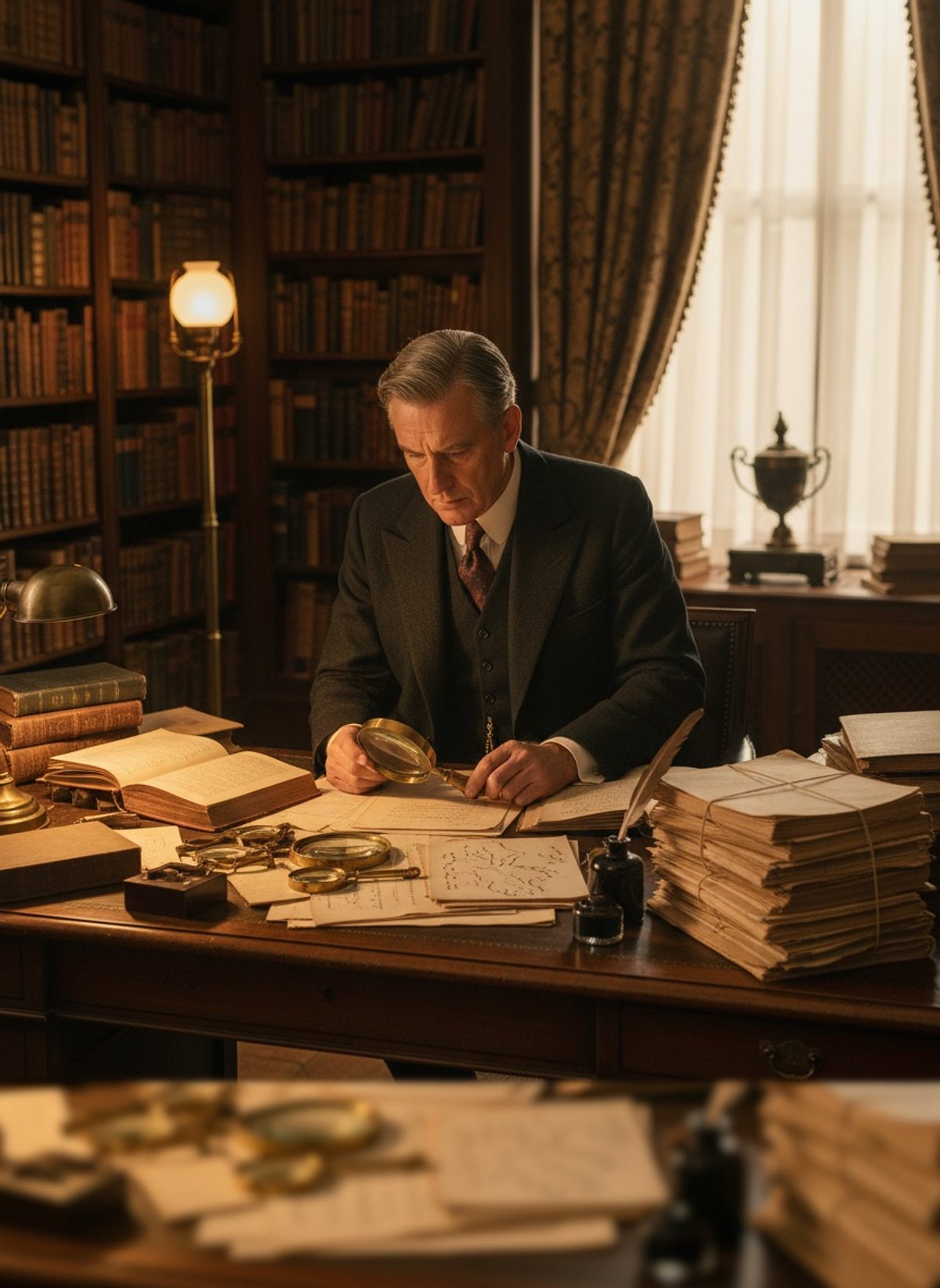
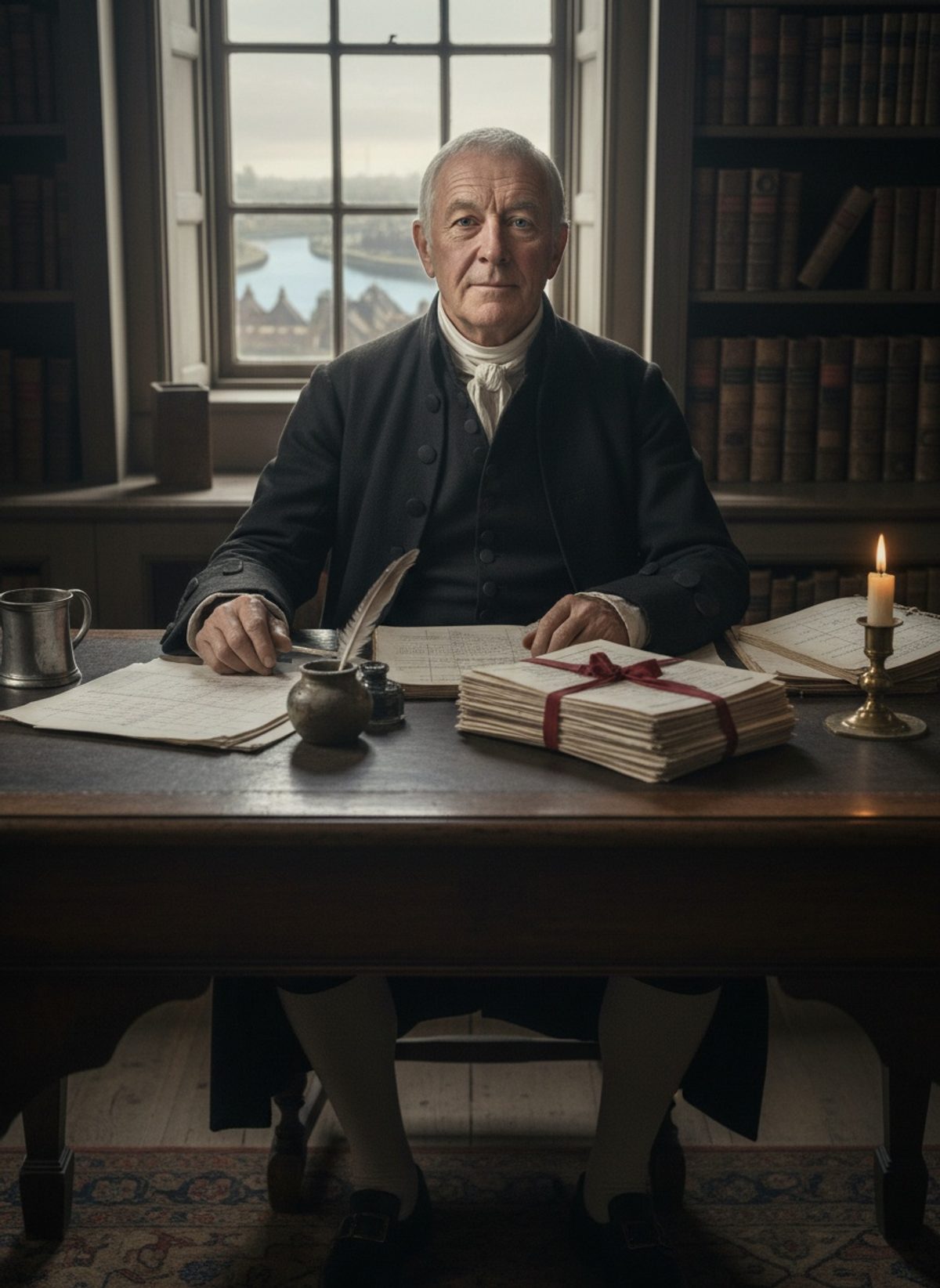
He was Britain's most celebrated book collector. For decades, Thomas Wise forged and plundered rare first editions. Then two young librarians matched the paper. Every wormhole gave him away.
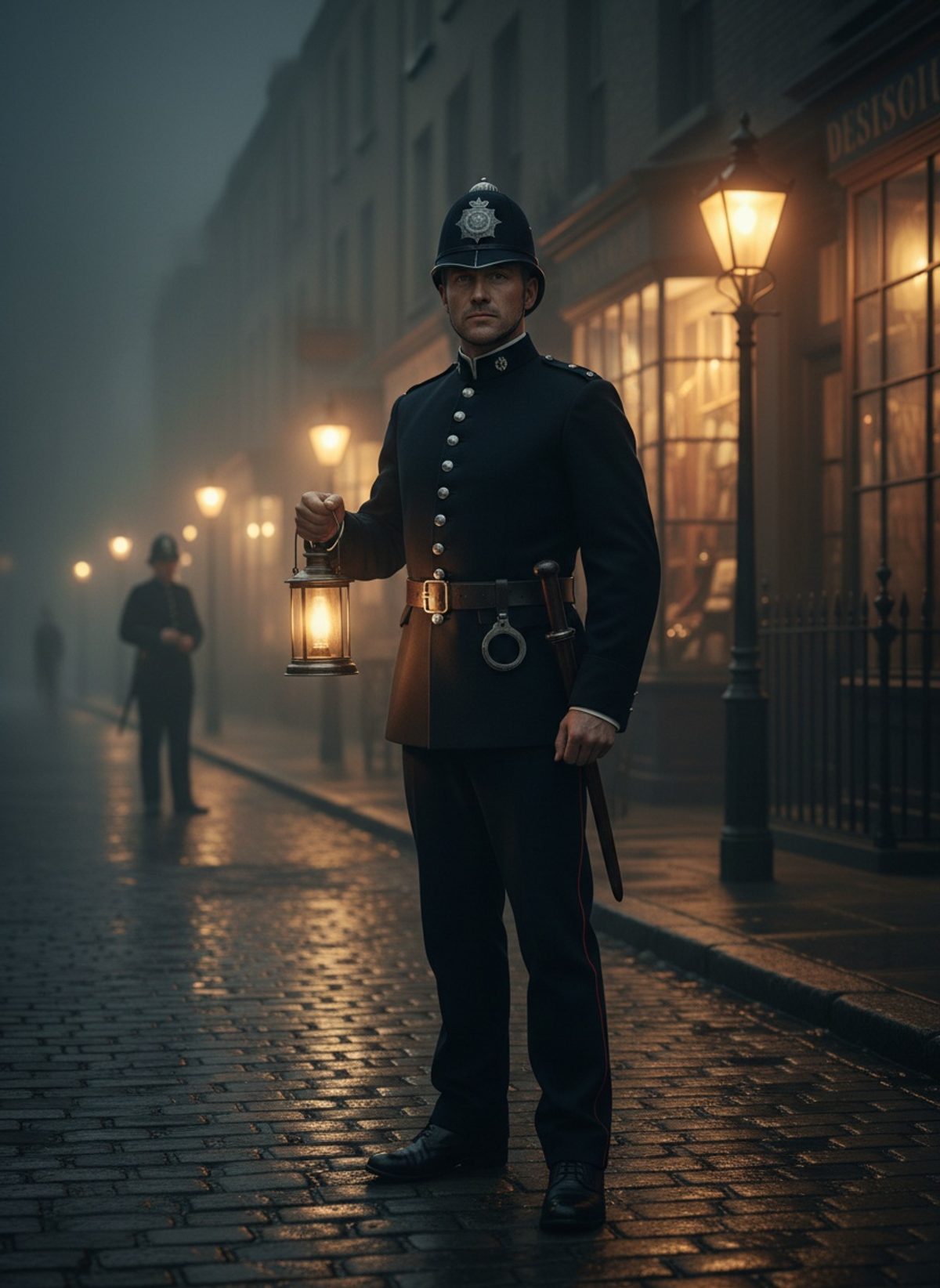
No radios. No cars. No backup. A Victorian constable walked his beat alone — twelve miles a night, six nights a week. He was expected to be sober, clean, and fearless. Most were.
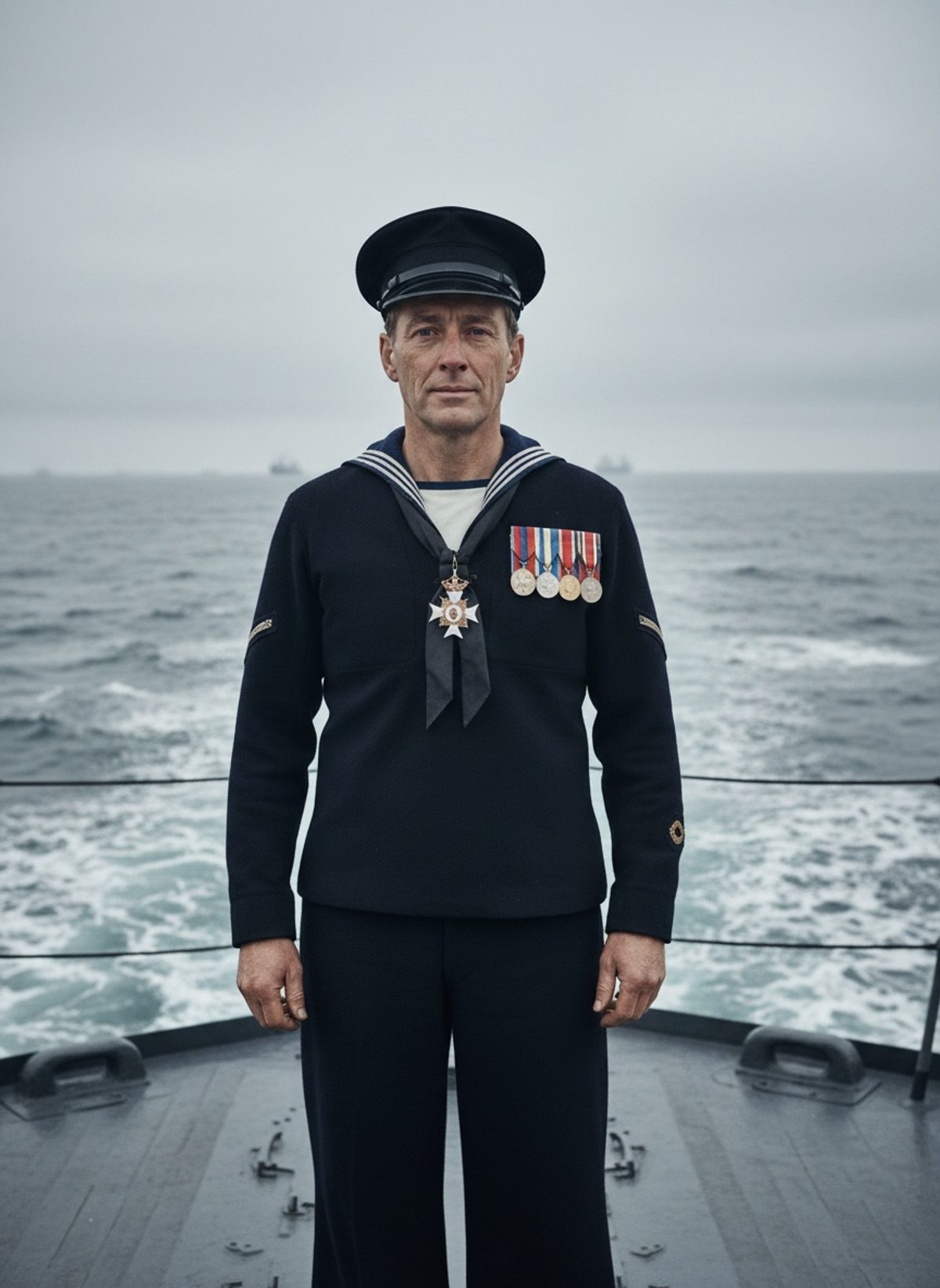
He joined the Royal Navy at 15. Too young by law. Old enough for war. George Parker served Britain across two world wars and four decades — and never stopped.
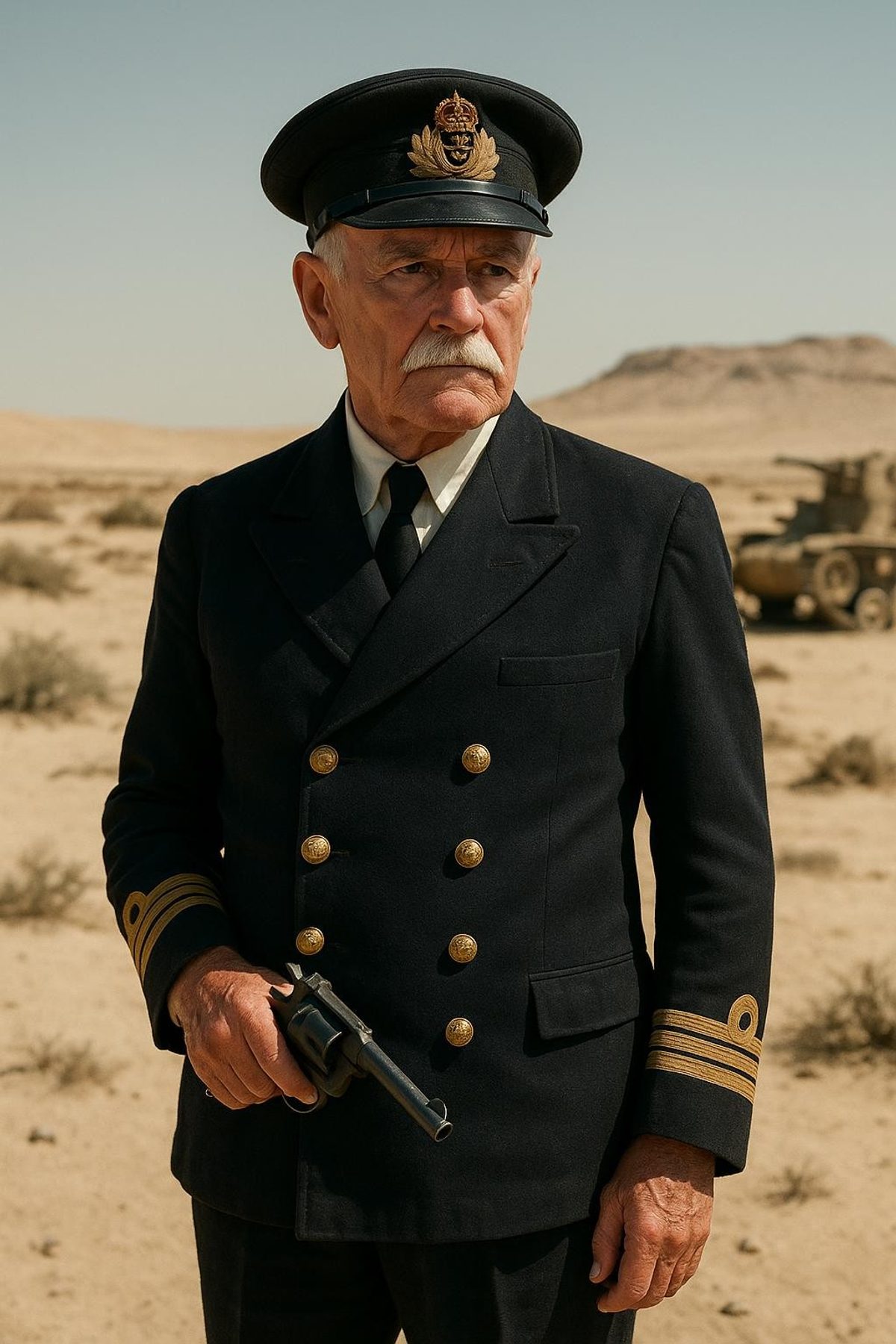
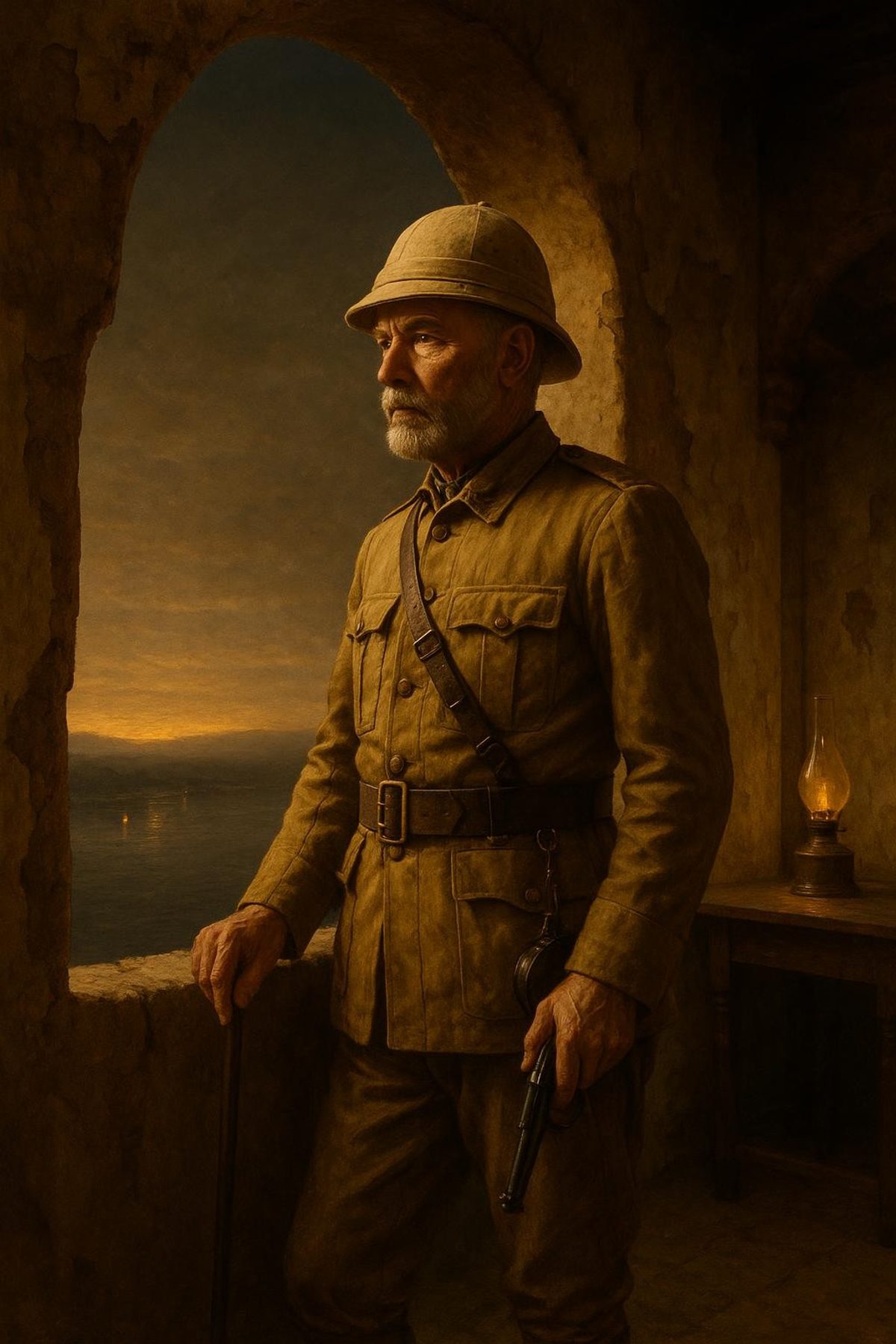
Retired admiral. 68 years old. Fought his way aboard an Italian destroyer with a pistol. Captured. Refused to quit. Churchill had him released — then let him go back.
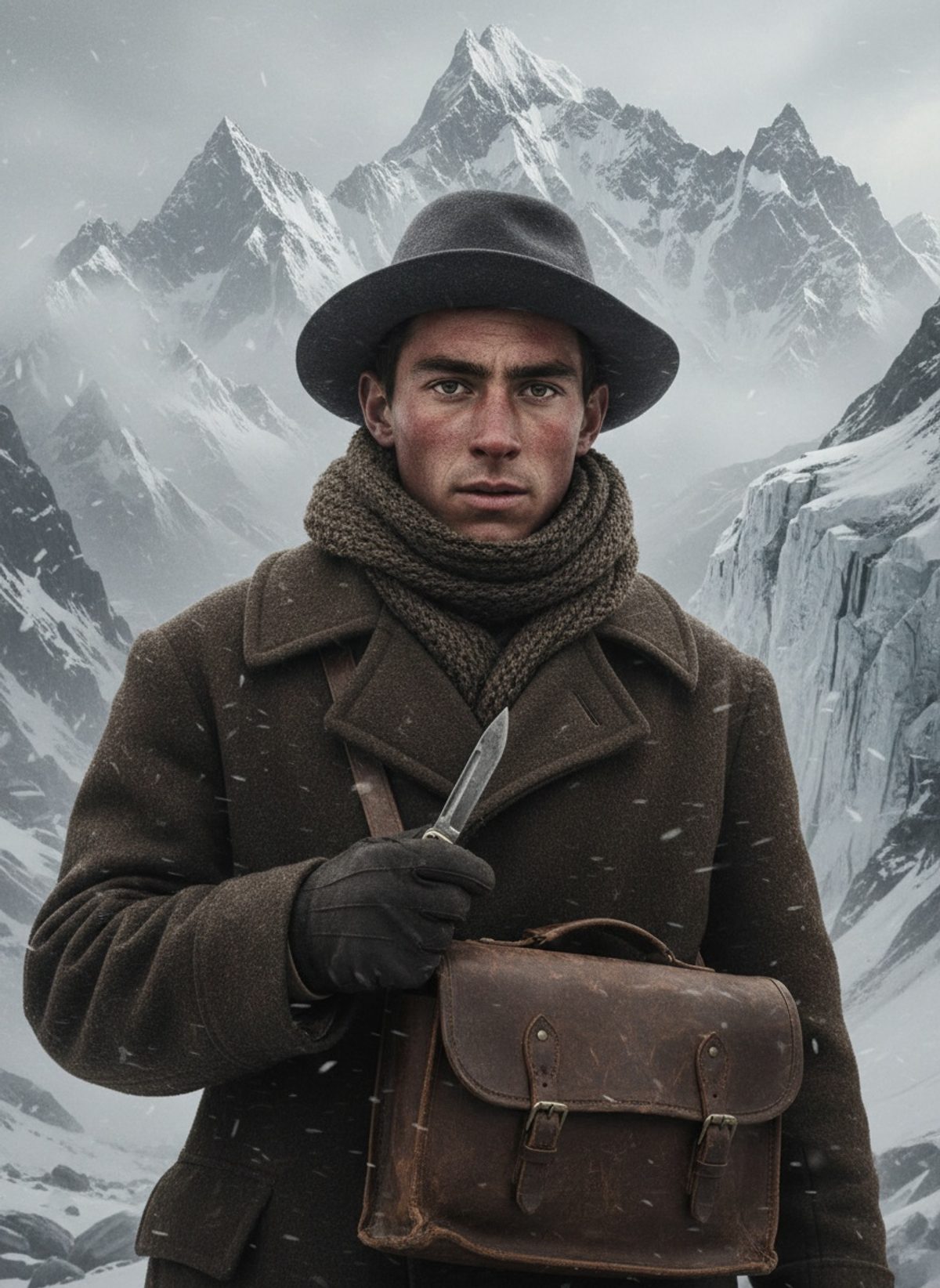
1887. Francis Younghusband was twenty-four years old. Alone. He crossed the Mustagh Pass in winter. No ropes. No guide. He cut steps in the ice with a penknife. He reached India. Nobody believed him at first.
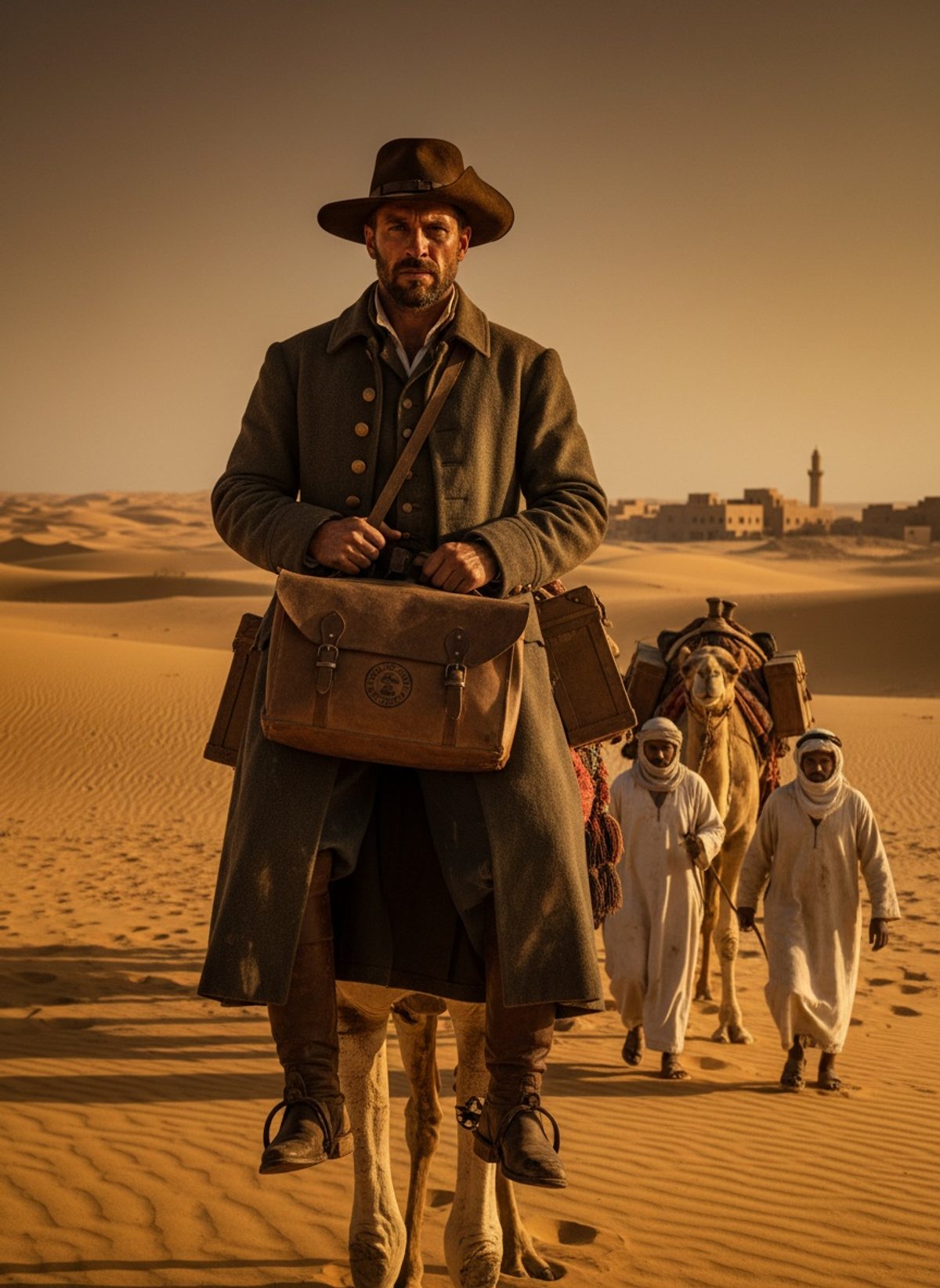
1835. The mail from London to Bombay took four months by sea. Thomas Waghorn believed he could cut that in half. He crossed Egypt on horseback. Alone. In the desert heat. He proved it could be done.
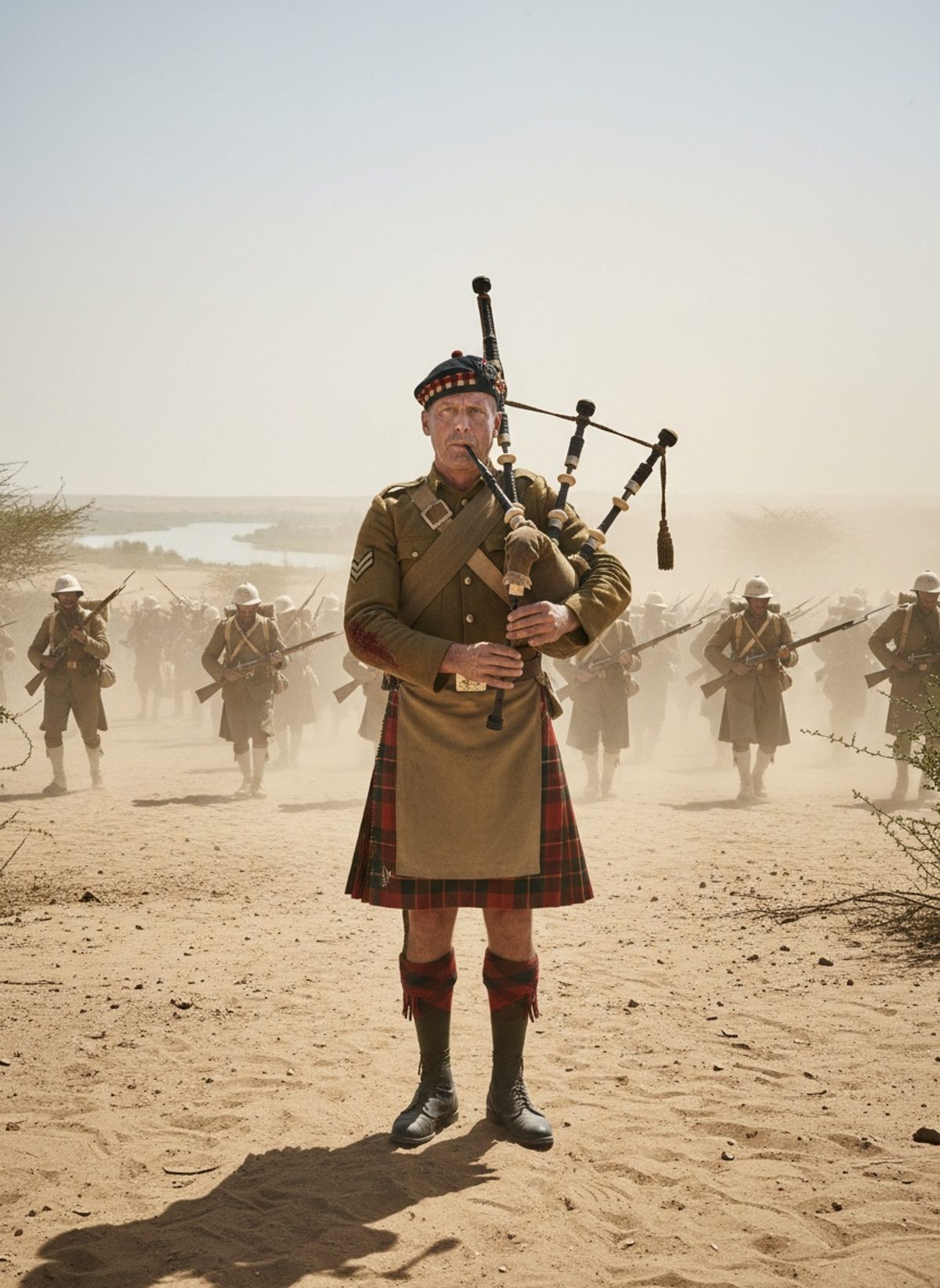
September 1898. The Sudan. The Gordon Highlanders fixed bayonets. Piper Muir stepped forward. Wounded. Still playing. The regiment followed his pipes across the sand.
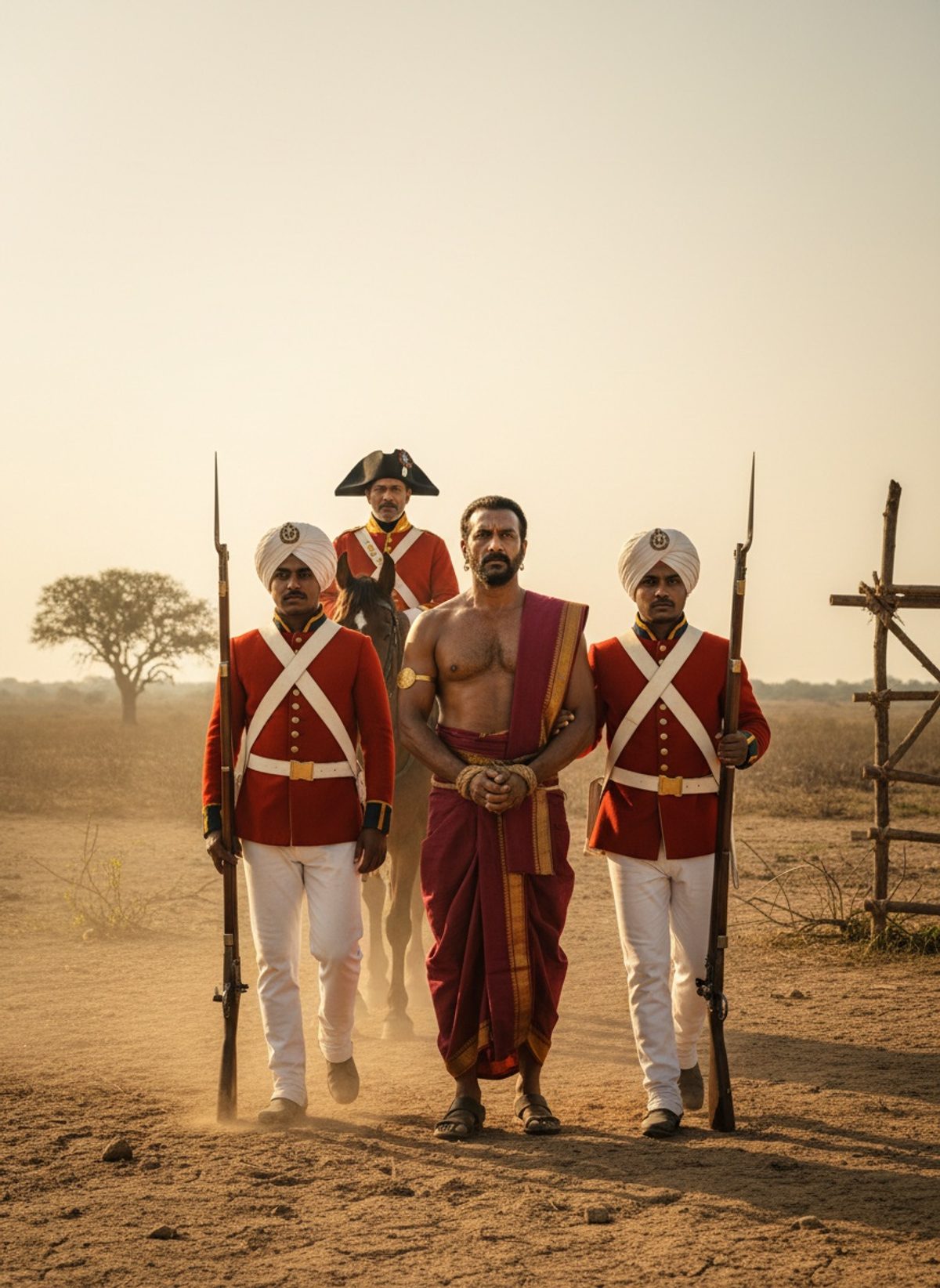
October 1799. The British demanded surrender. Veerapandiya Kattabomman refused. The Polygar chieftain of Panchalankurichi had fought the East India Company alone. They hanged him publicly. He never begged. Not once.
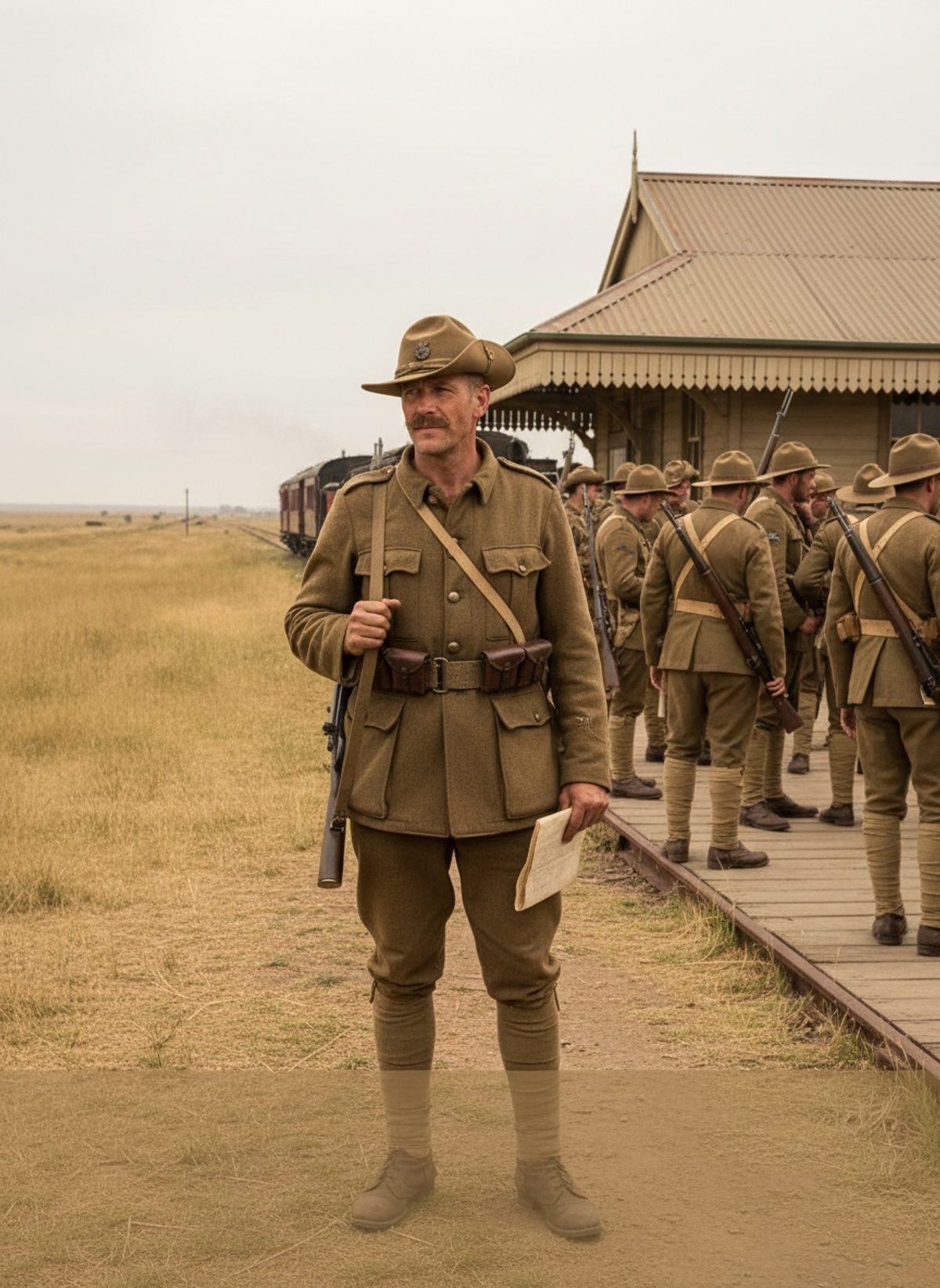
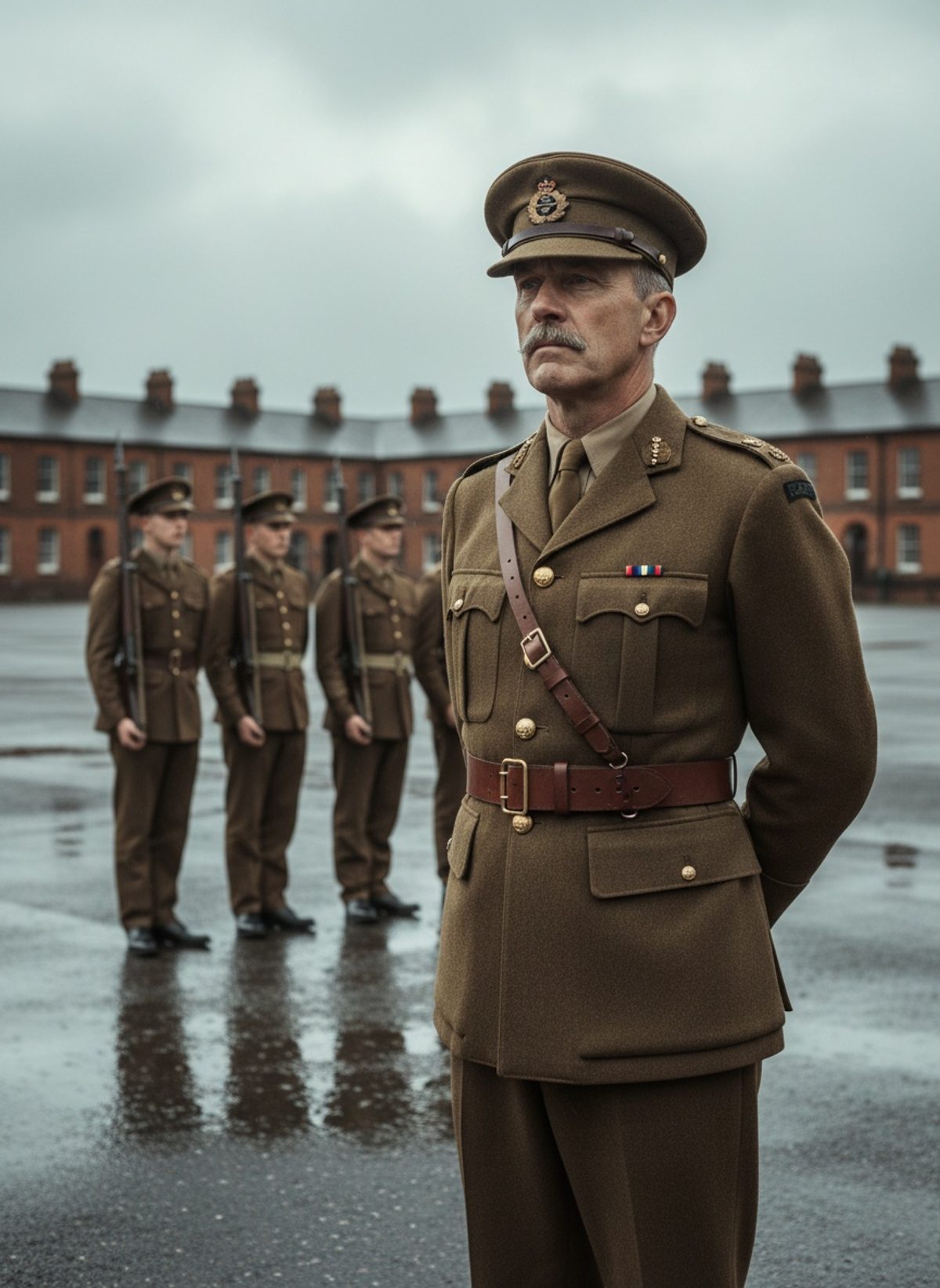
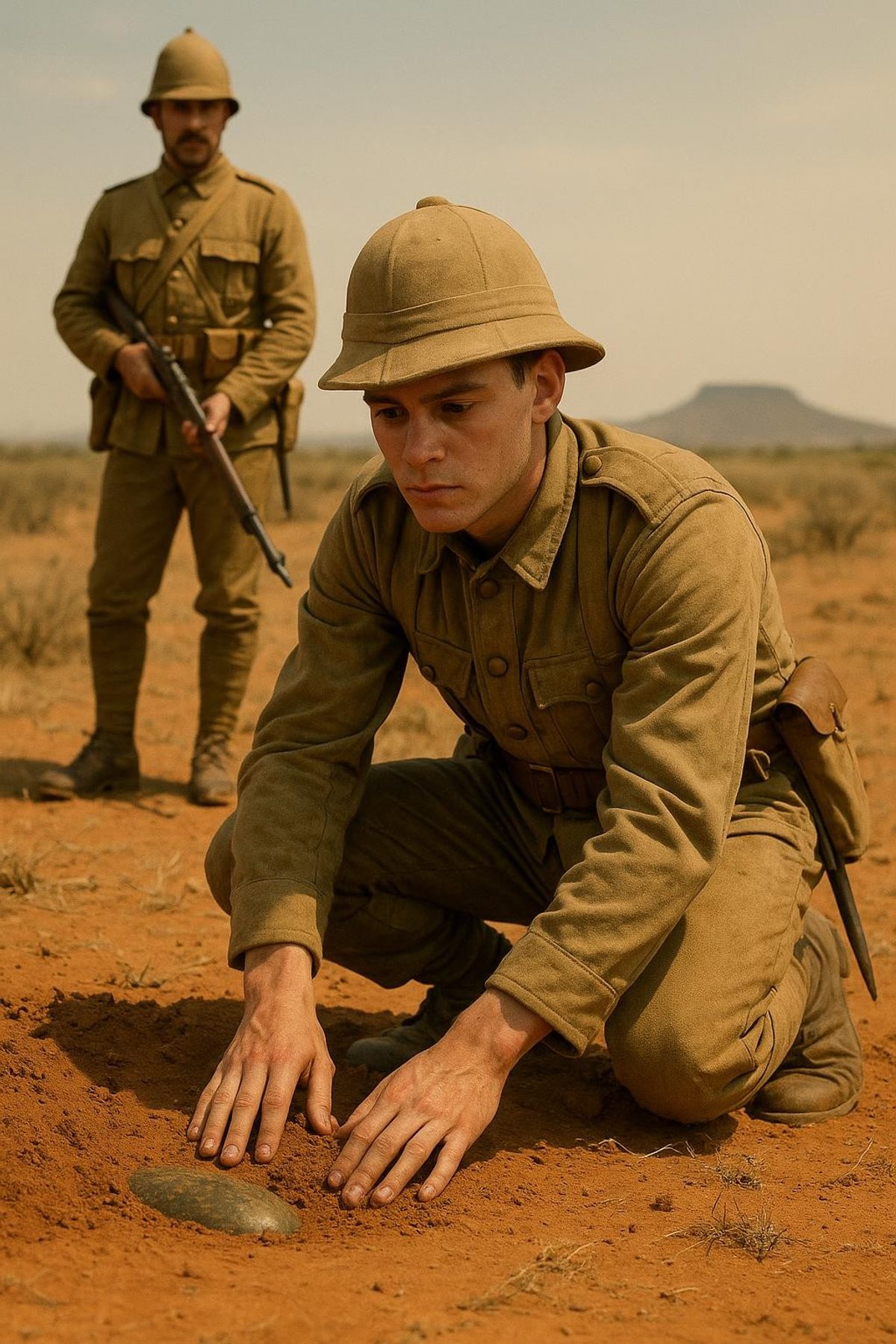
After the Boer War, Britain had 450,000 men under arms. Within months, most were discharged with a handshake and a train ticket. The War Office lost track of nearly all of them. Nobody planned for what came next.
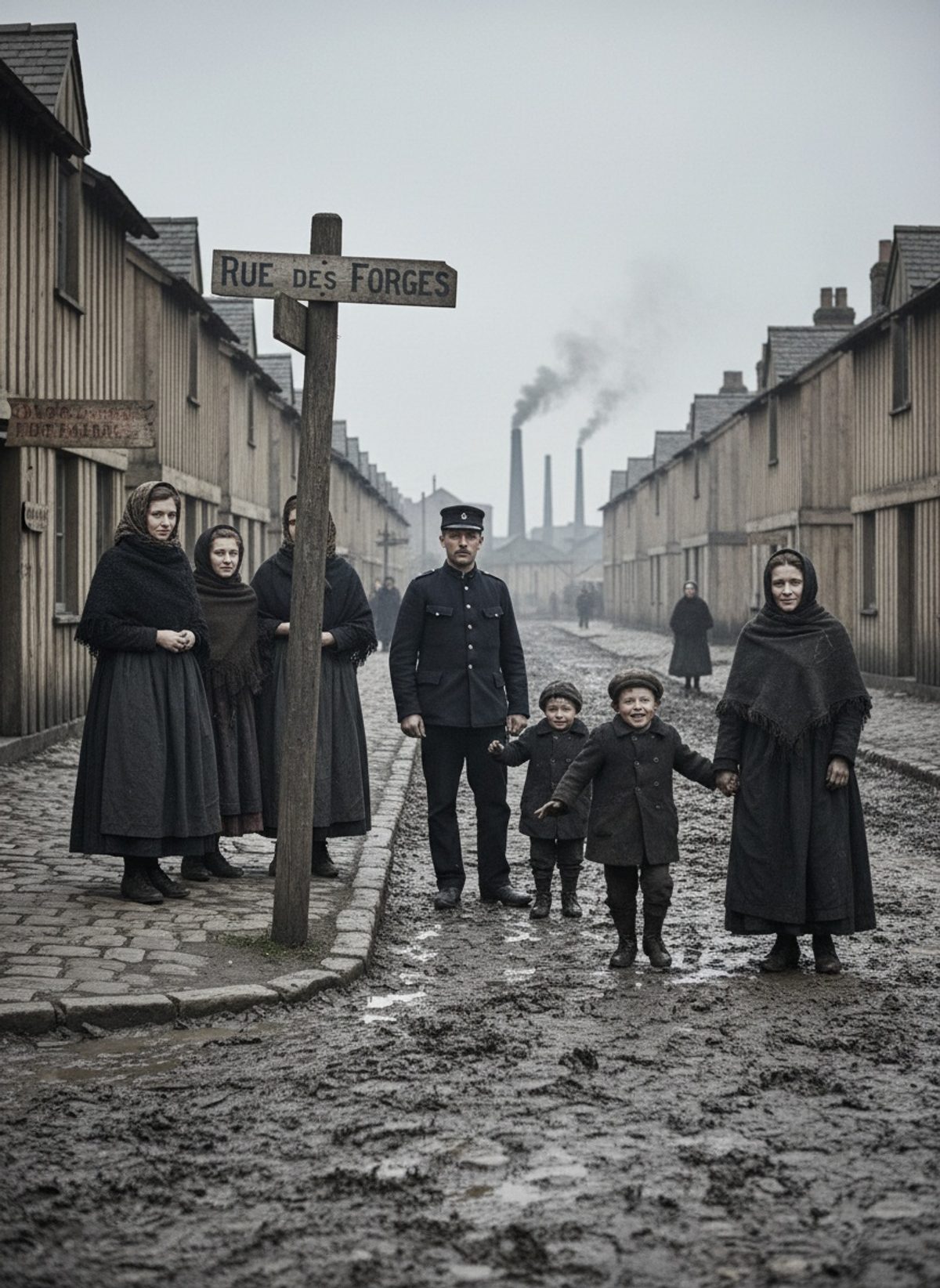
In 1914, a quarter-million Belgians fled to Britain. Most lived with local families. But for 6,000 munitions workers, Britain built them their own town — with Belgian laws, Belgian police, and Belgian street names.
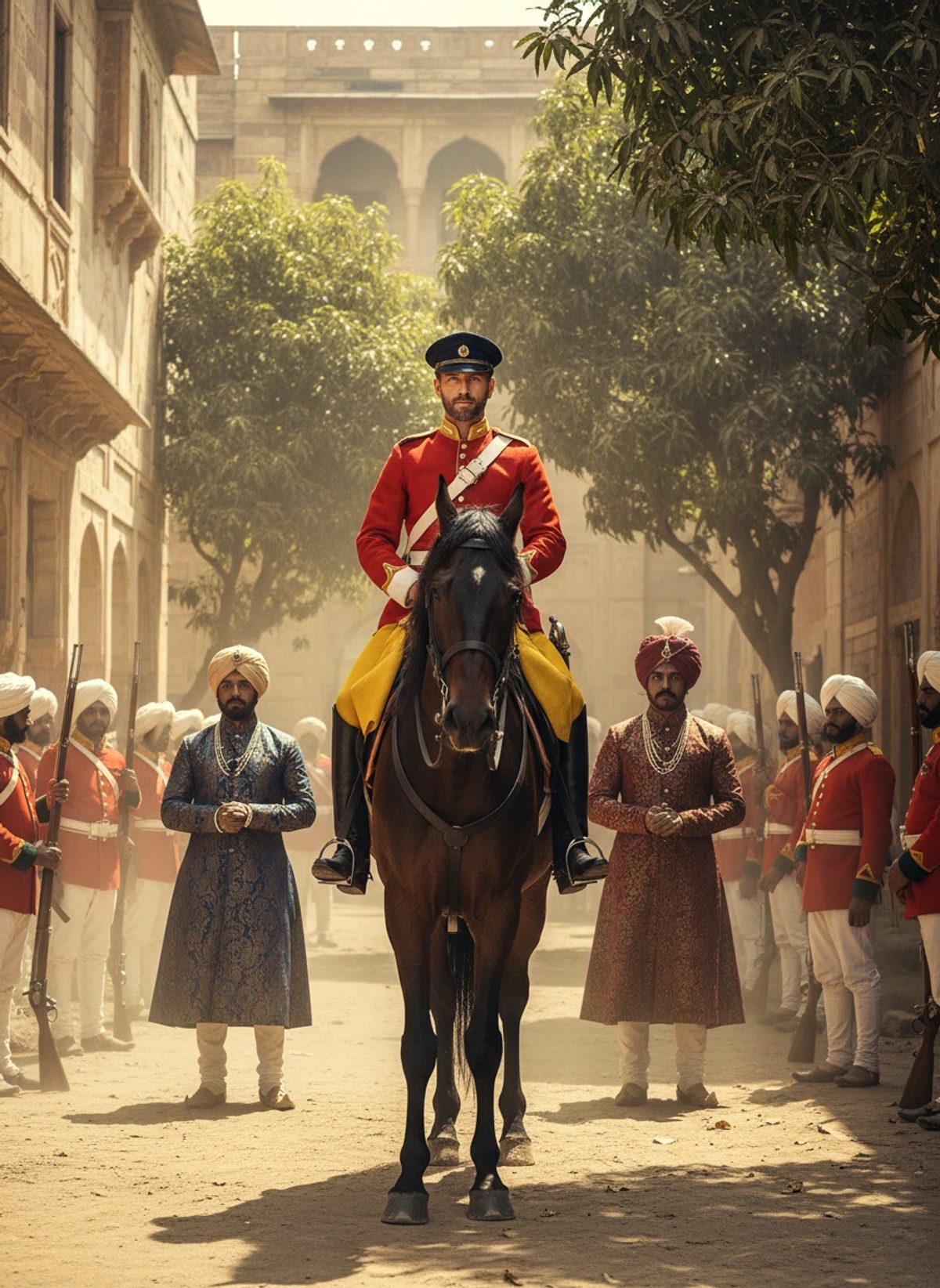
Delhi had fallen. The last Mughal emperor was a prisoner. But his sons were still free — and William Hodson had forty minutes to decide their fate. What he did next ended a dynasty.
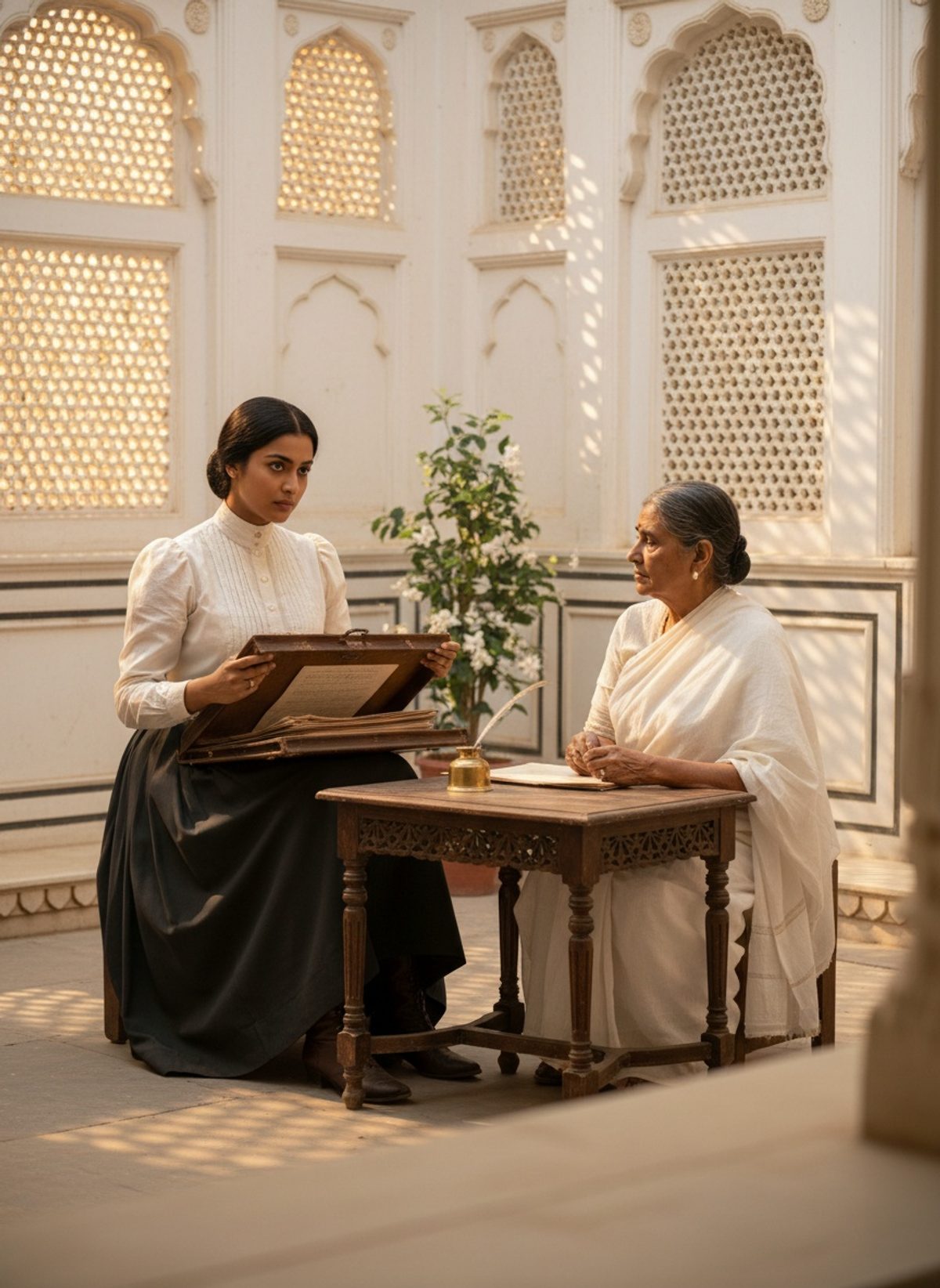
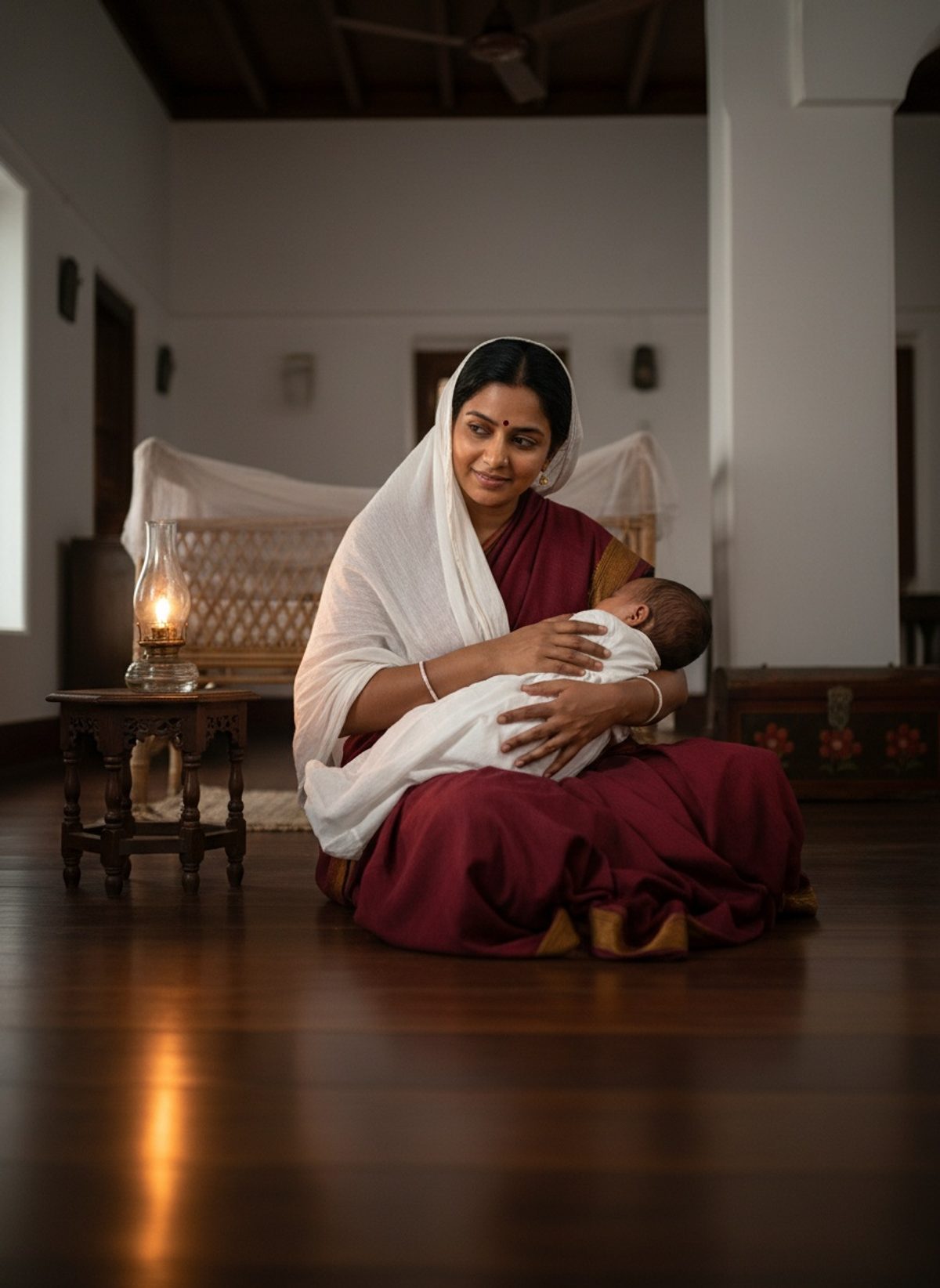
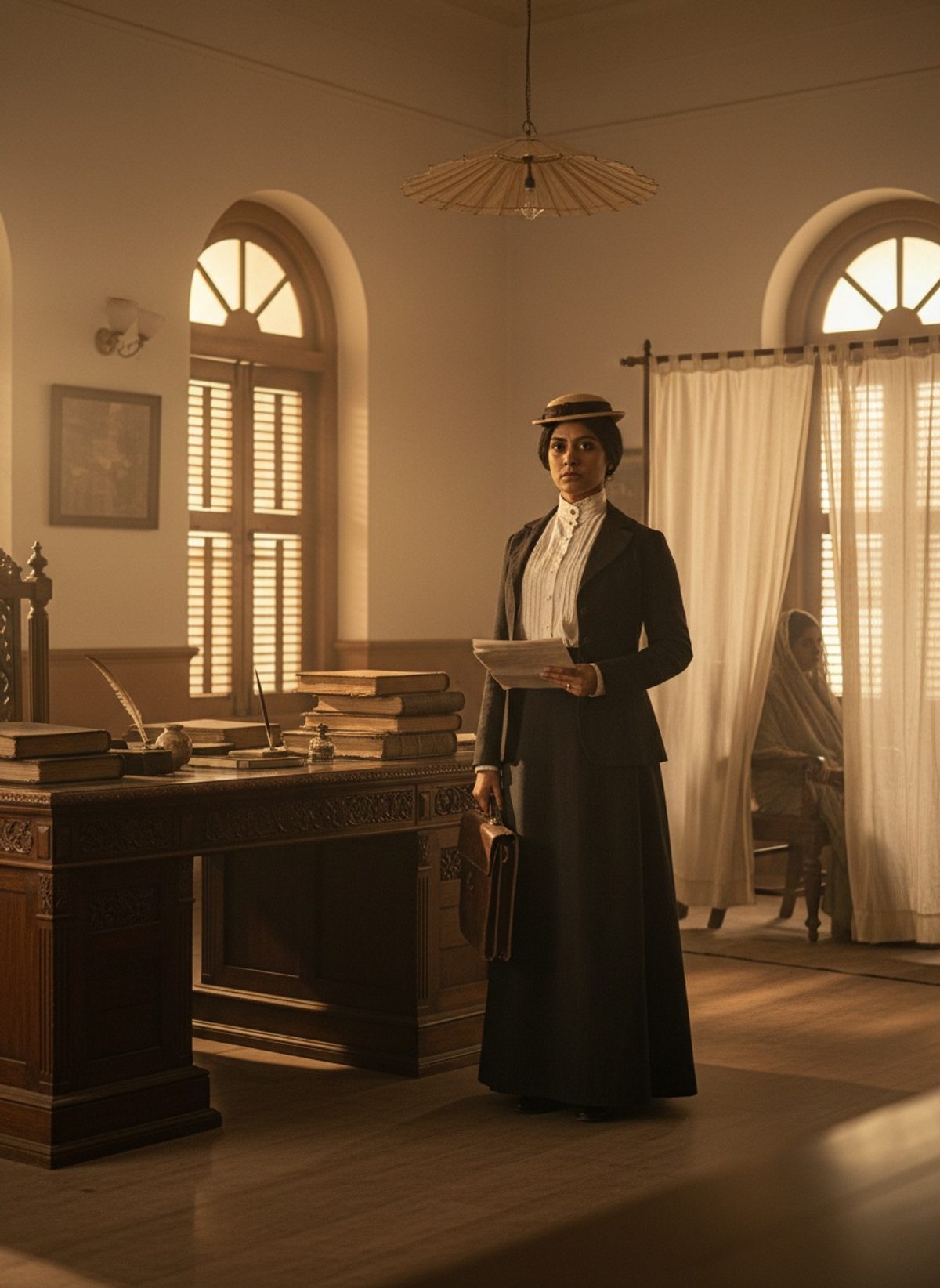
Allahabad, 1904. A woman knocked on a locked gate. Behind it, a widow had not left her room in three years. Cornelia Sorabji was the only lawyer allowed inside. She carried a briefcase. She changed a life.
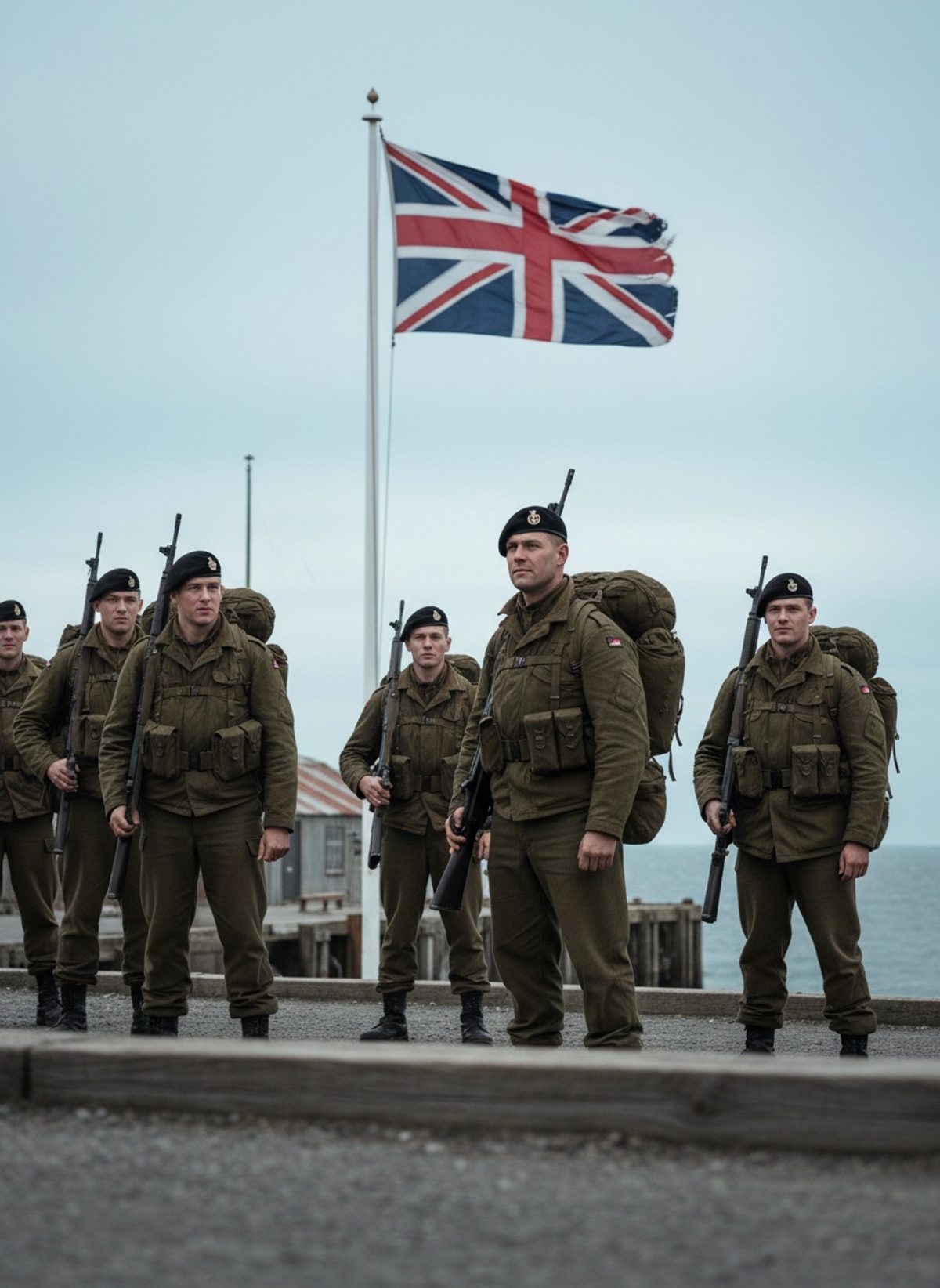
June 1982. The Falklands were won. The Welsh Guards had paid in blood. Now the last of them stood on the quayside. The flag went up. They sang. Every word of Hen Wlad Fy Nhadau carried across the water.
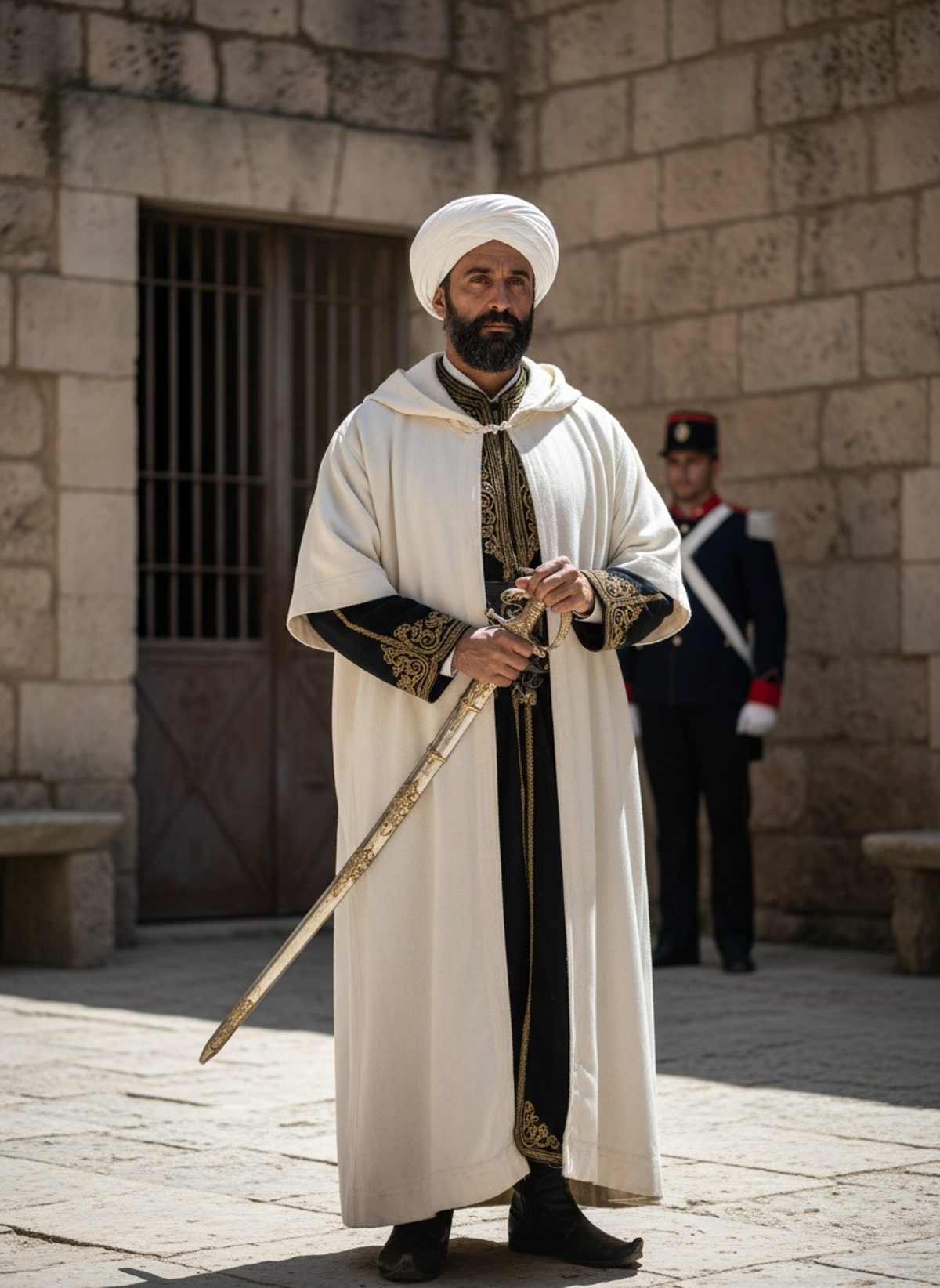
1847. Algeria. Abd el-Kader had held off France for fifteen years. He surrendered on one condition. France promised safe passage. France lied. He was imprisoned. The world watched. And Britain gave him a sword.
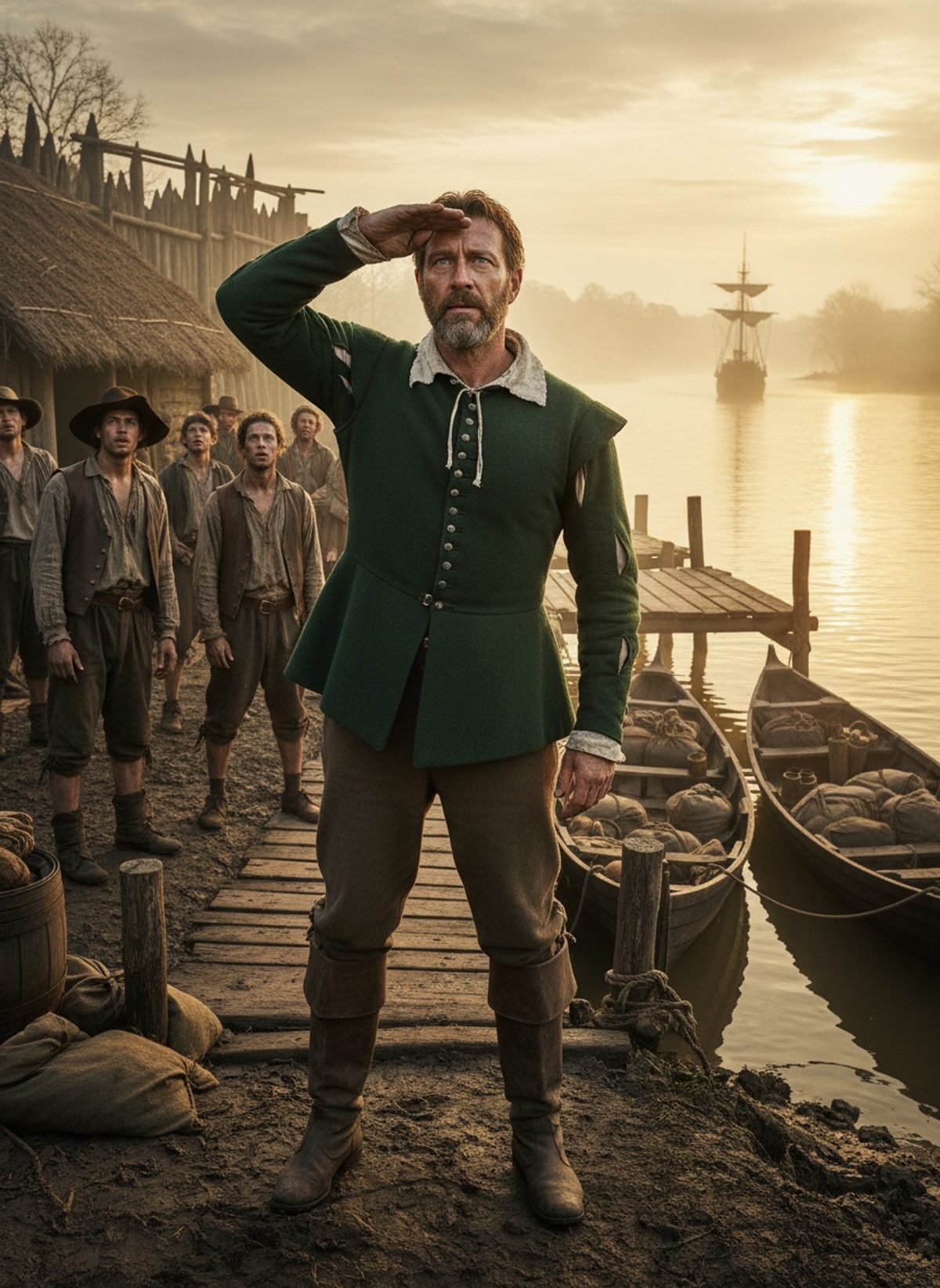
May 1610. Jamestown was dying. Sixty settlers remained from five hundred. Governor Gates ordered the ships loaded. They would abandon Virginia. Then a sail appeared on the river. Everything changed.
1932. The Treasury told the Army to cut training. Regiments drilled with broomsticks instead of rifles. Three years later, Hitler remilitarised the Rhineland.
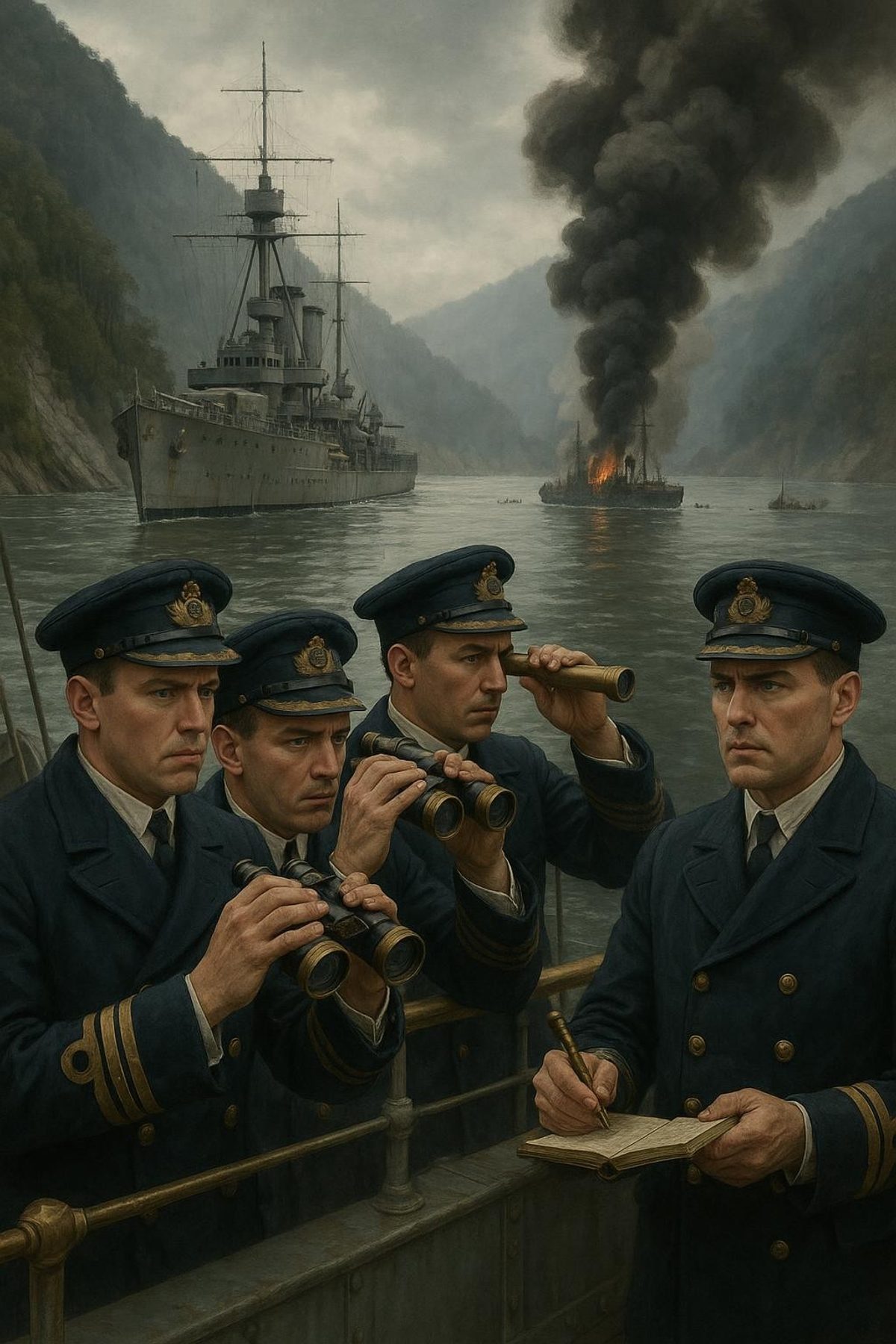
March 1915. The last German warship from the Battle of the Falklands was cornered in Chilean waters. HMS Glasgow opened fire. Within minutes, the Dresden was gone — and so was Germany's last Pacific raider.
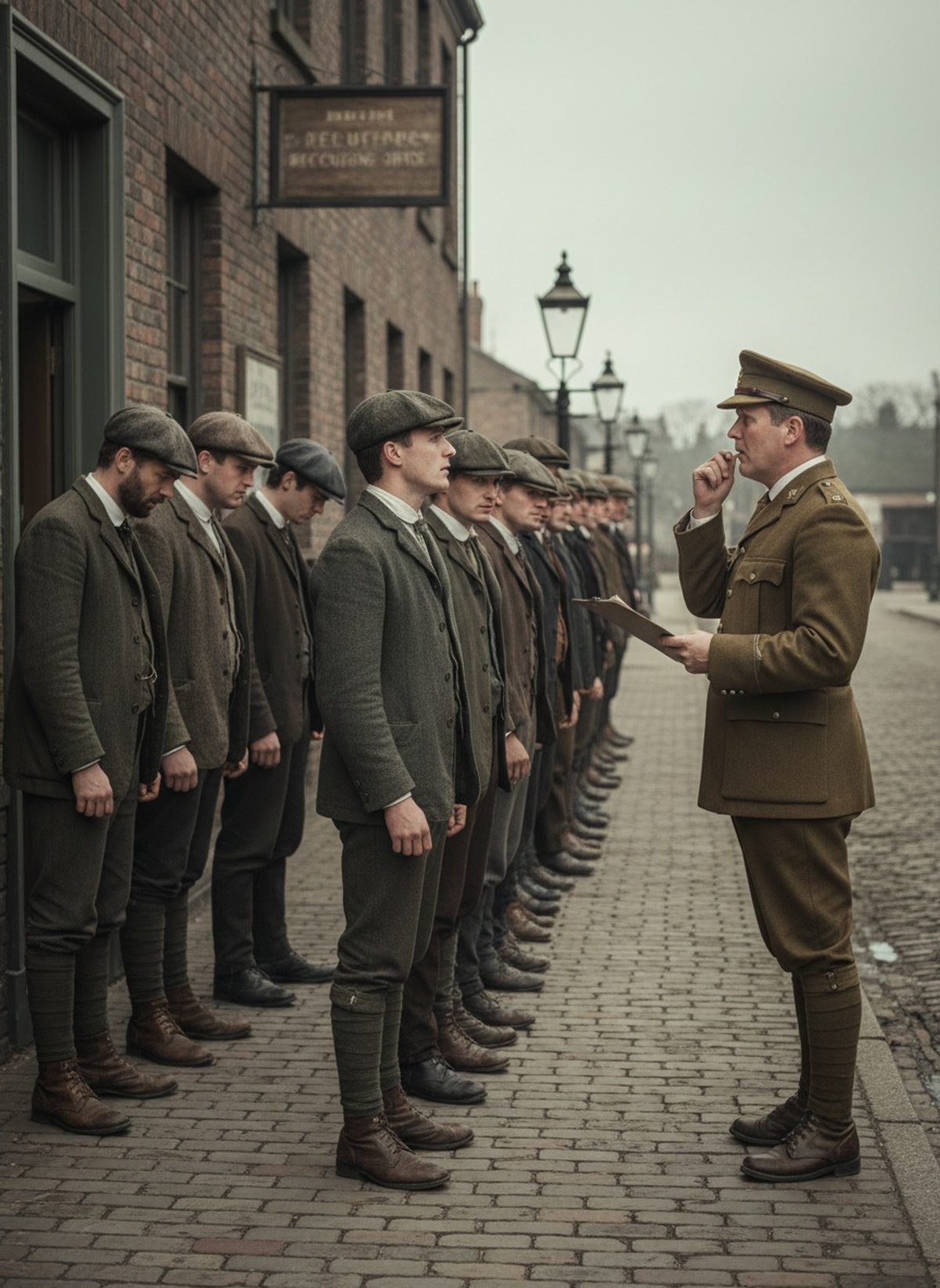
In 1914, Britain begged men to enlist. Then turned 35% of them away. Not for cowardice. For bad teeth, flat feet, and being too short. The Empire needed heroes — just not ones under 5'3".
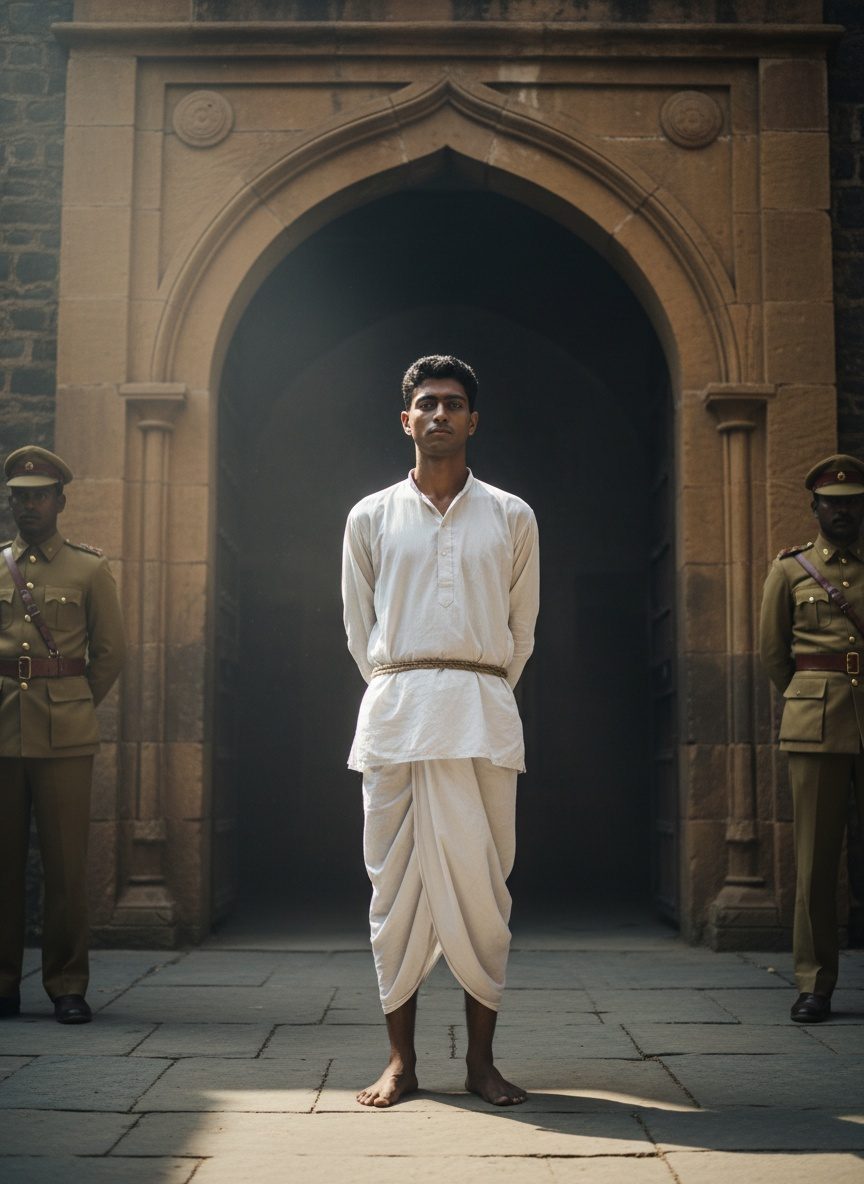
Lahore. March 23rd, 1931. Bhagat Singh was twenty-three years old. The British had sentenced him to hang. He walked to the gallows singing. No blindfold. No appeal. Just a song.
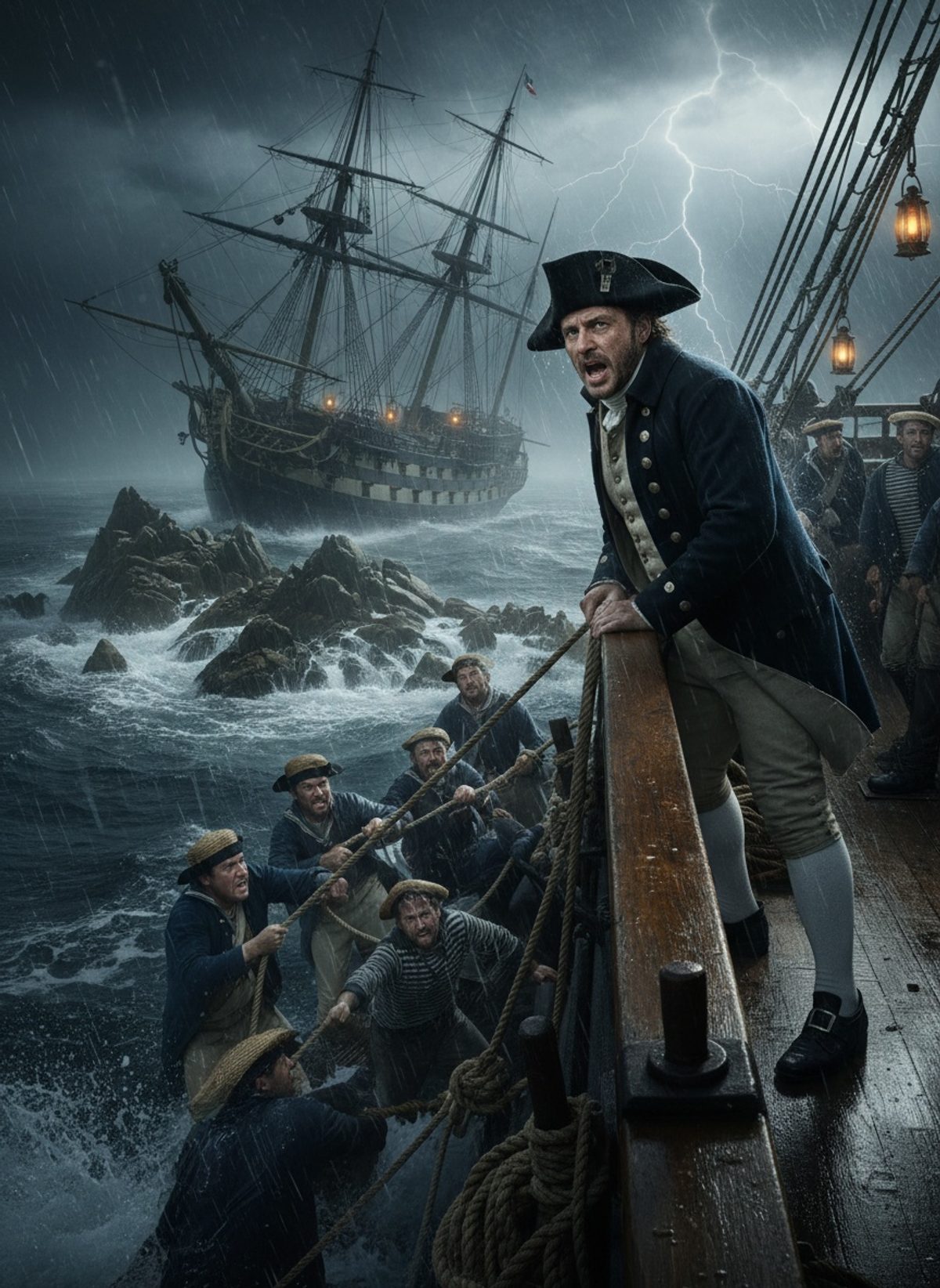
January 1796. HMS Indefatigable found a French ship of the line. Pellew drove her onto the rocks. Then he turned back. He pulled 547 French sailors from the water. His enemy. Saved.
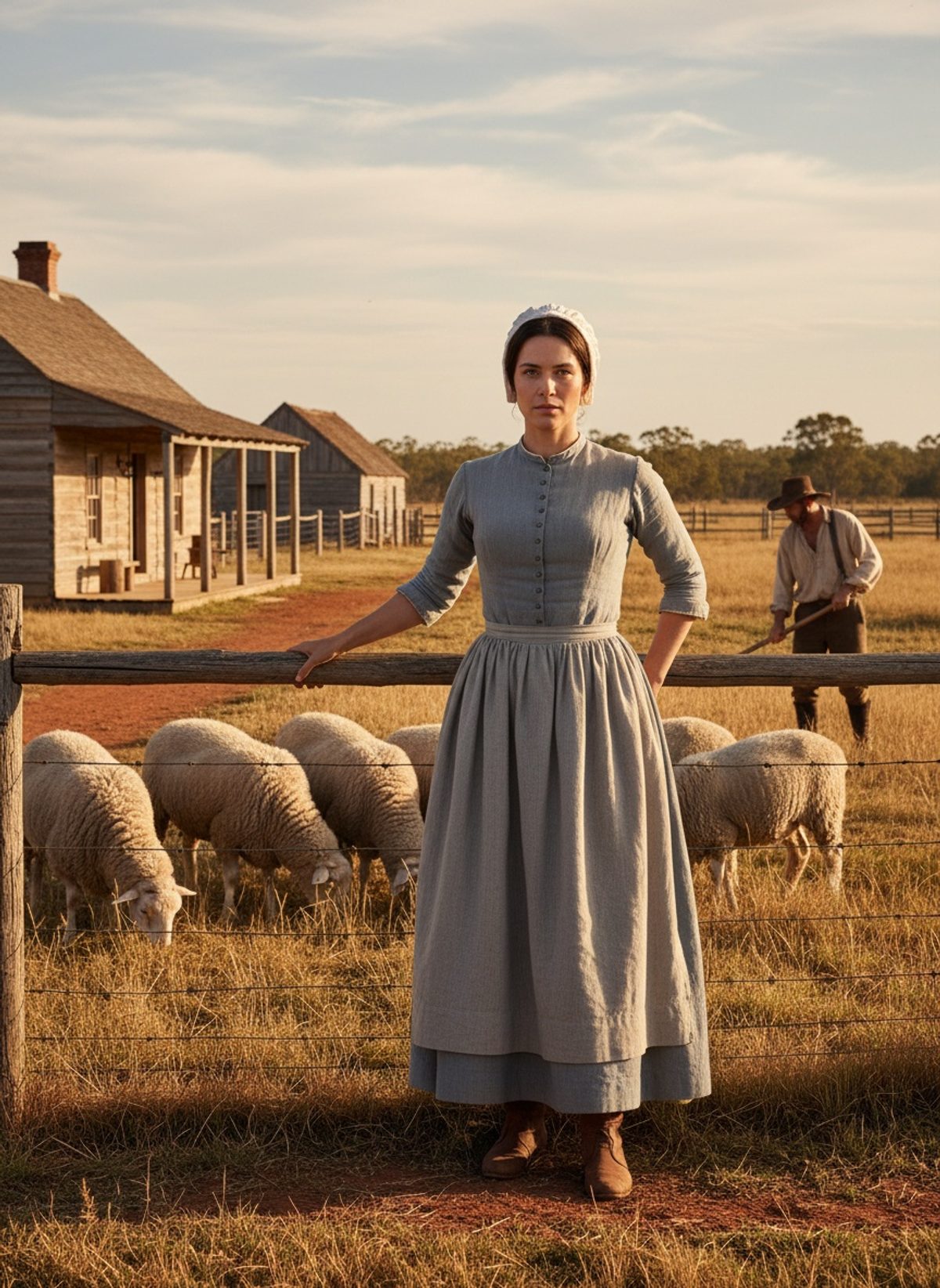
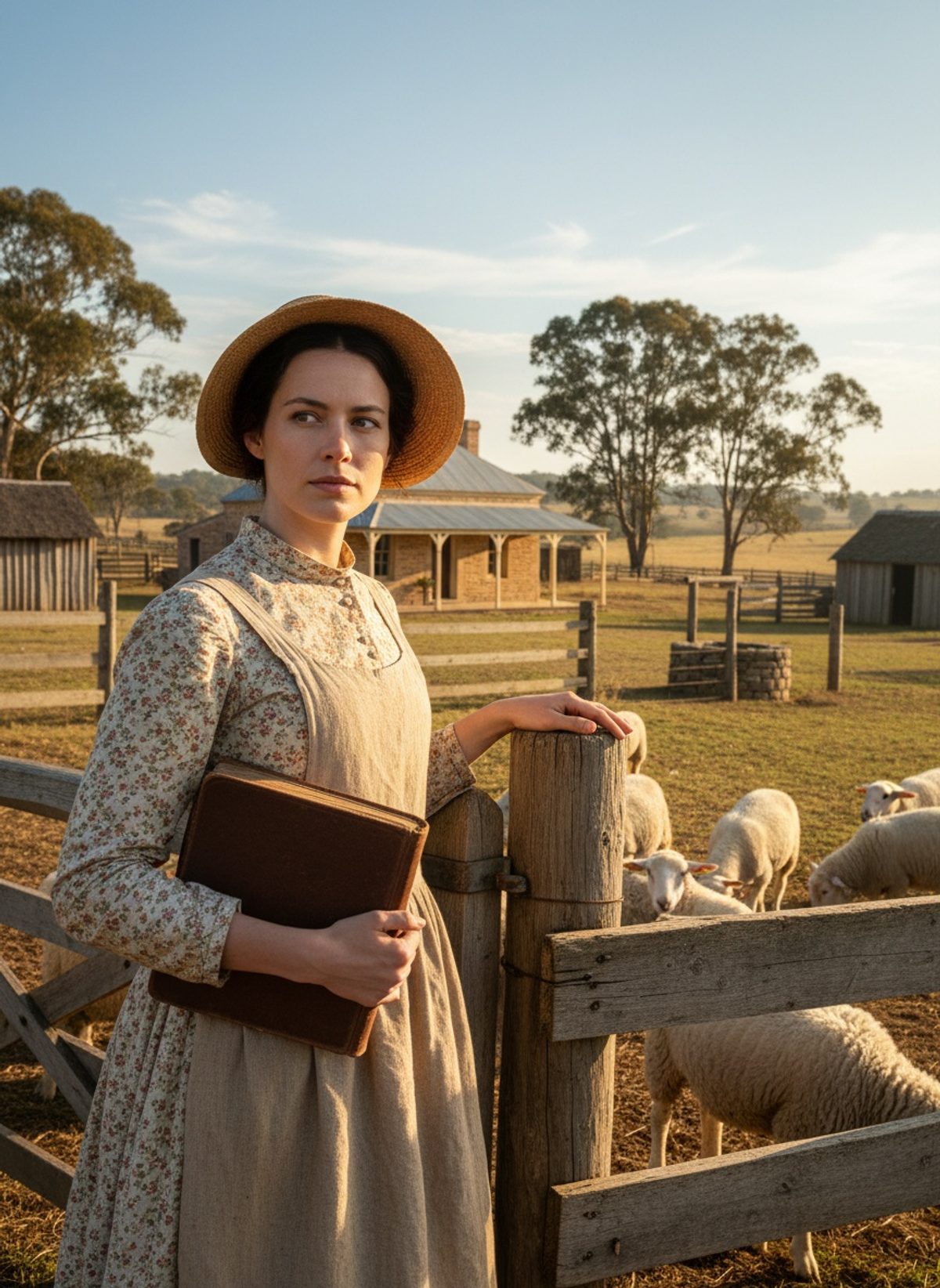
1804. John Macarthur was arrested and shipped back to England. His wife Elizabeth was left alone. Eight children. A failing farm. A flock of merino sheep no one believed in. She ran it all. And she proved the doubters wrong.
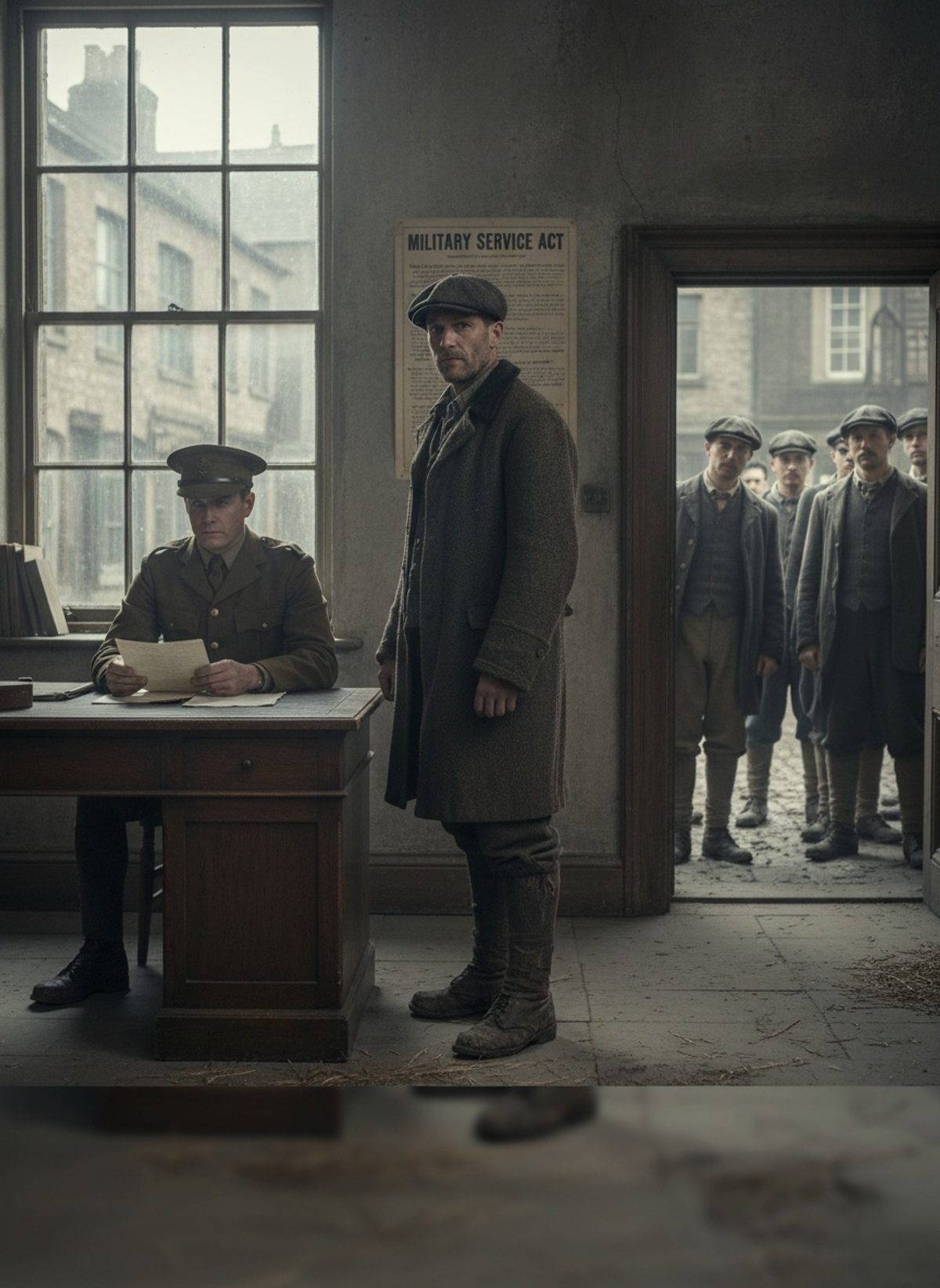
By 1917, Britain had run out of volunteers. The Military Service Act reached into every home, every farm, every factory. Men who thought they were safe discovered they were not. No one was exempt for long.
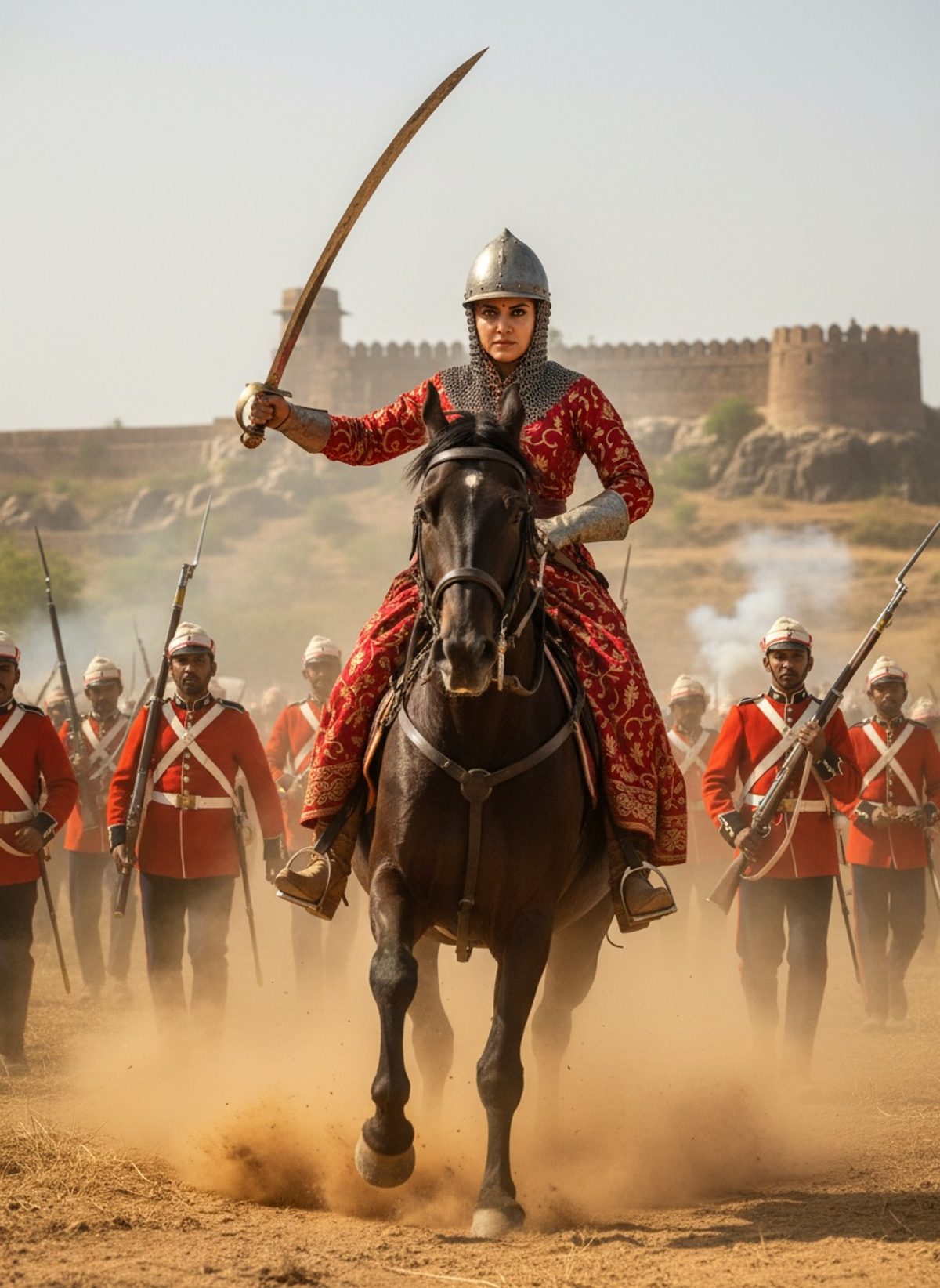
She was a widow. A queen without a throne. Britain called her a rebel. Her own people called her a goddess. At Gwalior in June 1858, she rode into her final battle and never came back.
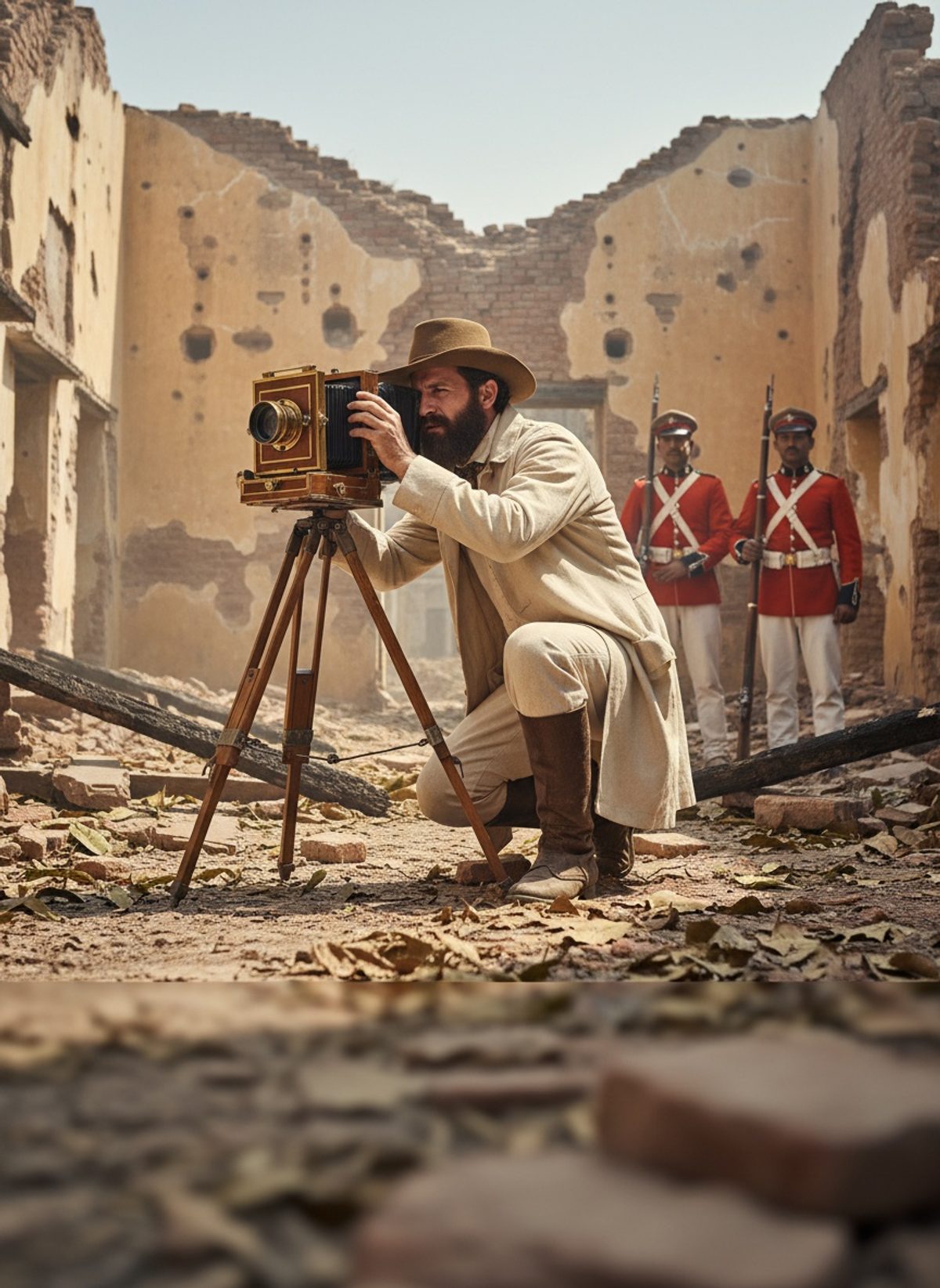
Felice Beato walked into the ruins of Lucknow with a camera. He photographed the dead before they were buried. His images were the first war photographs the British public had ever seen.
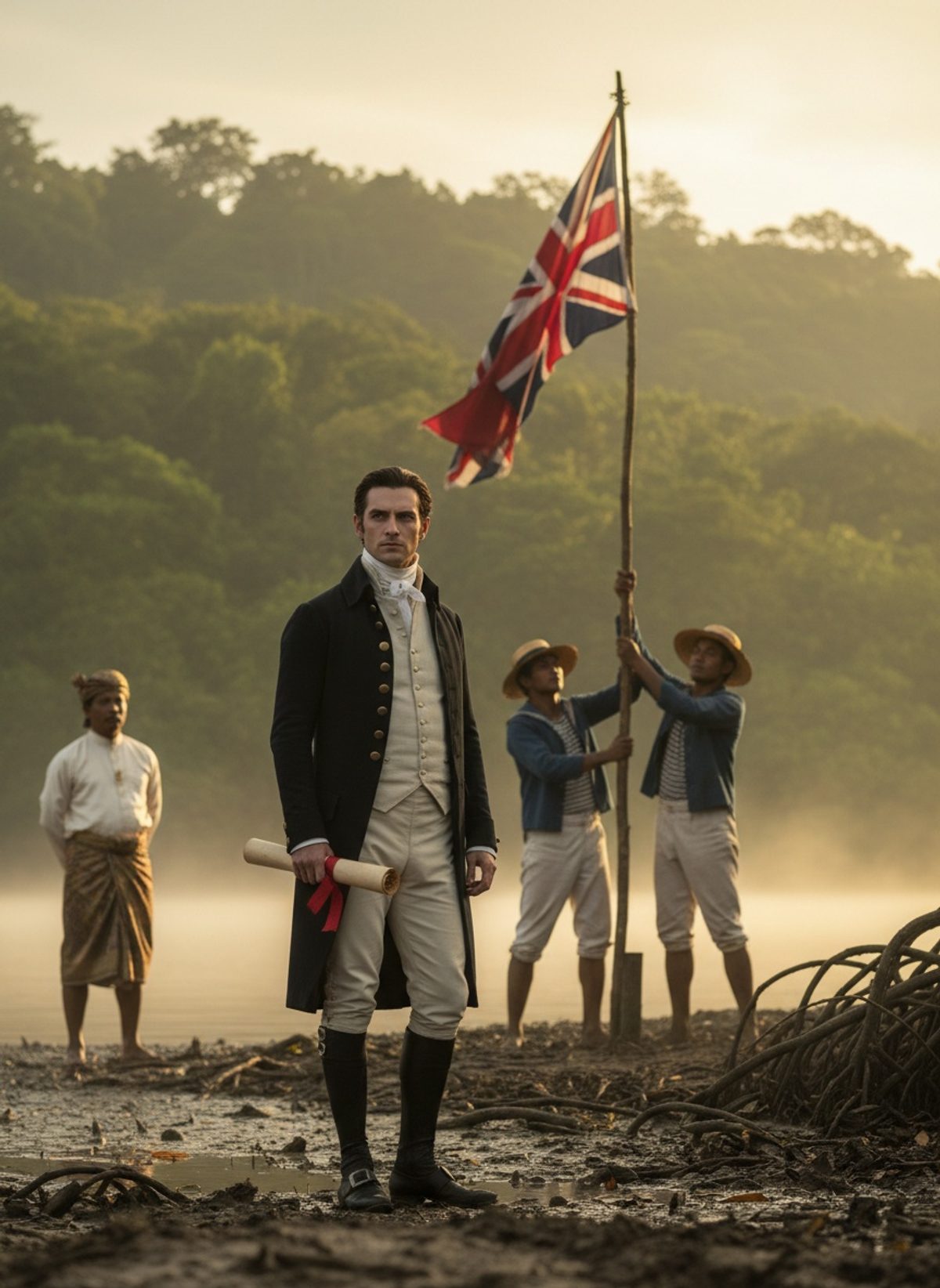
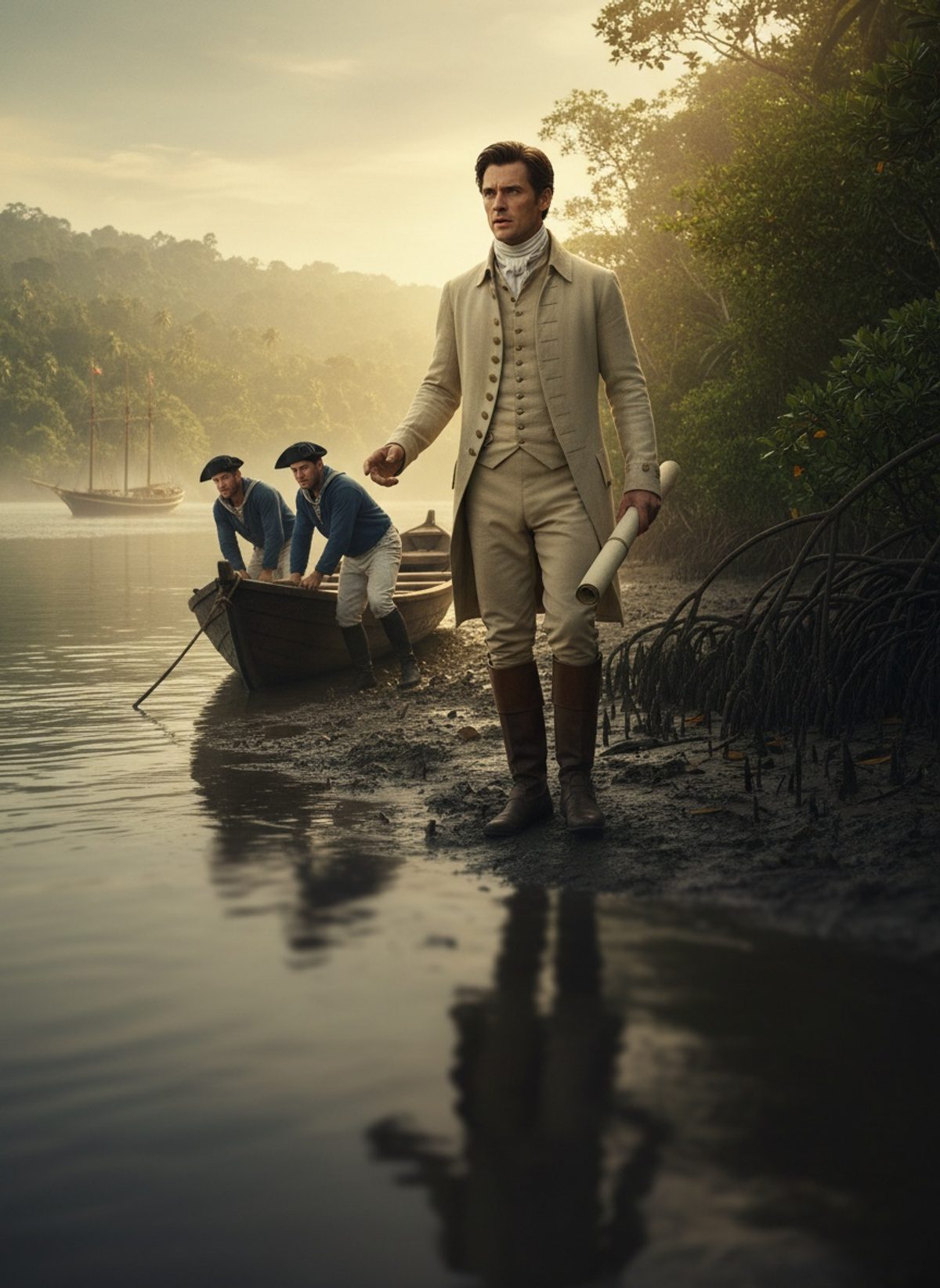
January 1819. A young clerk stepped onto a swampy island. He had no army. No mandate. Just a vision. He signed a treaty with a local chief. Raised the Union Jack. Called it Singapore.
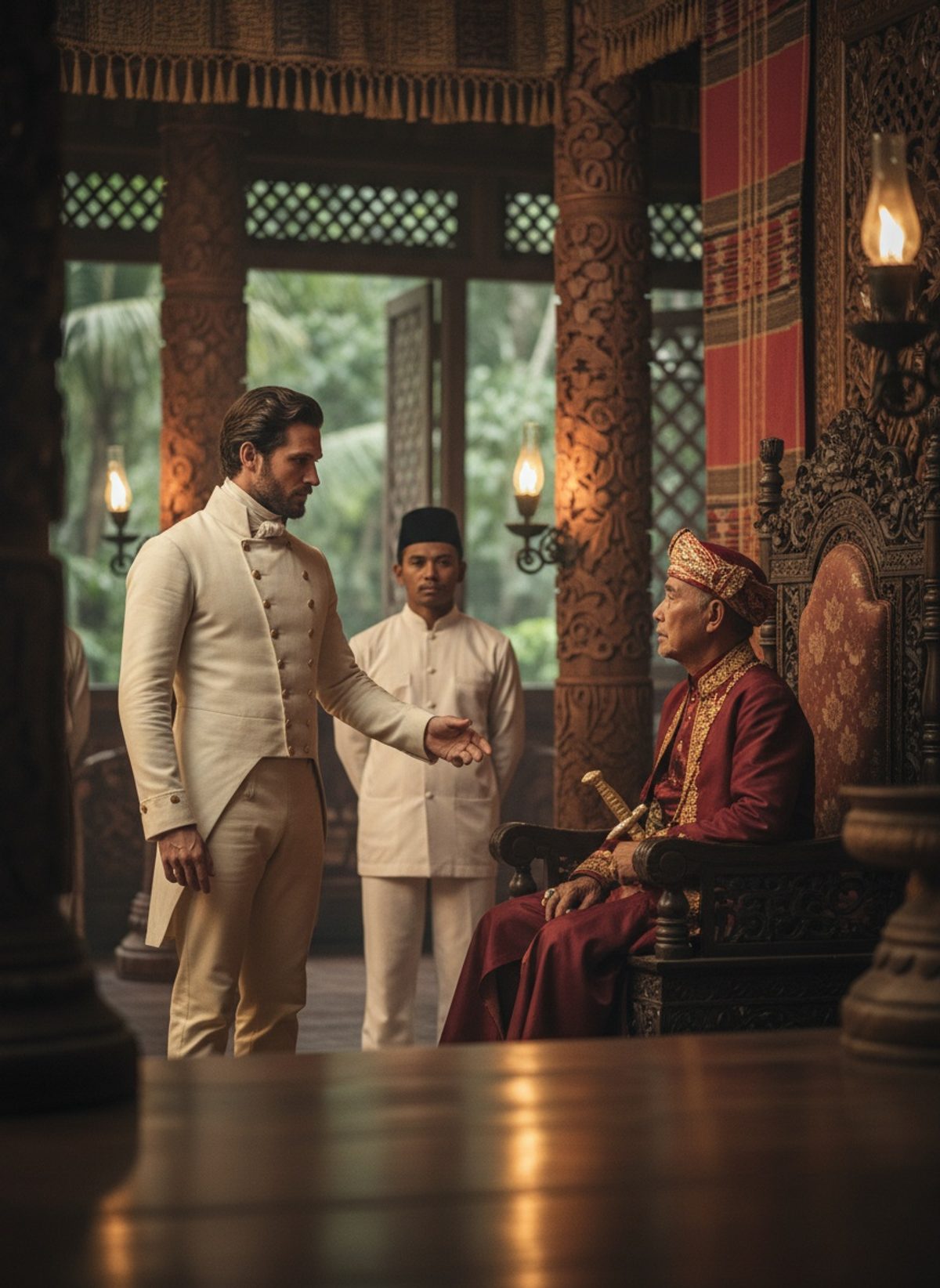
1841. James Brooke sailed into Sarawak with one small schooner. The rajah was losing a rebellion. Brooke offered his help. In return he asked for a territory. The rajah agreed. A British adventurer became a king.
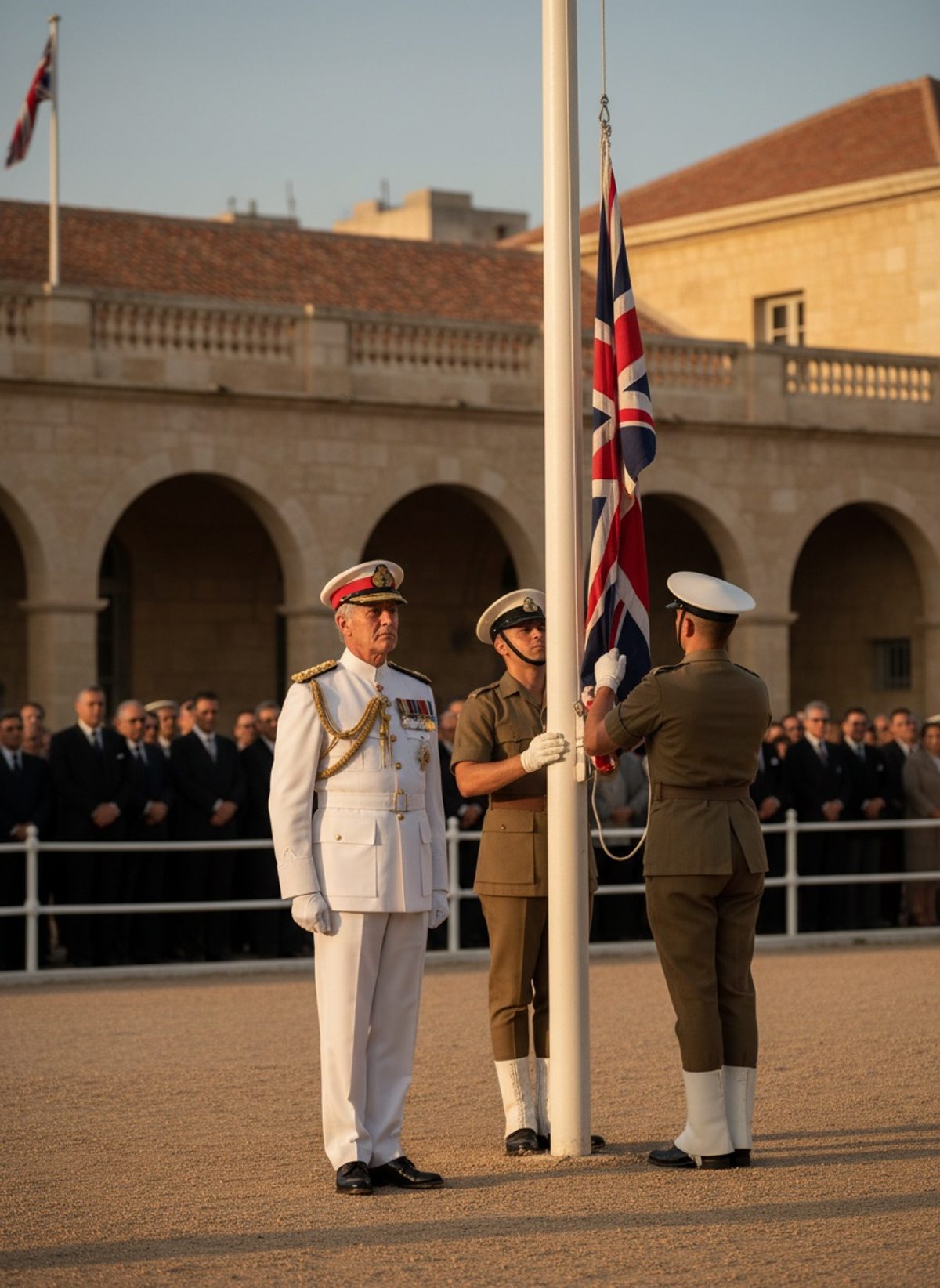
August 1960. Cyprus had fought for this day. Governor Sir Hugh Foot stood in Nicosia. He lowered the Union Jack. He handed it to no enemy. He handed it to a friend. An empire ended. A republic began.
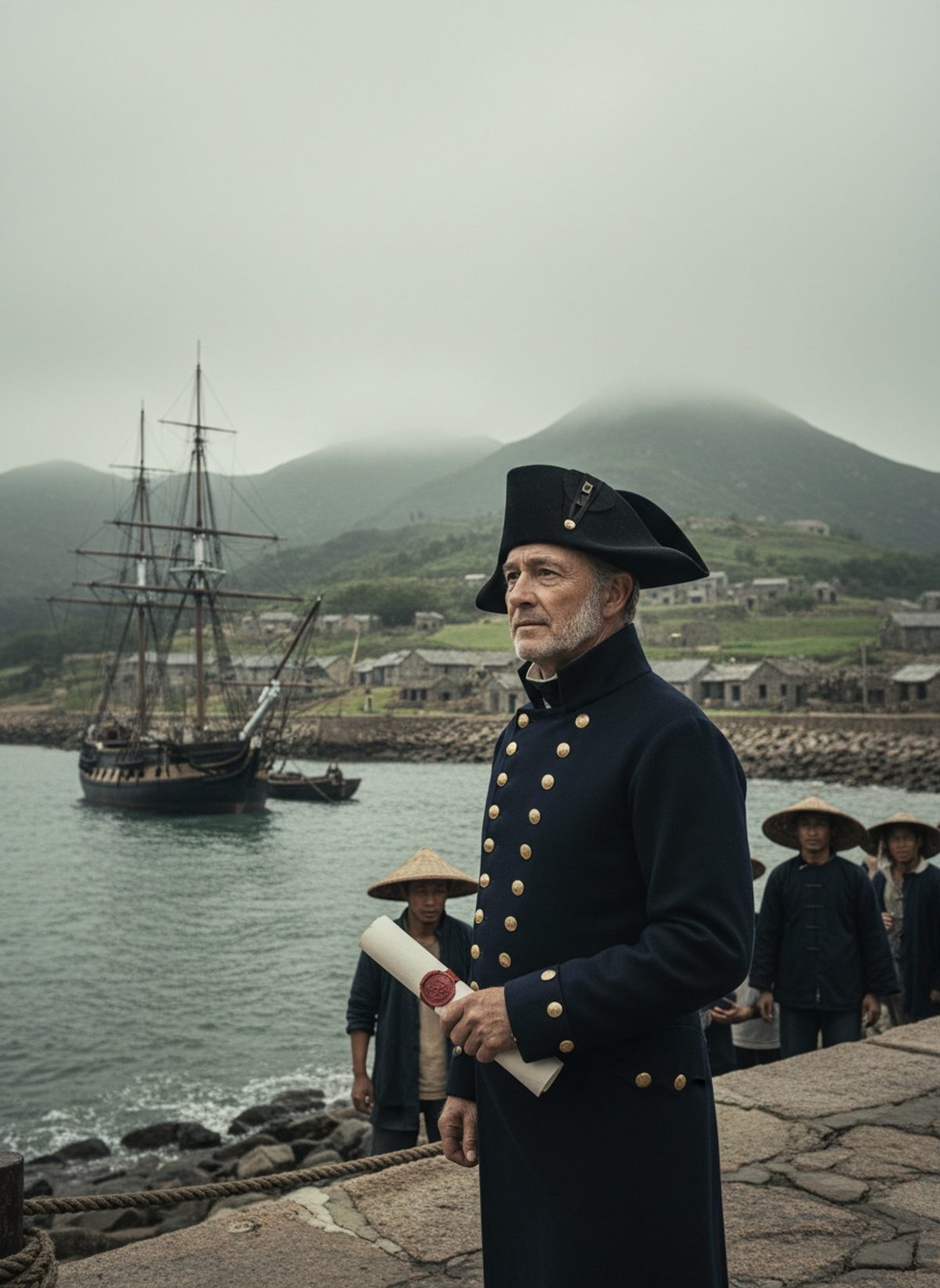
1841. A British officer stepped ashore at a barren rock. He carried no army. No fortune. He carried a legal code. One hundred and fifty years later, that code still stood. Hong Kong's courts still run on it today.
Calcutta, 1885. The memsahib was at the club. The officer was at his desk. In the nursery, an ayah sang. She had raised three British children. None of them ever forgot her name.
Britain scrapped warships it had just refitted. Sold others for pennies. And called it progress. The Navy that ruled every ocean quietly gutted itself — and the bill was paid in blood.
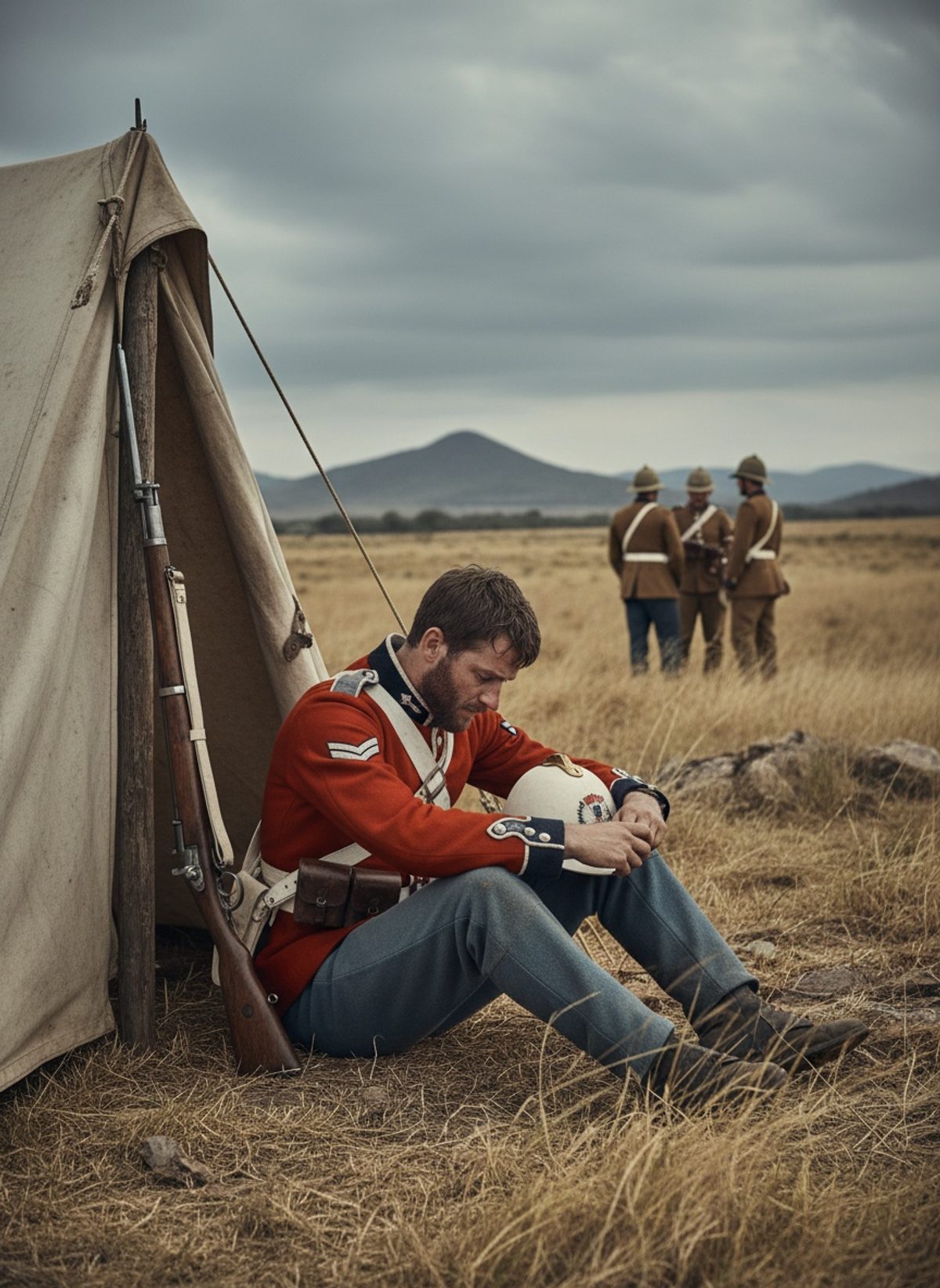
January 1879. Lord Chelmsford split his force. Isandlwana fell. 1,300 men died. One surviving private faced a court martial. The generals who made the decisions faced nothing.
January 1819. A small British boat nosed into a fever-choked swamp at the southern tip of the Malay Peninsula. Stamford Raffles stepped ashore. He saw not a ruin. He saw a crossroads of the world. He signed a treaty and built Singapore.
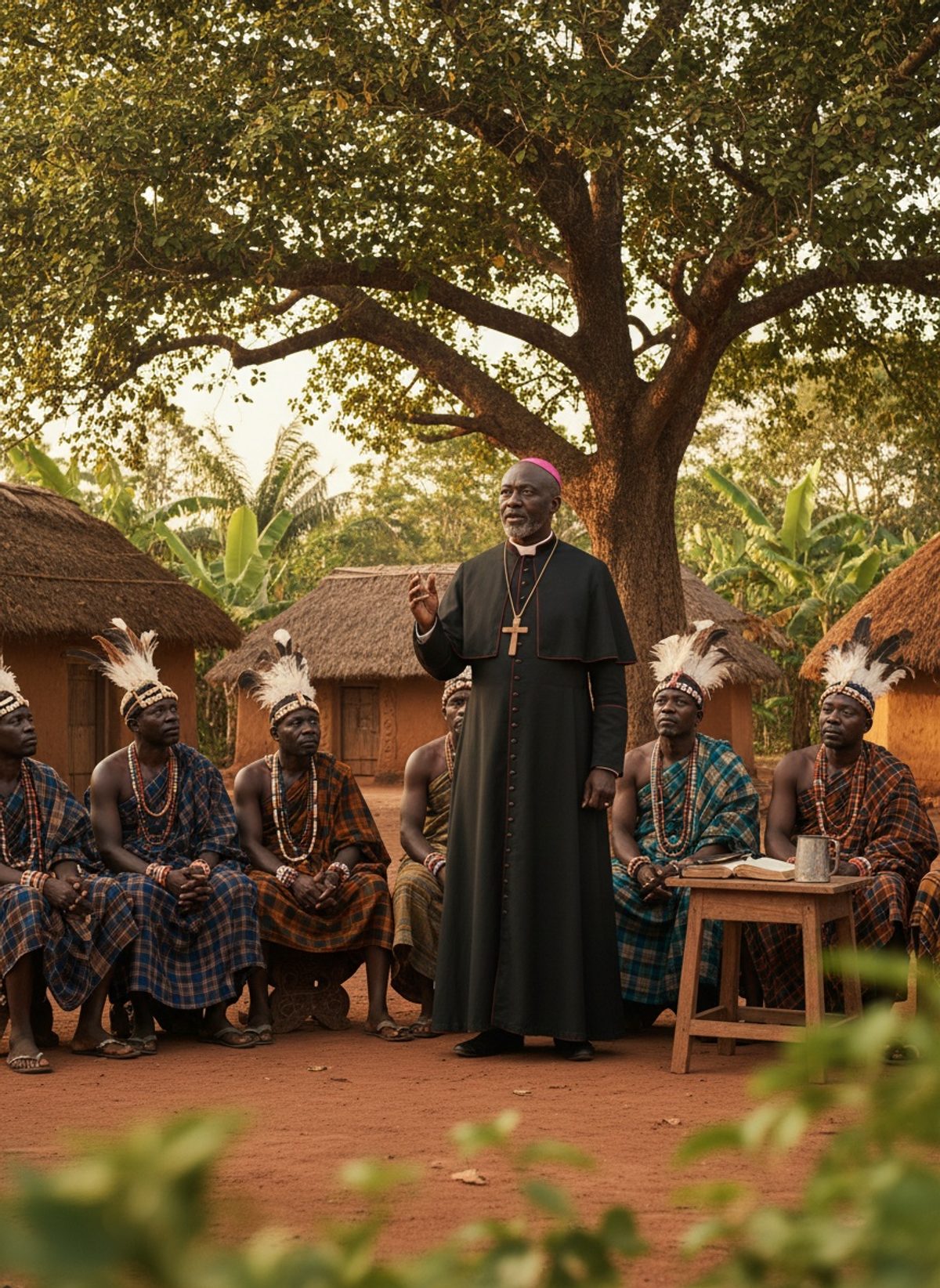
Niger Delta, 1875. Samuel Crowther stood alone before the Asaba chiefs. A former slave. Now a bishop. He spoke their language. He had once been one of them. They listened.
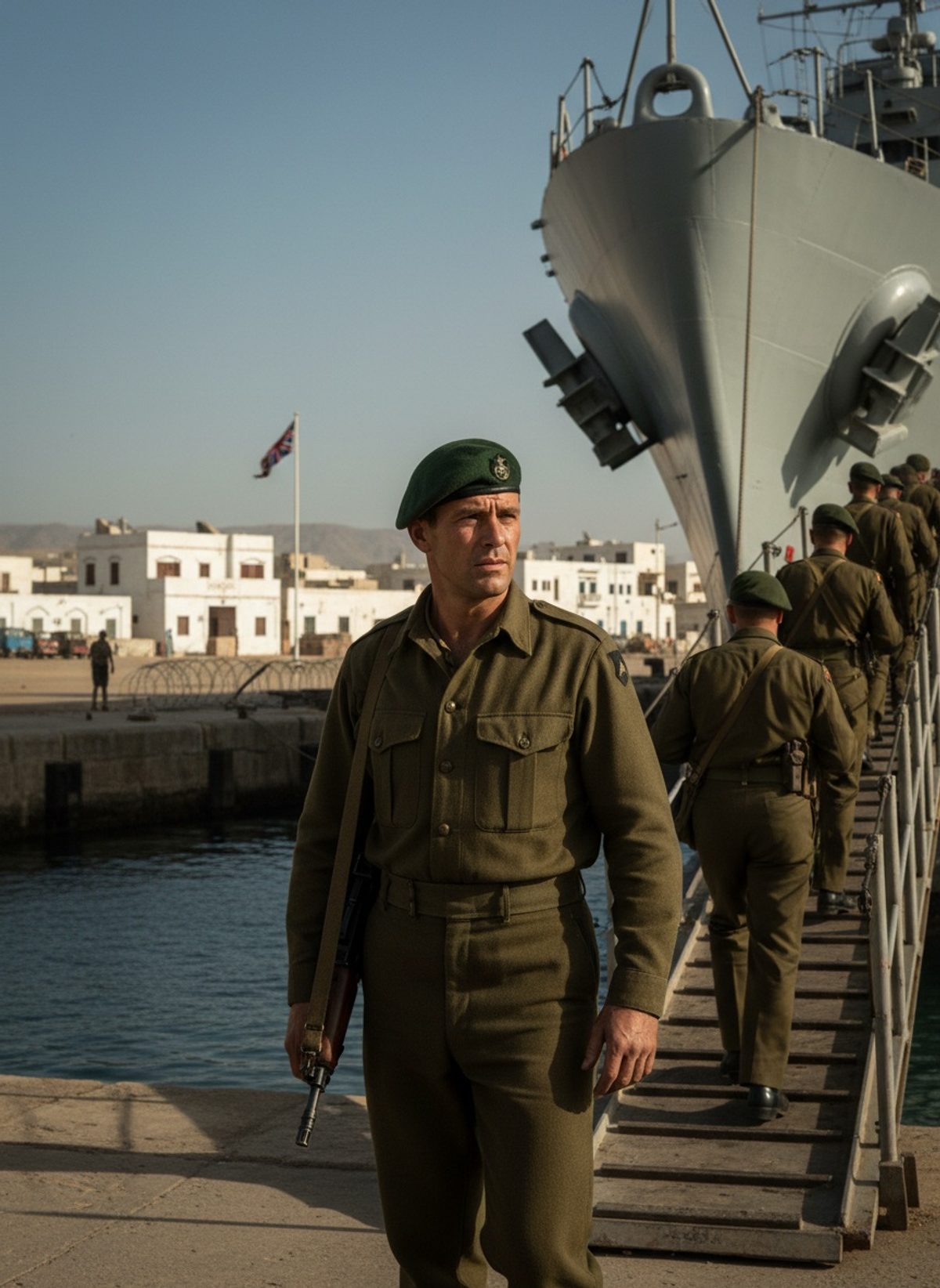
November 1967. Britain was leaving Aden for good. The last rearguard held the perimeter. Commandos of 42 Commando Royal Marines boarded in silence. The flag came down. The empire walked to the sea.
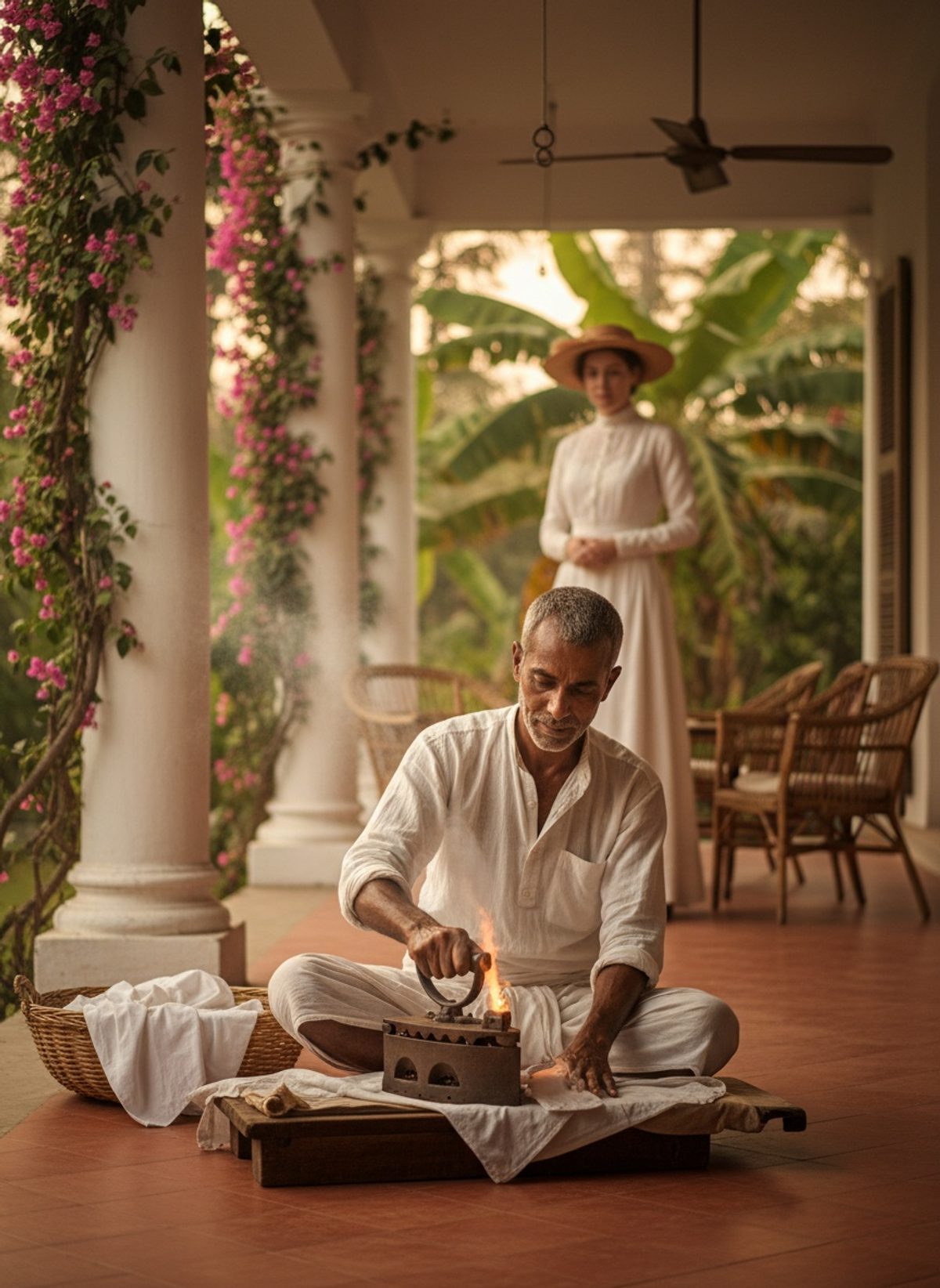
Calcutta, 1890. Every morning before dawn he came. Basket balanced. Irons heated over charcoal. A British officer's collar, crisp and white by breakfast. The empire ran on paperwork. The paperwork needed pressing.
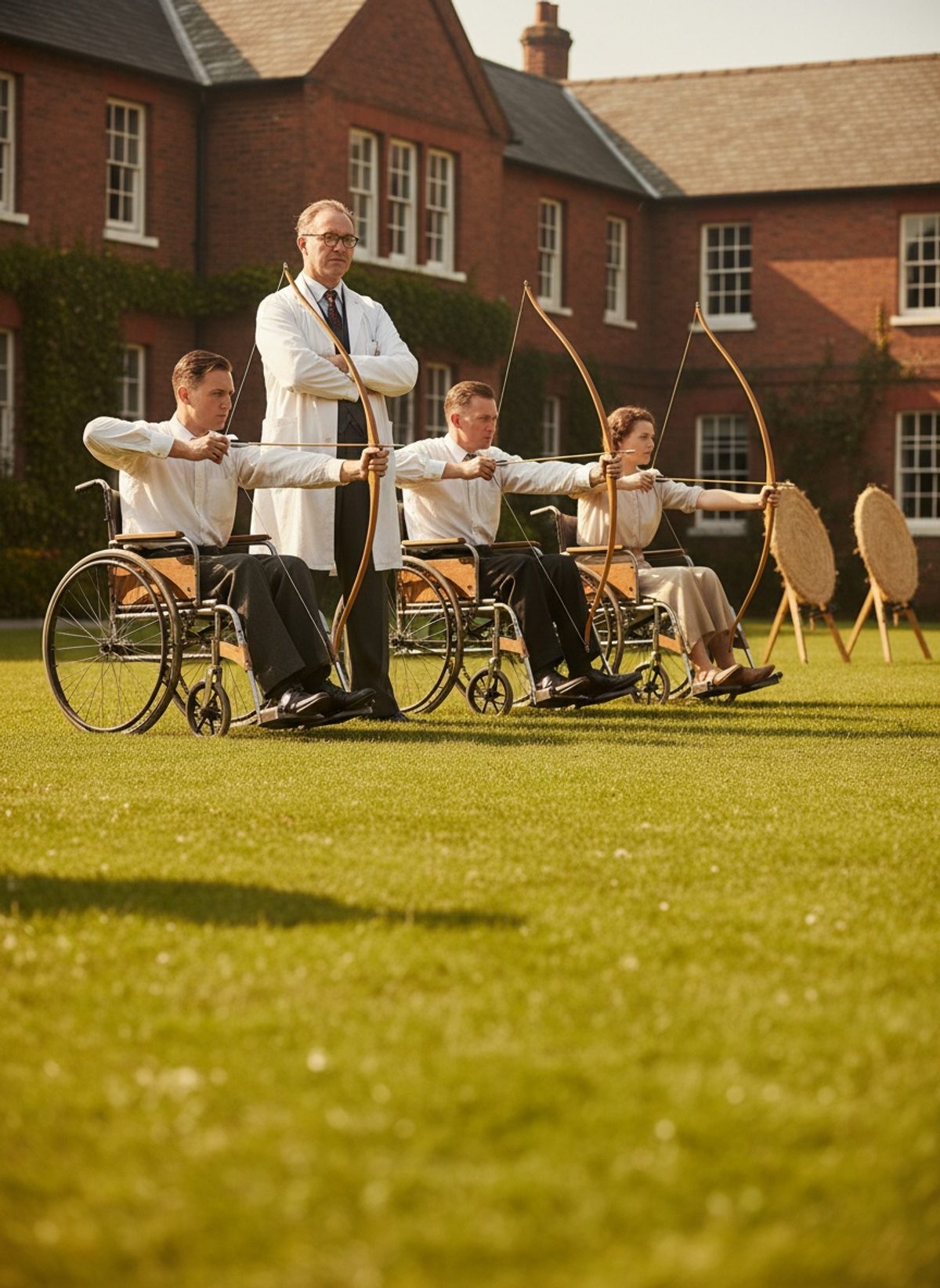
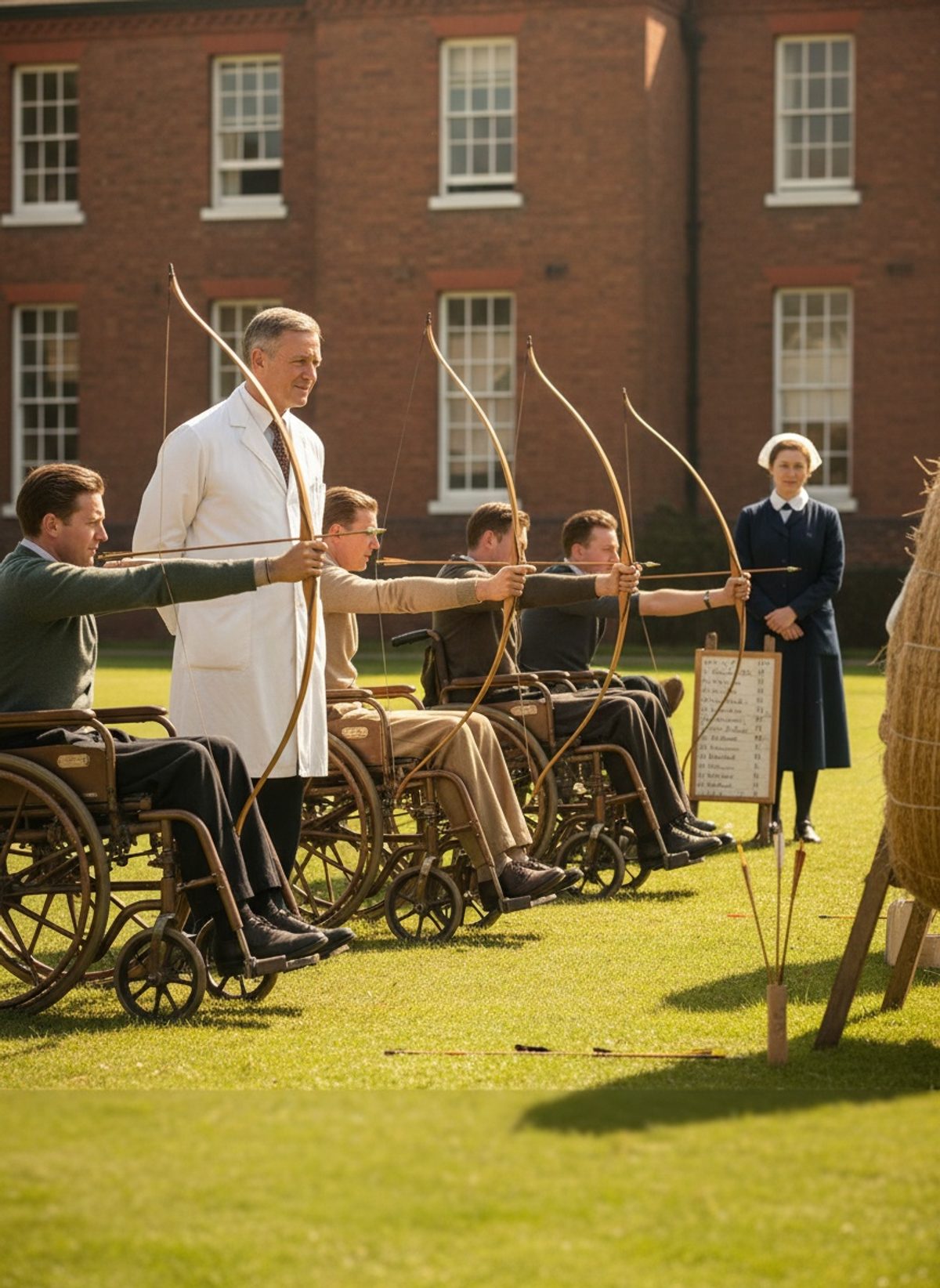
A Jewish refugee doctor the Nazis had discarded arrived in Britain with nothing. The government gave him a ward of paralysed veterans everyone else had written off. He refused to accept their prognosis. What he built on a hospital lawn changed sport forever.
A Jewish doctor in Nazi Germany admitted 64 arrested men to his hospital. Illegally. Then stood face to face with the Gestapo and argued each case. 60 men walked free. He fled to Britain. And changed sport forever.
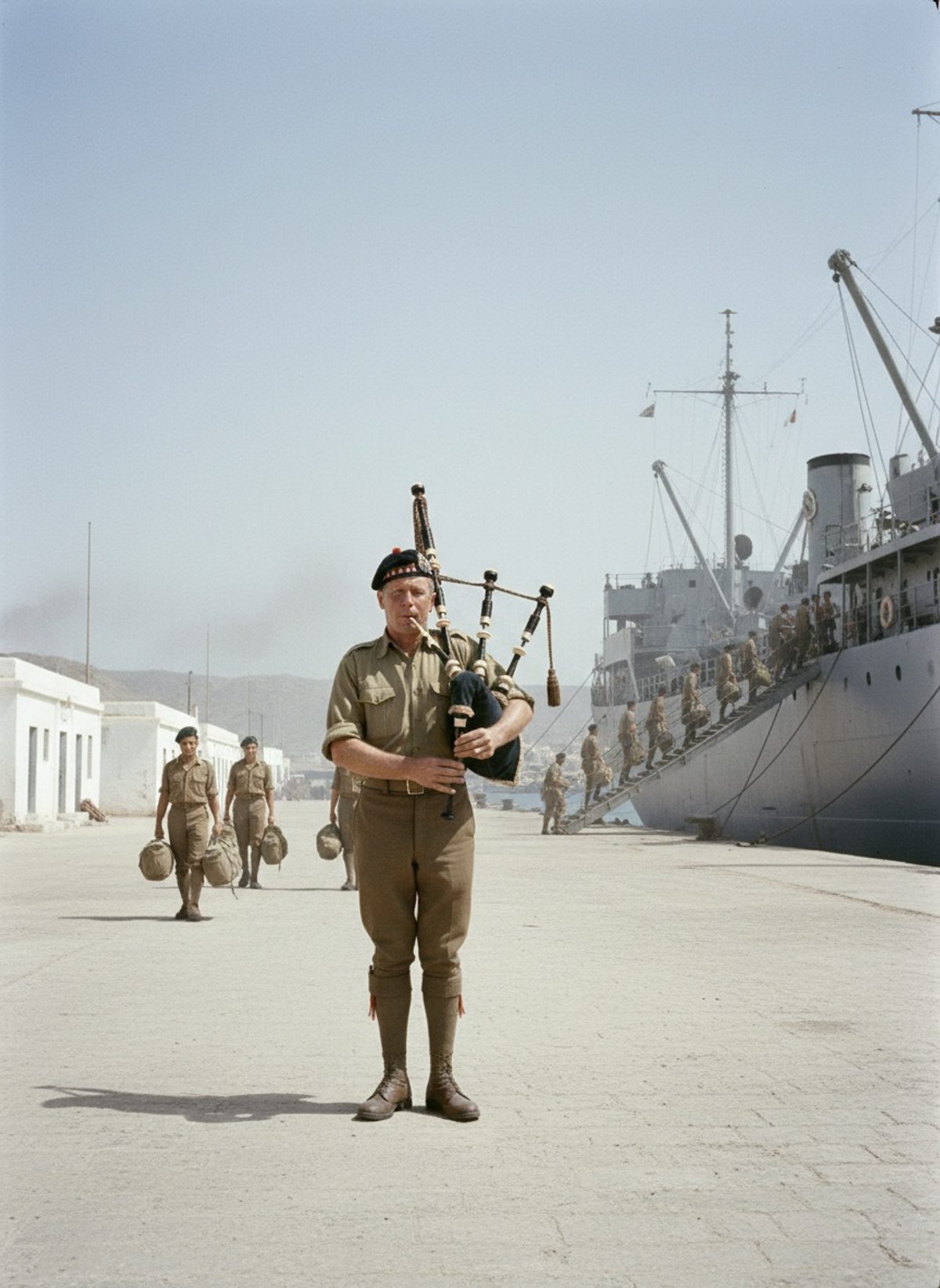
November 1967. Britain was leaving Aden after 128 years. The crowds were hostile. The heat was absolute. One Argyll pipe major stood at the dock and played. Nobody asked him to. He played anyway.
1804. John Macarthur sailed to England in chains. His wife was left alone. Four children. Two hundred sheep. A colony on the edge of ruin. Elizabeth ran the estate herself. She kept the flock alive. She kept the dream alive.
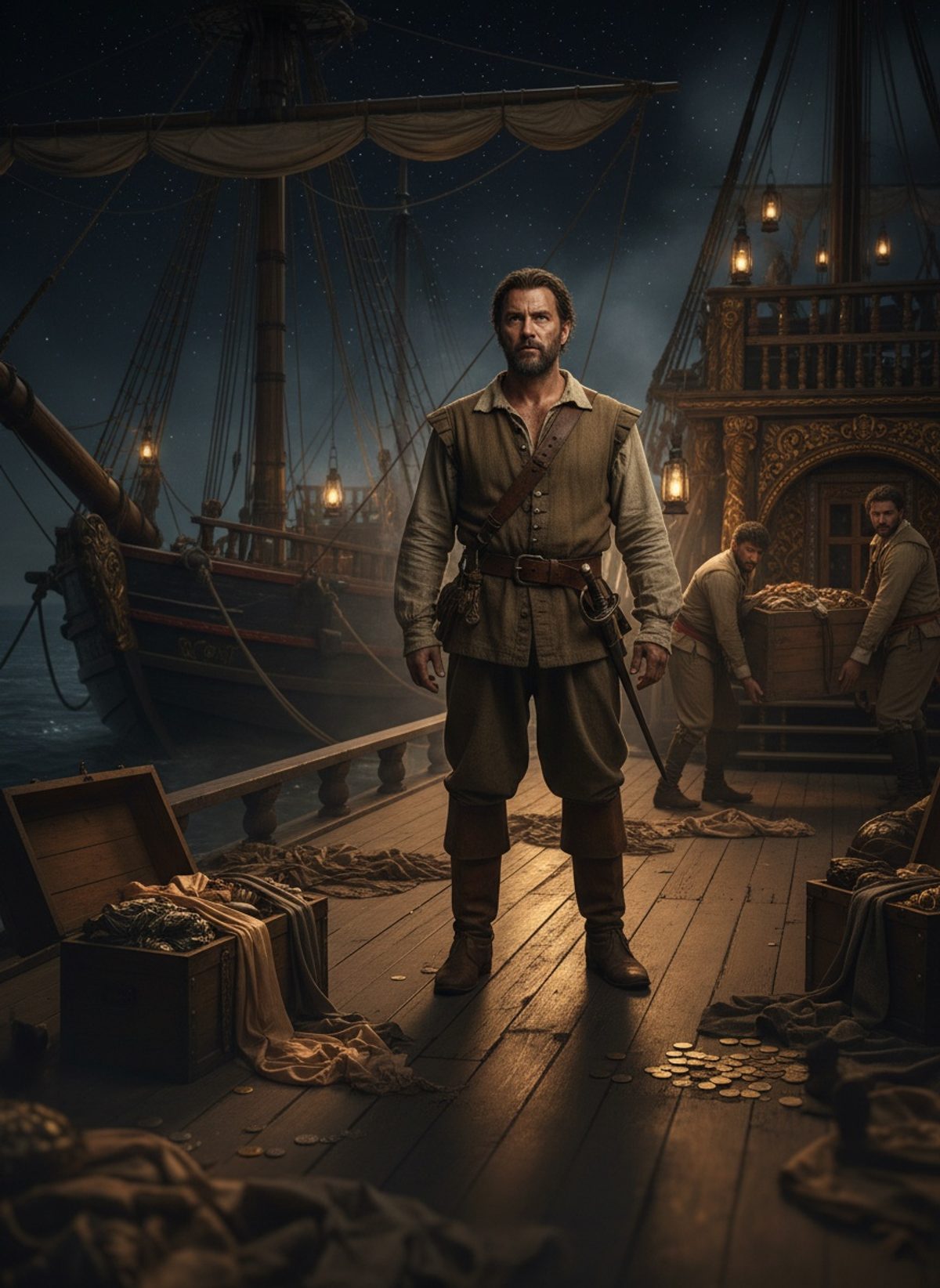
1695. A Devon sailor turned pirate. One Mughal treasure ship. Every seized the Ganj-i-Sawai in a single night. The cargo was staggering. The consequences shook the world.
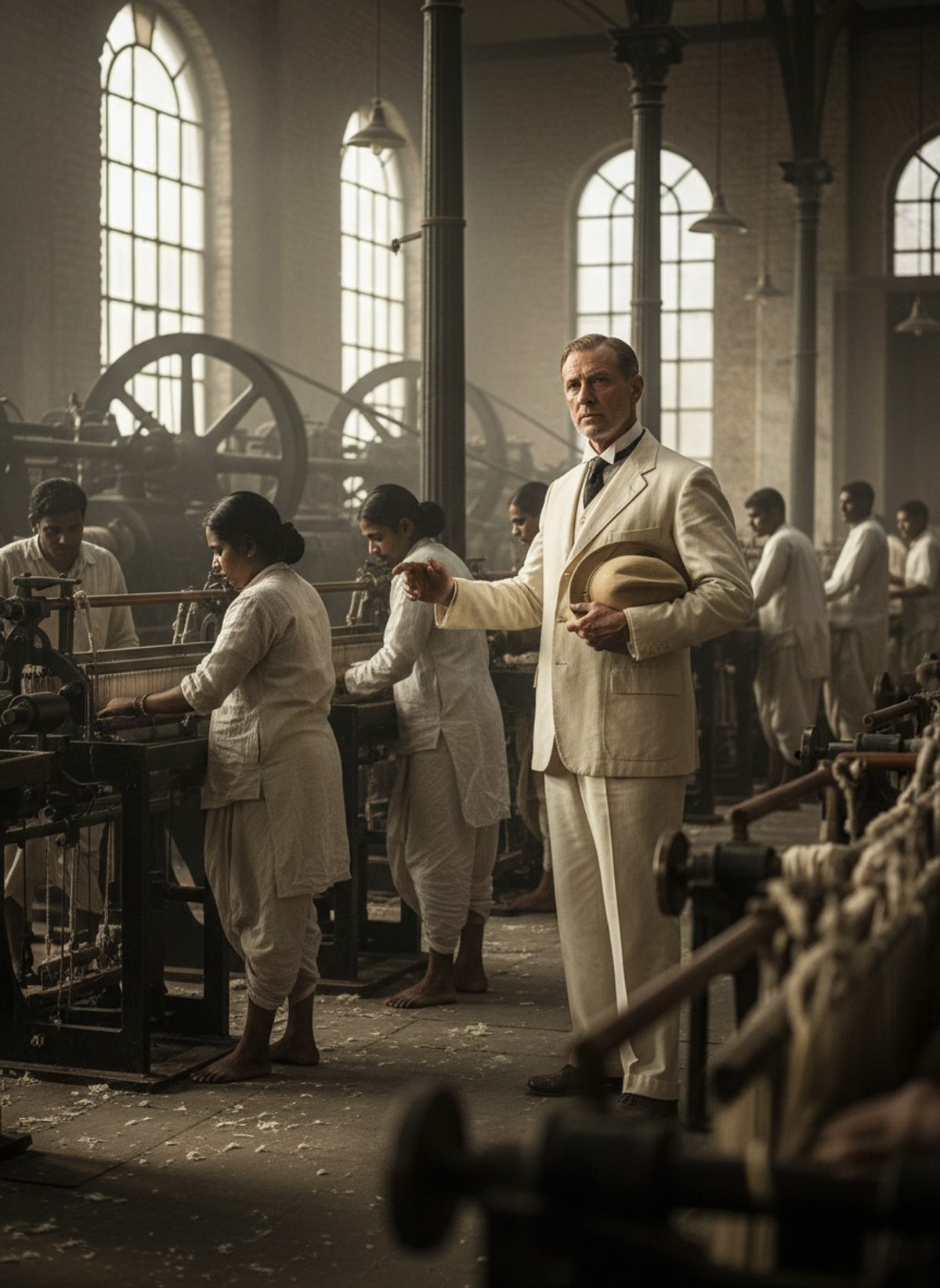
Depression gripped the world. In Bombay, a British mill owner faced ruin. He could replace 200 workers with machines. He didn't. He hired 200 more. The workers called him 'the Sahib who stayed.'
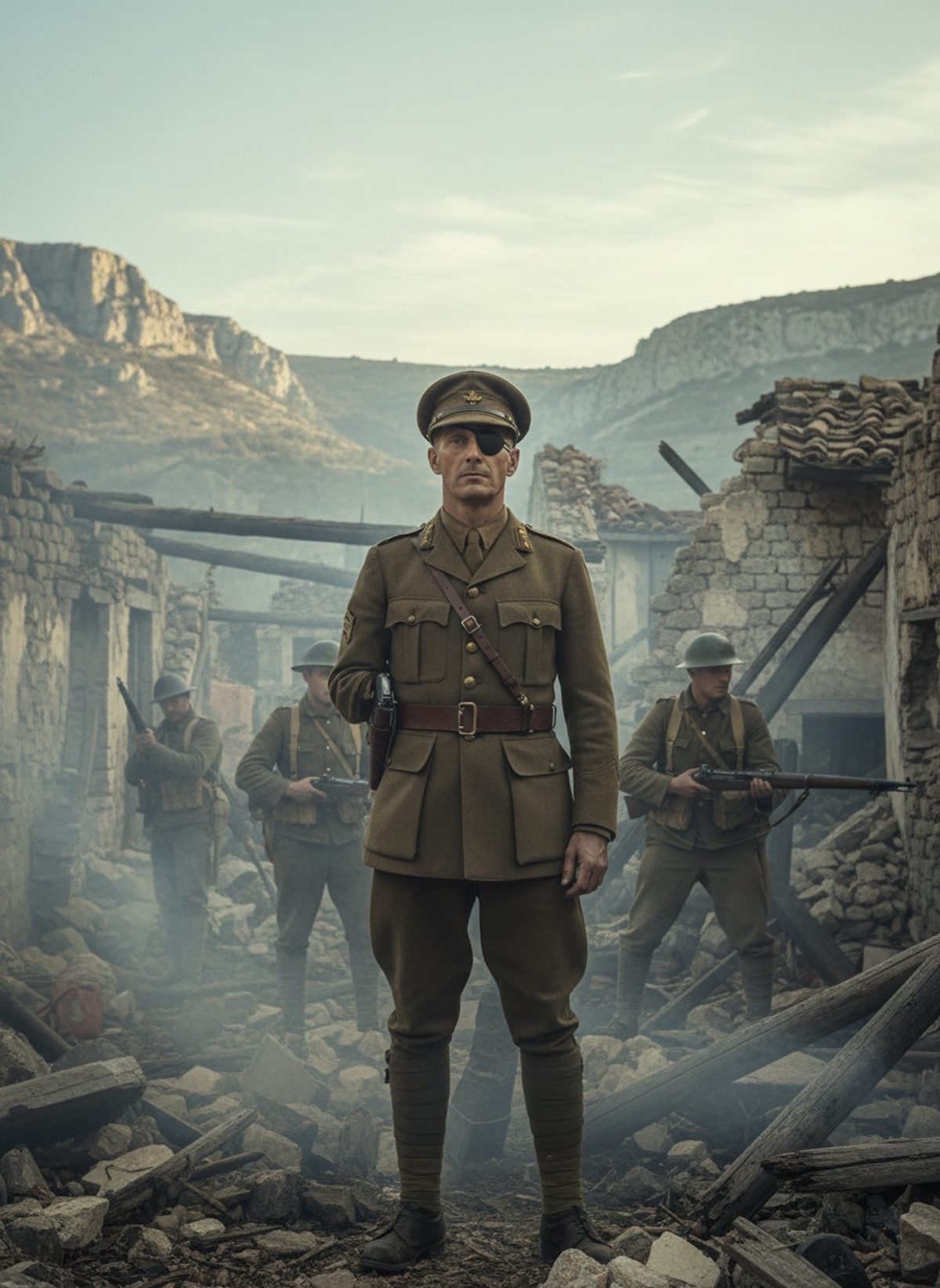
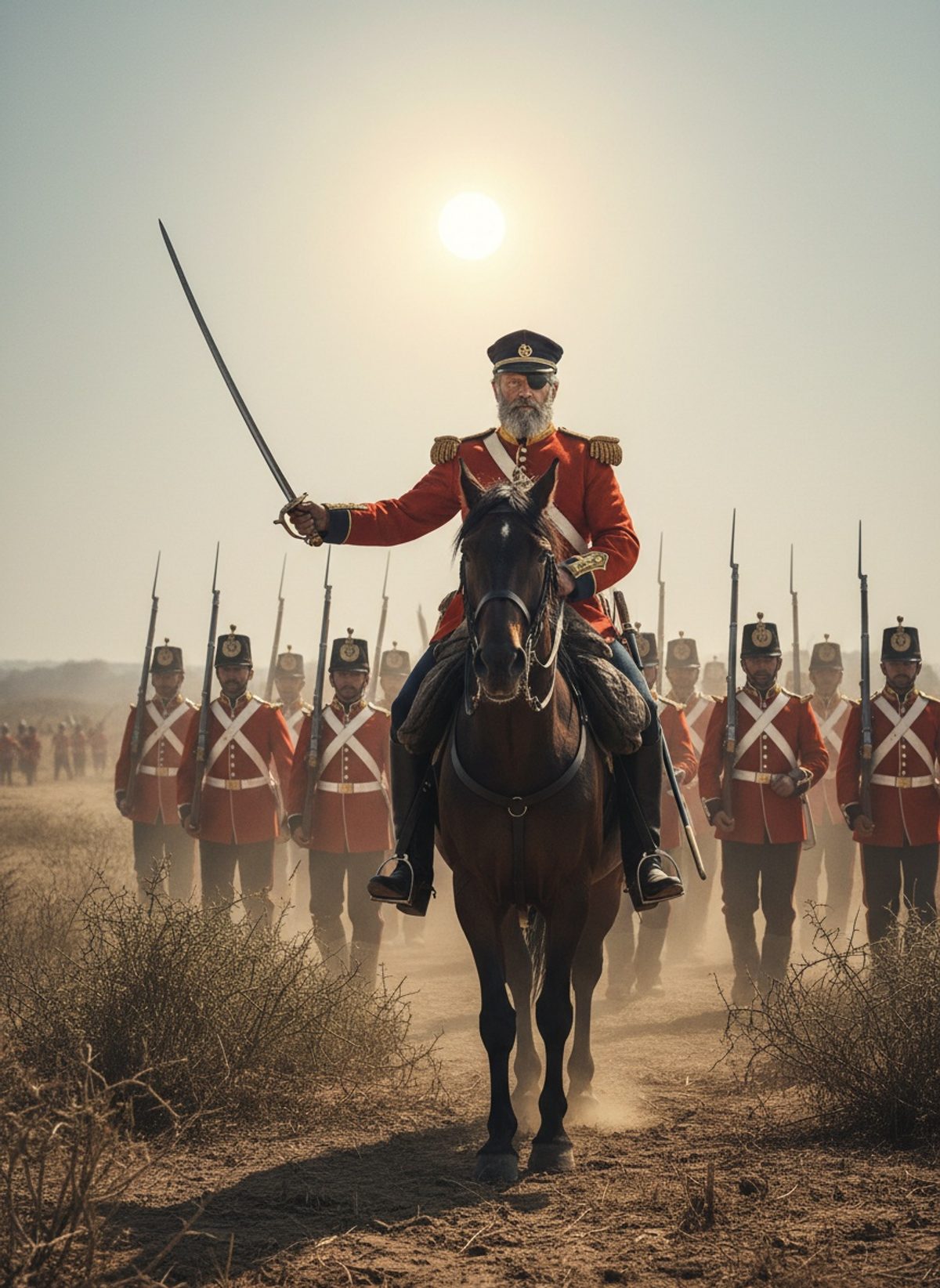
He had one eye, one arm, and no interest in staying back. At 38, Adrian Carton de Wiart charged machine-gun nests on foot. His men followed because their general led from the front.
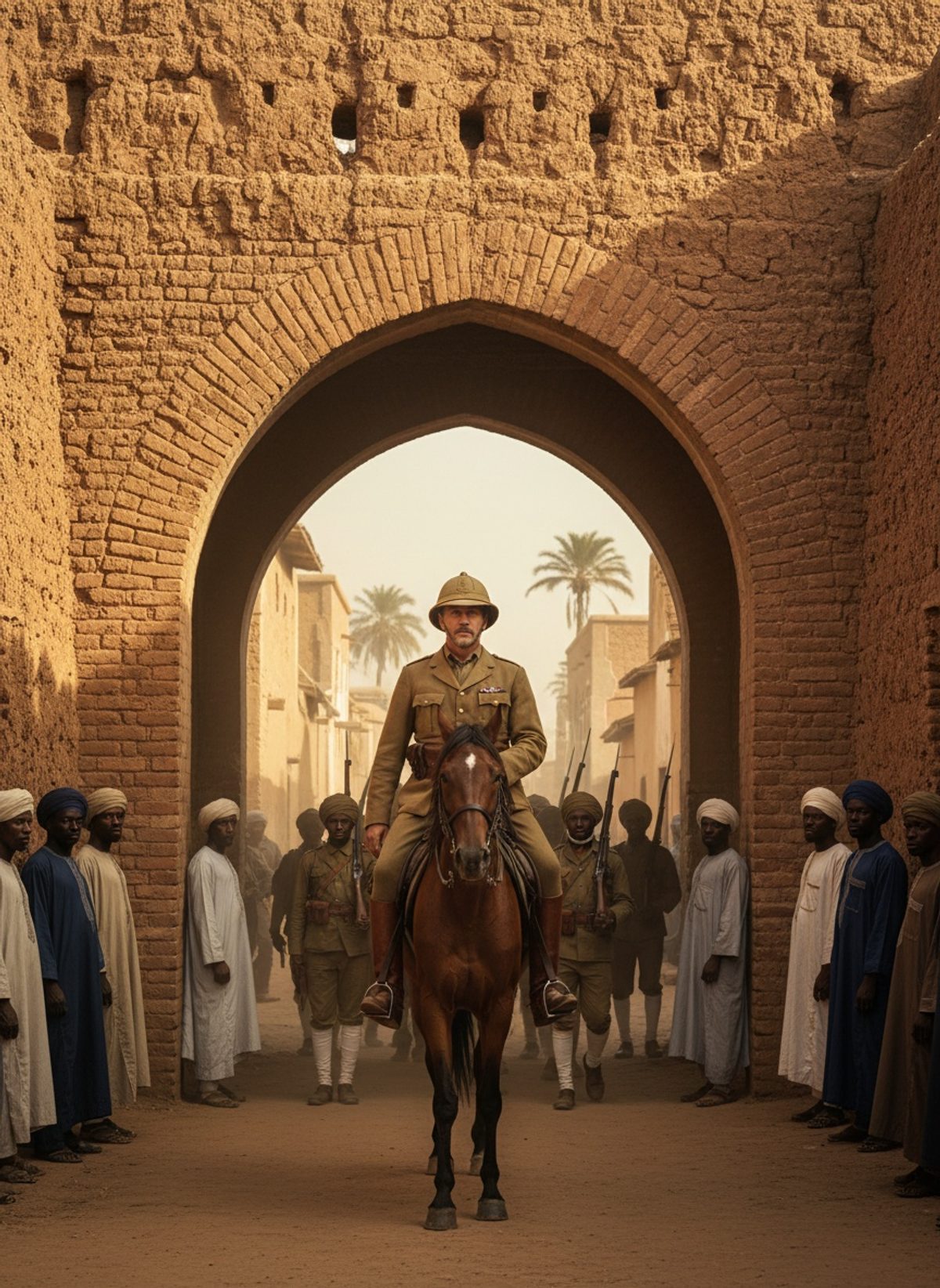
March 1903. Kano fell in a single morning. Frederick Lugard rode through the ancient mud-walled city. He did not burn it. He left its laws intact. He left its rulers in place. He built a nation from the inside out.
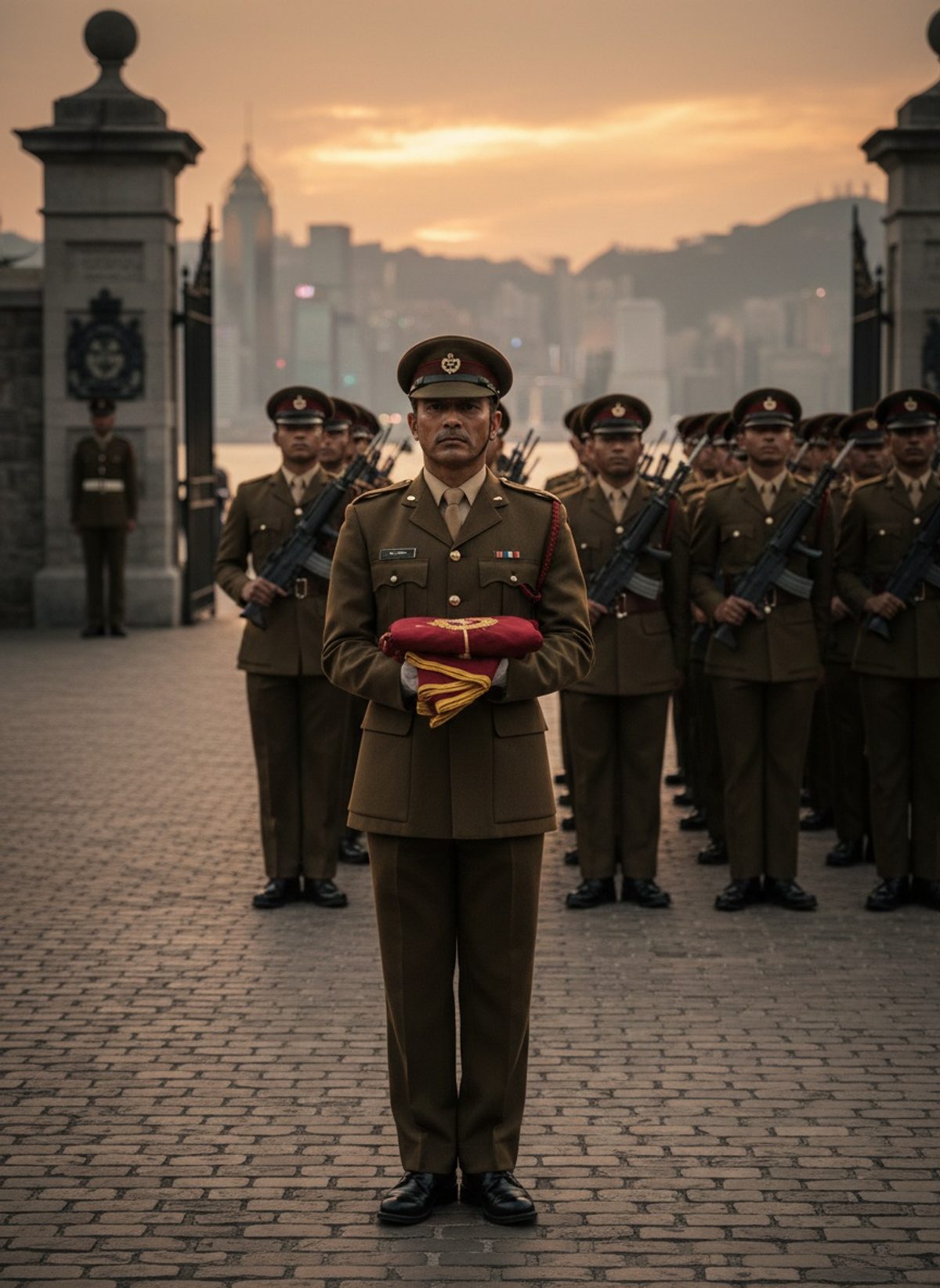
June 1997. The handover was hours away. A company of Queen's Gurkha Engineers formed up one last time. They had served Britain in Hong Kong for fifty years. They folded their colours. Marched out. And that was that.
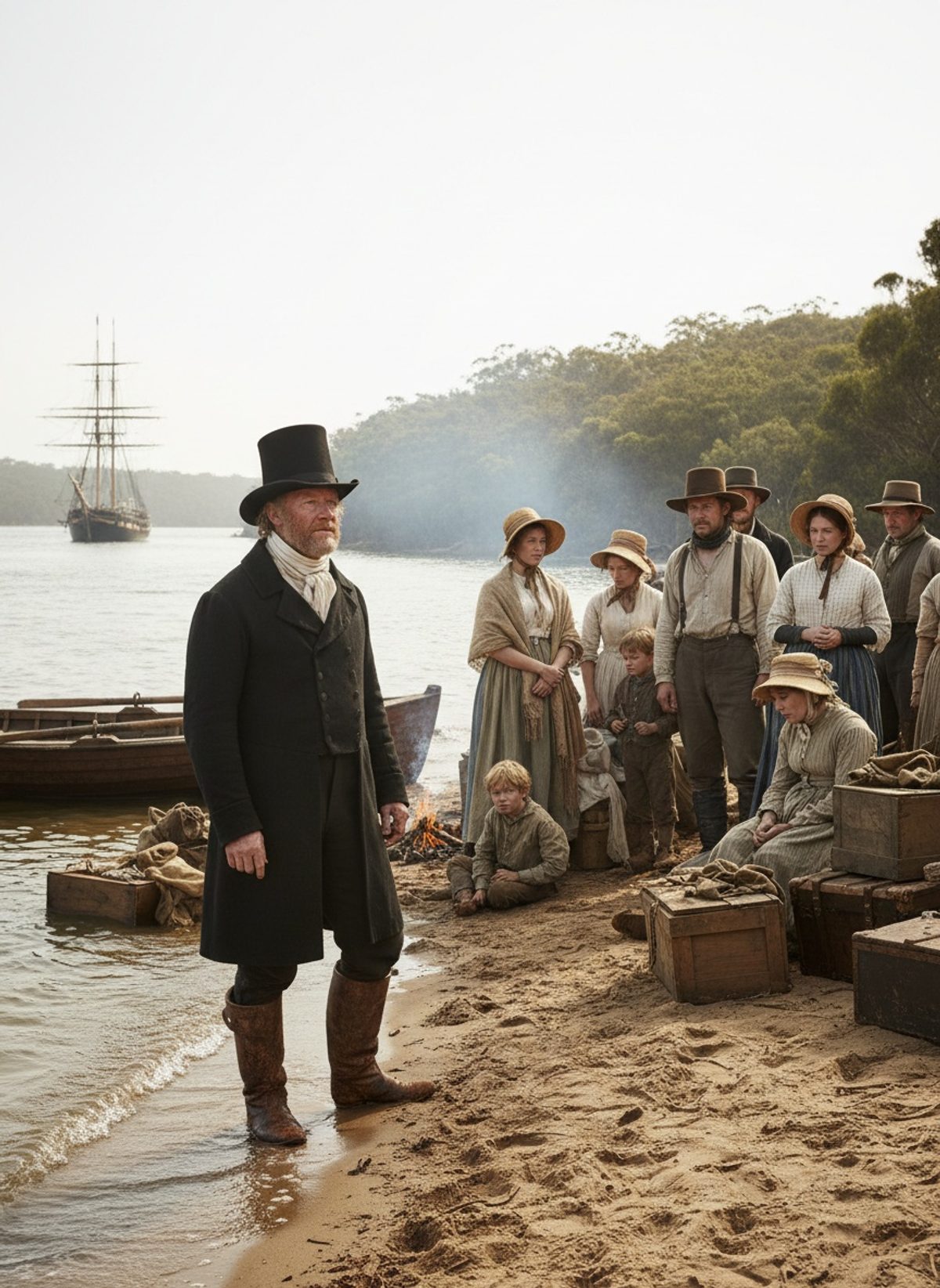
1830. Thomas Peel brought 400 British settlers to Western Australia. They arrived to find no shelter, no roads, no food stores. Just bush. He had promised them paradise. He had delivered wilderness. Many starved. Peel died penniless.
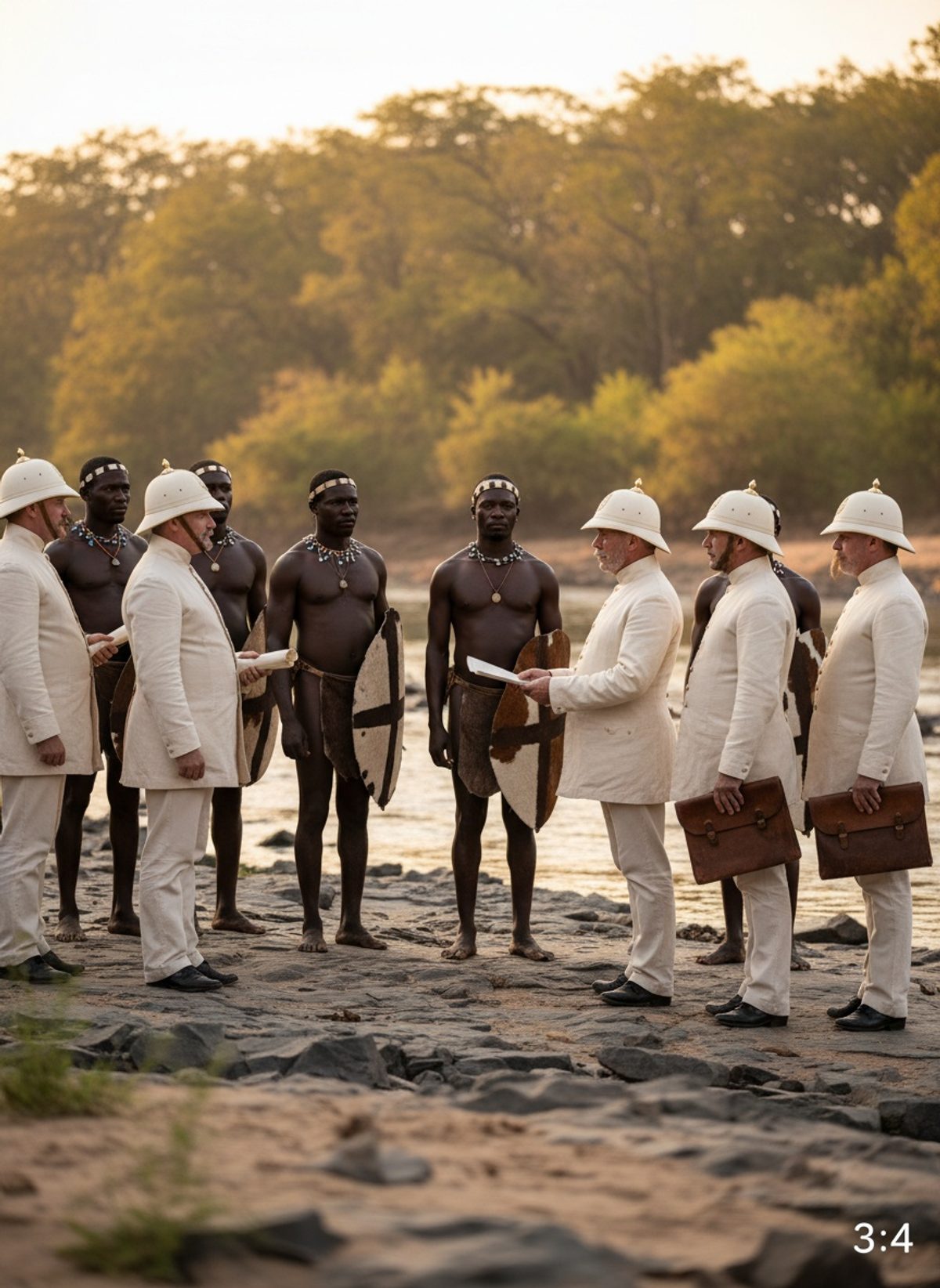
December 1878. A Zulu delegation crossed the Thukela River. Britain handed them an ultimatum. Disband your army. Submit to the Crown. They carried the words home. Cetshwayo refused. War began thirty days later.
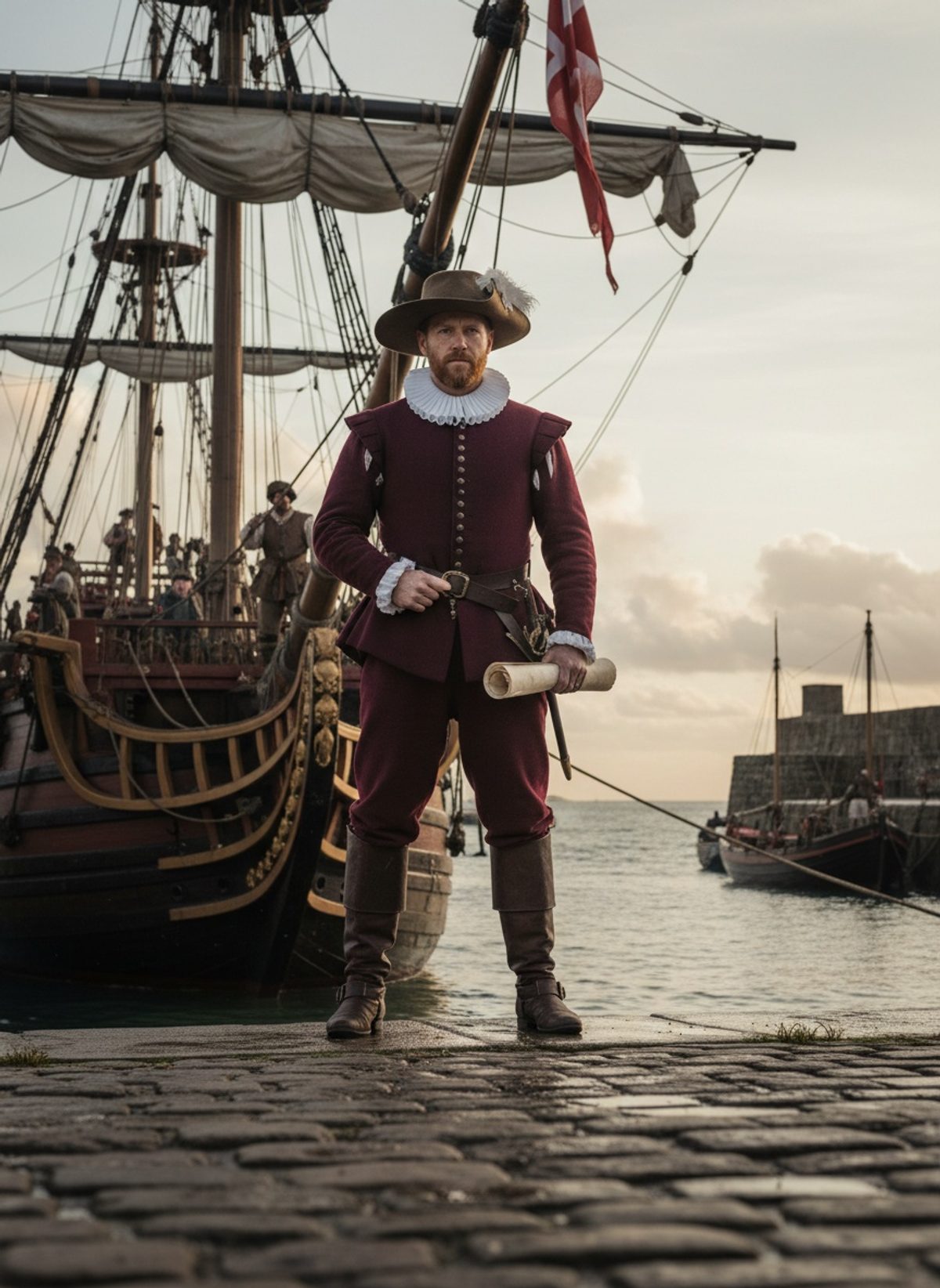
December 1577. Five small ships left Plymouth harbour. Their captain told no one the true destination. Francis Drake was sailing to circumnavigate the globe. England had never done it before. He brought one prayer book and absolute nerve.
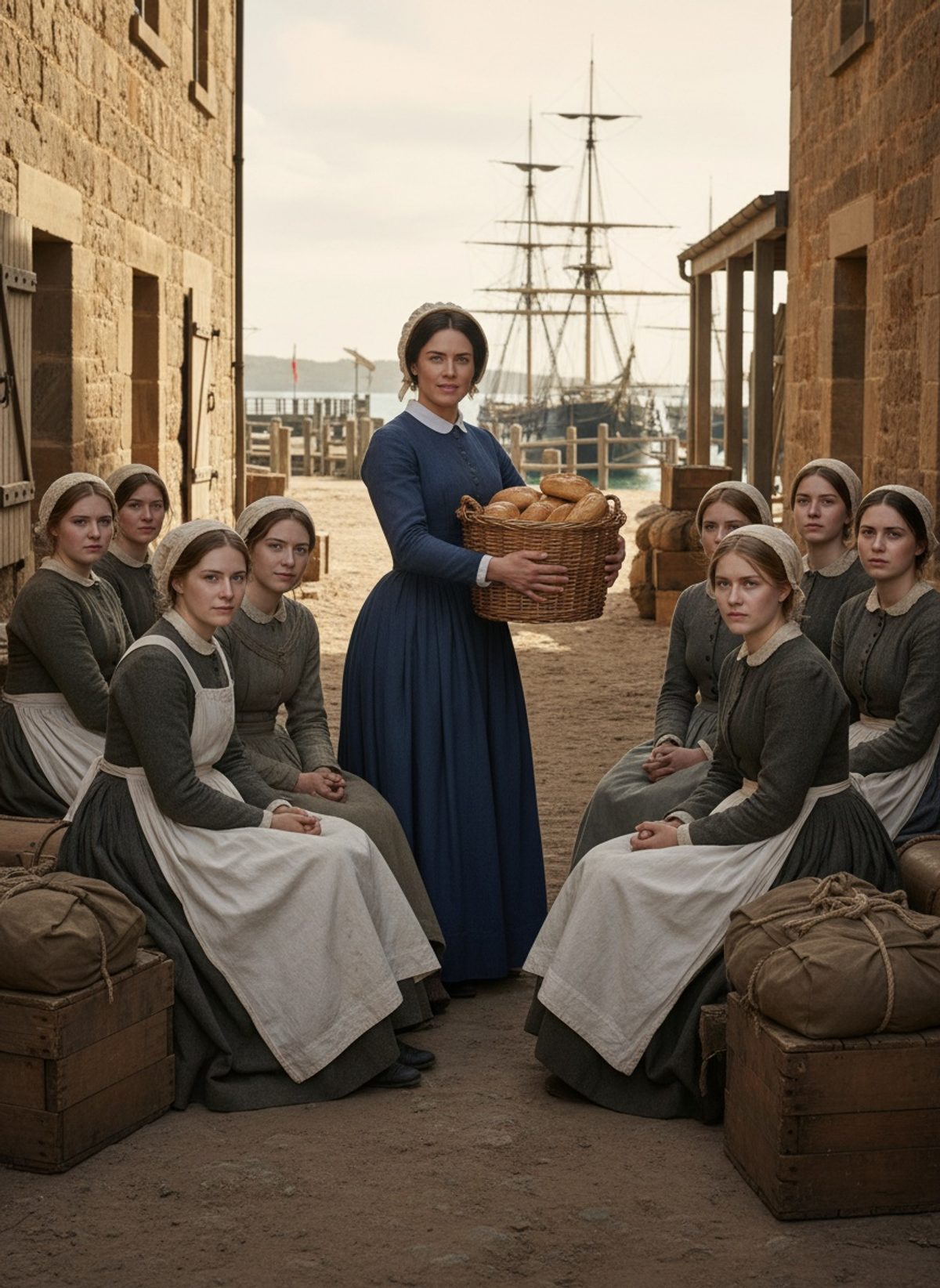
Sydney, 1841. Hundreds of immigrant women arrived with nothing. No shelter. No work. No food. Caroline Chisholm walked into the depot herself. She fed them. Found them work. Saved them. One woman changed a colony.
He was 60 years old, half-blind, and outnumbered ten to one. Napier charged anyway. By sunset, Sindh was British. He reportedly sent London a one-word dispatch: 'Peccavi.' Latin for 'I have sinned.'
After Seringapatam fell, a junior colonel walked in to take command. Nobody thought much of him. Within days, he had restored order where seasoned men had failed. His name was Arthur Wellesley. The world would remember it differently.
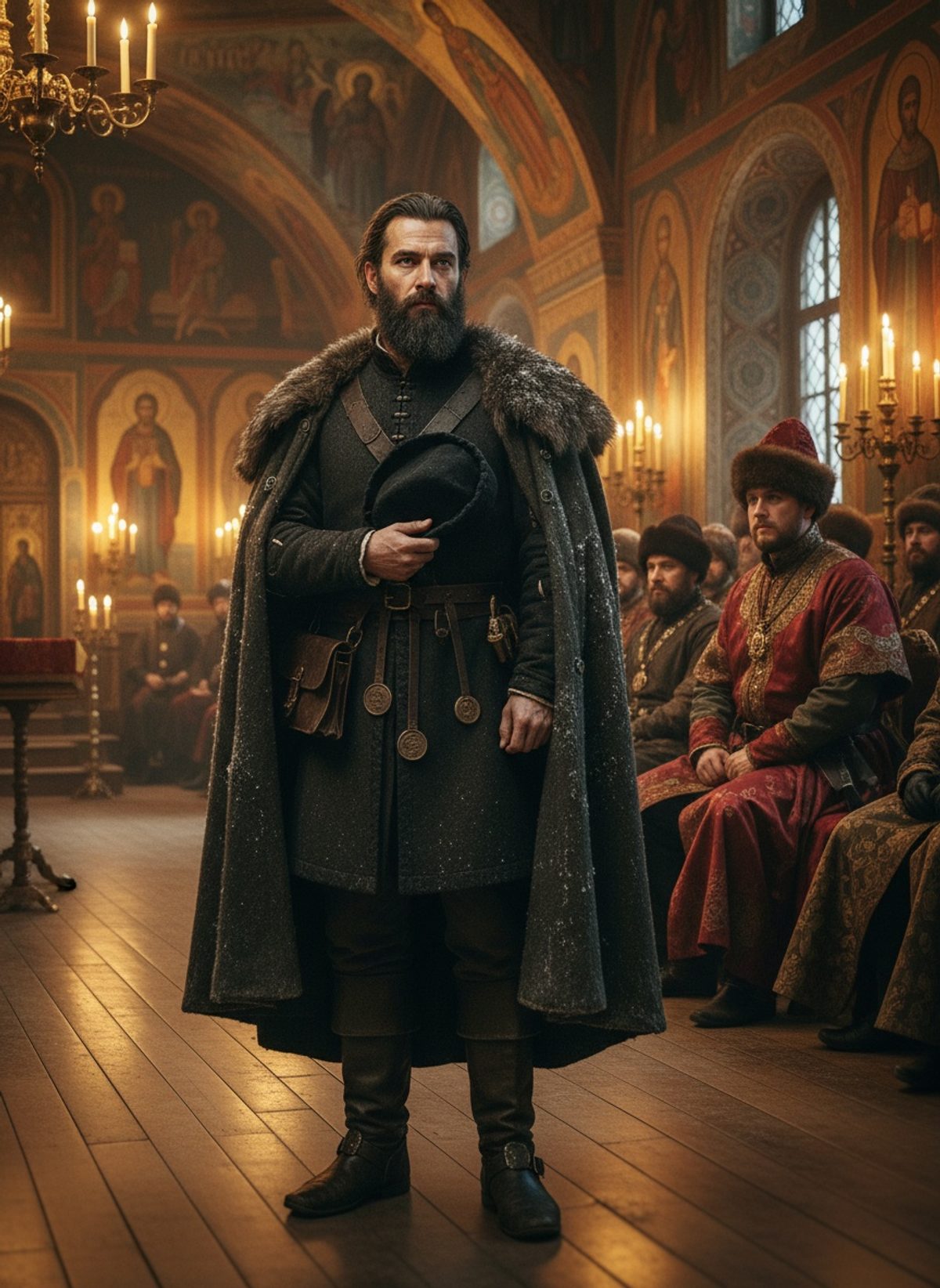
1553. His ships were lost in Arctic ice. Chancellor pressed on alone. He crossed frozen Russia on a horse-drawn sledge. Ivan the Terrible received him in a hall blazing with gold. England had found its back door to the world.
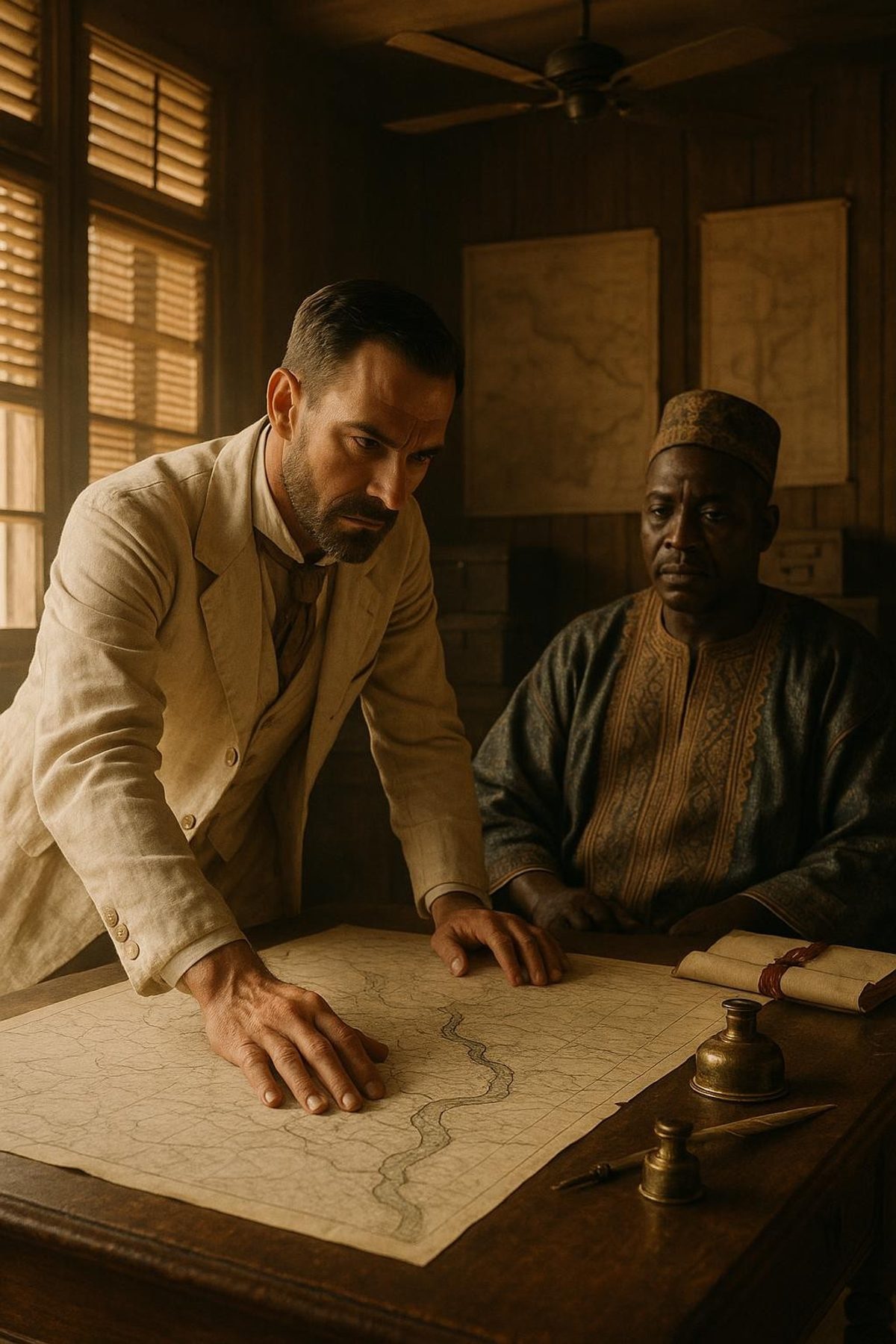
1884. Two French companies held the Niger. Britain's claim was crumbling. George Goldie bought them out. Both of them. In weeks. He handed Whitehall a river. And Britain kept West Africa.
Allahabad, 1904. A woman waited behind a curtain. She had never spoken to a lawyer. Cornelia Sorabji stepped through. She was the first. The widow's land was saved.
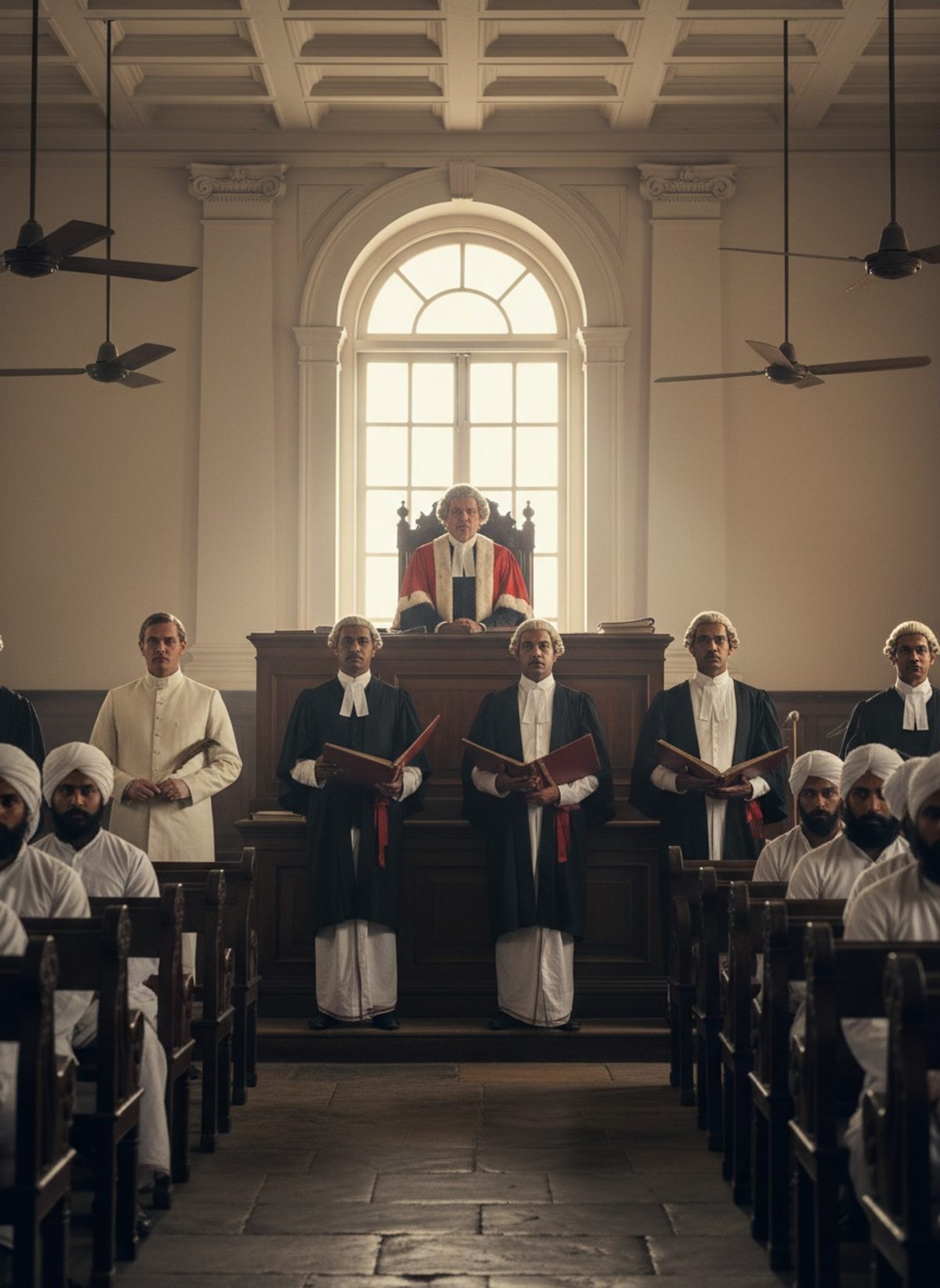
1861. Britain passed the Indian High Courts Act. Ancient subcontinent. One legal framework. Calcutta. Bombay. Madras. Three new High Courts opened their doors. The same rights. The same rules. A legacy still standing today.
He had 317 days to be rescued. The relief column arrived two days late. Gordon knew they were coming. He stood at the window anyway. Some moments can't be changed.
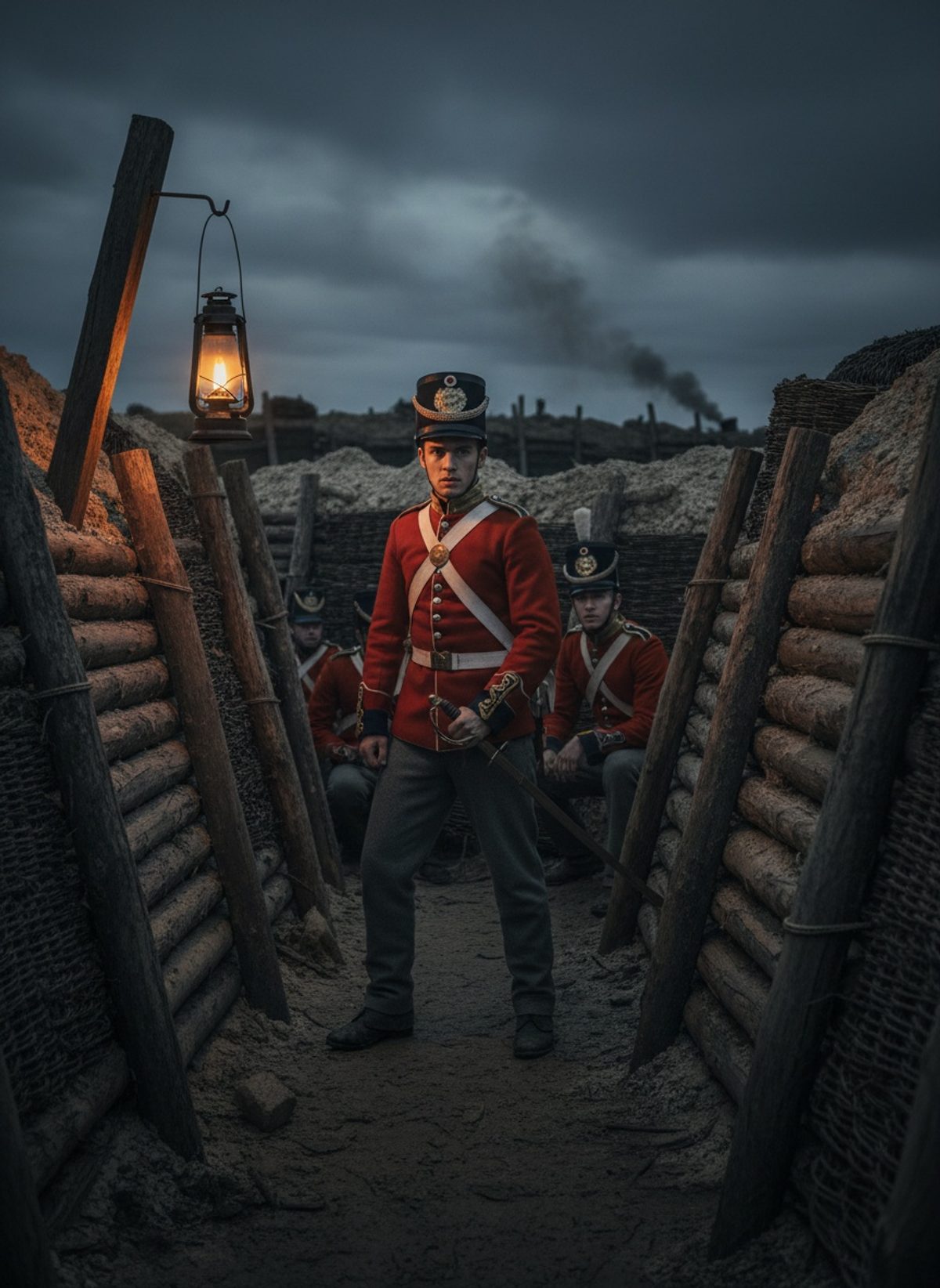
He was warned the trench was a death trap. He went anyway. Captain Hedley Vicars of the 97th led his men into a Russian sortie and never came back. He was 29.
Luke O'Connor defused it with his hands. One wrong move and he was gone. He walked back to his men alive. They gave him the Victoria Cross. He was 19 years old.
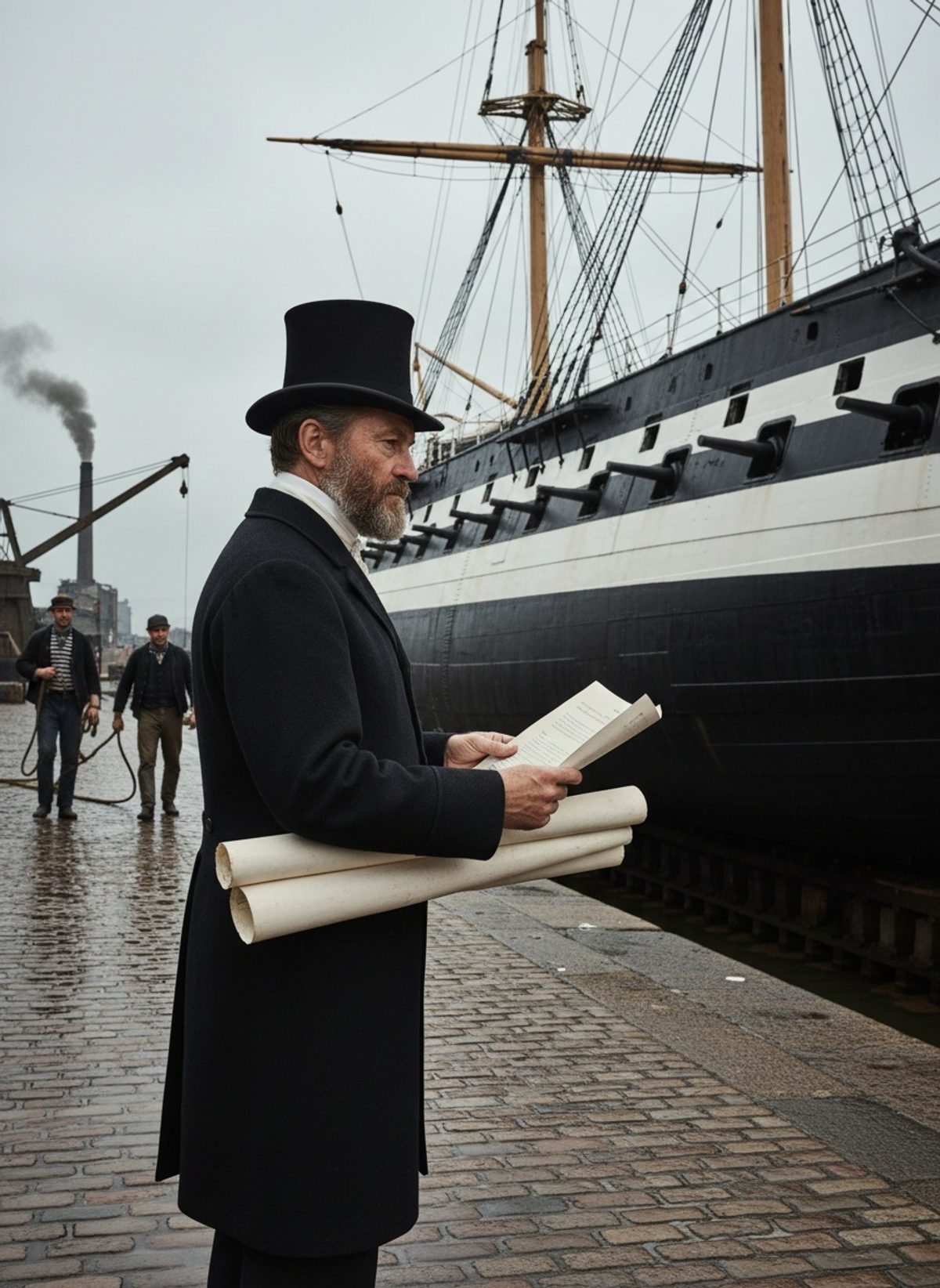
London, 1720. Thomas Guy sold his South Sea Company shares at the peak. Days later, the bubble collapsed. He walked away with a fortune. He spent every penny building a hospital for the sick and dying. He never stopped.
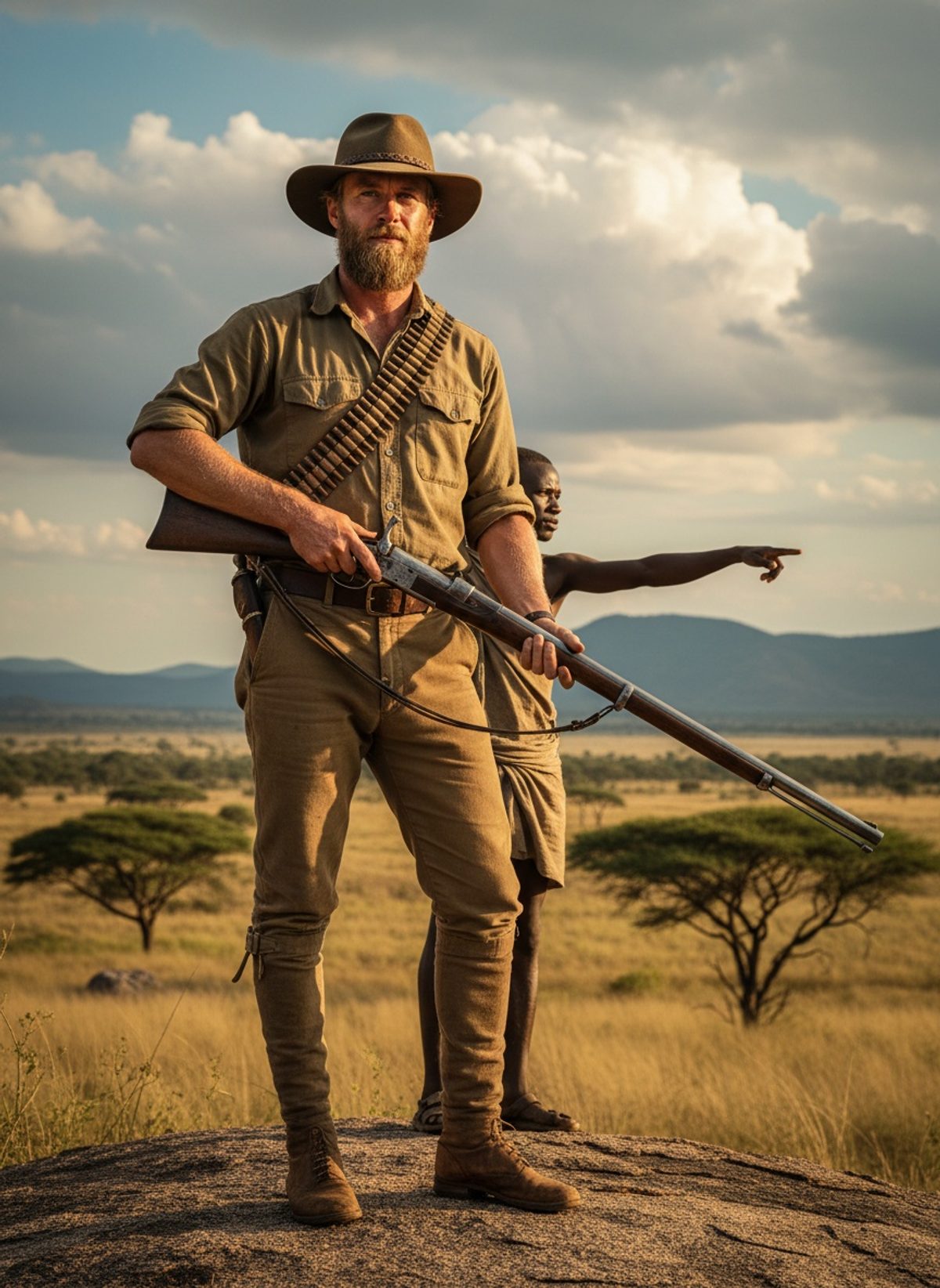
Matabeleland, 1893. The greatest hunter in Africa stood at the edge of a kingdom. Frederick Selous had mapped it alone. No army. No orders. Just a rifle and a promise. Britain would follow where one man walked.
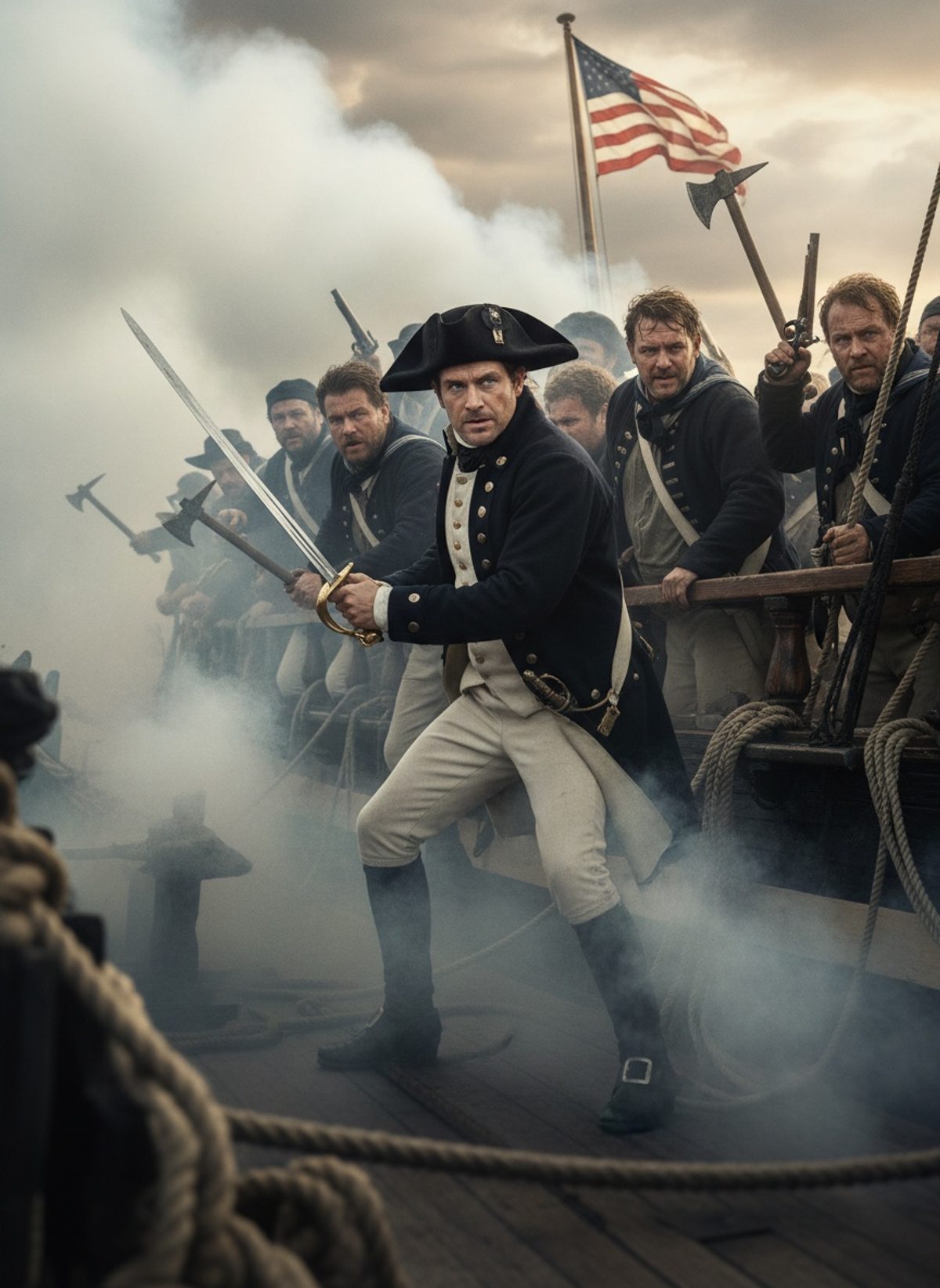
June 1813. HMS Shannon fired one broadside. The USS Chesapeake was crippled in four minutes. Captain Philip Broke leapt aboard himself. Sword in hand. The deck was his. Britain cheered for a week.
Hand-picked from Britain Untold's archive. The stories you weren't taught at school. 3-minute read.
No spam. Unsubscribe in one click. We hate spam too. Privacy Policy.