The British Empire — the forgotten chapters · page 3 of 22
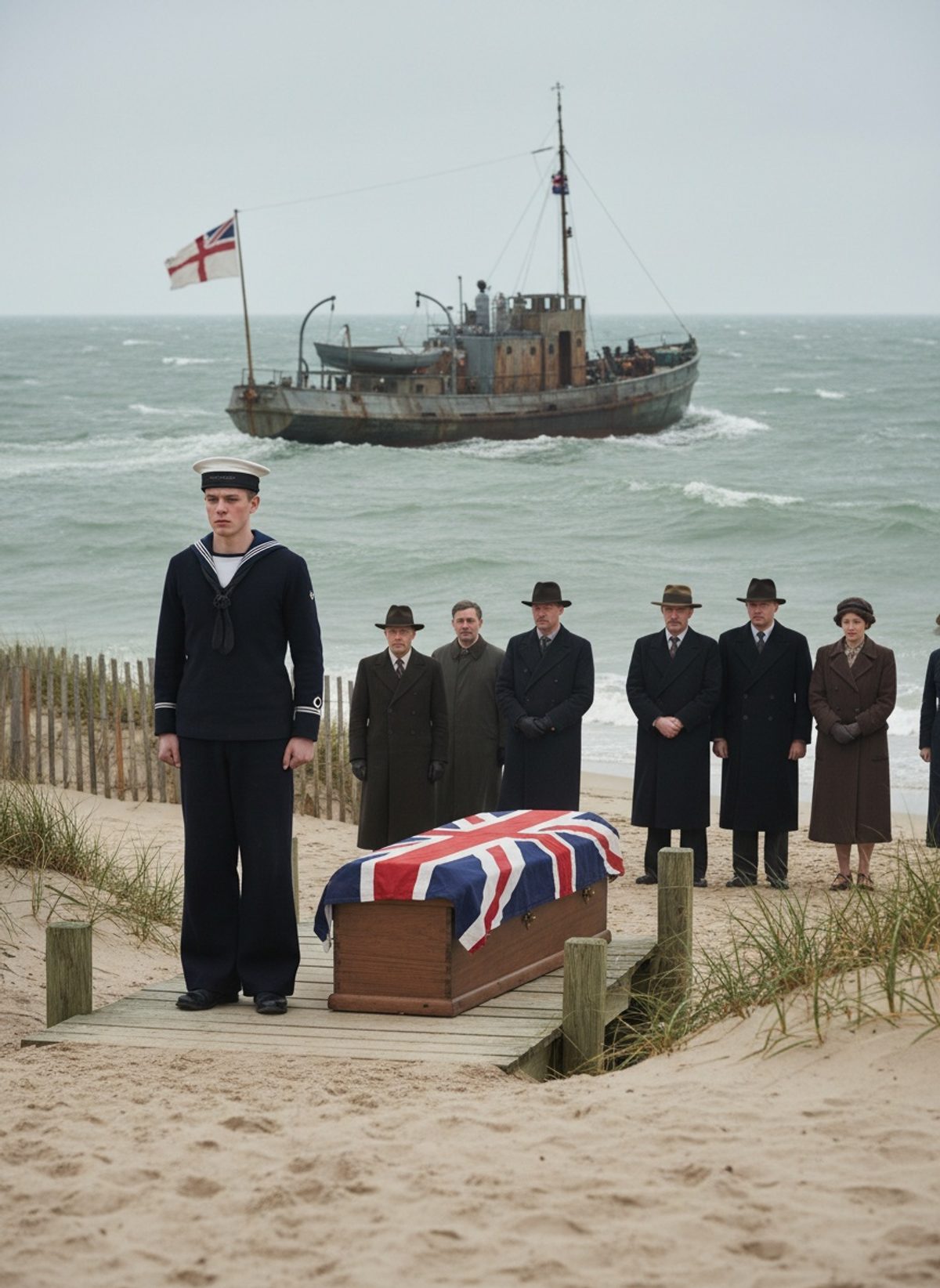
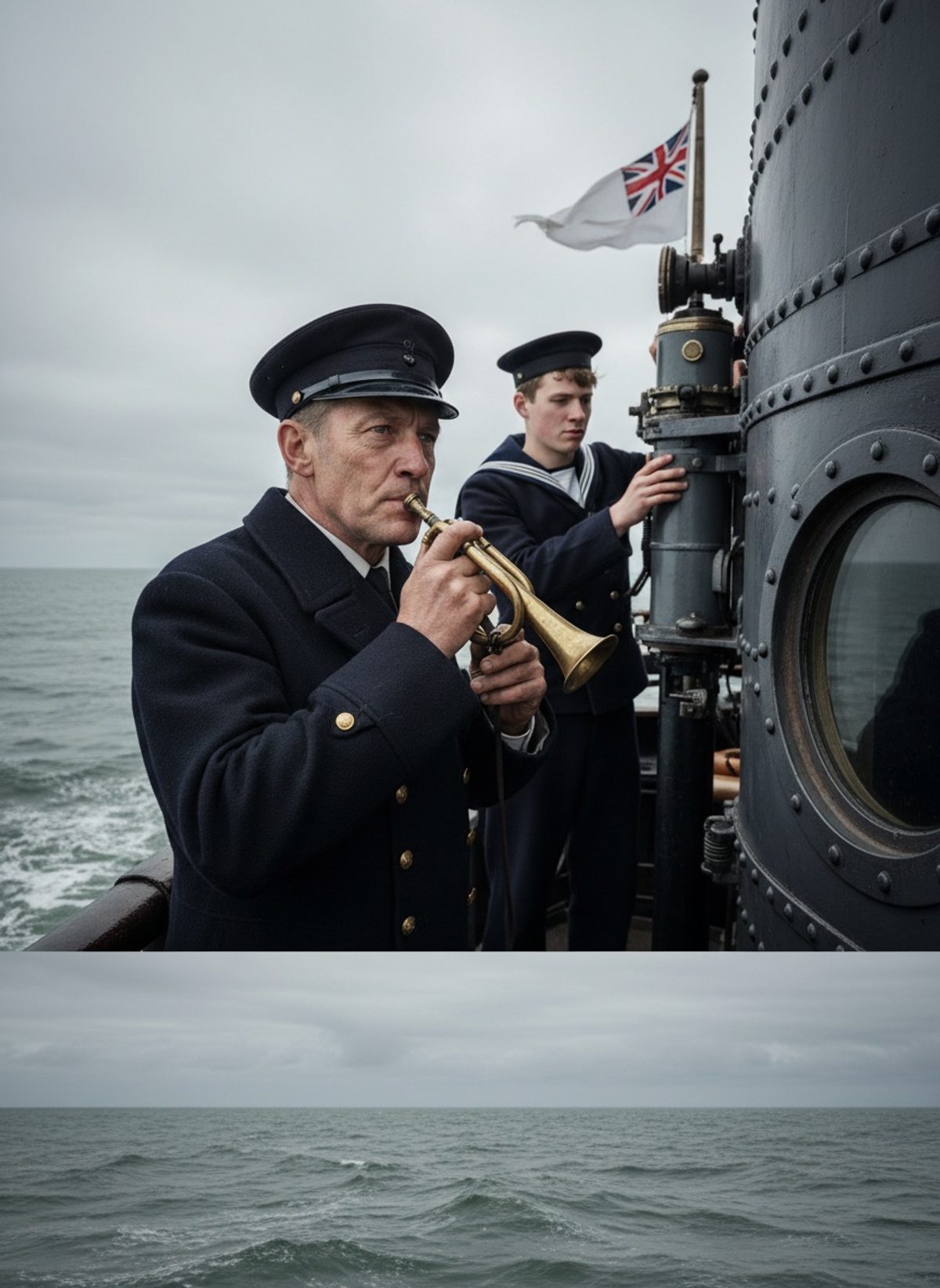
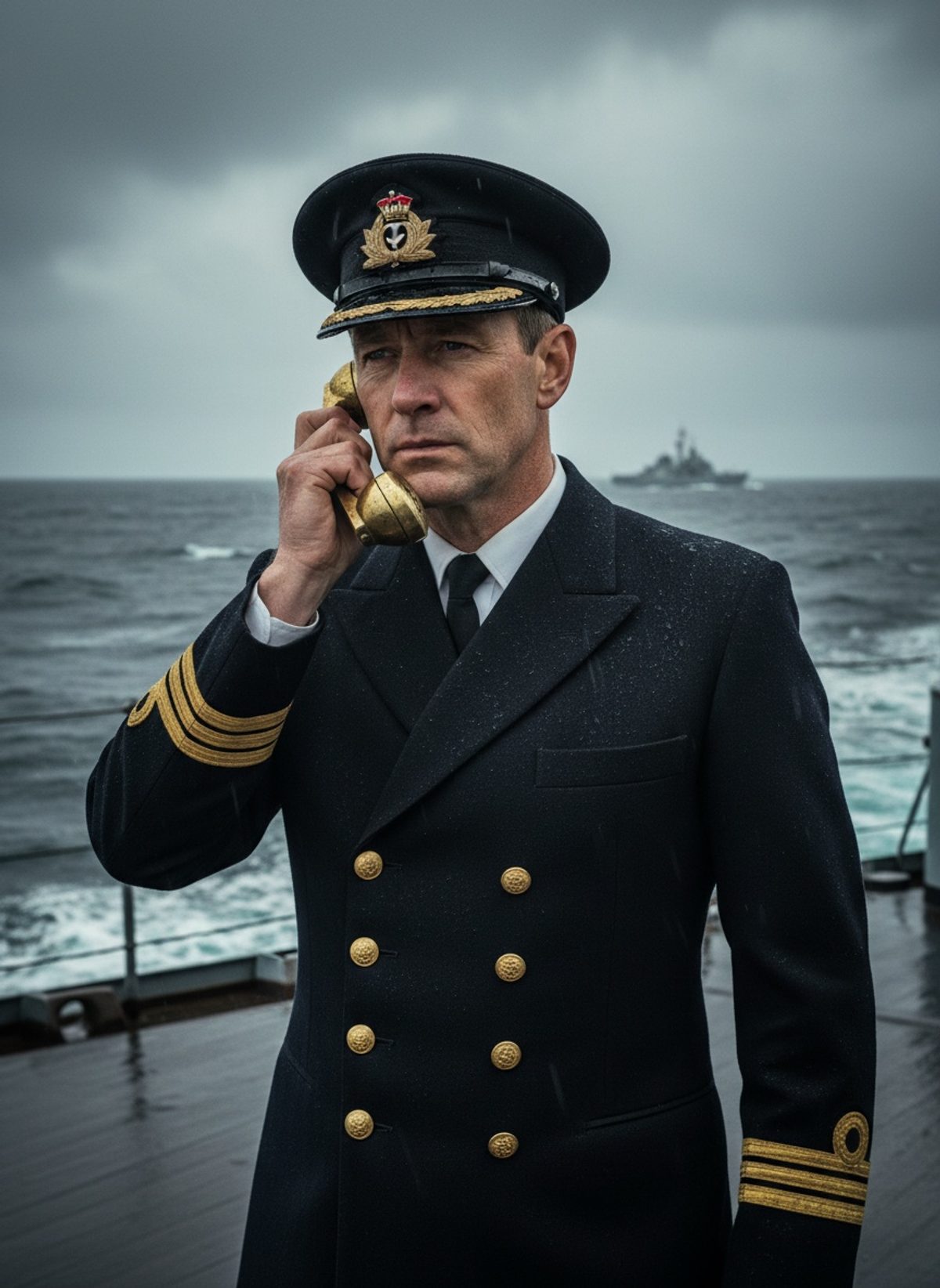
HMS Bedfordshire hunted U-boats off North Carolina. Then U-558 found her first. All 37 men were lost. Days later, the ocean returned four of them to Ocracoke Island. They are still there.
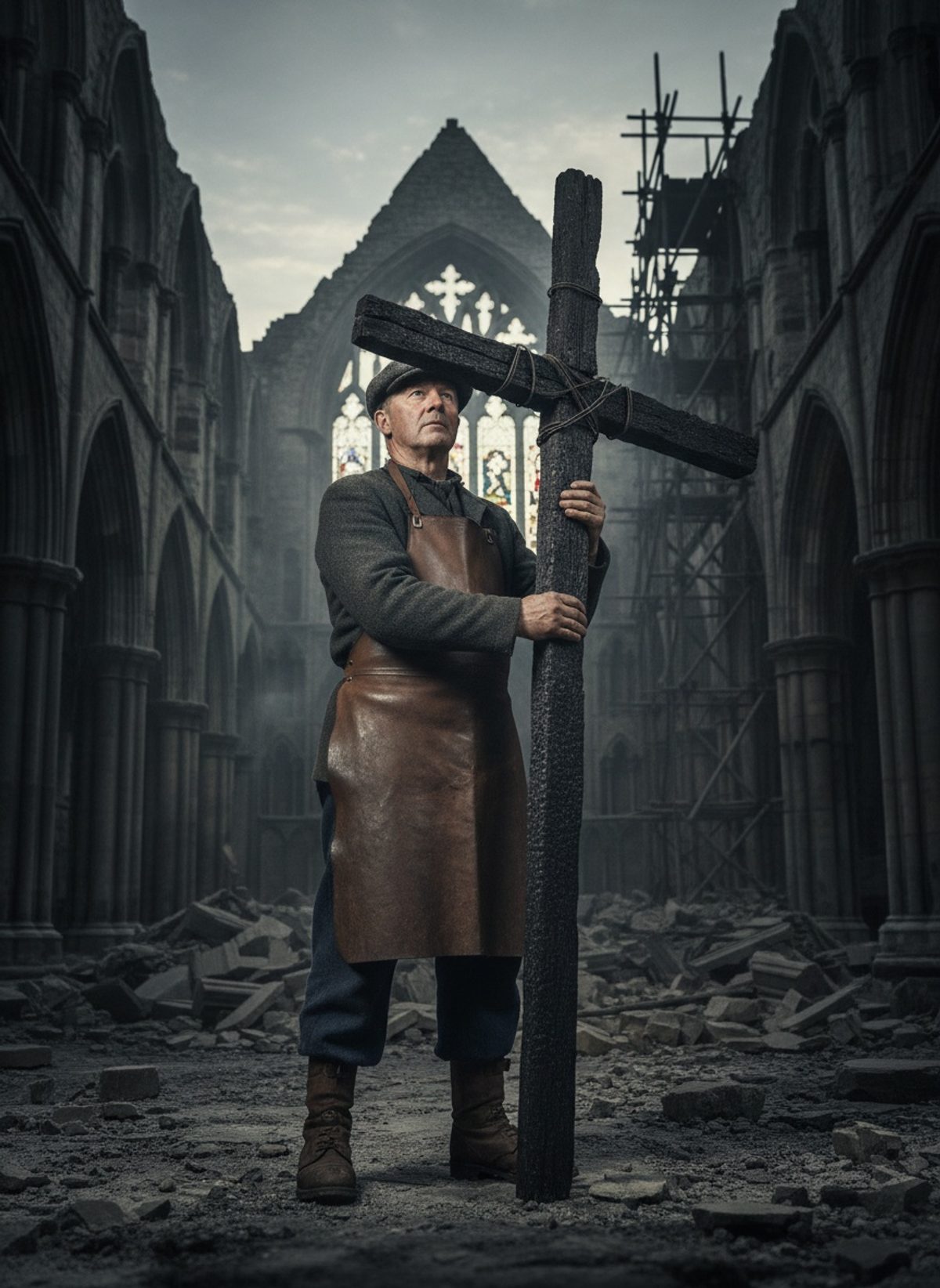
On the night of 14 November 1940, German bombers reduced Coventry Cathedral to a shell. The next morning, its stonemason made a cross from charred roof beams. That cross became a global symbol of forgiveness — not victory.
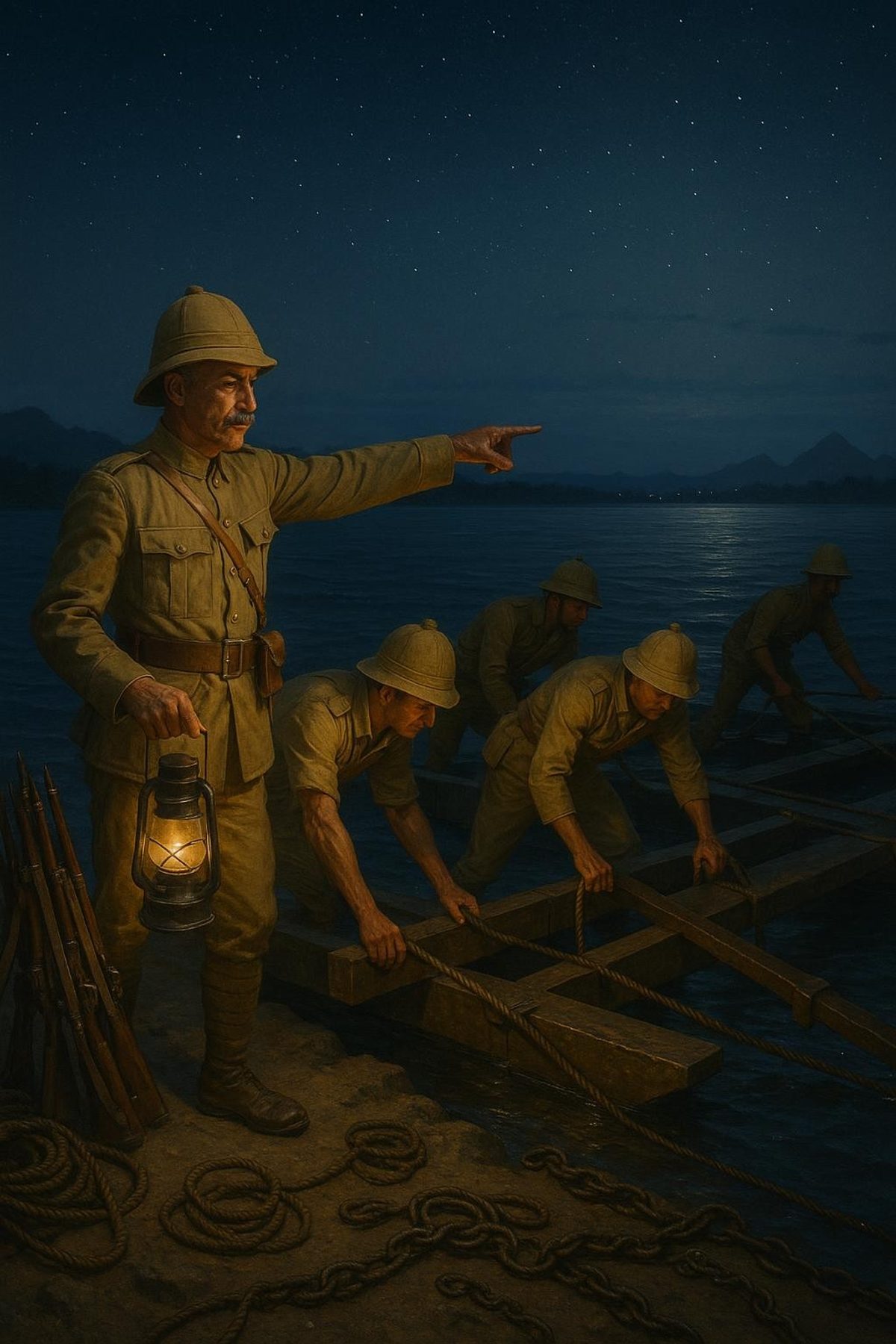
September 1898. Omdurman was won. But the Khalifa's army still held the far bank. Kitchener needed his men across by dawn. The Royal Engineers built a pontoon bridge across the Nile in darkness. By sunrise, an army walked over it.
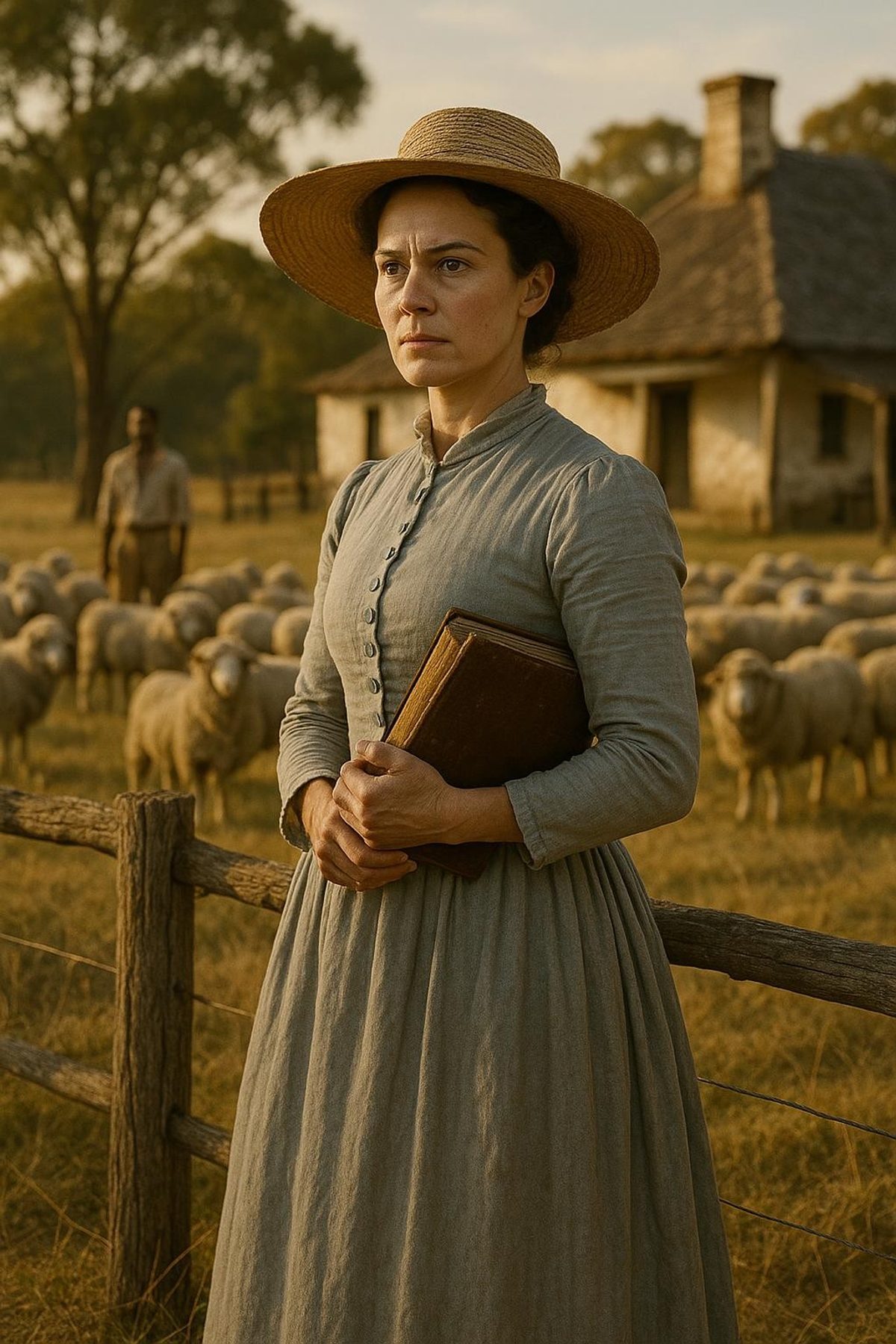
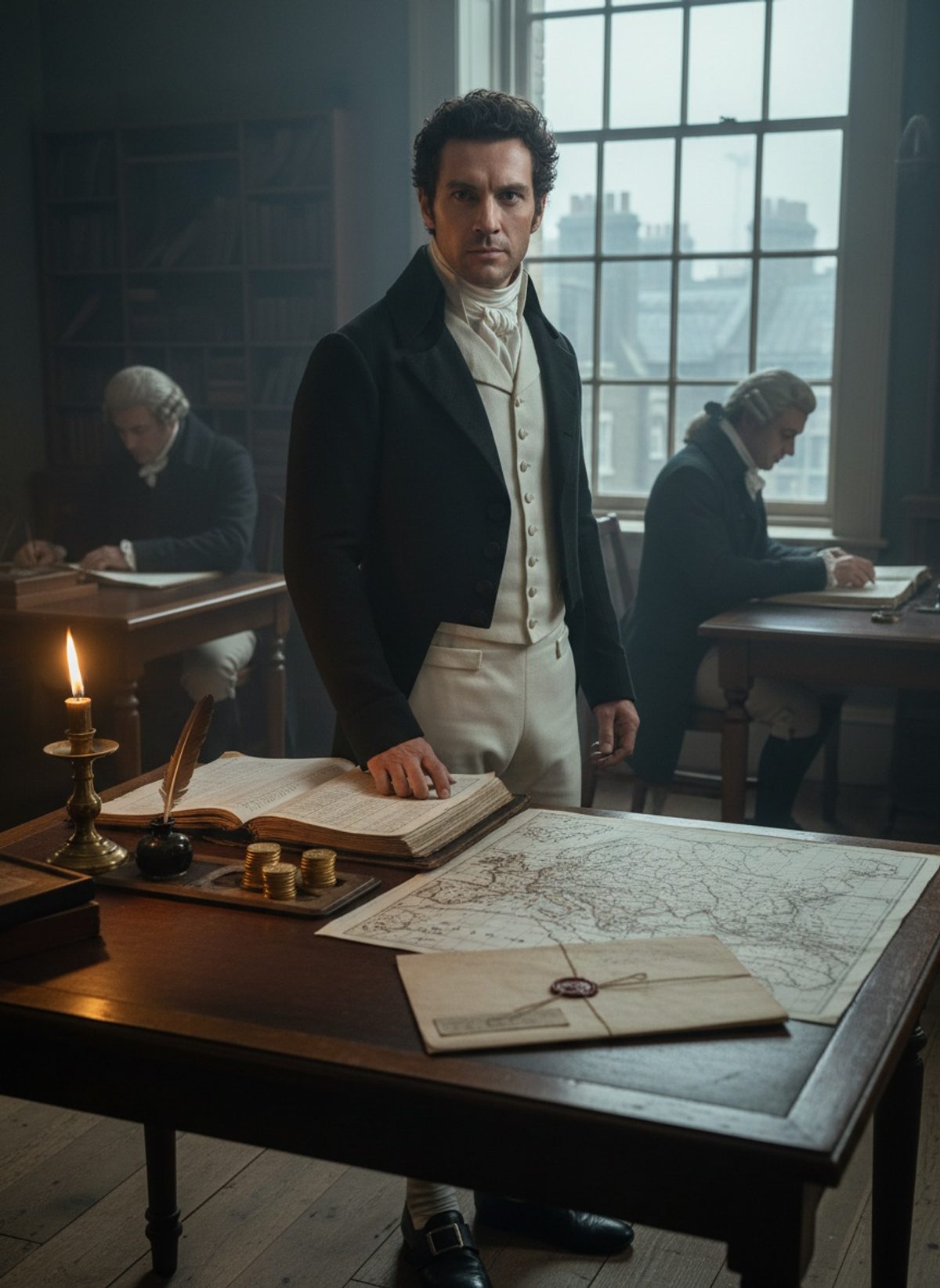
1801. John Macarthur had sailed back to England under arrest. His wife Elizabeth was left alone at Parramatta. She ran the sheep station. She expanded the flock. She kept the wool clip alive for eight years. Alone.
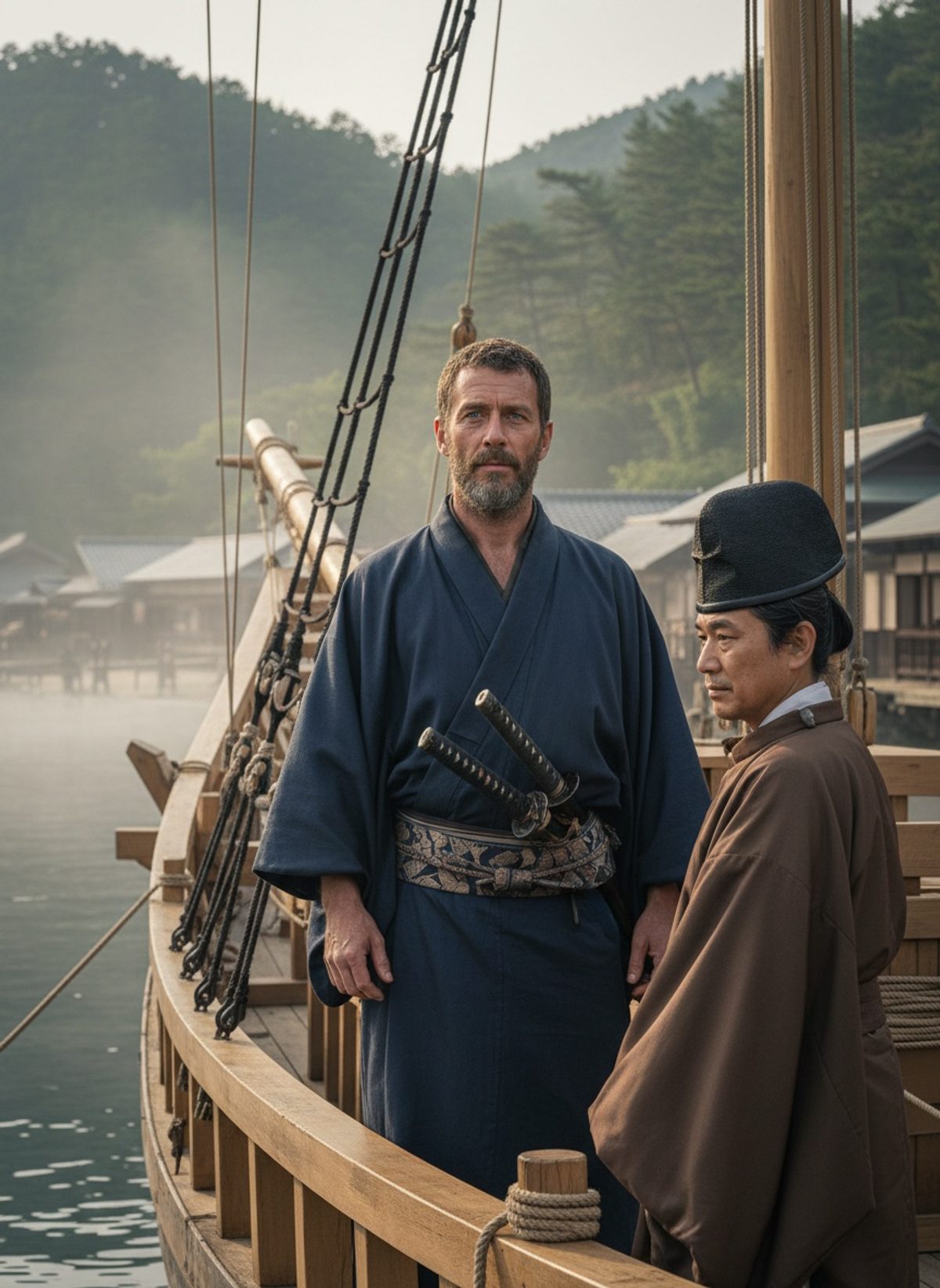
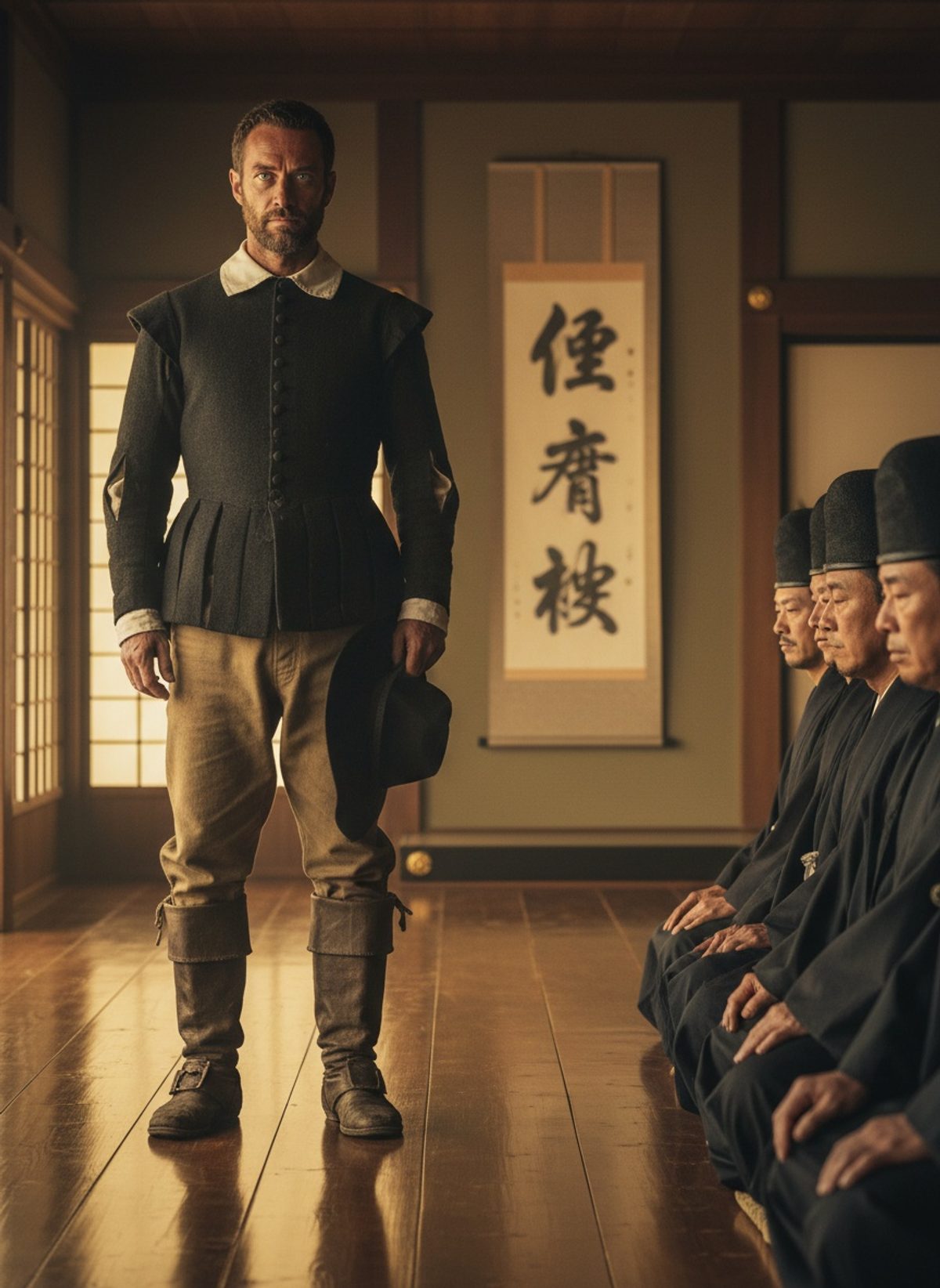
1605. William Adams had sailed from Gillingham as a navigator. He never reached his destination. Japan kept him. The Shogun made him a samurai. He built Japan's first Western warships. England called. He stayed.
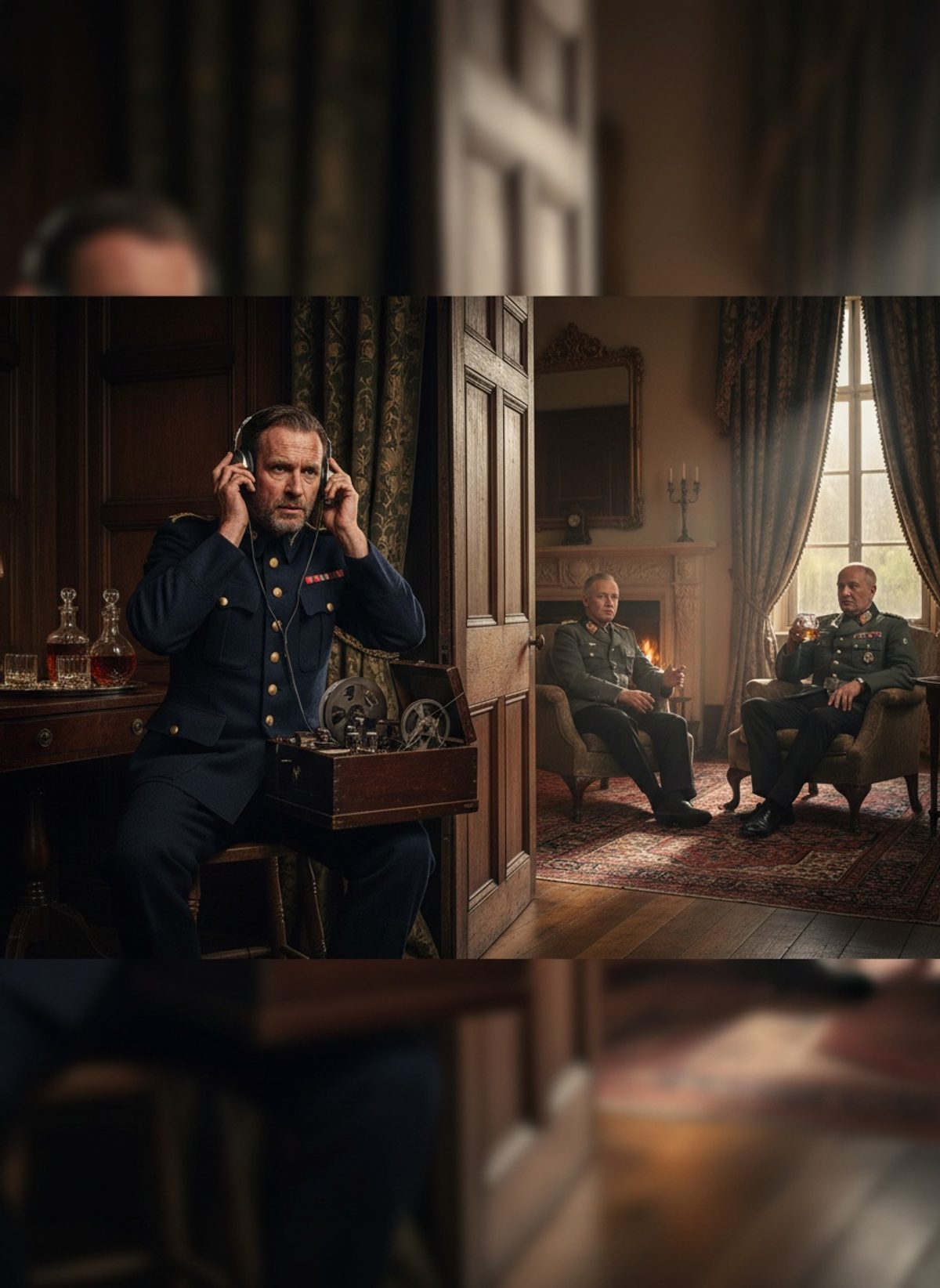
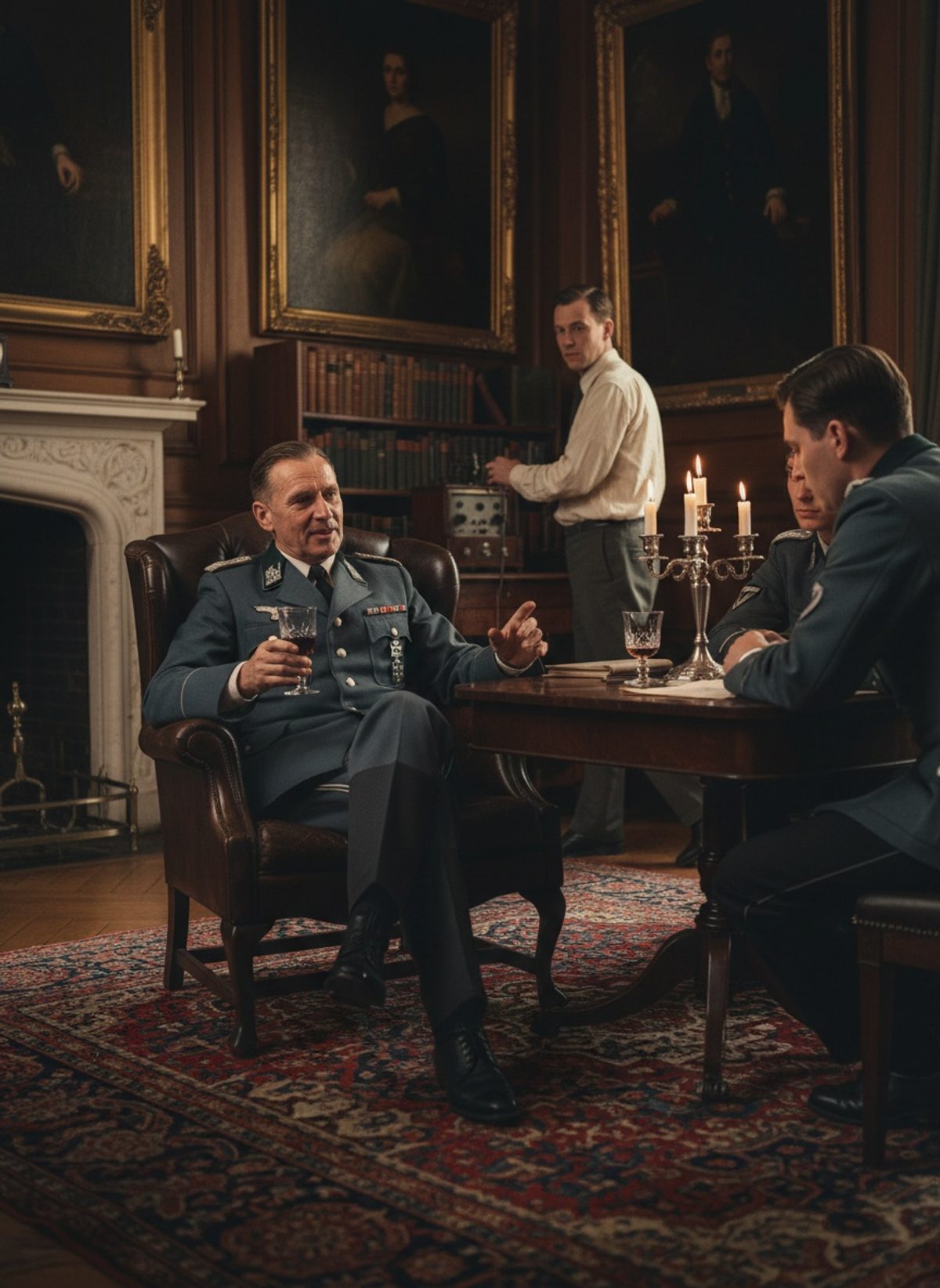
Britain needed German generals to talk. So it gave them brandy, fine china, and hidden microphones. CSDIC bugged three country houses and let the prisoners do the rest.
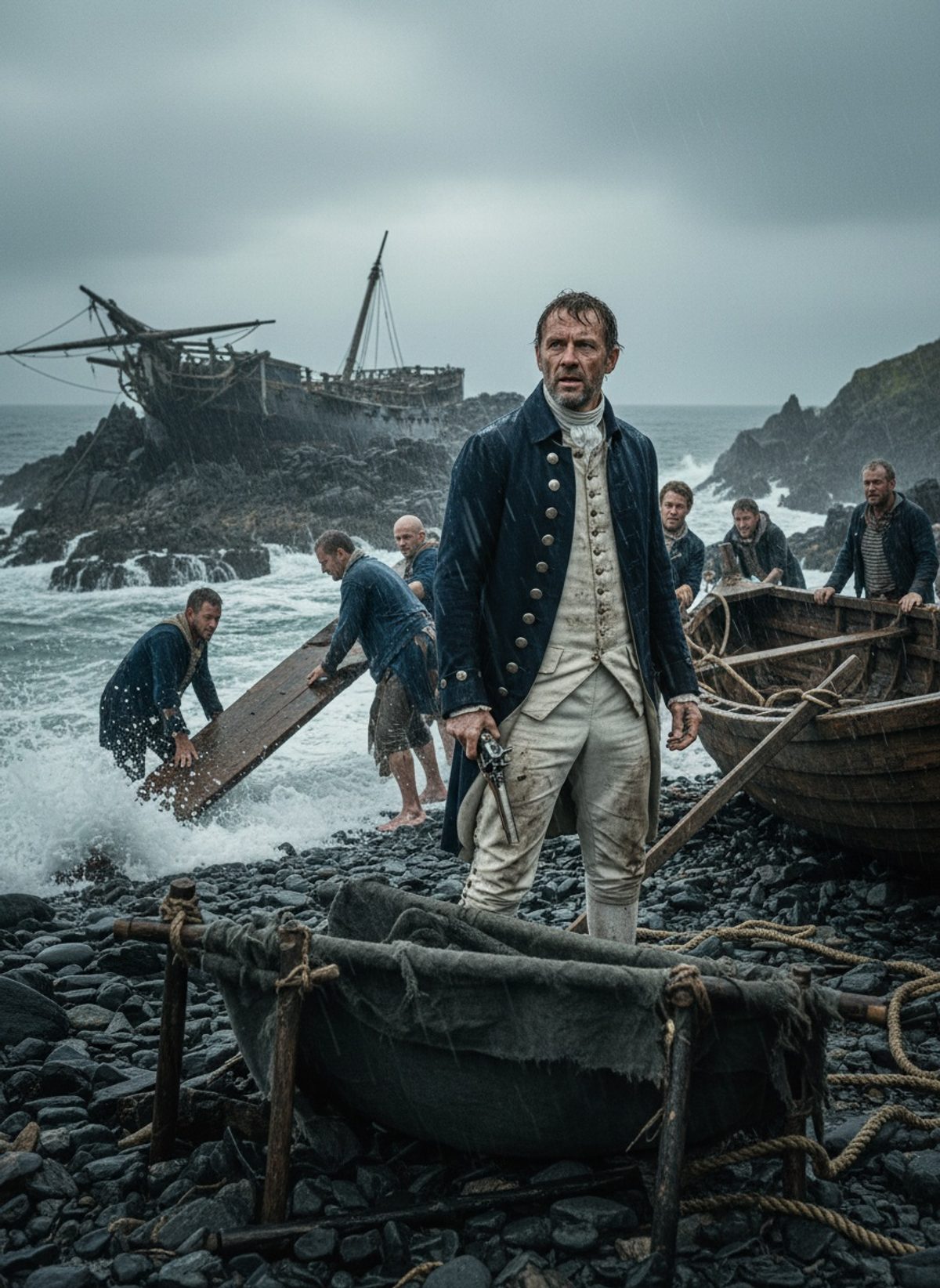
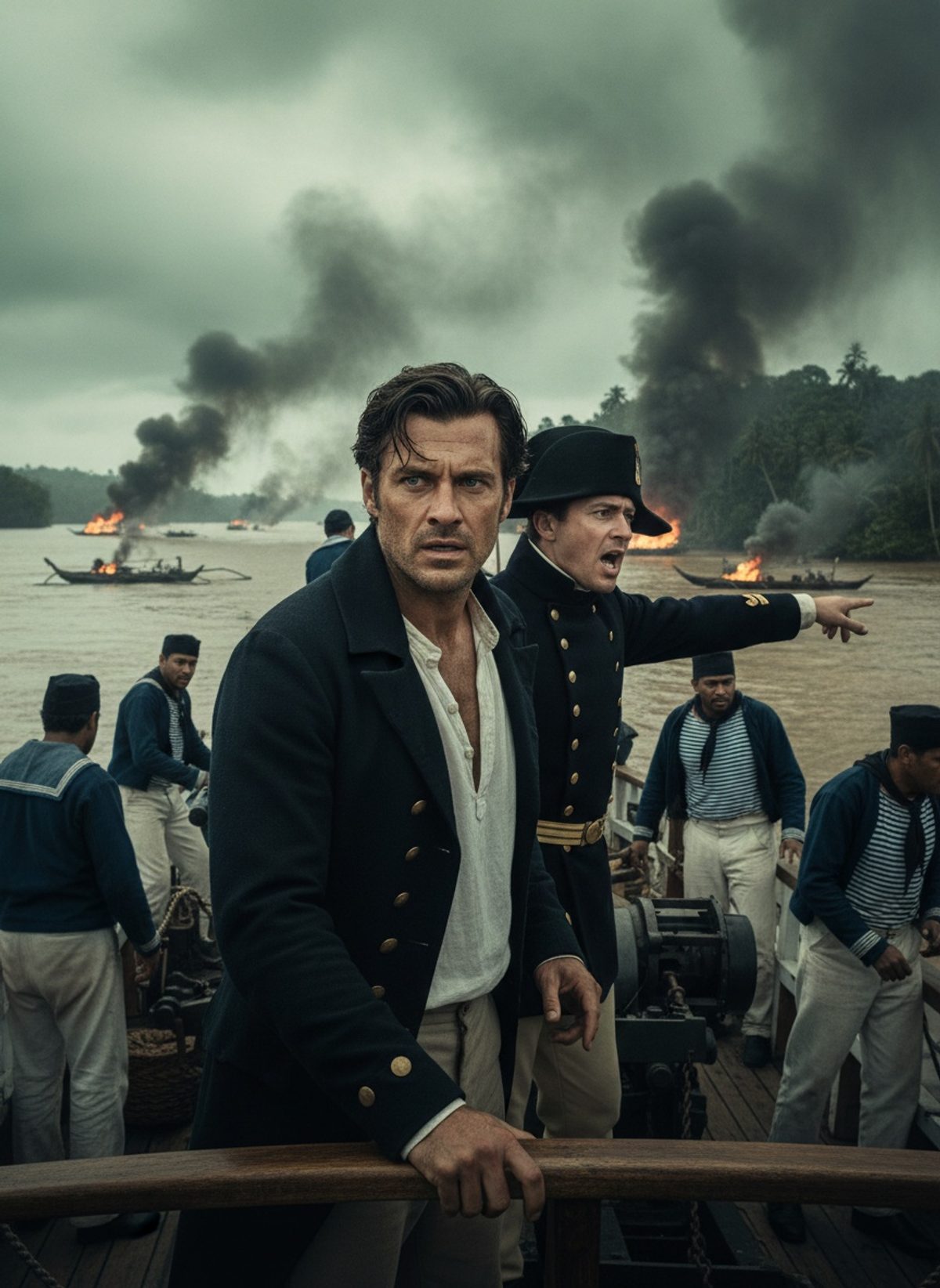
Their warship broke apart on a Patagonian rock. 140 men made it ashore. What happened next would end in mutiny, murder, and a court martial that shook the Royal Navy to its core.
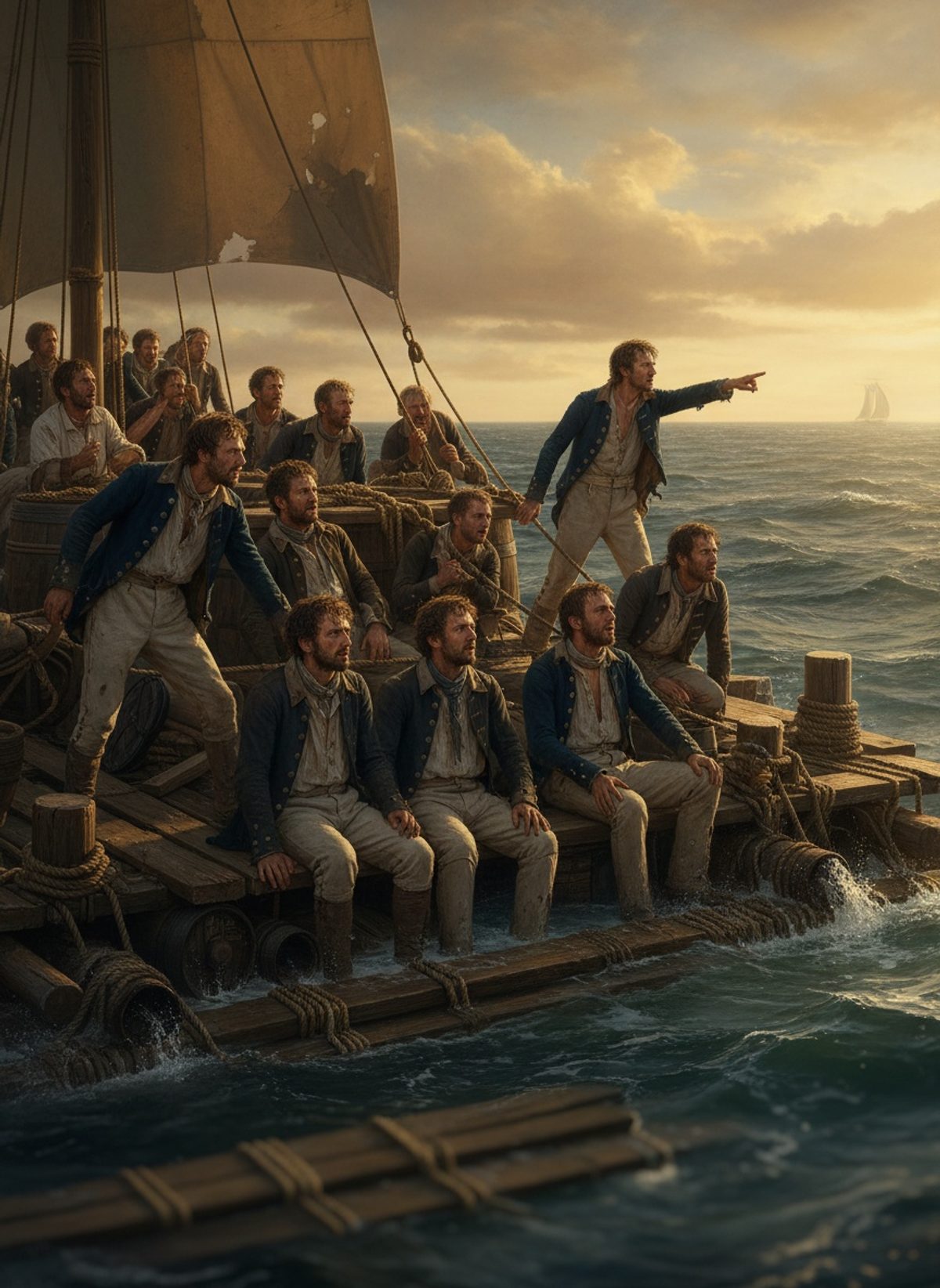
July 1816. The French frigate Medusa ran aground off West Africa. The captain abandoned 147 men on a raft. They had food for days. They survived for thirteen. Britain watched — and the world never forgot.
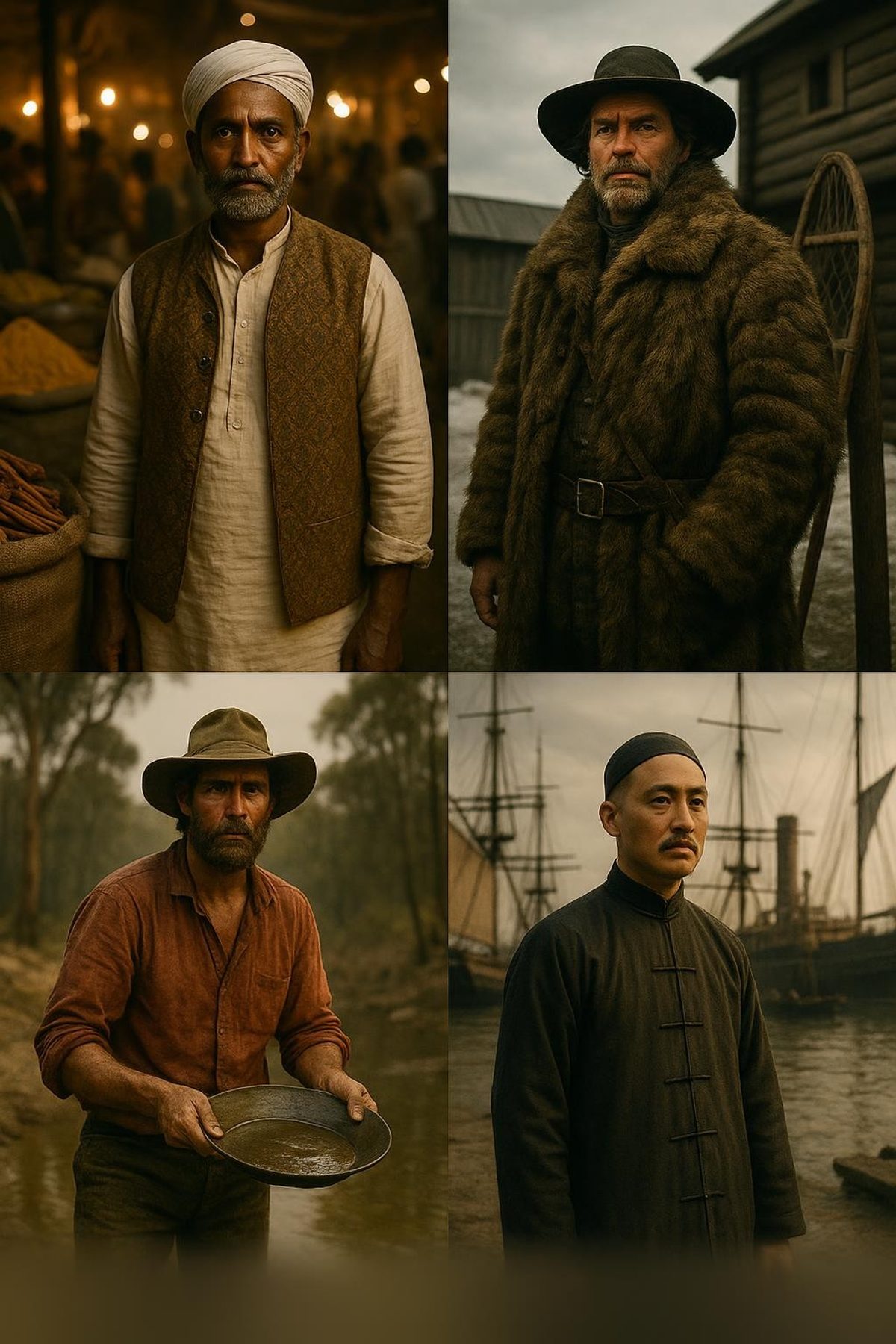
Bombay merchant. Canadian fur trapper. Australian gold-rusher. Hong Kong trader. Four corners of one empire. Four completely different lives. Which would you pick?
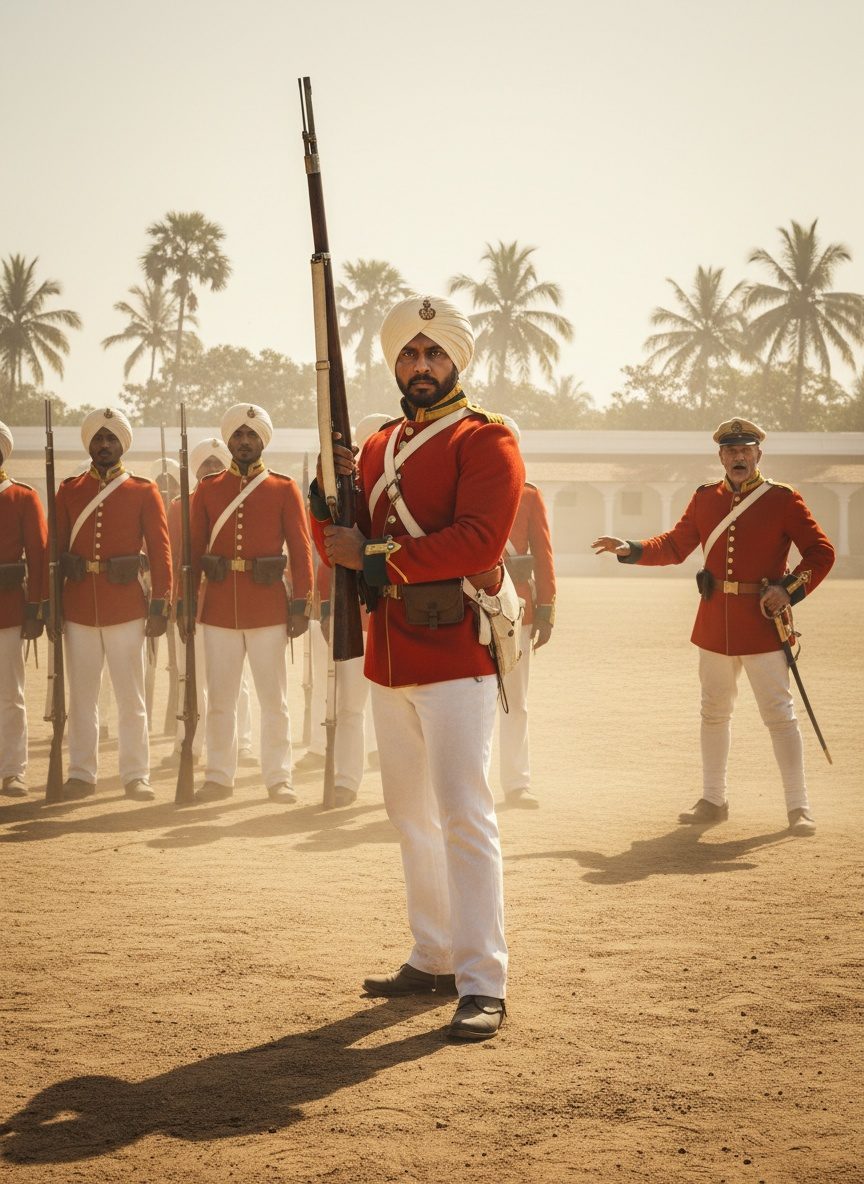
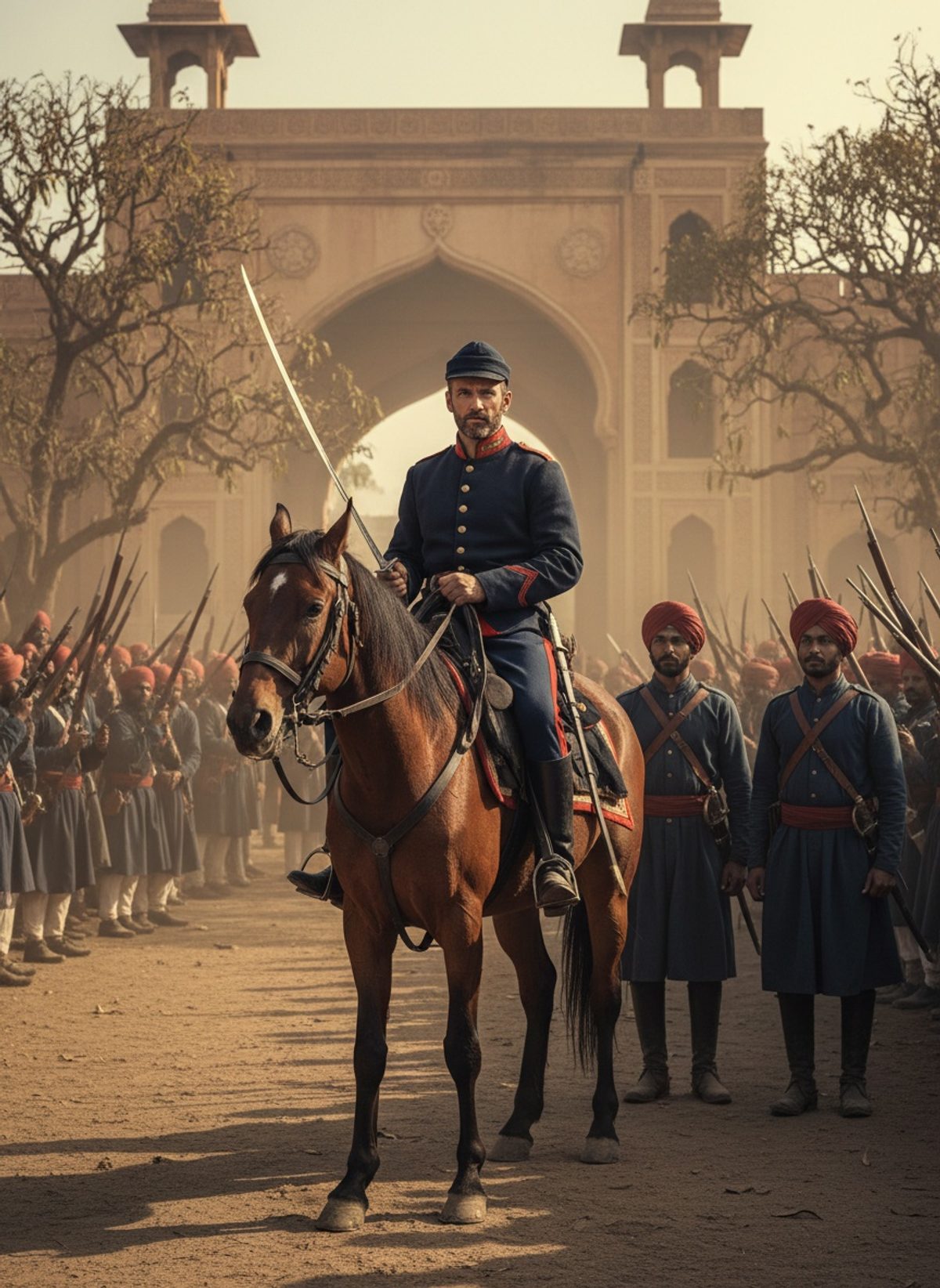
March 1857. A single sepoy stood forward on the parade ground at Barrackpore. He raised his musket. He fired. That one shot would bring an empire to its knees.
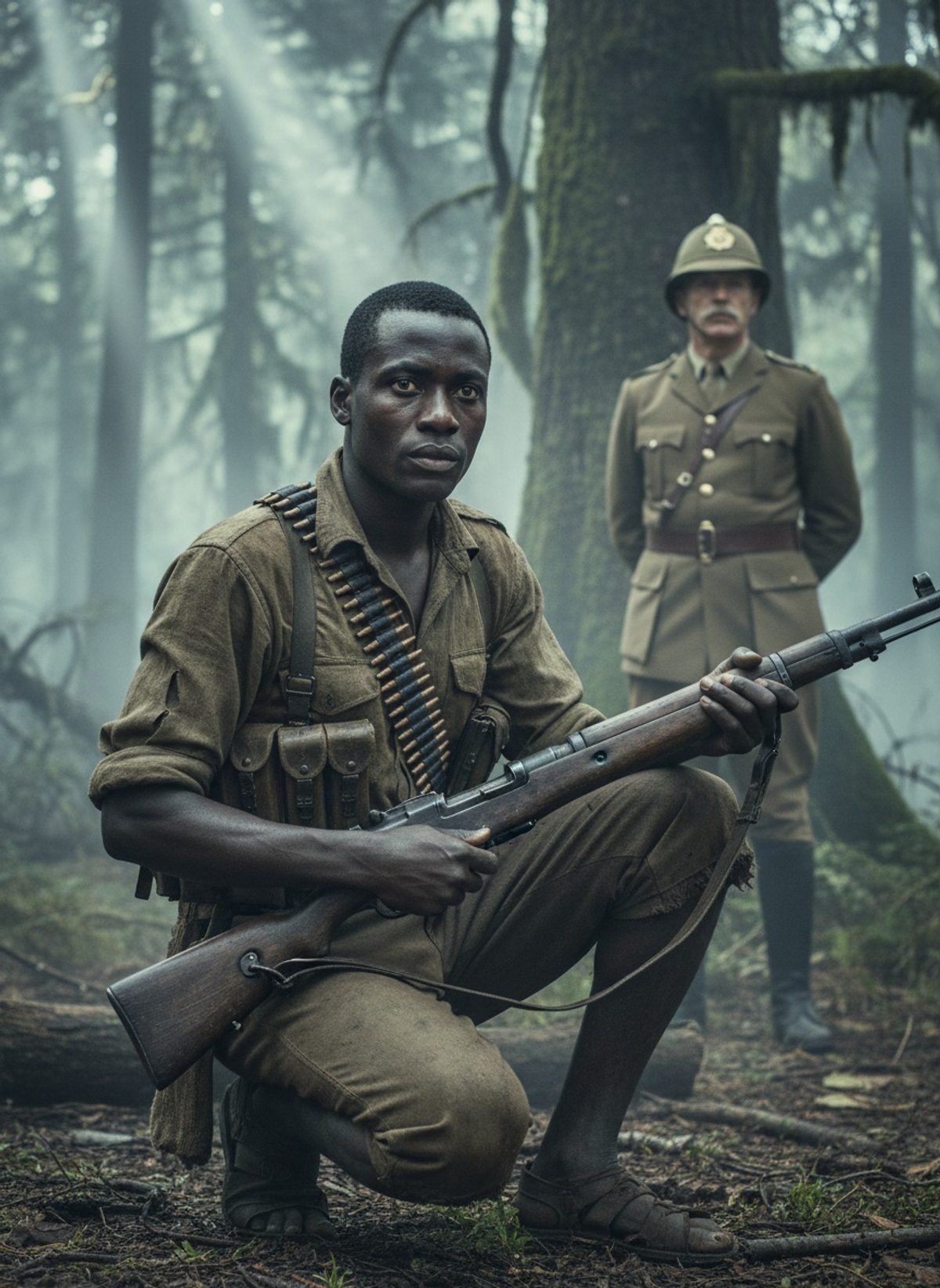
Kenya, 1956. General Dedan Kimathi had fought the British for four years. He led his fighters through the Aberdare forests. Hunted, starving, alone. When they finally caught him, he did not beg. He stood straight. Said nothing.
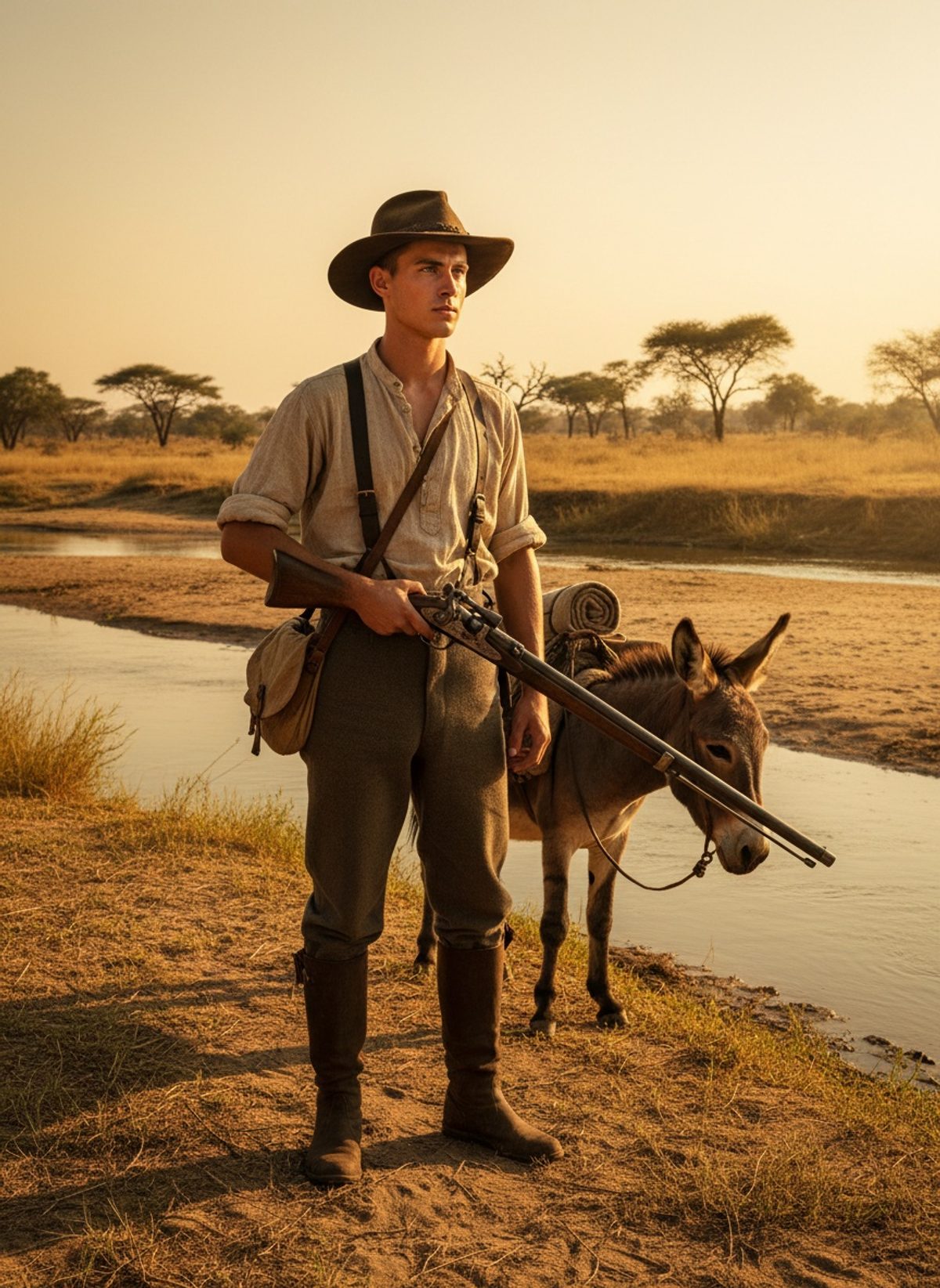
1871. Frederick Selous was nineteen years old. He crossed the Limpopo River alone. He had forty pounds, a rifle, and no map. What he found would open a continent.
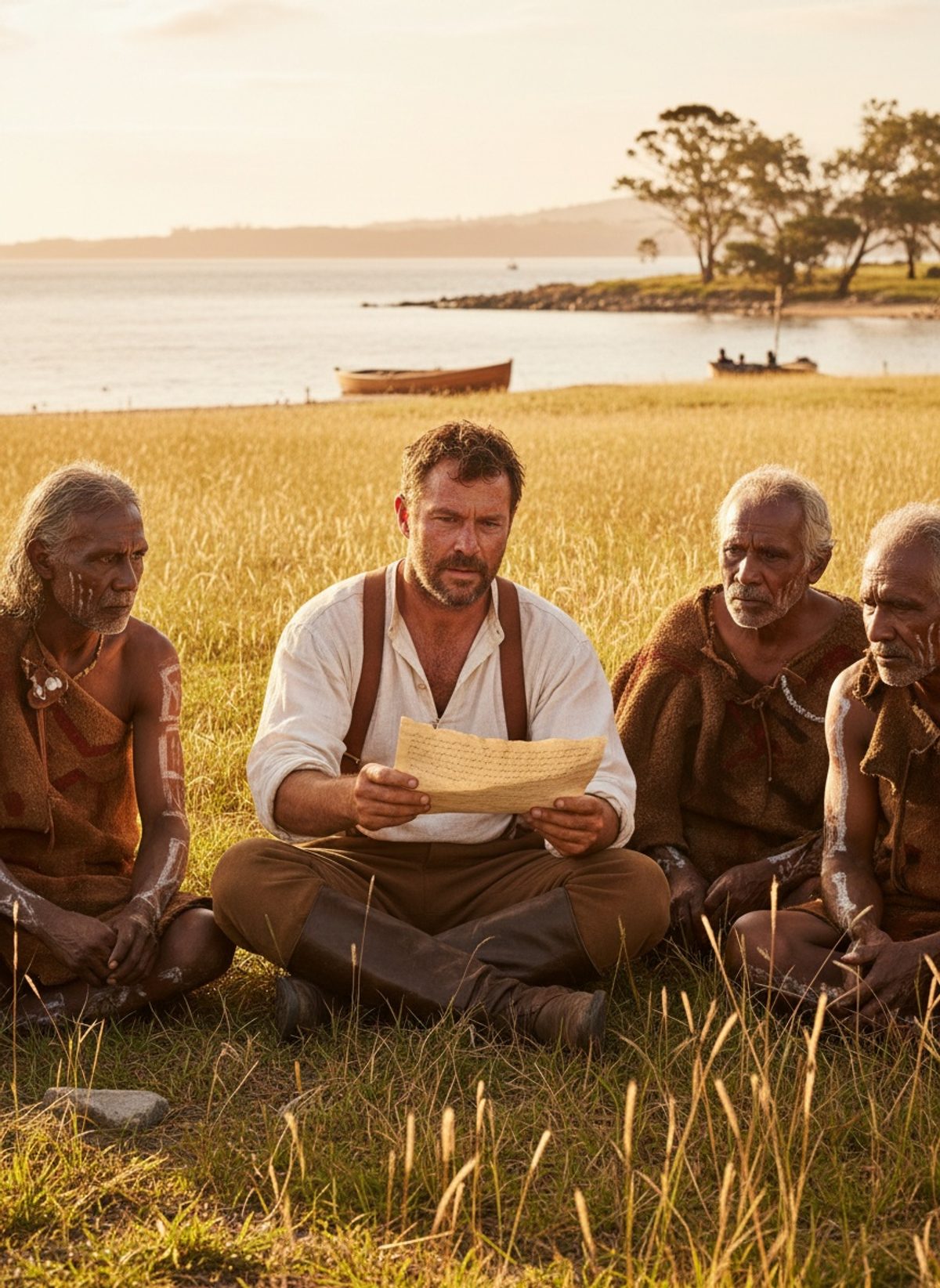
June 1835. A Tasmanian farmer sailed to an empty bay on the Australian mainland. He sat with the Wurundjeri elders. He traded blankets and flour for six hundred thousand acres. He planted a flag. He wrote in his journal: 'This will be the place for a village.' That village became Melbourne.
MI19 requisitioned a Georgian mansion. Wired every room. Staffed it with fluent German speakers posing as servants. Then invited captured Luftwaffe pilots to relax. They talked for months.
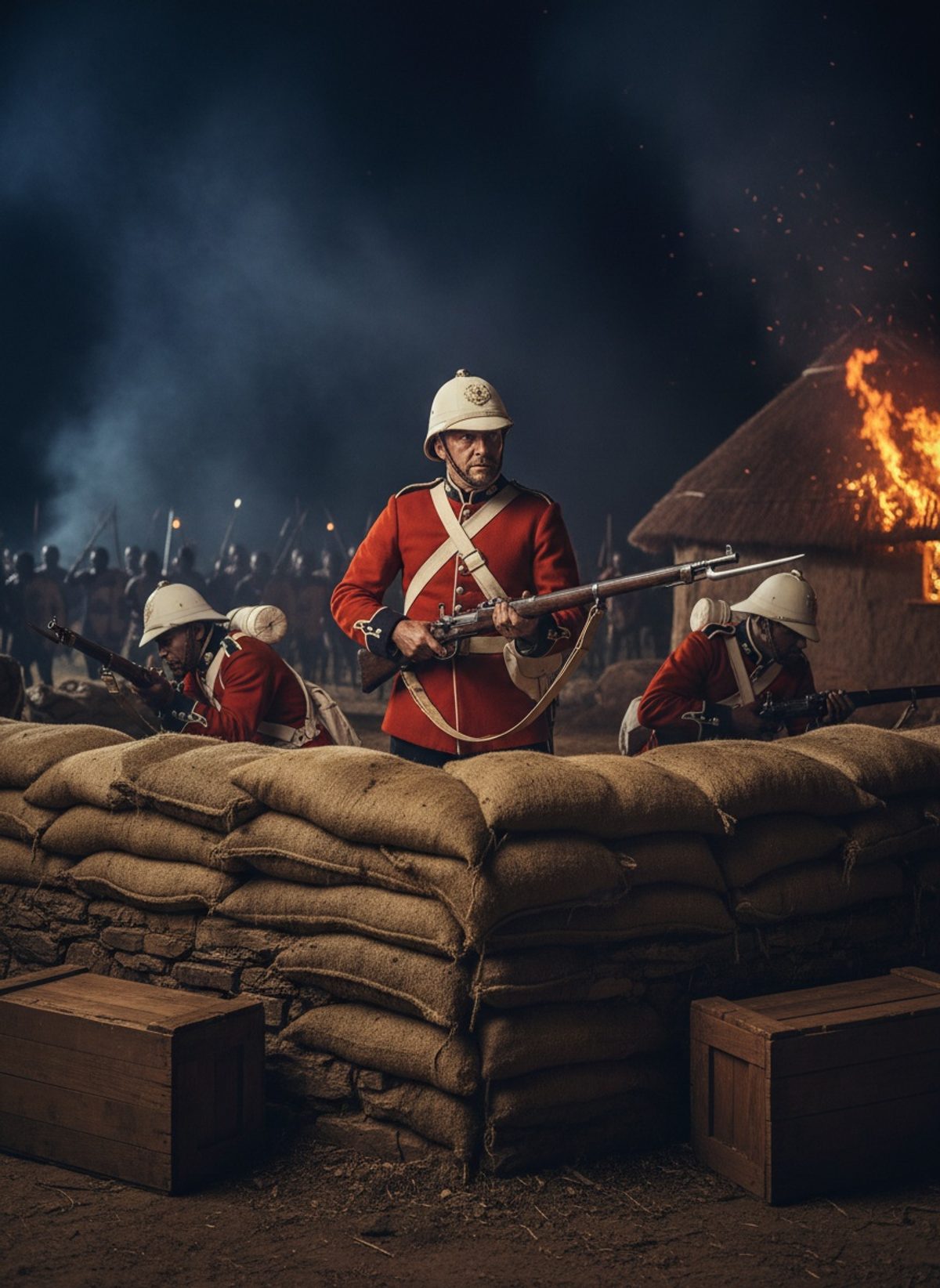
One crossing. One night. Two Victoria Crosses became eleven. A handful of soldiers held a mission station against four thousand Zulu warriors — and somehow, none of them ran.
June 28, 1914. One archduke. One wrong turn. One bullet. Within six weeks, the British Empire was at war — and four years later, a generation was gone.
The East India Company was founded in 1600. Isaac Newton wasn't born until 1643. By the time Britain had a national debt, the Company already ruled half a world.
1866. The British needed maps of Tibet. No European could enter. Nain Singh walked in disguised as a Tibetan merchant. He counted every step with a modified prayer wheel. He reached Lhasa. He counted his way home. Nobody suspected a thing.
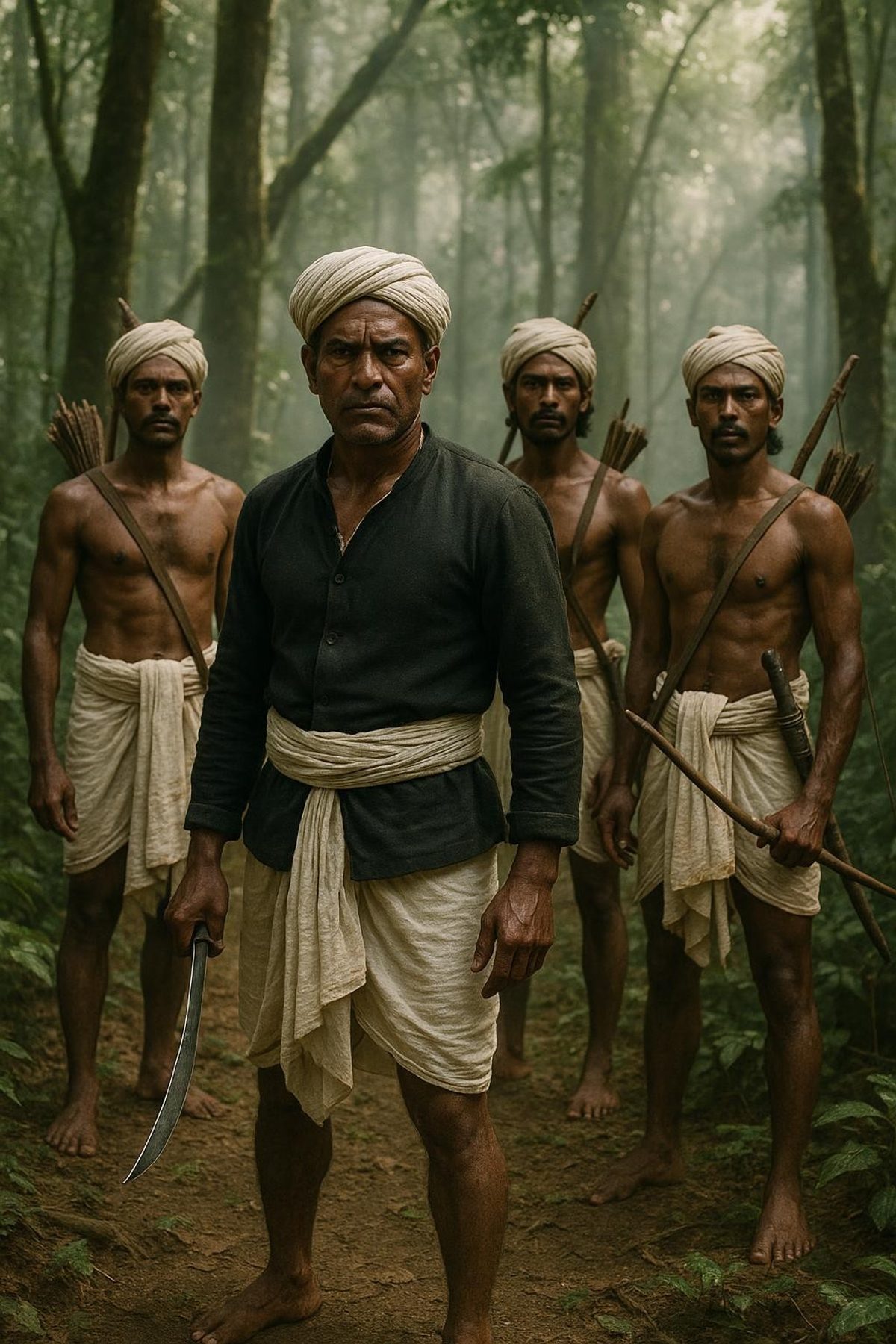
1797. British troops controlled Kerala's coast. But the hills were different. Pazhassi Raja walked into the forest. His Kurichiya archers followed. For eleven years, the jungle swallowed them whole.
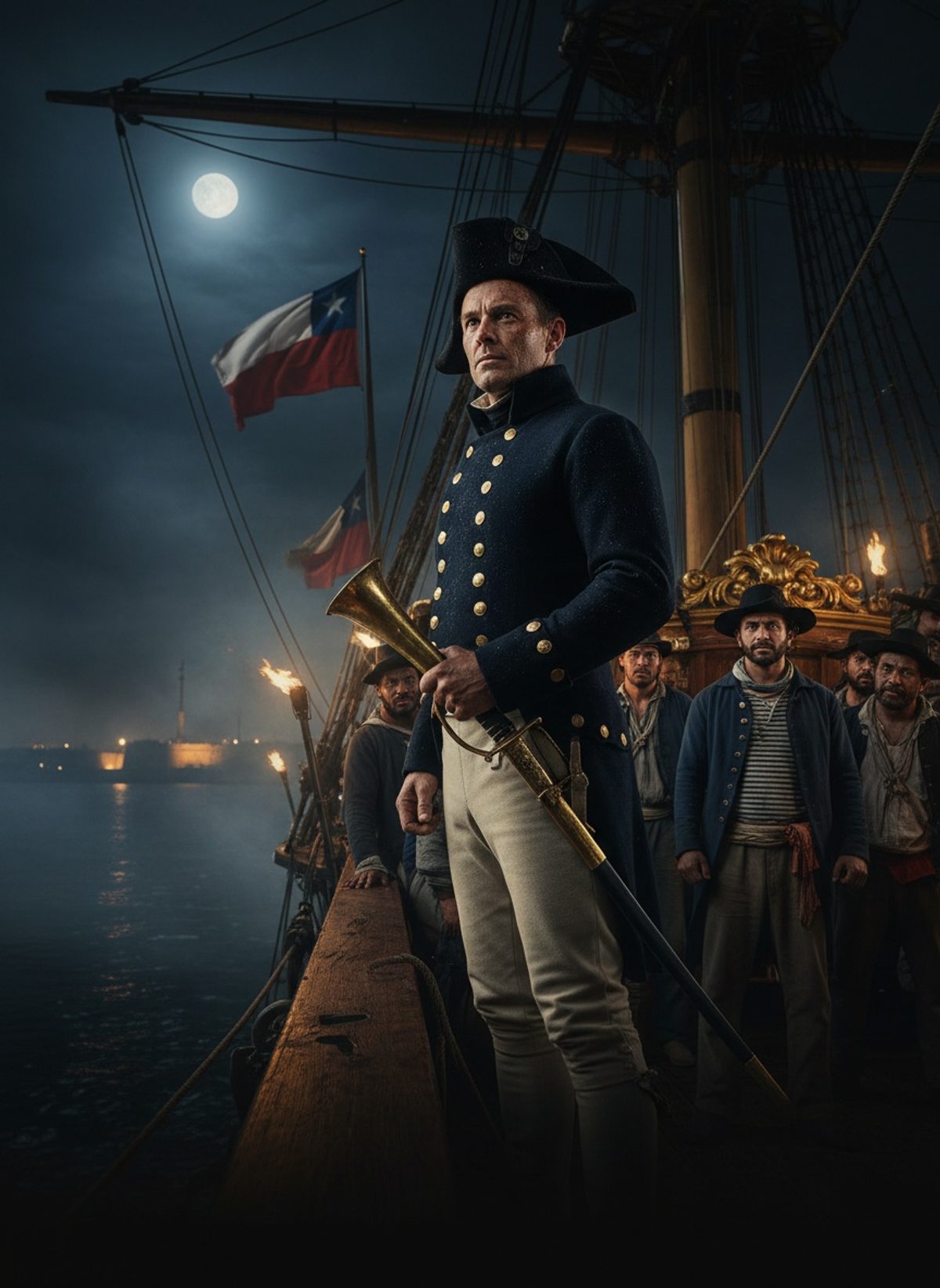
1820. Chile was fighting for its life. Lord Cochrane had one frigate and a plan. He sailed into Callao harbour alone. Boarded the Spanish flagship. Took her without a shot. The Pacific changed hands that night.
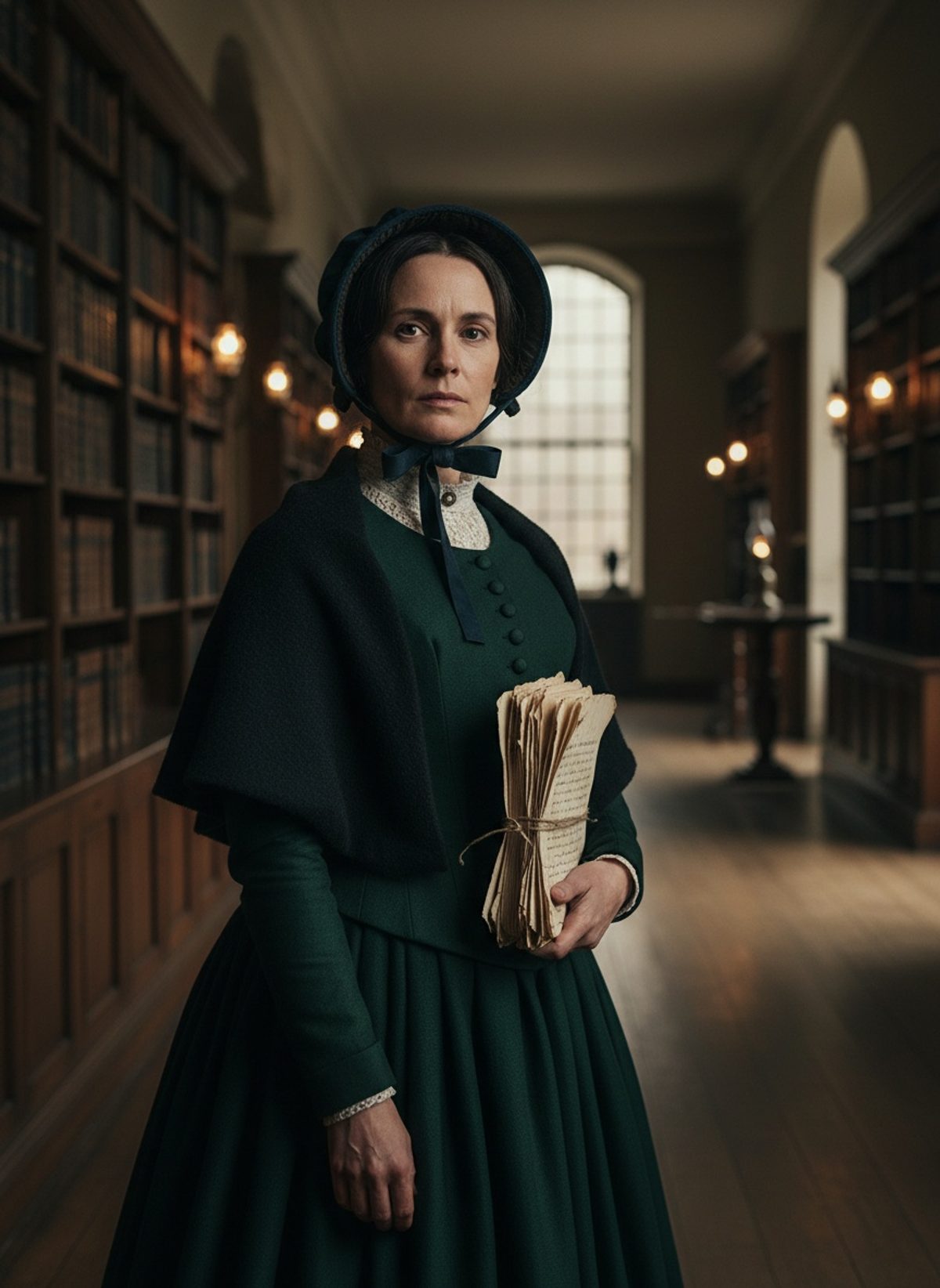
London, 1851. Thousands of women arrived in Australia alone and destitute. One woman had seen it. She crossed the world to fix it. Caroline Chisholm walked into Whitehall and handed them a plan. Parliament listened.
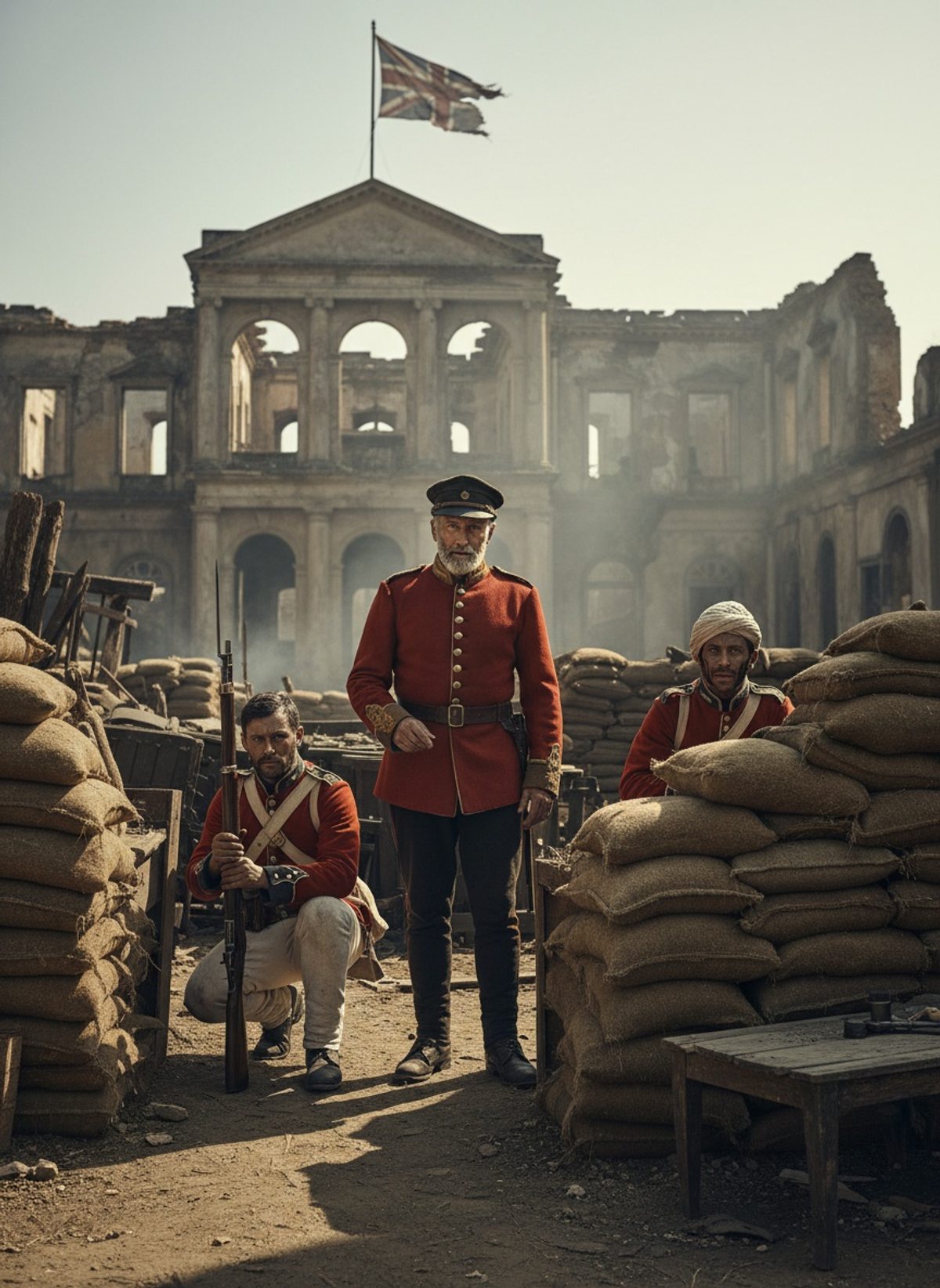
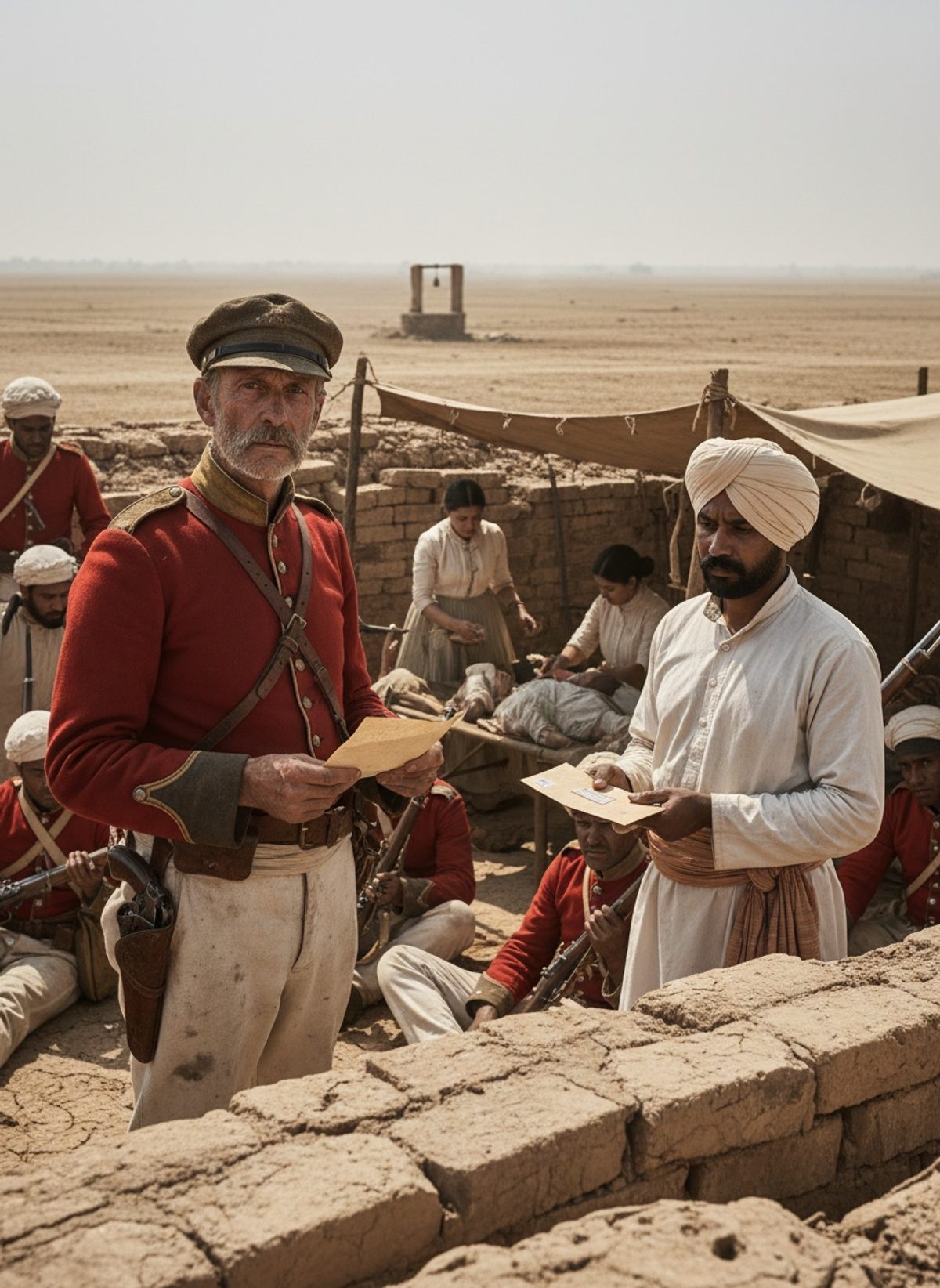
June 1857. The Mutiny had swept northern India. Brigadier-General Henry Lawrence gathered 1,700 men inside Lucknow Residency. Outside, 60,000 sepoys waited. Lawrence was dead within days. His garrison held on for eighty-seven days.
Britain turned every captured German spy. Every single one. MI5's Double Cross System ran Hitler's entire spy network — and fed it lies. The Germans never knew.
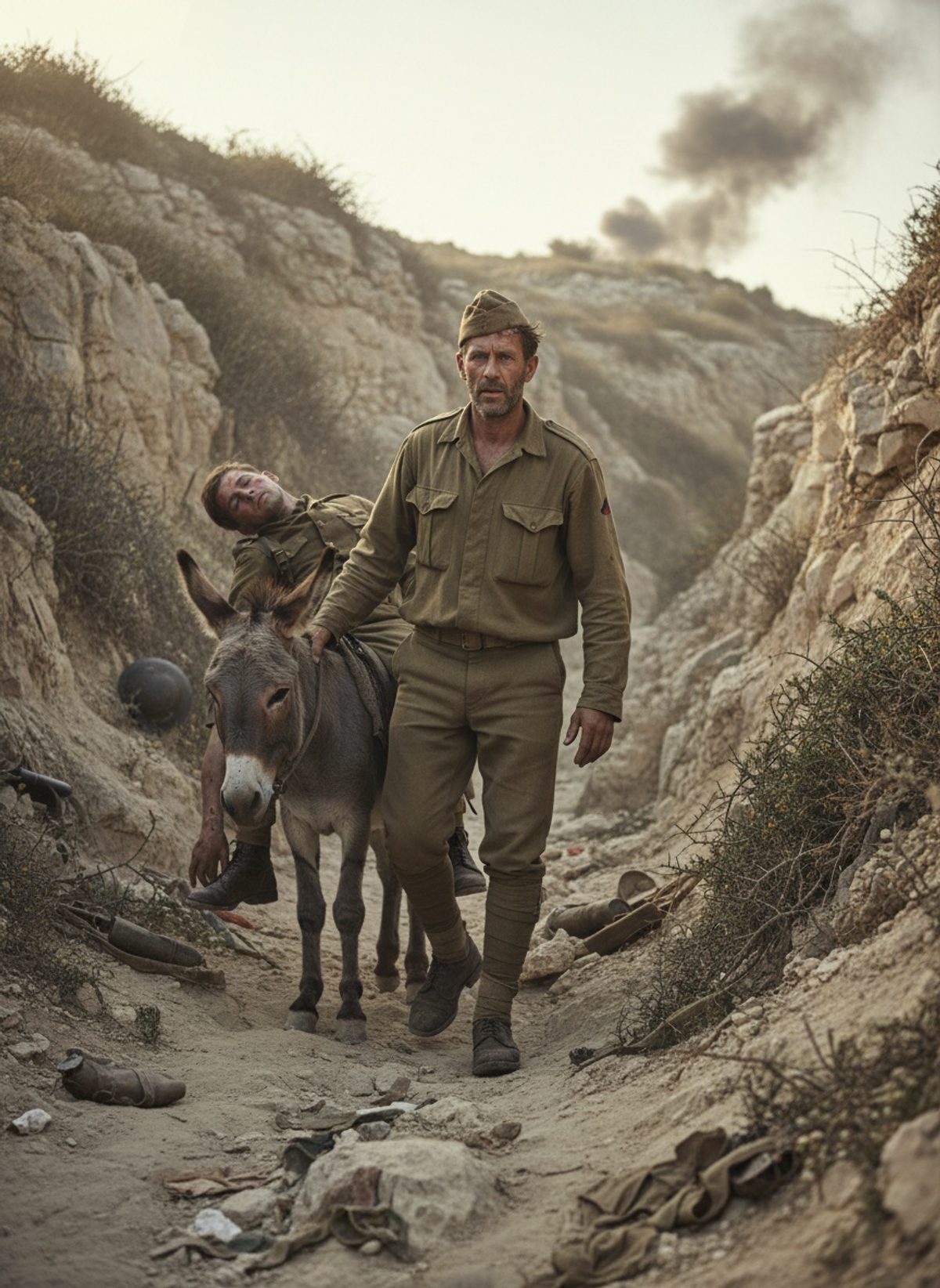
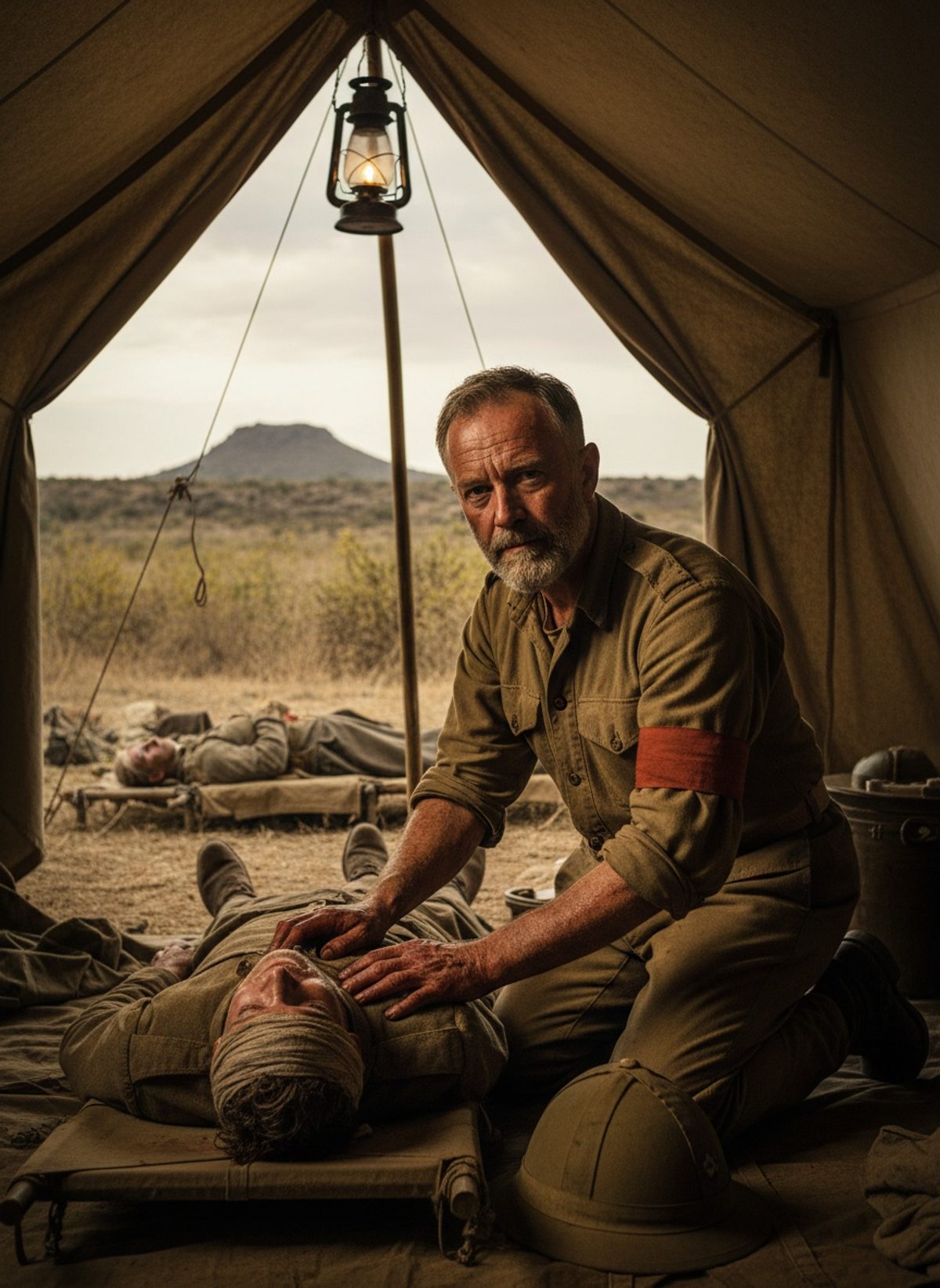
He enlisted as a stretcher-bearer. He had no donkey. He found one wandering in the dark. For 24 days he carried wounded men off Gallipoli's slopes. He never stopped. He never asked permission.
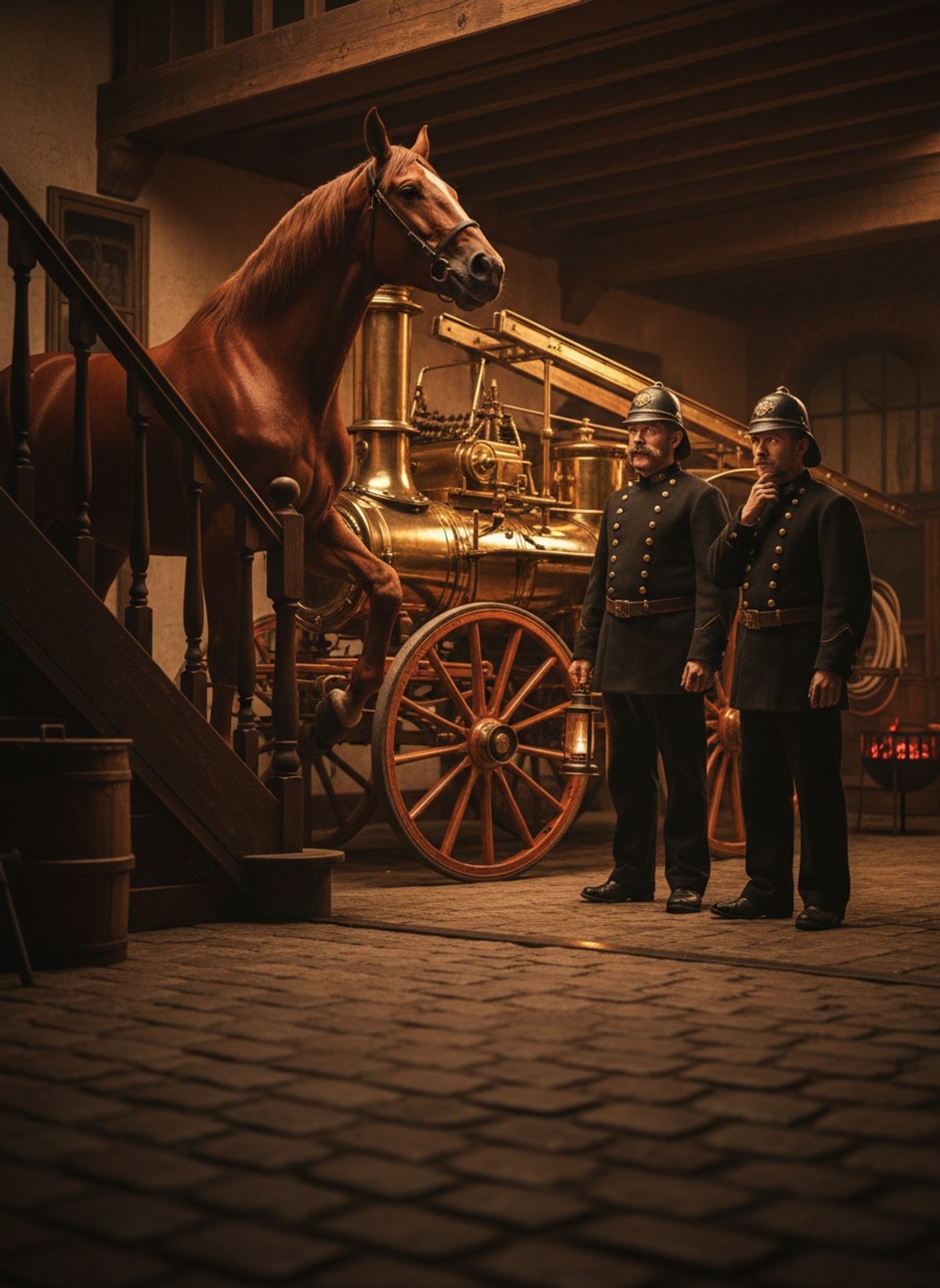
London fire stations kept horses below and men above. The horses had other ideas. When one bay mare climbed the station stairs at night, an engineer named George Lorimer found the answer — and changed fire stations forever.
A former soldier turned jungle king. One gunboat. A fleet of Dyak pirates. James Brooke didn't wait for orders. He gave them. And the South China Sea changed forever.
March 1900. The British governor demanded the Golden Stool. The Ashanti chiefs fell silent. One woman stood. Yaa Asantewaa picked up a rifle. She told the men to fight. They did.
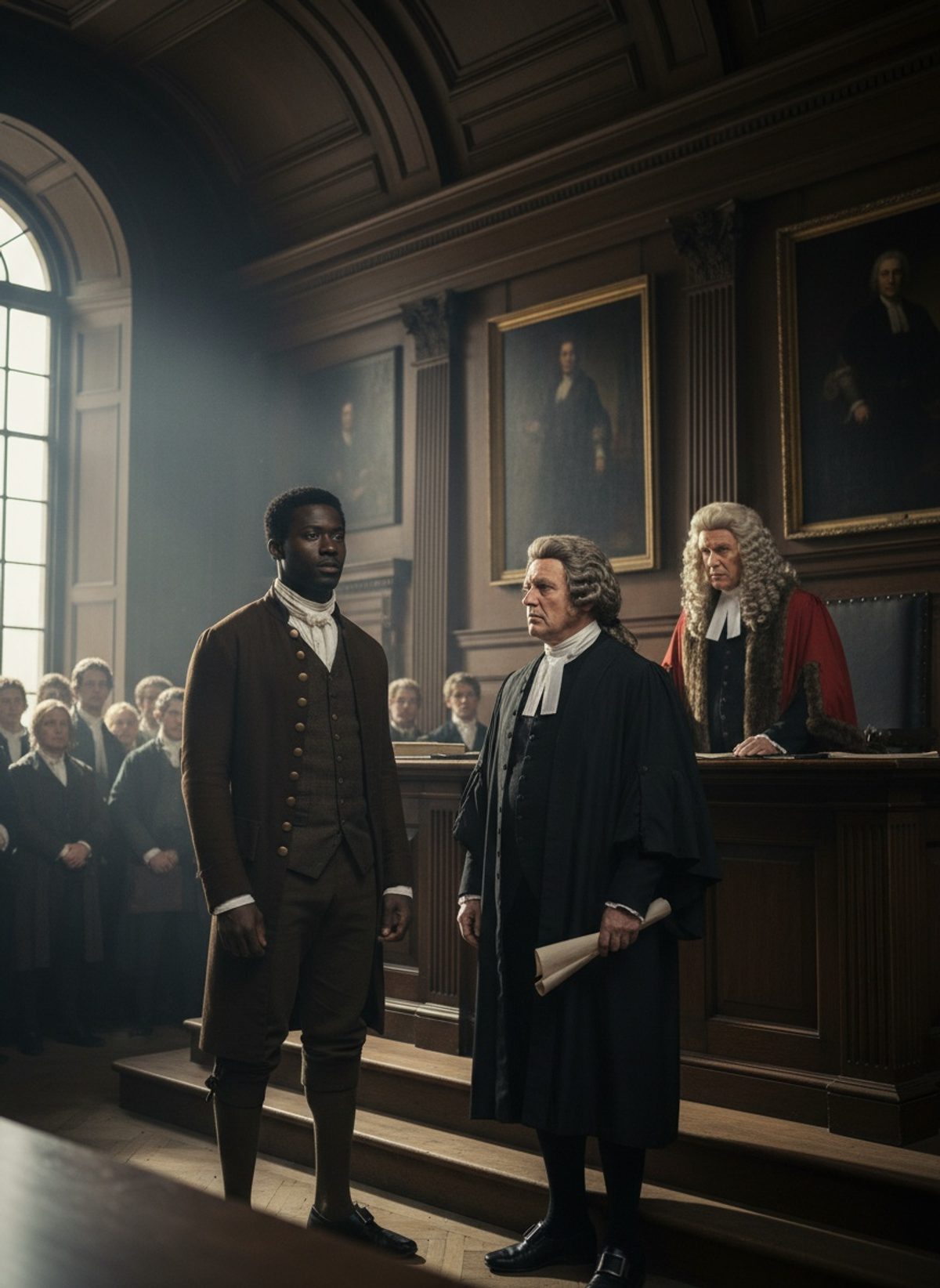
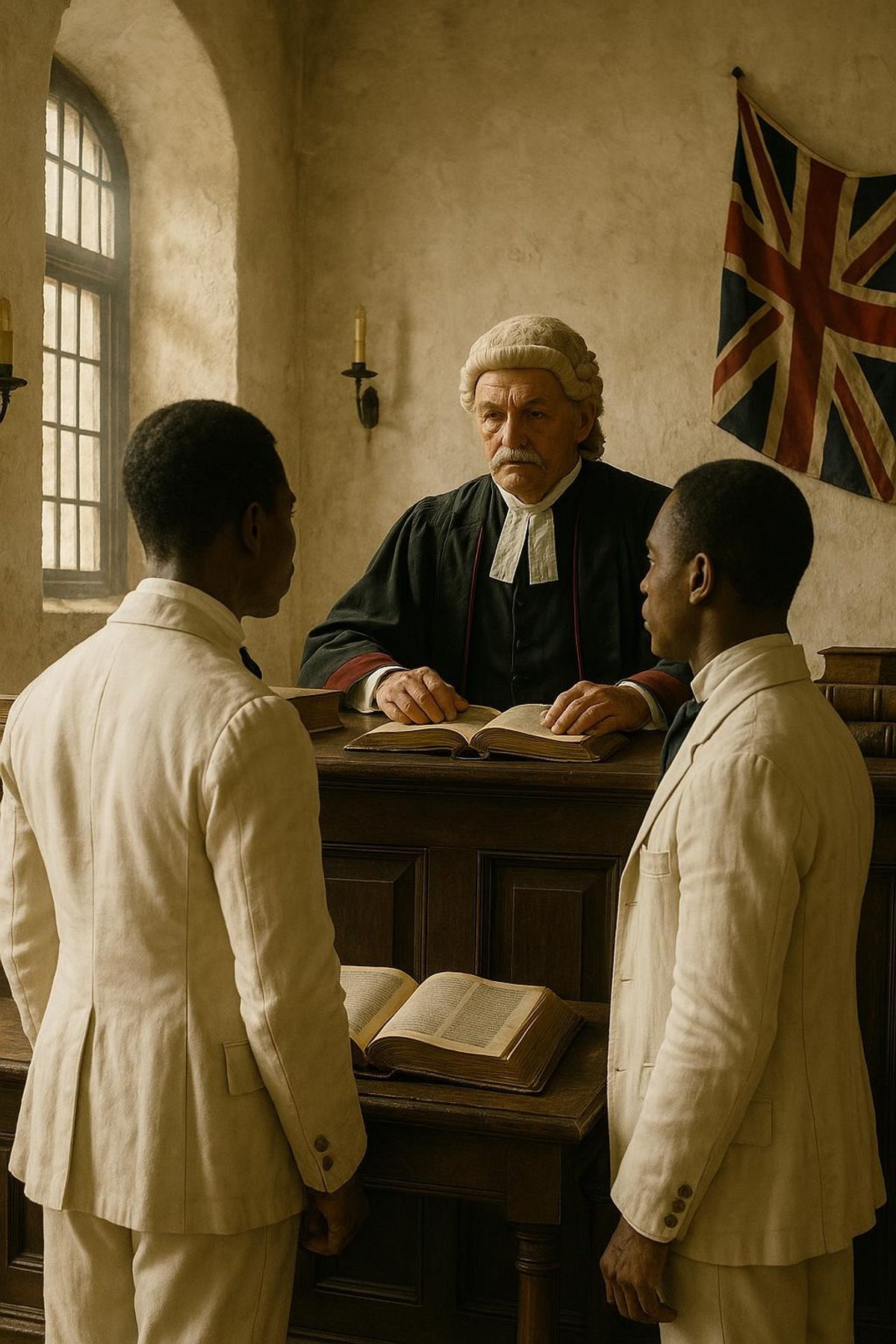
London. 1772. A Black man named James Somerset stood before the Lord Chief Justice. He had been a slave. His master wanted him back. Lord Mansfield ruled. No man could be held a slave on English soil. Somerset walked free.
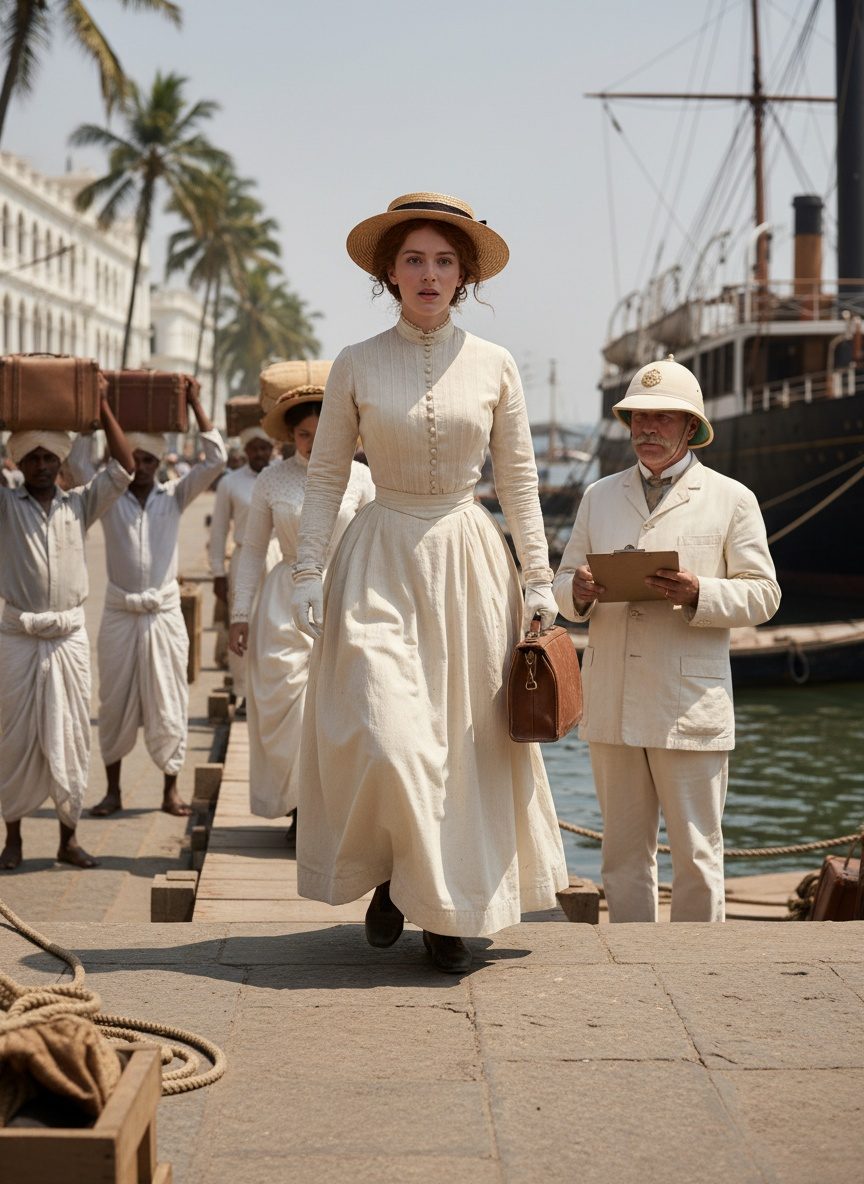
Bombay. 1880. The P&O steamer docked at dawn. Young British women stepped ashore. They had sailed six weeks from Southampton. They had come to find husbands. Some would find the life they dreamed of. Some would sail home alone. They called themselves the Fishing Fleet.
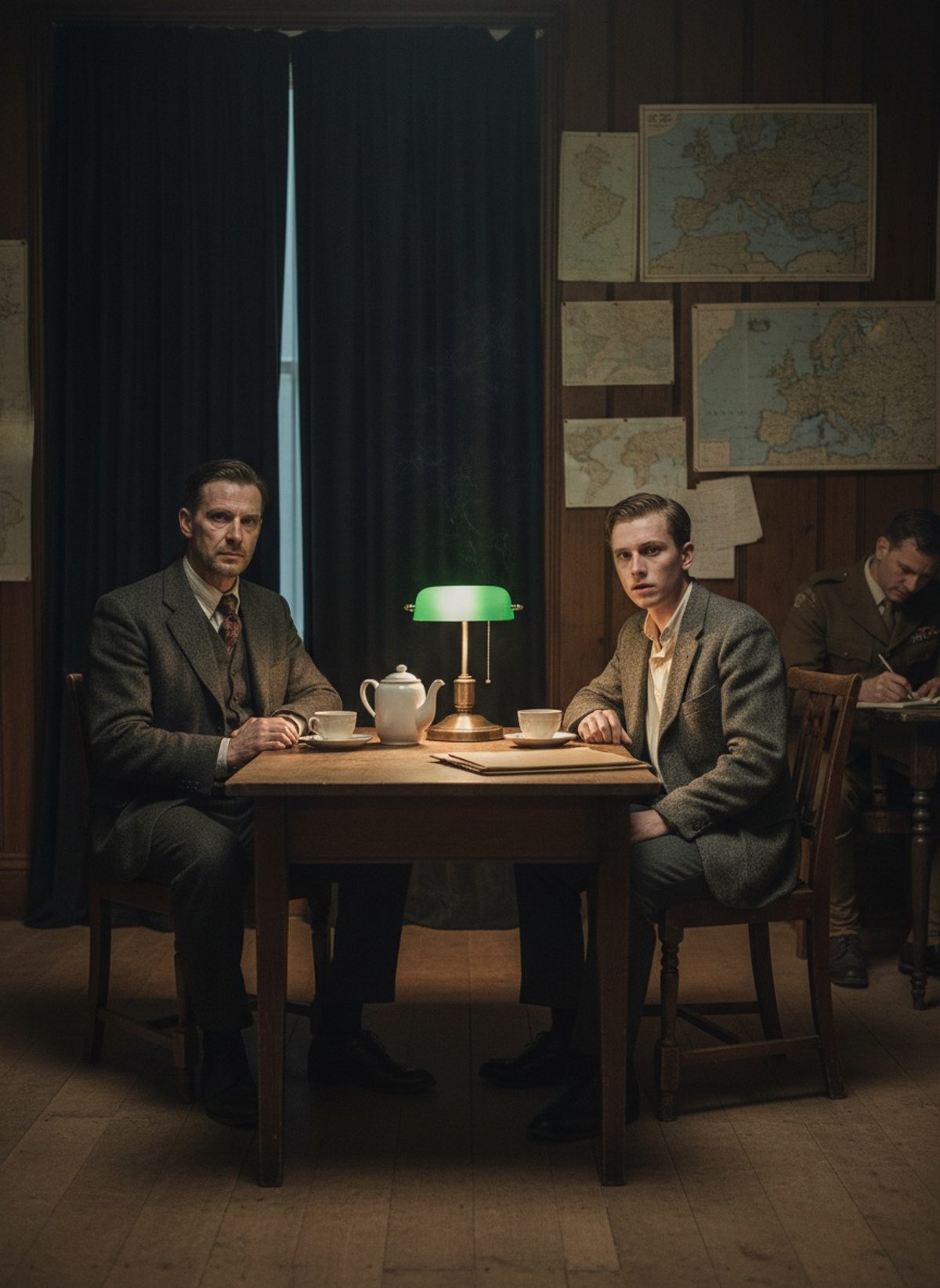
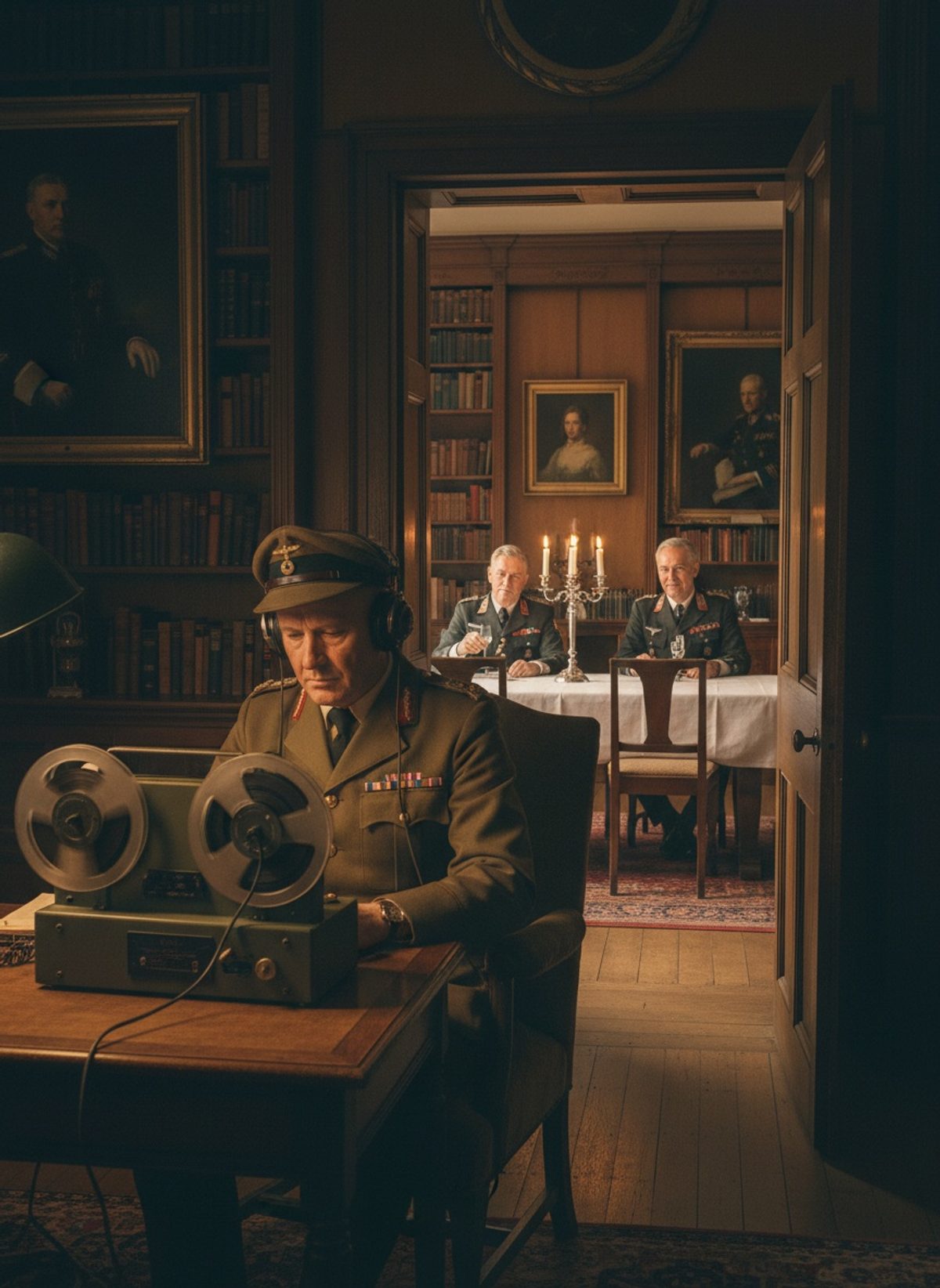
Britain bugged a country house. Filled it with wine. Then invited captured German generals to relax. Every word went straight to Whitehall. The enemy never suspected a thing.
Frederick Treves was the most celebrated surgeon in England. He had saved the King's life. Then he heard what happened at Spion Kop — and walked back into the carnage himself.
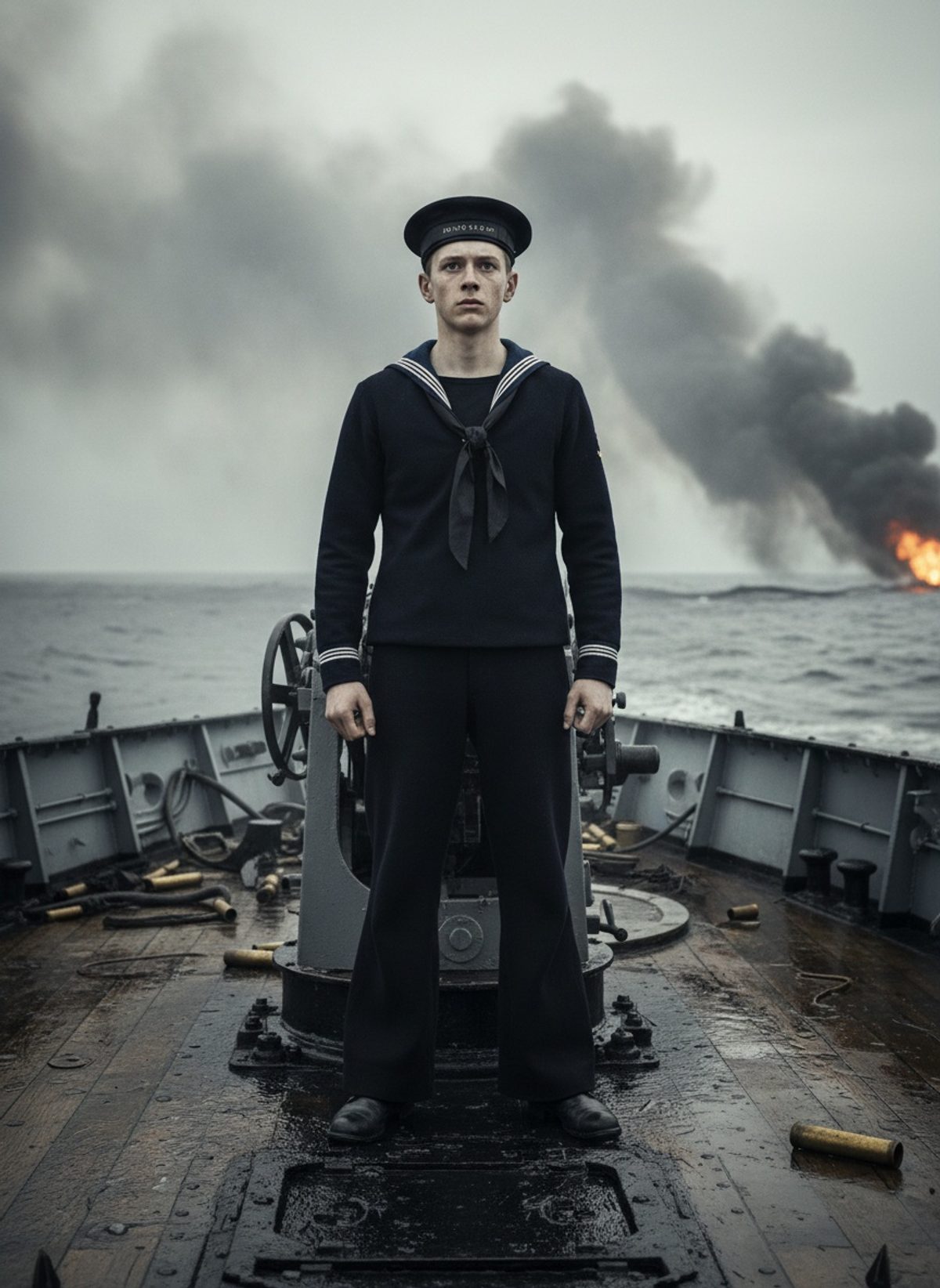
He was 16. His crew lay dead around him. The ship was on fire. Jack Cornwell stayed at his gun and waited for orders that never came. He died three days later.
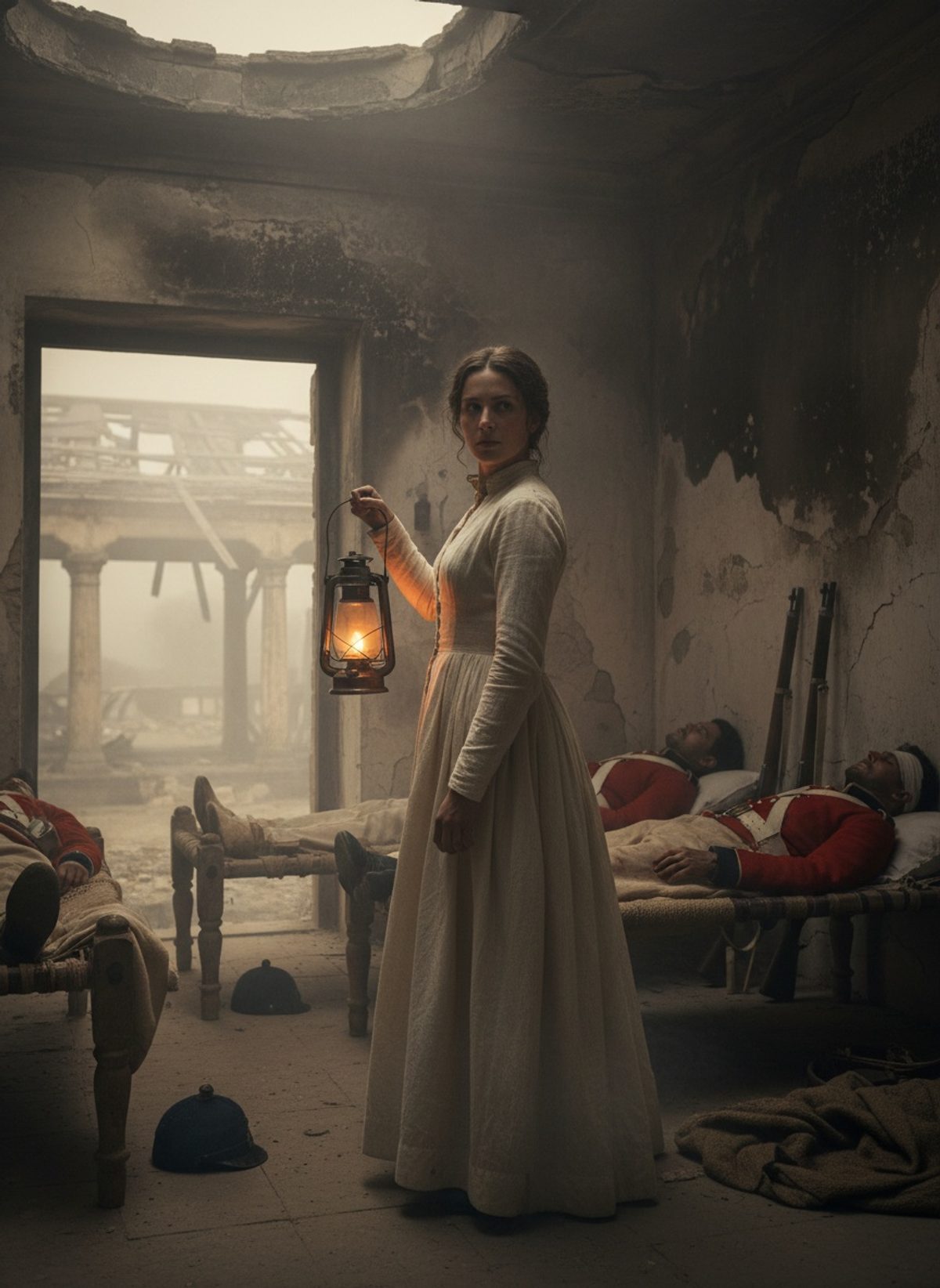
Lucknow, 1857. The Residency was surrounded. 600 defenders held off 8,000 for 87 days. One woman stood in a doorway during the final assault and refused to leave the wounded behind.
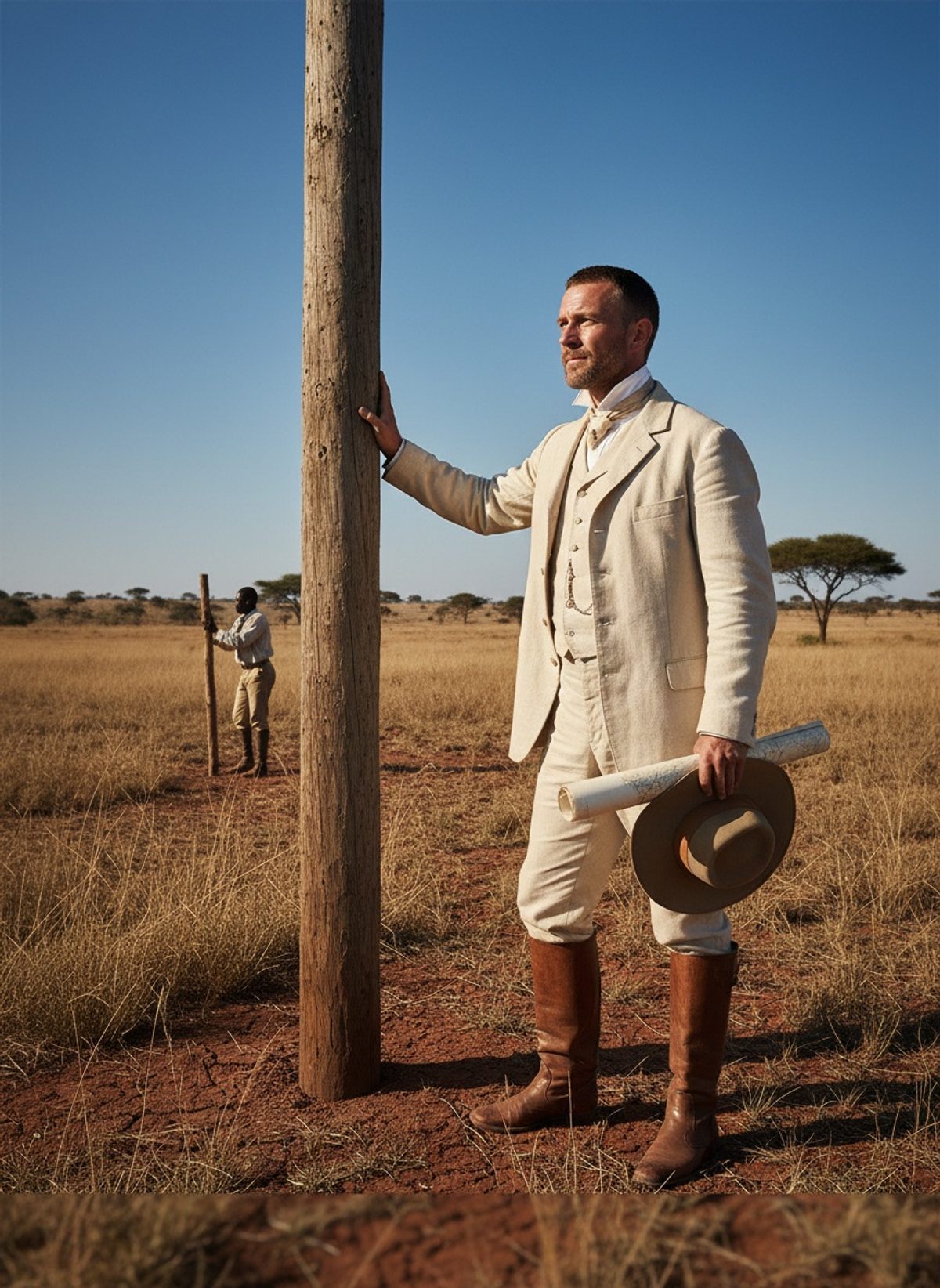
1892. Cecil Rhodes had a dream. A telegraph line from Cape Town to Cairo. Unbroken. Through a continent no wire had ever crossed. He funded the first pole himself. It would take decades. But he started it anyway.
1814. Wellington's army was running dry. No gold. No pay. No supplies. One man moved twenty-five tonnes of gold coin across a war-torn continent. Nathan Rothschild did it in weeks. Napoleon never stood a chance.
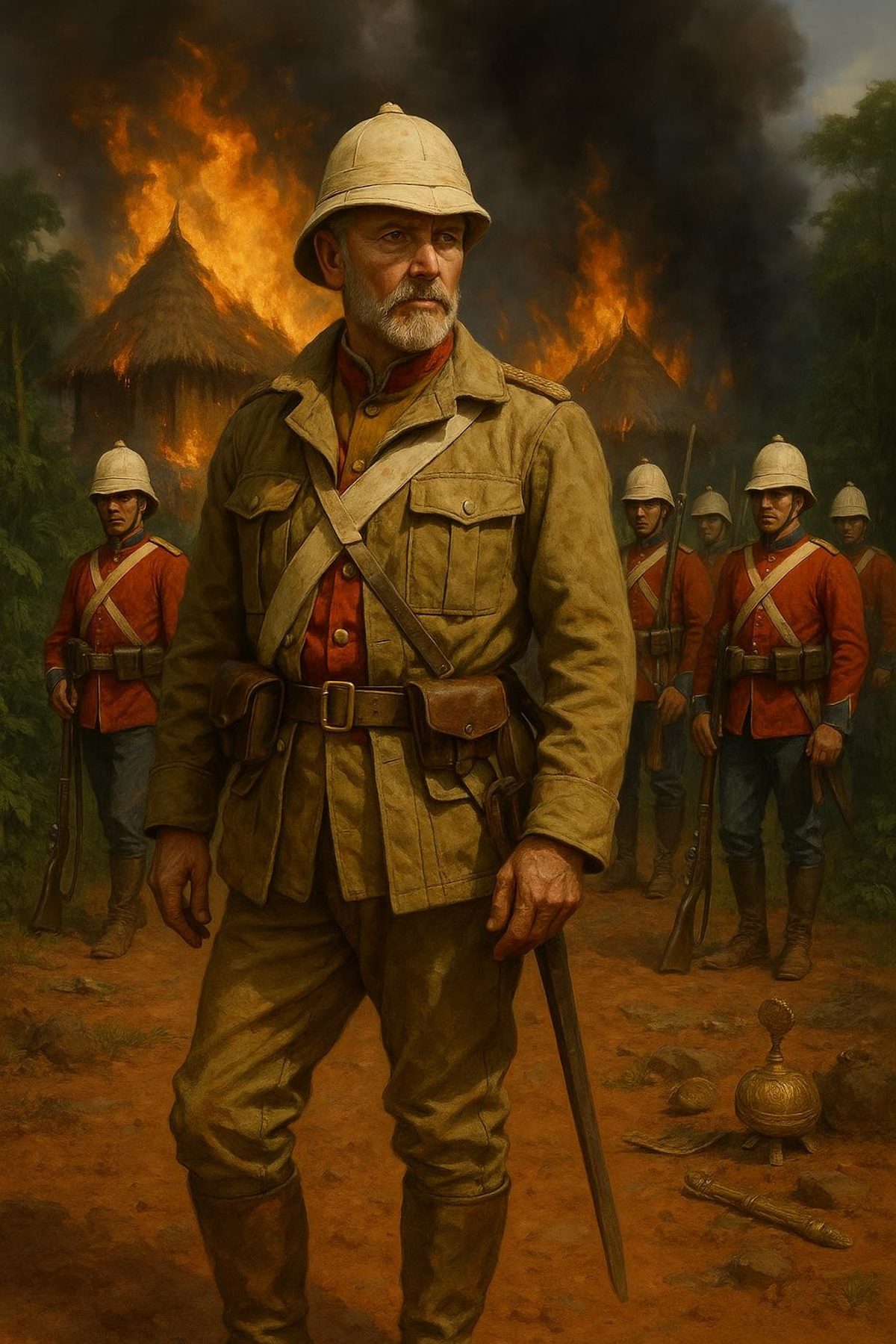
January 1874. Deep in the Gold Coast jungle. General Wolseley had marched 150 miles through fever country. His men entered Kumasi. The Asante capital burned behind them. He turned north and simply walked home.
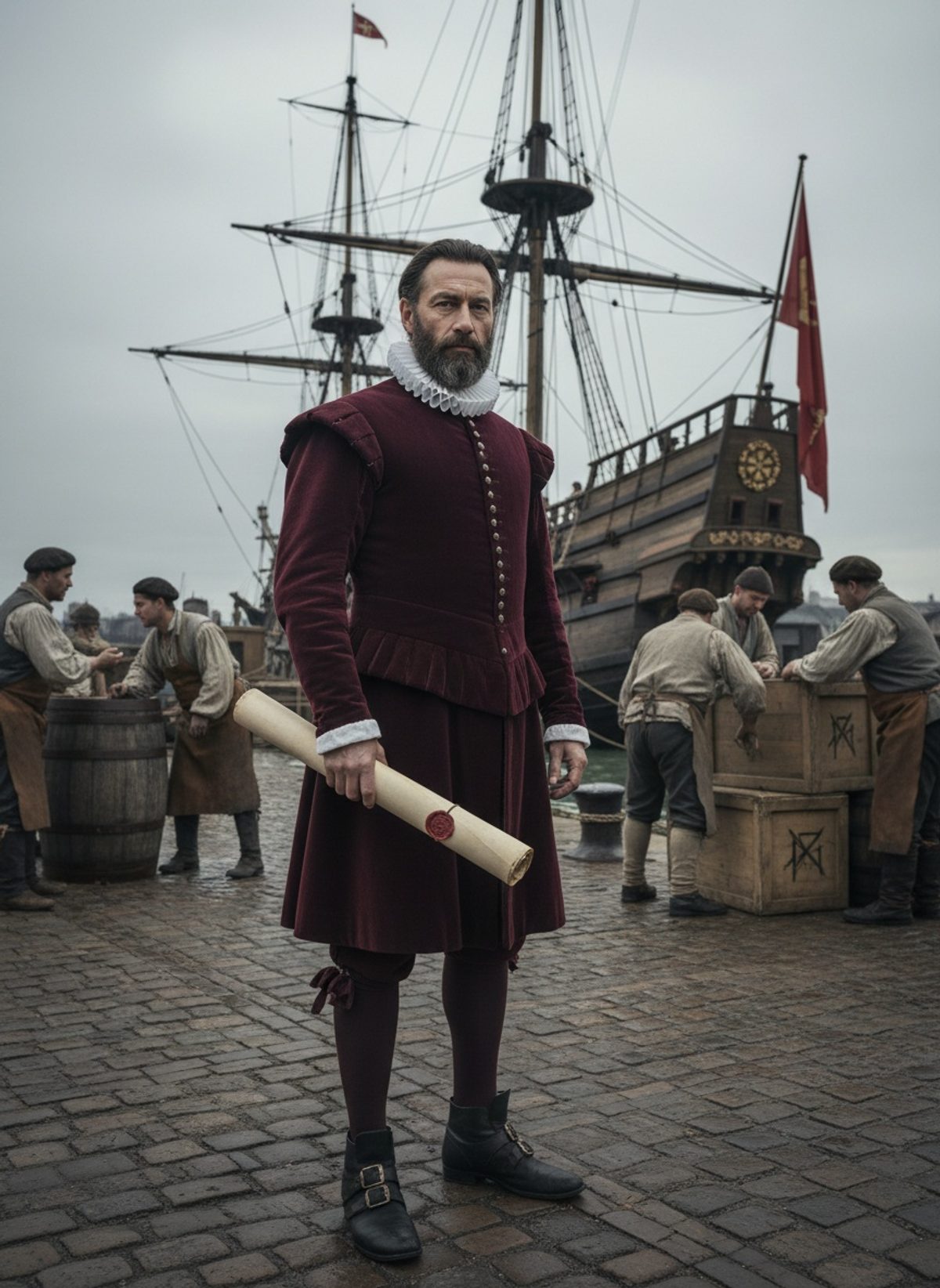
April 1600. A Kent sailmaker stood before the most powerful man in Japan. The Shogun Ieyasu wanted him dead. Adams spoke plainly. He lived. Japan would never be the same.
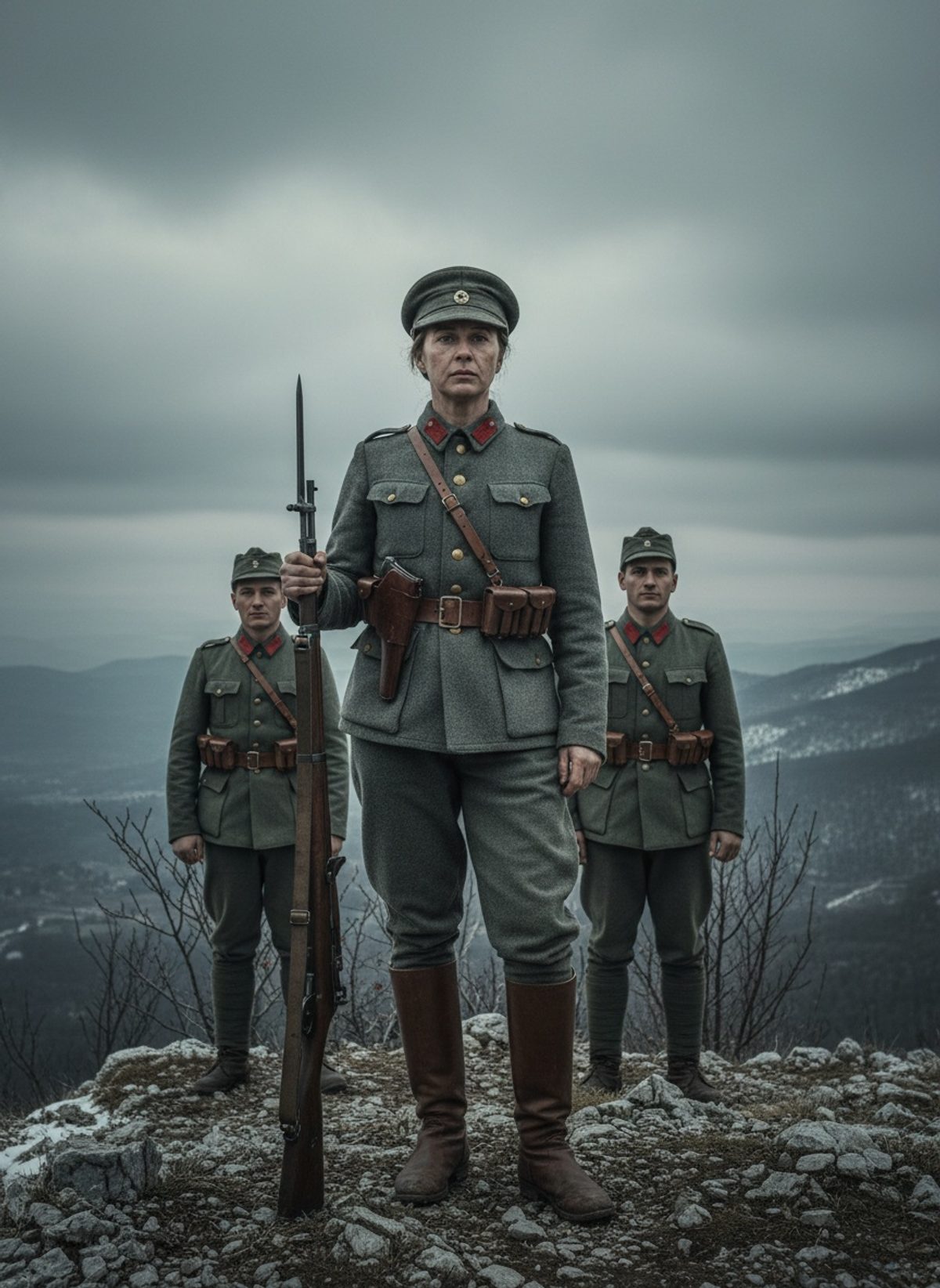
She left England as a nurse. She ended the war as a combat sergeant. Flora Sandes charged enemy lines with a grenade in each hand. The British Army said women couldn't fight. The Serbian Army made her an officer.
Britain's Royal Navy had a rule: one third of its submarines always operational. By late 1914, that rule was already broken. Too few boats. Too many missions. The North Sea would not wait.
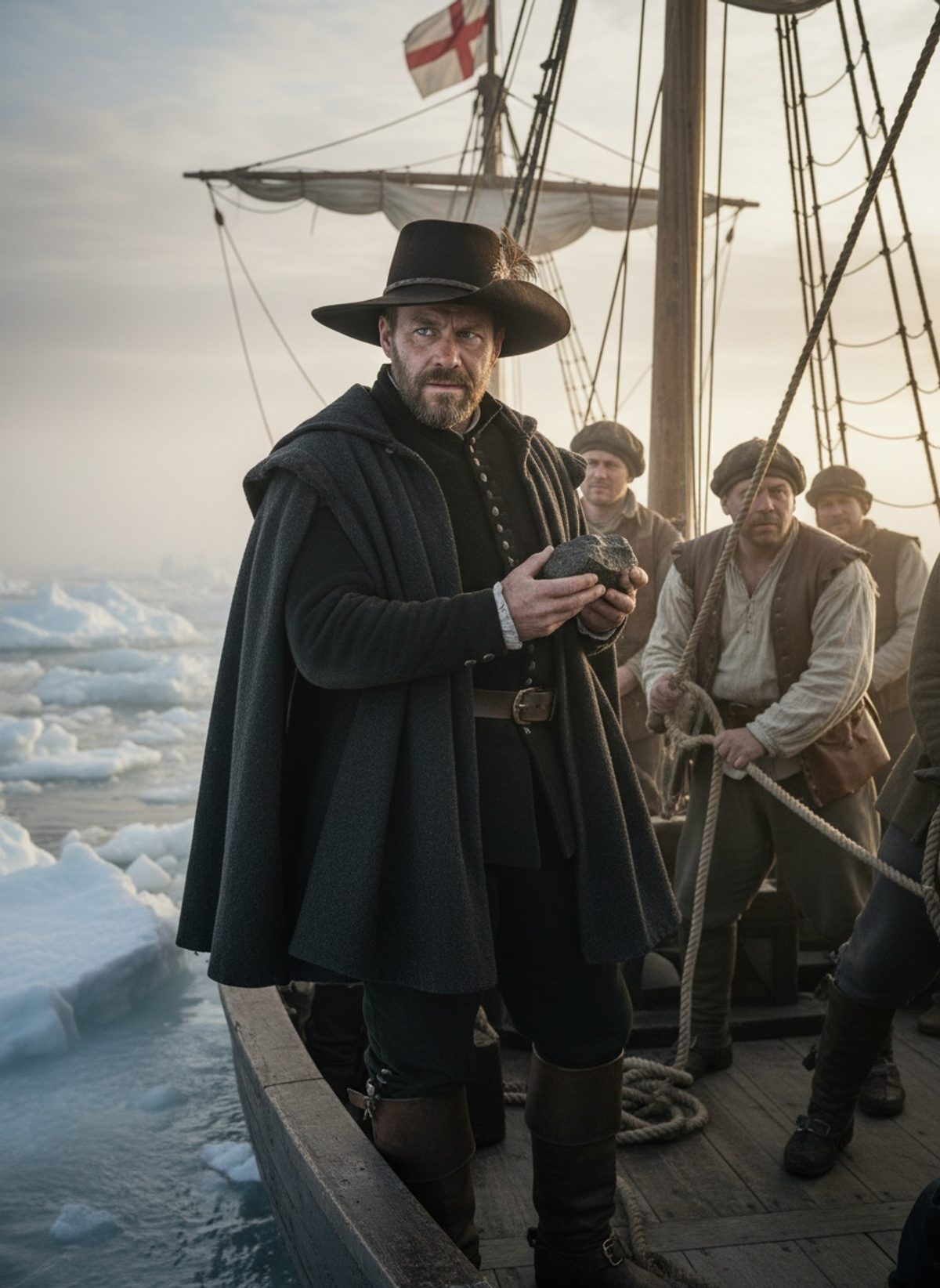
1576. Martin Frobisher sailed northwest into unmapped ice. He returned with a black rock. Londoners believed it was gold. Three voyages followed. The ore was worthless. But Frobisher had found something greater. He had proven England could reach the ends of the earth.
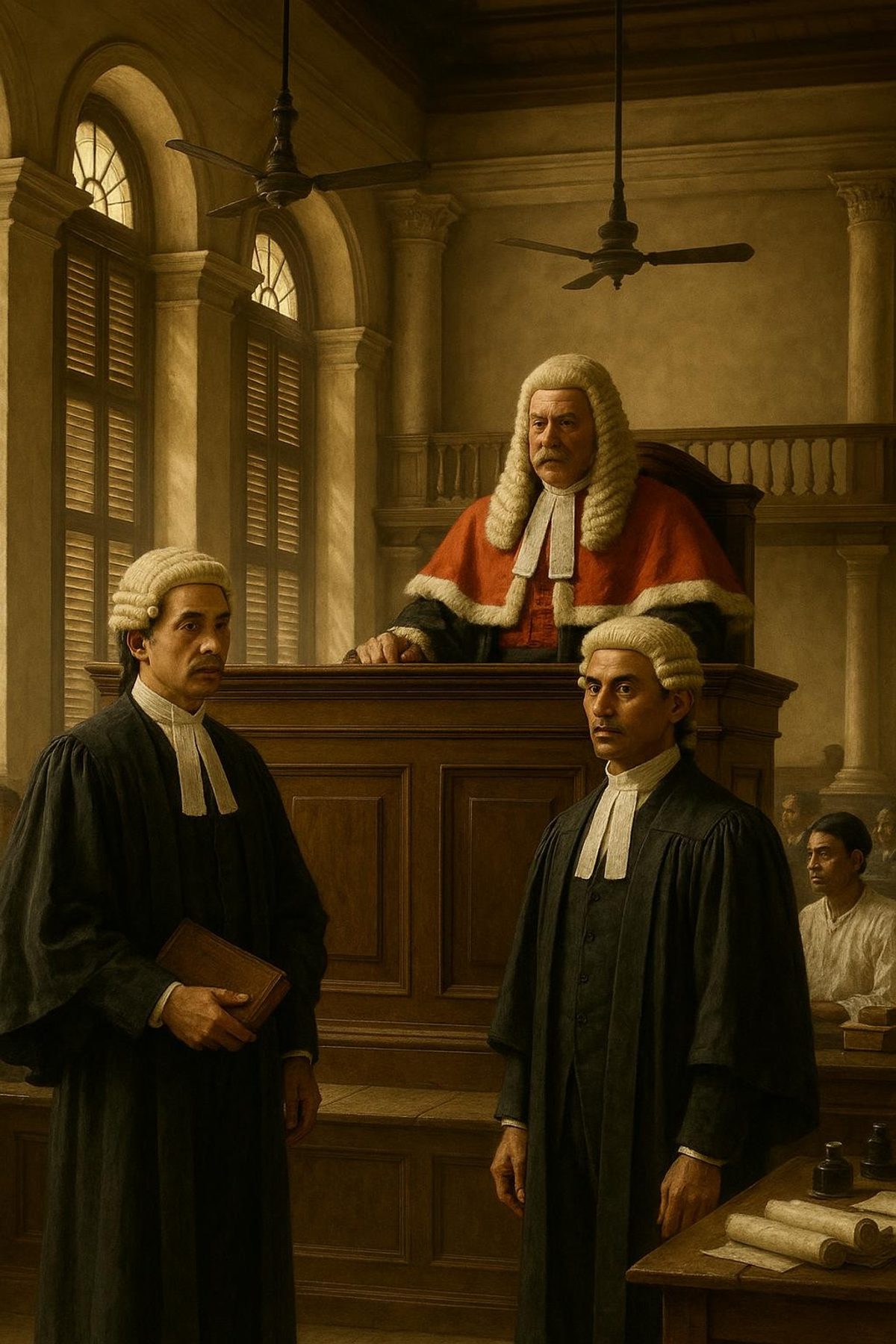
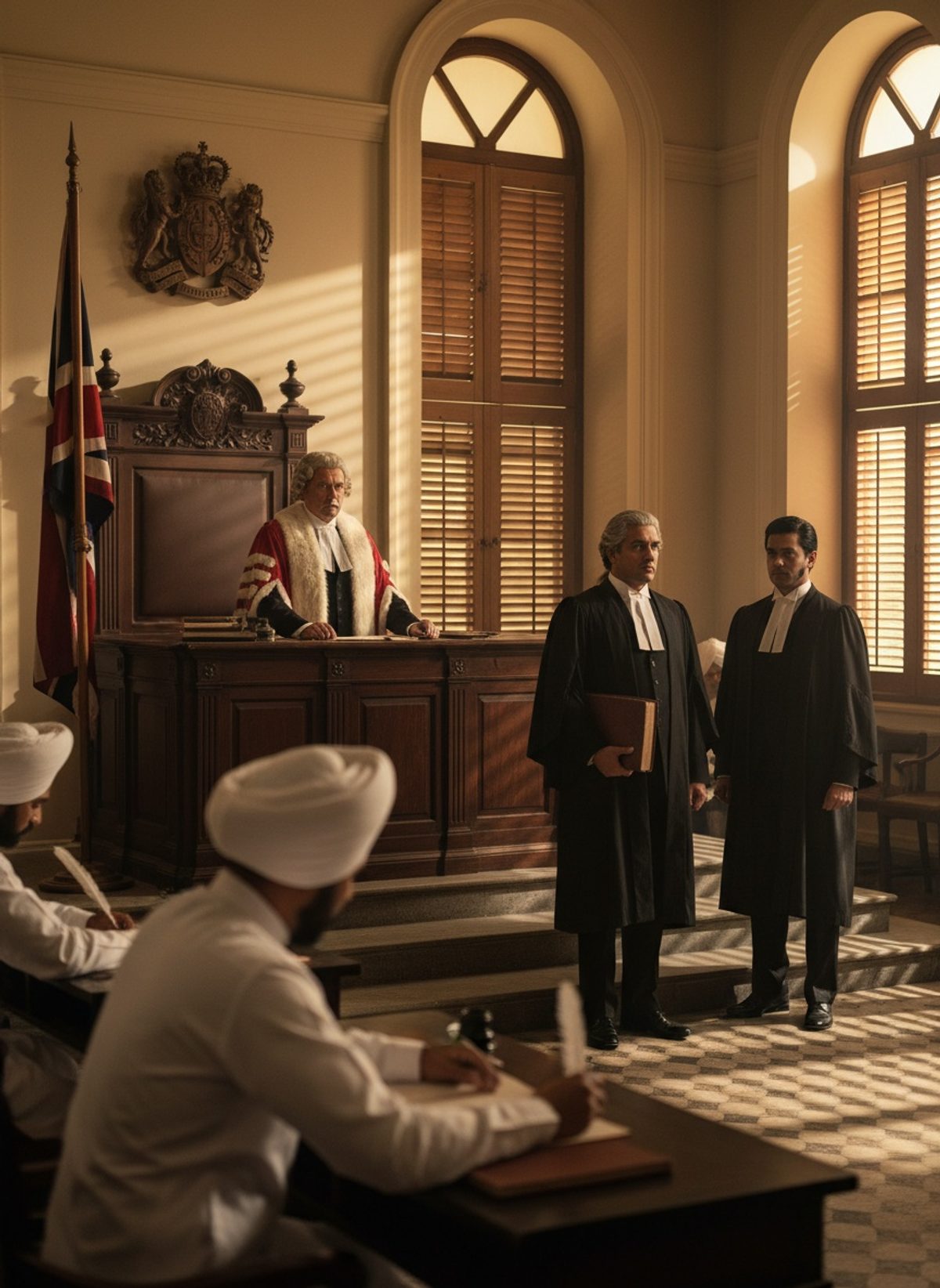
1861. Britain was reshaping an empire. Parliament passed one act. It planted three High Courts across India. Calcutta. Bombay. Madras. Those courts still stand. Still rule. Still deliver justice in English.
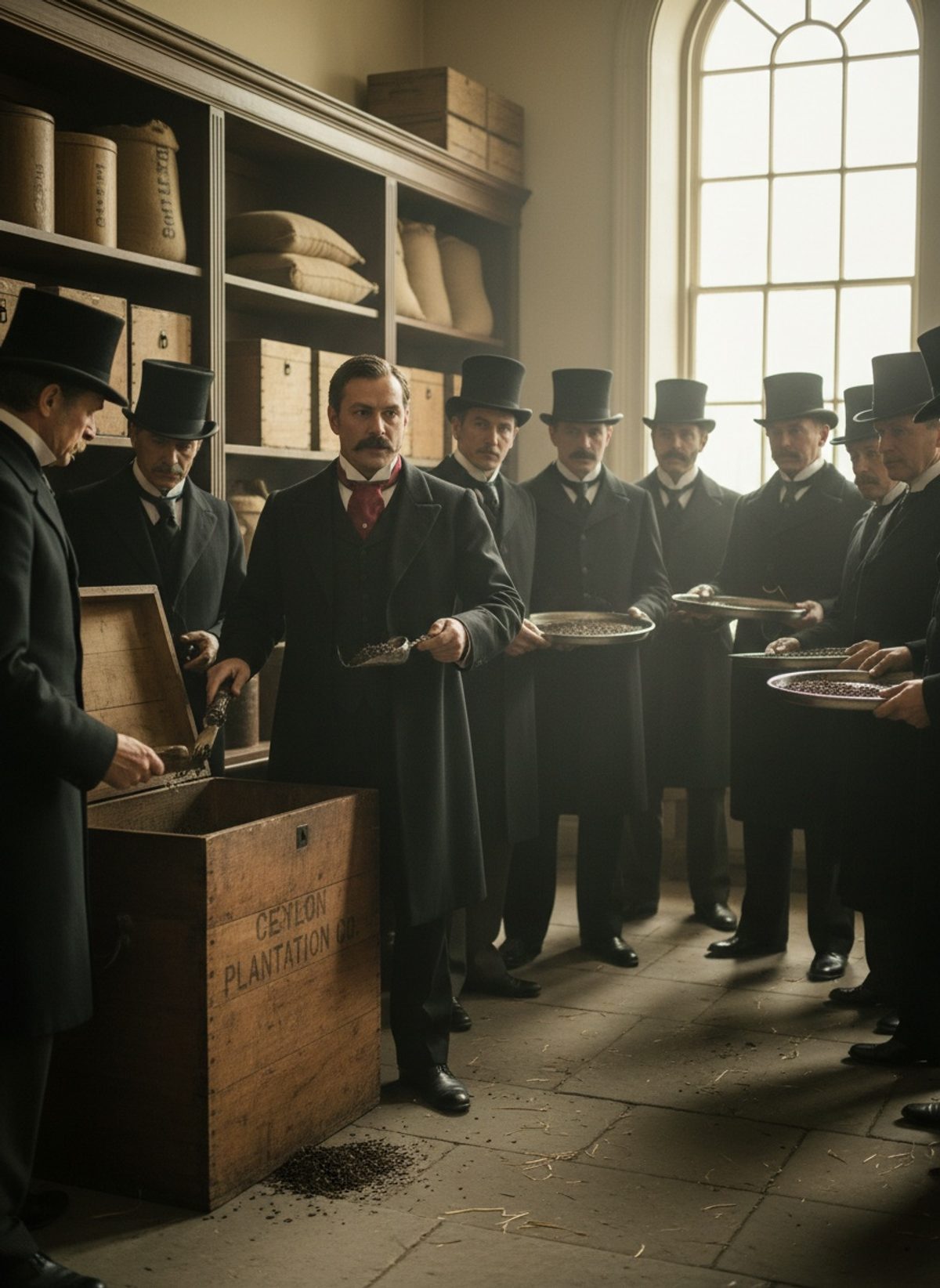
1890. Thomas Lipton had just bought tea estates in Ceylon. He cut out every middleman. His tea reached London for pennies a pound. The poor could finally afford it. Britain was never the same.
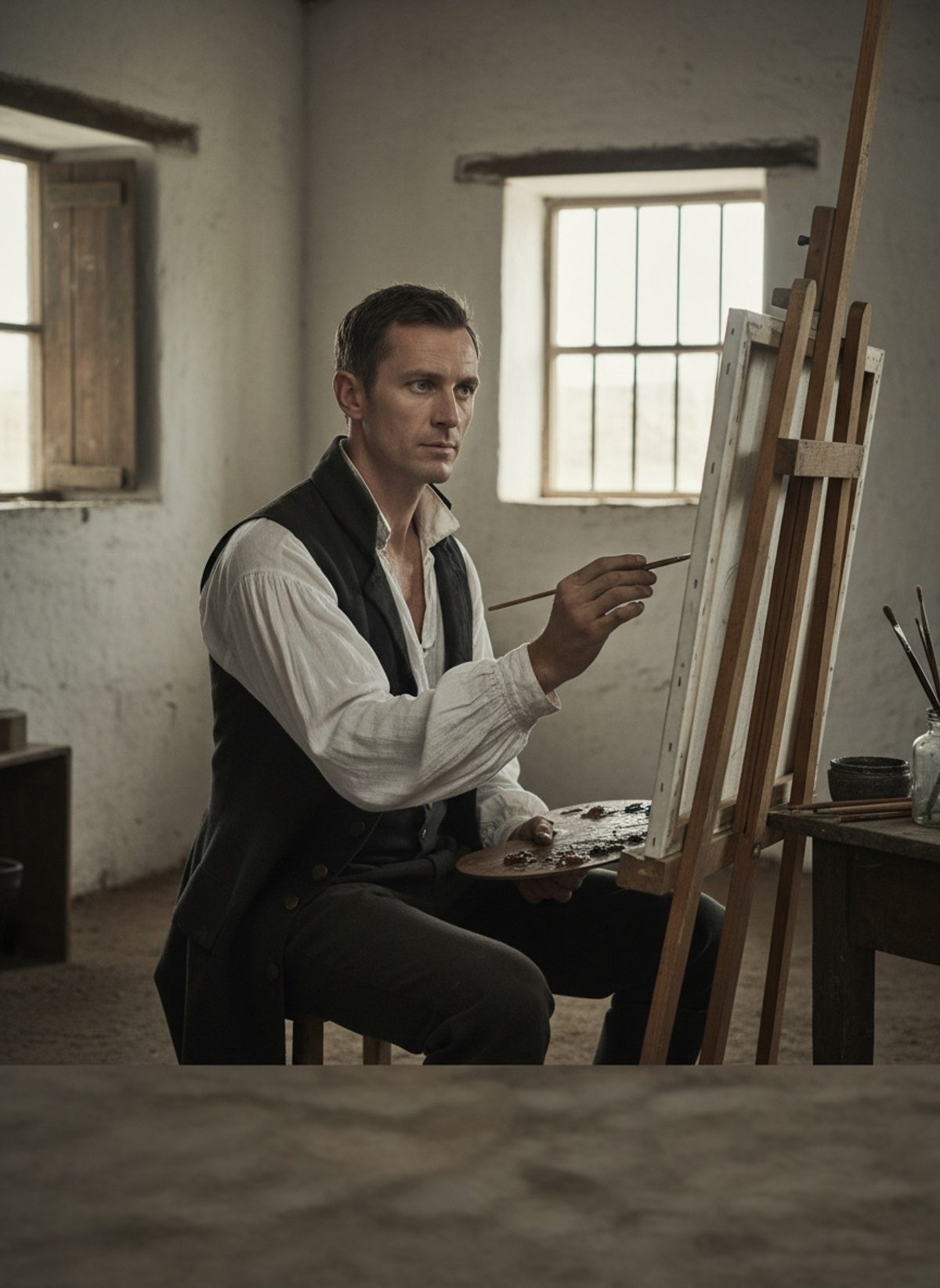
He poisoned three people in London, forged bank drafts worth thousands, and fled to France. Then the Empire caught him. Transported to Van Diemen's Land, he became the colony's most elegant portrait painter.
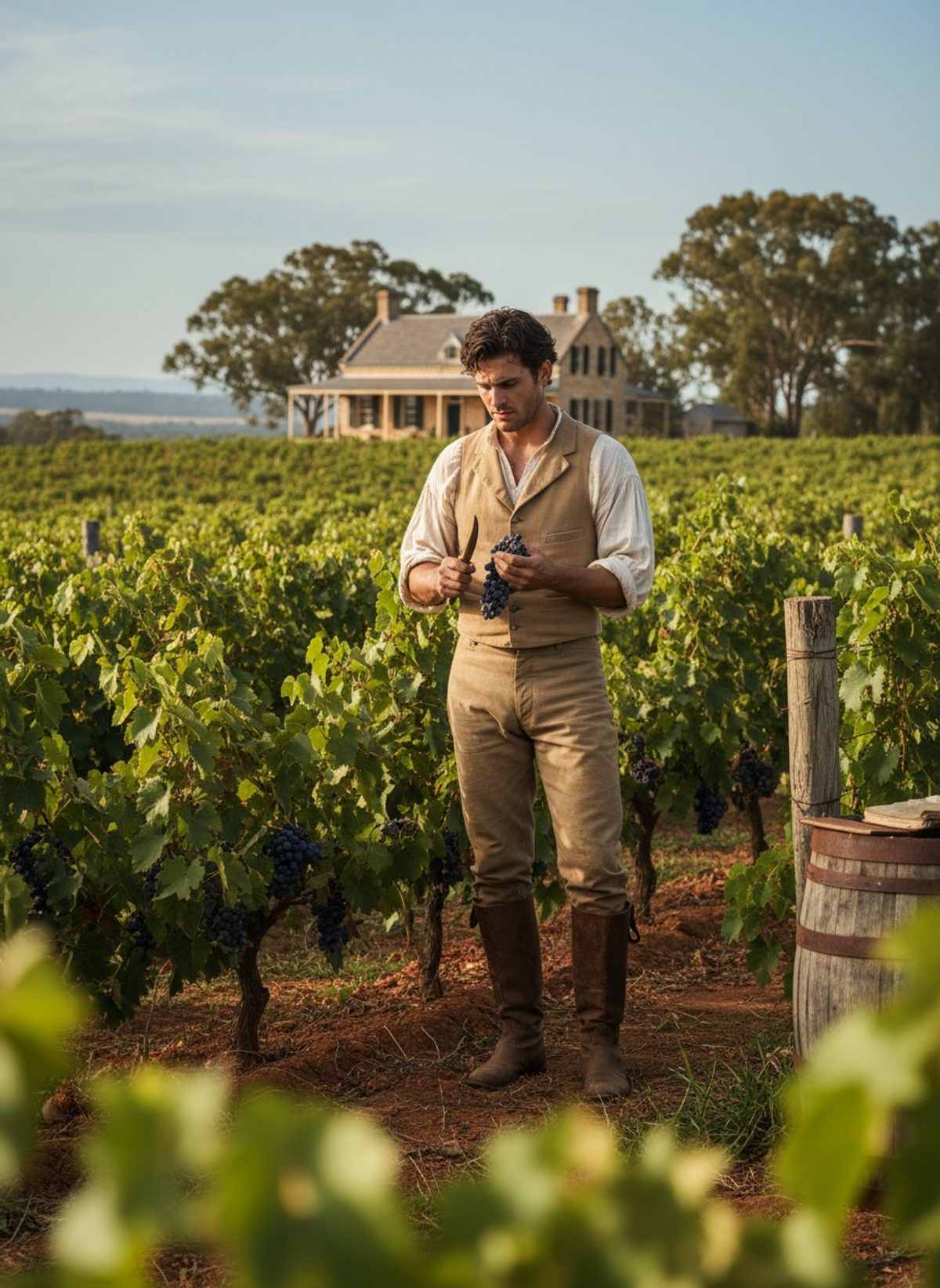
New South Wales, 1827. James Macarthur pressed the first commercial vintage from Camden Park. His father had built a wool empire. He built something quieter. A bottle of Australian wine. From English hands. On the other side of the world.
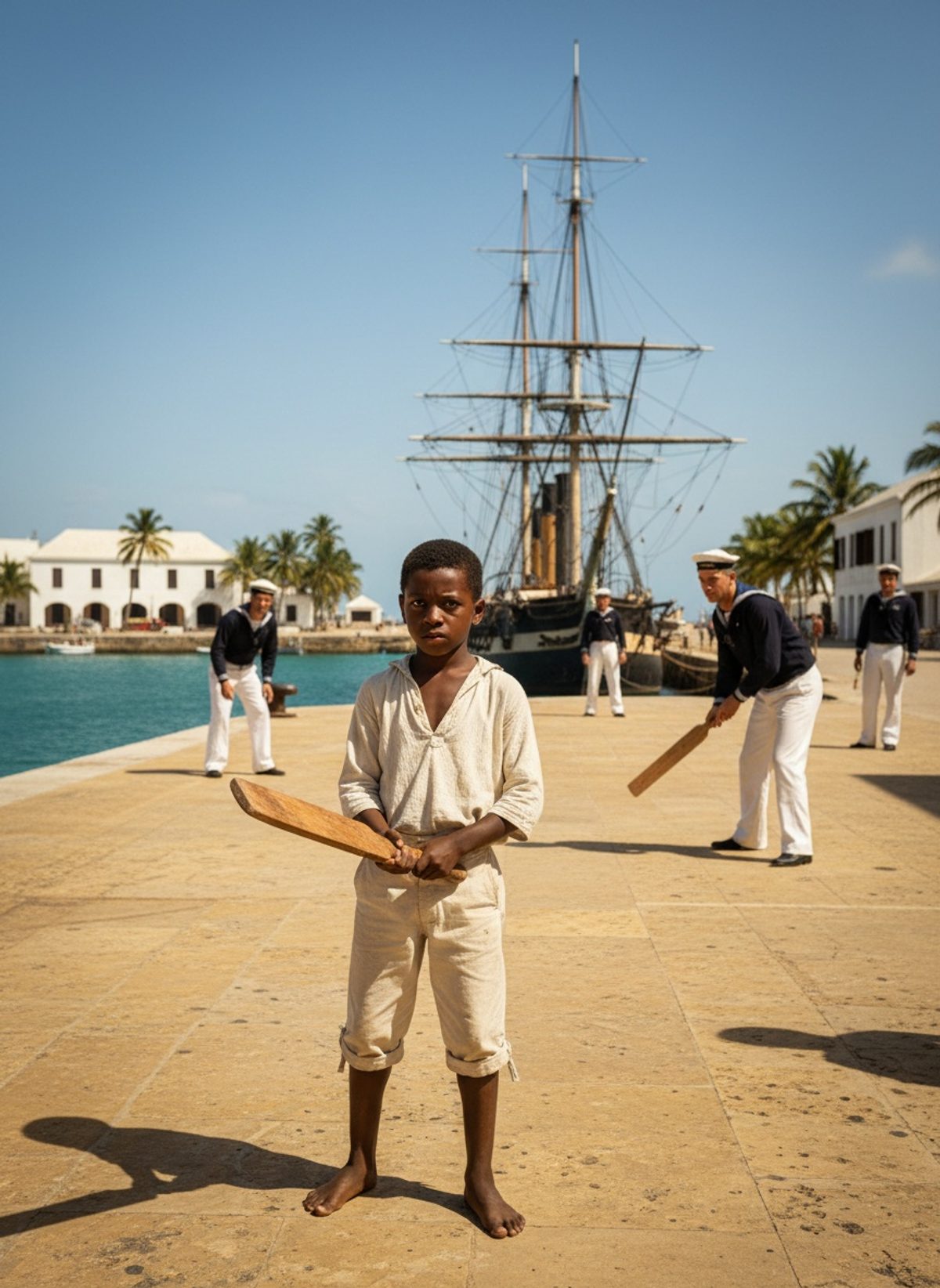
Bridgetown, Barbados. 1900. A barefoot boy watched English sailors play cricket on the quayside. He picked up a stick. He copied every stroke. A century later, the West Indies would beat England at their own game.
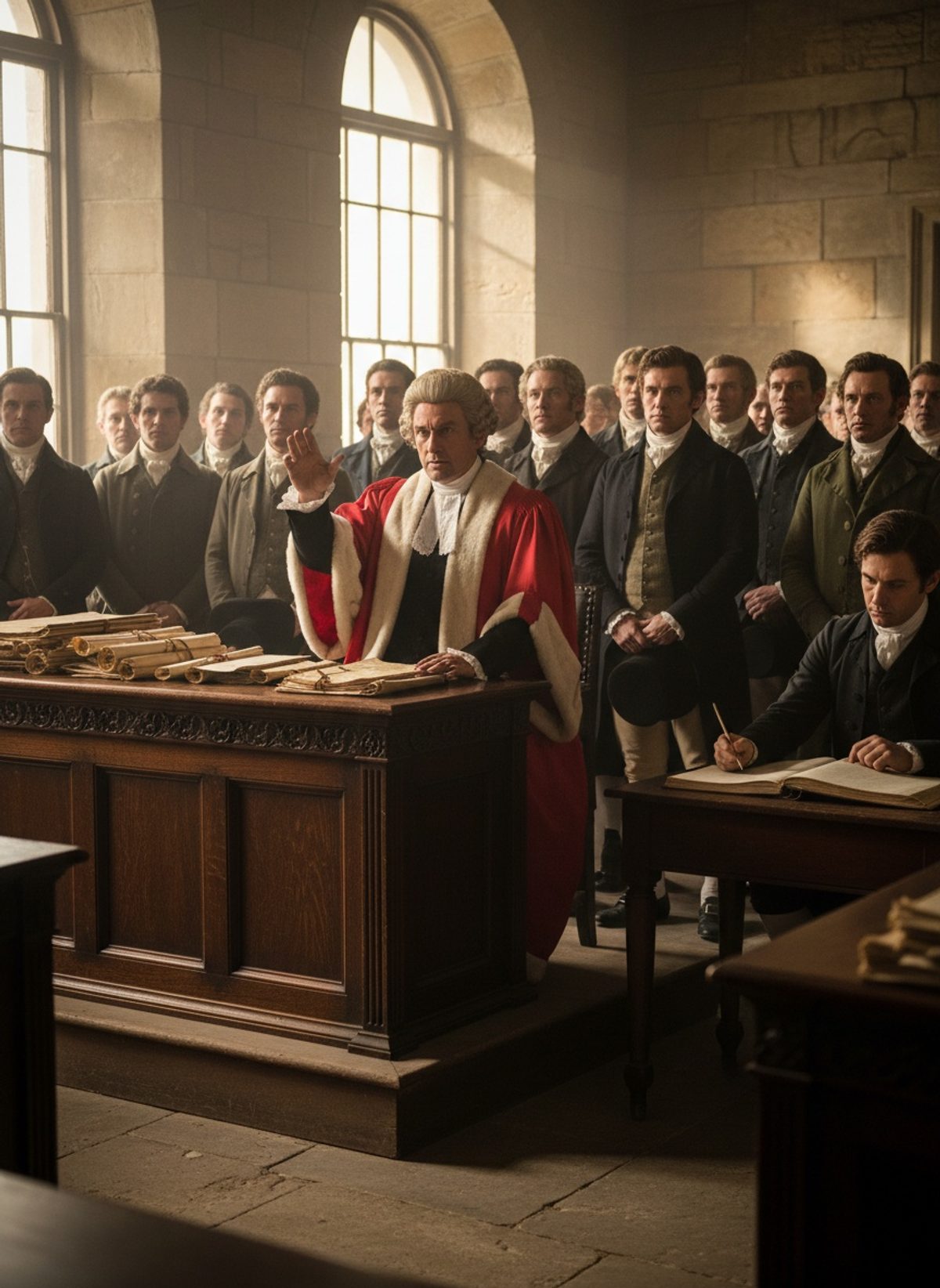
Sydney, 1824. For thirty-six years, convicts had no right to a jury. One judge changed that. Francis Forbes insisted. London backed down. The courtroom where it happened still stands.
1858. The Crown took India from the Company. British judges carried their law into every court. A thousand years of English precedent. Now the foundation of a nation of a billion people.
1874. Britain annexed the Gold Coast. A single colonial courtroom opened in Cape Coast Castle. Local men studied its procedures. Memorised its principles. Within a generation, they argued cases before British judges. The common law never left.
September 1857. Delhi had fallen. William Hodson rode out alone to accept the surrender of the last Mughal princes. Three men. Thousands watching. He faced them down. Disarmed a crowd of hundreds. Brought them in.
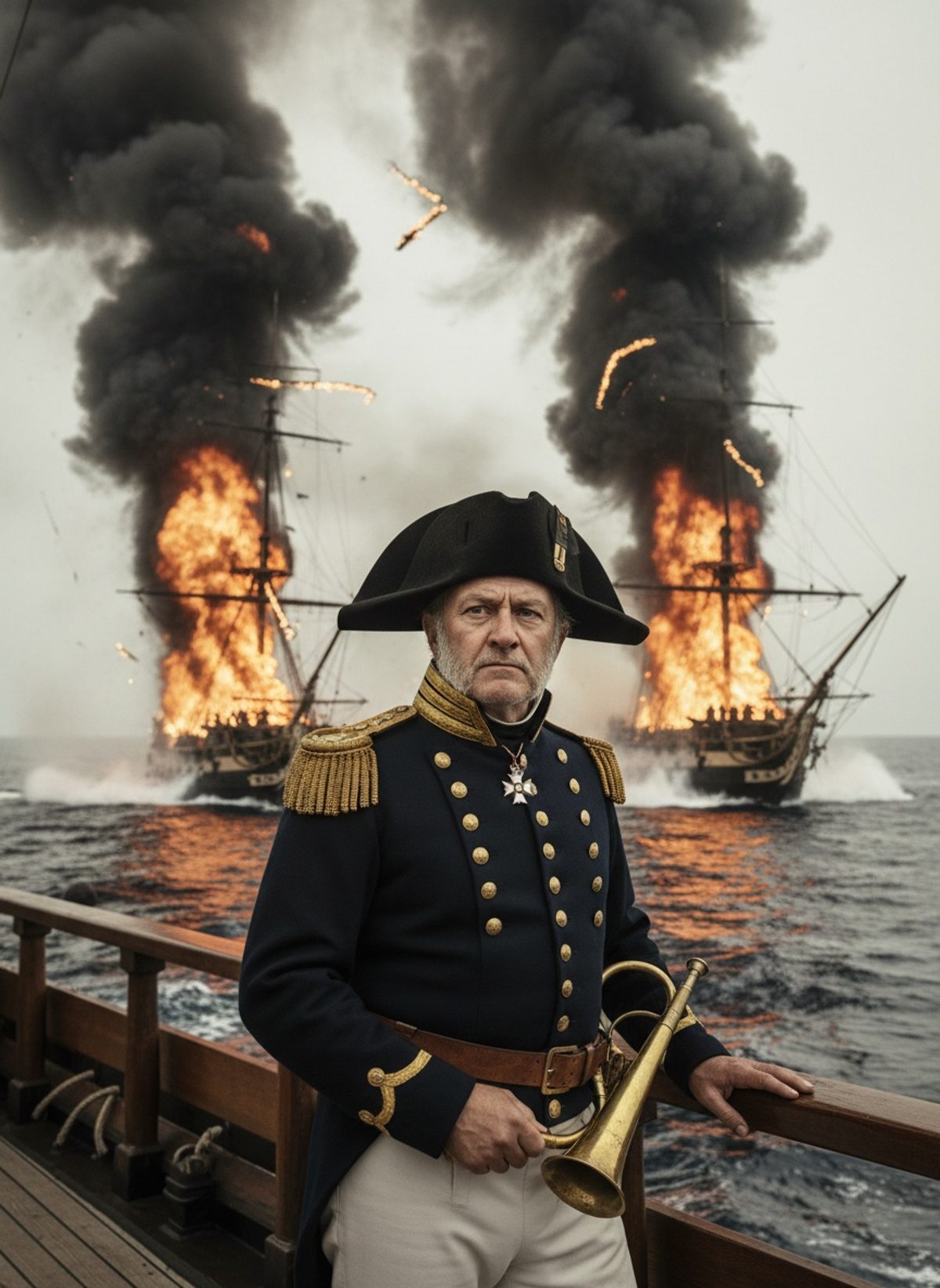
Britain was not at war. No orders said 'attack.' But Admiral Codrington sailed into the bay, and by nightfall the Ottoman fleet was ash. London called it an accident. History called it empire.
In 1982, Britain sailed 8,000 miles to war on a shoestring. What nobody said aloud: without one American's private loyalty, the task force would have failed. Caspar Weinberger gave Britain what its closest ally almost withheld.
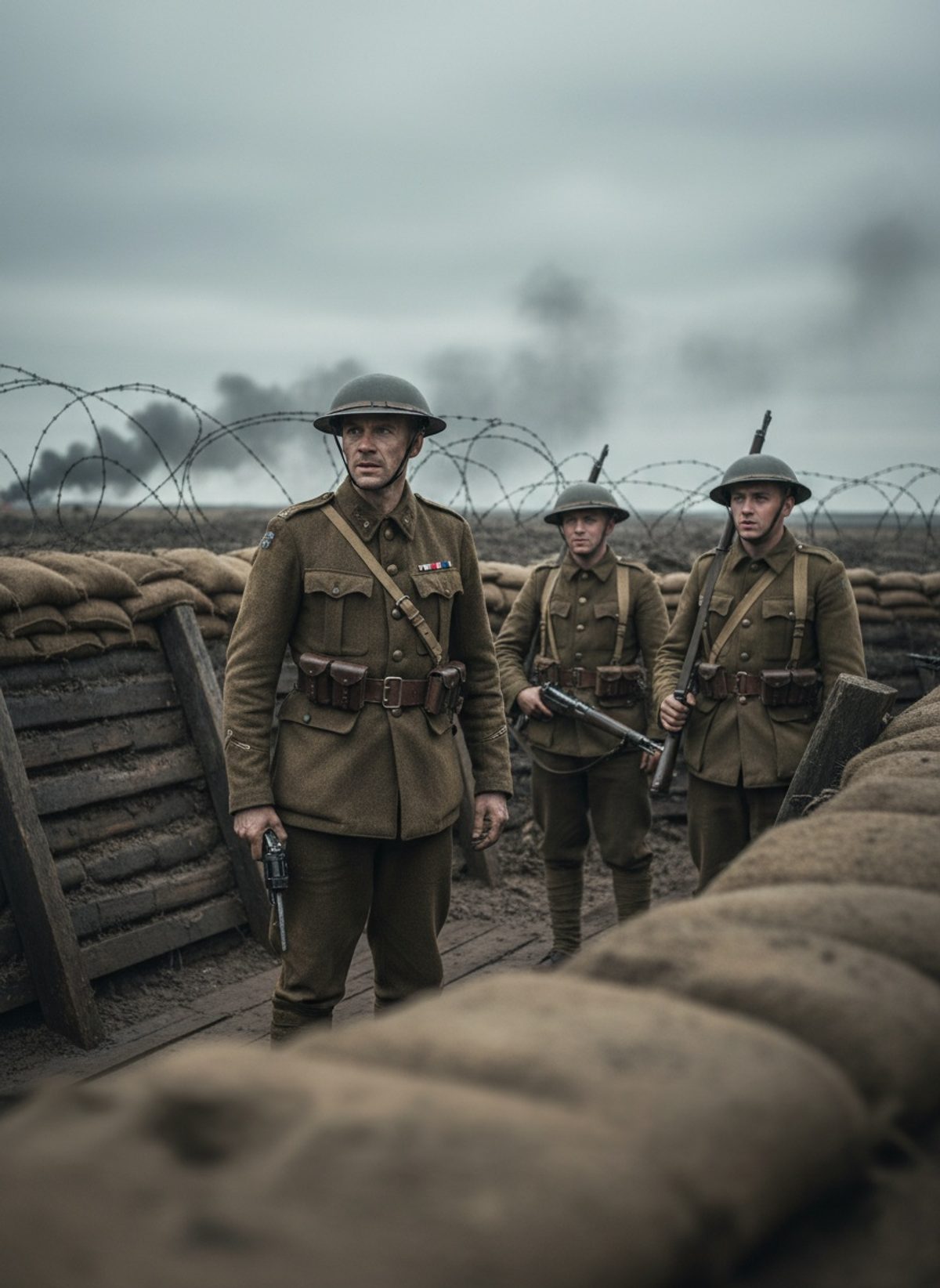
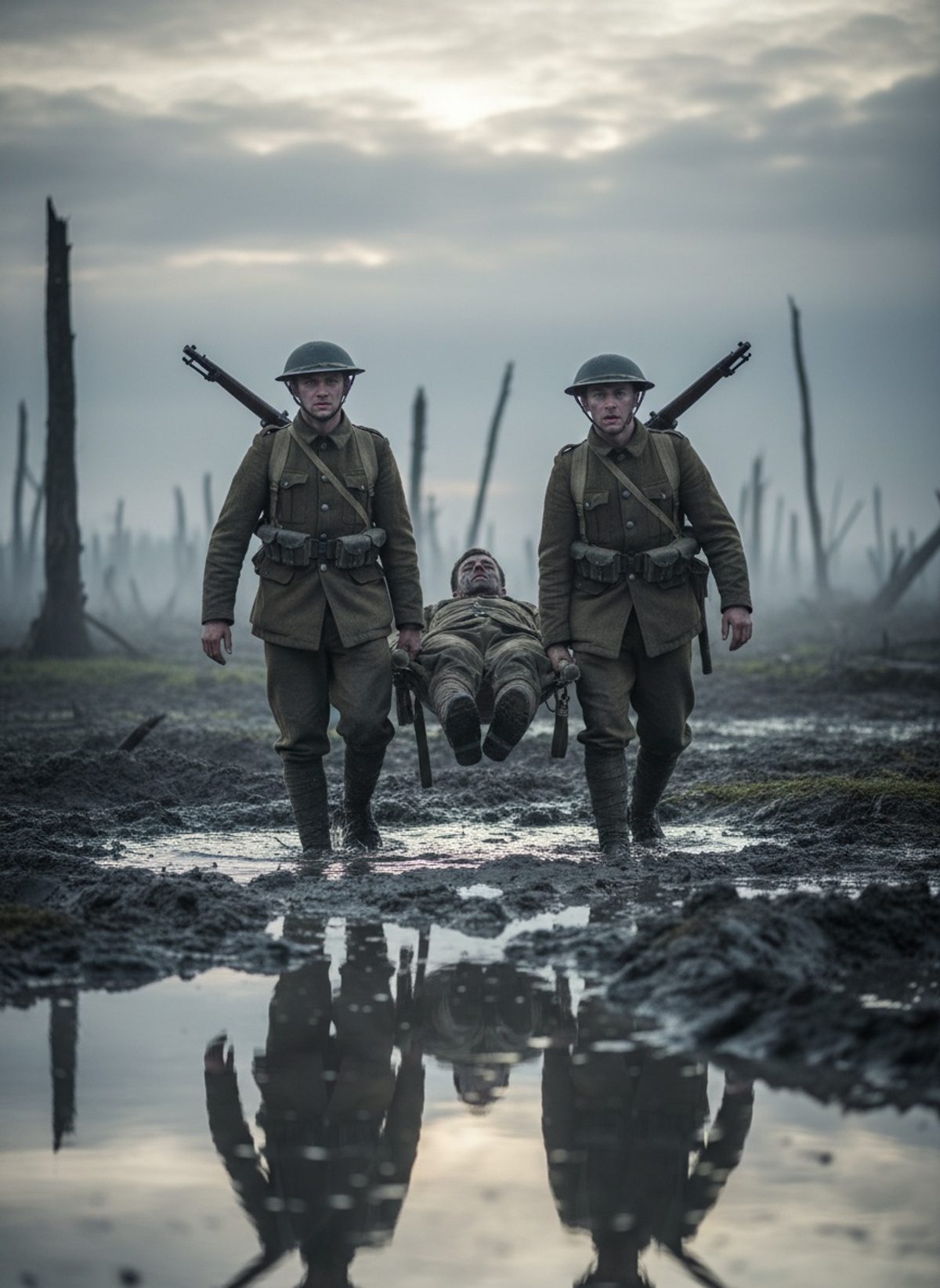
31 July 1917. The guns stopped. The men moved forward. Then the rain came. Within hours, the battlefield had turned to liquid mud. Passchendaele would cost Britain over 250,000 casualties.
June 1857. The garrison at Cawnpore was starving. General Wheeler had held out for three weeks. Nana Sahib offered safe passage to the river. Wheeler believed him. He should not have.
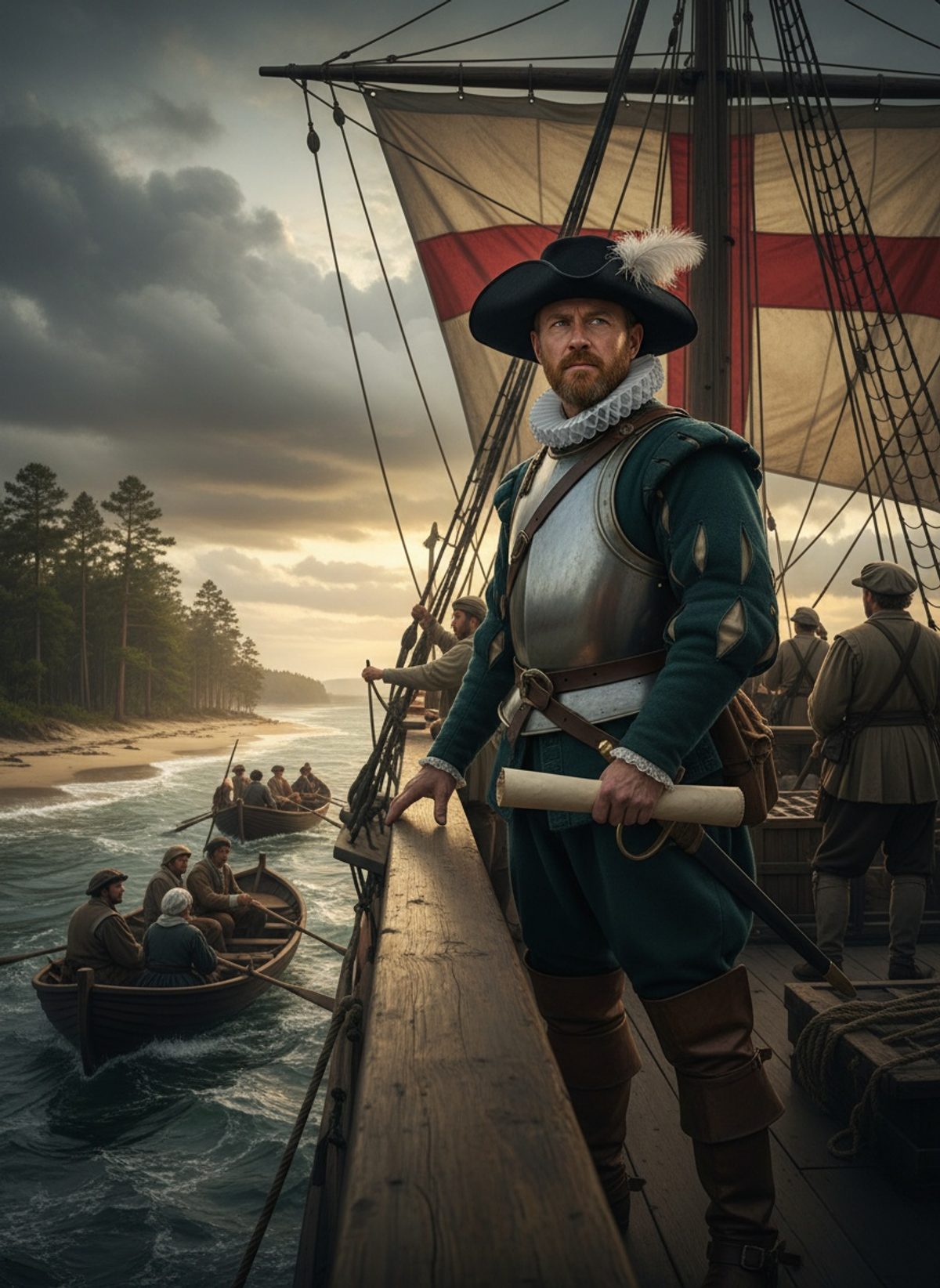
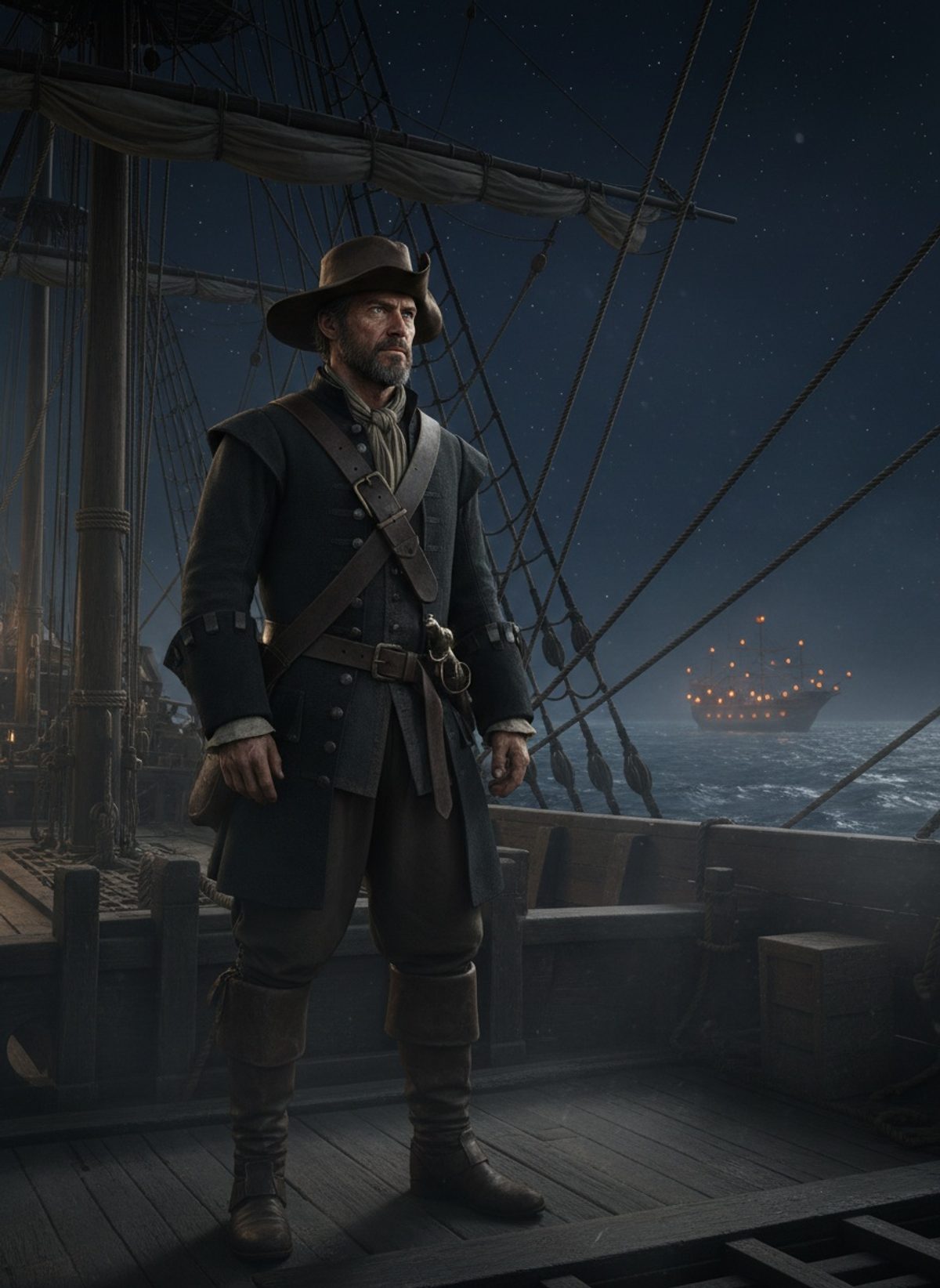
1585. Sir Richard Grenville stood on the deck of the Tiger. He was delivering England's first colonists to Roanoke Island. A storm had already nearly sunk the fleet. He pressed on. The colony was planted. England's American dream began here.
1695. The Red Sea. One English captain. One Mughal treasure fleet. Henry Every brought his crew alongside in darkness. The boarding was swift. The haul was staggering. England trembled at what he had done.
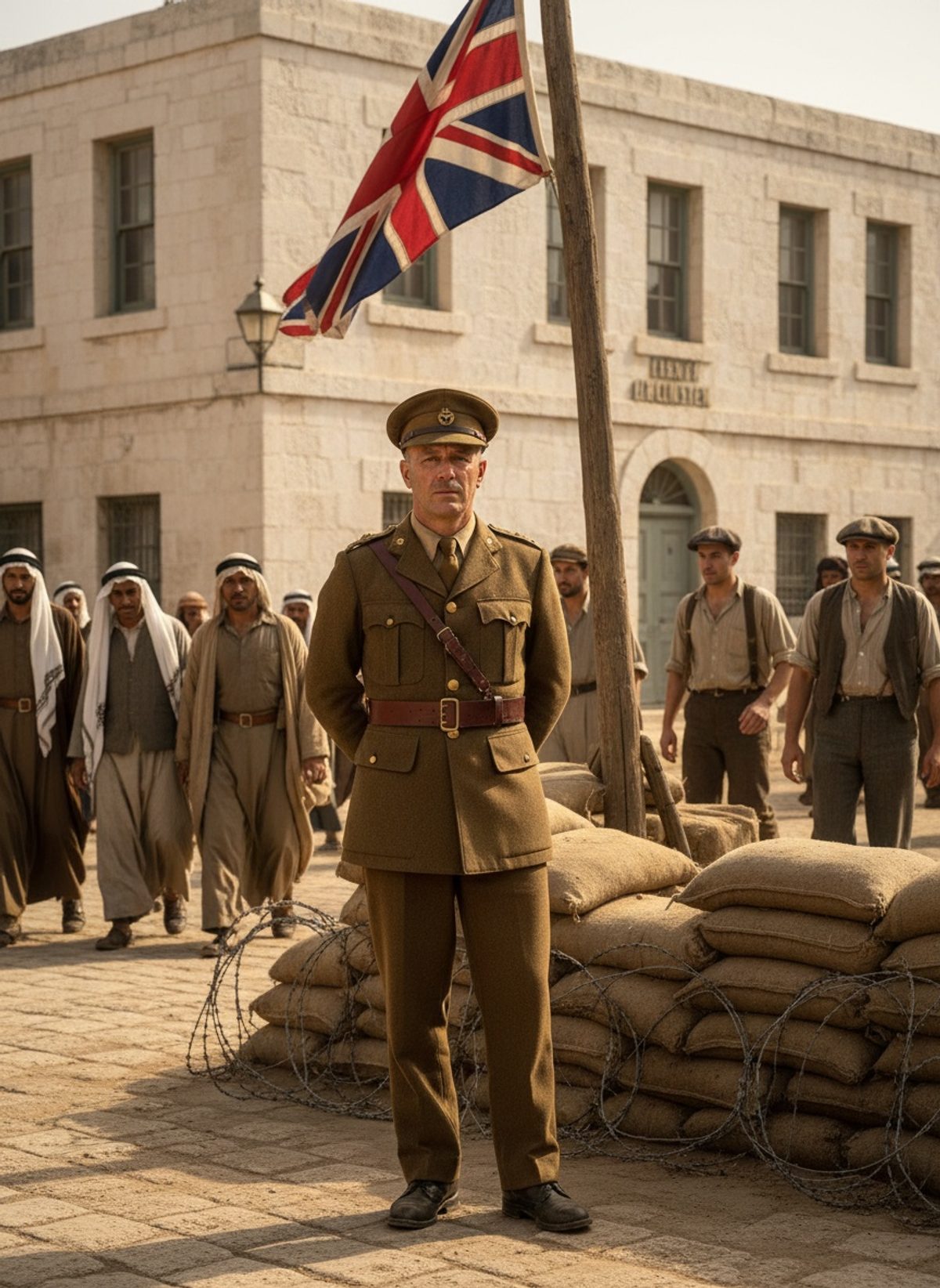
Britain promised Palestine to two peoples at once. One letter to the Zionists. One promise to the Arabs. Thirty years later, Britain simply walked away — and left both sides with a gun.
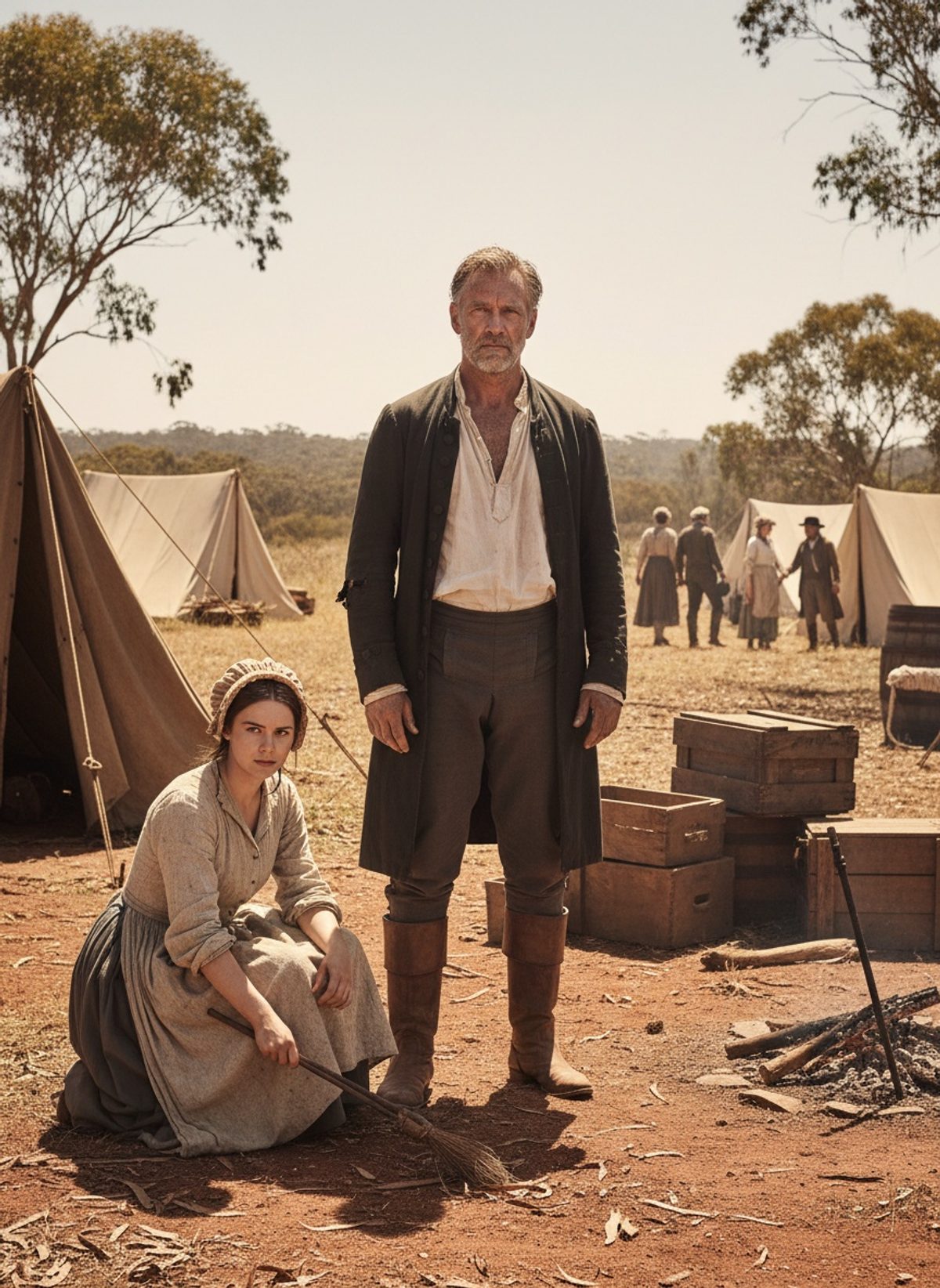
1830. Thomas Peel brought 400 settlers to Western Australia. He promised them farms. He had no tools. No roads. No food. Men dug with their hands. Women wept in canvas tents. Peel himself died poor and alone in the bush.
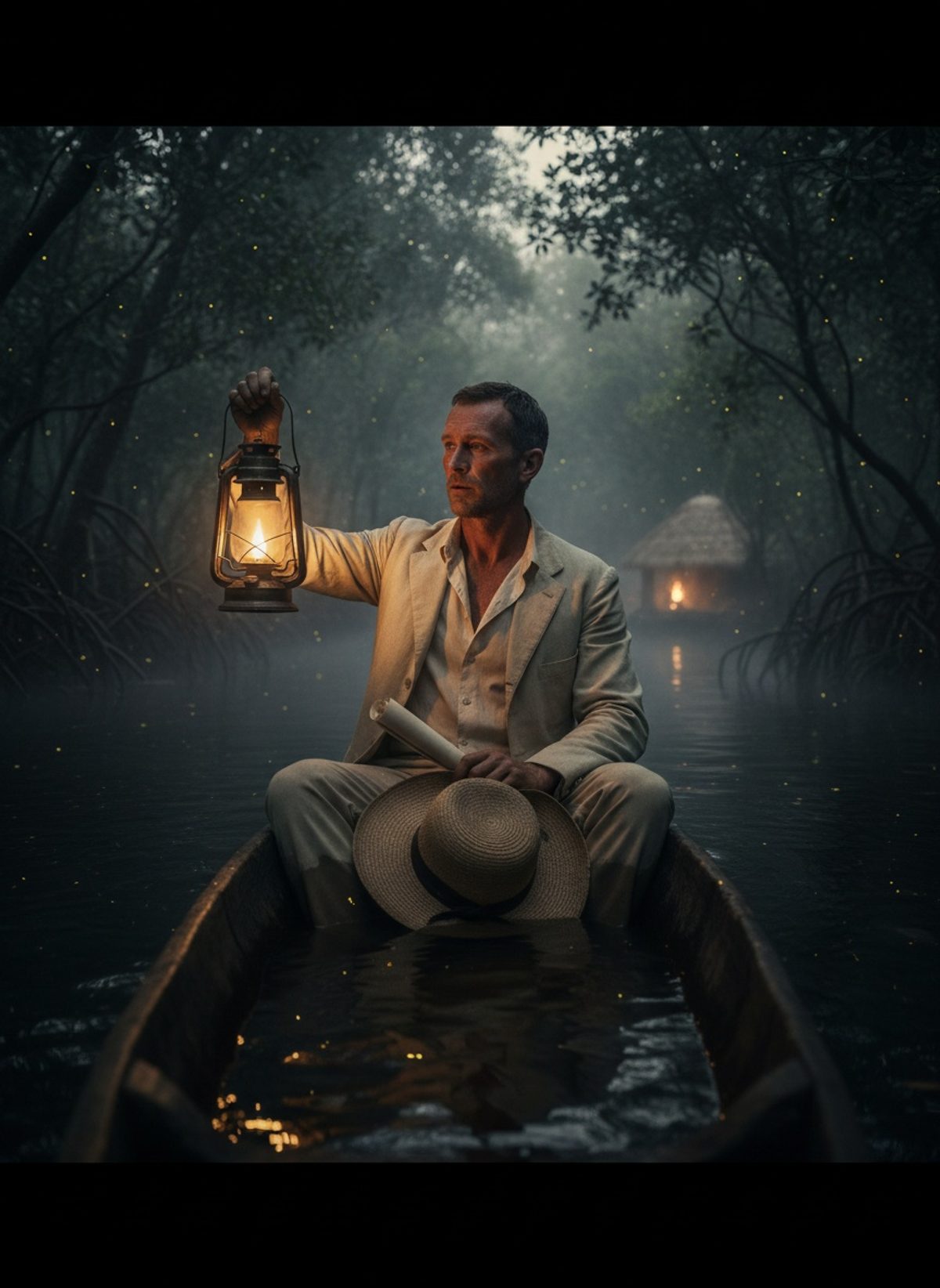
1886. The Niger Delta. George Taubman Goldie sat alone in a canoe at midnight. He had one lamp. One treaty. And a continent to hold. He paddled toward the chief's village. Britain did not know his name yet.
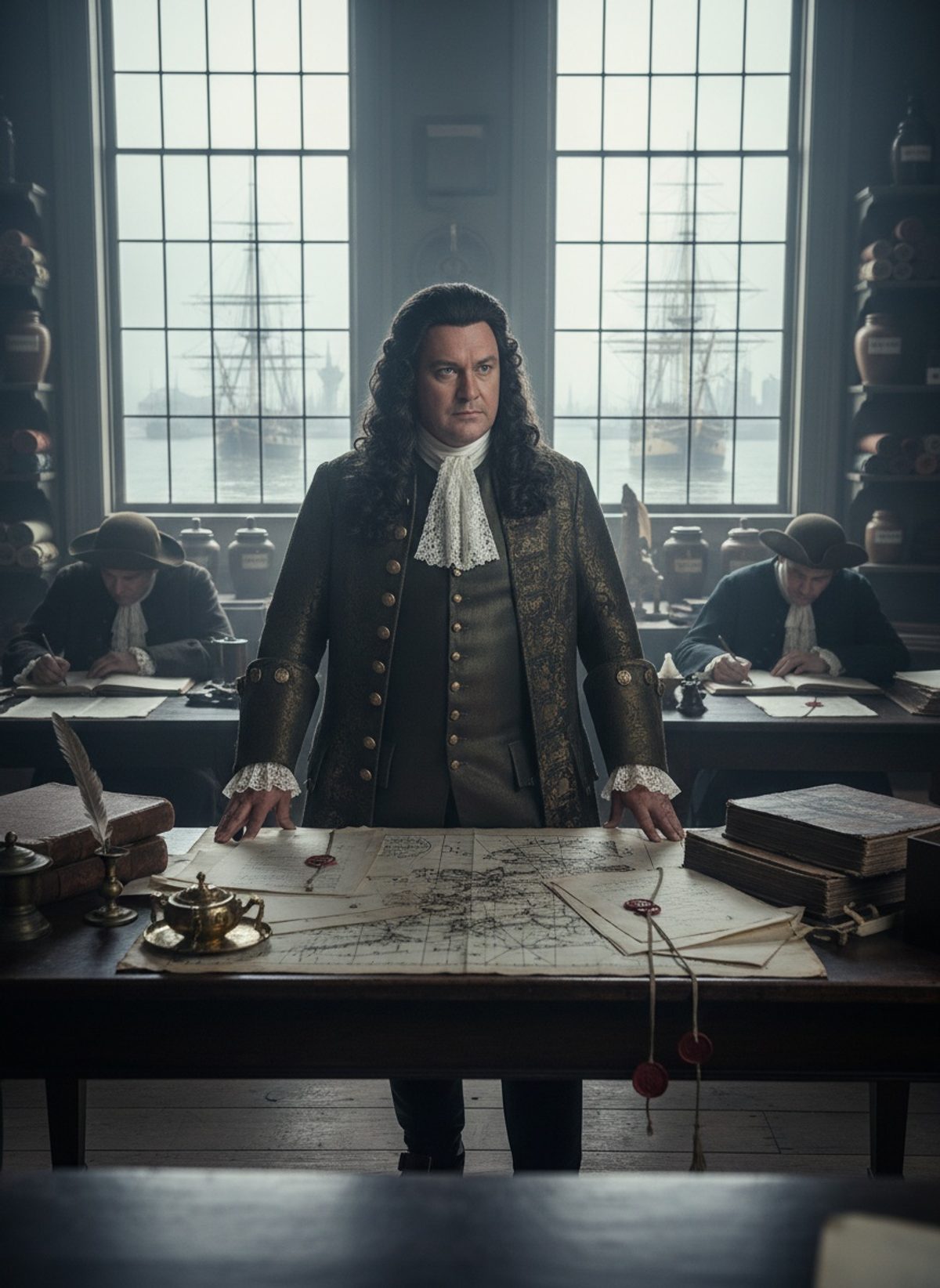
1684. Josiah Child ran the East India Company like a king. He slashed dividends, cornered the stock, and bet everything on forcing the Mughal Emperor to grant Britain a trading monopoly. One man. One company. One empire's future.
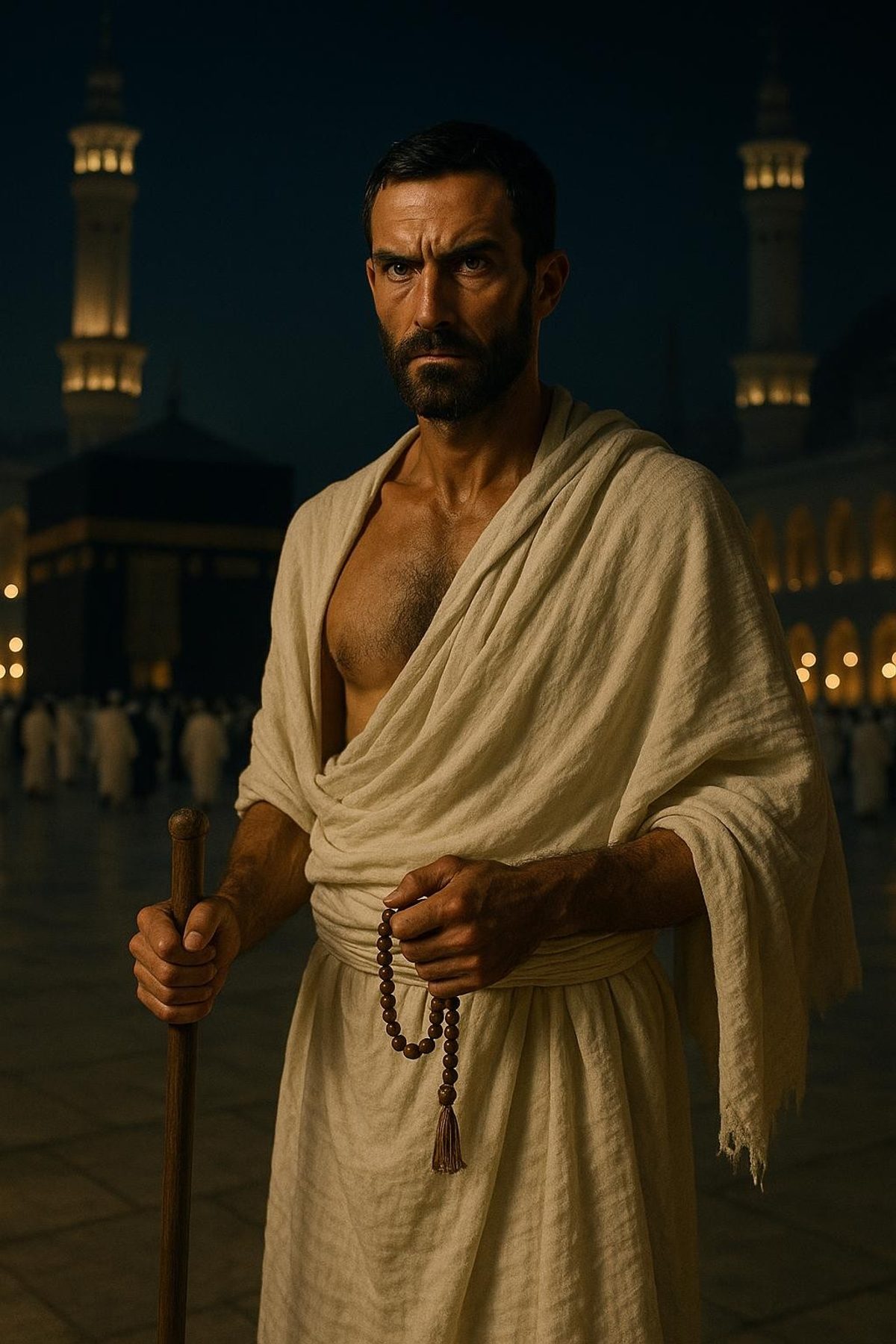
1853. No Christian had entered Mecca and survived. Richard Burton disguised himself as an Afghan pilgrim. He walked to the Kaaba. He touched the Black Stone. He walked out alive.
Hand-picked from Britain Untold's archive. The stories you weren't taught at school. 3-minute read.
No spam. Unsubscribe in one click. We hate spam too. Privacy Policy.