The British Empire — the forgotten chapters · page 2 of 22
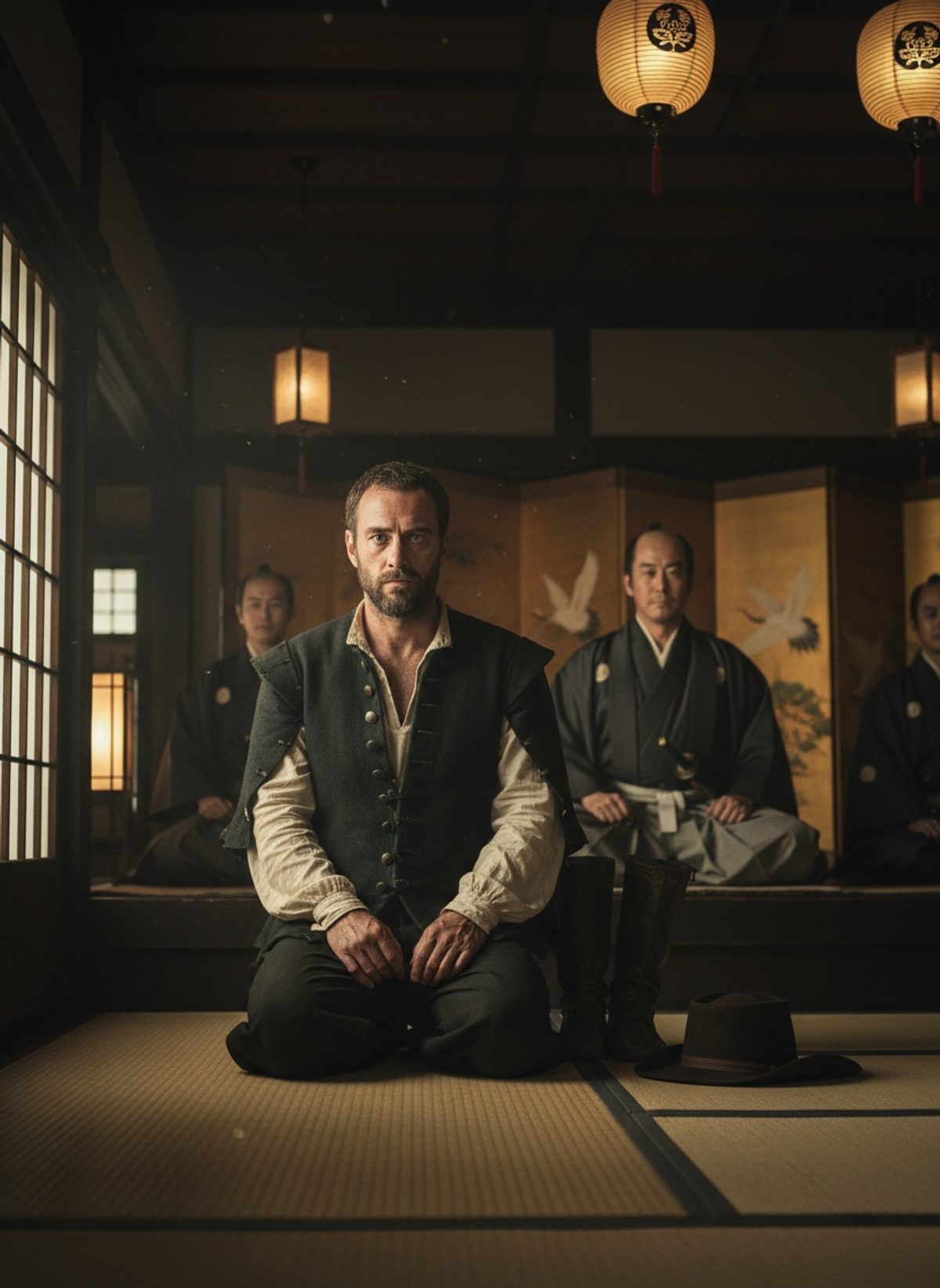
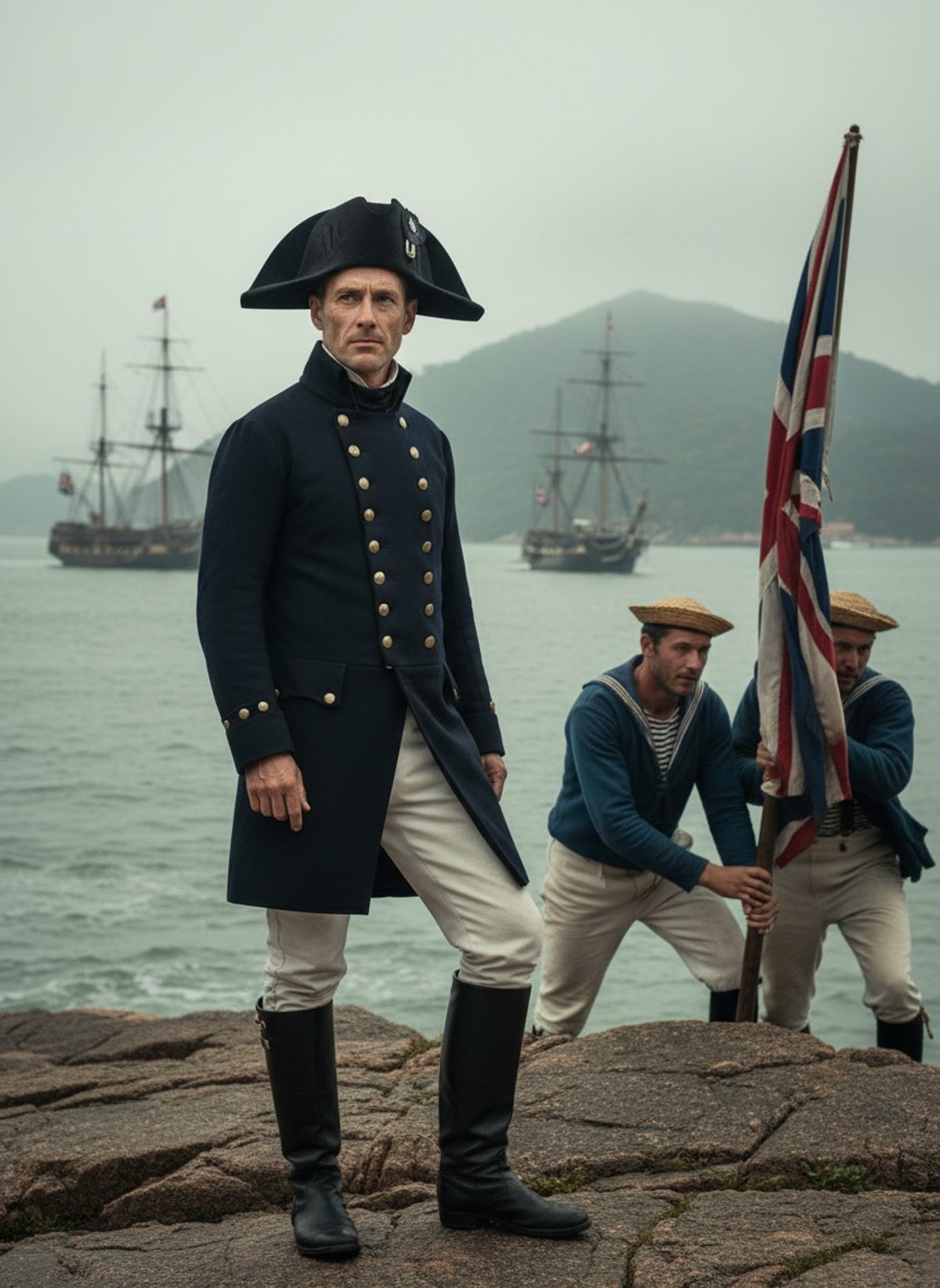
April 1600. An English sailor stood before the most powerful man in Japan. Every other European had been executed. Adams spoke plainly. Tokugawa Ieyasu listened. He walked out alive. The first Englishman Japan ever trusted.
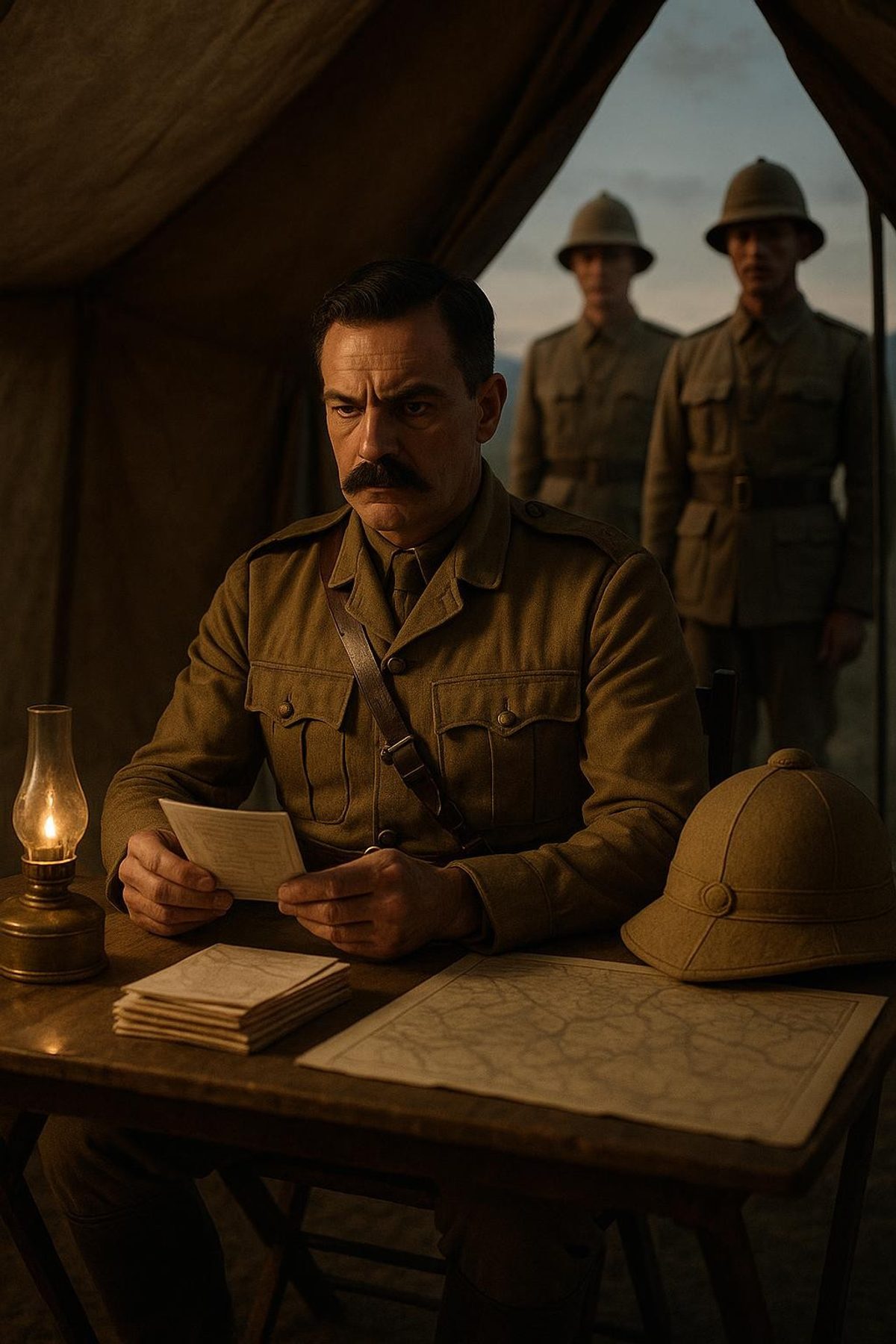
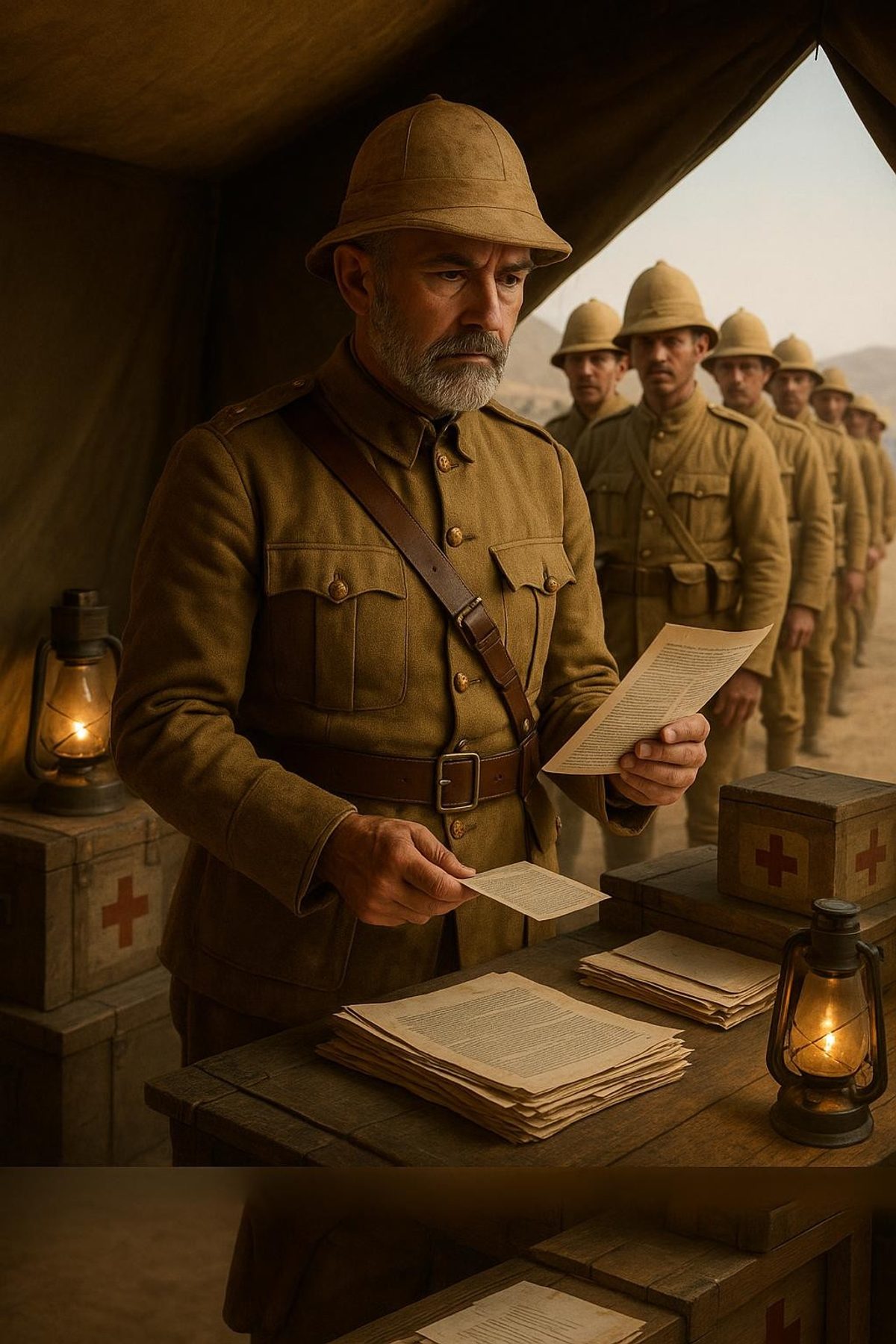
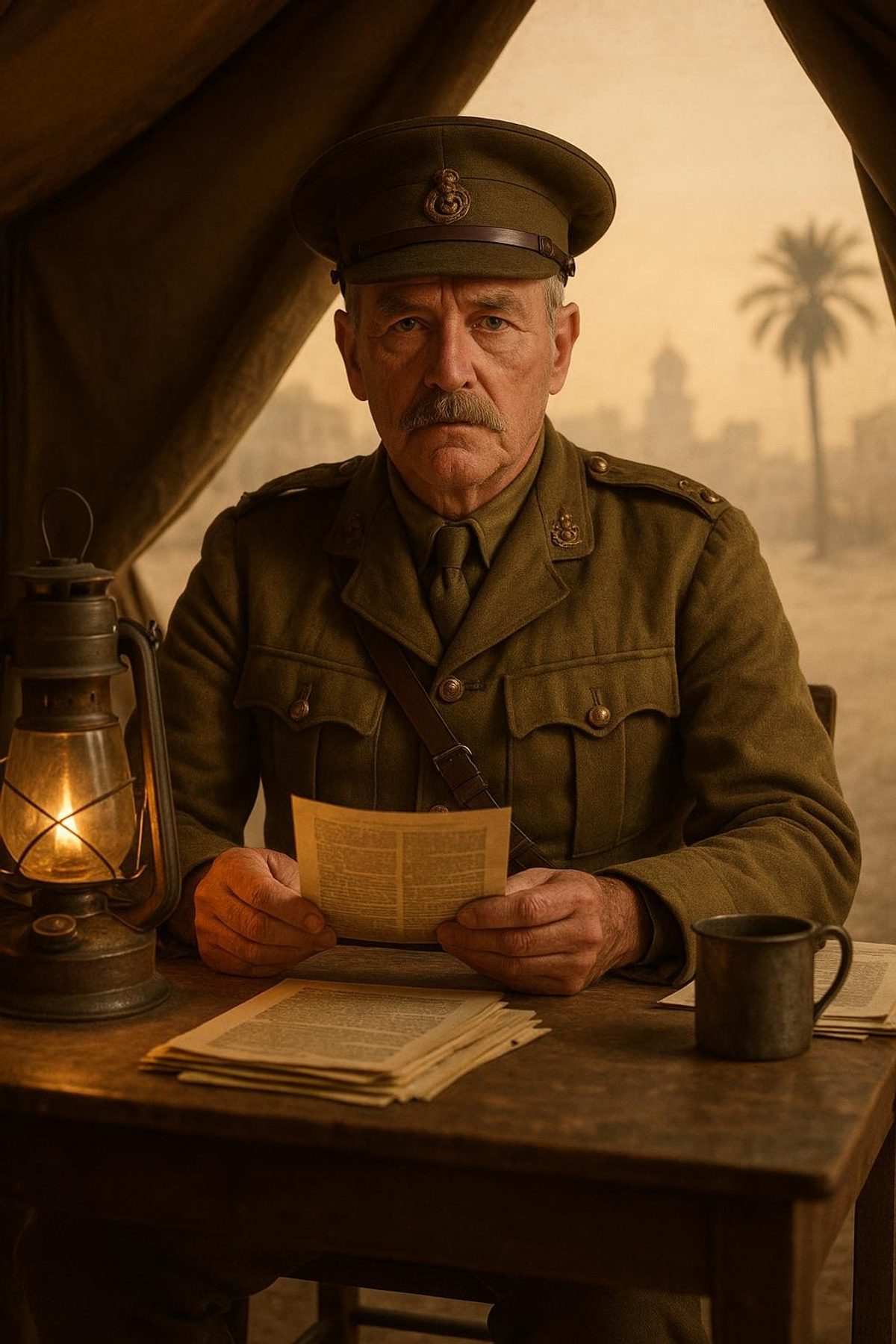
He commanded armies. He also commanded soldiers to stay healthy. Kitchener's frank anti-disease cards enraged army chaplains. His response: ignore them entirely.
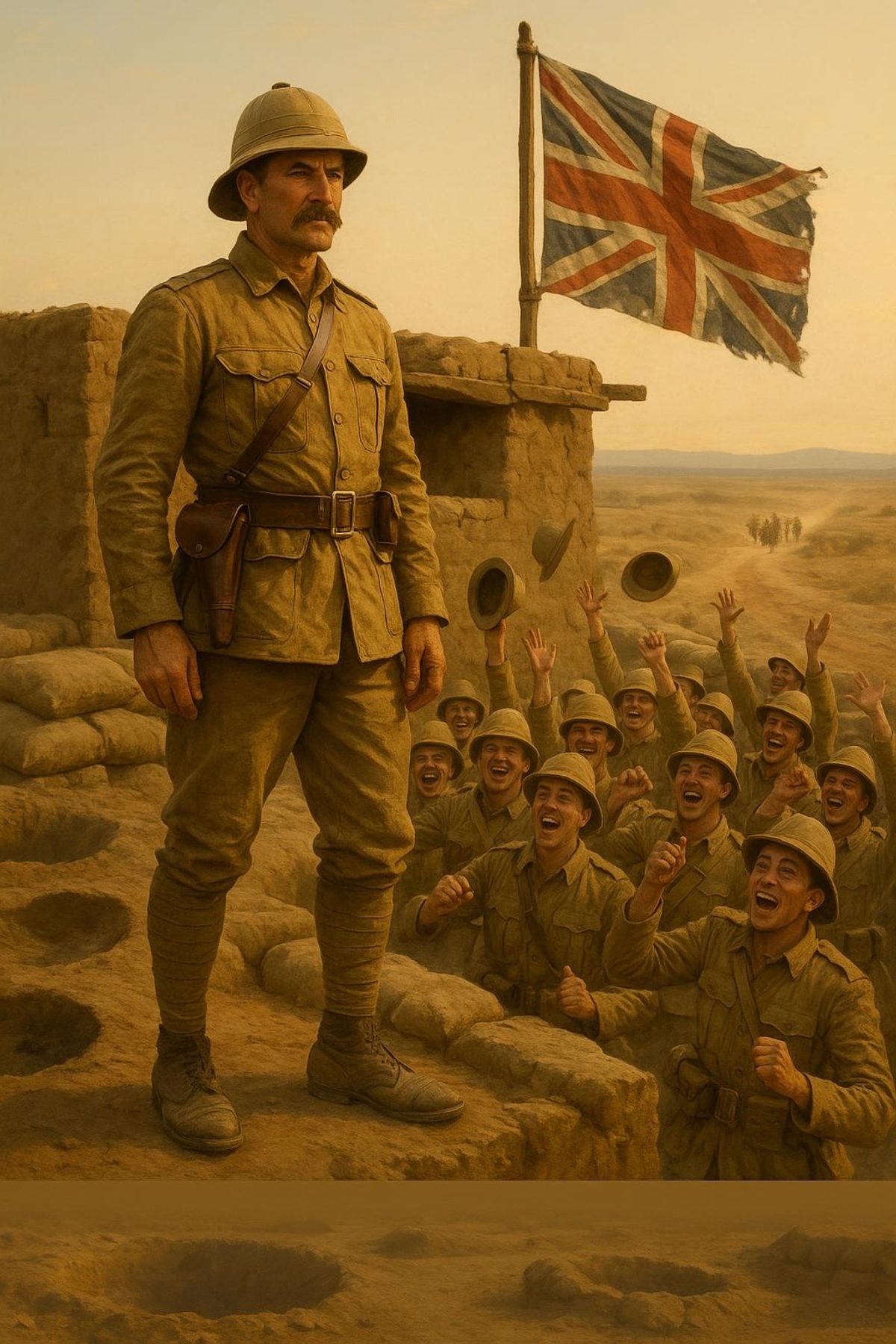
217 days. No relief. No surrender. Baden-Powell held Mafeking with a skeleton force and a town full of civilians. Then came the signal that changed everything.
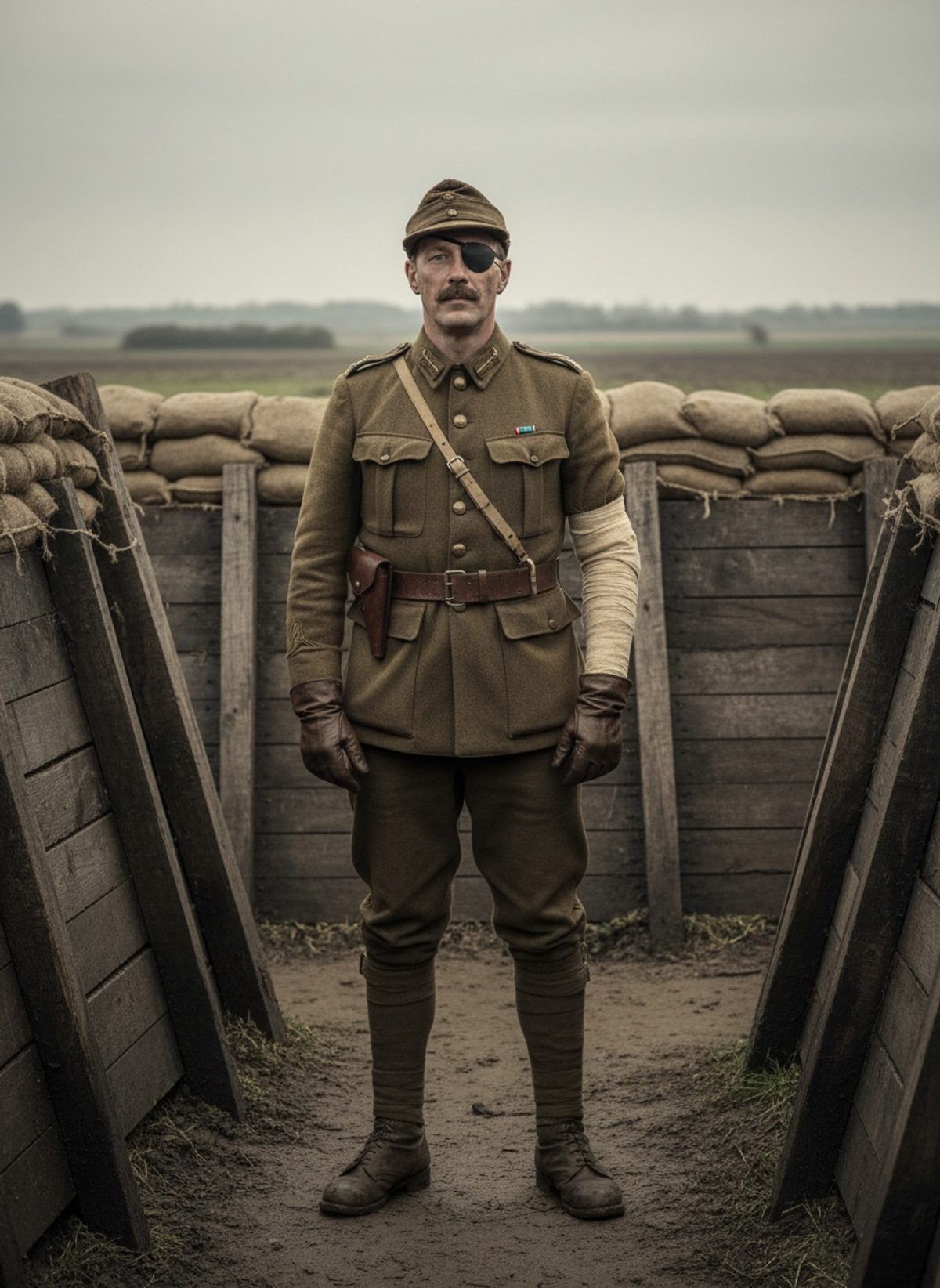
Shot through the face, skull, hip, leg, ankle, and ear. Lost his left hand biting off his own fingers. Survived two plane crashes. Adrian Carton de Wiart fought on every time. Doctors called it impossible. He called it Tuesday.
Britain wanted a trading base. China said no. So Britain simply took one. Hong Kong was seized by Captain Edward Belcher in January 1841 — before any treaty, before any legal authority. London was furious. And kept the island anyway.
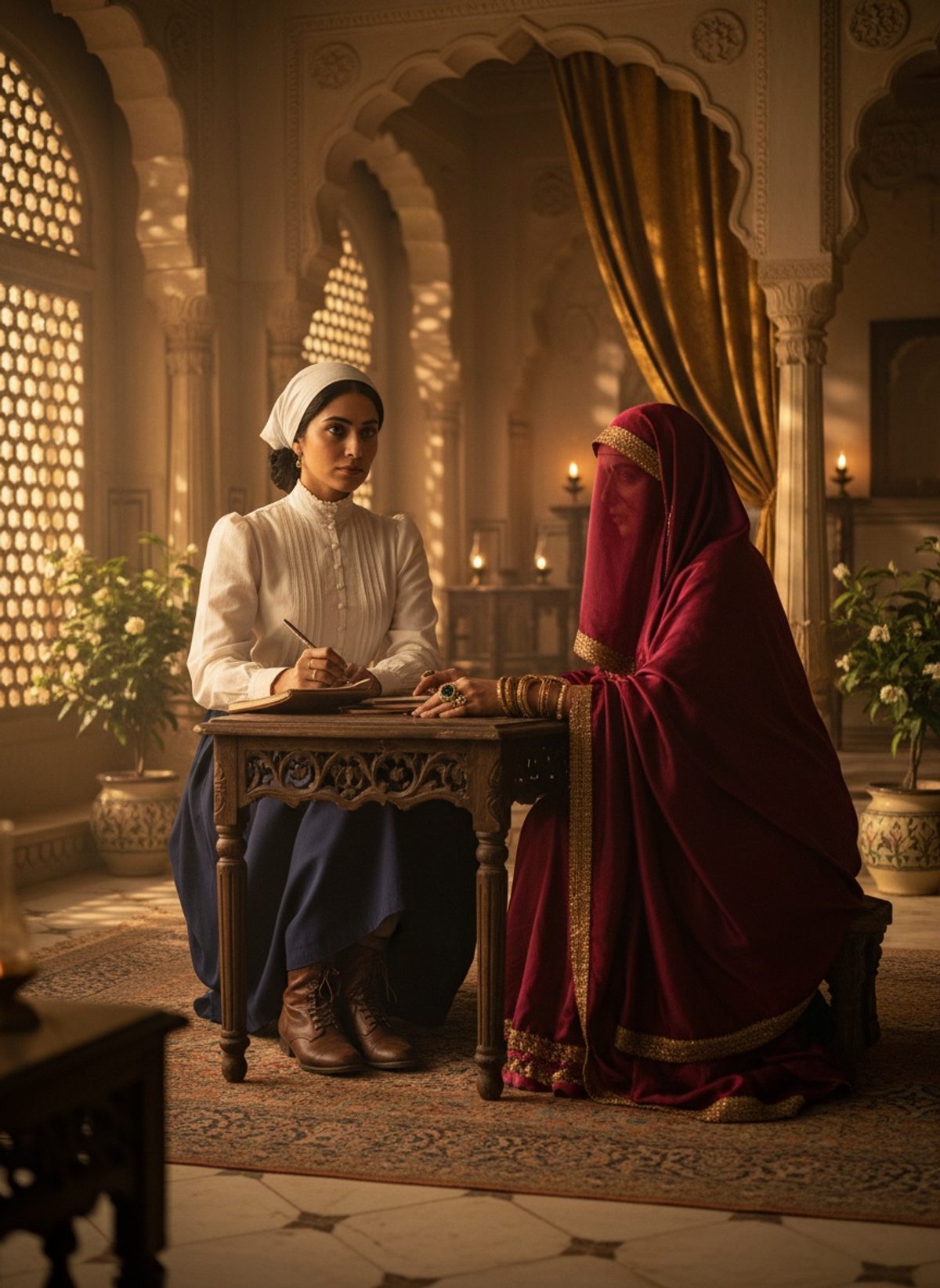
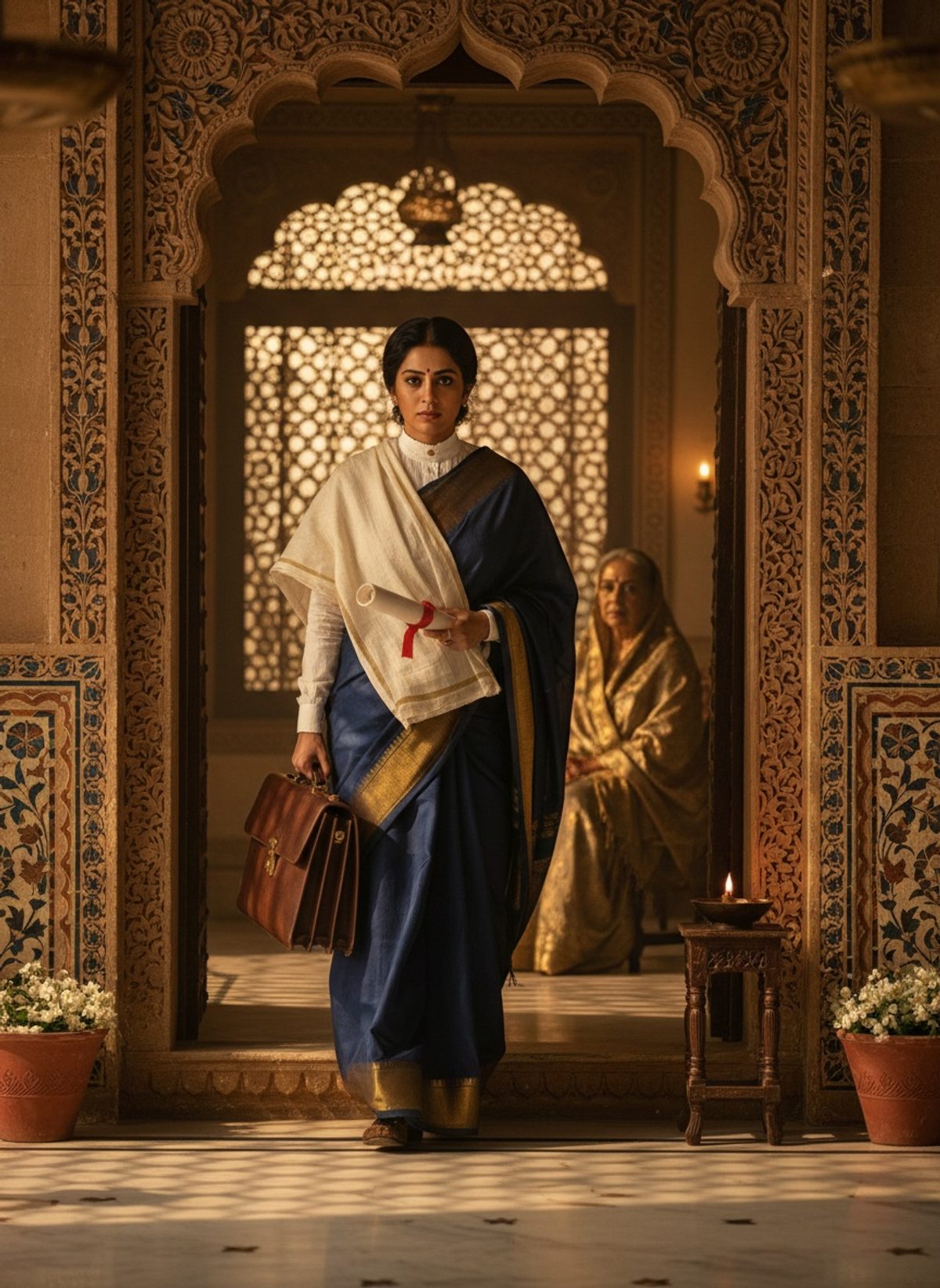
India, 1904. A woman sat behind a screen. She could not be seen. She could not own. She could not speak for herself. Cornelia Sorabji stepped through the curtain. She became her voice.
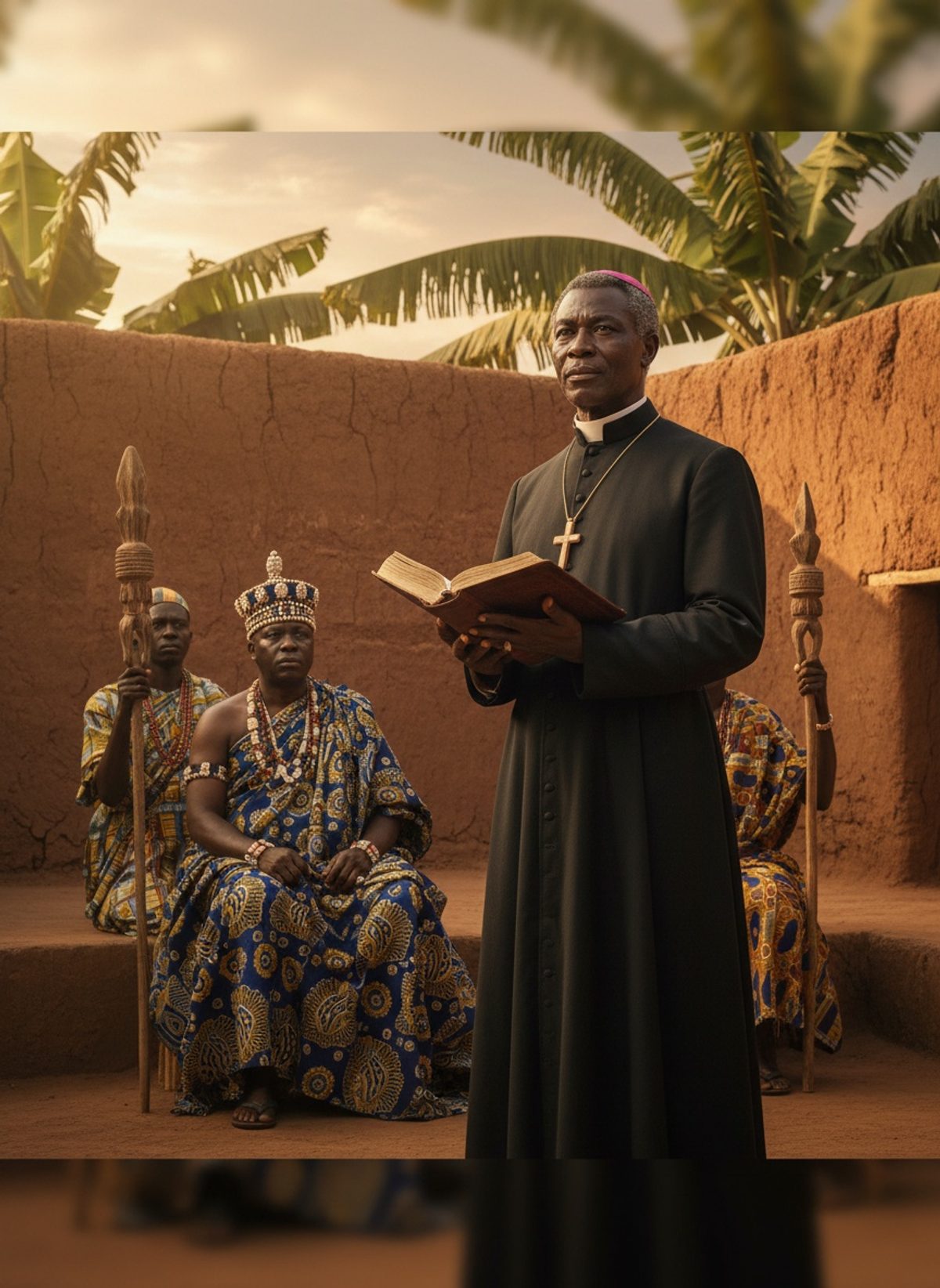
1857. Samuel Ajayi Crowther stood before the Oba of Abeoukuta. A former slave. Now a bishop. He spoke in Yoruba. His own tongue. To his own people. No Englishman beside him. The first African Anglican bishop. Alone. Unafraid.
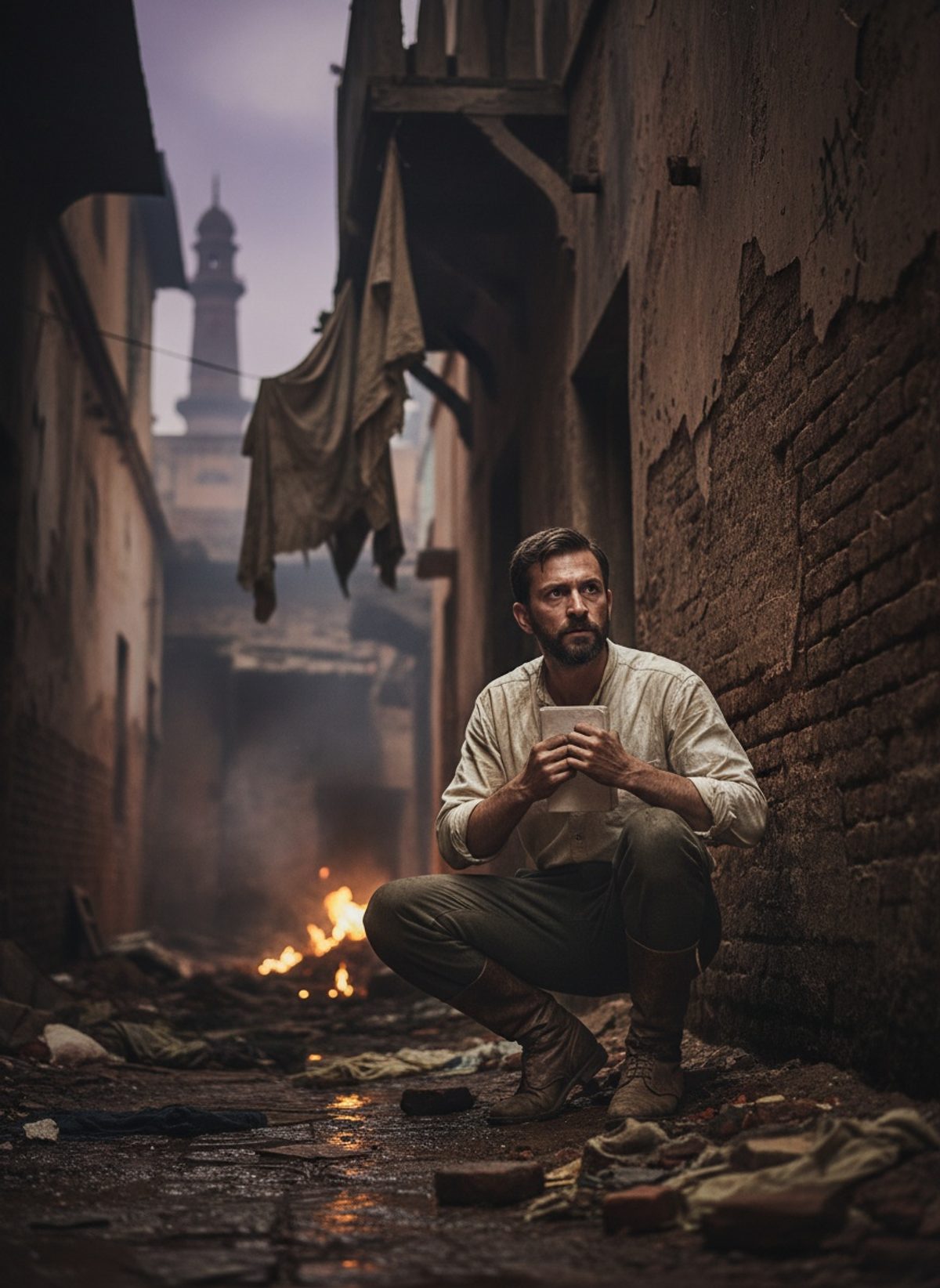
September 1857. Lucknow was surrounded. The Residency was dying. William Lowe slipped through enemy lines alone. He carried the relief force's plans in his boot. He made it.
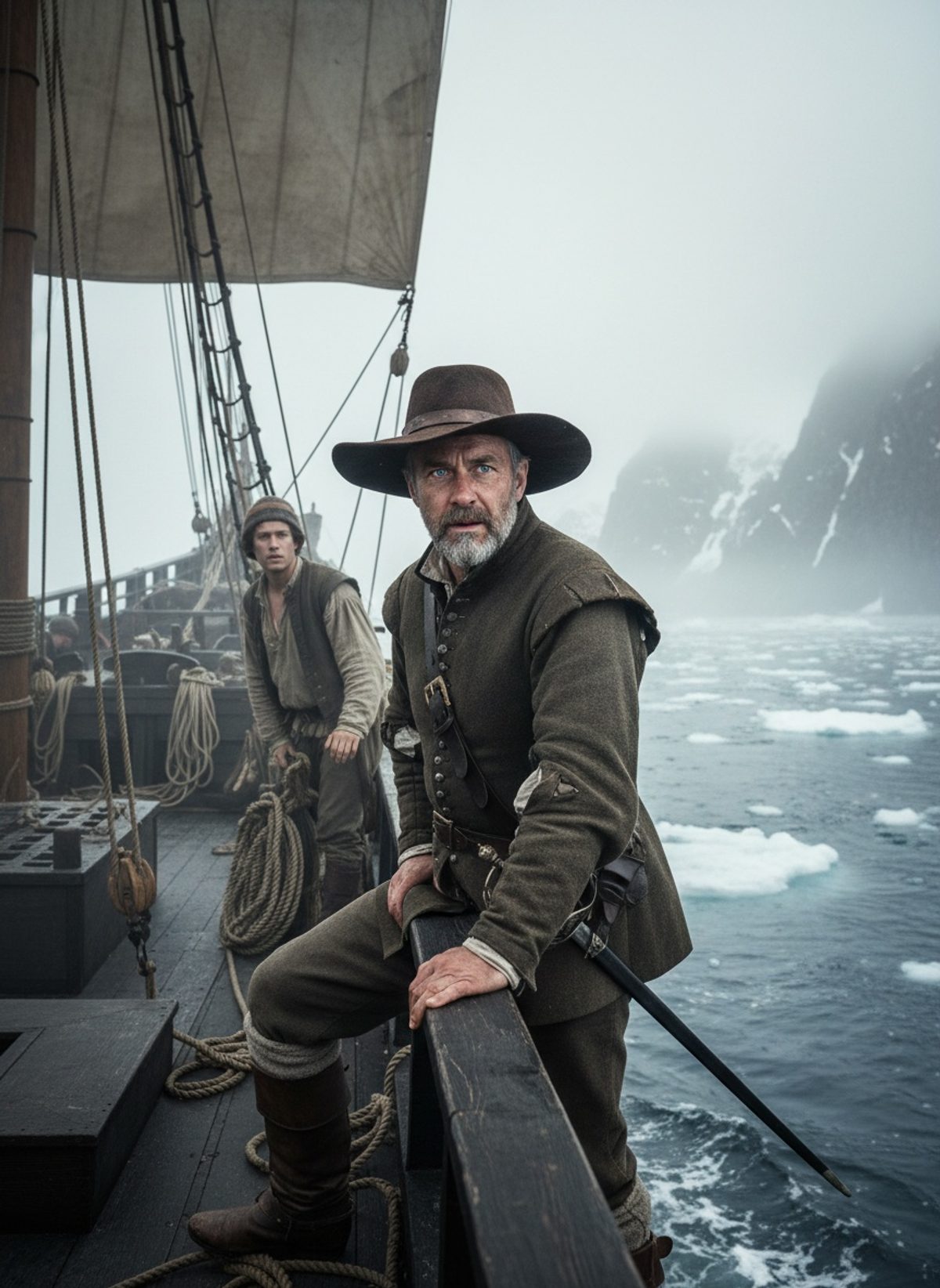
Summer 1610. Henry Hudson pushed his tiny ship through Arctic ice. No European had sailed this far into the frozen north. His crew was mutinying. He kept going. The bay that bears his name opened before him like a new ocean.
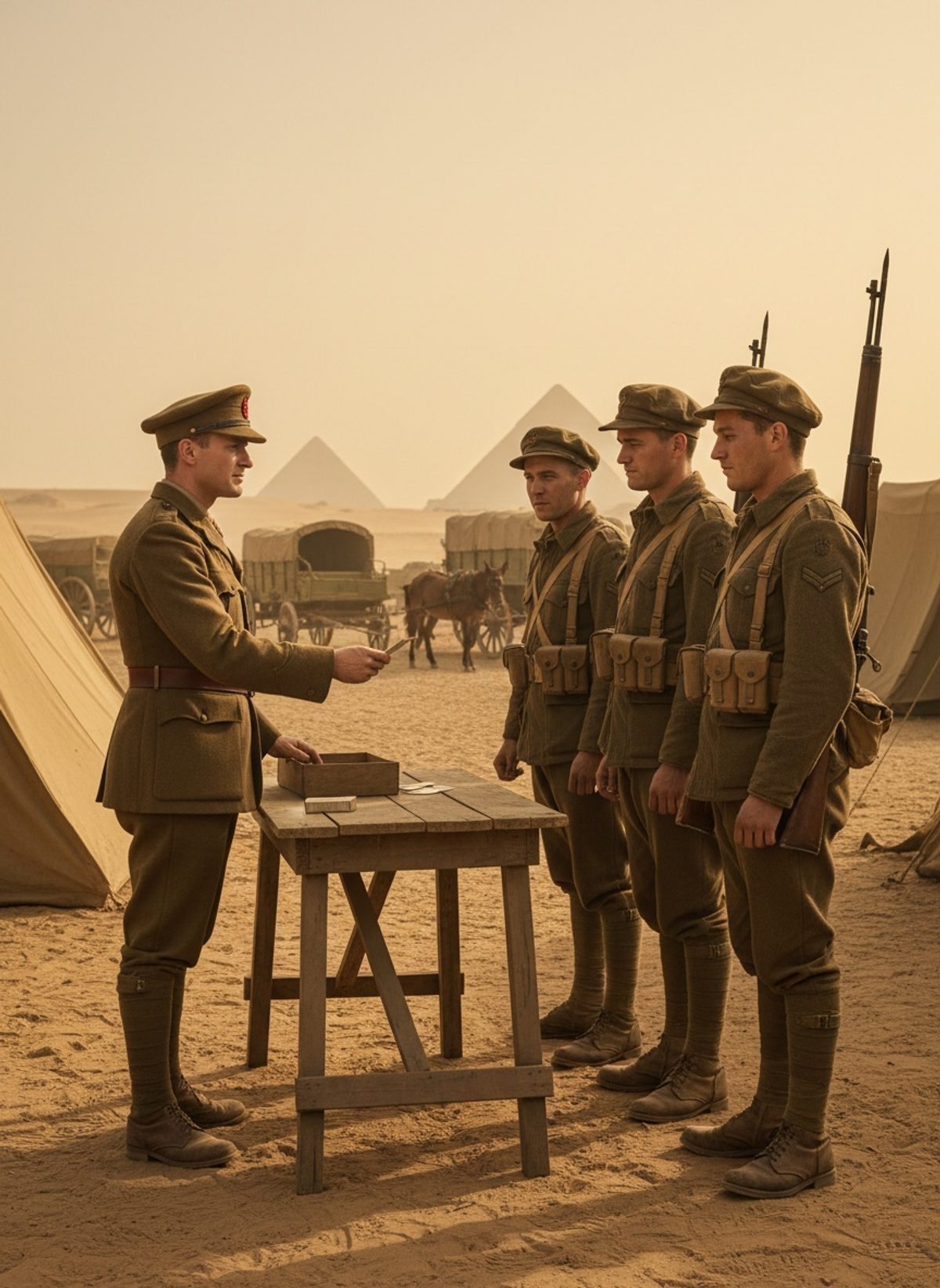
In 1898, British Army medics printed frank venereal disease warnings for soldiers in Egypt. Military chaplains demanded suppression. The Army ignored them. The pamphlets saved thousands.
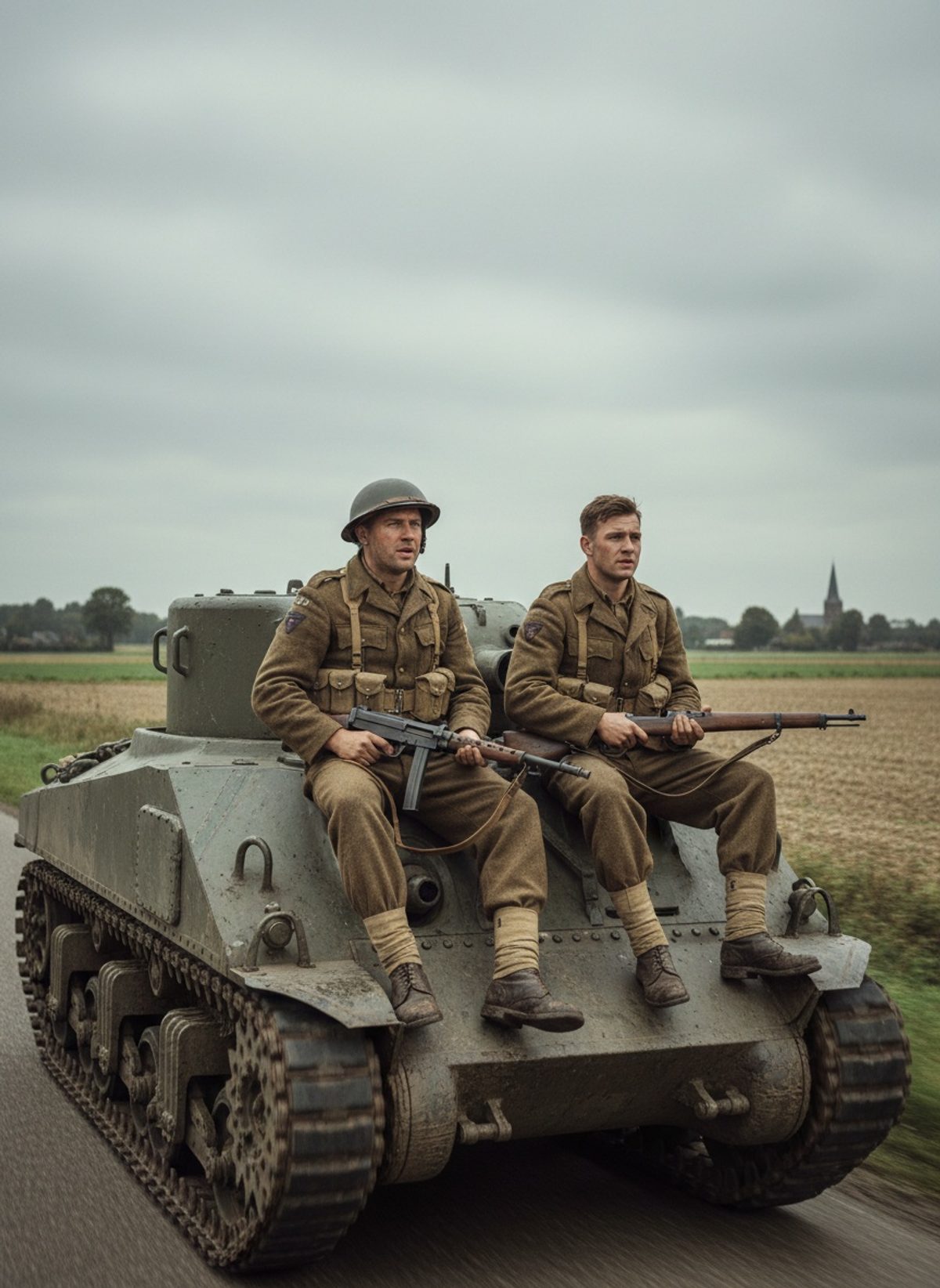
Holland, 24 September 1944. A British infantryman clings to a Sherman tank — carrying a captured German MP-40. 8th Corps is pushing forward. The enemy's own weapon rides with the men hunting him.
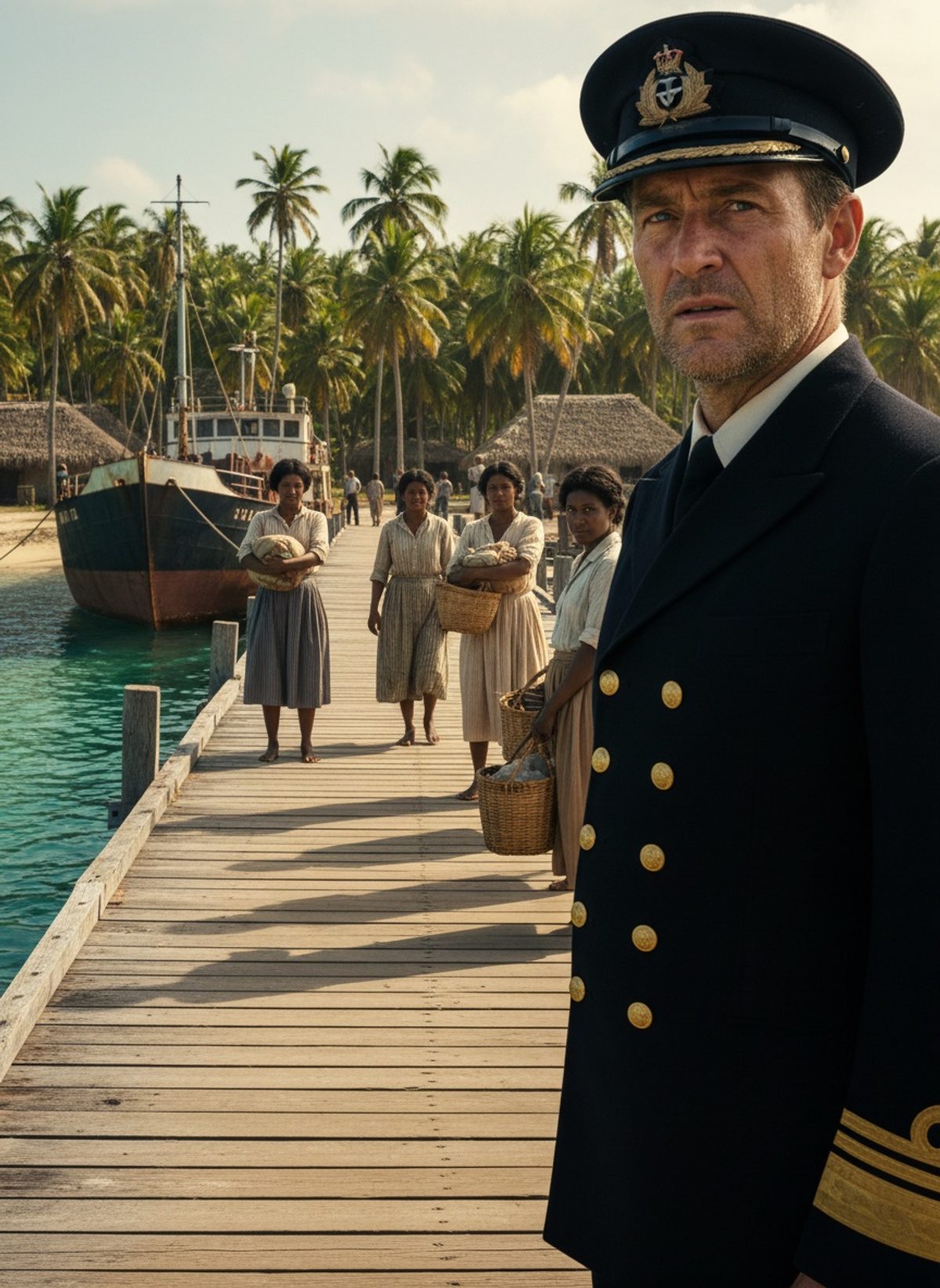
Britain owned the Indian Ocean. To keep it, they needed Diego Garcia. But first, they had to make 1,500 people disappear. The Chagossians never came back. The base never left.
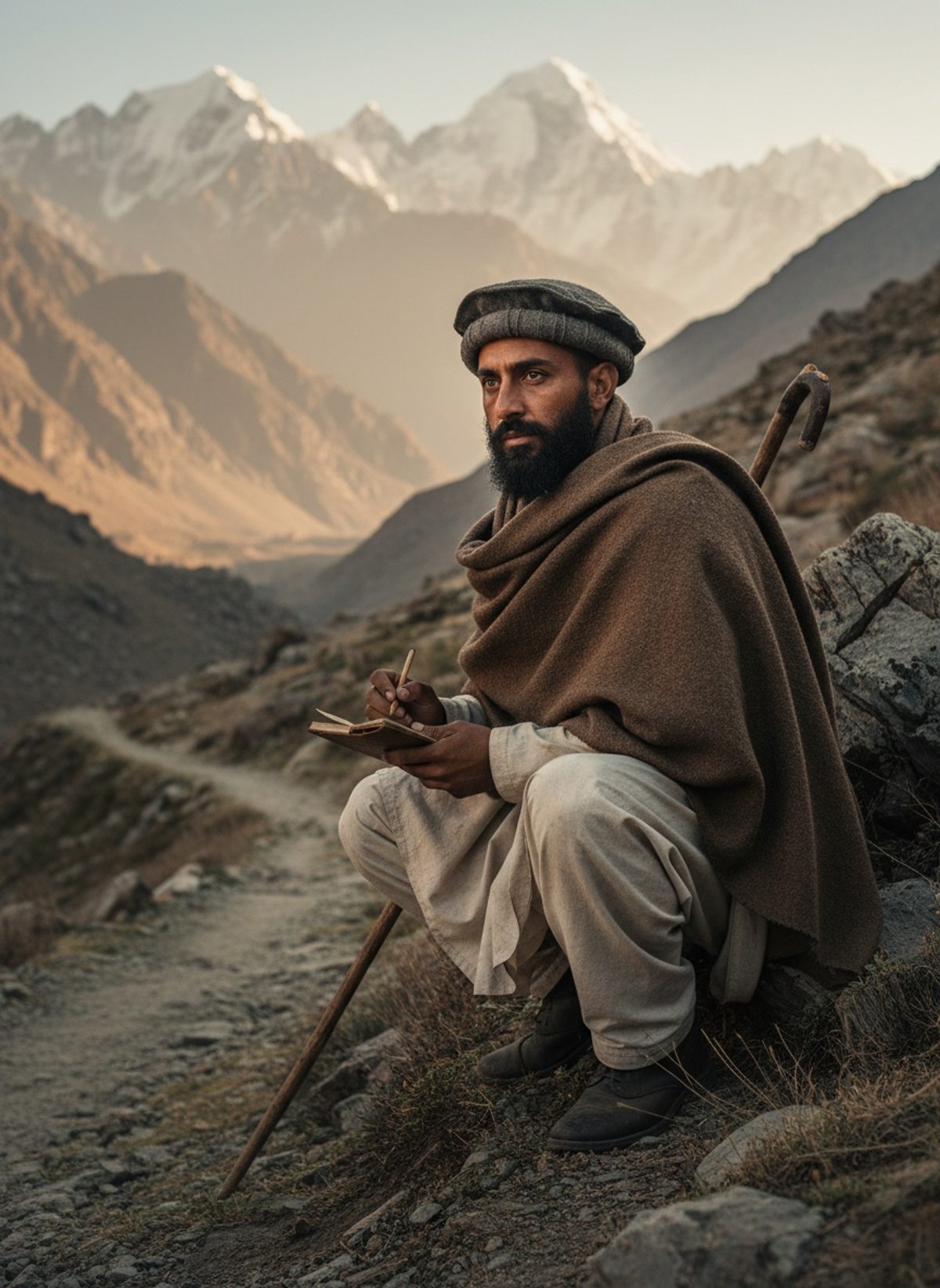
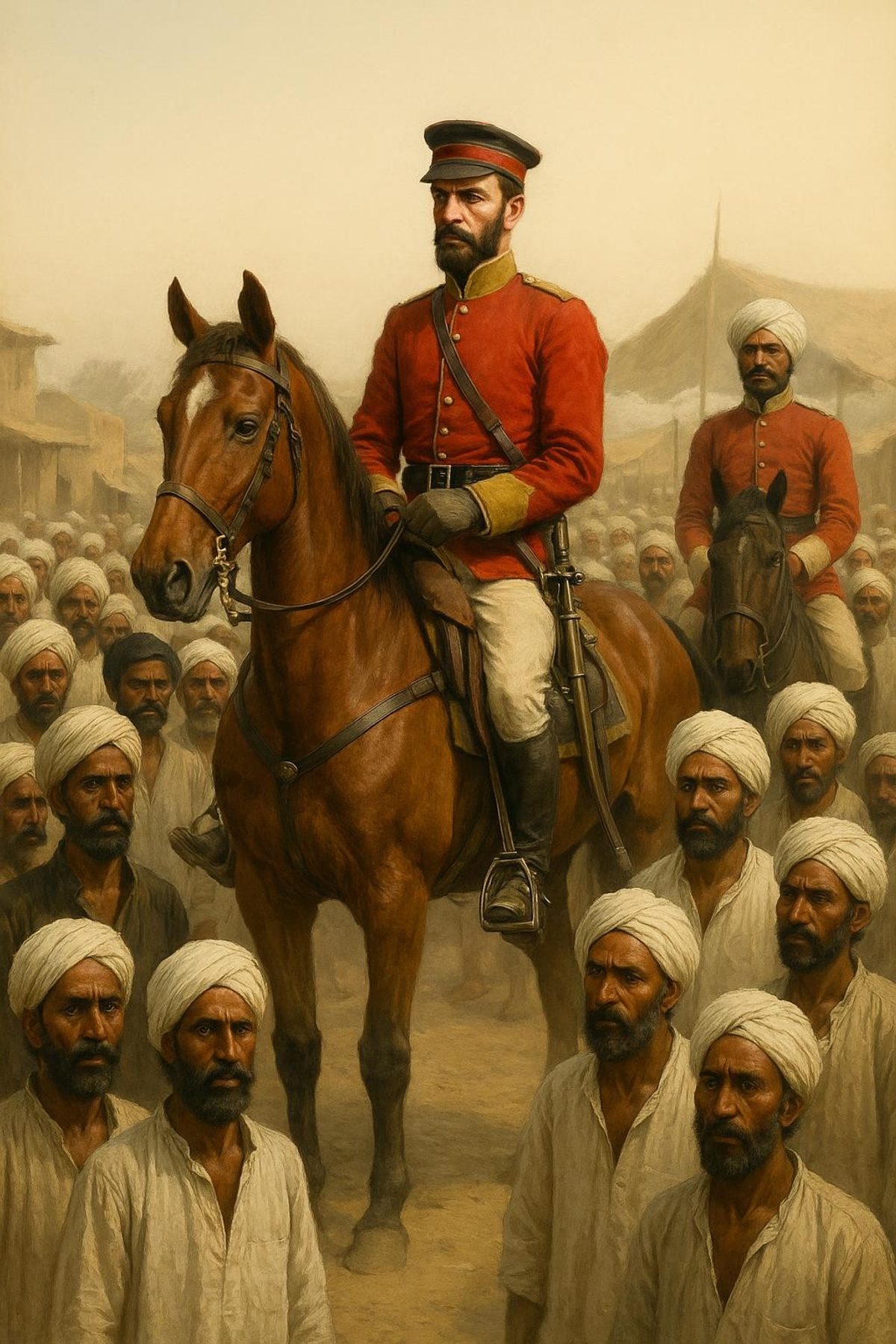
A Sikh officer rode into hostile tribal territory wearing Afghan clothes. He carried no papers. If caught, the Empire would deny him. He came back with maps that changed the Frontier forever.
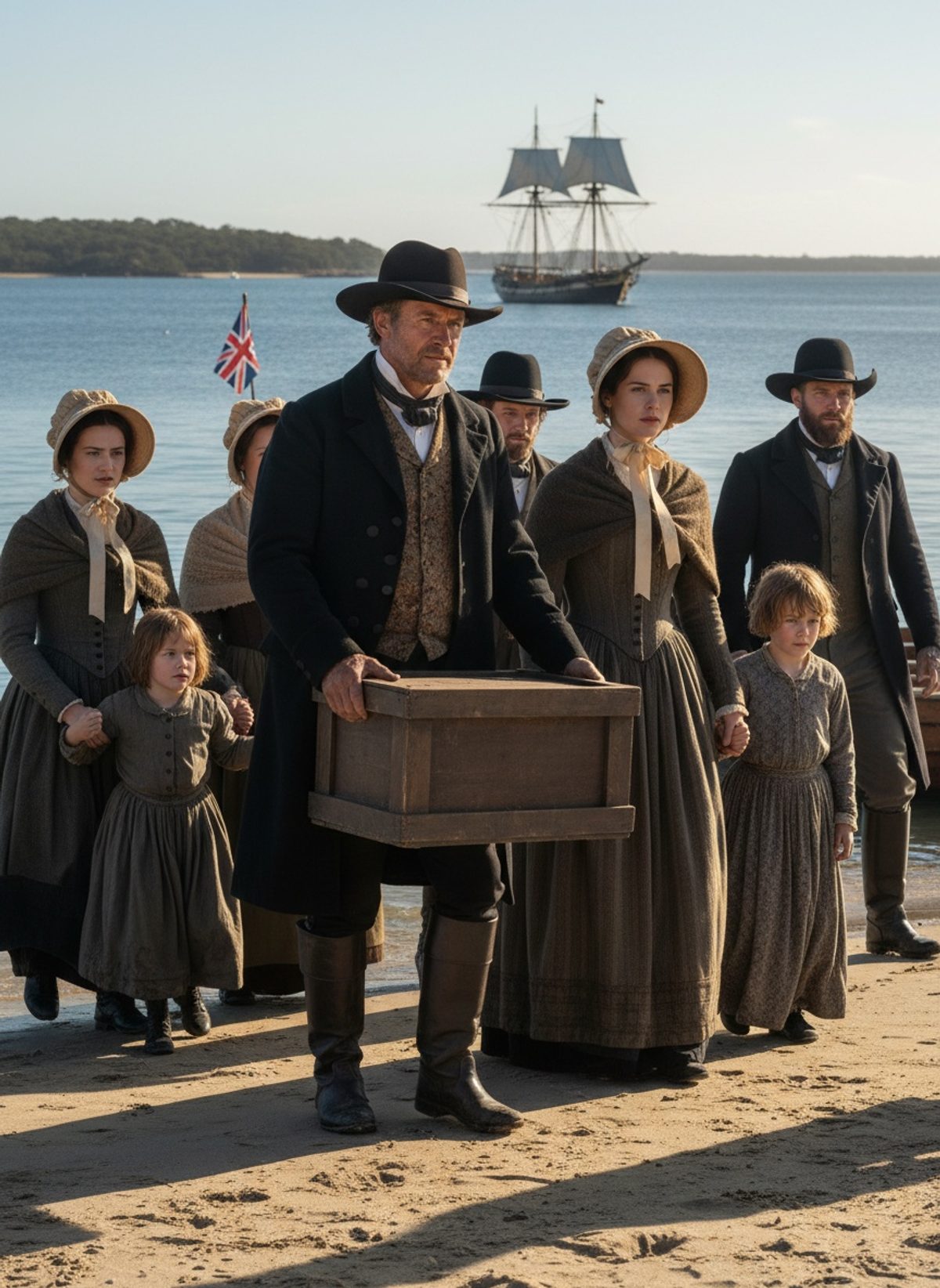
South Australia, 1836. No convicts. No chains. Edward Gibbon Wakefield had promised something unheard of. Free men. Free women. A colony built by choice. The first settlers stepped ashore at Holdfast Bay. And kept their word.
Allahabad, 1904. Behind the purdah wall, widows had no voice. No man could enter. No lawyer could reach them. Cornelia Sorabji could. She walked in. She listened. She fought.
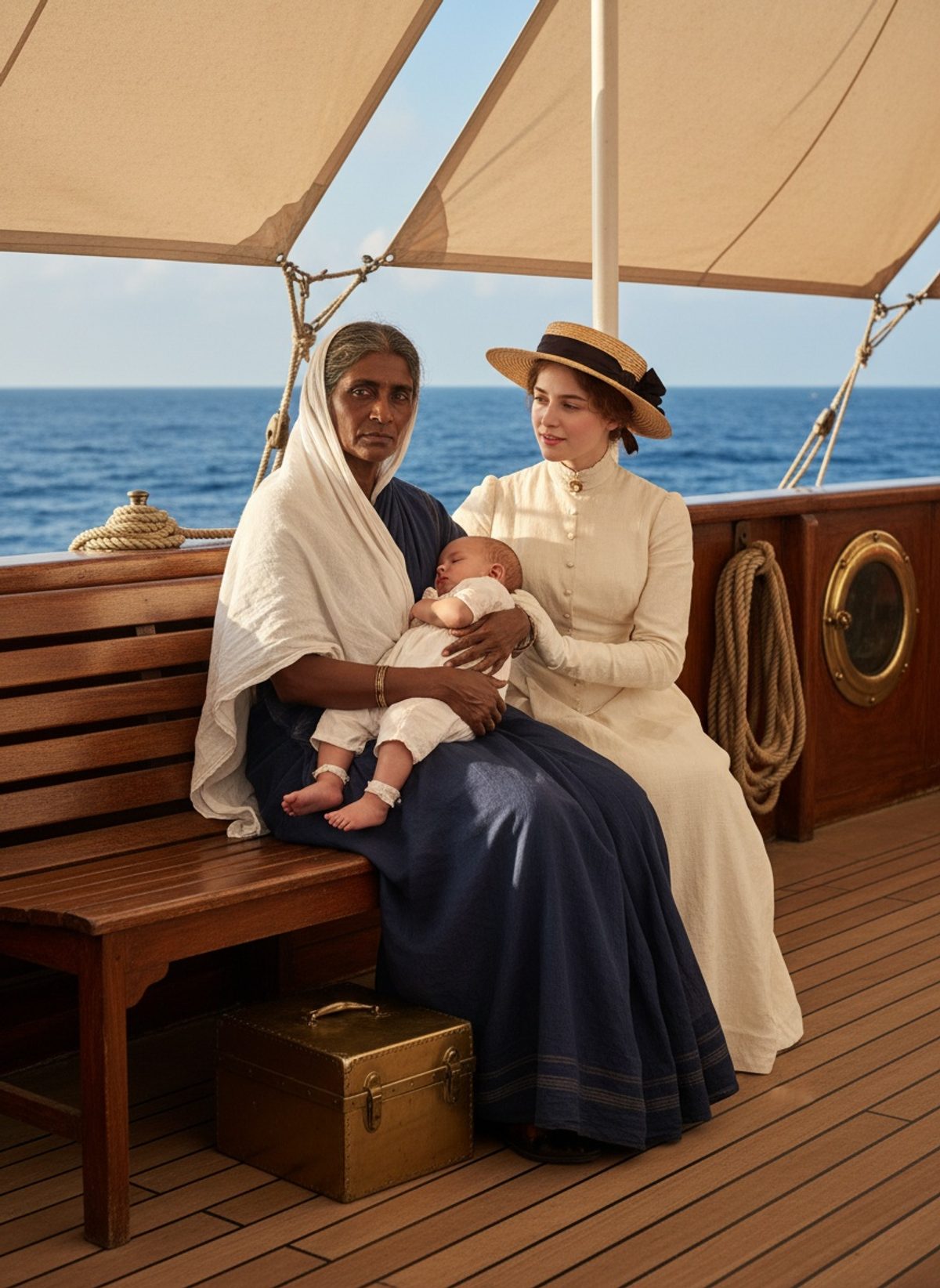
Bombay, 1885. She had crossed the black water a dozen times. Each voyage, she raised other women's children. Each arrival, she handed them to strangers. Then turned around. And sailed back alone.
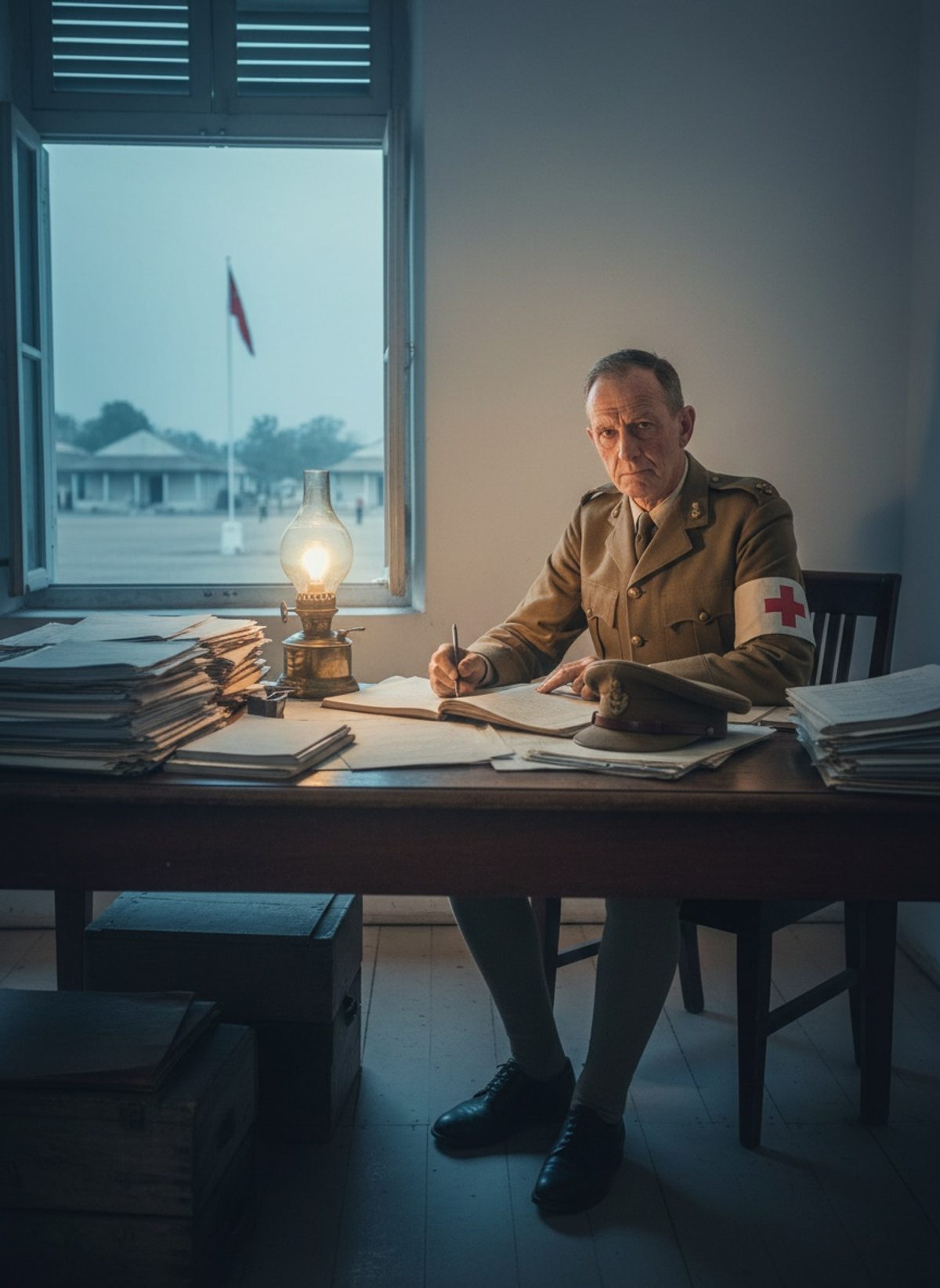
In 1916, the British Army in Egypt was losing more men to venereal disease than to Turkish bullets. One medical officer defied his superiors, printed blunt prevention cards, and handed them to every soldier. The Church was furious. The general was not.
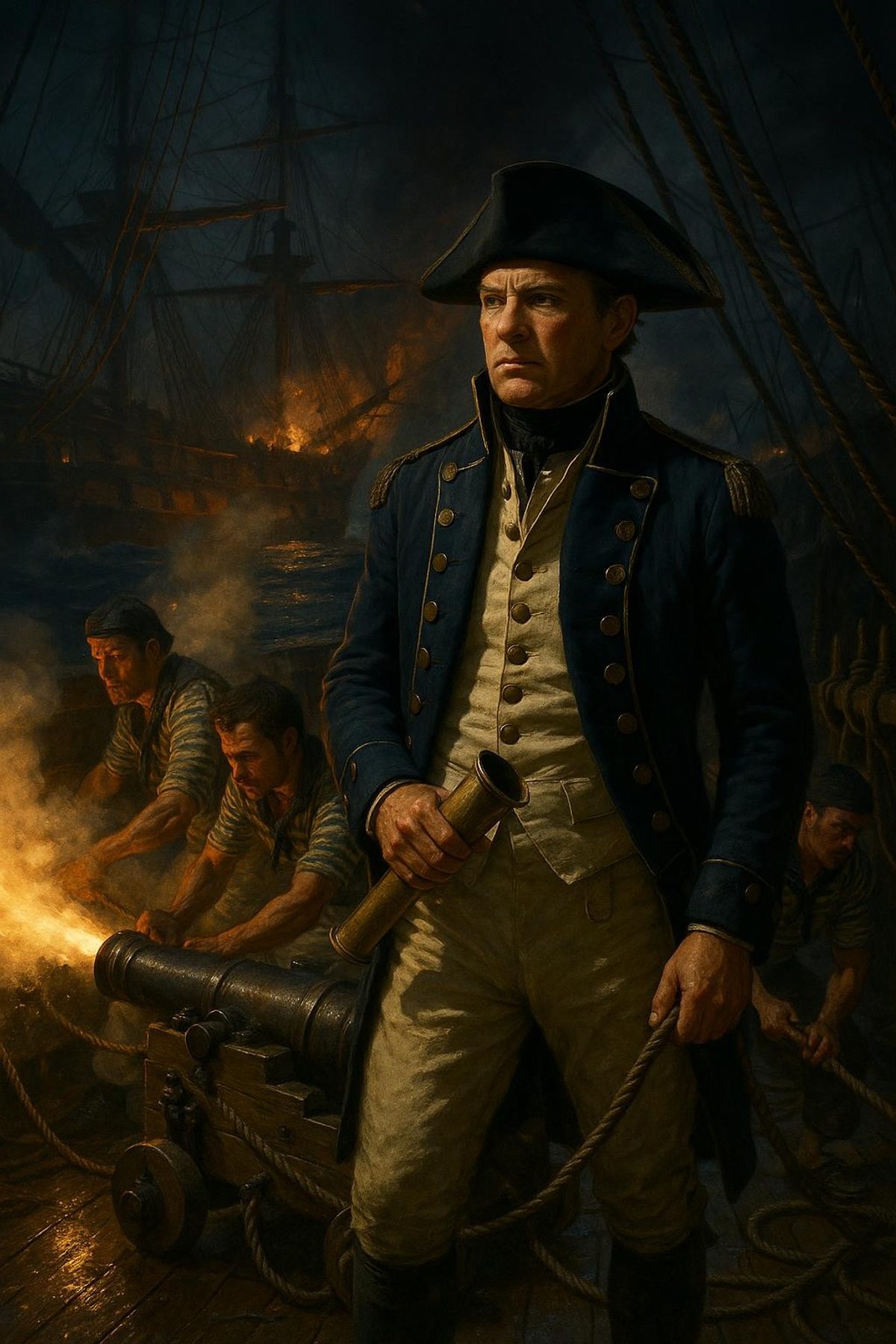
One ship. One night. One battle that stranded Napoleon's army in Egypt forever. HMS Agamemnon was there when Nelson shattered the French fleet at the Nile — and nothing was ever the same.
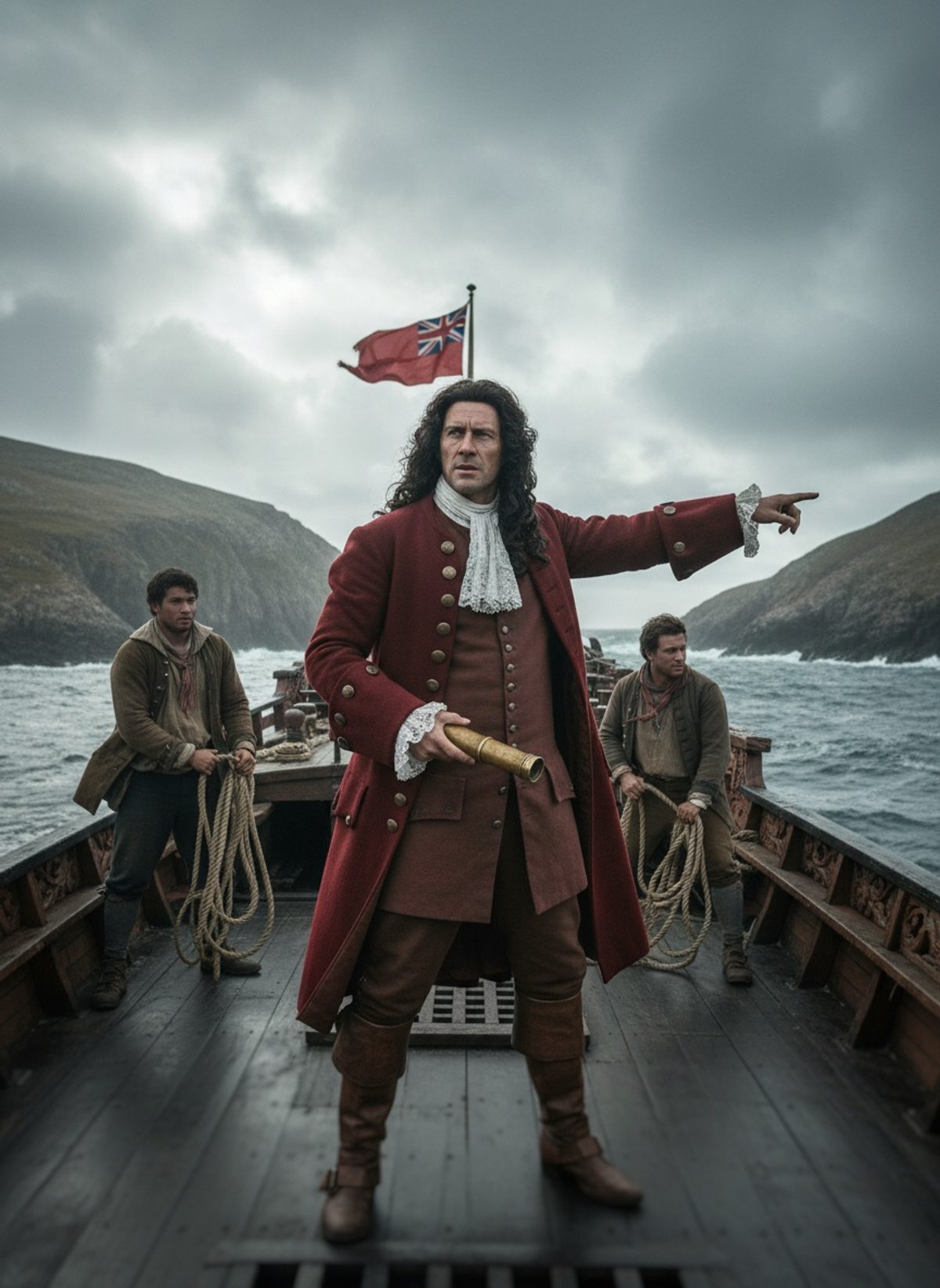
In 1690, Captain John Strong sailed between two uncharted islands and named the channel after a British viscount. That name outlasted every rival claim. Britain was there first — and the record proves it.
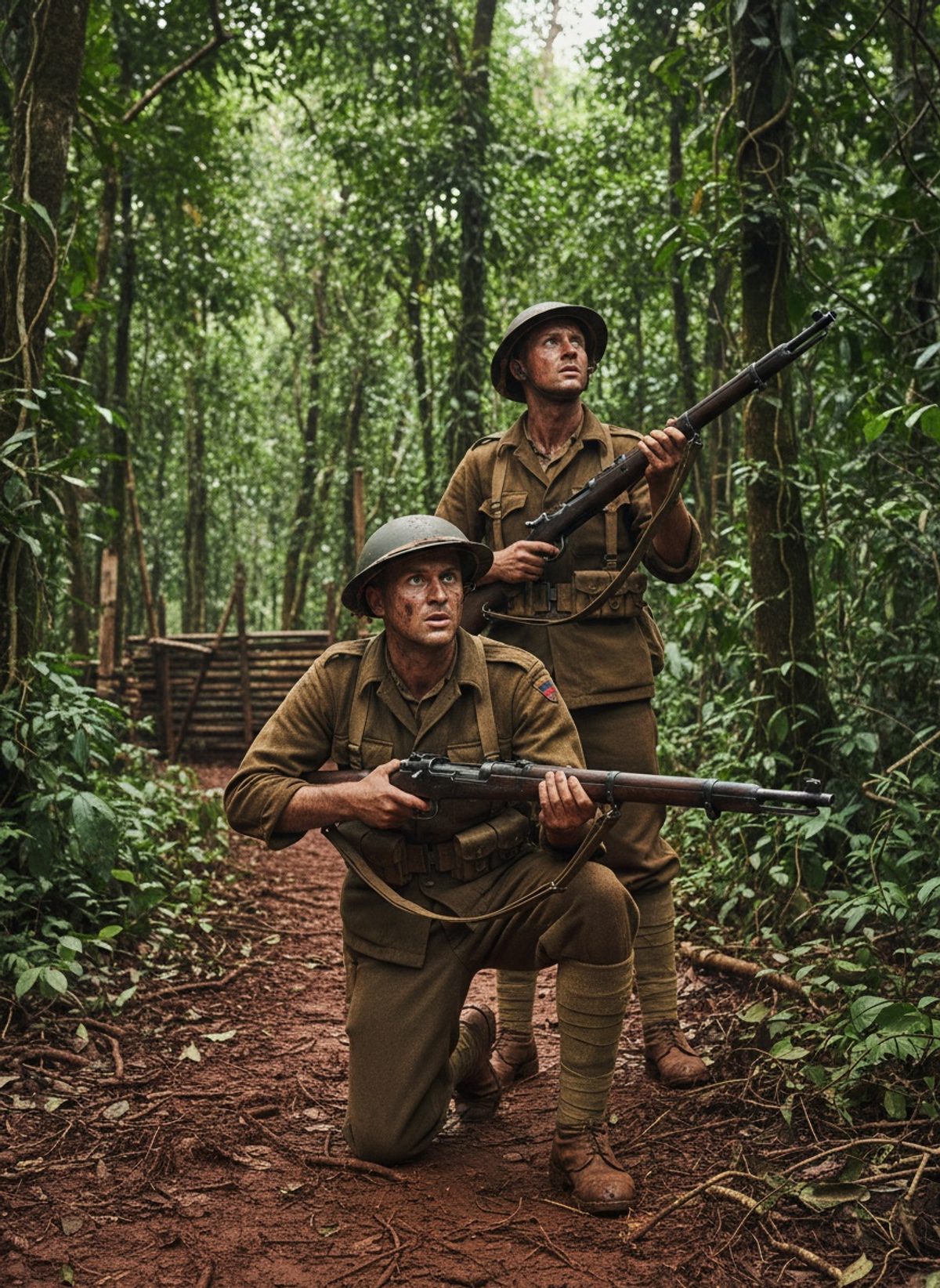
July 1942. A Japanese force of 6,000 pushes south through New Guinea's jungle. Between them and Port Moresby: two Australian militia battalions. Outnumbered, undersupplied — they bought time with blood.
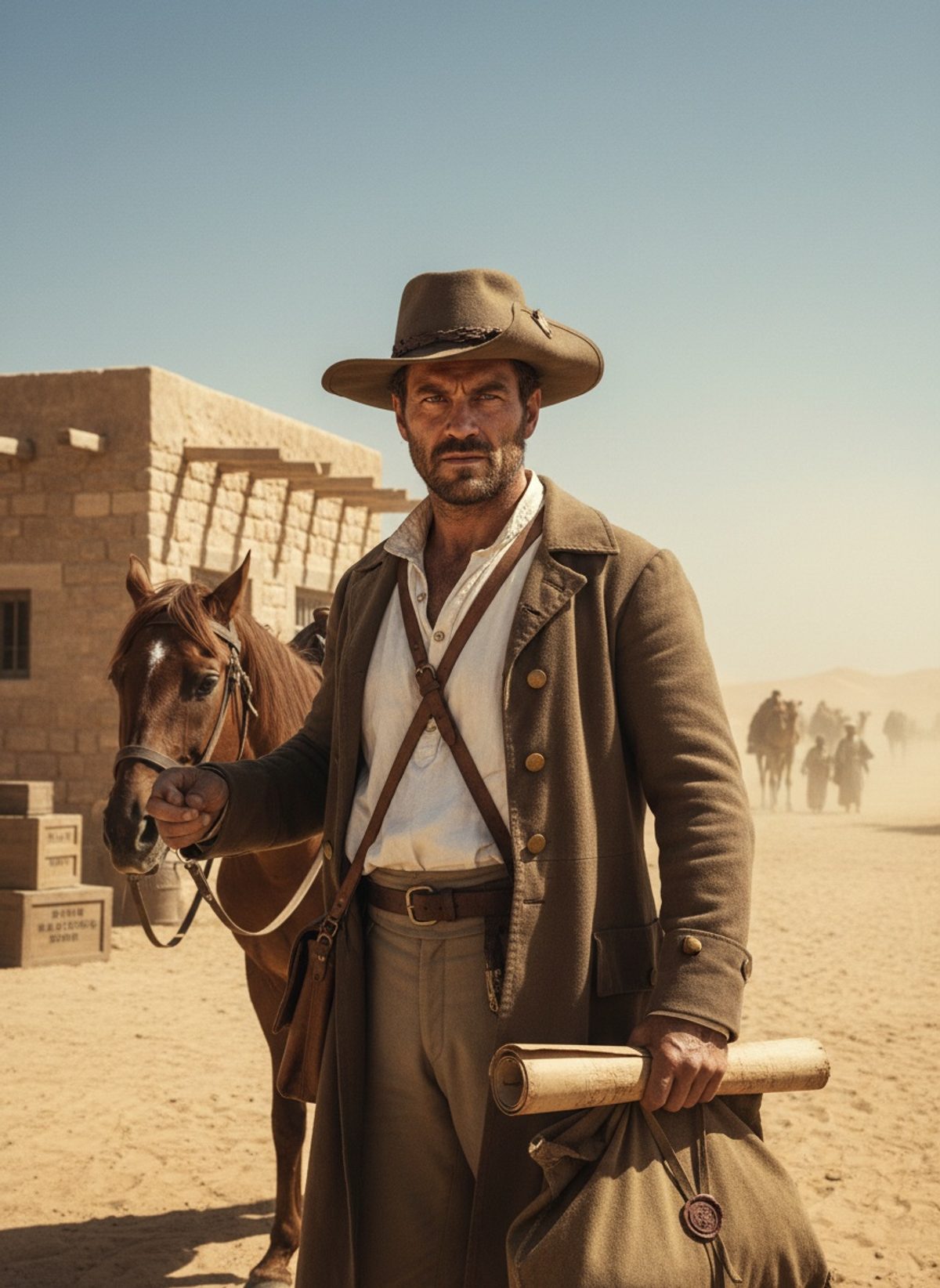
1835. Britain's mail to India took four months by sea. Thomas Waghorn believed he could cut it in half. He rode alone across Egypt's desert. Bribed. Begged. Bargained. He delivered. The empire would never be the same.
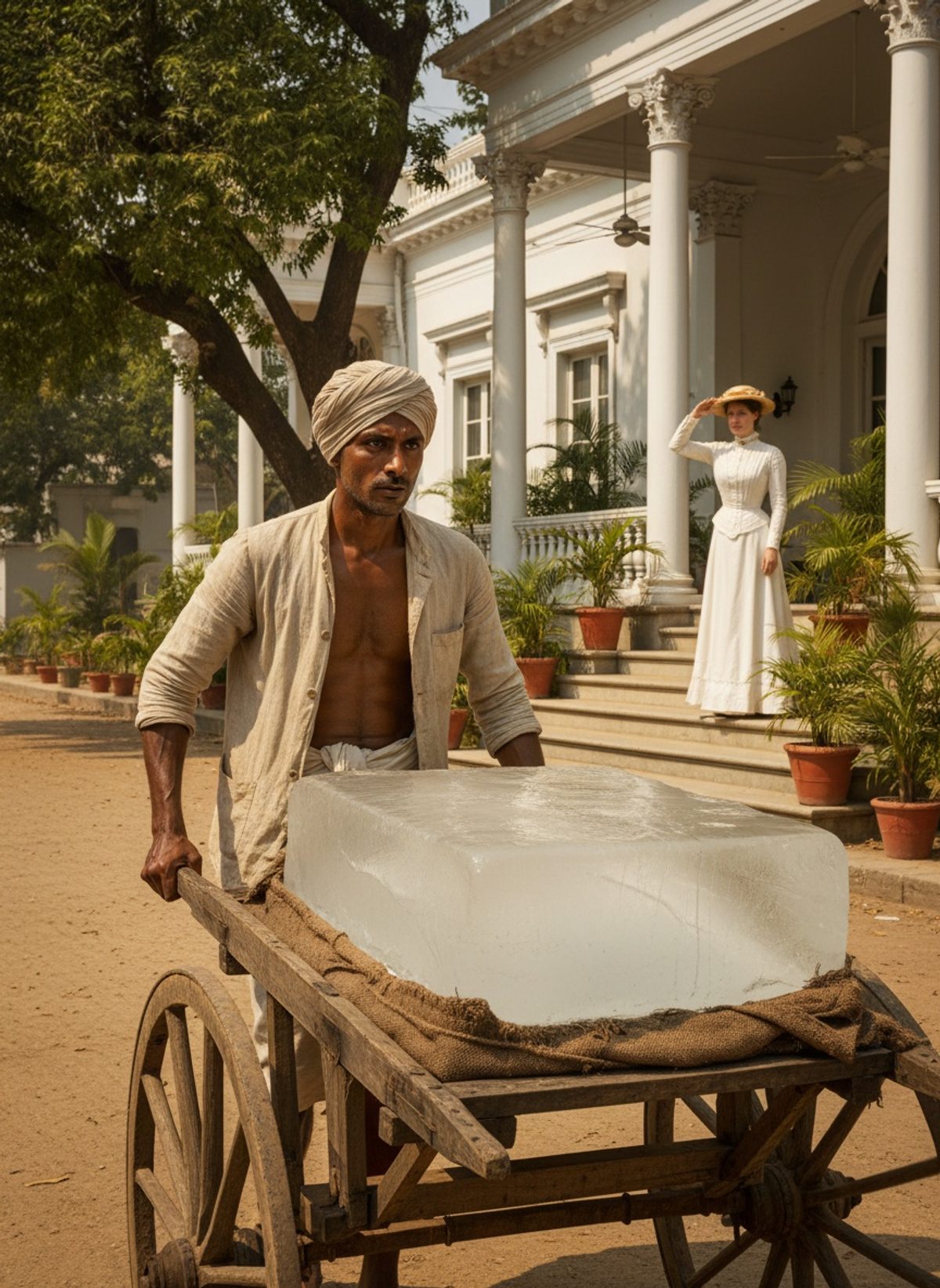
Calcutta, 1880. The Viceroy expected ice at dinner. It had crossed an ocean. Sailed up the Hooghly. Hauled by hand through the city heat. Served in crystal. Still cold.
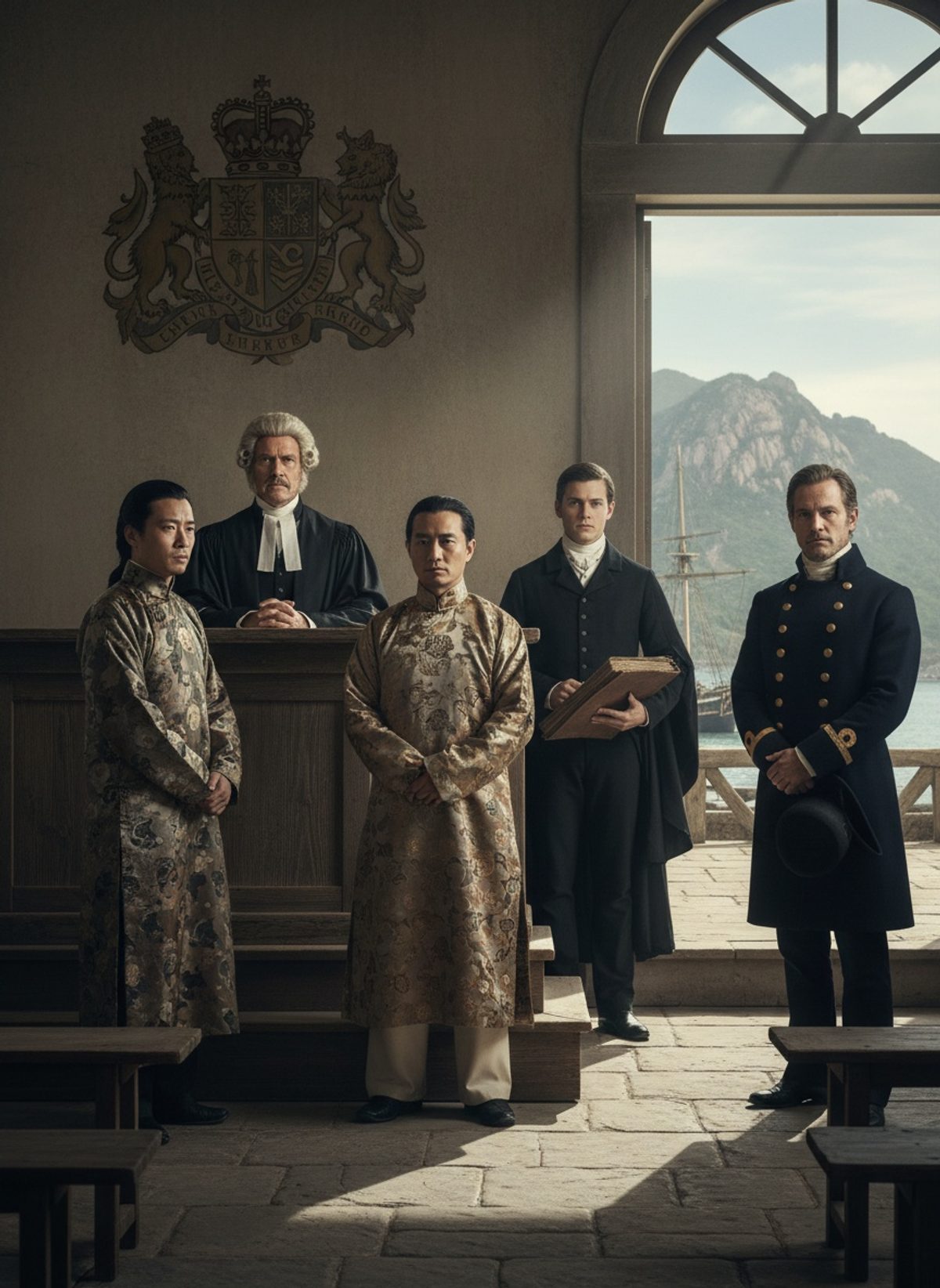
1842. Britain signed the Treaty of Nanking. Hong Kong was ceded to the Crown. Within months, English courts opened on the island. One legal system took root. It would outlast the empire itself by decades.
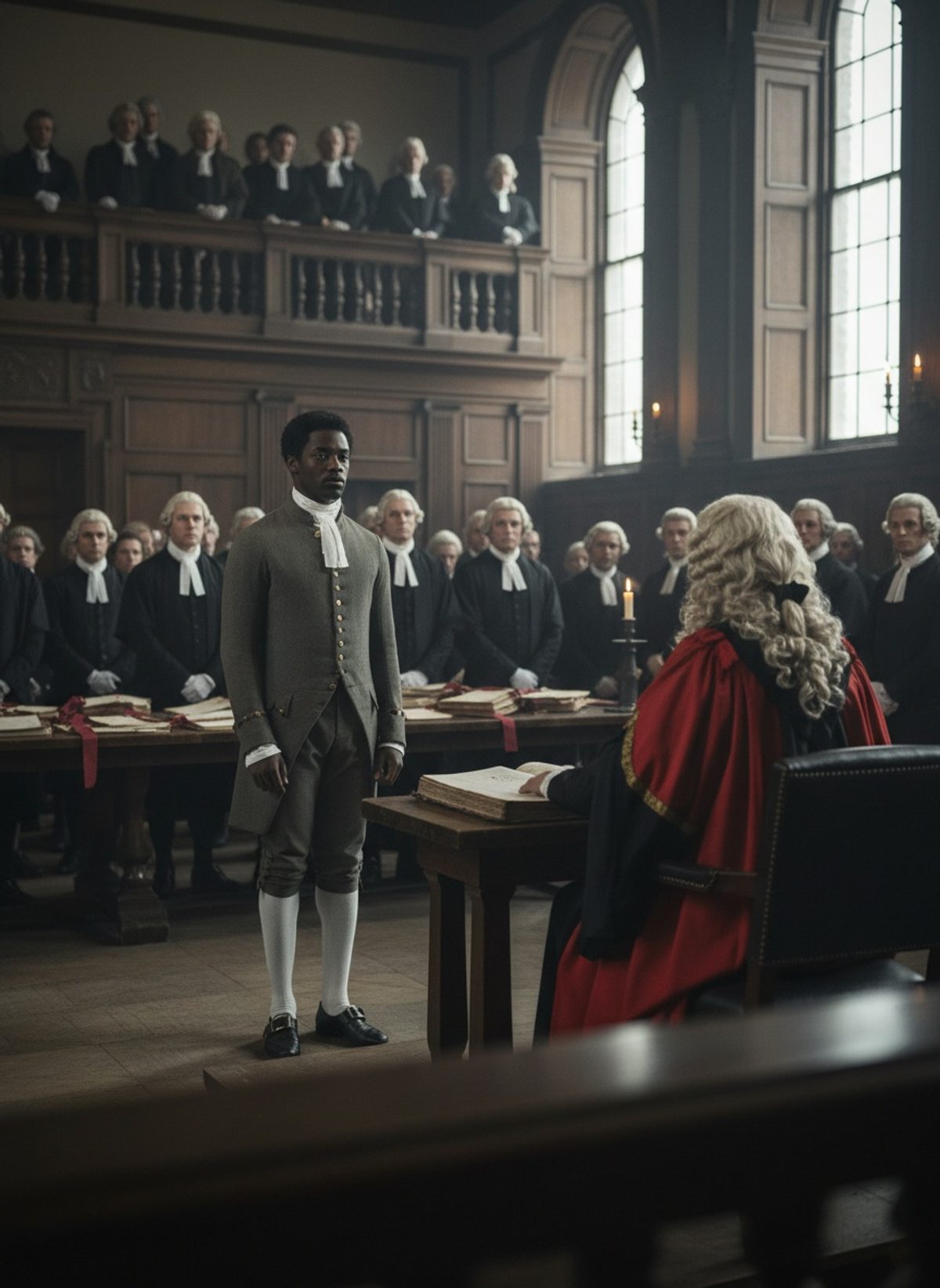
London, 1772. James Somerset was a slave. He had escaped. His master wanted him shipped to Jamaica in chains. Lord Mansfield opened his court. He heard the case. Then he spoke. No man could be enslaved on English soil. Somerset walked free.
In 1917, venereal disease was gutting Allenby's Egyptian Expeditionary Force faster than Turkish bullets. The Army's own medical chief printed a blunt, explicit pamphlet for every soldier. London was horrified. Allenby kept it.
September 1857. Delhi had just fallen. William Hodson rode into a camp of thousands alone. He demanded the surrender of the last Mughal princes. They handed over their swords. He brought them out on foot. The crowd watched in silence.
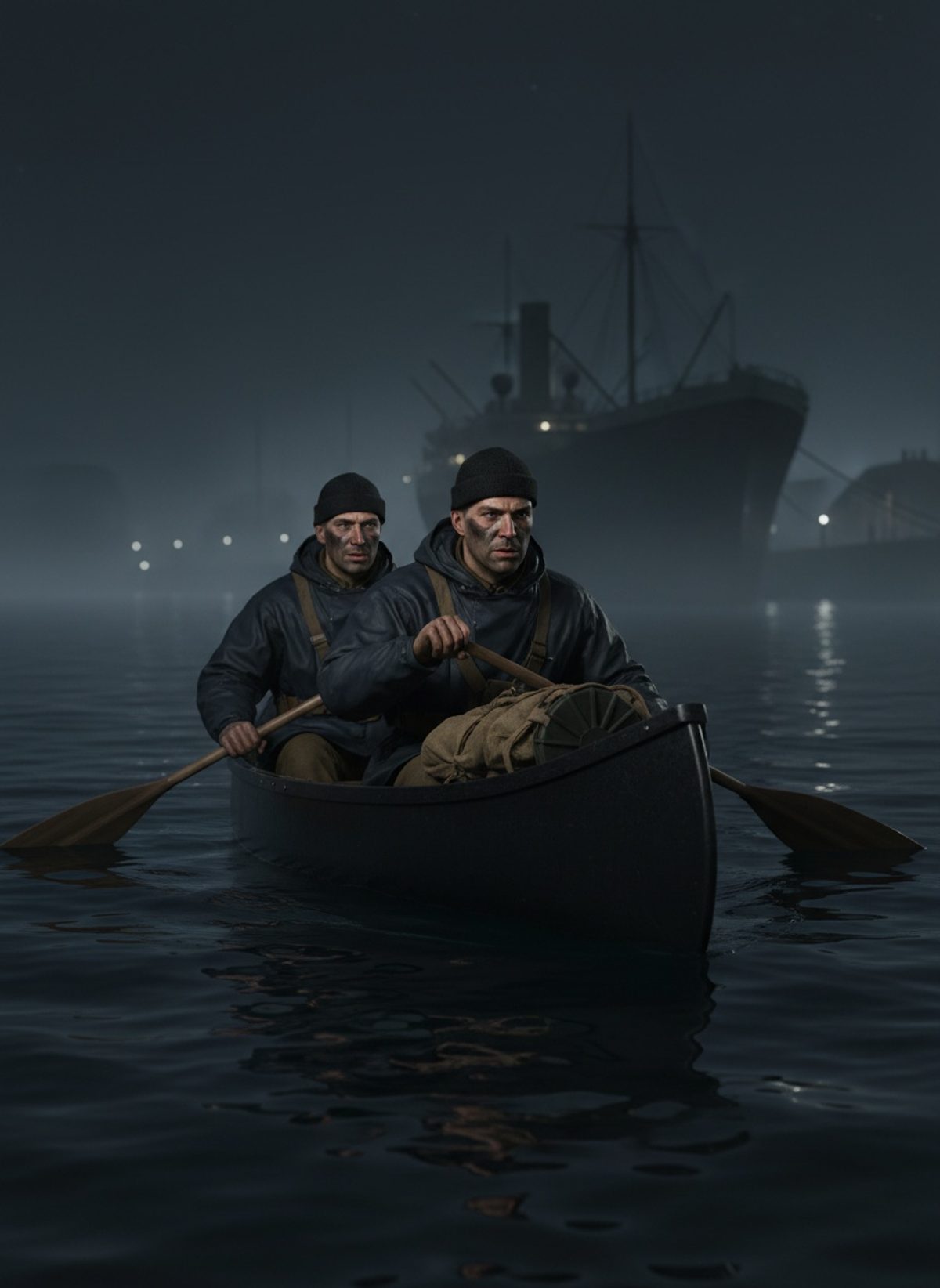
Ten Royal Marines. Six canoes. One of the most audacious raids of the war. Eight never came home. Two drowned. Six were executed. Only Hasler and Sparks made it back alive.
Britain's Navy dominated the seas. Then the Admiralty started scrapping perfectly good warships — and losing millions in the process. The numbers were staggering. And almost no one was held accountable.
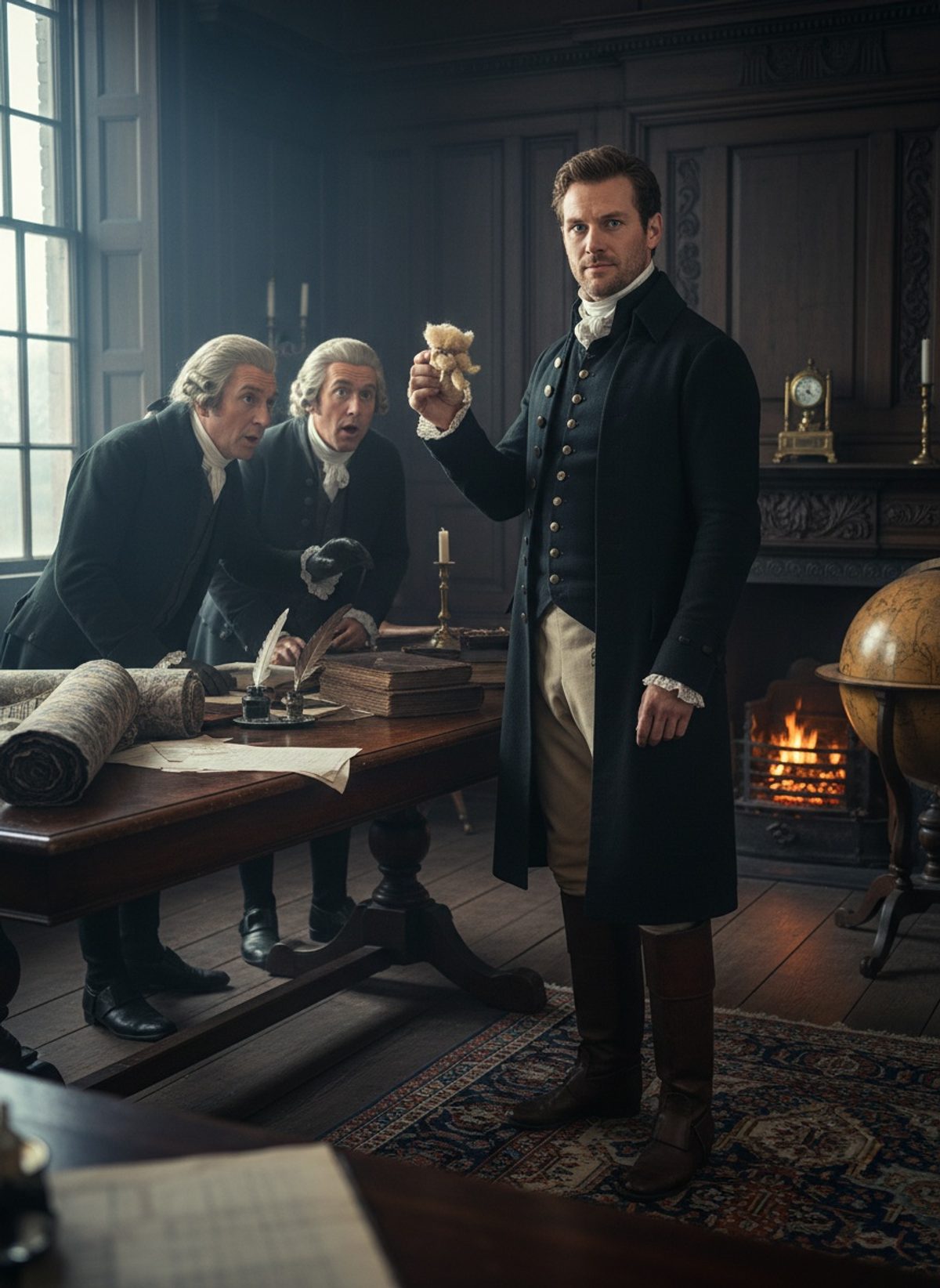
1803. A farmer stood before London's finest wool merchants. He had sailed from a penal colony at the edge of the world. His fleece samples were finer than Spain's best. The room fell silent.
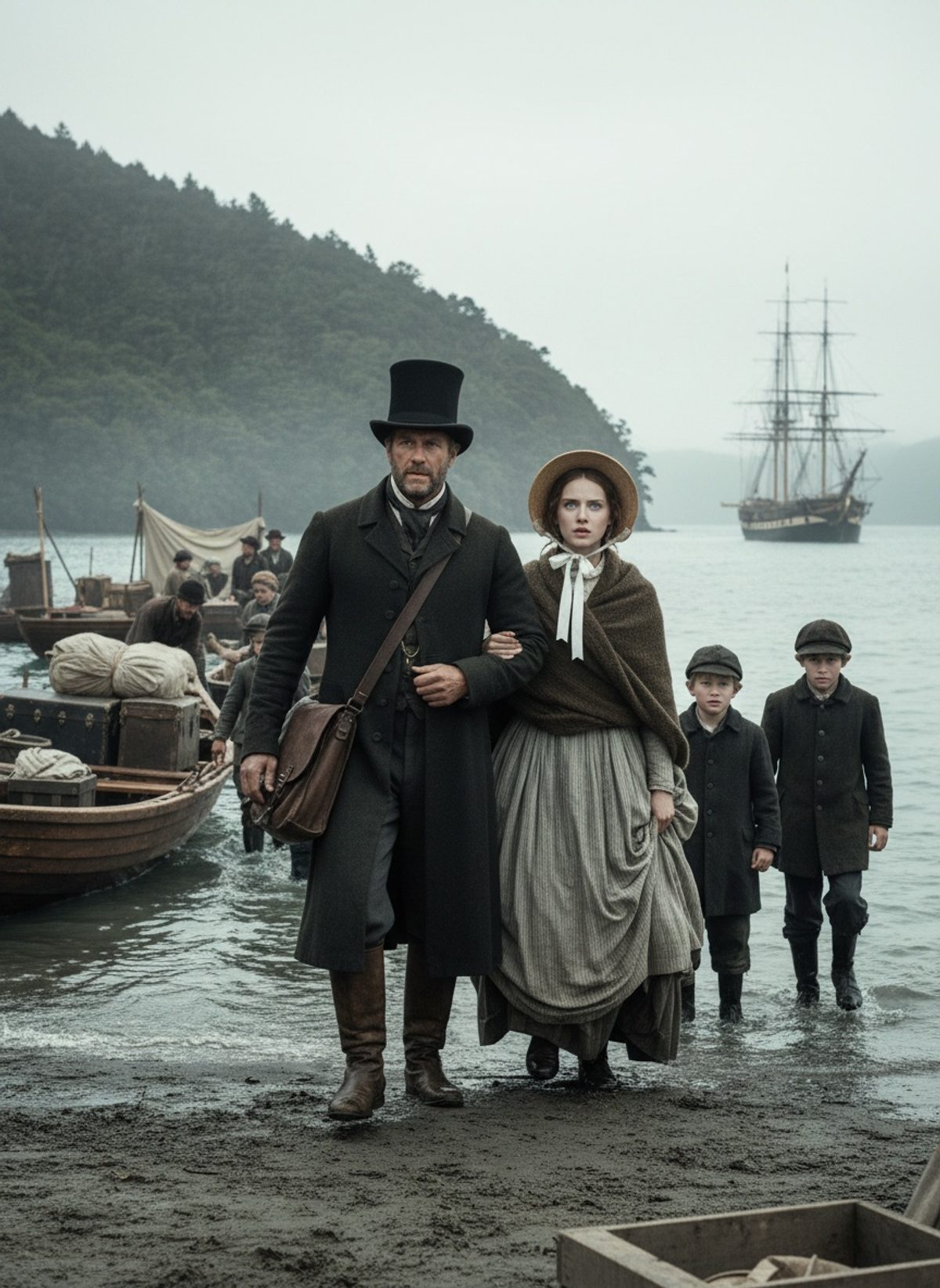
1840. Eight ships. 1,200 settlers. Edward Wakefield promised them an England without poverty. They sailed into Wellington Harbour and found wilderness. They built it anyway. Brick by brick. From nothing.
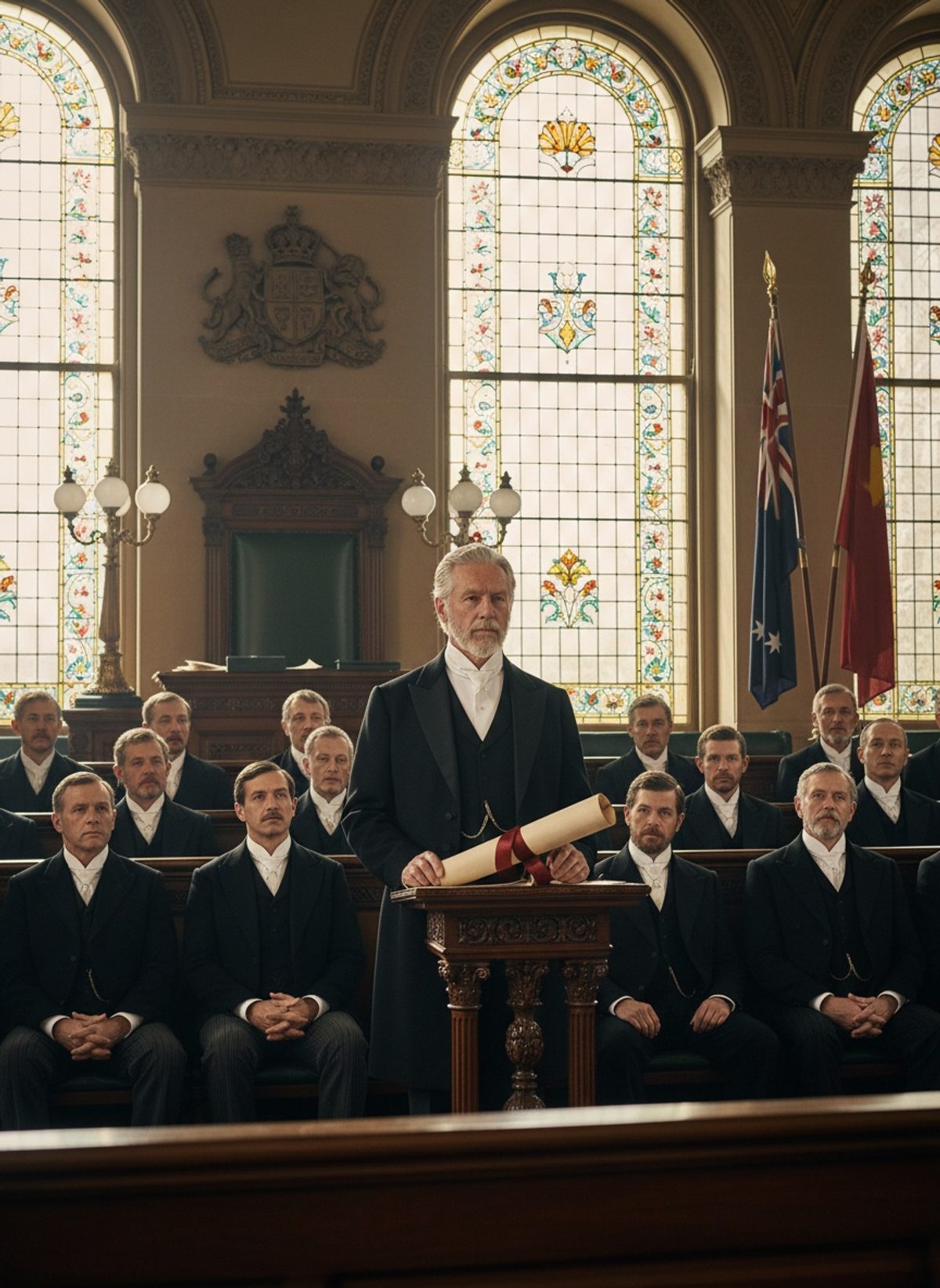
January 1, 1901. A new nation was born. Australia's founding document drew directly from Westminster. English common law became its spine. A continent built on British courts, British procedure, British rights. The empire's greatest export was not cotton. It was justice.
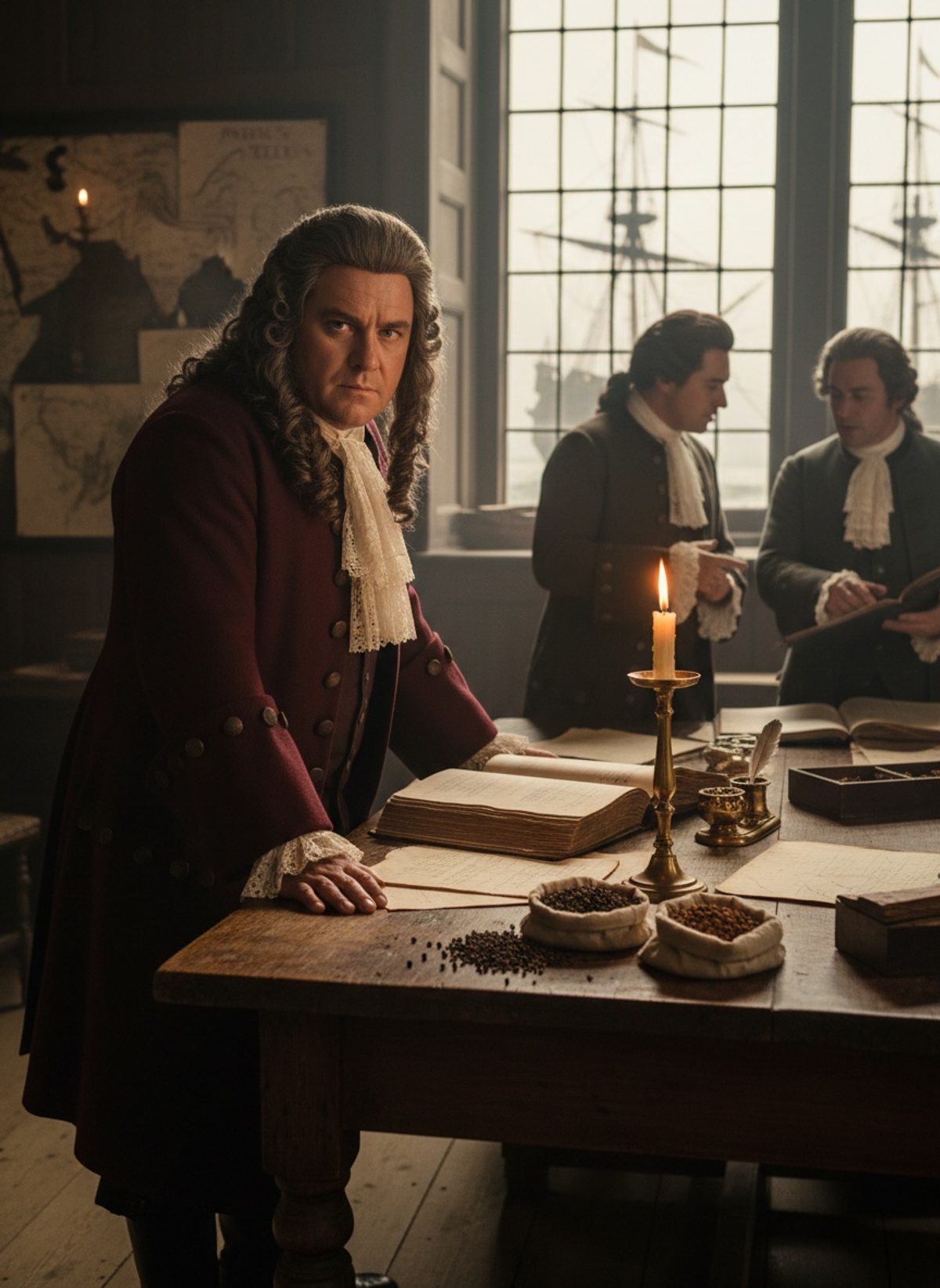
London, 1672. The East India Company was bleeding money. Josiah Child seized control. He cut the dividend. Reinvested everything. Gambled on pepper, cotton, and saltpetre. The merchants howled. He didn't flinch. Within a decade, the Company was the most powerful trading force on earth.
The British Army lost more men to disease than bullets. Surgeon-General Sir William Taylor published a damning report on venereal disease rates in India. The Army Council buried it. Parliament never saw it.
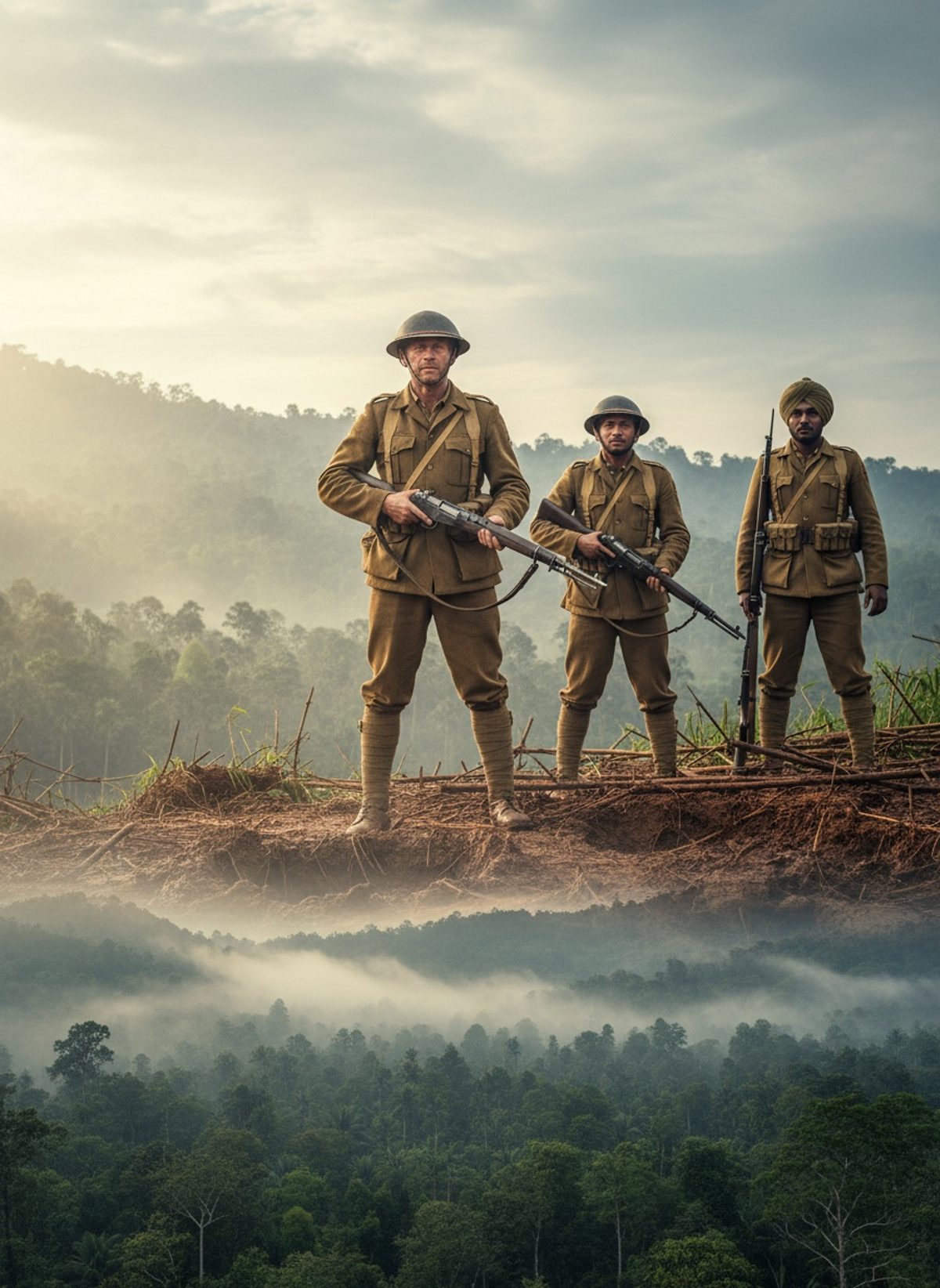
Two battles. One jungle ridge. The Japanese Imperial Army had never been forced to retreat. Then Kohima happened. Britain's forgotten victory changed the entire war in the East.
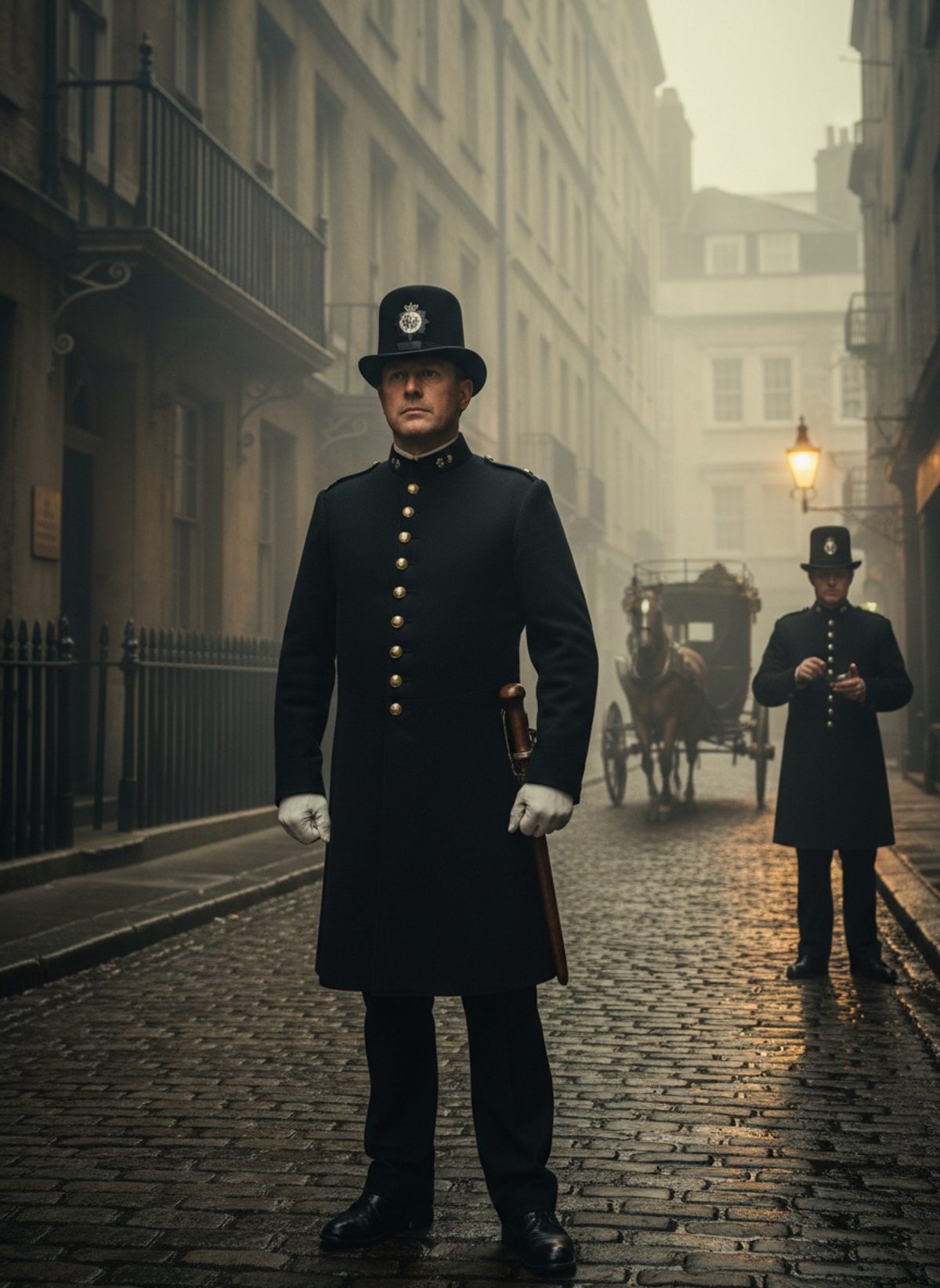
Parliament created the Met in 1829. The City refused to join. One square mile. Ancient rights. Its own rules. The Square Mile has policed itself ever since — and answers to no one but itself.
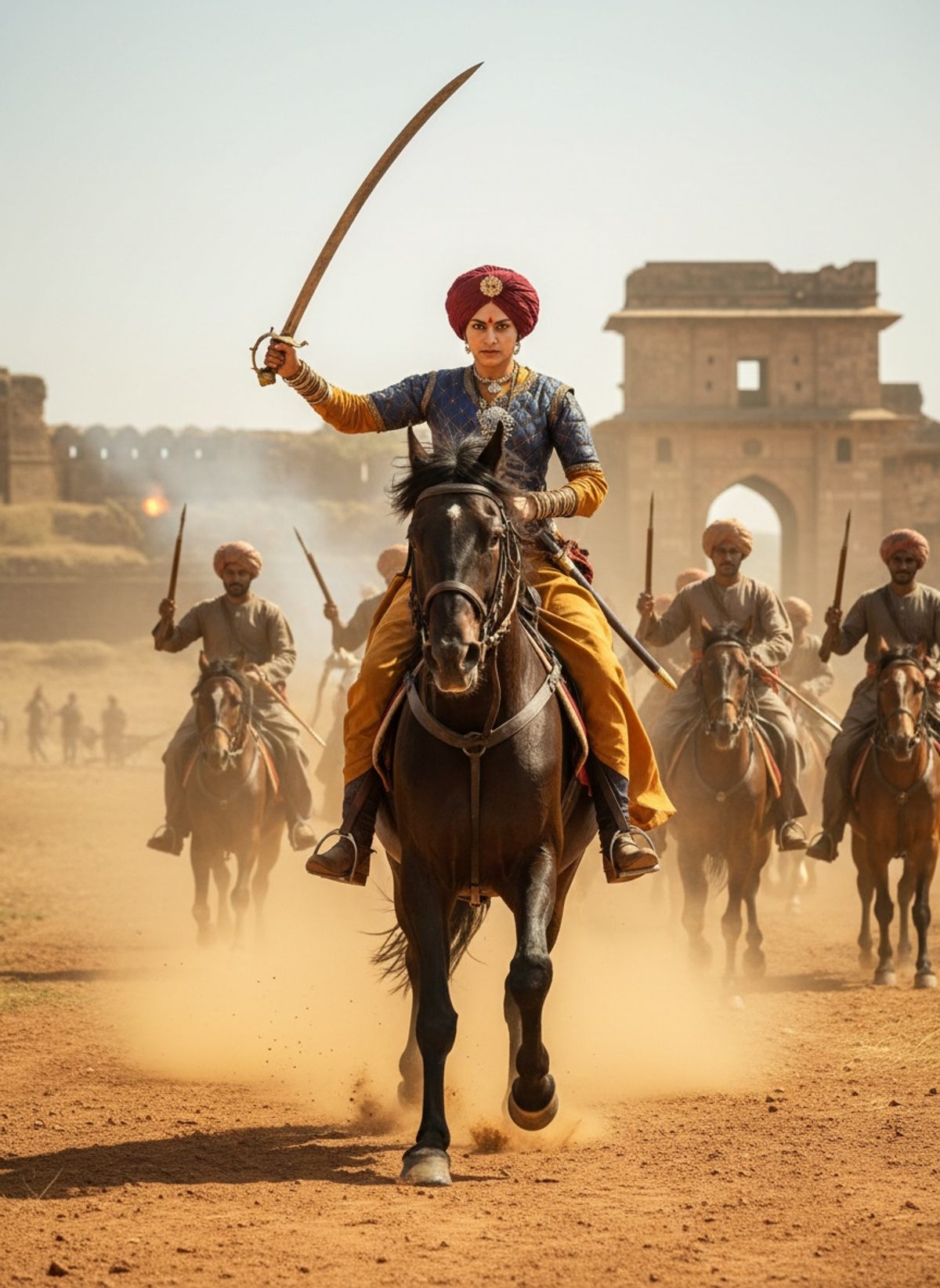
June 1858. British cavalry closed on Gwalior. The Rani of Jhansi rode out to meet them. She fought until she could not stand. She never surrendered. Hugh Rose called her the greatest rebel leader of the uprising.
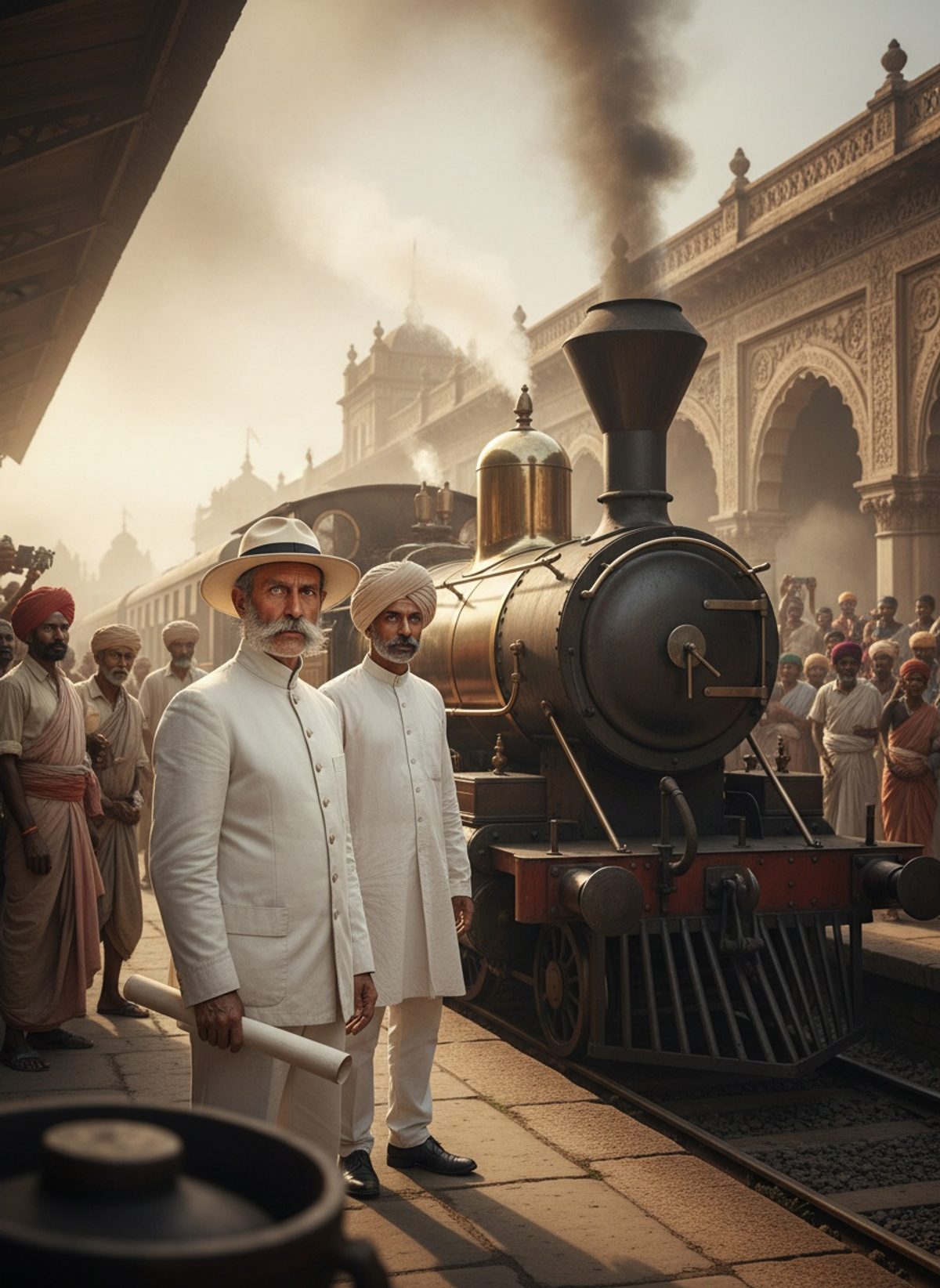
April 1853. The first passenger train in India left Bombay. It ran on tracks surveyed by British engineers. Governed by contracts written in English law. Those tracks still carry 23 million passengers every day.
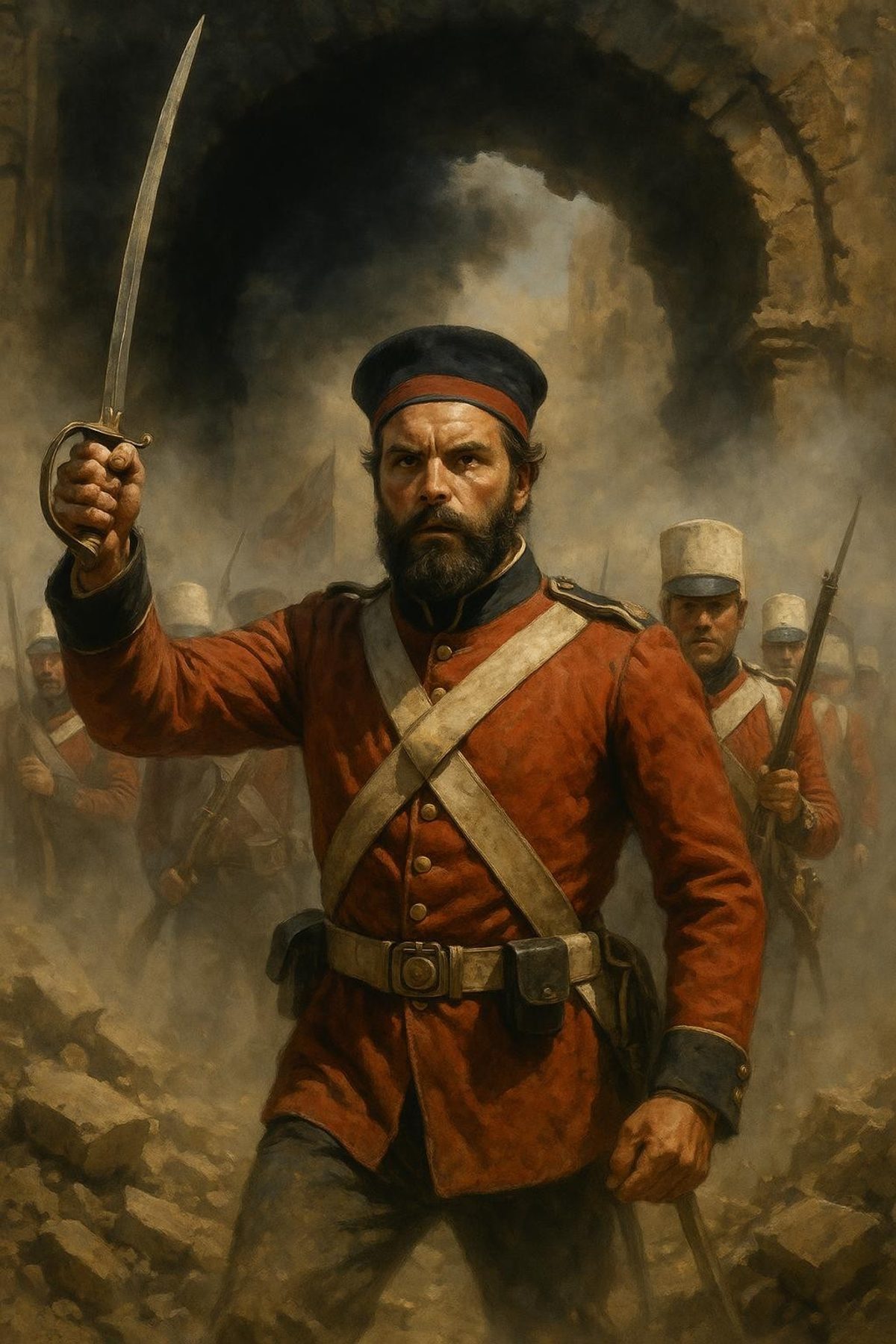
September 1857. The Delhi ridge had held for months. John Nicholson led the assault column through the Kashmir Gate. A musket ball struck him down. He refused to leave. He died knowing Delhi had fallen.
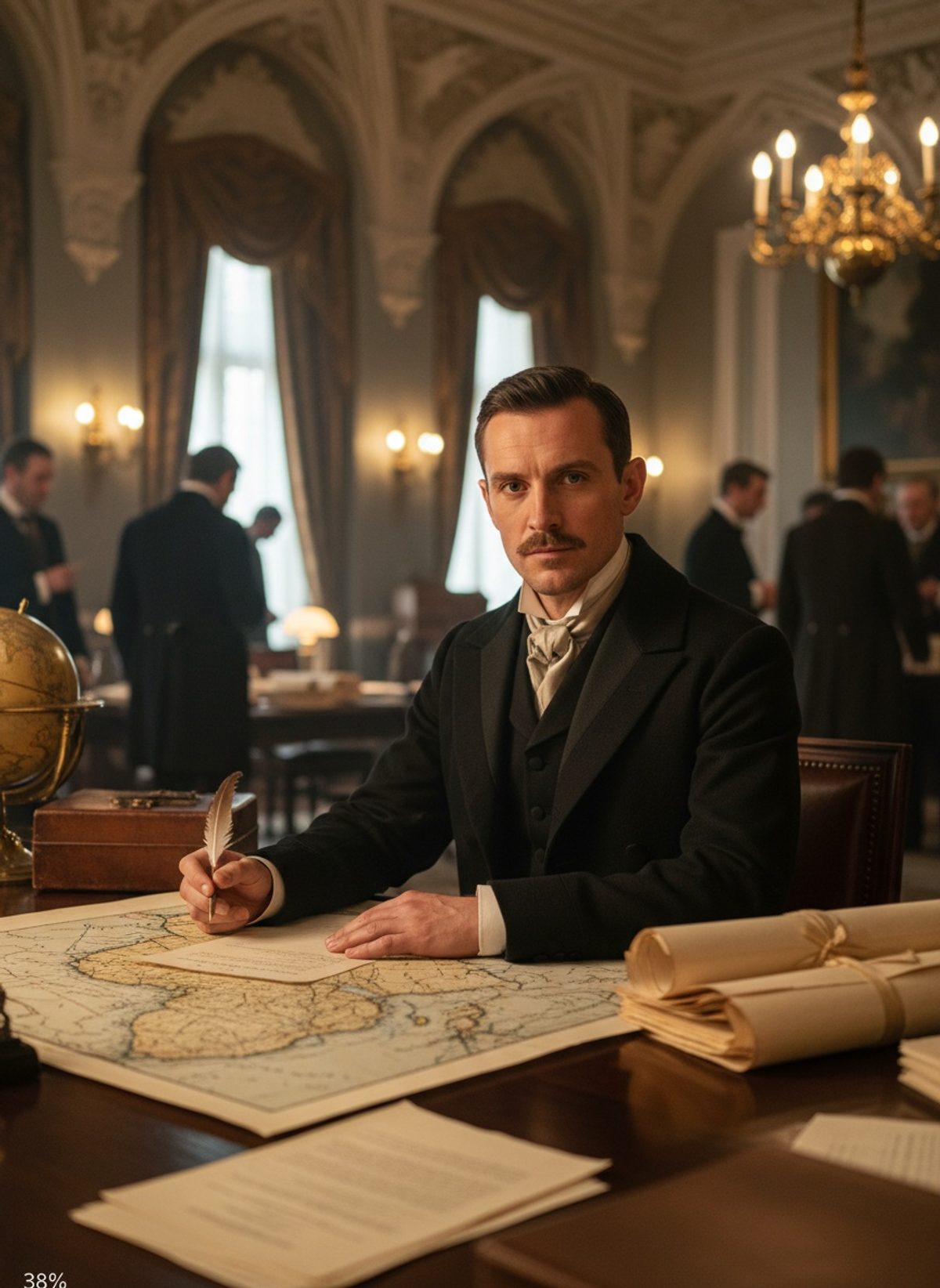
Berlin, 1884. The great powers were carving Africa. George Taubman Goldie arrived with signed treaties from 400 river chiefs. France had nothing. Britain kept the Niger.
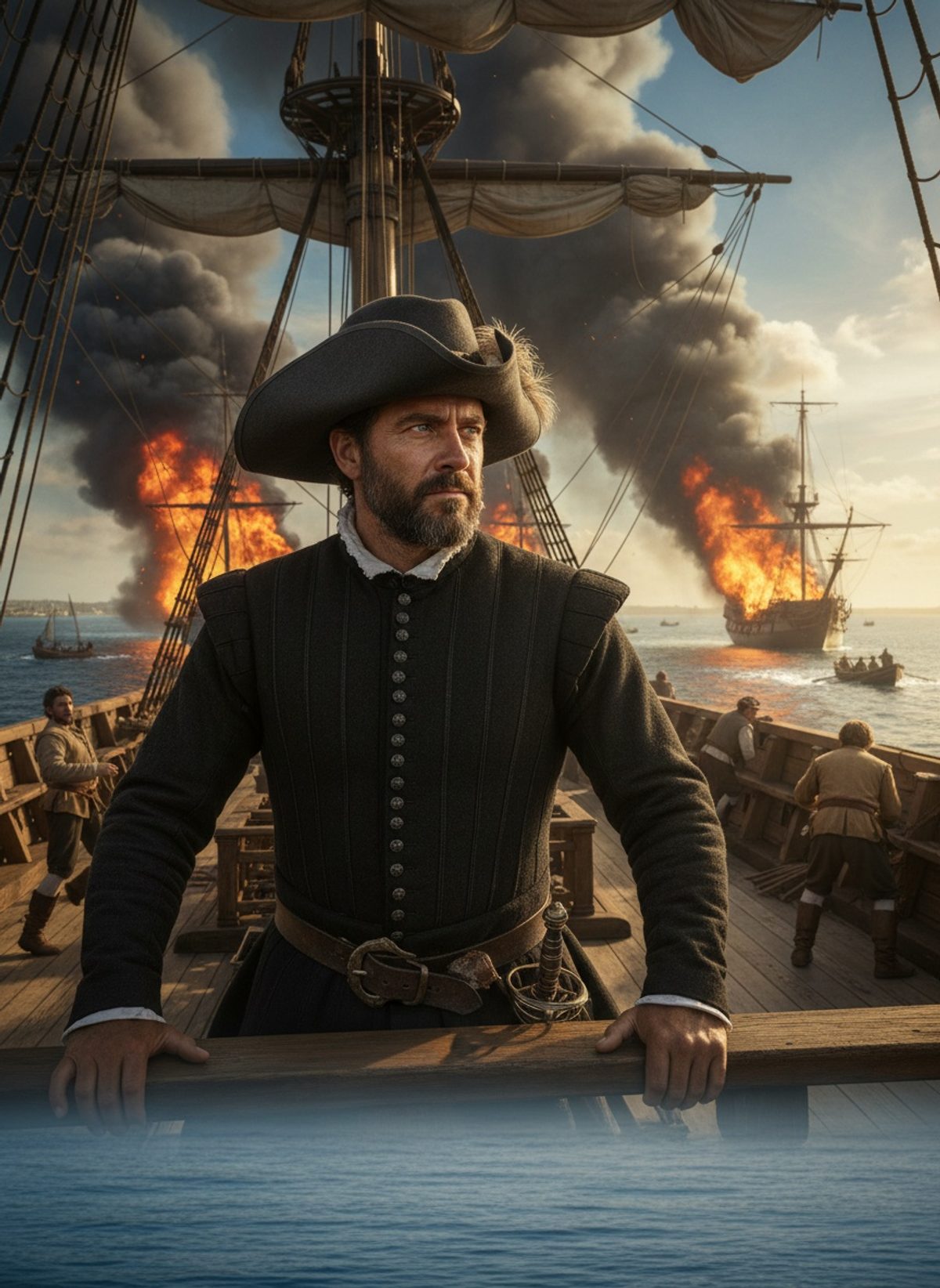
April 1587. Spain was building the greatest fleet the world had ever seen. Drake did not wait. He sailed straight into Cadiz harbour. He burned thirty ships in a single afternoon. He called it singeing the King's beard.
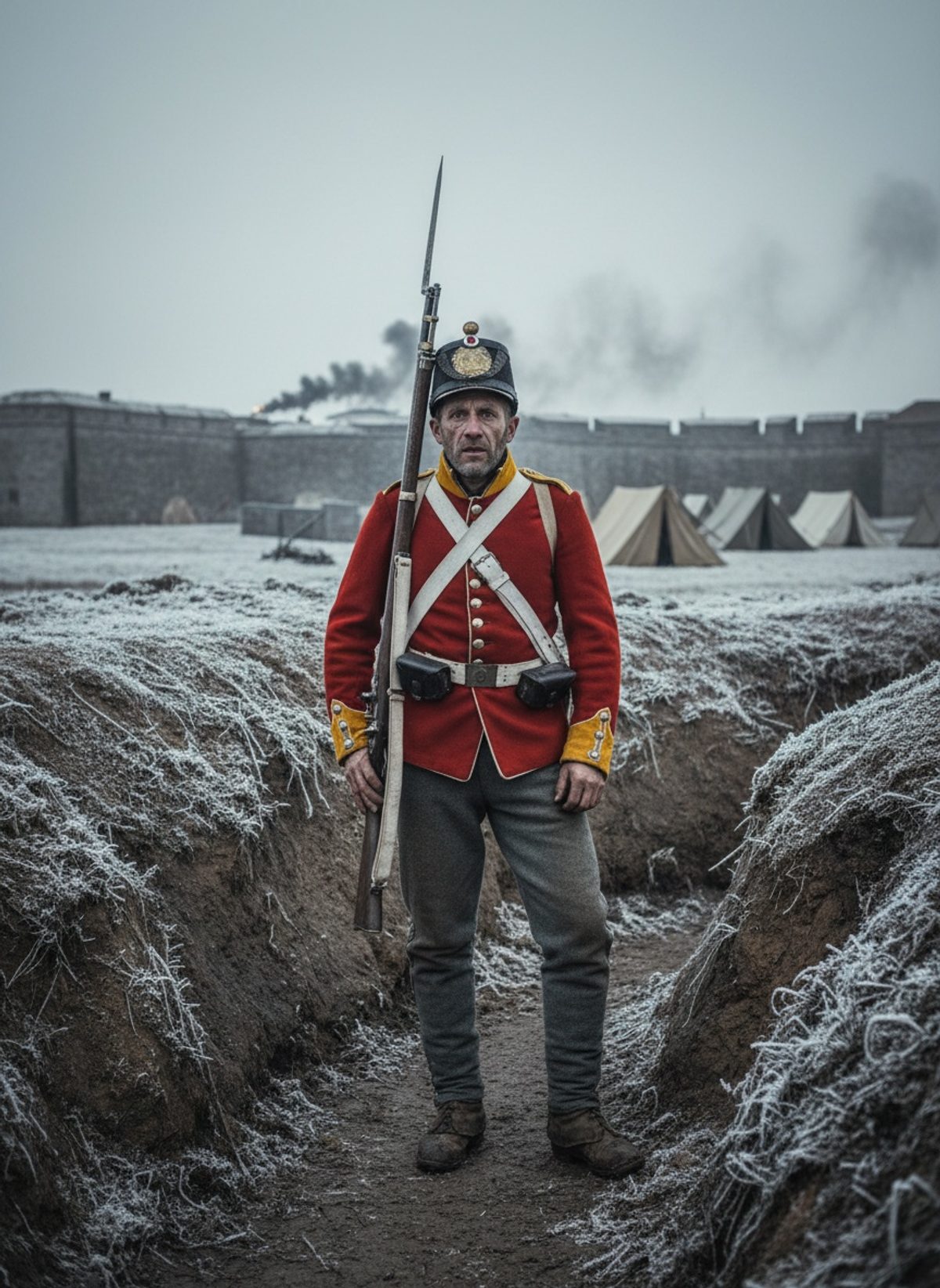
Britain declared war on Russia in 1854 with an army that had no maps, no winter boots, and no plan. The men who sailed to Crimea were magnificent. The system that sent them was rotten to the core.
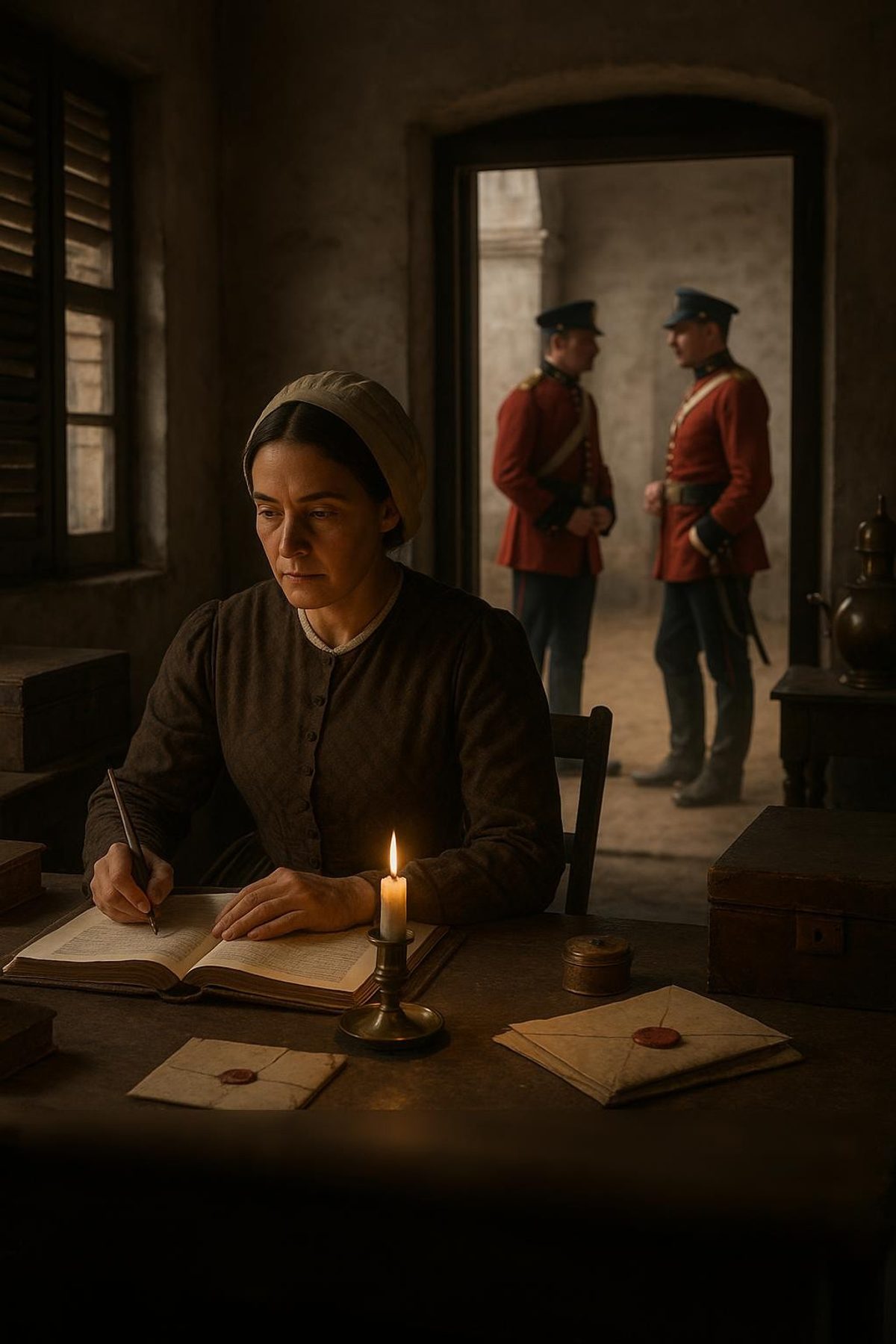
She kept the ledgers. She heard everything. When British officers joked about their own men dying, and troops bragged about cruelties carried out in India's dust, one woman wrote it all down.
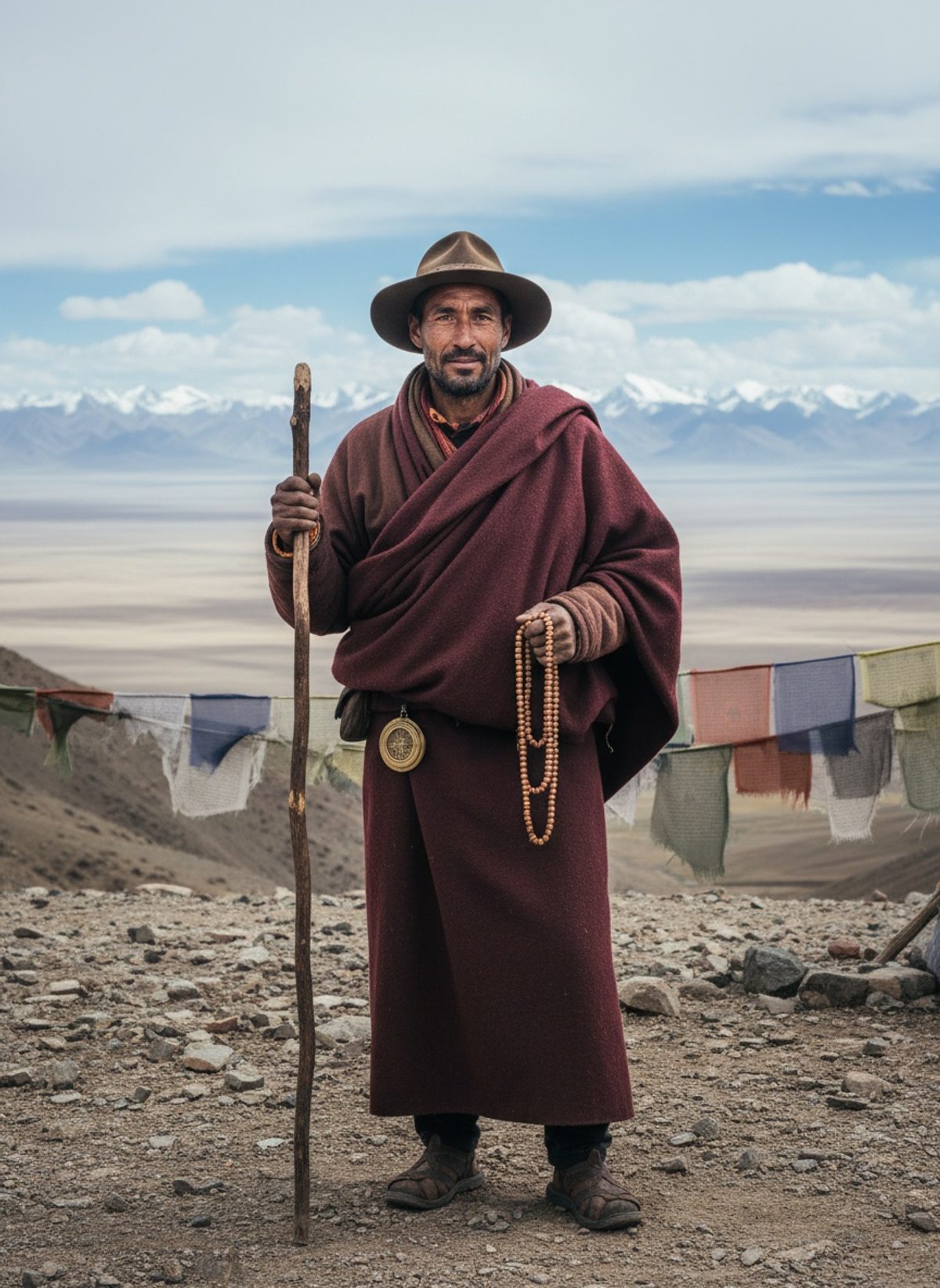
1875. Nain Singh walked into Lhasa disguised as a pilgrim. He counted every step. A rosary of exactly 100 beads kept his count. He mapped a forbidden kingdom. No European could go where he went.
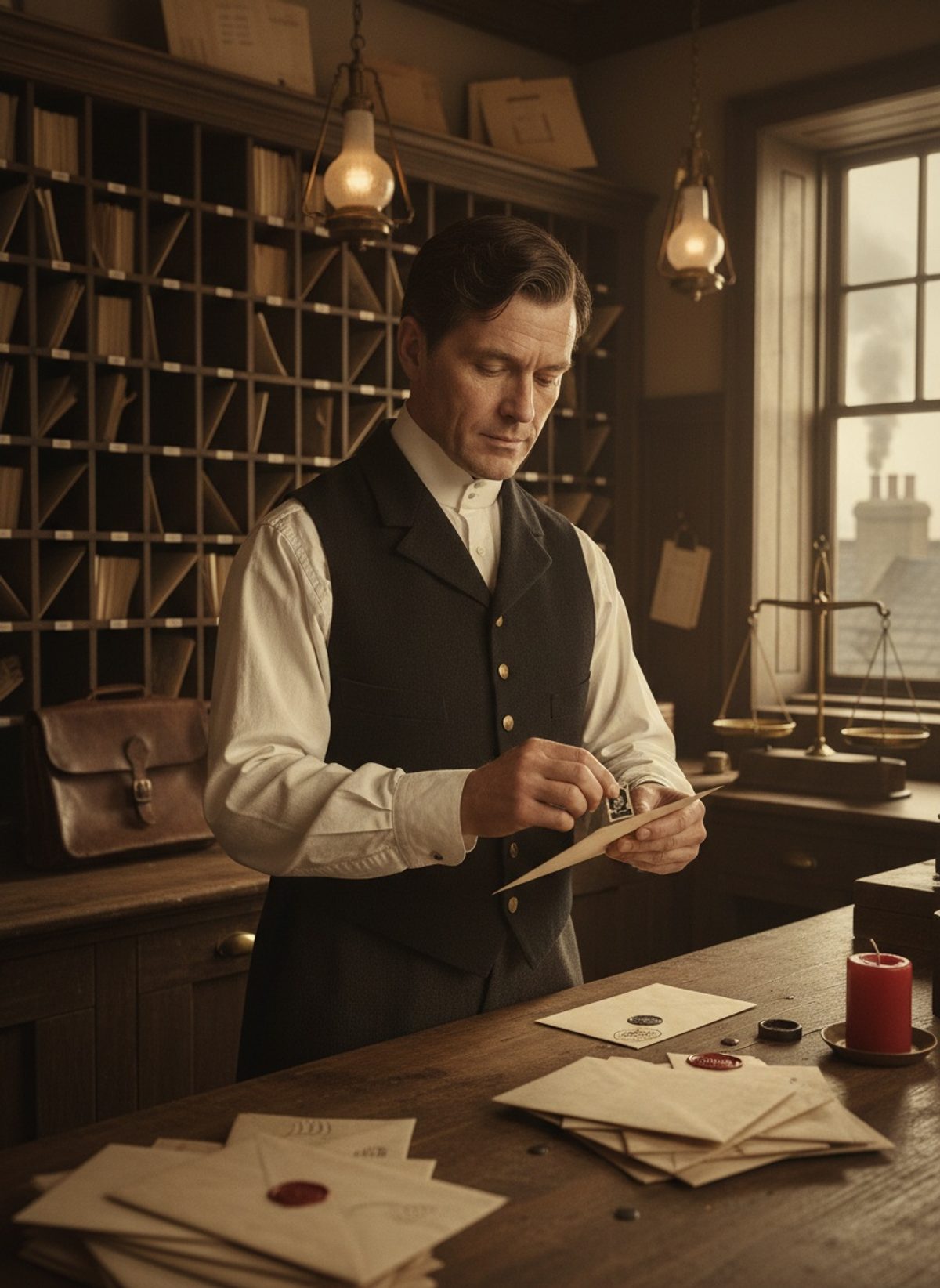
January 1840. A London postal clerk pressed a penny stamp onto an envelope. One small square of paper. It connected a fisherman in Cornwall to a soldier in Calcutta. The world had never been closer.
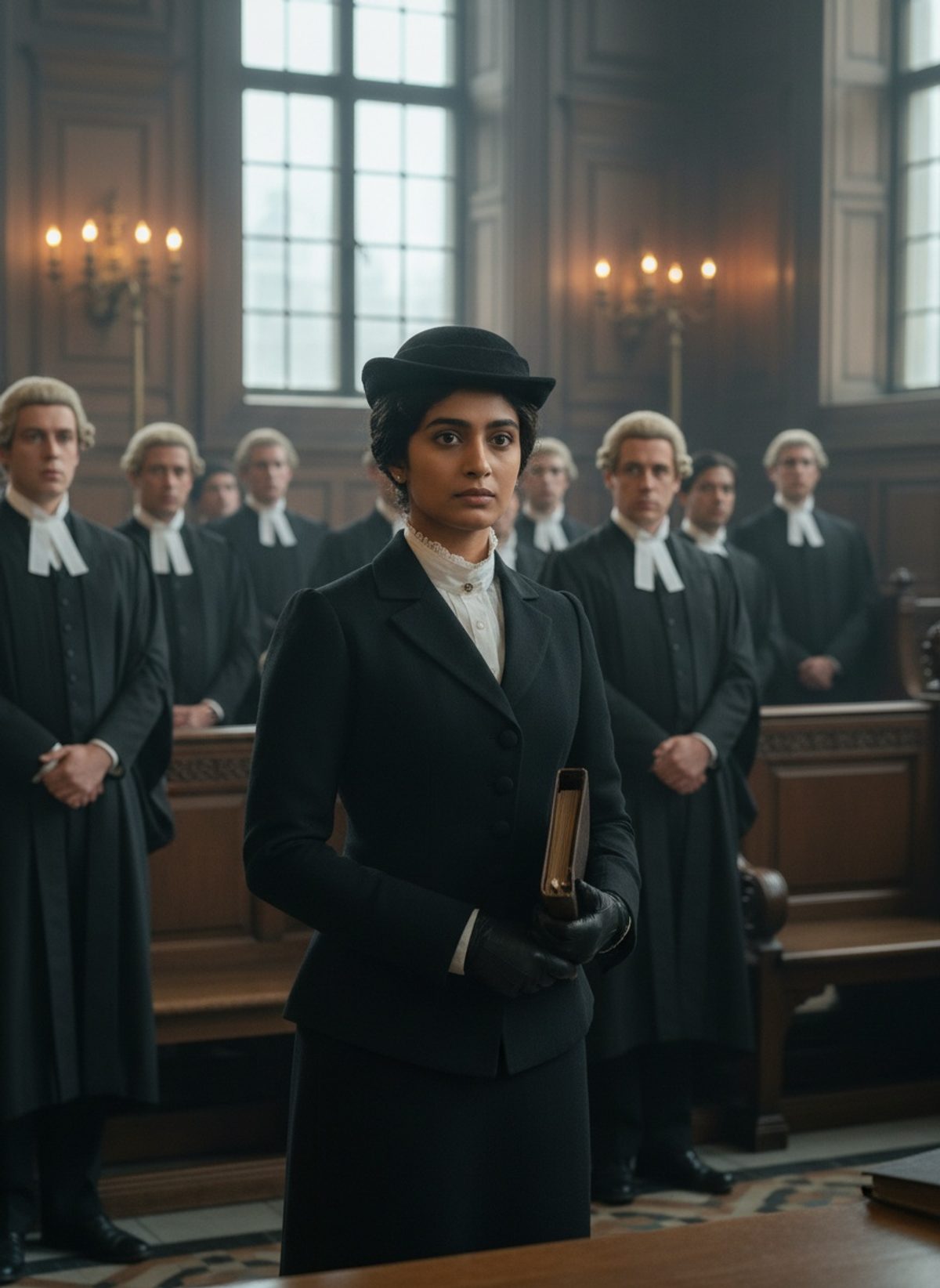
1909. A woman stood before the Privy Council in London. She was Indian. She was a barrister. No woman had done this before. She had spent years fighting purdah walls for women who could not speak for themselves. She won.
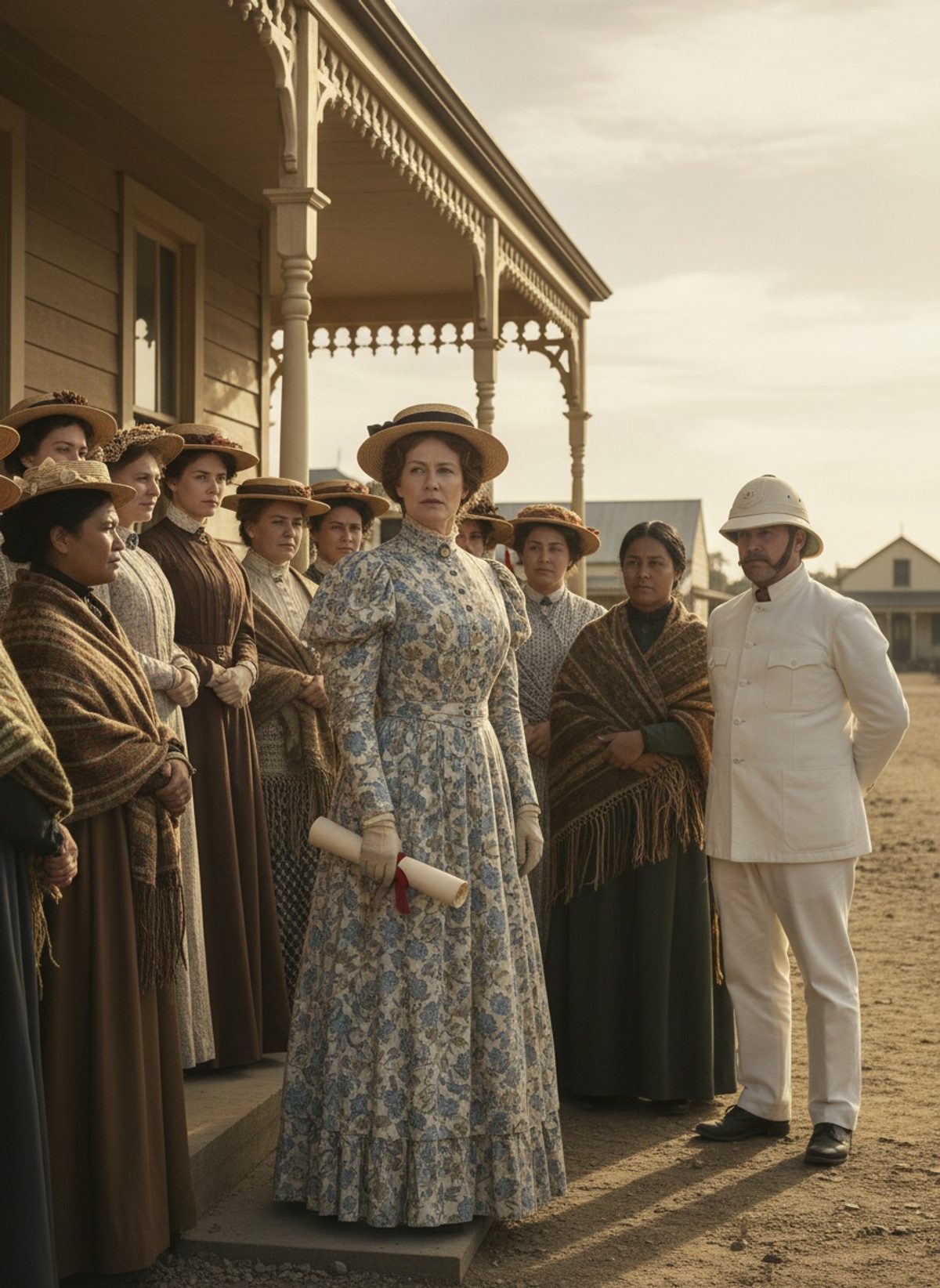
In 1893, New Zealand became the first self-governing country on earth to grant women the vote. The Colonial Office had expected resistance. Instead, they got a signature — and a lesson.
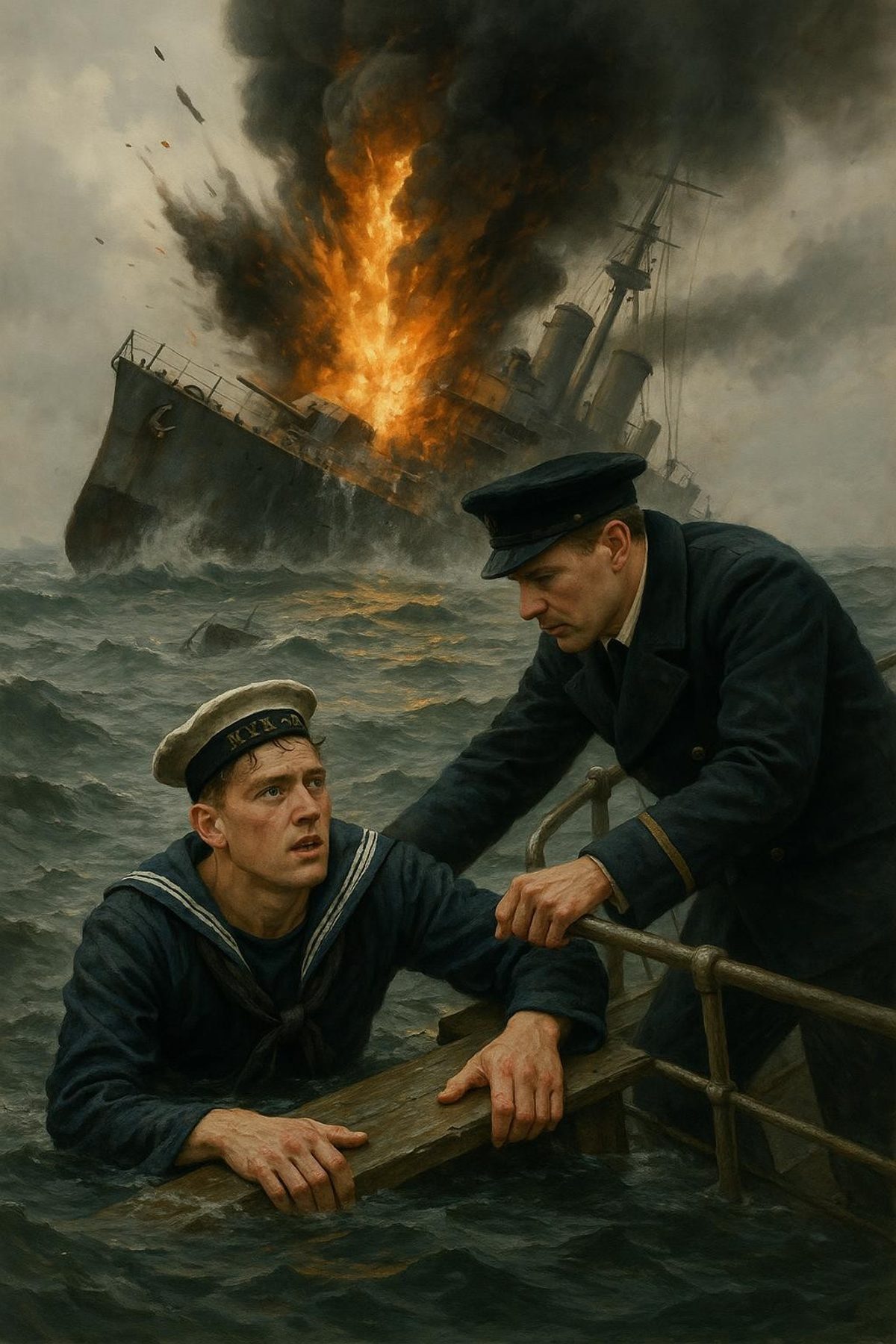
A single torpedo. Nine minutes. 259 men gone. HMS Pathfinder was the first warship in history sunk by a self-propelled torpedo from a submarine. The North Sea swallowed her before anyone could react.
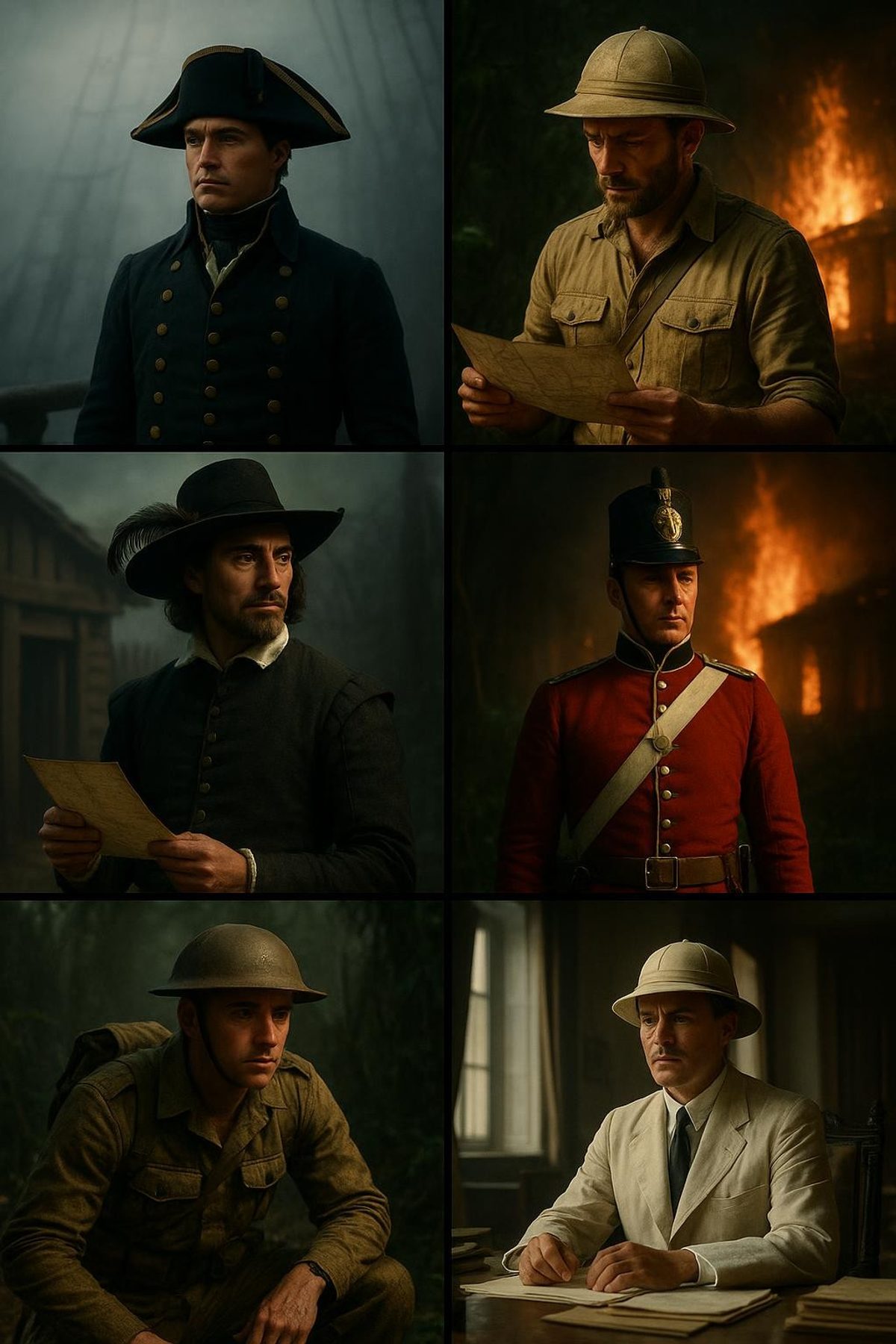
Six real moments. Six impossible choices. The British Empire left behind unsolved riddles that still have no clean answer. Pick one. Defend it.
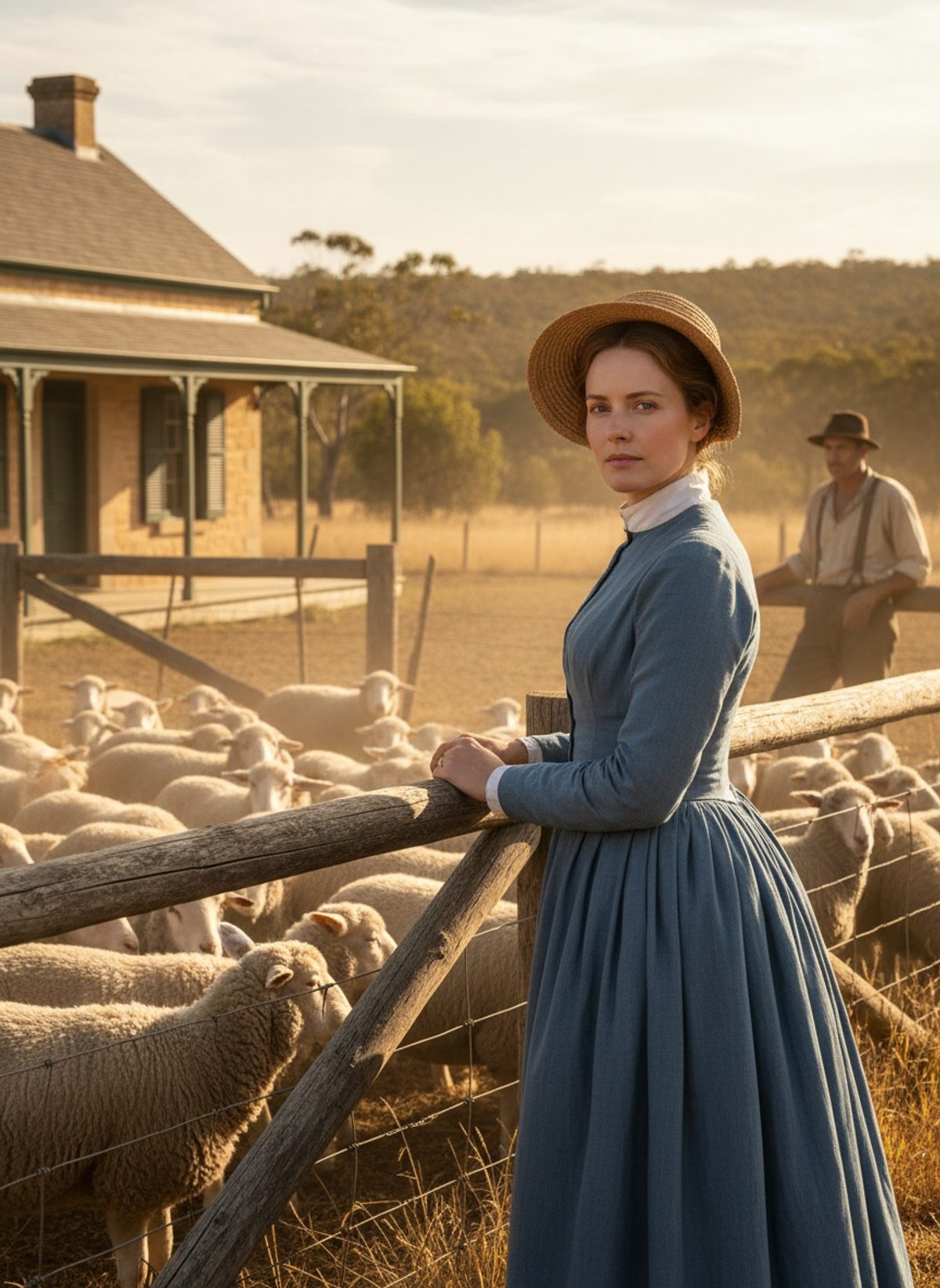
1804. John Macarthur sailed to England in chains. Elizabeth was left alone. Six children. A struggling farm. A flock of merino sheep no one believed in. She ran the station. She sold the wool. She kept the dream alive.
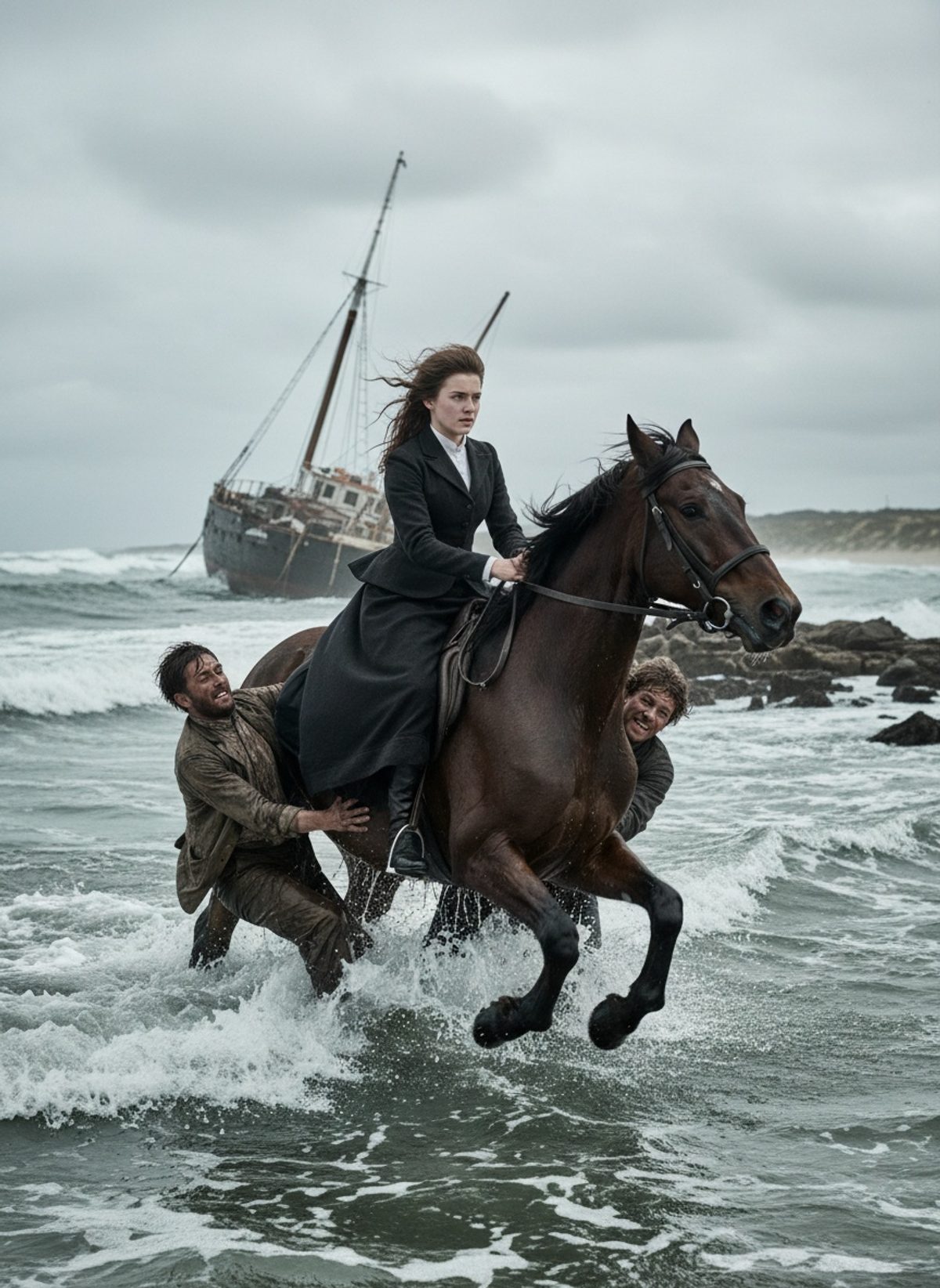
1876. A ship struck the rocks off Western Australia. Grace Bussell was sixteen. She rode her horse into the heaving surf again and again. Fifty lives. One girl. One horse.
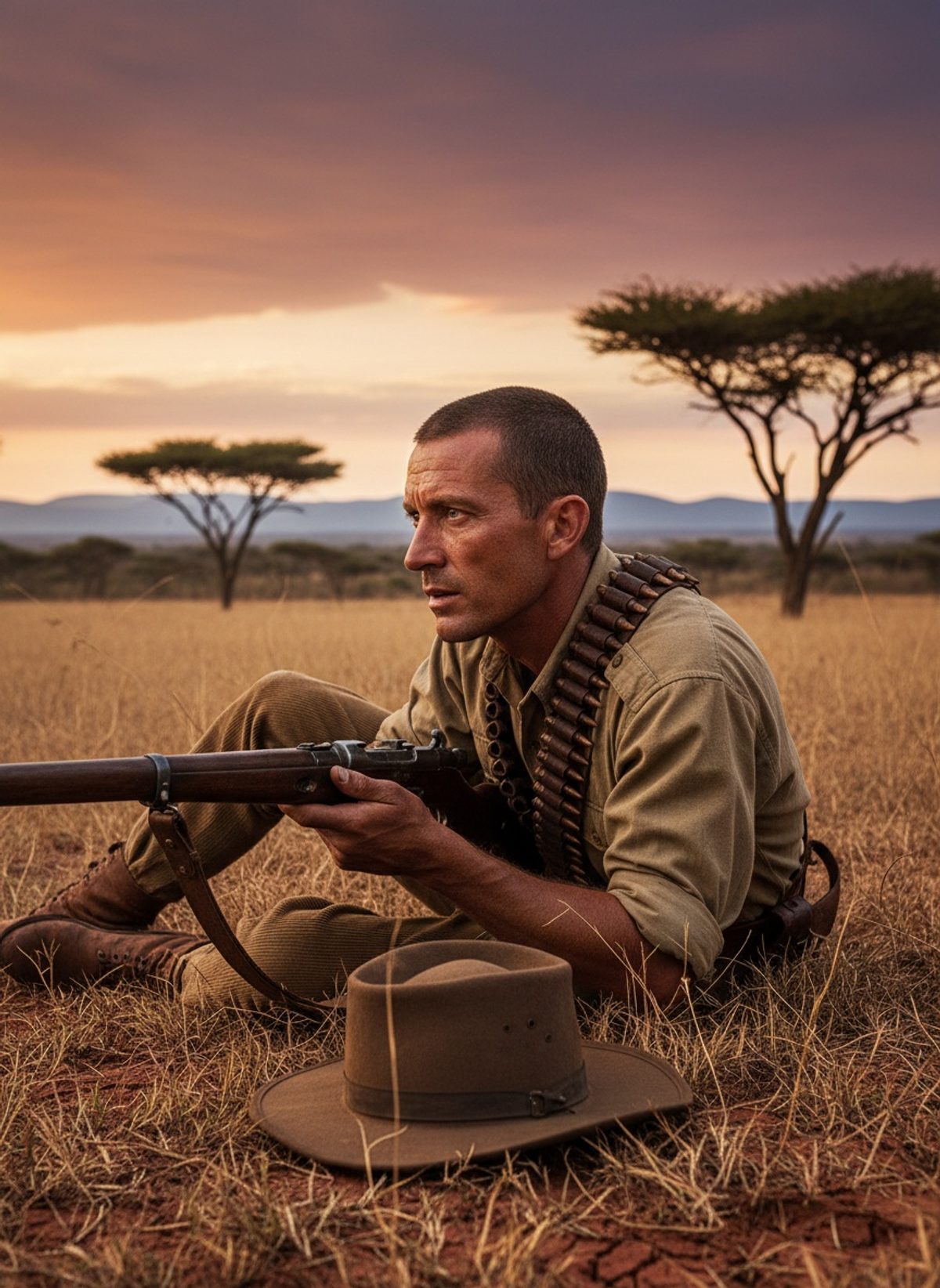
Matabeleland, 1893. The British column was blind. One American scout rode out alone into enemy territory. Frederick Russell Burnham returned with the intelligence that broke the Matabele impis. He did it carrying nothing but nerve.
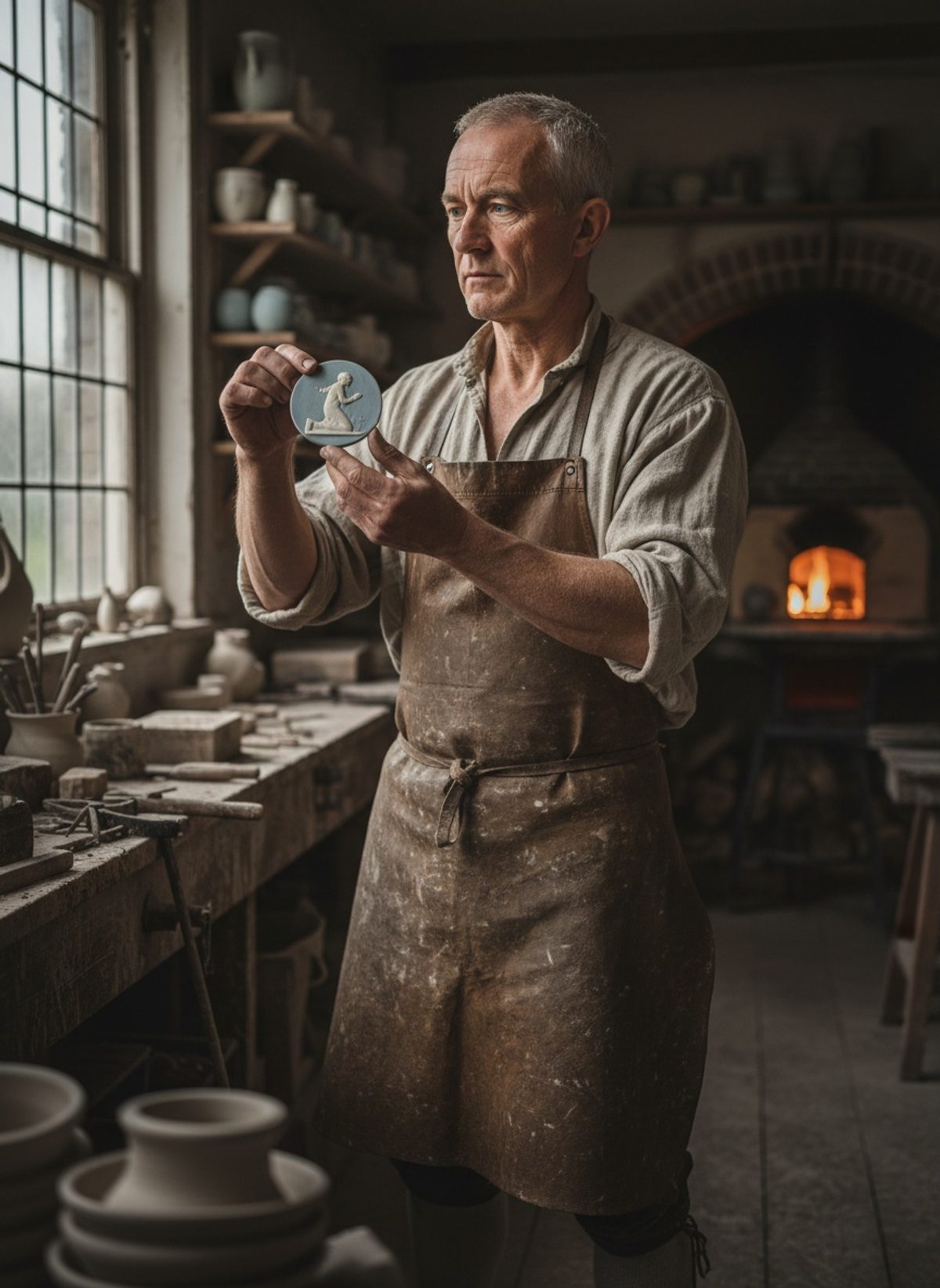
1787. A Staffordshire potter turned his kiln against the slave trade. Josiah Wedgwood made a medallion. A kneeling man in chains. The words: Am I Not A Man And A Brother. It spread across Britain. It changed everything.
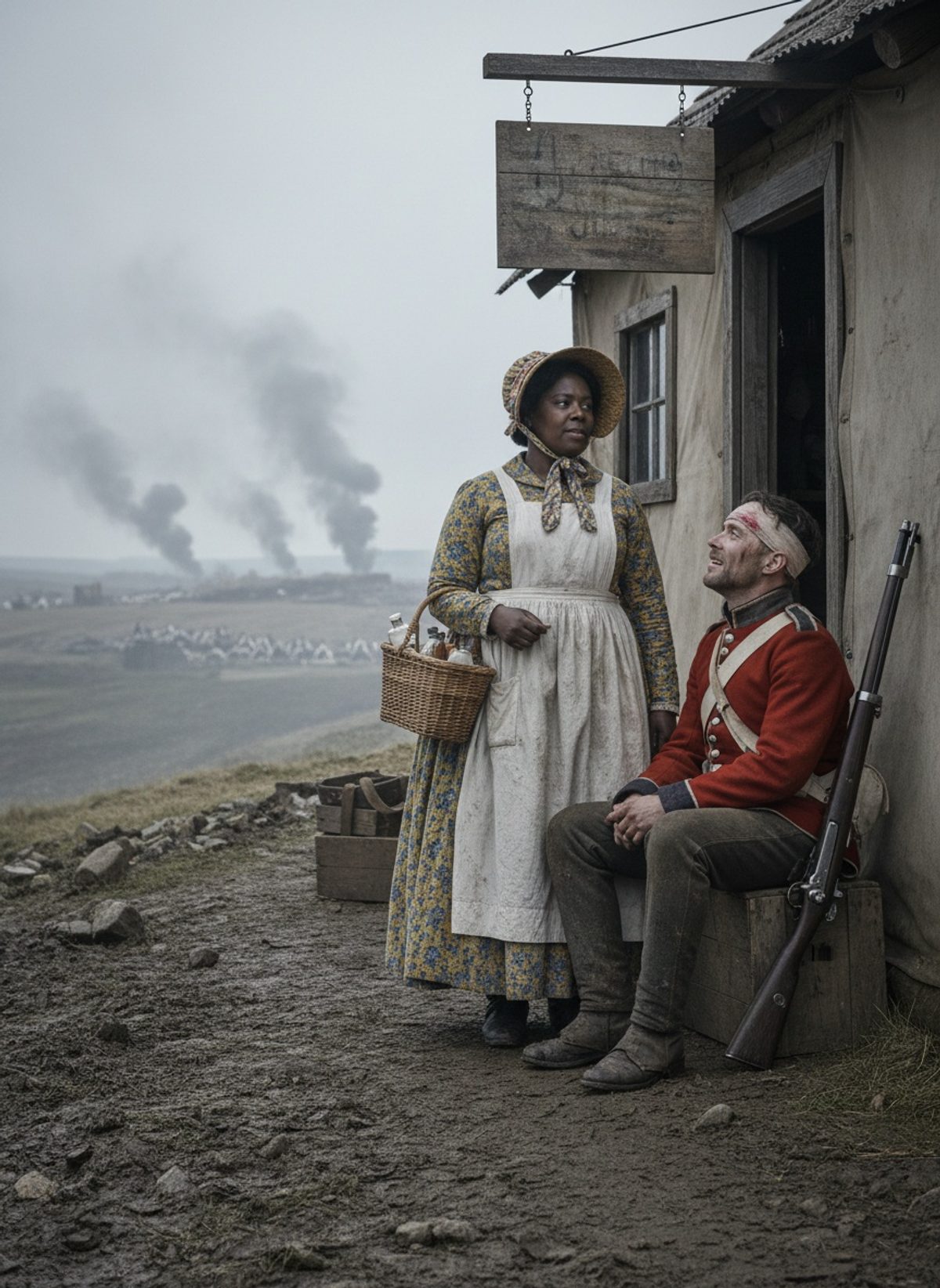
London said no. The War Office said no. Every nursing committee said no. Mary Seacole paid her own passage to the Crimea and built a hospital with her bare hands. She got there anyway.
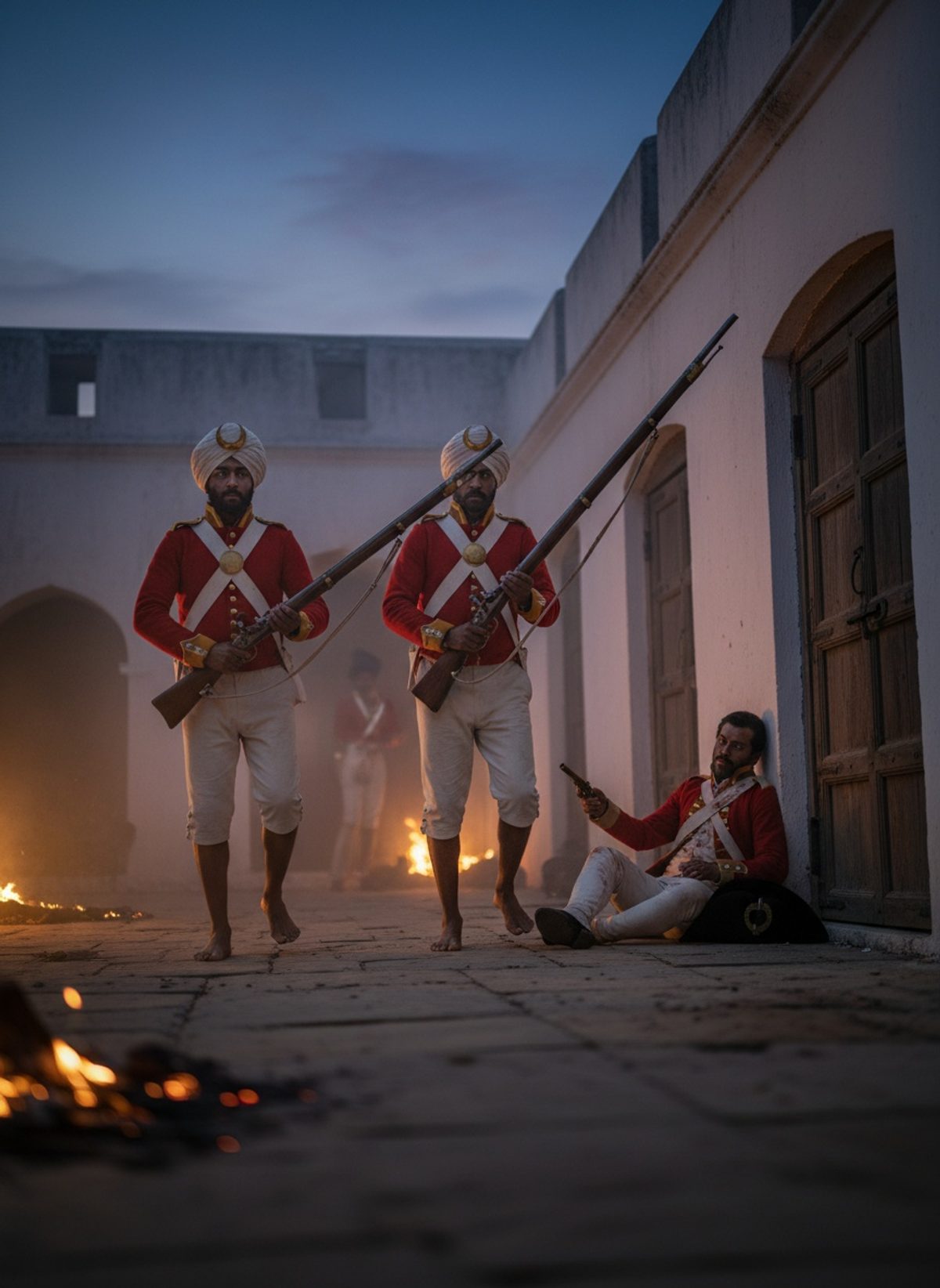
Vellore, India. July 10, 1806. Before dawn, Indian sepoys turned their muskets on their sleeping British officers. 200 British soldiers were dead by sunrise. The men who pulled the trigger weren't rebels — they were the Crown's own.
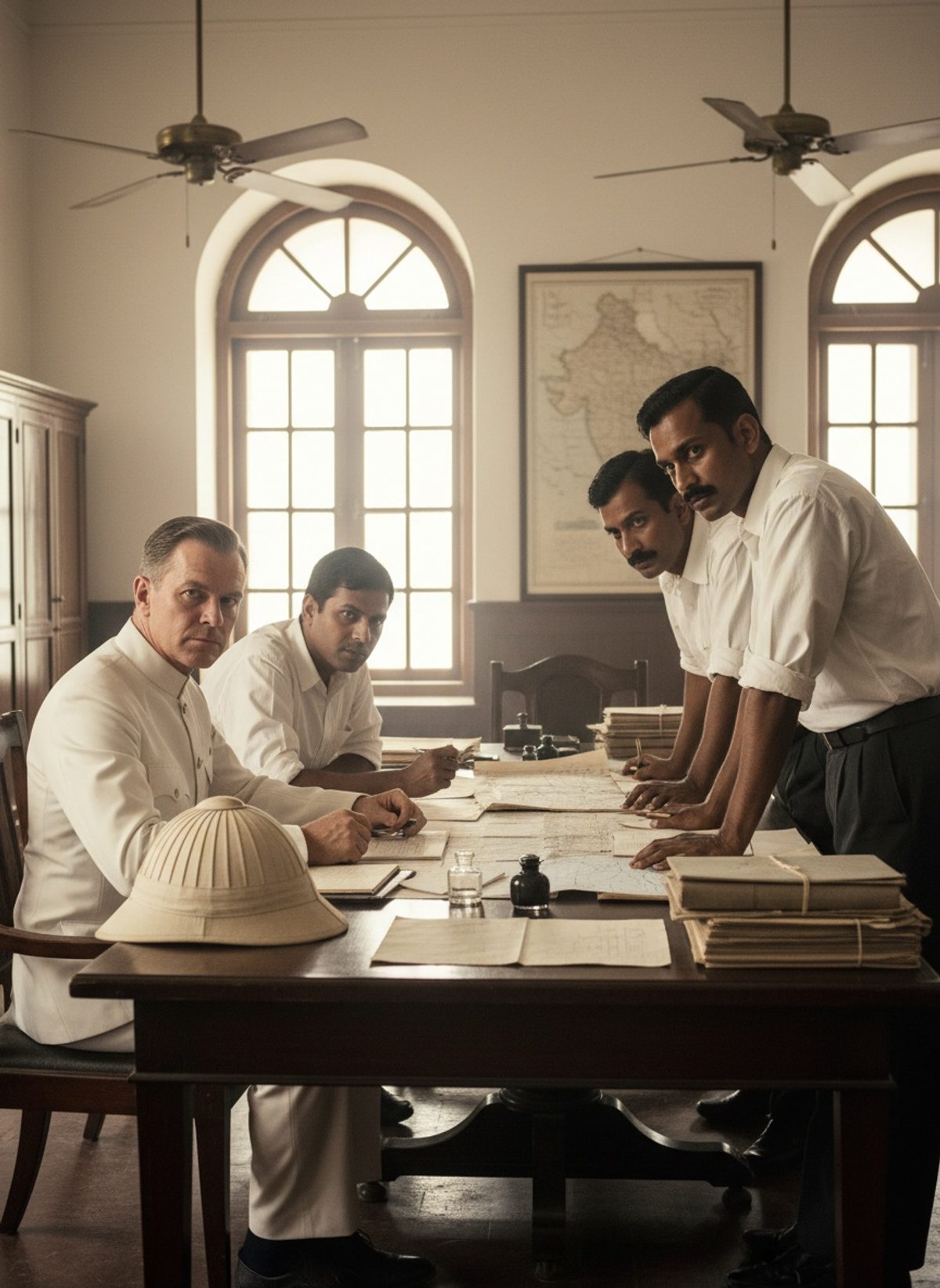
India was dying of disease. A quiet British official handed power to Indian doctors. No guns. No glory. Just a report that changed 300 million lives before the flag came down.
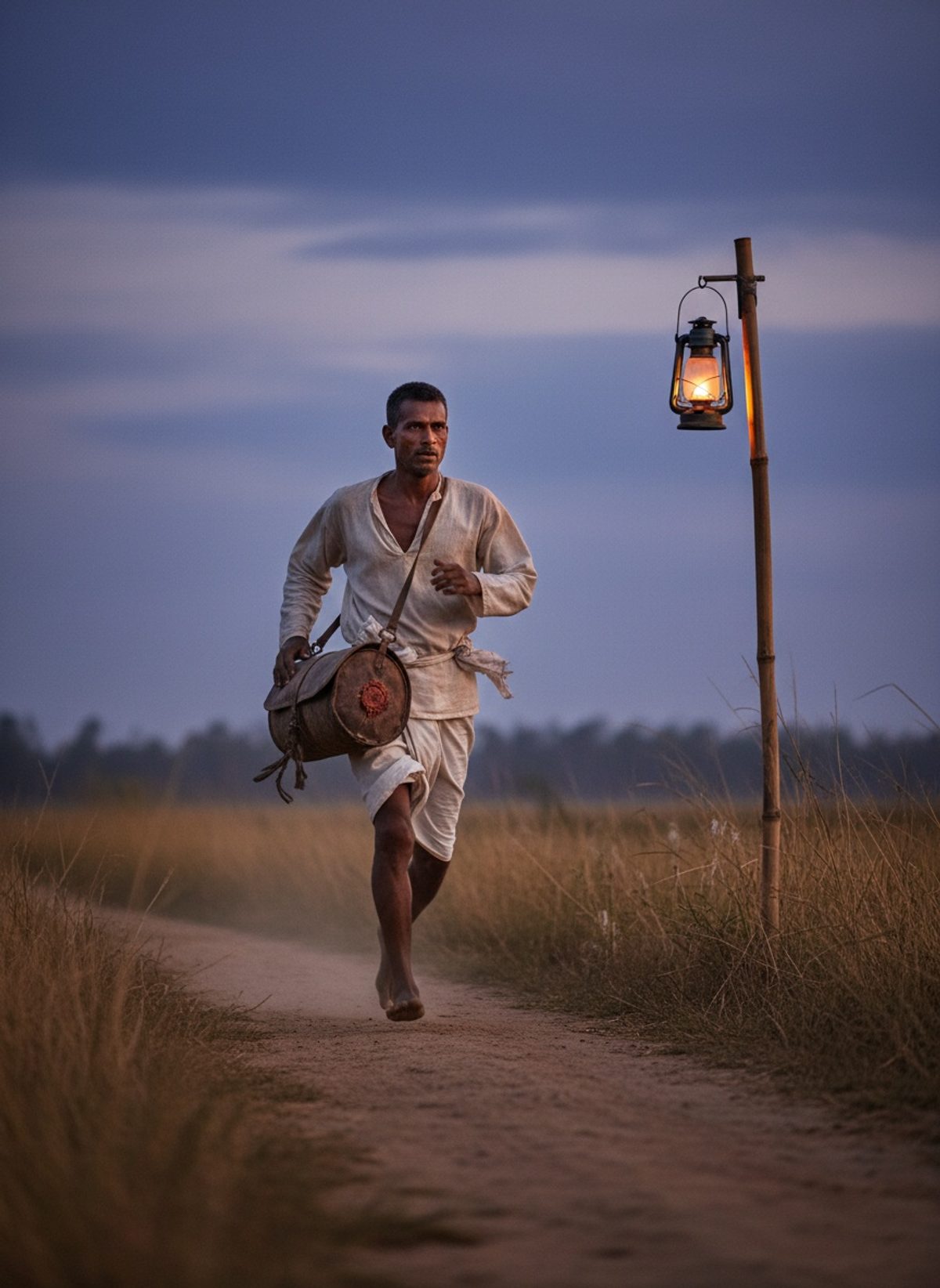
1875. Night on the Bengal plain. A barefoot runner left one lantern post and ran for the next. He carried the mail of an empire. He ran through monsoon and tiger country. He never stopped. He never missed.
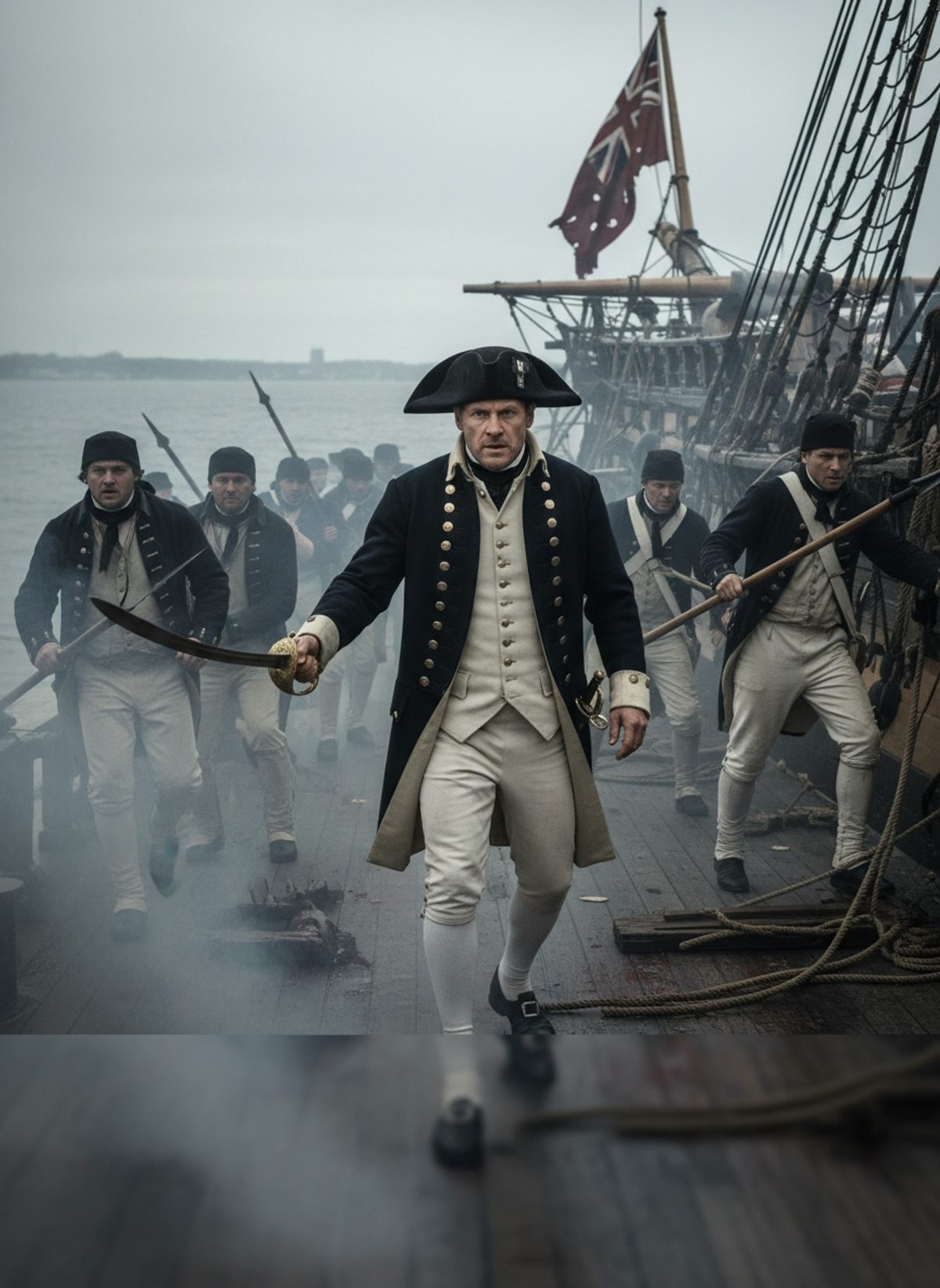
June 1813. HMS Shannon lay off Boston Harbour. Captain Philip Broke sent a personal challenge to the American frigate Chesapeake. The Chesapeake came out. Thirteen minutes later, she was taken. Broke led the boarding party himself. Steel met steel on the deck. Britain ruled the waves.
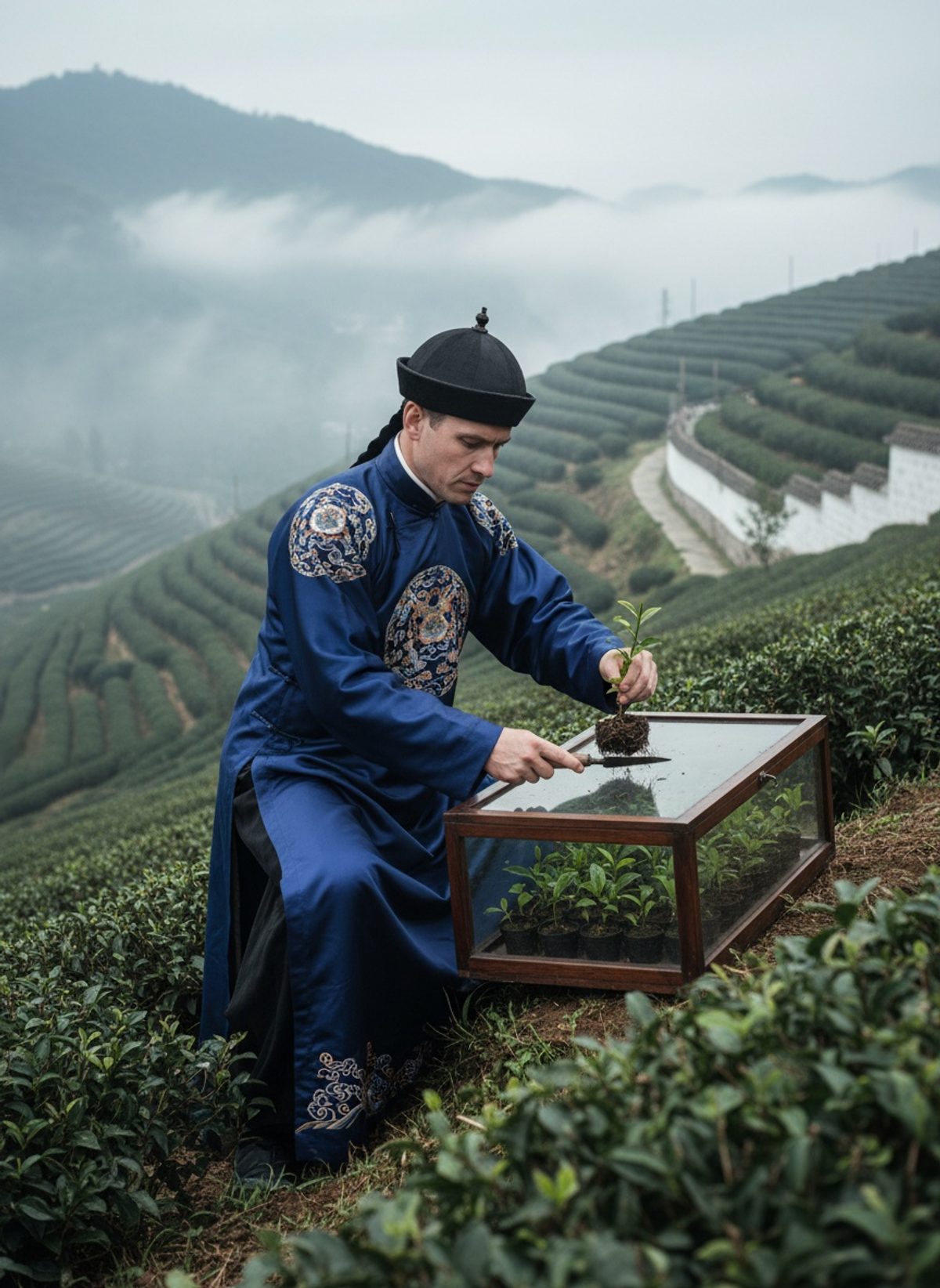
1848. China held the world's tea trade in a closed fist. Britain sent one Scottish botanist to break it. Robert Fortune walked into forbidden China disguised as a Mandarin. He carried living plants. He rewrote an empire's future.
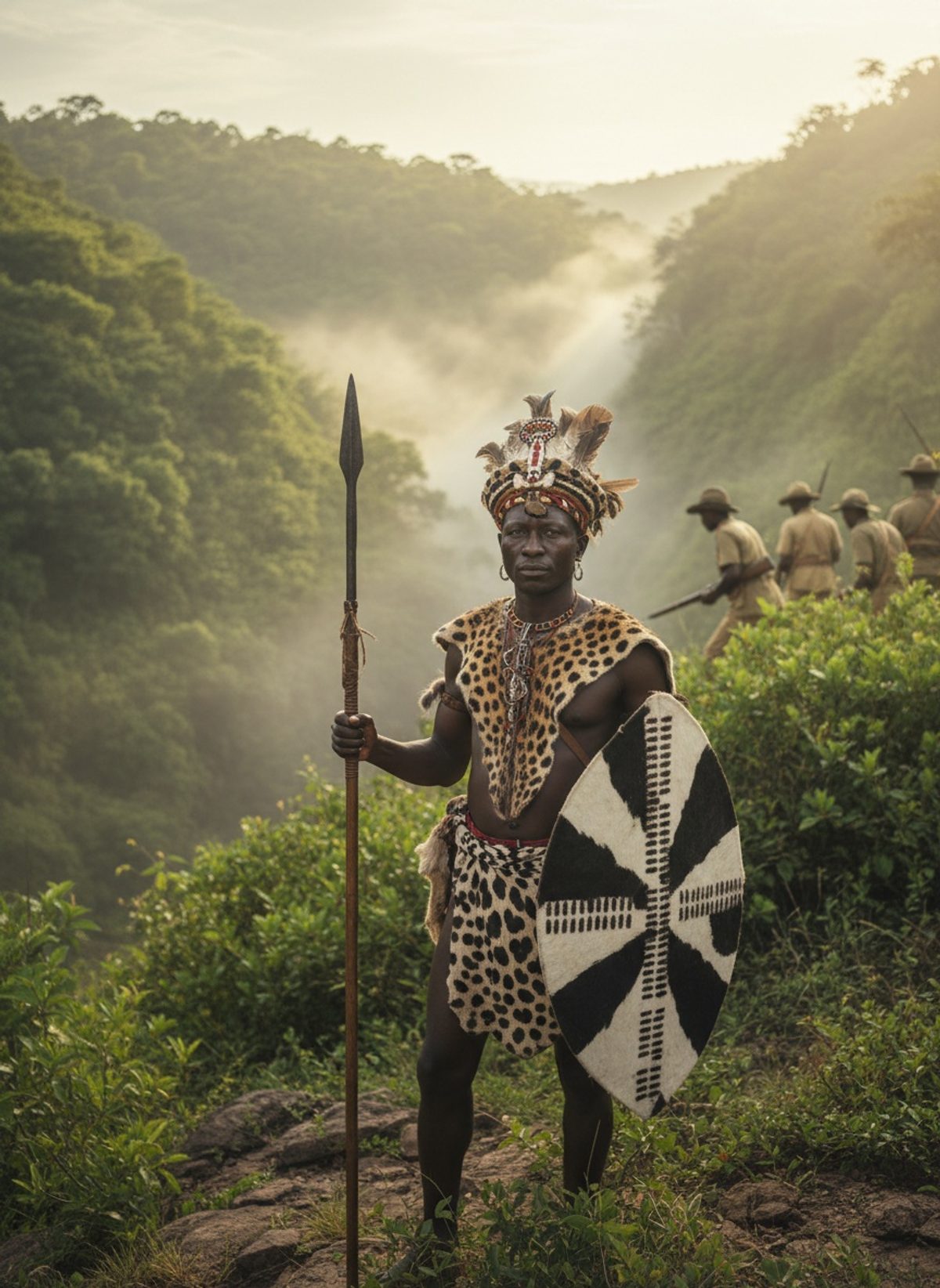
Natal, 1906. The British colony demanded a poll tax from men who had nothing. Bhambatha kaMancinza refused. He rode into the Mome Gorge with warriors who had spears against rifles. They fought anyway.
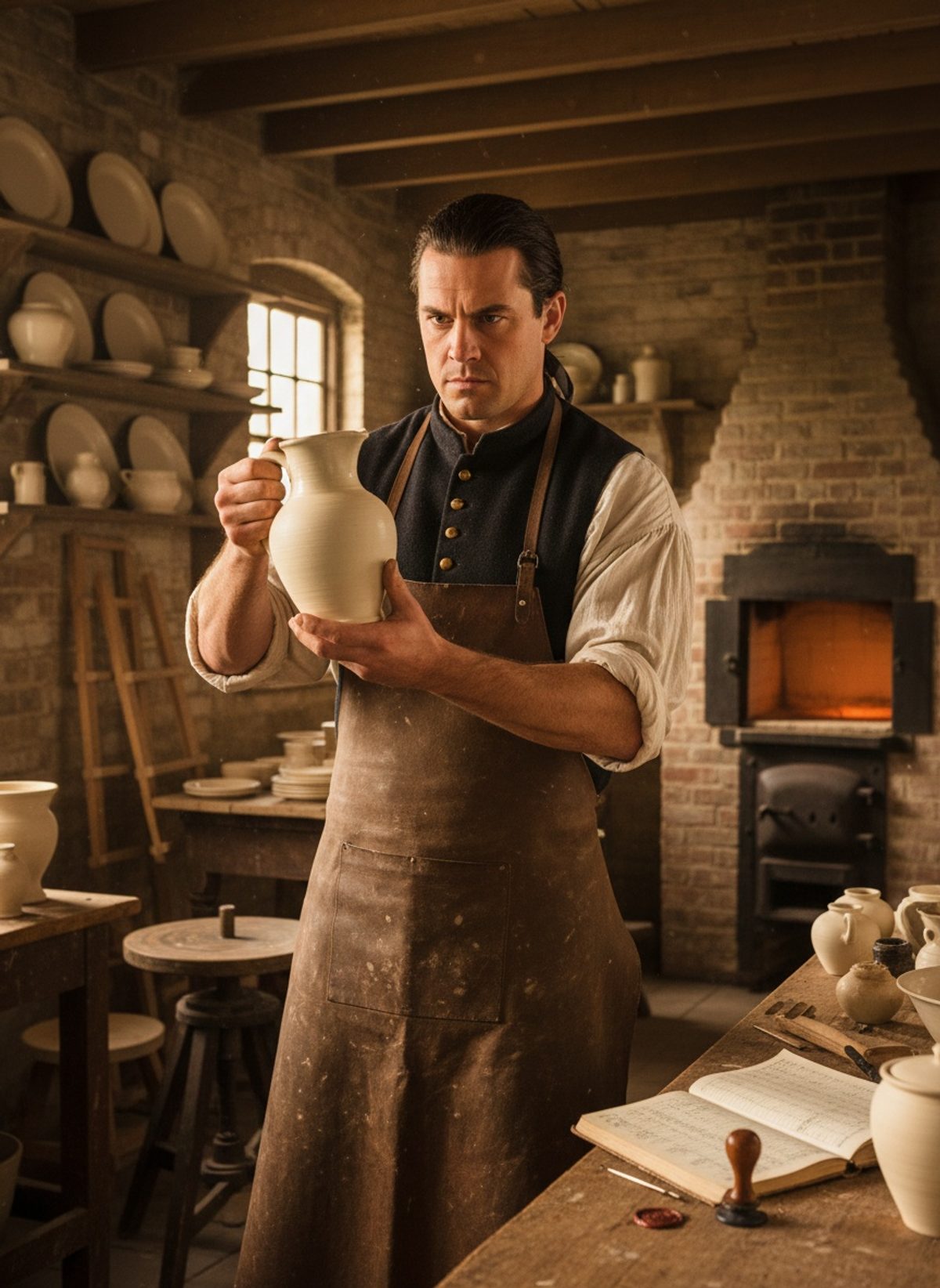
1765. Chinese porcelain ruled every European table. Britain paid fortunes for it. One Staffordshire potter changed everything. Josiah Wedgwood made English cream ware so beautiful that Catherine the Great ordered a thousand pieces. Britain stopped paying. It started selling.
Hand-picked from Britain Untold's archive. The stories you weren't taught at school. 3-minute read.
No spam. Unsubscribe in one click. We hate spam too. Privacy Policy.